Barbless.coBarbless.co
  • Home
  • Map
  • Reports
  • Guides
  • Fish
  • Hatches
  • Podcast
Sign in
Barbless.co

The more you understand, the more there is to see.

  • IdahoLive
  • CaliforniaSoon

Explore

  • Map
  • Reports
  • Browse reports
  • By region

Waters

  • River search
  • Guides & outfitters

Learn

  • Fish species
  • Hatches & forage
  • Podcast

Company

  • About
  • Contact
  • Editorial policy
  • Releases
  • Legal

© 2026 Barbless.co. Flow and gauge data from USGS; weather from Open-Meteo. · v2026.10.18.2

  1. Home
  2. Hatches & Forage
  3. Baitfish
  4. Sculpin

Updated July 20, 2026

← Back to map
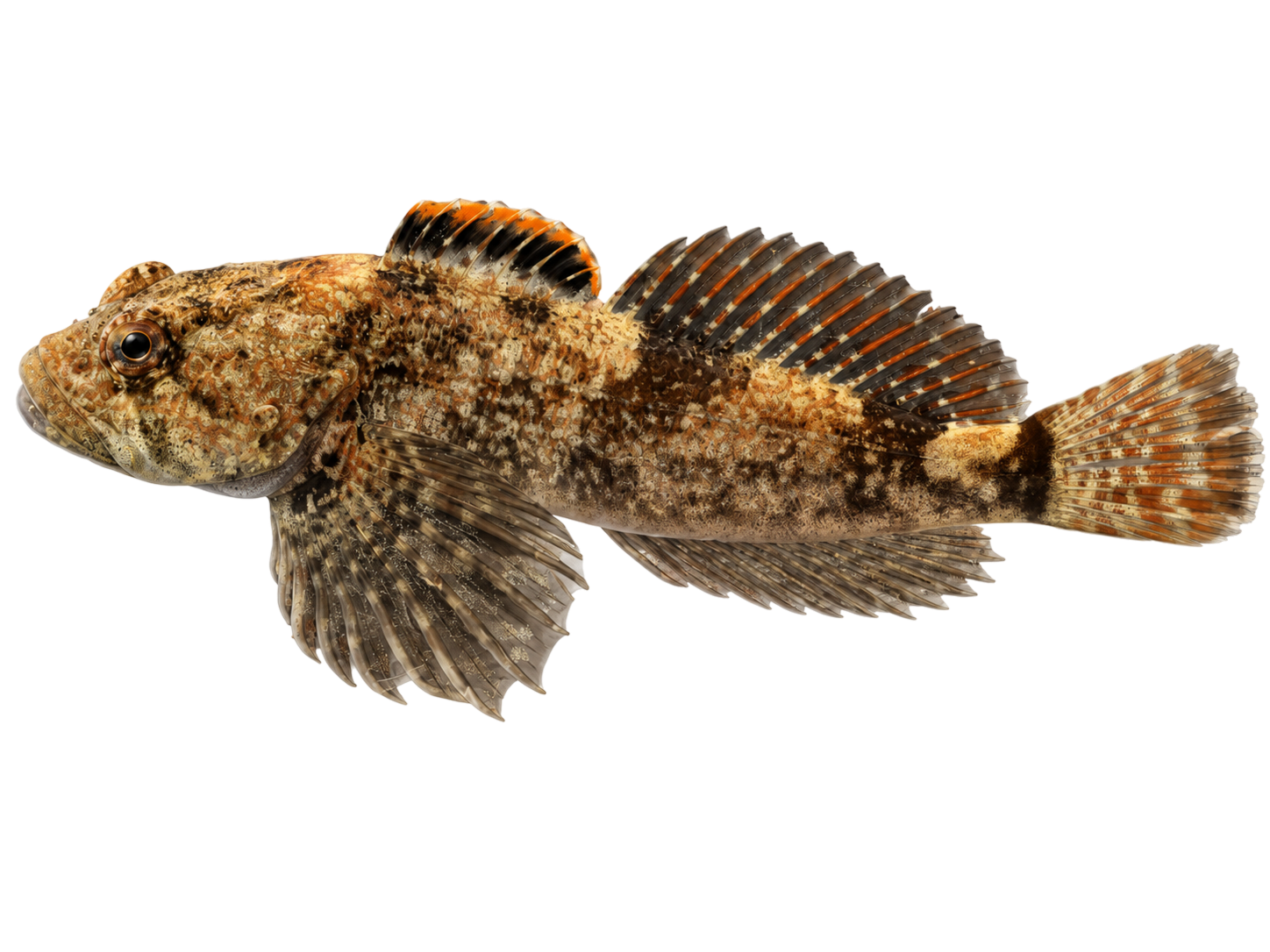
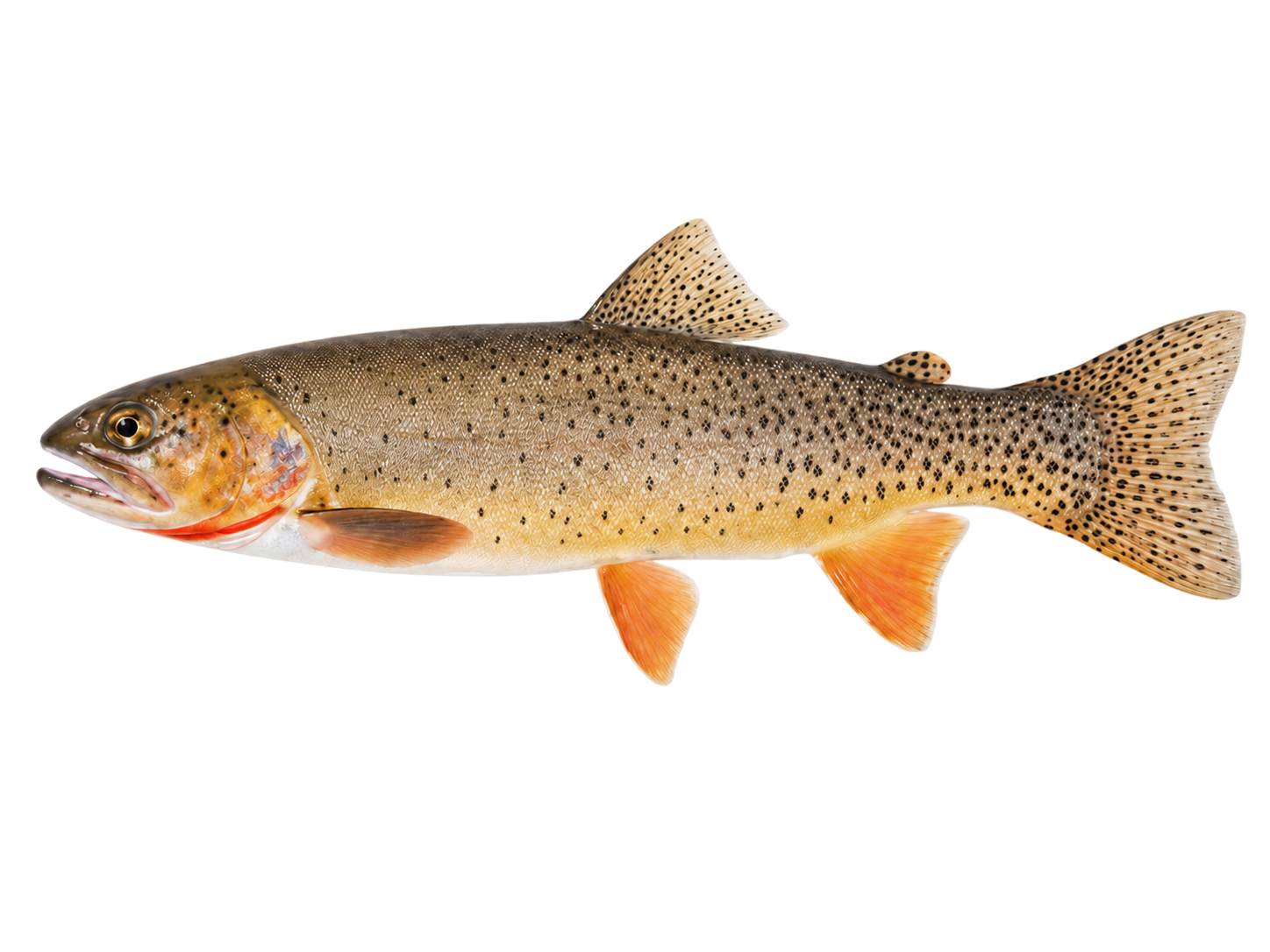
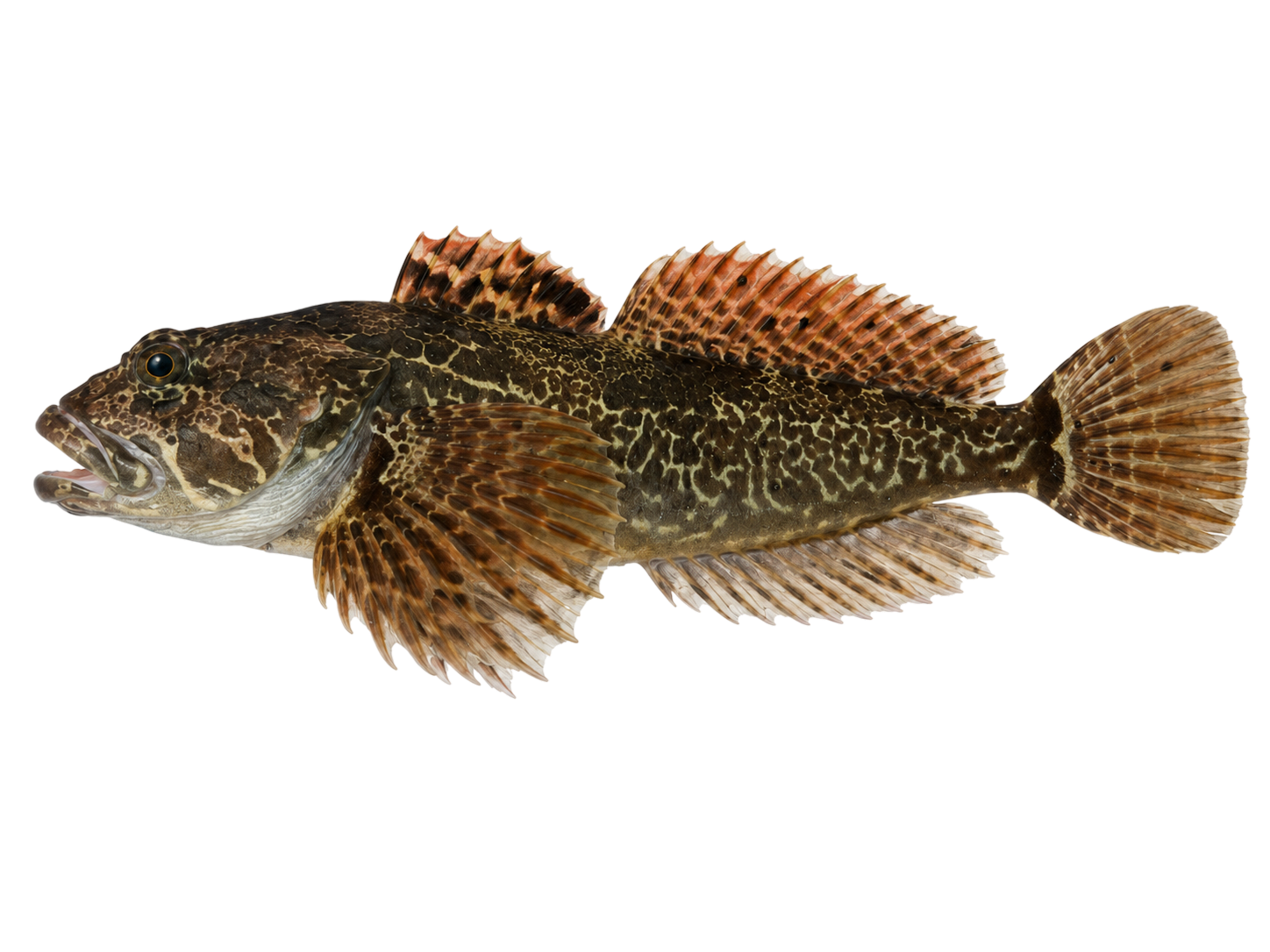
Sculpin, Variant One
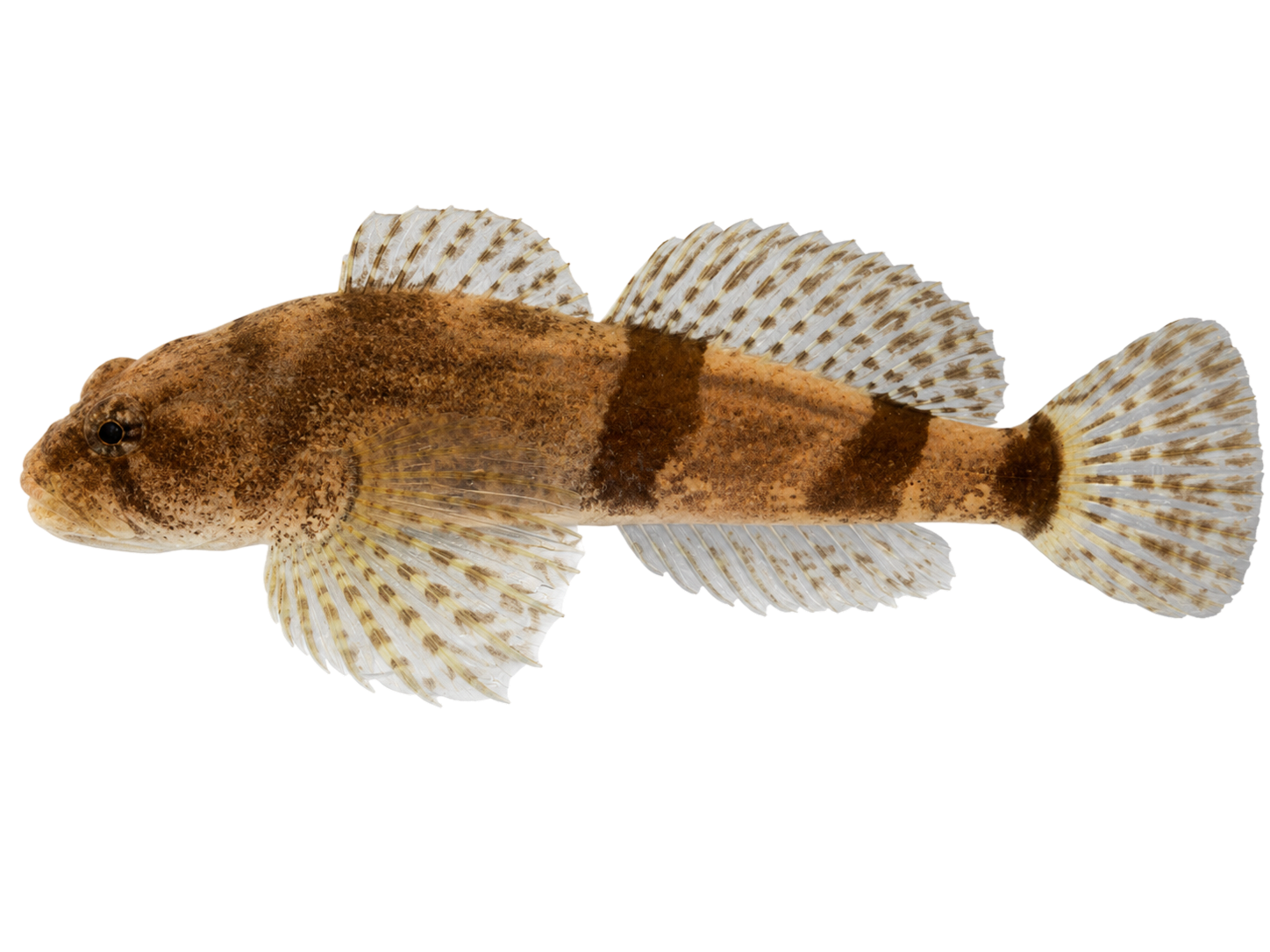
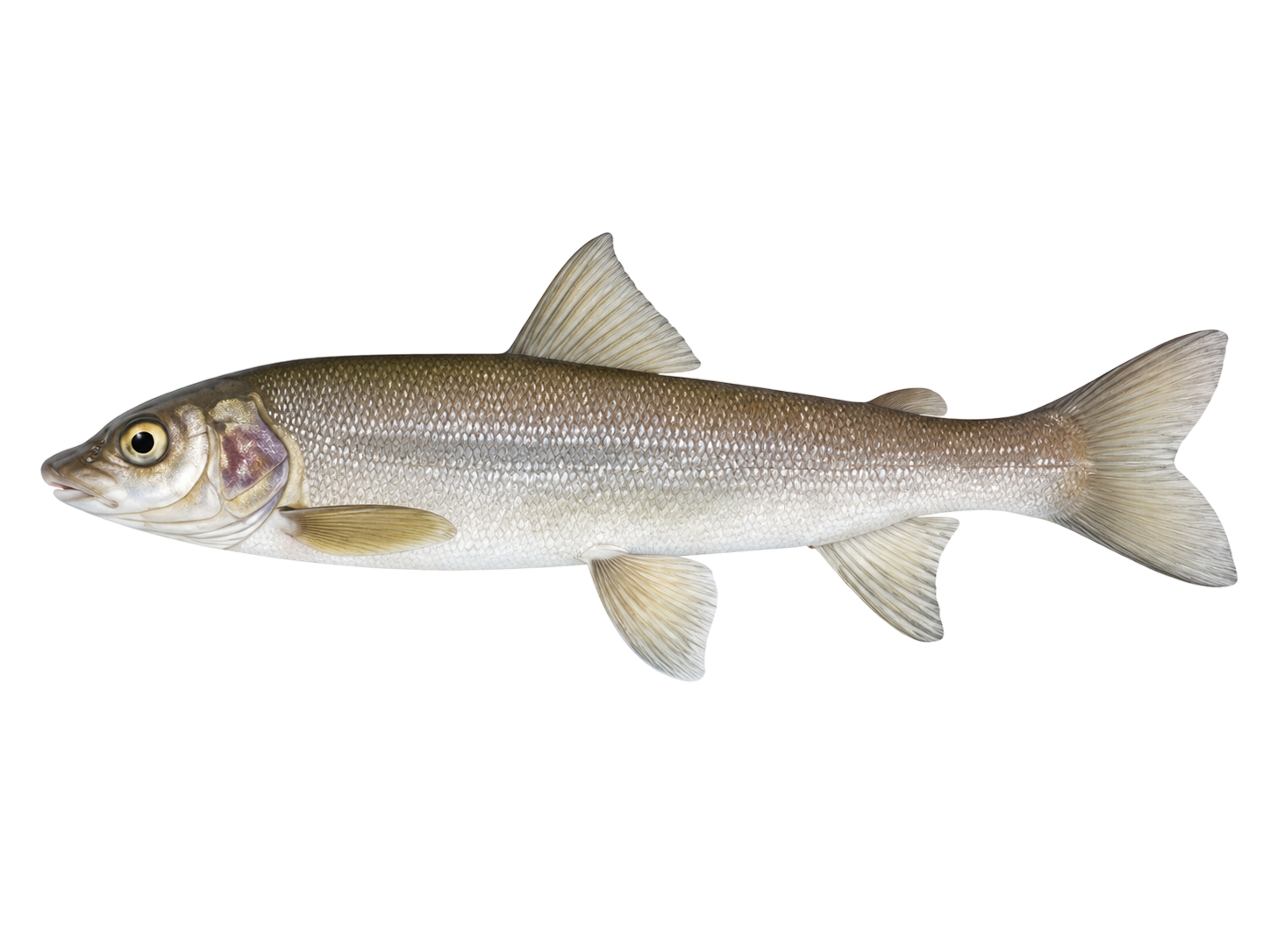
Sculpin, Variant Two
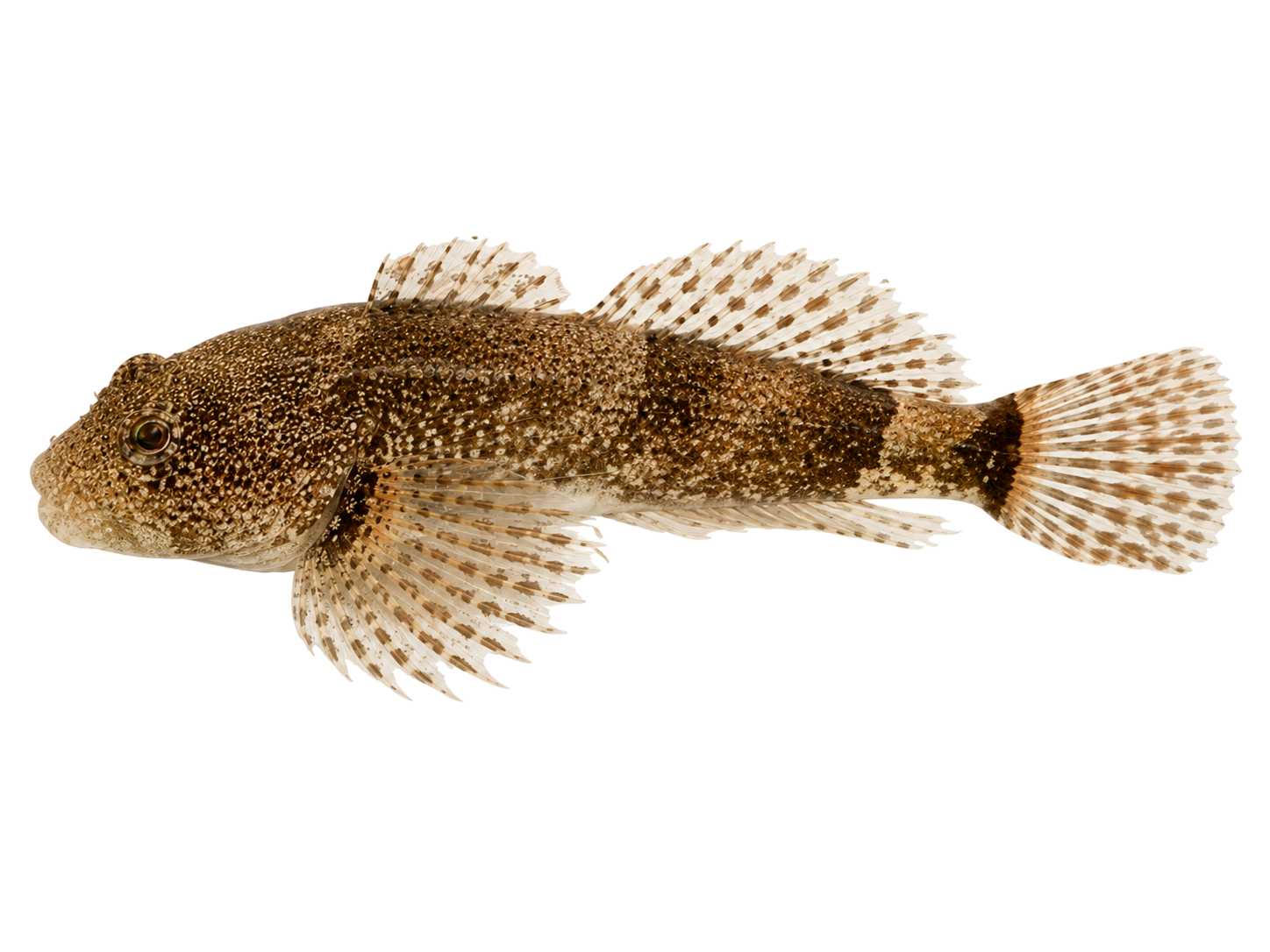
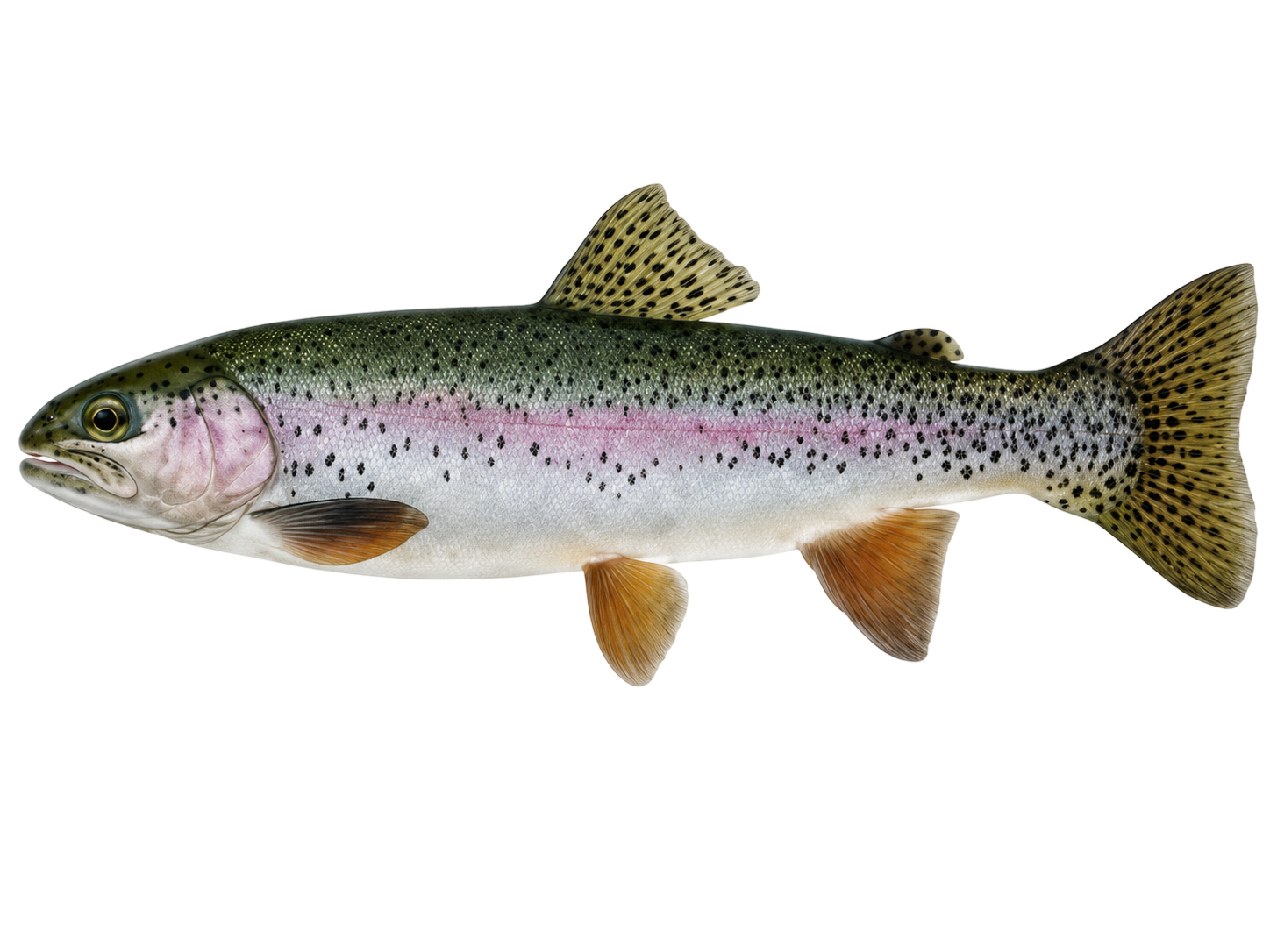
Sculpin, Variant Three
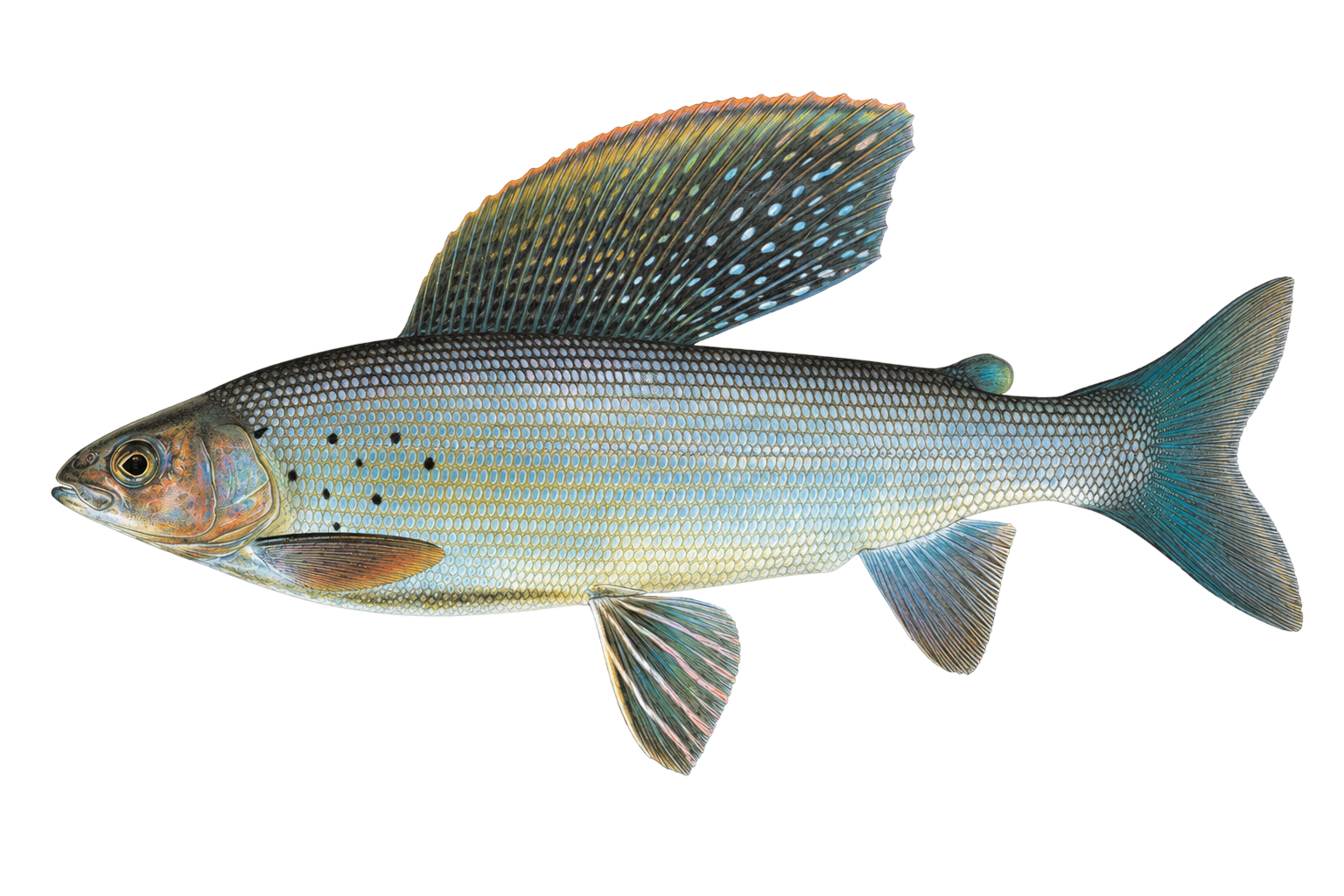
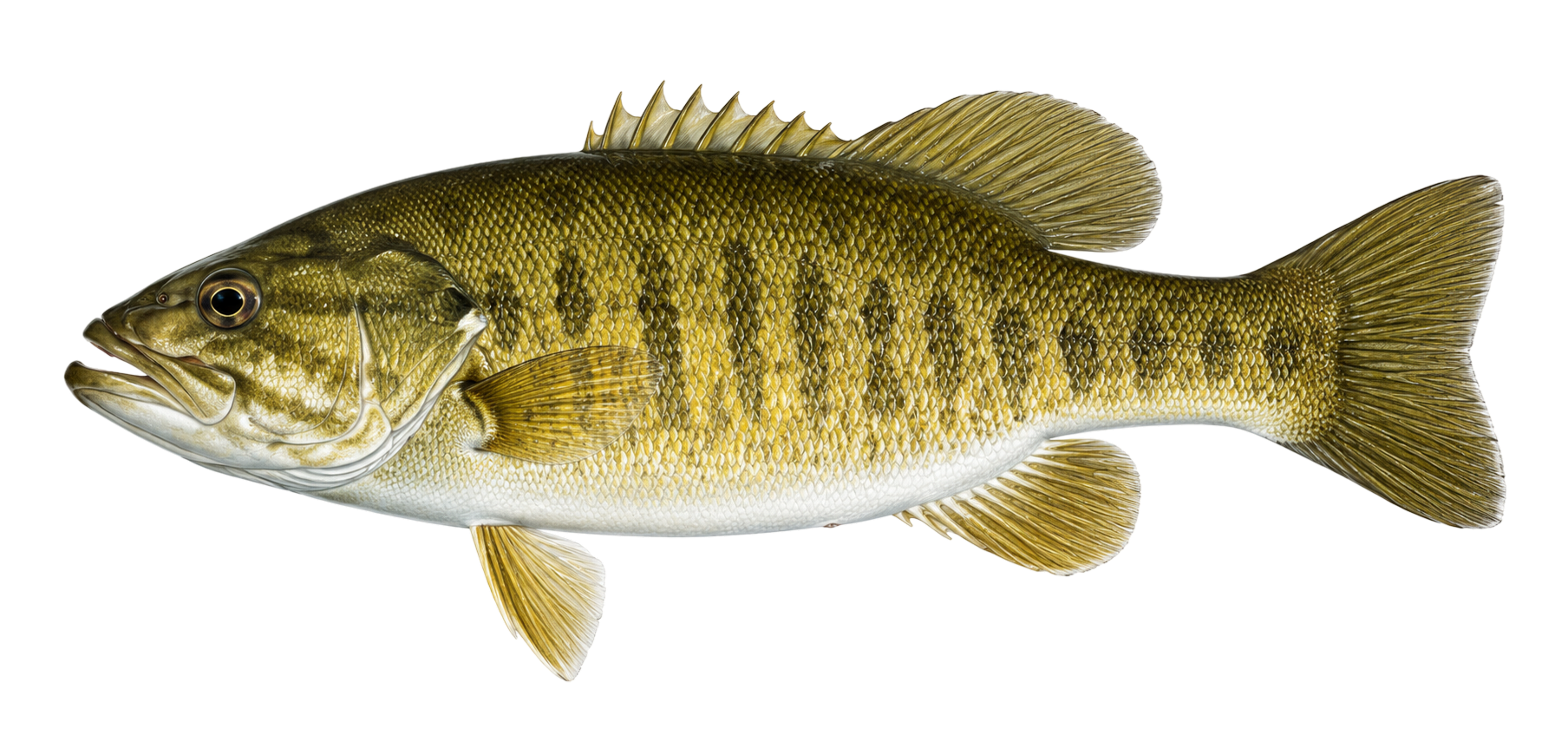
Sculpin, Variant Four
Variant One

Hatches › Baitfish

BaitfishForage

Sculpin

Cottus · genus

Bottom-hugging freshwater sculpins are a year-round baitfish meal worth imitating tight to the rocks.

Overview

Category

Baitfish

Category

Baitfish

Category

The insect or forage category for this profile.

Size

Usually small; most species are under about 6 inches, though a few can grow notably larger.

Size

Usually small; most species are under about 6 inches, though a few can grow notably larger.

Size

Typical size range anglers imitate on the water.

Key stages

Egg Mass, Fry, Juvenile, Adult, Spawning Adults

Key stages

Egg Mass, Fry, Juvenile, Adult, Spawning Adults

Key stages

Life stages most relevant to fly fishing this hatch or forage.

Water types

freestone rivers, tailwaters, streams, cool lakeshore margins

Water types

freestone rivers, tailwaters, streams, cool lakeshore margins

Water types

Water types where this bug or forage is commonly found.

About Sculpin

Cottus is a genus of freshwater sculpins in the family Cottidae, a group of mainly freshwater ray-finned fishes native to the Nearctic and Palearctic. For anglers, “sculpin” means a small, bottom-dwelling baitfish that trout, bass, and larger predators key on whenever they can pin it to the substrate.

Life Cycle

Sculpins are bottom-dwelling fish that start as protected eggs, hatch into fry, and mature into adults. They are a significant food source for trout in healthy stream ecosystems.
Egg Mass

Egg Mass

Sculpin eggs are laid in protected clusters, typically under rocks, where they develop until hatching.

Fry

Fry

After hatching, the young sculpins, known as fry, stay near the streambed, beginning their growth.

Juvenile

Juvenile

Juvenile sculpins settle onto the river bottom and continue to grow, developing into miniature versions of the adult fish.

Adult

Adult

Adult sculpins are bottom-dwelling predators, hiding among rocks and preying on aquatic insects, small fish, and other available food sources.

Spawning Adults

Spawning Adults

During spring, adult sculpins reproduce, laying their eggs in protected areas beneath rocks within flowing water.

Stages
Egg, juvenile, adult; anglers mainly imitate the fish itself with streamers rather than distinct insect-like stages.
Emergence cues
No hatch or emergence. Fish sculpin patterns whenever baitfish are active, especially in low light, higher flows, or whenever predators are feeding along the bottom.
Behavior
Sculpins are bottom-oriented freshwater fish that hold close to rocks and substrate, making short darting moves rather than long, open-water runs.

Where It Hatches

Sculpin

One species, multiple rivers.
RiverJANFEBMARAPRMAYJUNJULAUGSEPOCTNOVDEC
  • Bear Valley Creek
  • Big Wood River
  • Boise River, Middleton to Eagle Road
  • Clearwater River
  • Crooked Fork
  • Fall River
  • Henrys Fork of the Snake River
  • Kelly Creek
  • Kootenai River
  • Little Lost River
  • Little North Fork Clearwater River
  • Little Salmon River
  • Little Wood River
  • Lochsa River
  • Loon Creek
  • Middle Fork Boise River
  • Middle Fork Salmon River
  • North Fork Big Wood River
  • North Fork Boise River
  • North Fork Clearwater River
  • Saint Maries River
  • Salmon River
  • Selway River
  • Snake River, Hells Canyon Dam to Clearwater Confluence (Lewiston)
  • Snake River, Idaho Falls to American Falls Reservoir
  • Snake River, Lower Salmon Falls Dam to Bliss Dam (Hagerman / Thousand Springs)
  • Snake River, Milner Dam to Hansen Bridge (Murtaugh Canyon)
  • Snake River, Osgood Diversion Dam to Henrys Fork
  • Snake River, Swan Falls Dam to Brownlee Reservoir
  • South Fork Boise River
  • South Fork Clearwater River
  • South Fork Snake River
  • Teton River
  • Valley Creek
  • Warm River
  • Yankee Fork Salmon River

Fly Patterns

  • Sculpin Streamer#4-8
  • Woolly Bugger#4-10

Angler Notes

Why it matters
Sculpins are a high-protein mouthful and a classic big-fish food source. They do not hatch, so they matter whenever fish are hunting substantial forage near the bottom.
Imitation tips
Use compact streamers with broad heads, large pectoral-like profiles, and mottled natural colors. Olive, brown, tan, black, and two-tone patterns all fit the sculpin look better than bright baitfish finishes.
Key life stages
streamer
Presentation
Keep the fly low and slow: dead-drift, crawl, hop, or strip it in short bursts so it stays near bottom and darts like a startled sculpin. Fish it tight to banks, boulders, ledges, and other structure where predators can trap it.

Identification

Key features
Broad, flattened head; big pectoral fins; heavy front end with a tapering body; bottom-perching posture rather than open-water swimming.
Size
Usually small; most species are under about 6 inches, though a few can grow notably larger.
Coloration
Typically mottled and cryptic, olive, brown, tan, gray, and black, suited to blending with rock and streambed colors.
Similar bugs
dace/minnowjuvenile troutgoby-shaped baitfishcrayfish

Habitat

Water types
freestone riverstailwatersstreamscool lakeshore margins
Substrate
Rock, cobble, gravel, and other broken bottom where they can hide and hug the bed.
Conditions
Most associated with freshwater, especially cool, clear, oxygenated water with structure and current breaks.

Eaten By

Arctic Grayling
Arctic Grayling
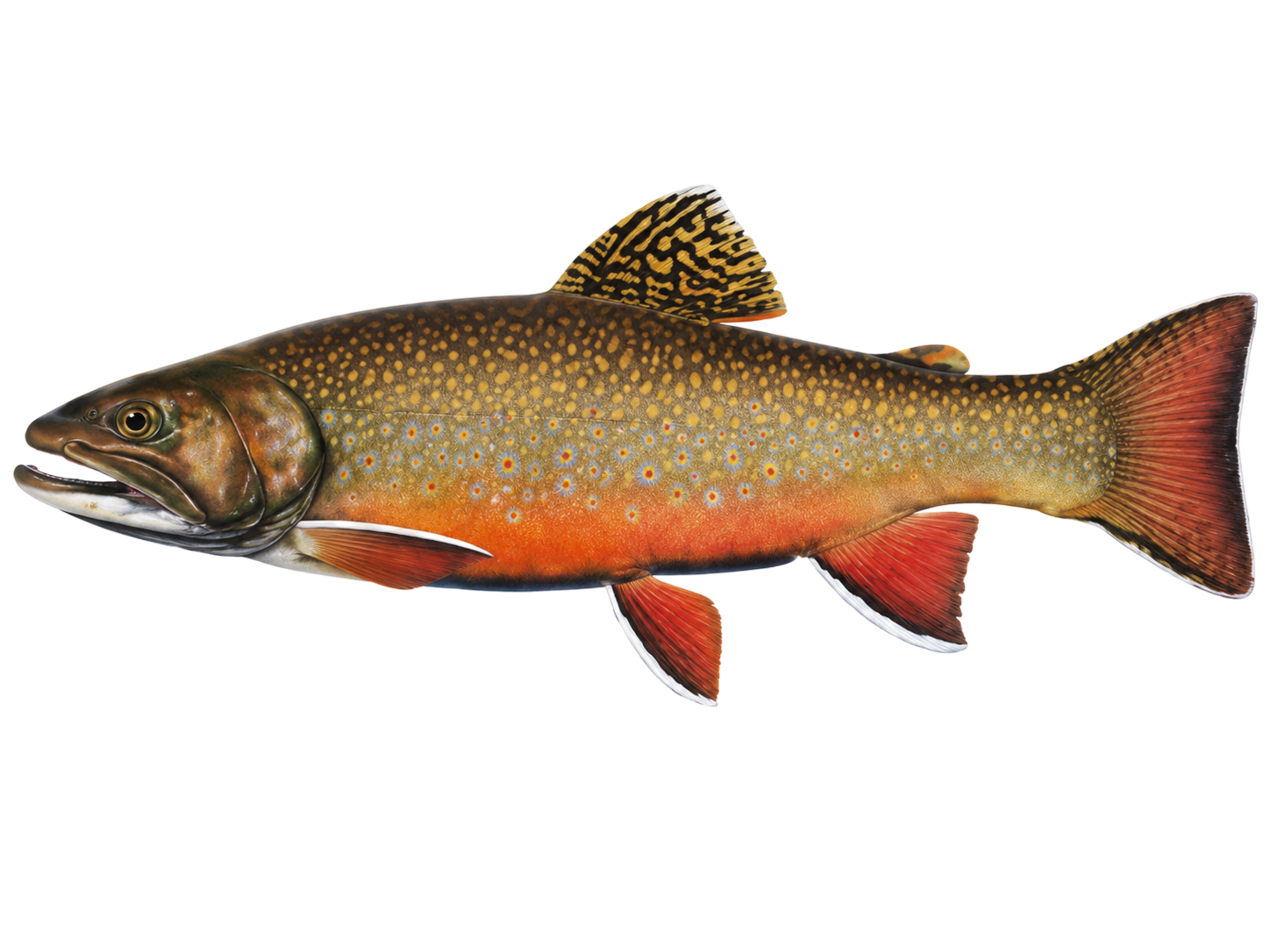
Brook Trout
Brook Trout
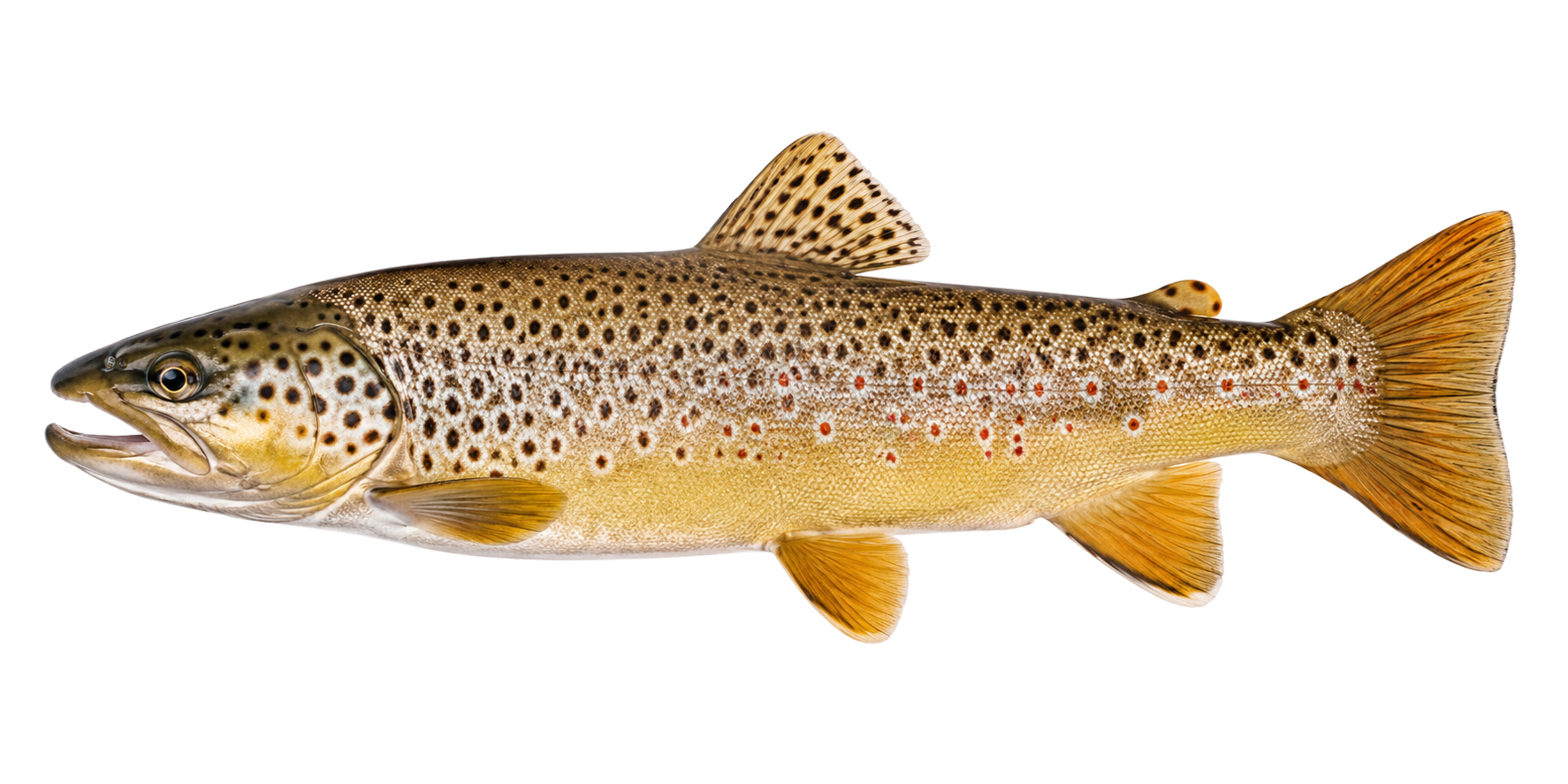
Brown Trout
Brown Trout
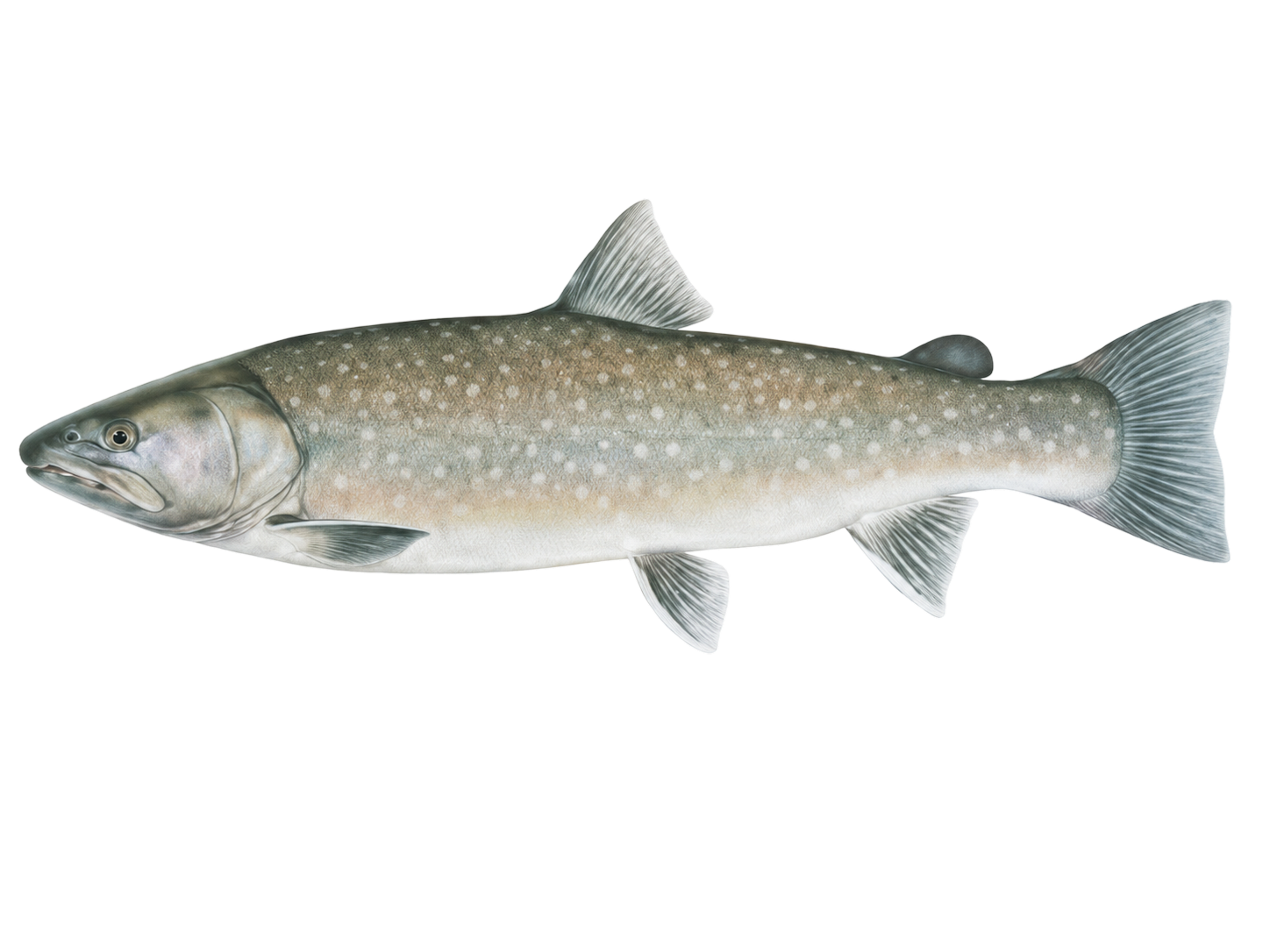
Bull Trout
Bull Trout
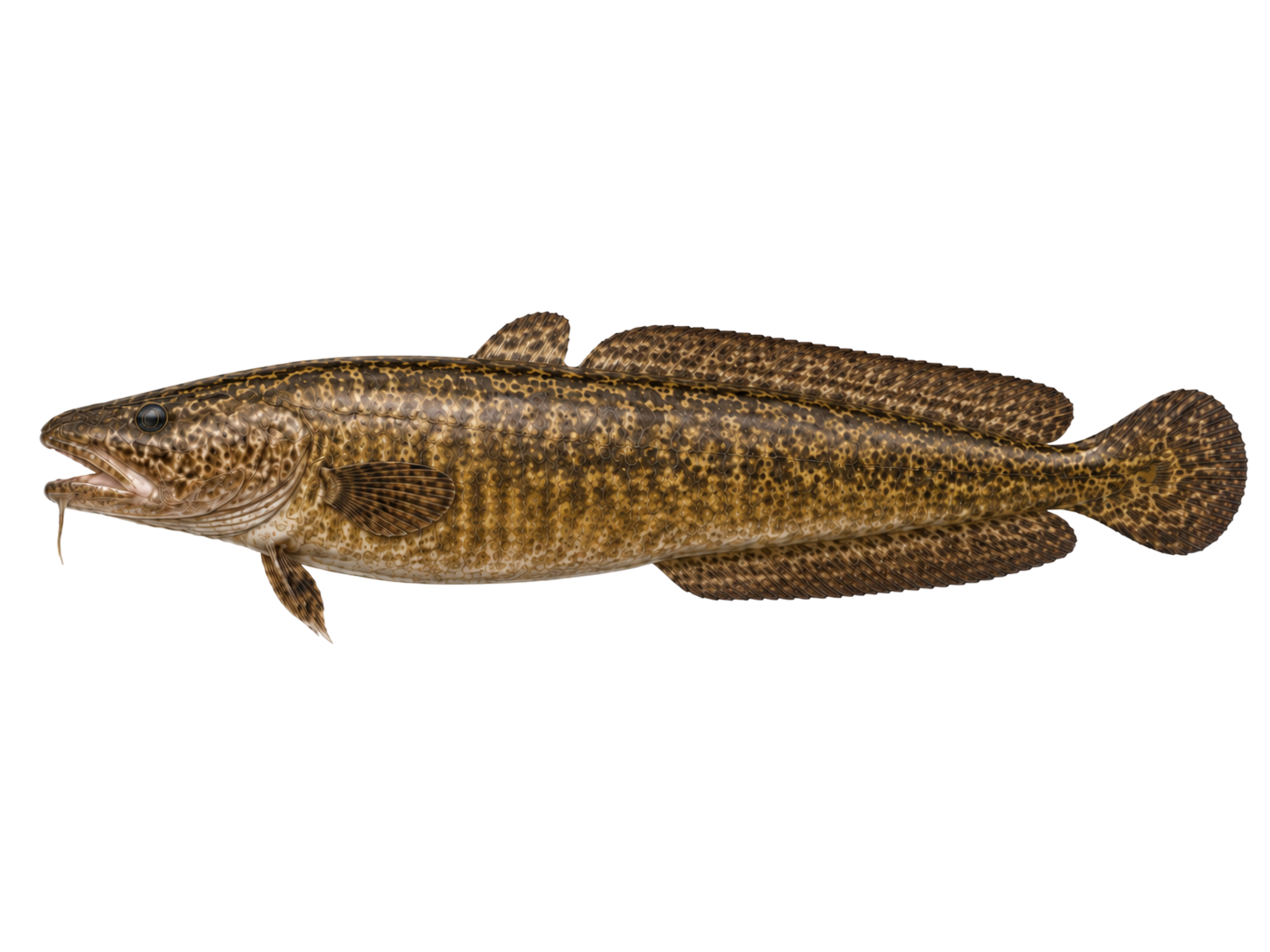
Burbot
Burbot
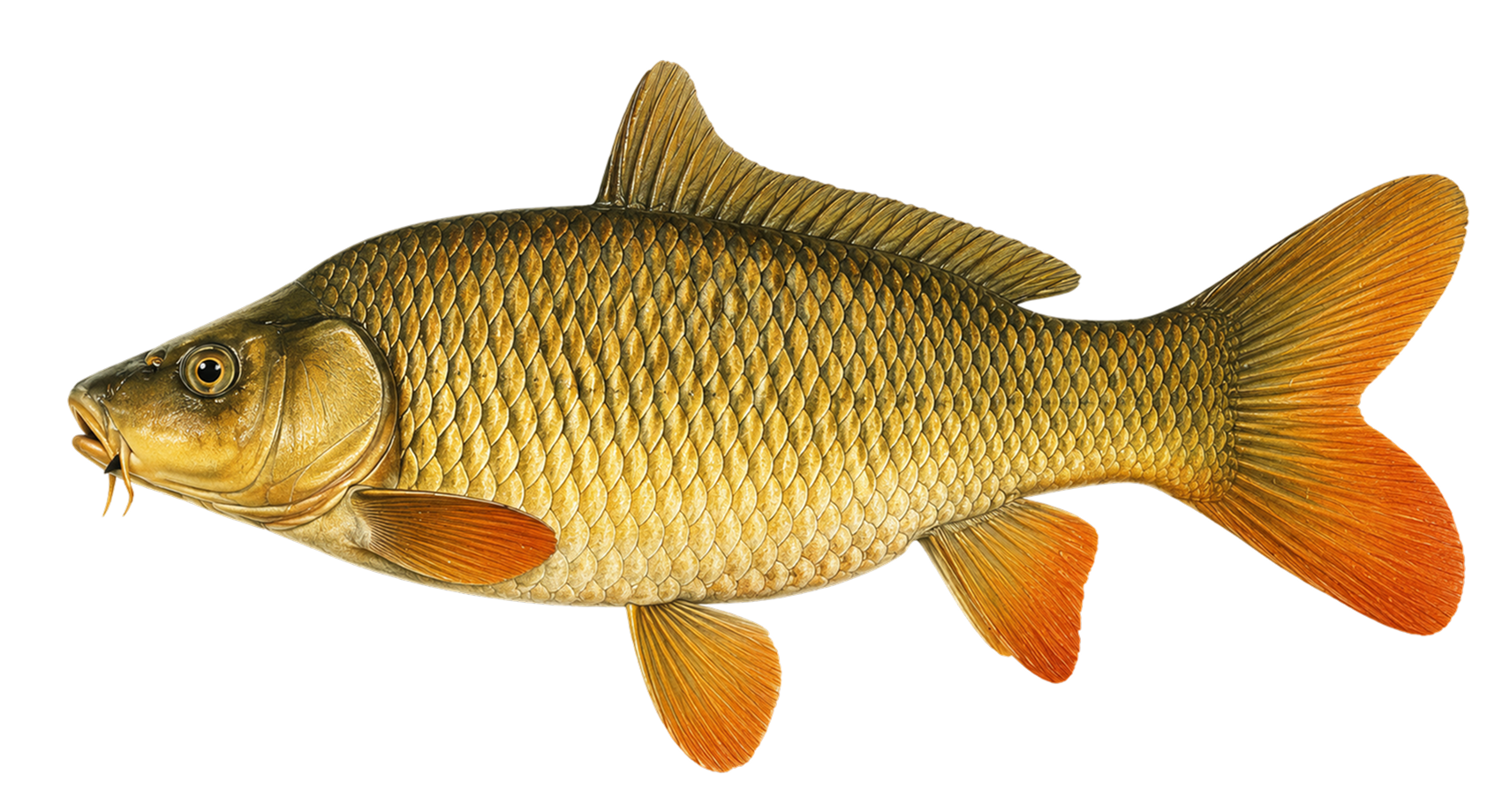
Carp
Carp
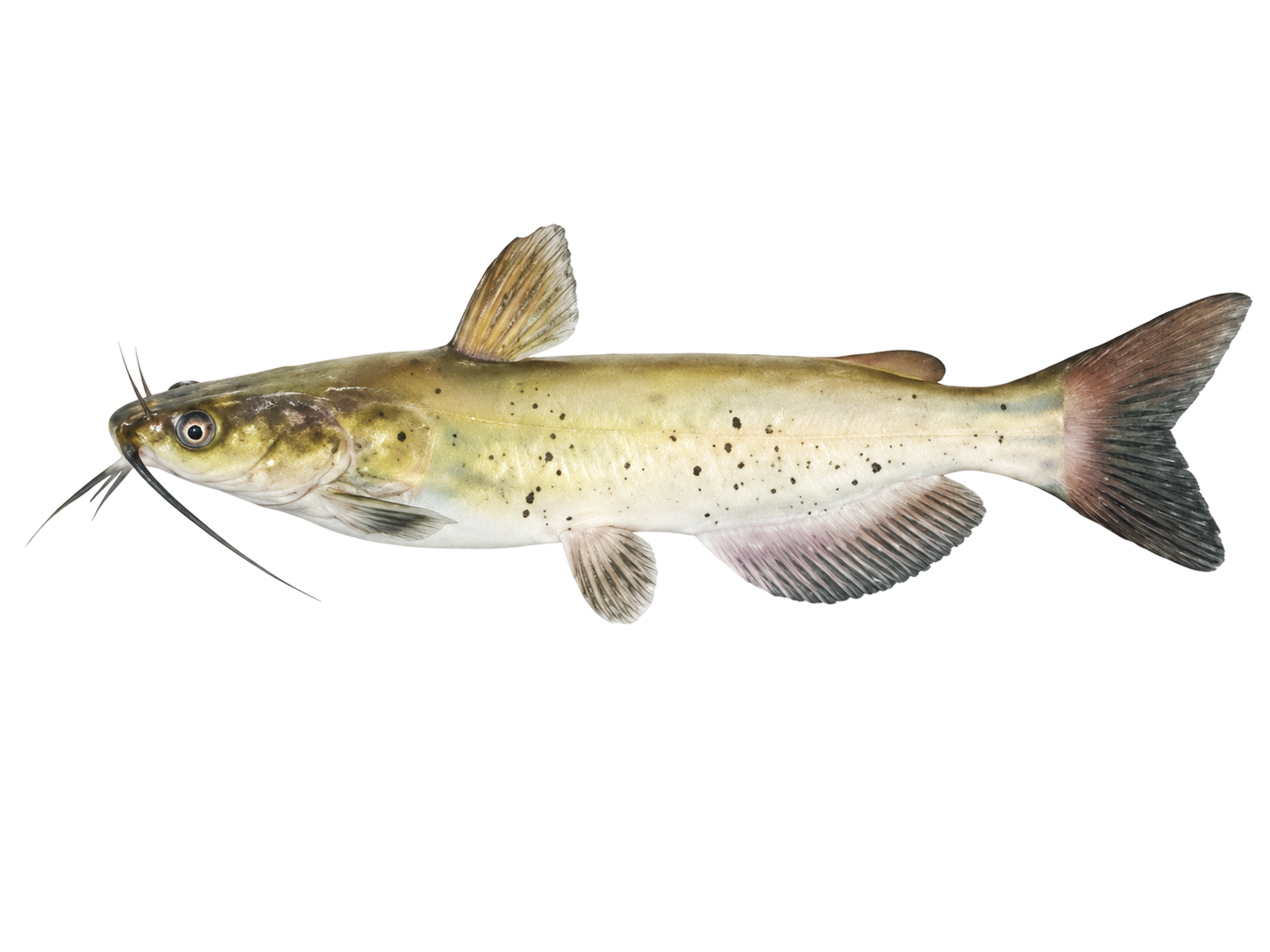
Channel Catfish
Channel Catfish
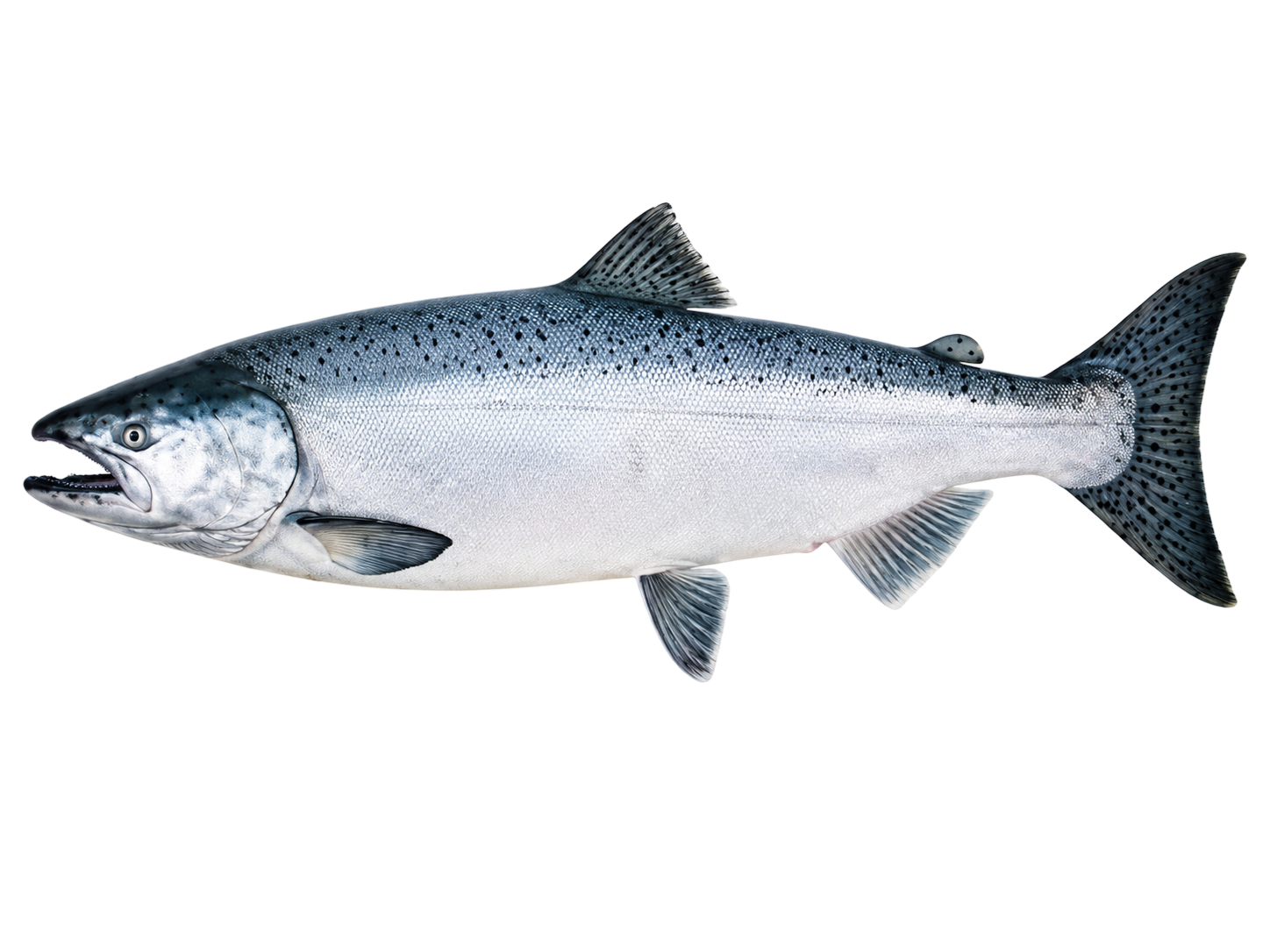
Chinook Salmon
Chinook Salmon
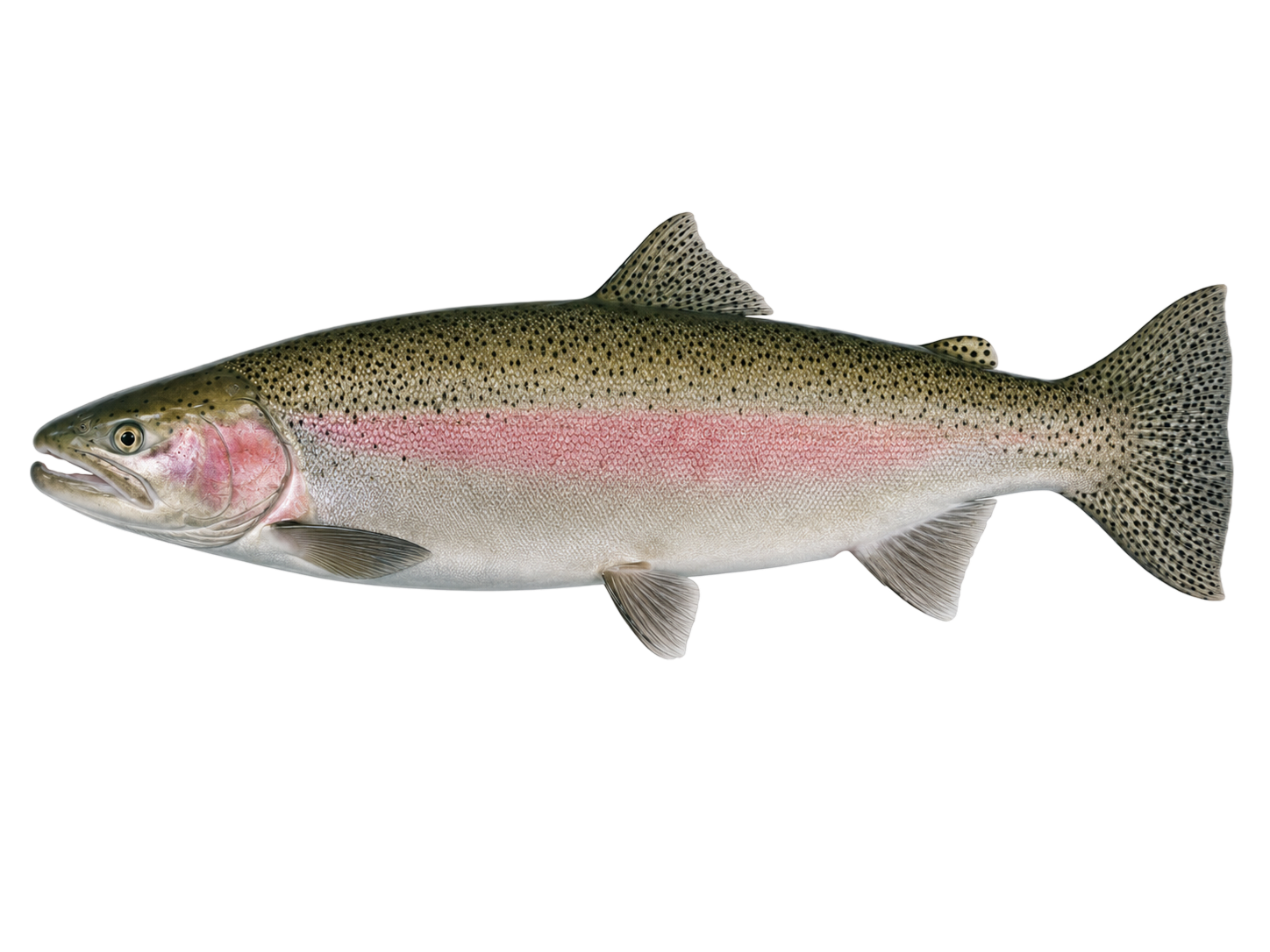
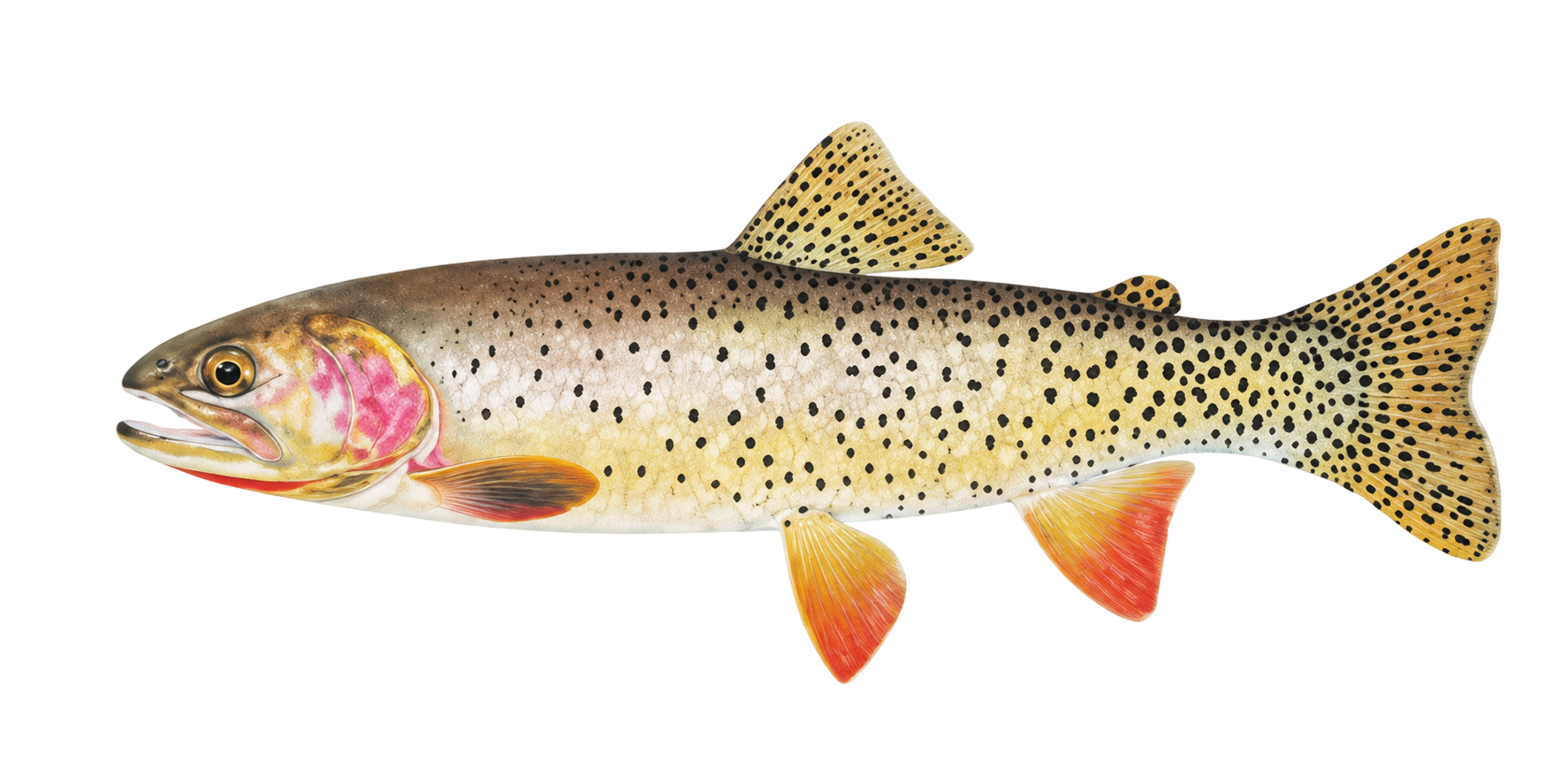
Cutbow Trout
Cutbow Trout
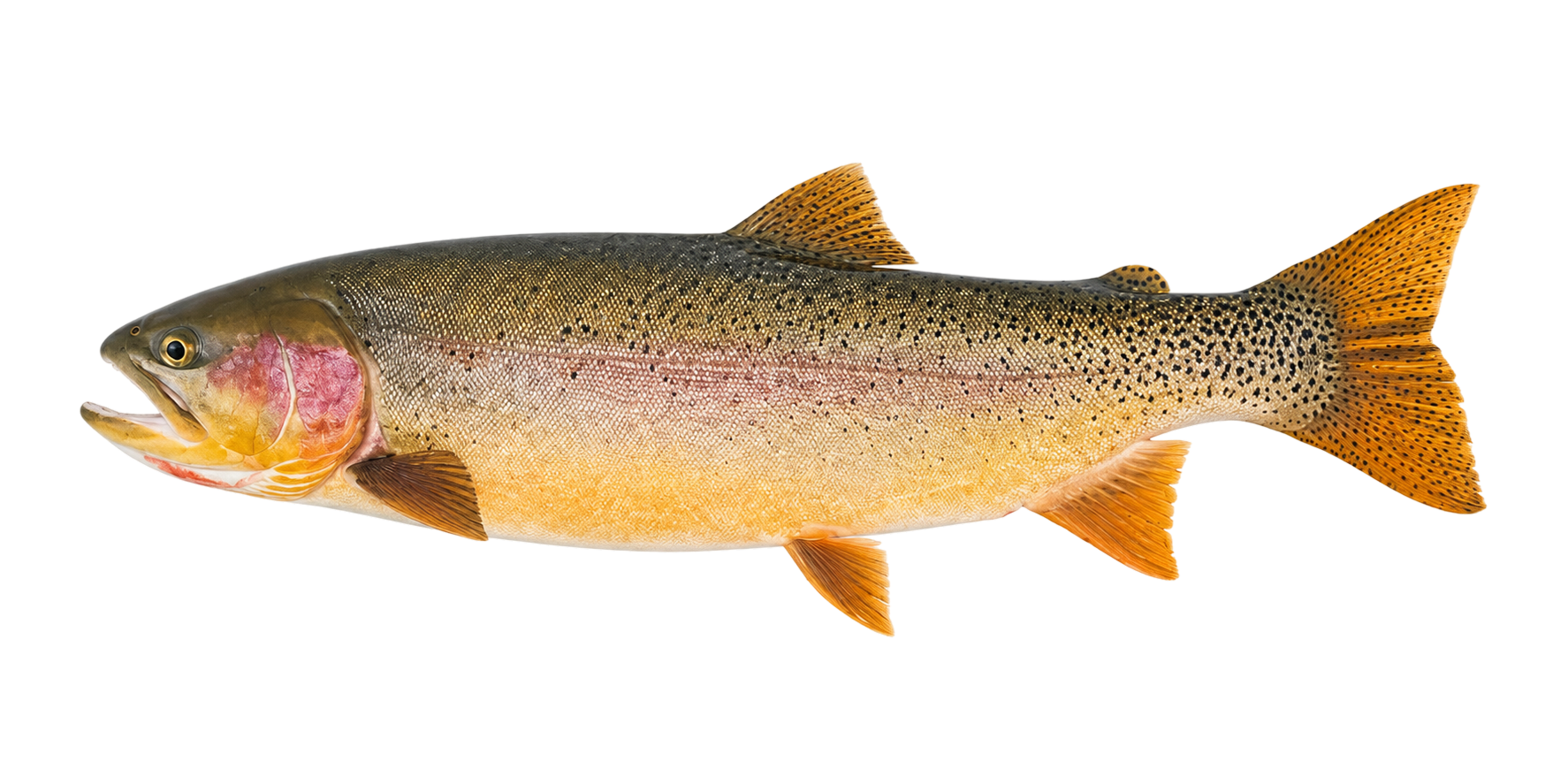
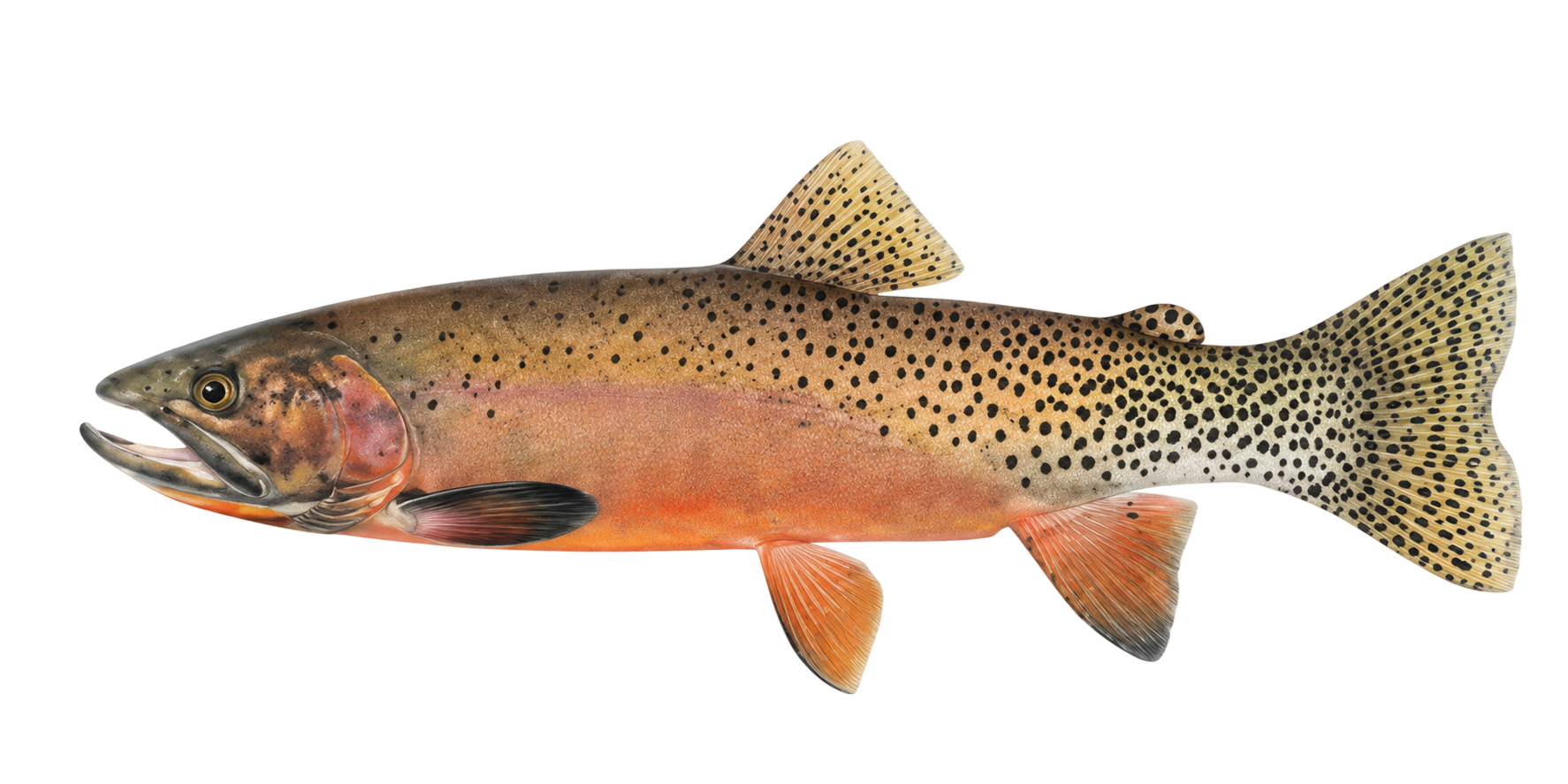
Cutthroat Trout
Cutthroat Trout
Mountain Whitefish
Mountain Whitefish
Rainbow Trout
Rainbow Trout
Smallmouth Bass
Smallmouth Bass
Steelhead
Steelhead
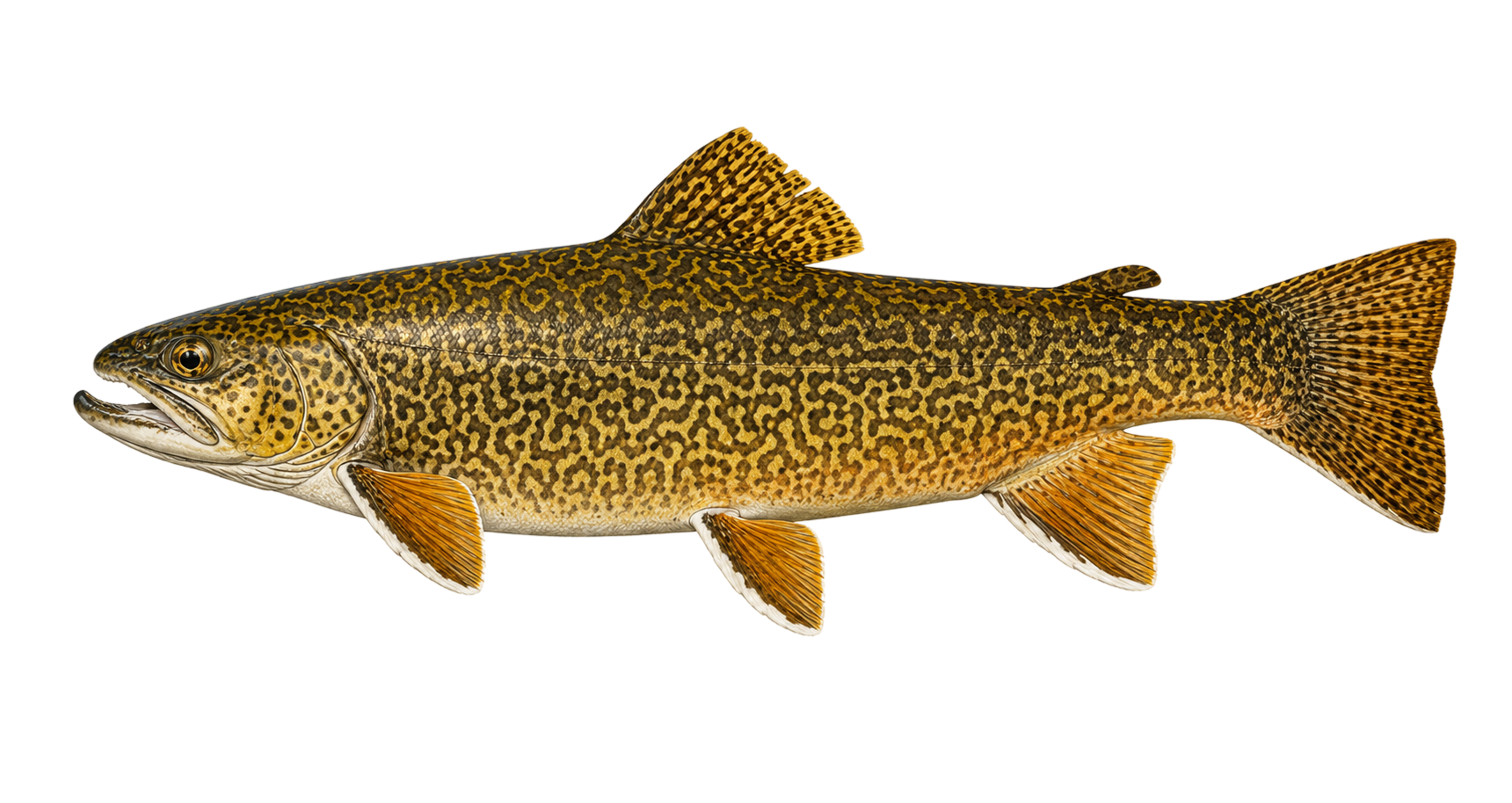
Tiger Trout
Tiger Trout
Westslope Cutthroat Trout
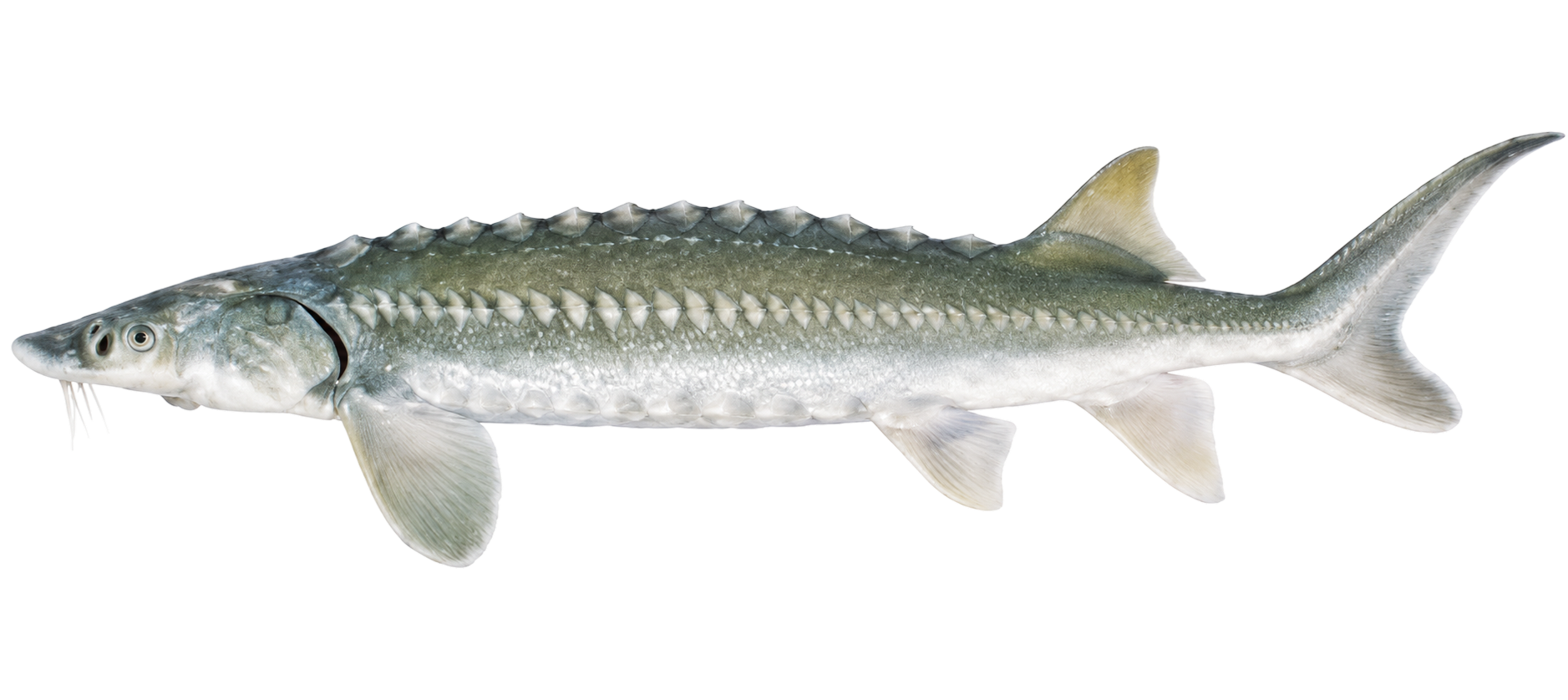
White Sturgeon
White Sturgeon
Yellowstone Cutthroat Trout

Sculpin Photos

Variant One
Variant Two
Variant Three
Variant Four

On this page

OverviewLife CycleWhere It HatchesFly PatternsAngler NotesIdentificationHabitatEaten ByPhotos

Share & plan

IDFG Planner

On this profile

  • 36 waters
  • 2 fly patterns
  • 18 predator species
  • 5 life stages

Explore

Browse all hatches & forage