Barbless.coBarbless.co
  • Home
  • Map
  • Reports
  • Guides
  • Fish
  • Hatches
  • Podcast
Sign in
Barbless.co

The more you understand, the more there is to see.

  • IdahoLive
  • CaliforniaSoon

Explore

  • Map
  • Reports
  • Browse reports
  • By region

Waters

  • River search
  • Guides & outfitters

Learn

  • Fish species
  • Hatches & forage
  • Podcast

Company

  • About
  • Contact
  • Editorial policy
  • Releases
  • Legal

© 2026 Barbless.co. Flow and gauge data from USGS; weather from Open-Meteo. · v2026.10.18.2

  1. Home
  2. Hatches & Forage
  3. Baitfish
  4. Baitfish

Updated July 20, 2026

← Back to map
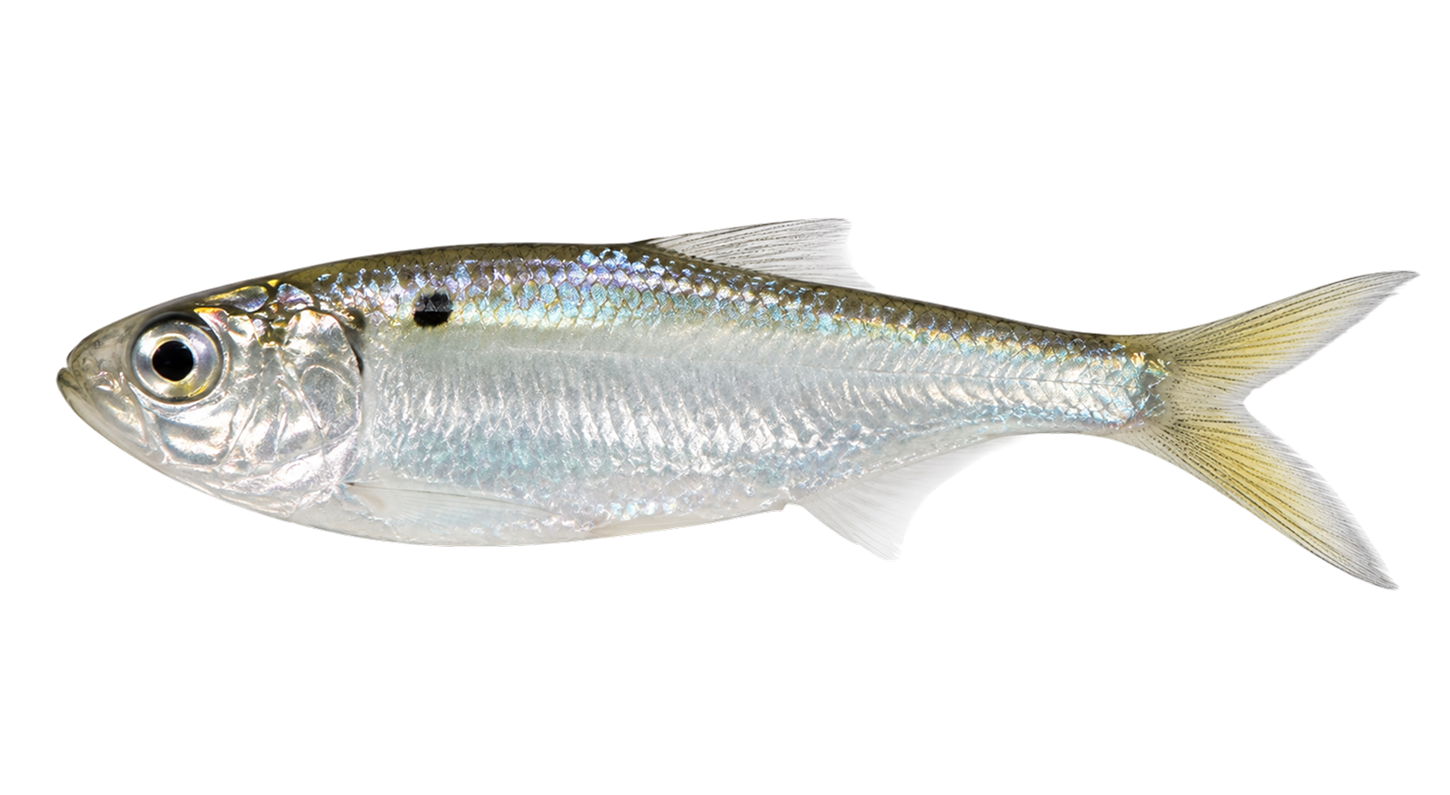
Baitfish, Shad Fry
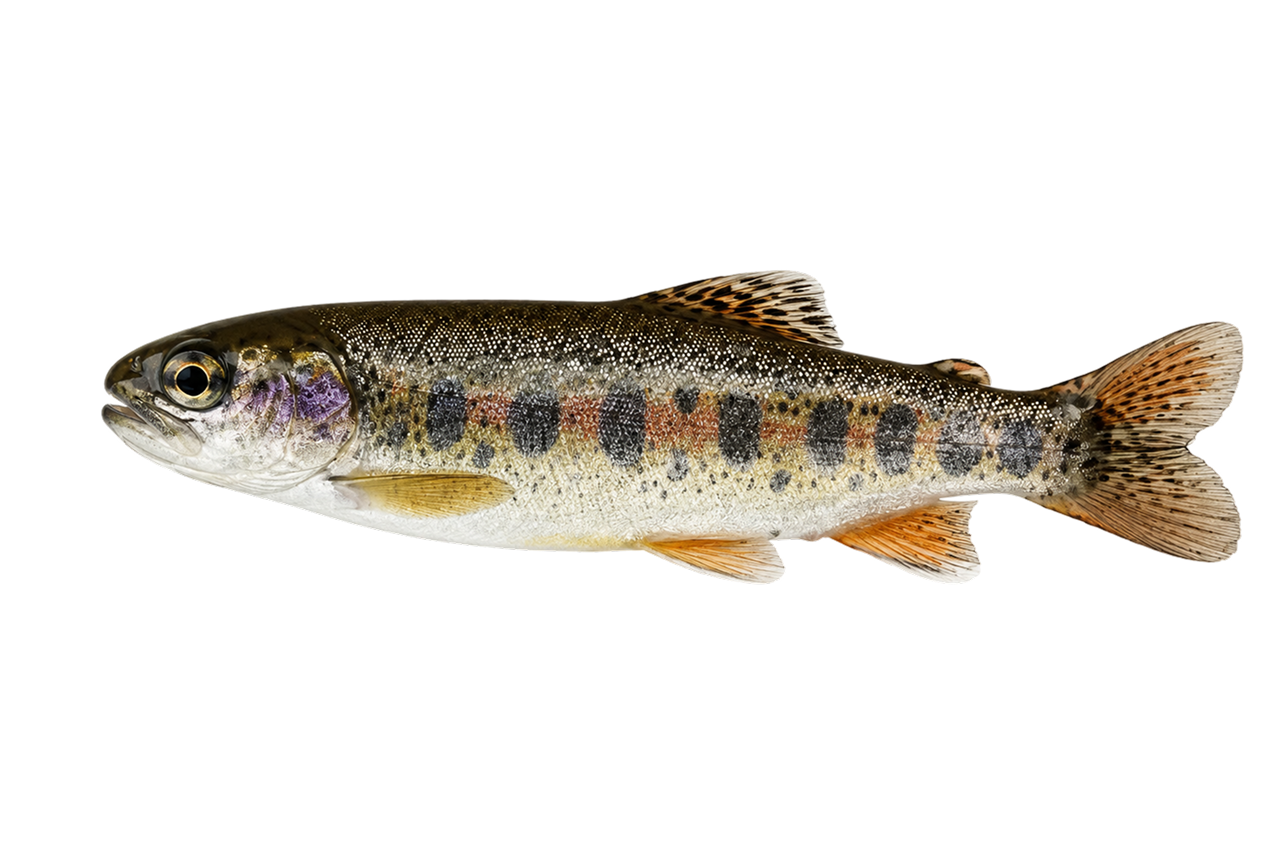
Baitfish, Rainbow Trout Fry
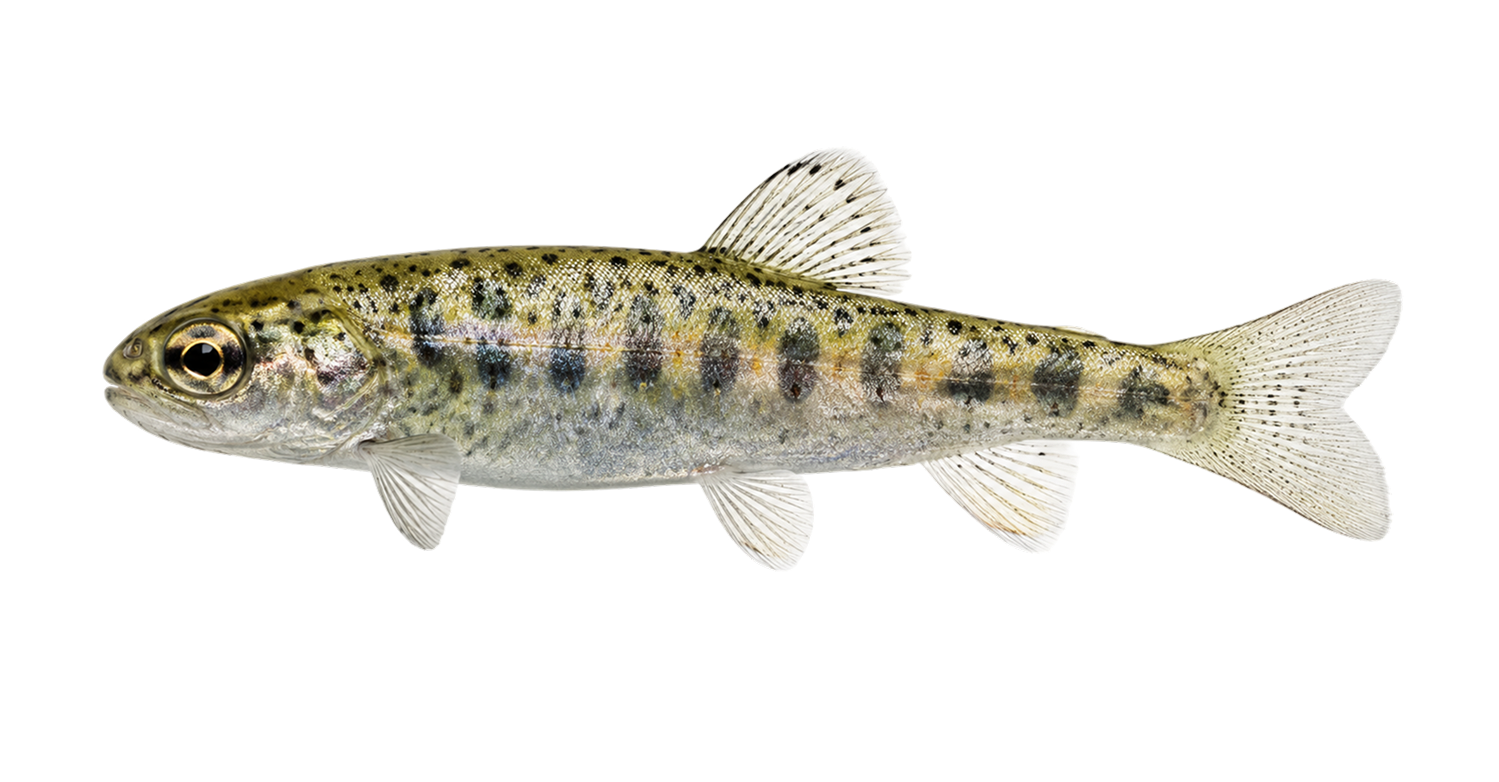
Baitfish, Steelhead Fry
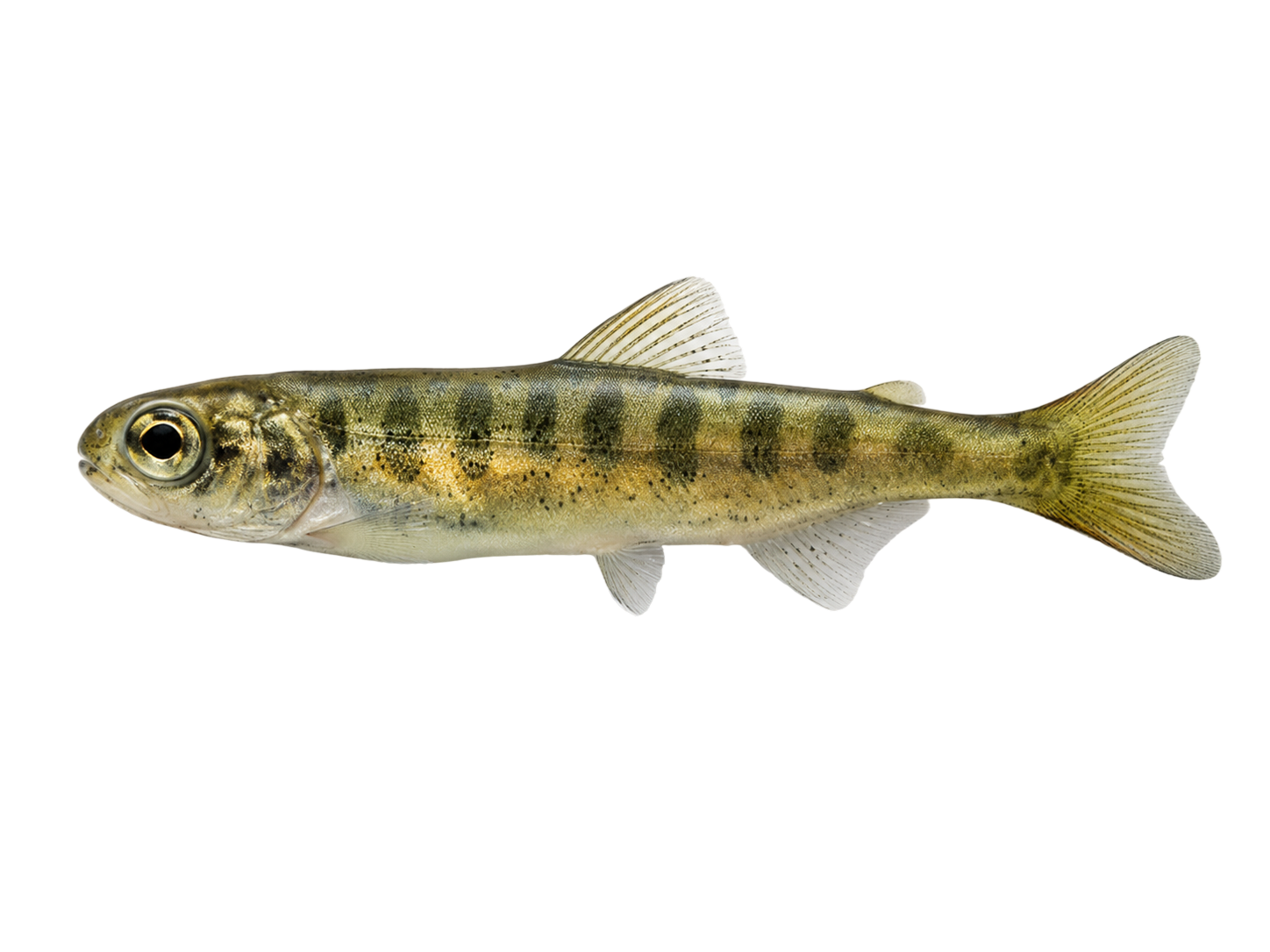
Baitfish, Salmon Fry
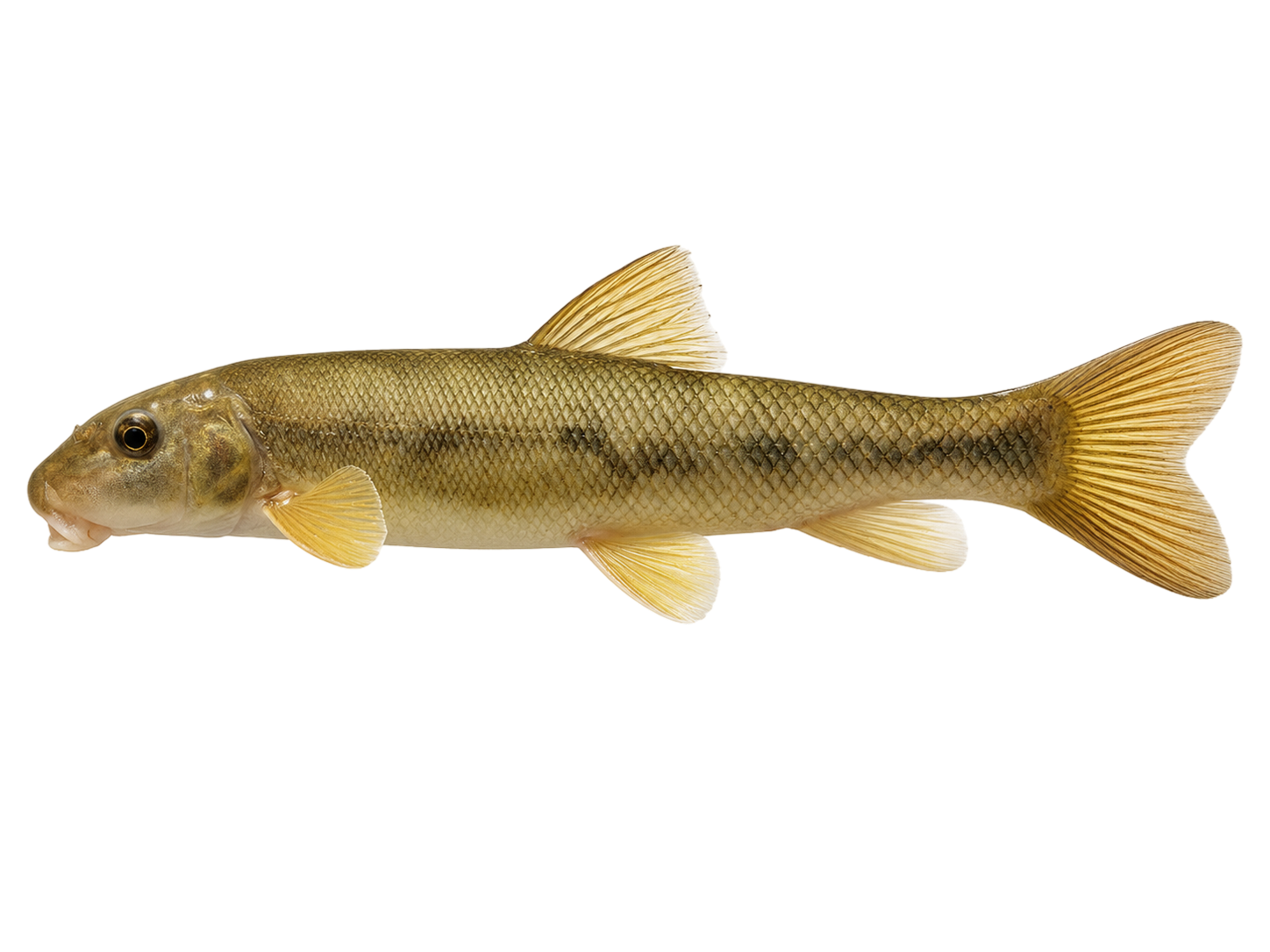
Baitfish, Sacramento Sucker Fry
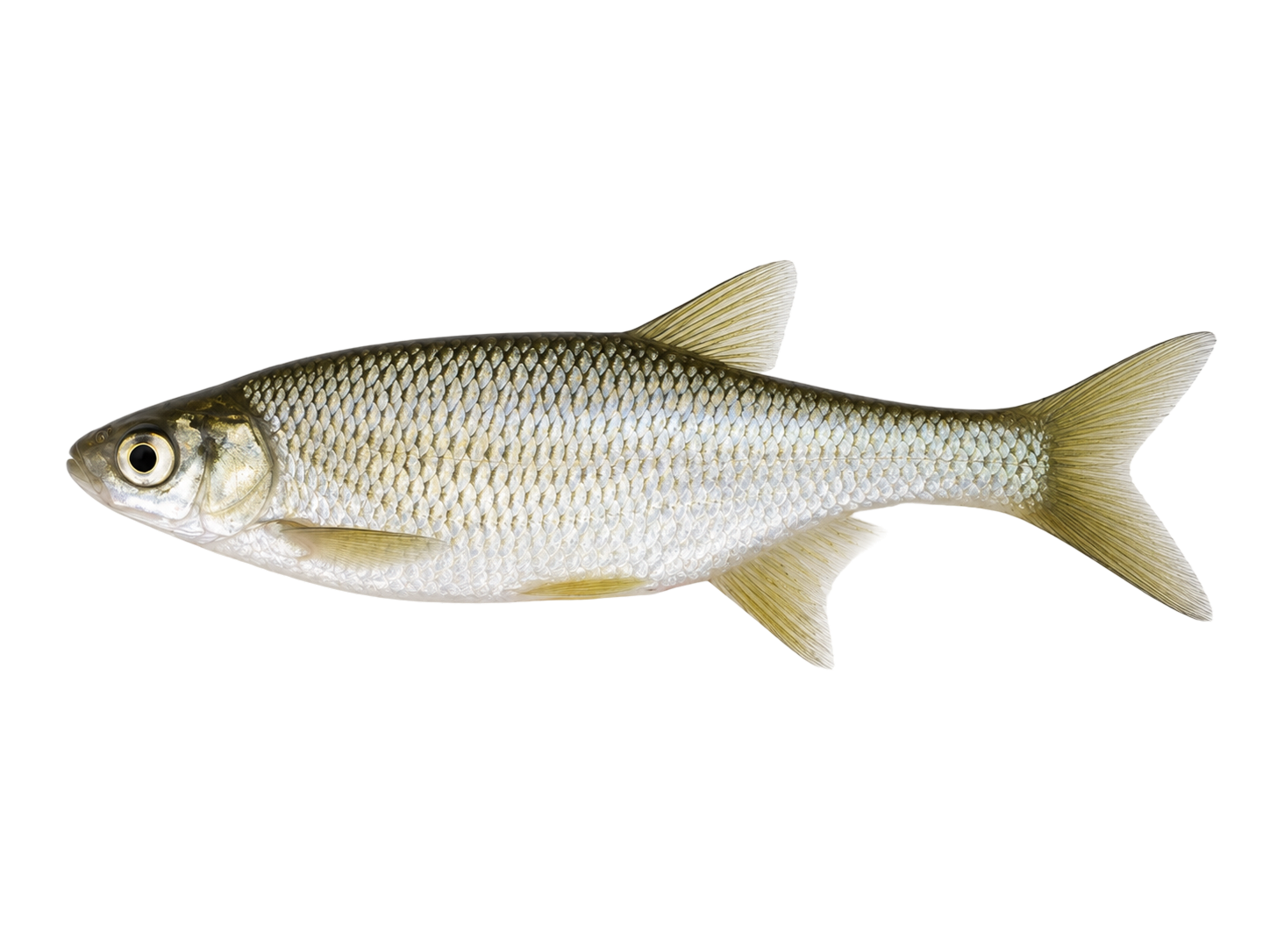
Baitfish, Shiner
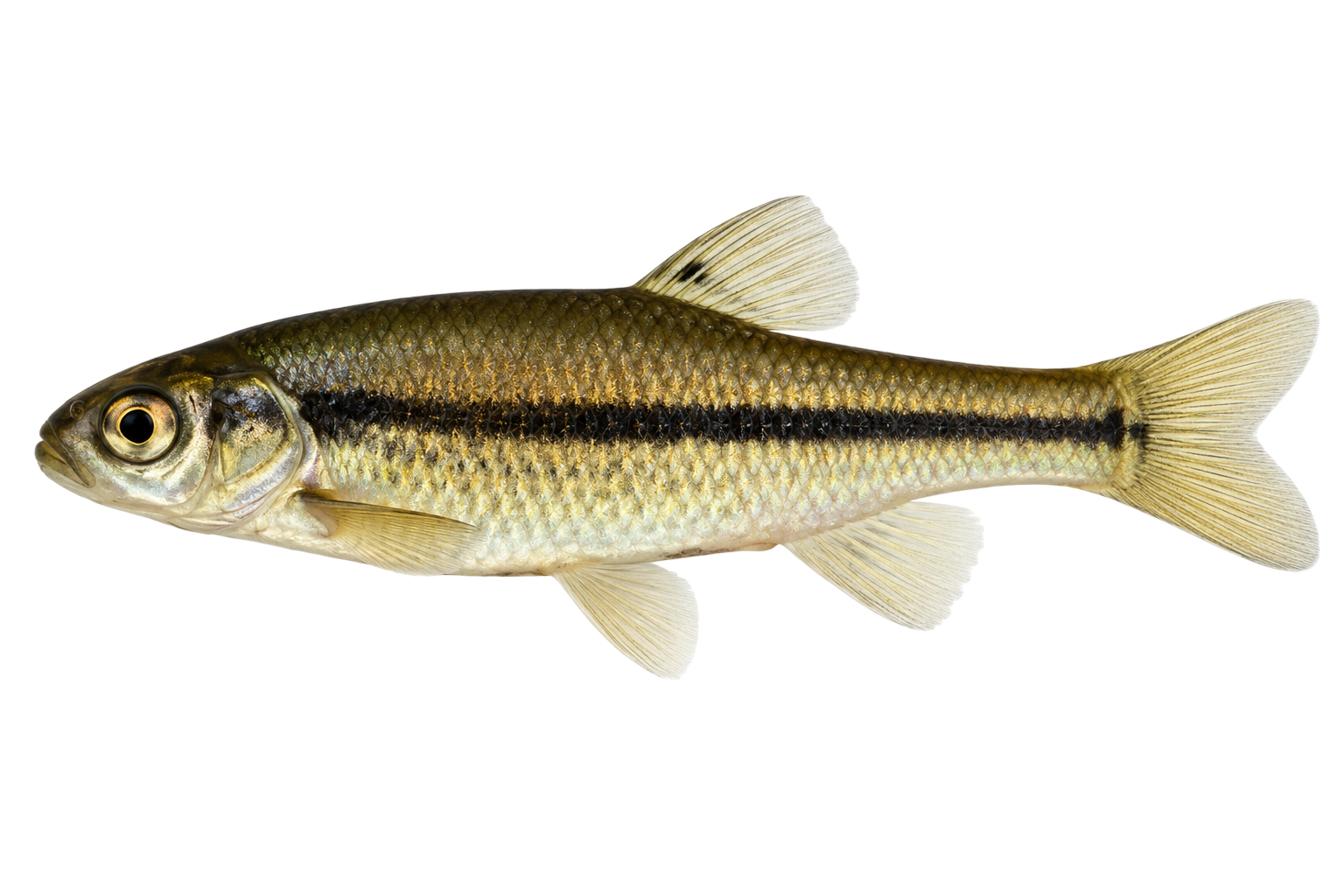
Baitfish, Minnow
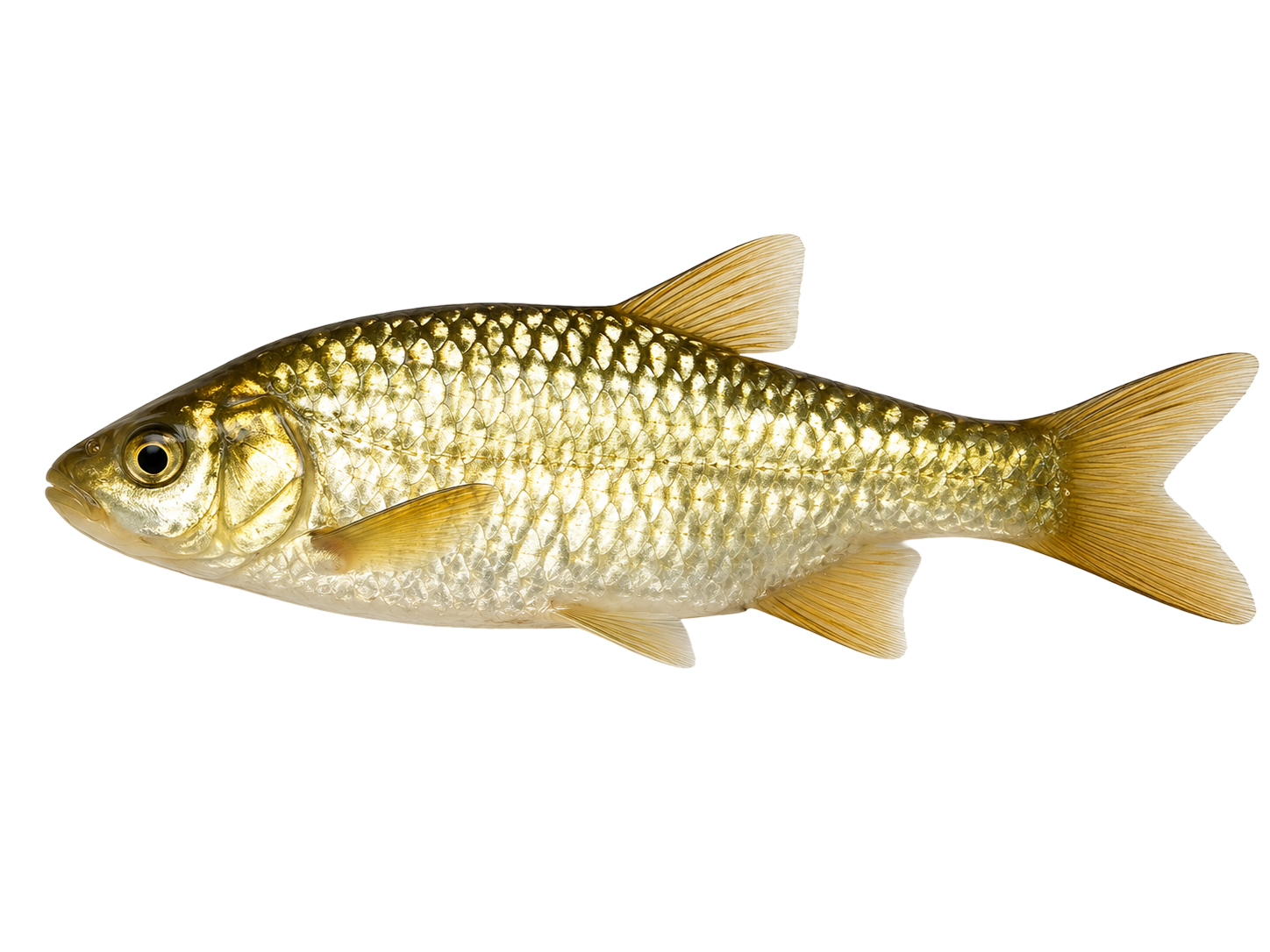
Baitfish, Golden Shiner
Shad Fry

Hatches › Baitfish

BaitfishForage

Baitfish

Cyprinidae · family

Minnow- and carp-family baitfish are a year-round streamer food source in Idaho’s freshwater fisheries.

Overview

Category

Baitfish

Category

Baitfish

Category

The insect or forage category for this profile.

Size

Varies widely across the family; forage-sized fish important to anglers are commonly small, from fry to a few inches long, though some cyprinids grow much larger.

Size

Varies widely across the family; forage-sized fish important to anglers are commonly small, from fry to a few inches long, though some cyprinids grow much larger.

Size

Typical size range anglers imitate on the water.

Key stages

Fry

Key stages

Fry

Key stages

Life stages most relevant to fly fishing this hatch or forage.

Water types

rivers, streams, lakes, ponds, reservoirs

Water types

rivers, streams, lakes, ponds, reservoirs

Water types

Water types where this bug or forage is commonly found.

About Baitfish

Cyprinidae is the carp and minnow family, a huge group of freshwater egg-laying fishes that includes many of the small forage fish trout and warmwater predators chase. For anglers, they matter less as a single species than as a broad baitfish profile to imitate with streamers.

Life Cycle

Fry

Fry

Stages
Eggs, fry, juvenile, adult; anglers primarily imitate fry, juveniles, and small adults as streamer forage.
Emergence cues
No insect-style hatch. Baitfish become most noticeable to anglers when young-of-year fish appear in warmer seasons and whenever predators push schools into shallow water or along banks.
Behavior
Most cyprinids are freshwater egg-layers. Many feed on invertebrates and vegetation, while some larger or more predatory members eat small fish. As forage, they often travel in loose schools, cruise open water, edges, and weedlines, and dart or flash when pressured.

Where It Hatches

Baitfish

One species, multiple rivers.
RiverJANFEBMARAPRMAYJUNJULAUGSEPOCTNOVDEC
  • Boise River, Middleton to Eagle Road
  • Clearwater River
  • Saint Maries River
  • Snake River, Hells Canyon Dam to Clearwater Confluence (Lewiston)
  • Snake River, Idaho Falls to American Falls Reservoir
  • Snake River, Lower Salmon Falls Dam to Bliss Dam (Hagerman / Thousand Springs)
  • Snake River, Milner Dam to Hansen Bridge (Murtaugh Canyon)
  • Snake River, Osgood Diversion Dam to Henrys Fork
  • Snake River, Swan Falls Dam to Brownlee Reservoir
  • South Fork Clearwater River

Baitfish on the podcast

  • On The Water - Lake Almanor With Mark Antaramian

    Episode 160 · Jul 1, 2020
    On The Water - Lake Almanor With Mark Antaramian

    Listen on the Barbless Podcast

Fly Patterns

  • Clouser Minnow#2-8
  • Sculpin Streamer#4-8
  • Woolly Bugger#4-10

Angler Notes

Why it matters
Cyprinids cover a lot of what fish eat under the generic label of minnows or baitfish. When trout, bass, and other predators are chasing small fish, matching this simple profile can outfish exact insect imitation.
Imitation tips
Fish slender to medium-profile streamers in silver, olive, tan, white, or gold. Use patterns with a little flash, a defined baitfish shape, and sizes matched to local forage, smaller for fry and juveniles, larger when predators are keyed on adult minnows.
Key life stages
fryjuvenilesmall adultstreamer
Presentation
Swing, strip, or dead-drift streamers near banks, weed edges, seams, and drop-offs. Vary retrieve speed with short darts and pauses to suggest a wounded or fleeing baitfish.

Identification

Key features
Slim to moderately deep-bodied freshwater fish with a distinct baitfish silhouette, forked to slightly forked tail, and fins set for steady swimming rather than bottom clinging. As a family, cyprinids have toothless jaws and feed with specialized pharyngeal teeth in the throat.
Size
Varies widely across the family; forage-sized fish important to anglers are commonly small, from fry to a few inches long, though some cyprinids grow much larger.
Coloration
Usually silver, olive, tan, gray, or gold-backed with pale bellies; many show darker backs and brighter, reflective sides.
Similar bugs
sculpinsjuvenile troutsuckersdace/minnows

Habitat

Water types
riversstreamslakespondsreservoirs
Substrate
Common around mixed substrates including silt, sand, gravel, weedbeds, and shoreline cover.
Conditions
Freshwater across a wide range of conditions, especially slower currents, stillwaters, backwaters, margins, and other areas that provide food and cover.

Eaten By

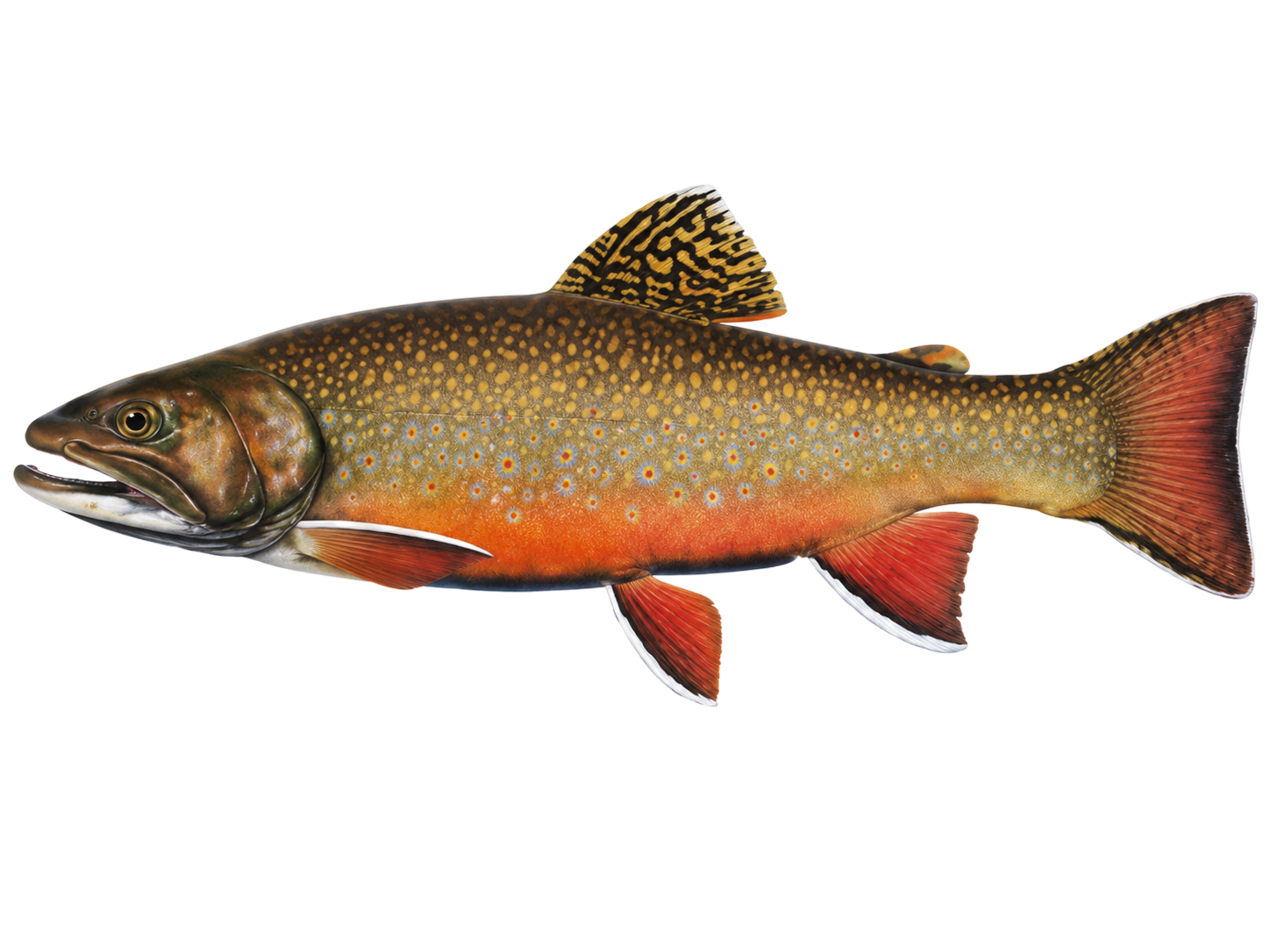
Brook Trout
Brook Trout
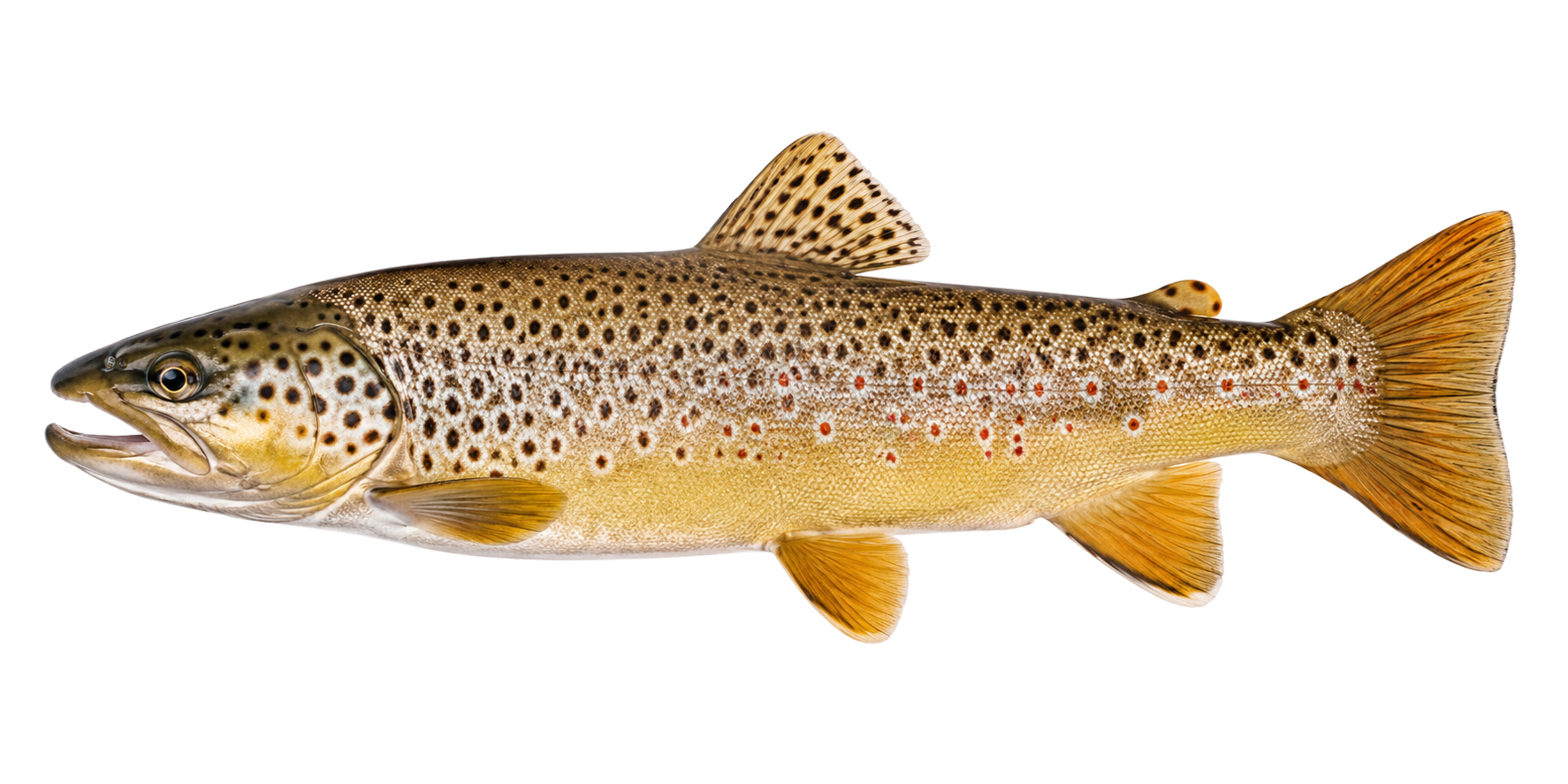
Brown Trout
Brown Trout
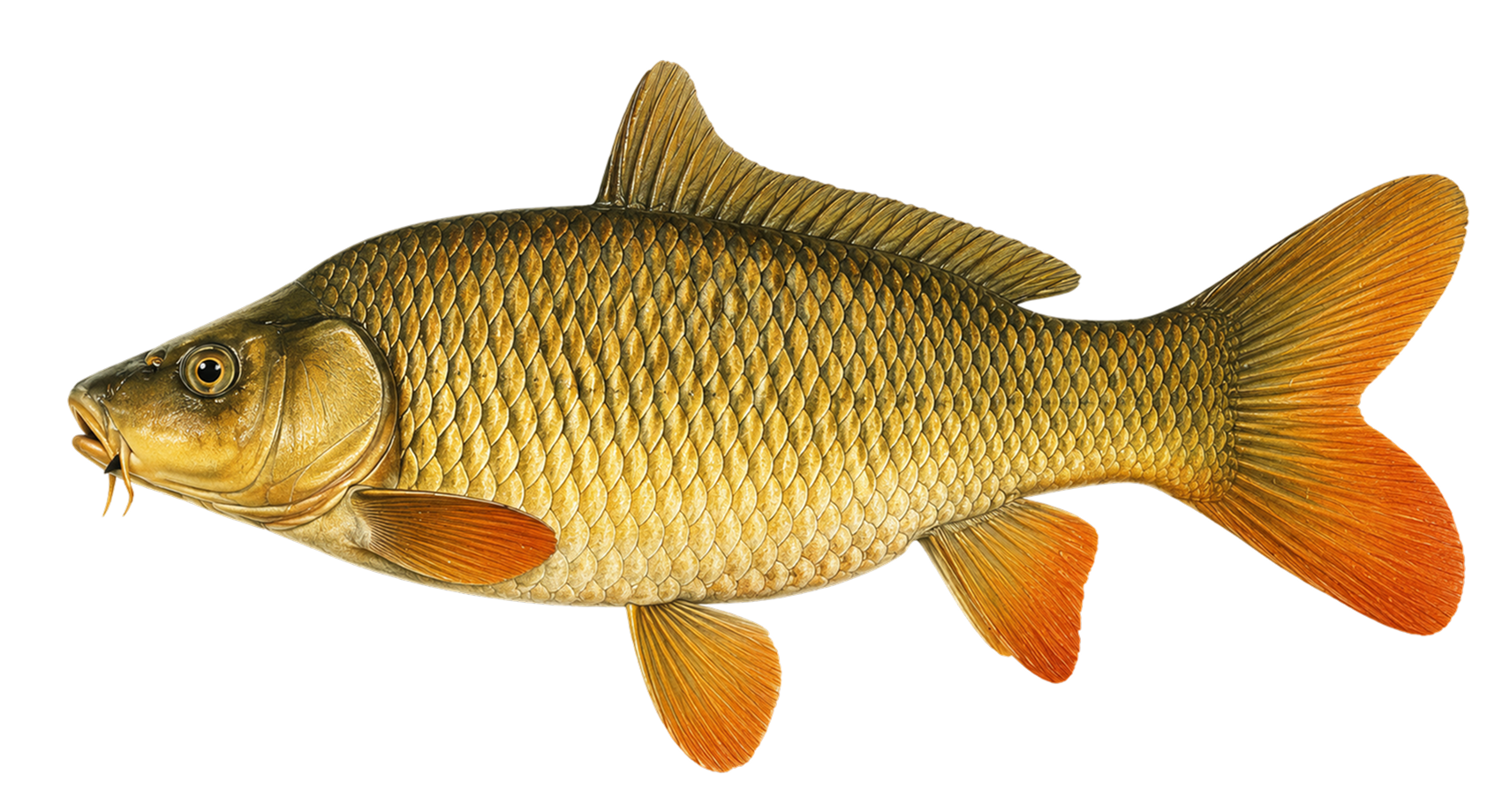
Carp
Carp
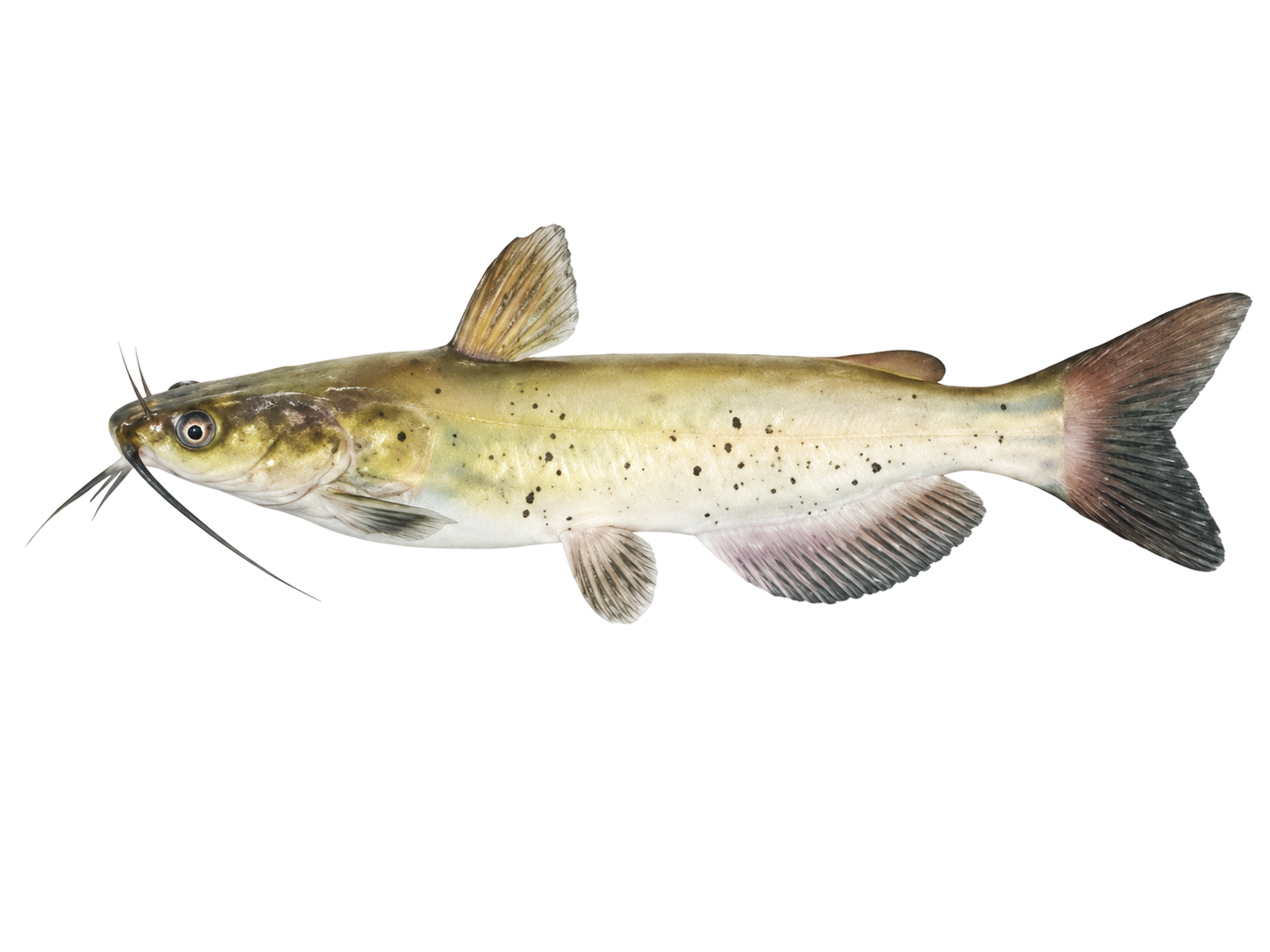
Channel Catfish
Channel Catfish
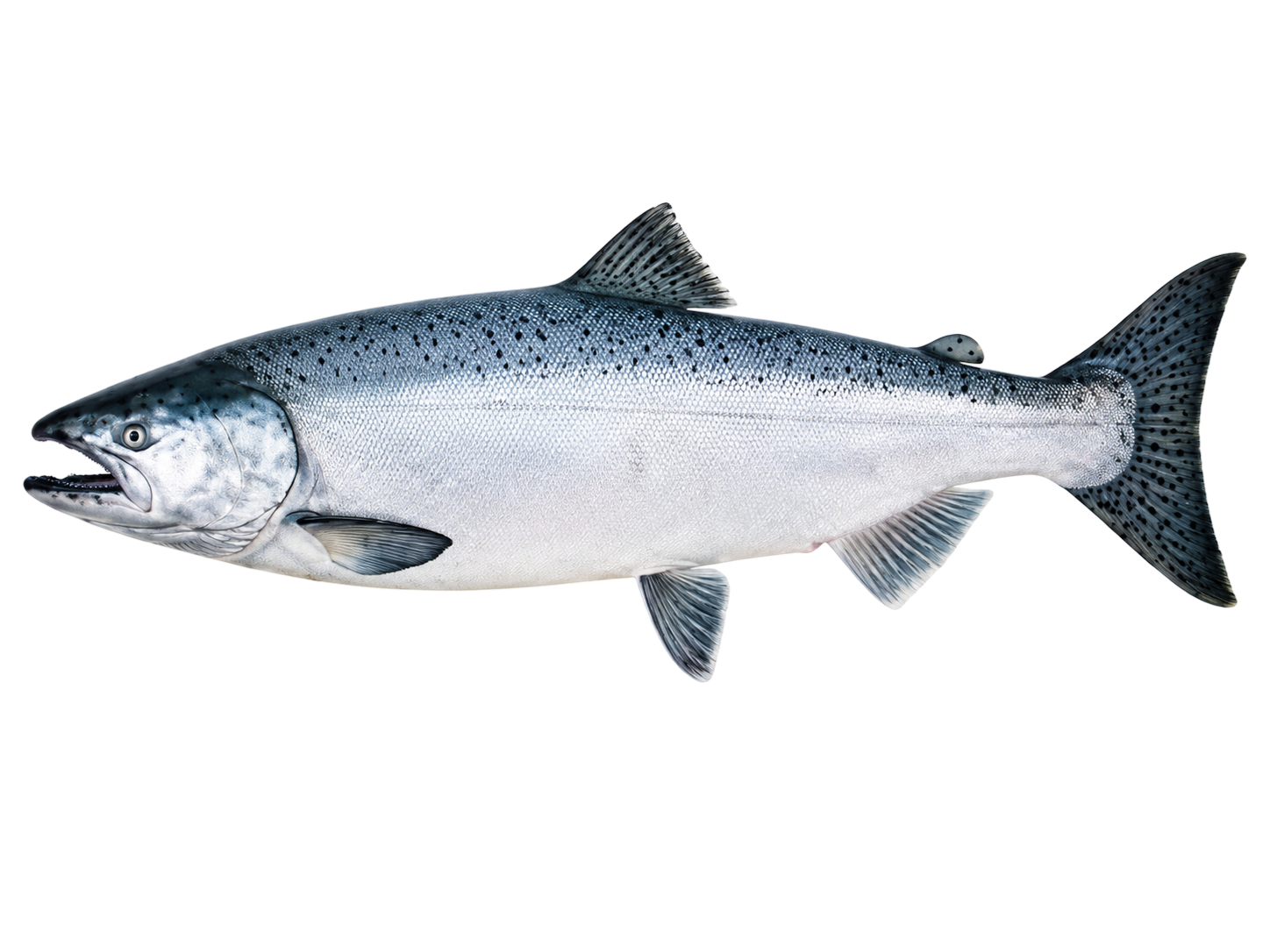
Chinook Salmon
Chinook Salmon
Cutbow Trout
Cutbow Trout
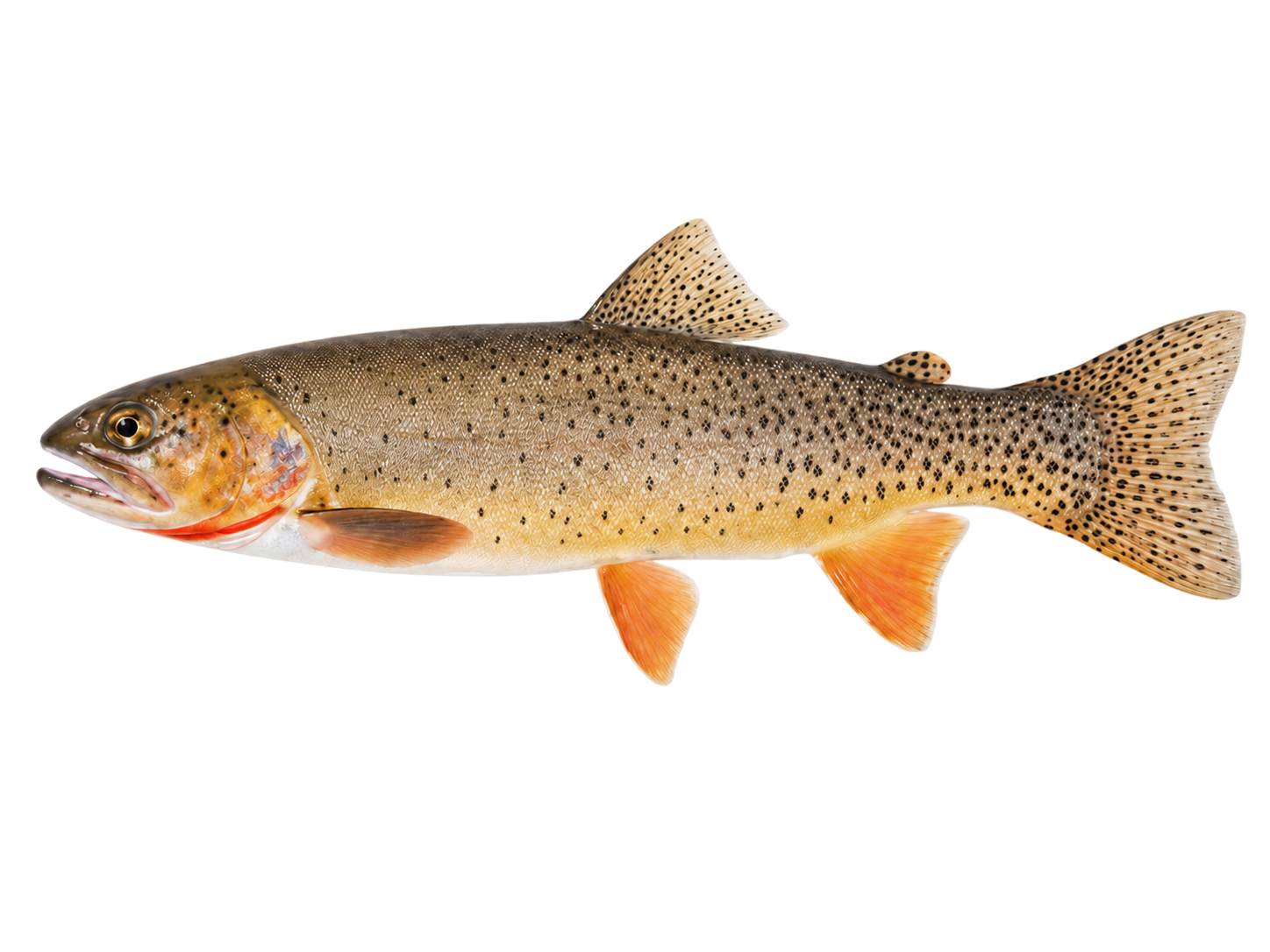
Cutthroat Trout
Cutthroat Trout
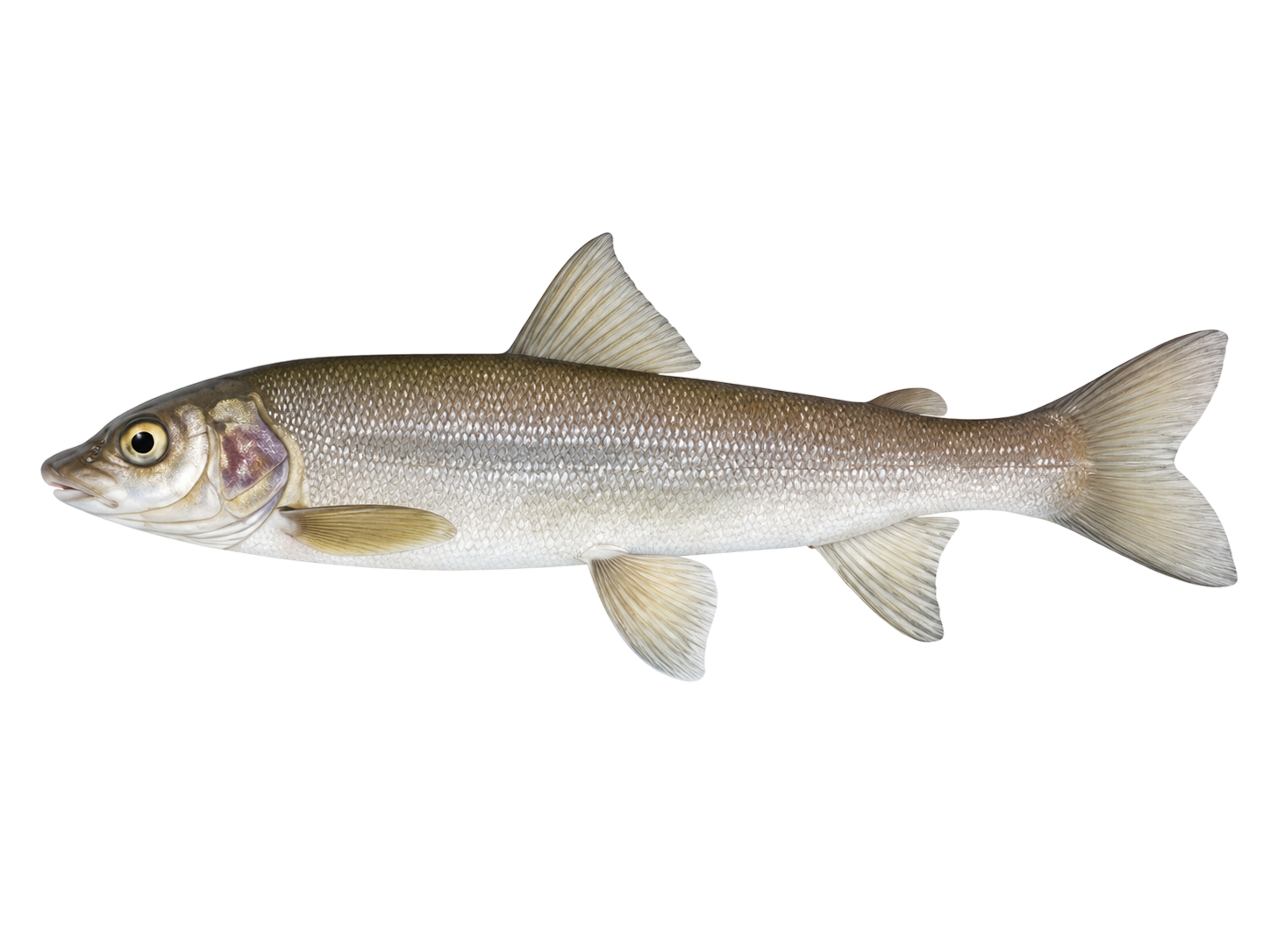
Mountain Whitefish
Mountain Whitefish
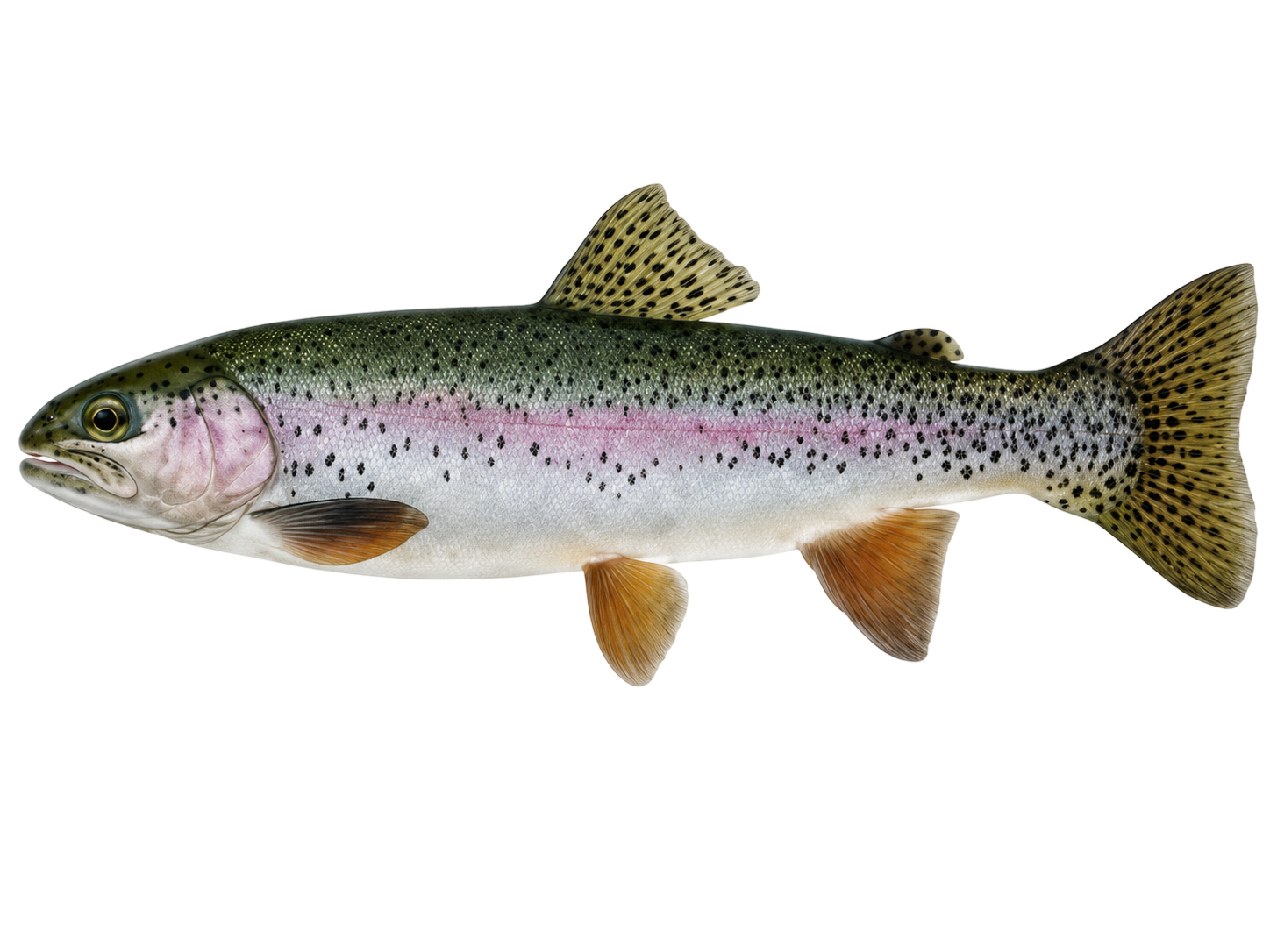
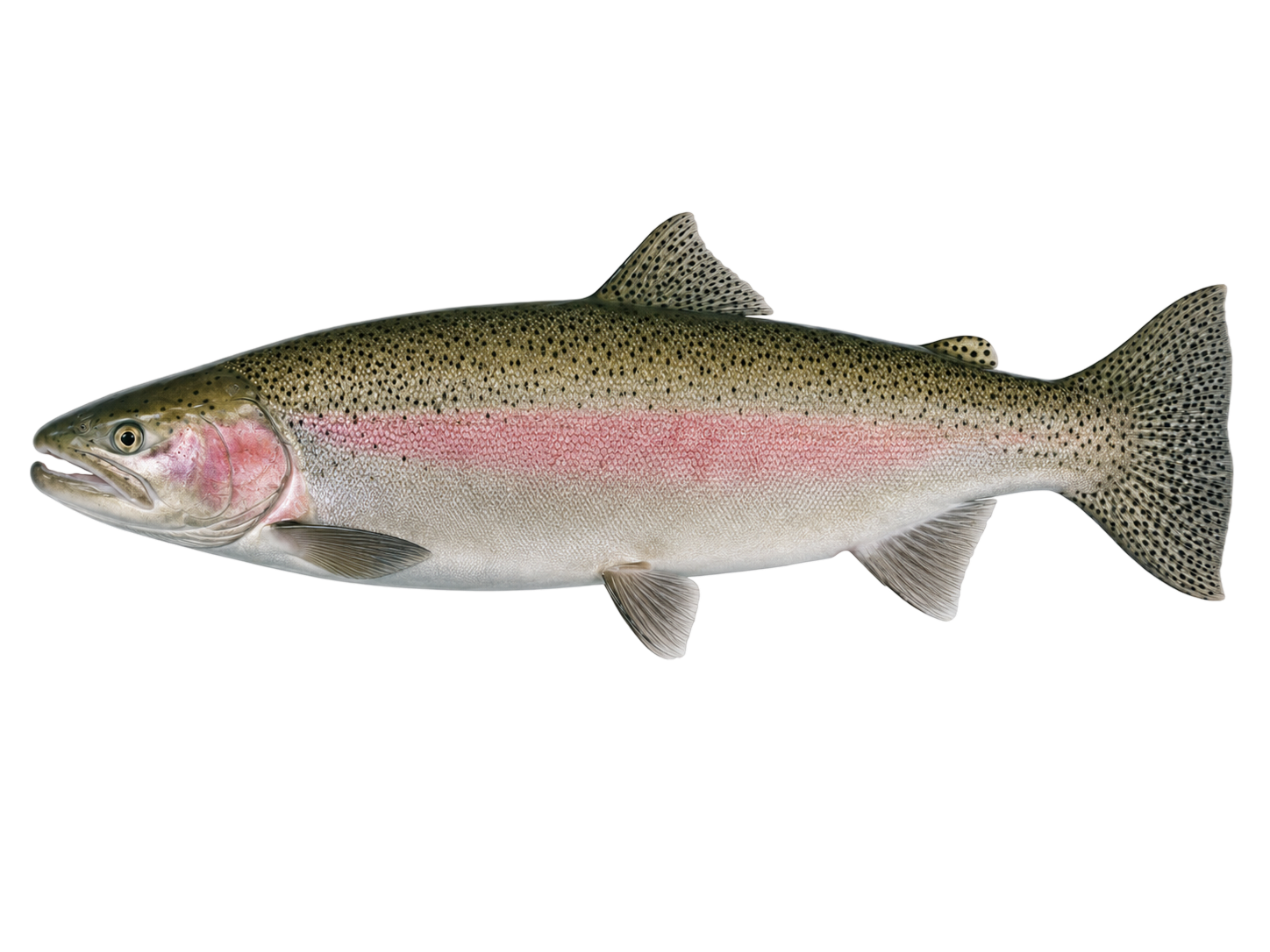
Rainbow Trout
Rainbow Trout
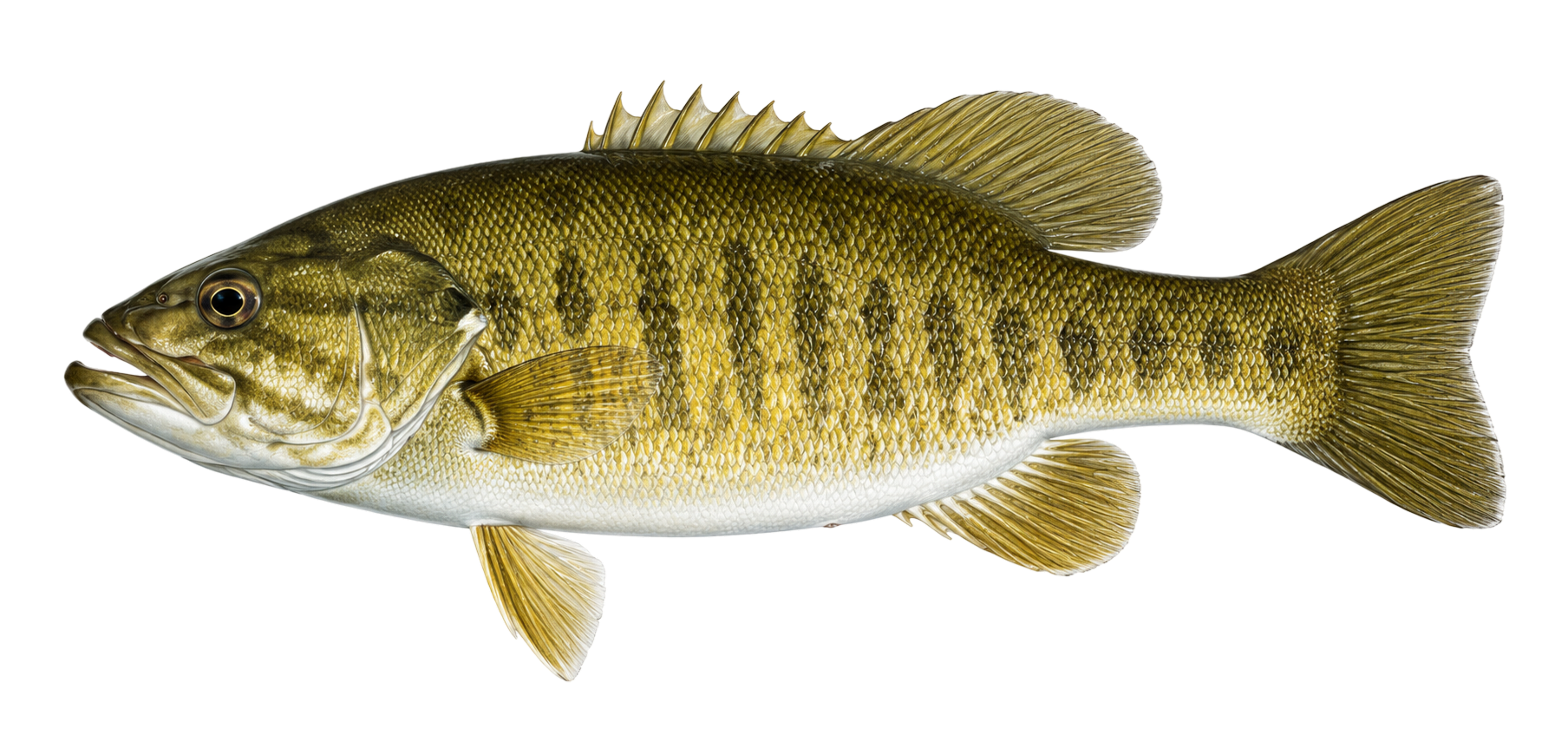
Smallmouth Bass
Smallmouth Bass
Steelhead
Steelhead
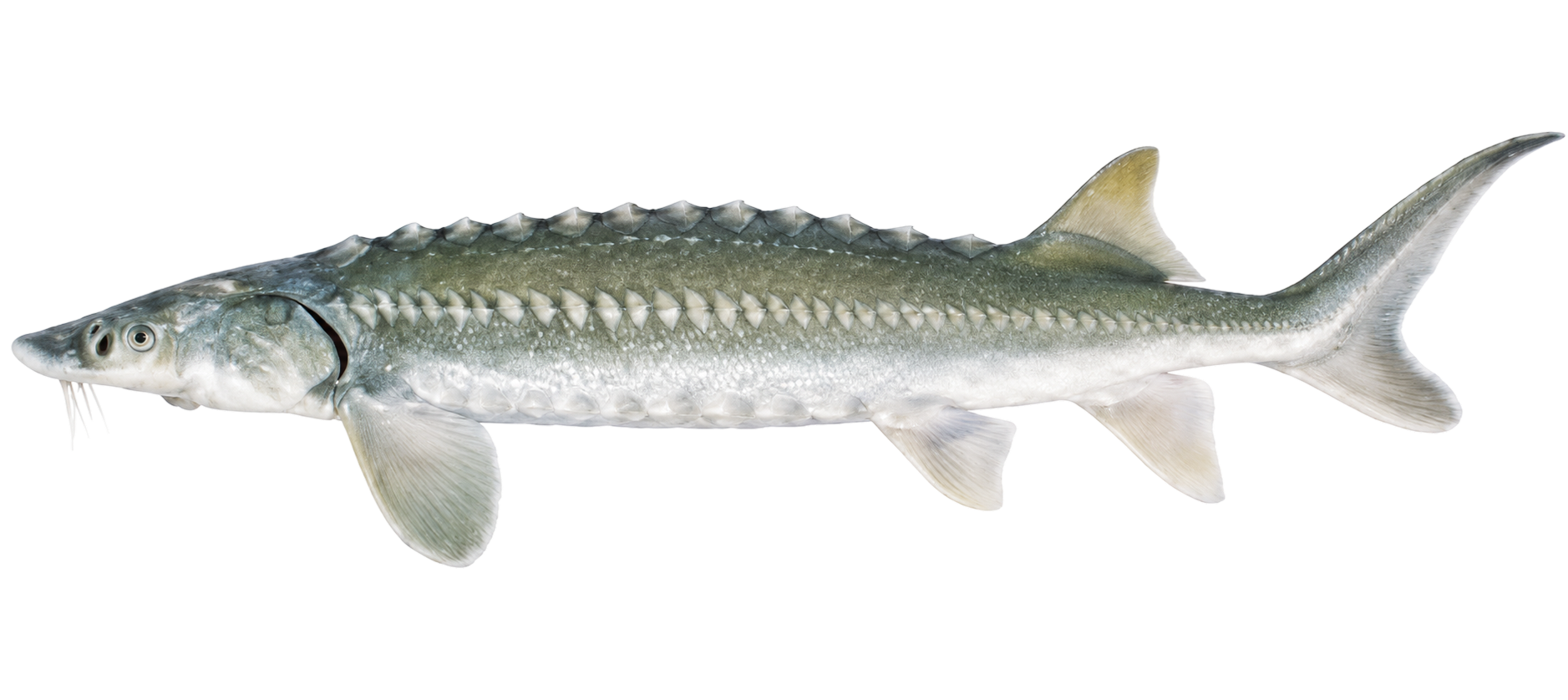
White Sturgeon
White Sturgeon
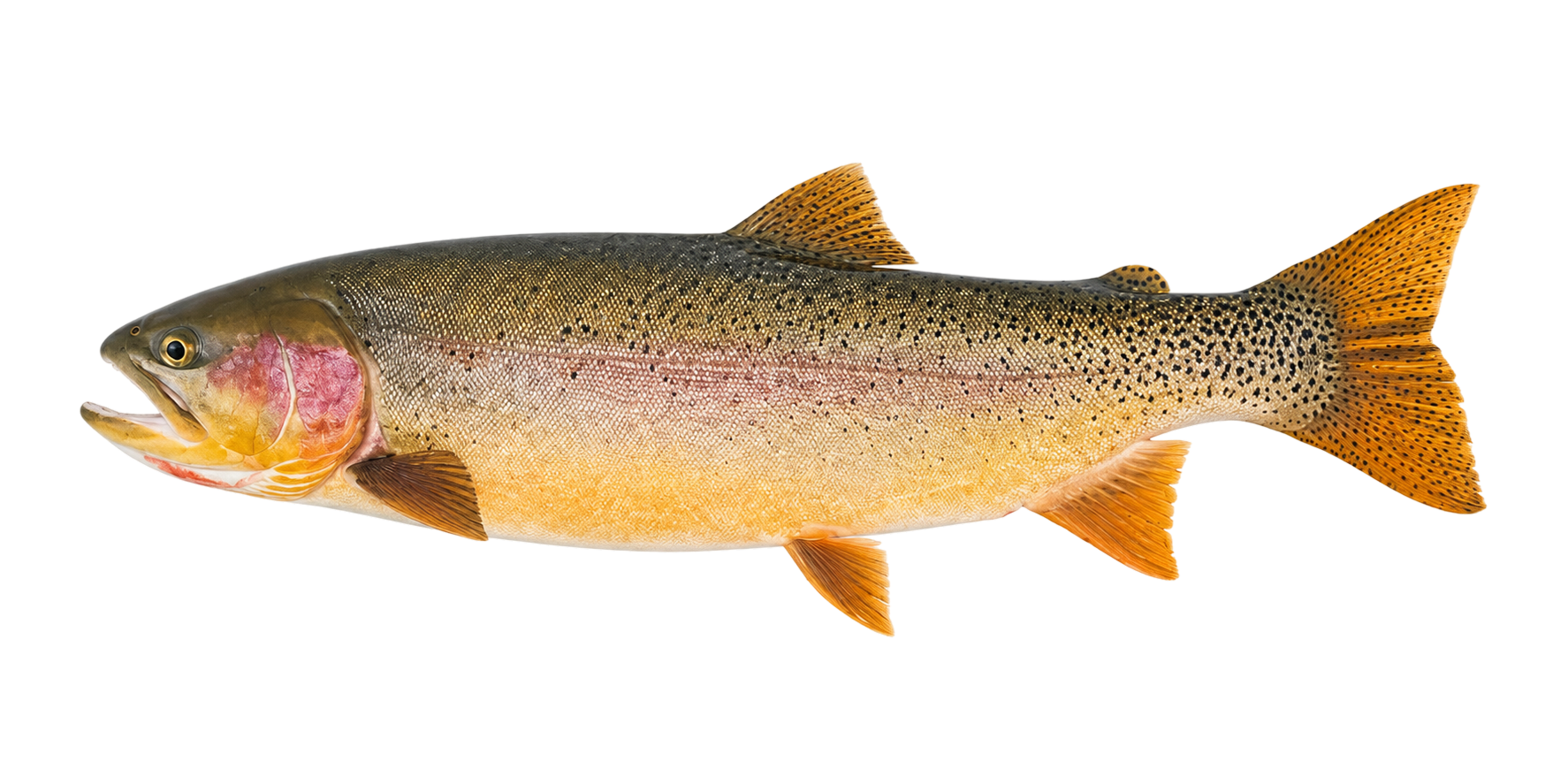
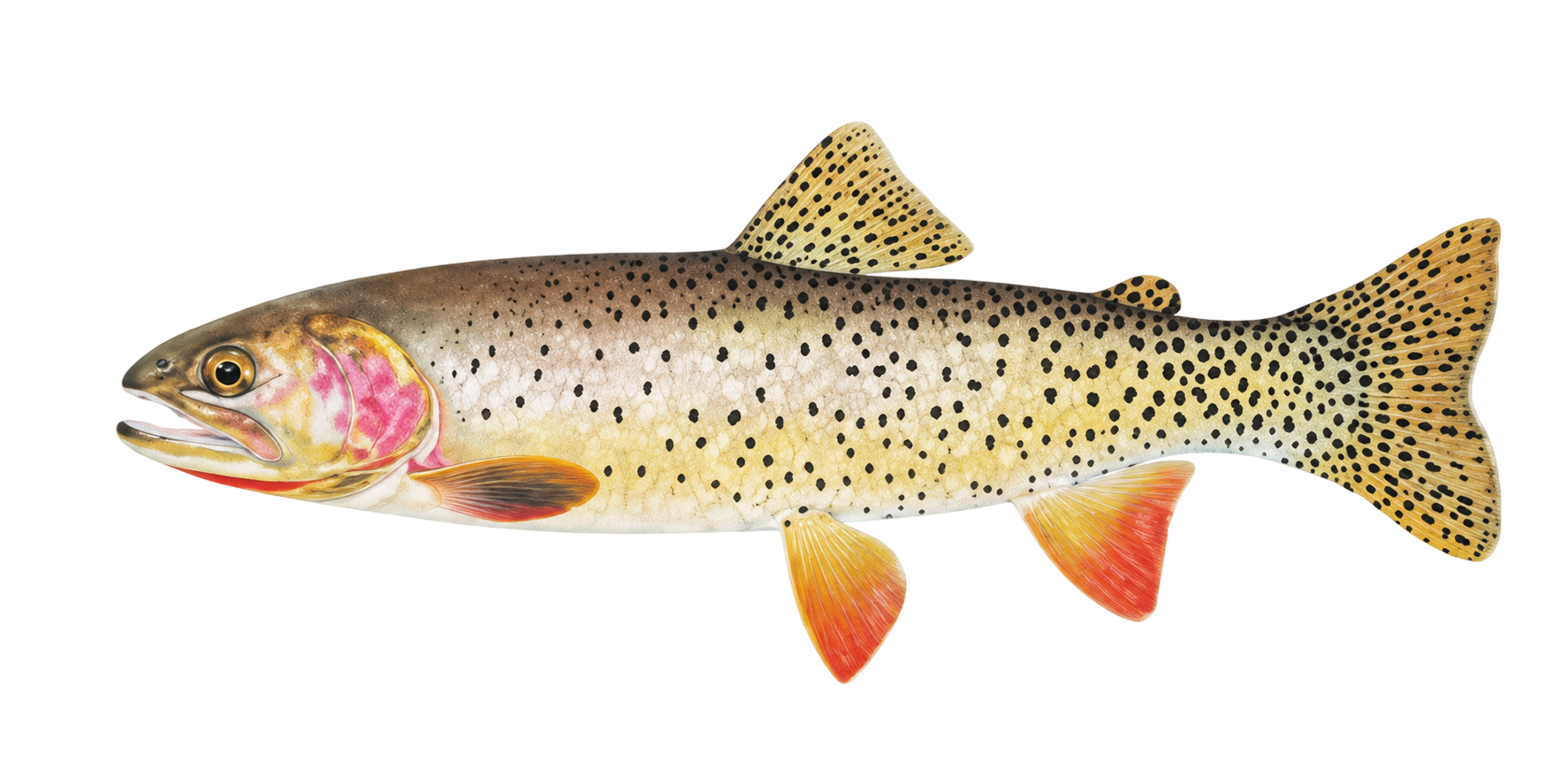
Yellowstone Cutthroat Trout

Baitfish Photos

Shad Fry
Rainbow Trout Fry
Steelhead Fry
Salmon Fry
Sacramento Sucker Fry
Shiner
Minnow
Golden Shiner

On this page

OverviewLife CycleWhere It HatchesFrom the PodcastFly PatternsAngler NotesIdentificationHabitatEaten ByPhotos

Share & plan

IDFG Planner

On this profile

  • 10 waters
  • 3 fly patterns
  • 13 predator species
  • 1 life stage

Explore

Browse all hatches & forage