Barbless.coBarbless.co
  • Home
  • Map
  • Reports
  • Guides
  • Fish
  • Hatches
  • Podcast
Sign in
Barbless.co

The more you understand, the more there is to see.

  • IdahoLive
  • CaliforniaSoon

Explore

  • Map
  • Reports
  • Browse reports
  • By region

Waters

  • River search
  • Guides & outfitters

Learn

  • Fish species
  • Hatches & forage
  • Podcast

Company

  • About
  • Contact
  • Editorial policy
  • Releases
  • Legal

© 2026 Barbless.co. Flow and gauge data from USGS; weather from Open-Meteo. · v2026.10.18.2

  1. Home
  2. Hatches & Forage
  3. Leech

Updated July 20, 2026

← Back to map
Leech

Hatches › Aquatic Worm

Aquatic WormForage

Leech

Hirudinea · subclass

A leech imitation is a year-round searching fly for trout in weedy lakes, ponds, and slow water.

Overview

Category

Aquatic Worm

Category

Aquatic Worm

Category

The insect or forage category for this profile.

Size

Usually about 1/2-3 in. for angler-relevant freshwater leeches; fly imitations commonly match sizes 6-14.

Size

Usually about 1/2-3 in. for angler-relevant freshwater leeches; fly imitations commonly match sizes 6-14.

Size

Typical size range anglers imitate on the water.

Key stages

Egg Cocoons, Juvenile, Feeding Adult, Mature Adult, Mating Adults

Key stages

Egg Cocoons, Juvenile, Feeding Adult, Mature Adult, Mating Adults

Key stages

Life stages most relevant to fly fishing this hatch or forage.

Water types

lakes, ponds, sloughs, backwaters, slow streams

Water types

lakes, ponds, sloughs, backwaters, slow streams

Water types

Water types where this bug or forage is commonly found.

About Leech

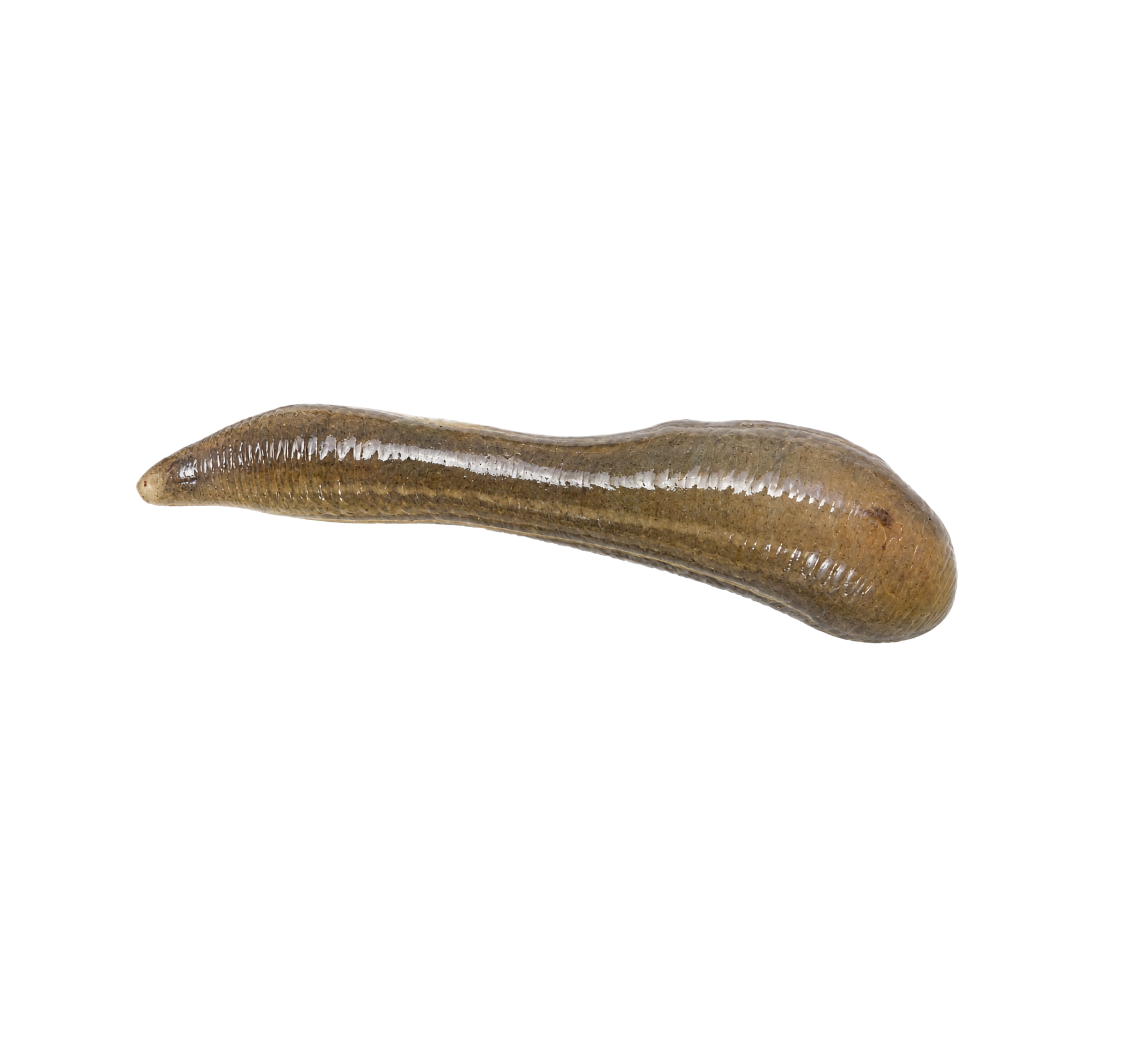
Leeches are segmented annelid worms in the subclass Hirudinea, with muscular bodies and suckers at both ends. Most angler-relevant leeches are freshwater forms that live in quiet, shallow areas and move with a smooth swimming or inching motion trout readily key on.

Life Cycle

Leeches begin their life cycle as eggs protected within cocoons, hatching into small juveniles. They then grow into adults by feeding on hosts before reaching maturity and reproducing in healthy aquatic environments.
Egg Cocoons

Egg Cocoons

Leech eggs are laid within protective cocoons, typically found in suitable aquatic habitats.

Juvenile

Juvenile

After hatching, juveniles emerge as small, miniature versions of adult leeches.

Feeding Adult

Feeding Adult

Young adult leeches attach to a host, such as a fish, to feed and continue their growth.

Mature Adult

Mature Adult

Leeches reach reproductive maturity within several months, with the timing depending on their specific species and local habitat conditions.

Mating Adults

Mating Adults

Upon reaching maturity, adult leeches leave their hosts to find a mate and reproduce, thus completing the cycle.

Stages
Eggs are enclosed in a cocoon attached to an underwater surface. Anglers usually imitate the active juvenile and adult forms rather than a distinct hatch stage.
Emergence cues
No true hatch. Leeches are available whenever water is open, with activity often most noticeable in warmer periods and low-light conditions when they leave cover to swim or crawl.
Behavior
Freshwater leeches commonly live around weeds, rocks, and soft-bottom margins of lakes, ponds, and slow streams. Some are parasitic, but many are predatory on small invertebrates; when active they swim with a pulsing, contracting motion that makes them an important opportunistic food item for trout.

How to Tie Leech Patterns

Juvenile

Jigged Mini Leech Fly Tying Instructions by Charlie Craven

Charlie's Fly Box

Materials

  • Hook#12Hanak H450BL
  • Bead3mmBlack/Orange Crackle Slotted Tungsten
  • Thread14/0Black Veevus
  • Holographic TinselMediumBlack
  • Pine SquirrelMicroBlack
  • Ostrich HerlBlack

Feeding Adult

How to Tie A Blob Leech Fly Pattern

Svenddiesel

Materials

  • Hook#10Umpqua U660BL-Bn
  • Bead3.5mmFirehole Outdoors - Birthday Suit
  • Thread6/0Semperfli classic waxed thread
  • MarabouNatures Spirit Sculpin Olive Fish Hunter
  • Chenille15mmSemperfli 15mm Solid - Medium Golden Olive
  • SharpieHot Orange
  • UV ResinSolarez Bone Dry

Mature Adult

Balanced Leech - Bruised

tightlinevideo

Materials

  • Jig hooksize 10Heavy-wire
  • Thread6/0Black, 140-denier
  • Bead baseGold or silver sewing pin or sequin pin
  • Tungsten bead1/8-inchBlack
  • Marabou fibersBlack, tail
  • FlashabouIce-Blue
  • Simi SealBlack/Blue Arizona, body

Where It Hatches

Leech

One species, multiple rivers.

RiverJANFEBMARAPRMAYJUNJULAUGSEPOCTNOVDEC
  • Kootenai River
  • Snake River, Hells Canyon Dam to Clearwater Confluence (Lewiston)
  • Snake River, Idaho Falls to American Falls Reservoir
  • Snake River, Lower Salmon Falls Dam to Bliss Dam (Hagerman / Thousand Springs)
  • Snake River, Milner Dam to Hansen Bridge (Murtaugh Canyon)
  • Snake River, Swan Falls Dam to Brownlee Reservoir

Leech on the podcast

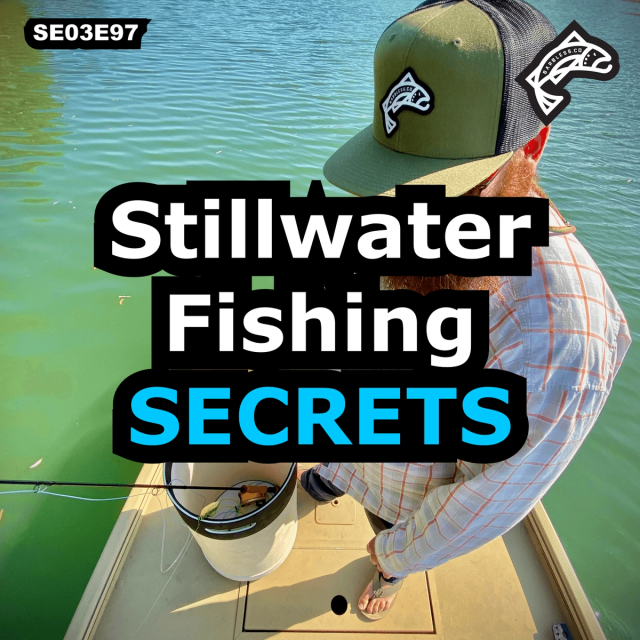
  • Stillwater Master Class - Author Phil Rowley

    Episode 97 · Jul 17, 2019

    Stillwater Master Class - Author Phil Rowley

    Listen on the Barbless Podcast

Fly Patterns

  • Woolly Bugger#4-10

Angler Notes

Why it matters
Leeches are not a hatch-matching game, but they are a dependable, calorie-rich food item. In stillwaters and slow edges, trout will hunt them consistently, making leech patterns strong searching flies when insects are sparse or fish are cruising.
Imitation tips
Use simple streamers with a slim, mobile silhouette and plenty of movement, marabou, rabbit, or soft materials help. Black, olive, brown, maroon, and two-tone dark patterns cover most situations; choose size by forage base and water clarity rather than exact species ID.
Key life stages
streamer
Presentation
Fish them on a floating line with a long leader, an intermediate, or a sink-tip depending on depth. Slow hand-twists, short strips, and pauses best mimic the natural pulsing swim; also try a steady crawl near weeds, drop-offs, and soft-bottom edges.

Identification

Key features
Soft, solid-looking segmented body; no legs, tails, or gills; tapered, muscular form with a sucker at each end. In the water they swim with a smooth undulating motion or crawl by looping along bottom and vegetation.
Size
Usually about 1/2-3 in. for angler-relevant freshwater leeches; fly imitations commonly match sizes 6-14.
Coloration
Most often dark olive, black, brown, rust, or maroon; some appear mottled or slightly translucent when backlit.
Similar bugs
Aquatic wormDamselfly nymphDragonfly nymphHellgrammiteSmall baitfish

Habitat

Water types
lakespondssloughsbackwatersslow streams
Substrate
Weeds, submerged stems, rocks, woody cover, and soft mud or silt bottoms in shallow margins.
Conditions
Best associated with quiet to slow water, especially vegetated, organic-rich areas; very few species tolerate fast current.

Eaten By

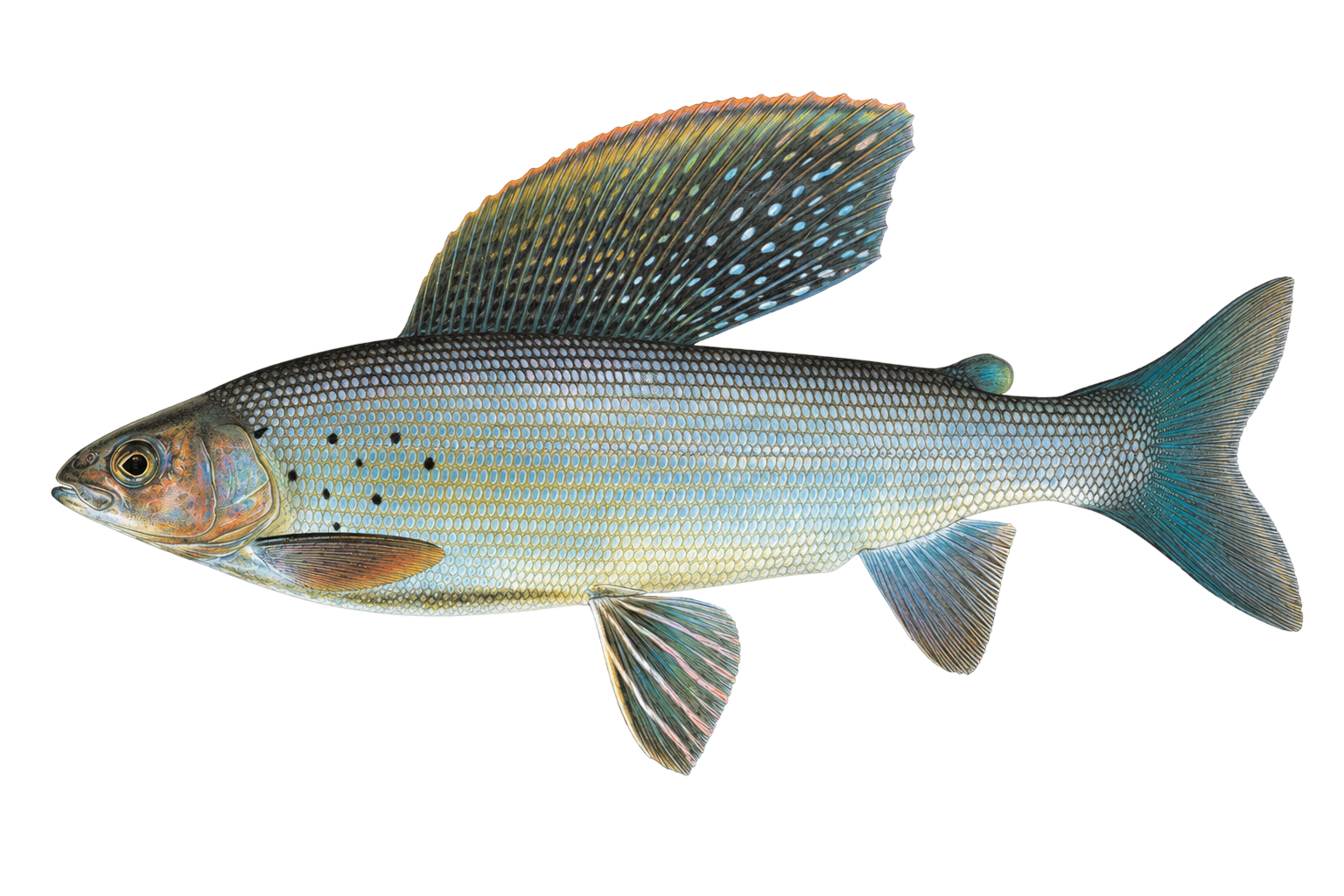
Arctic Grayling
Arctic Grayling
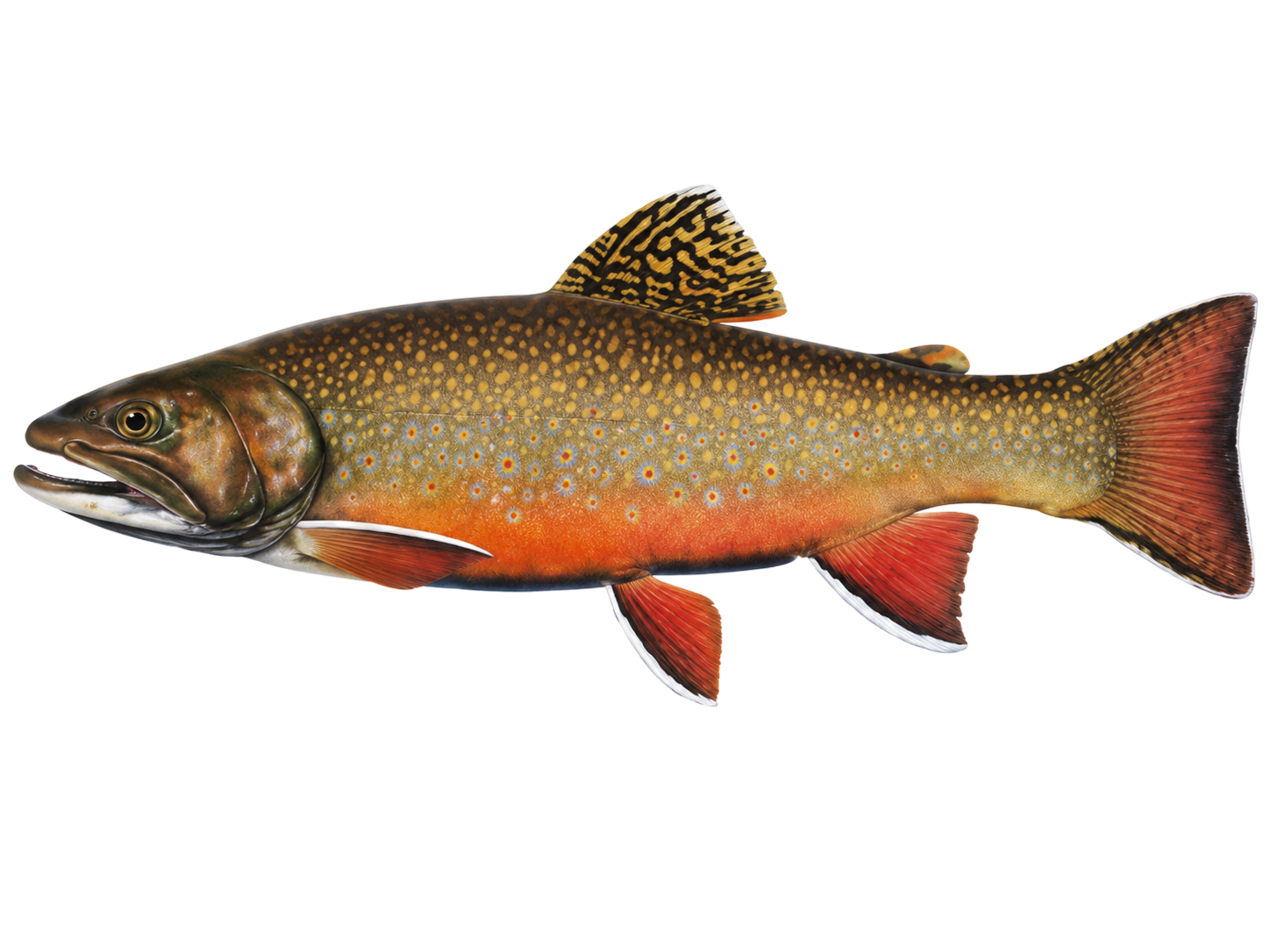
Brook Trout
Brook Trout
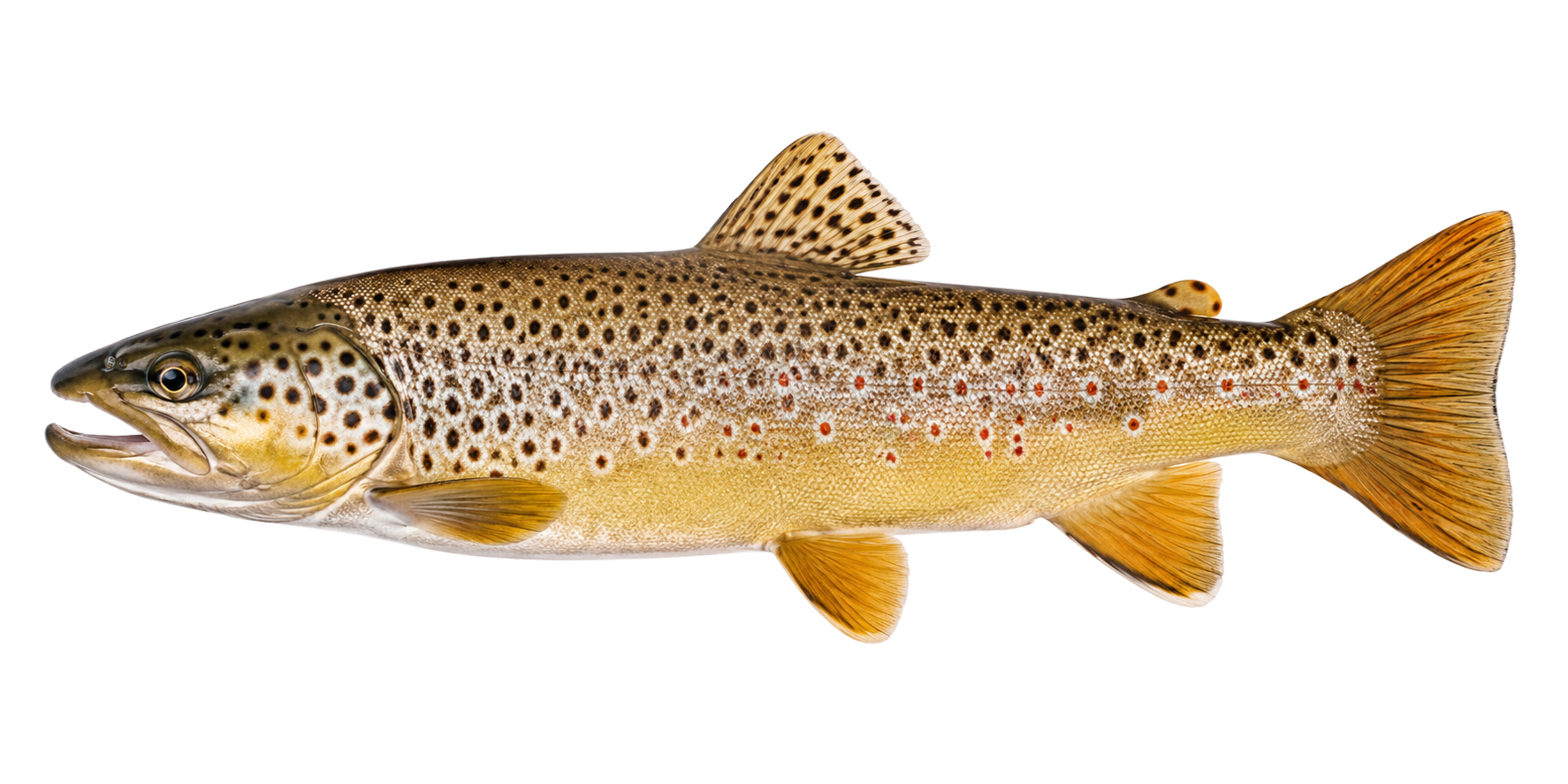
Brown Trout
Brown Trout
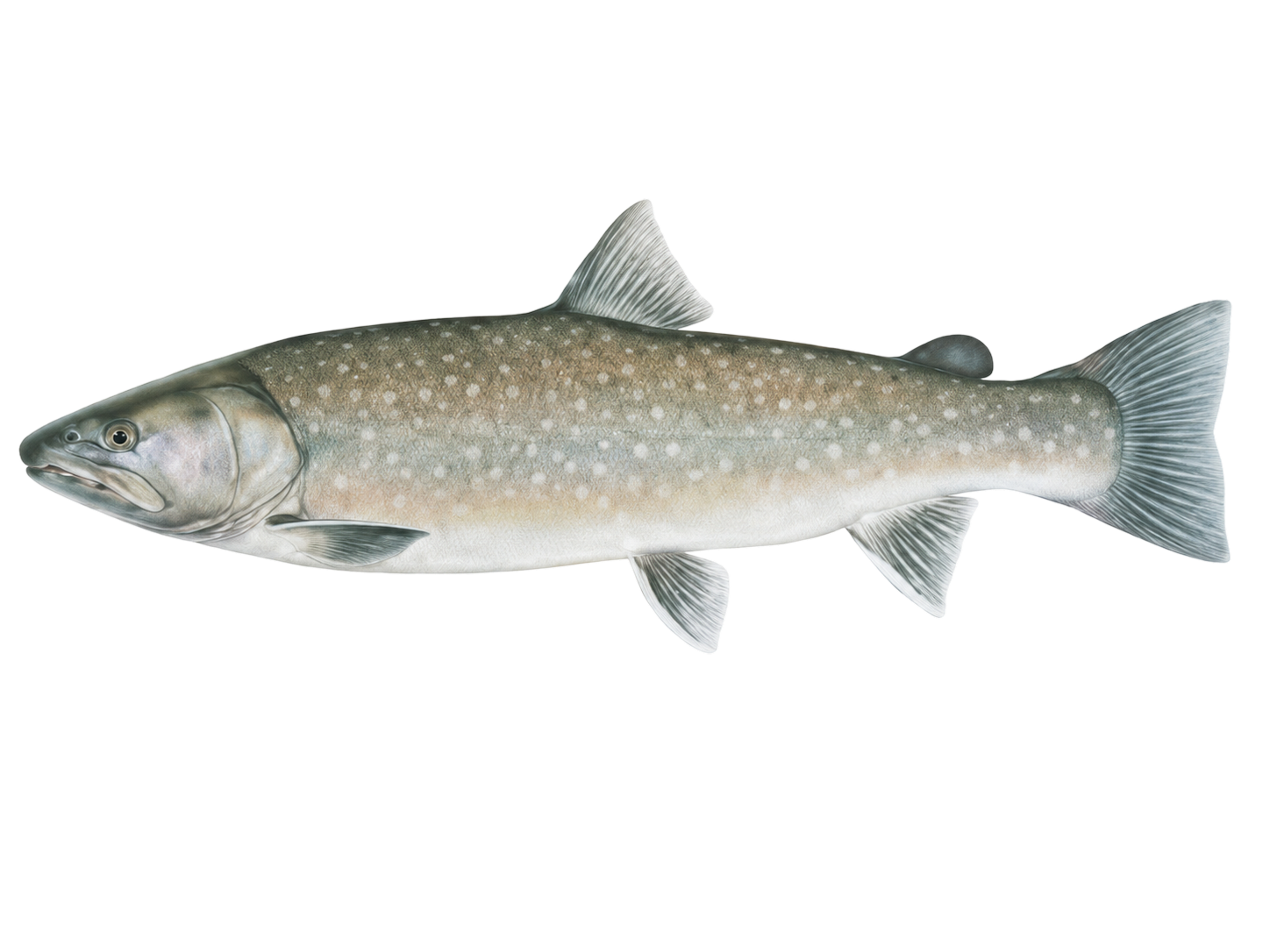
Bull Trout
Bull Trout
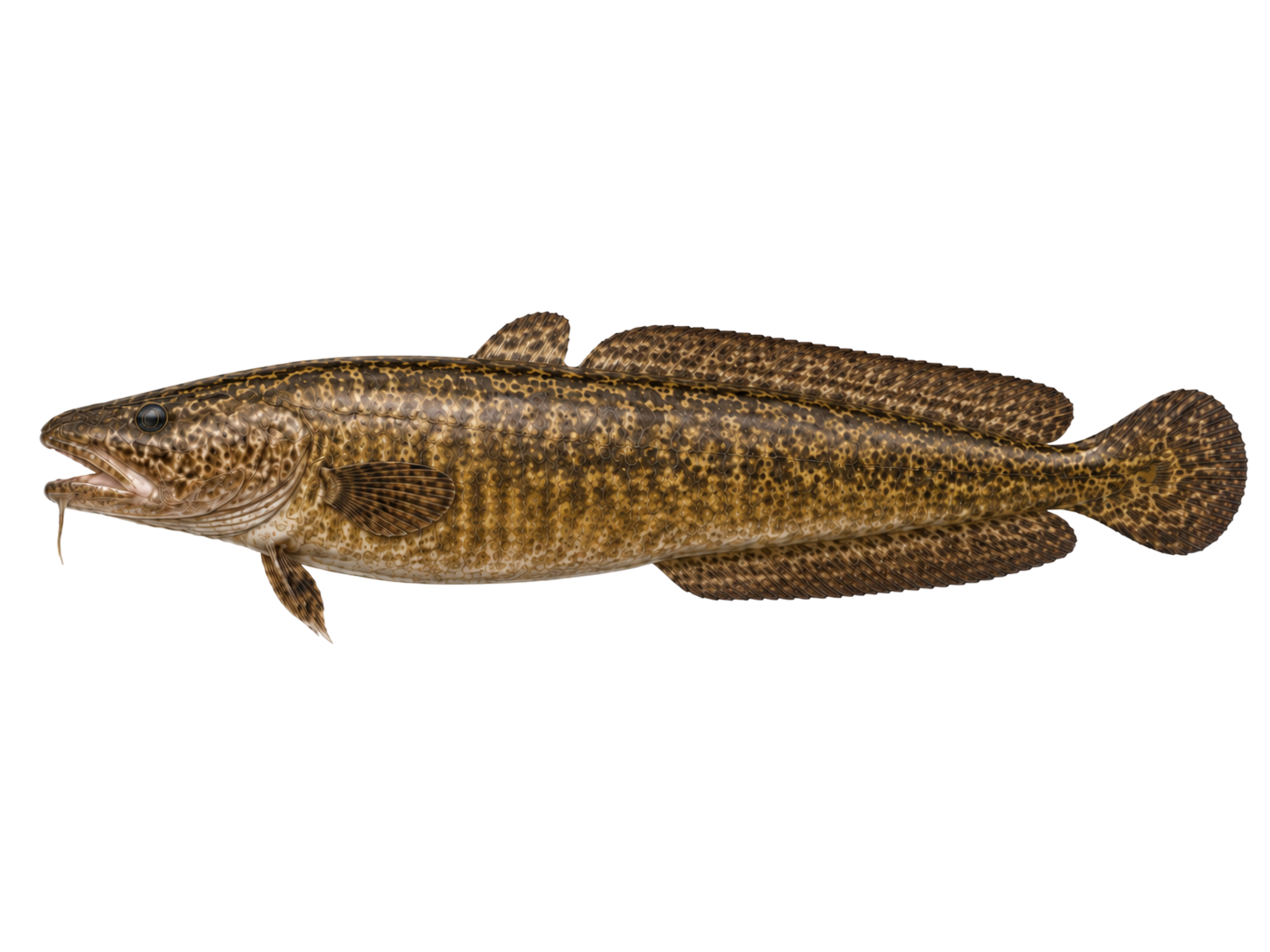
Burbot
Burbot
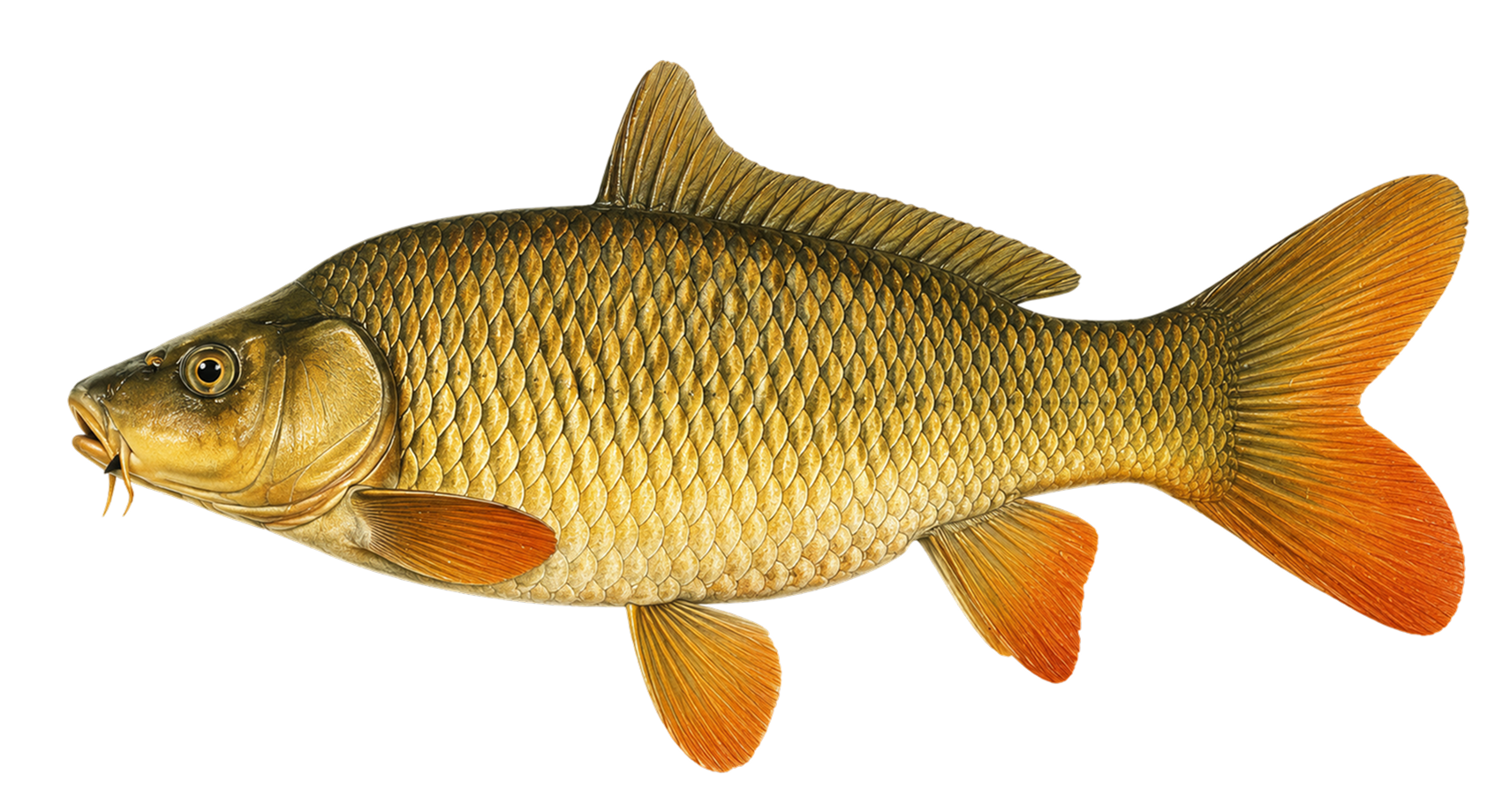
Carp
Carp
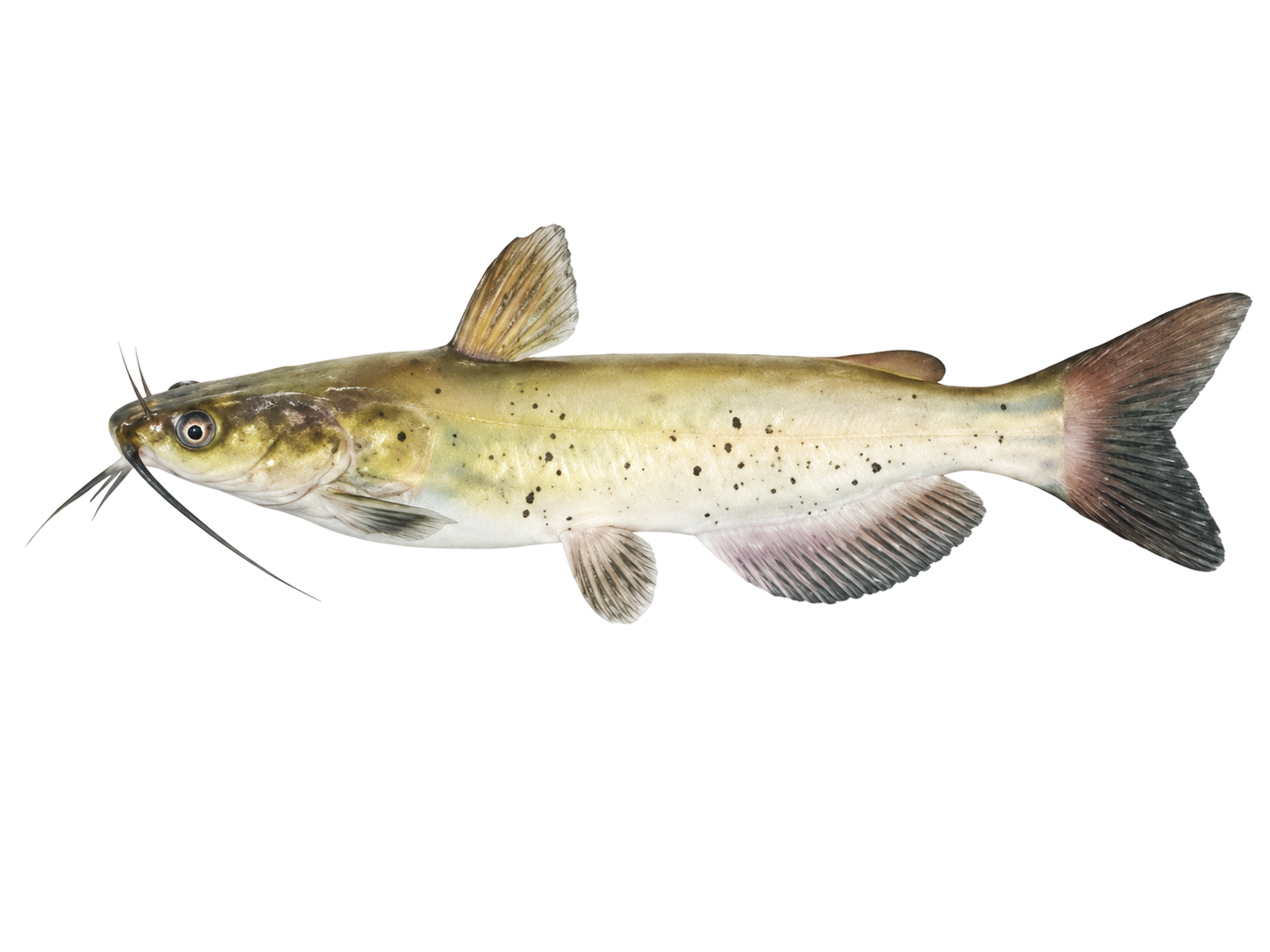
Channel Catfish
Channel Catfish
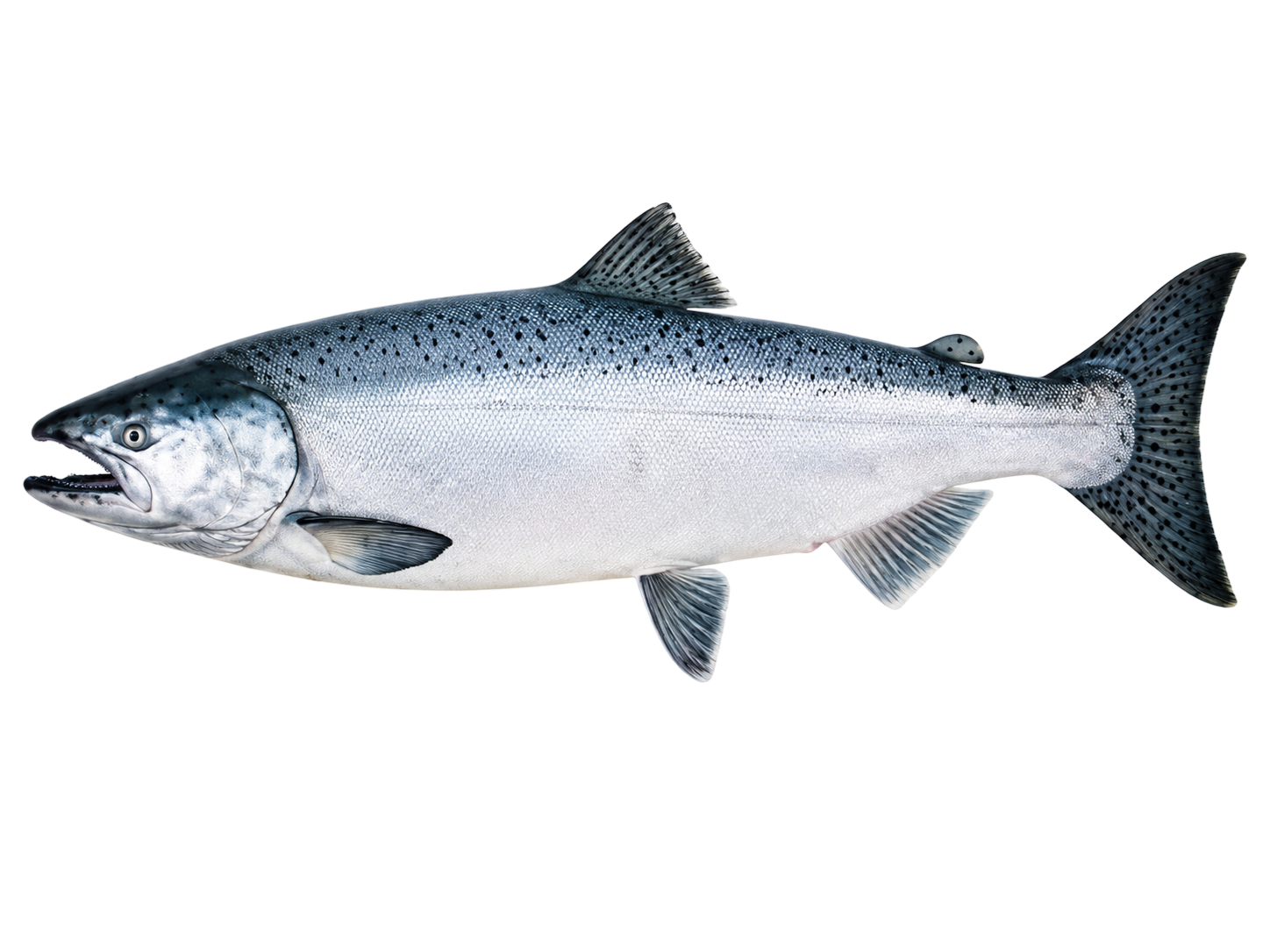
Chinook Salmon
Chinook Salmon
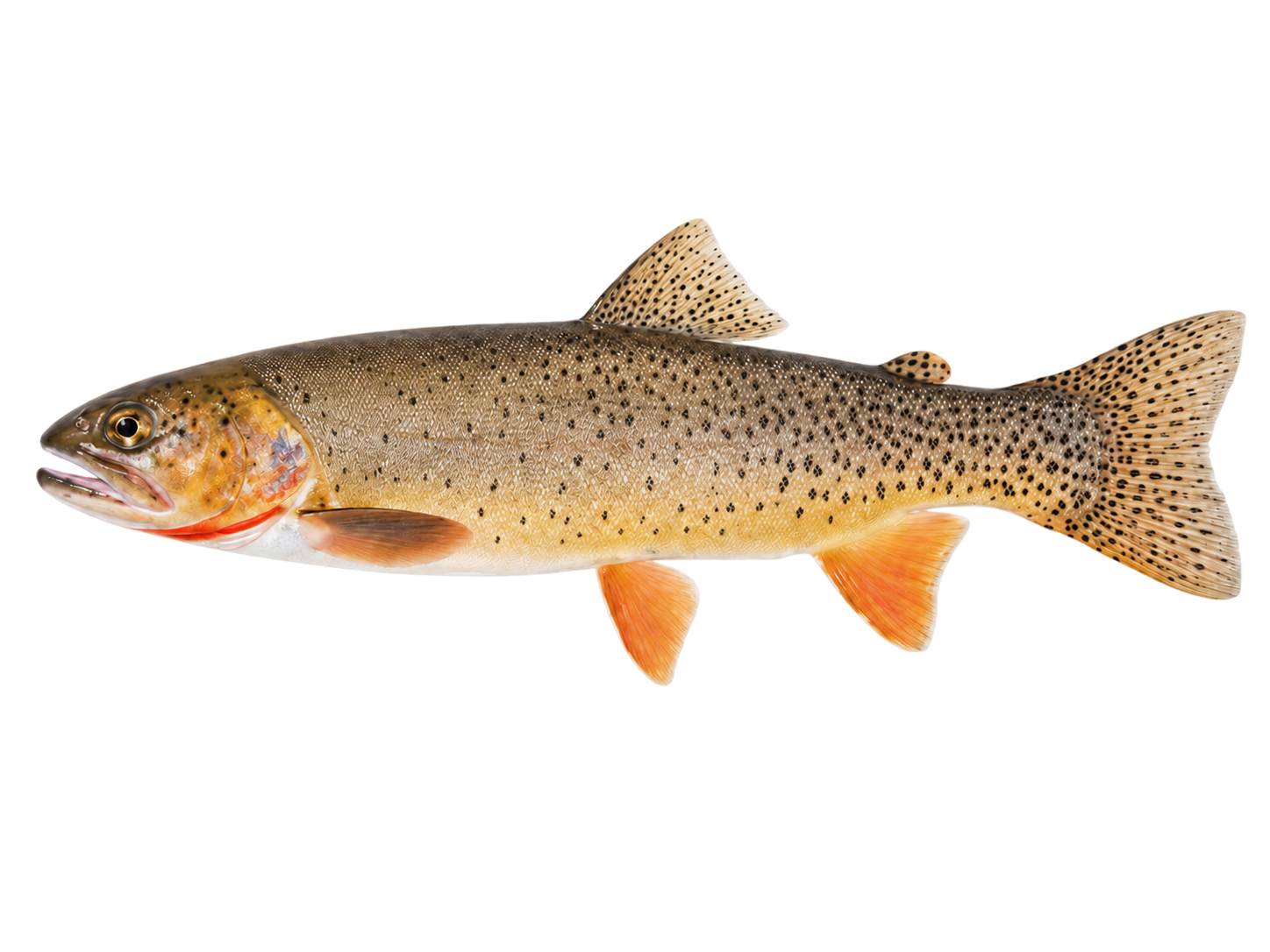
Cutthroat Trout
Cutthroat Trout
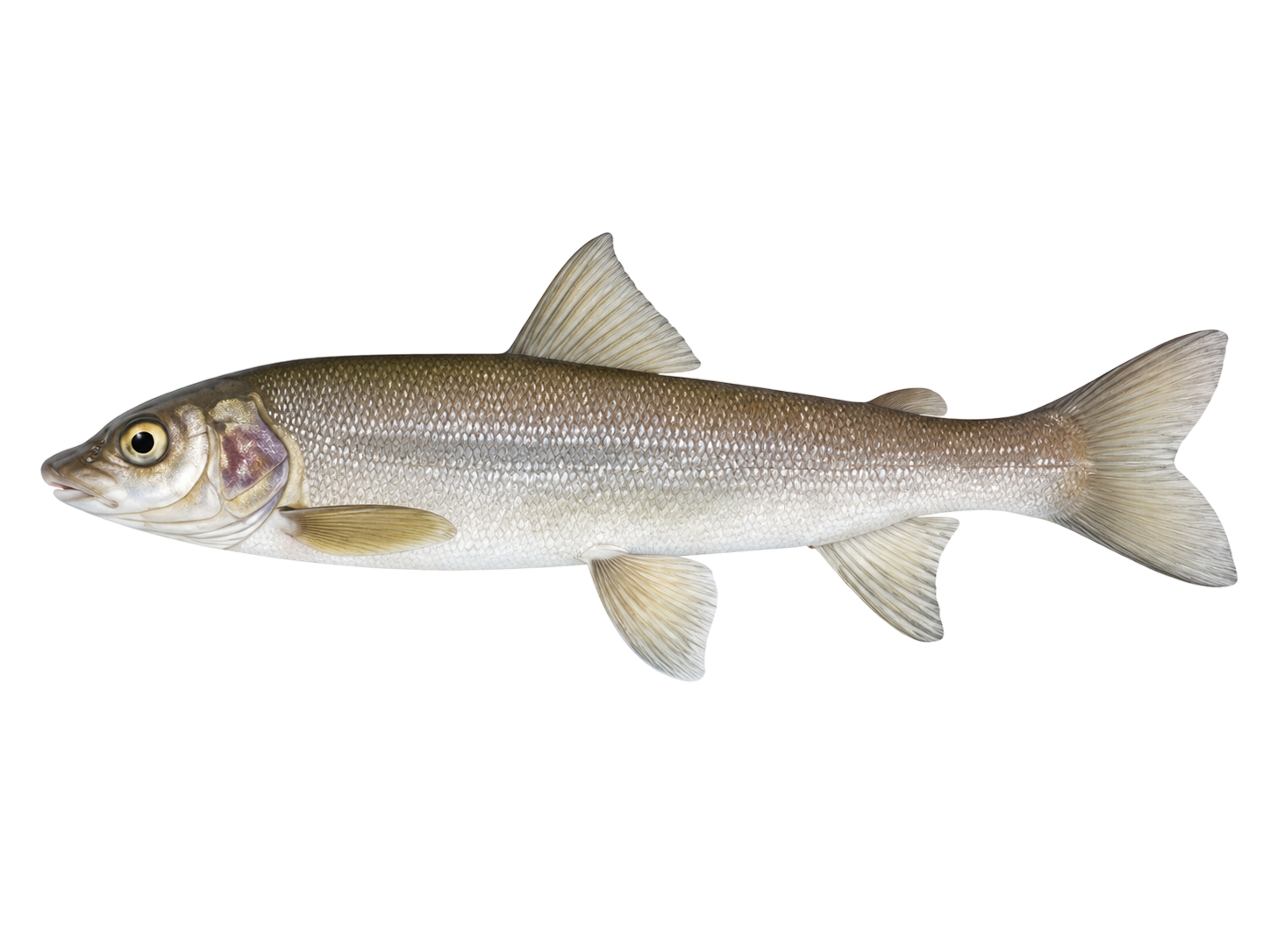
Mountain Whitefish
Mountain Whitefish
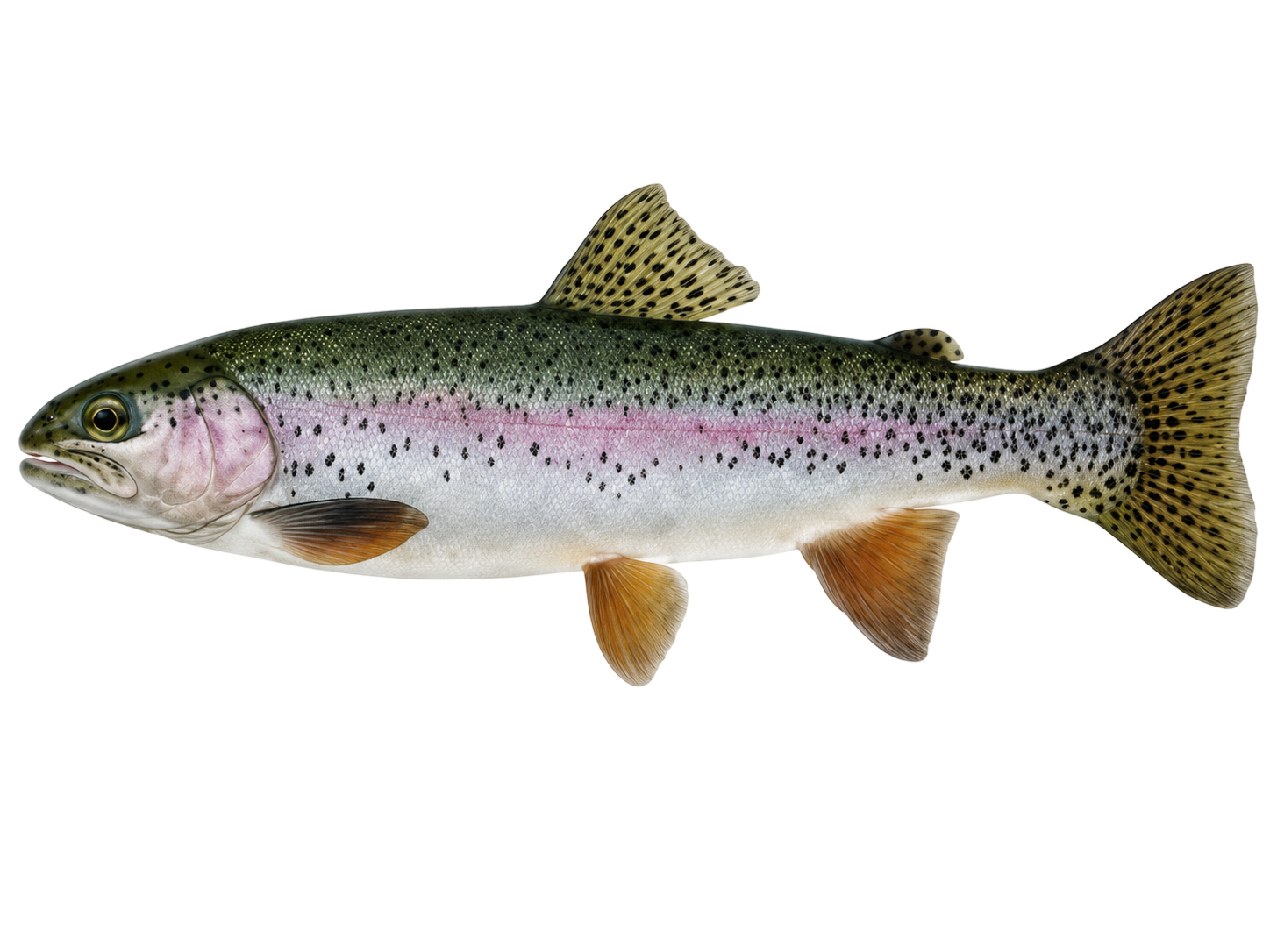
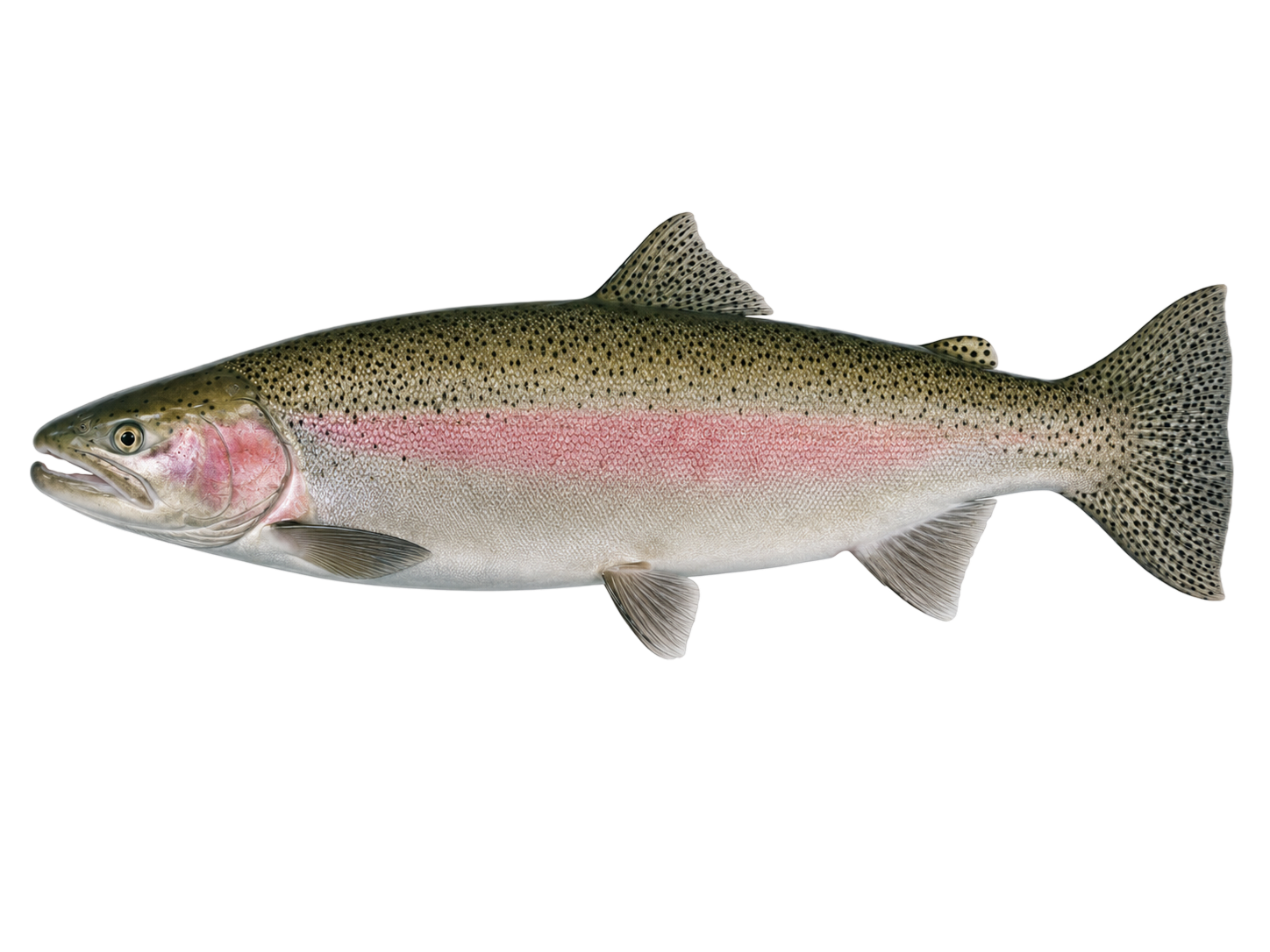
Rainbow Trout
Rainbow Trout
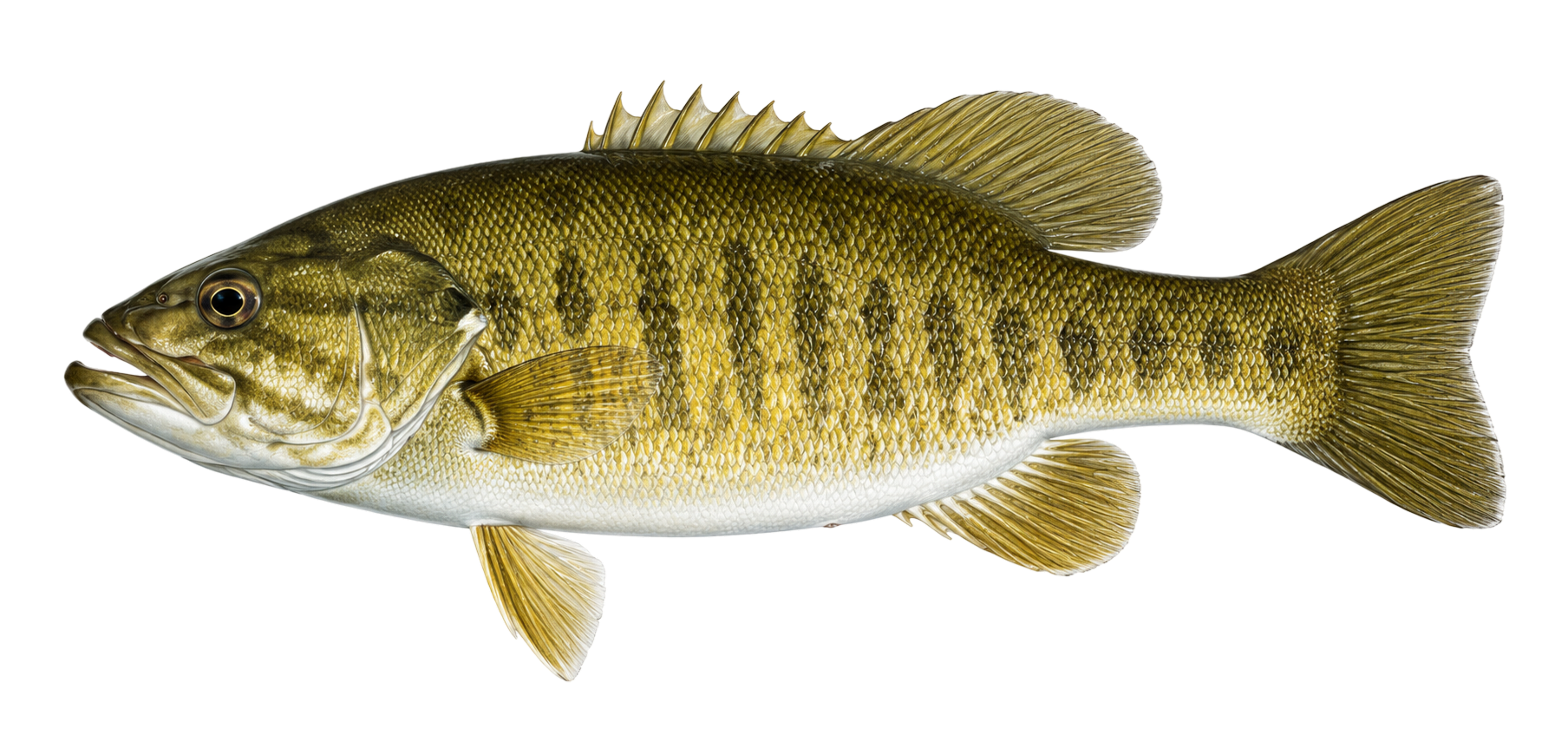
Smallmouth Bass
Smallmouth Bass
Steelhead
Steelhead
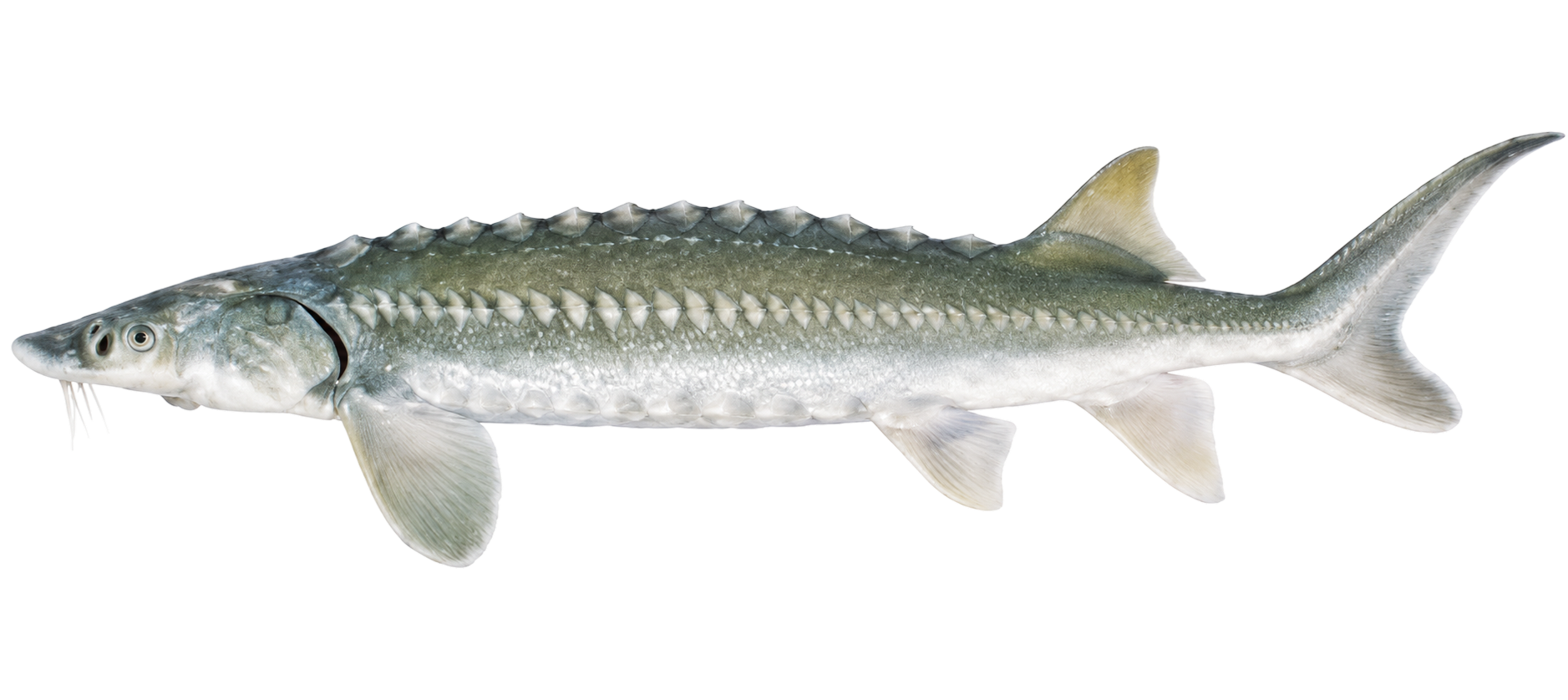
White Sturgeon
White Sturgeon
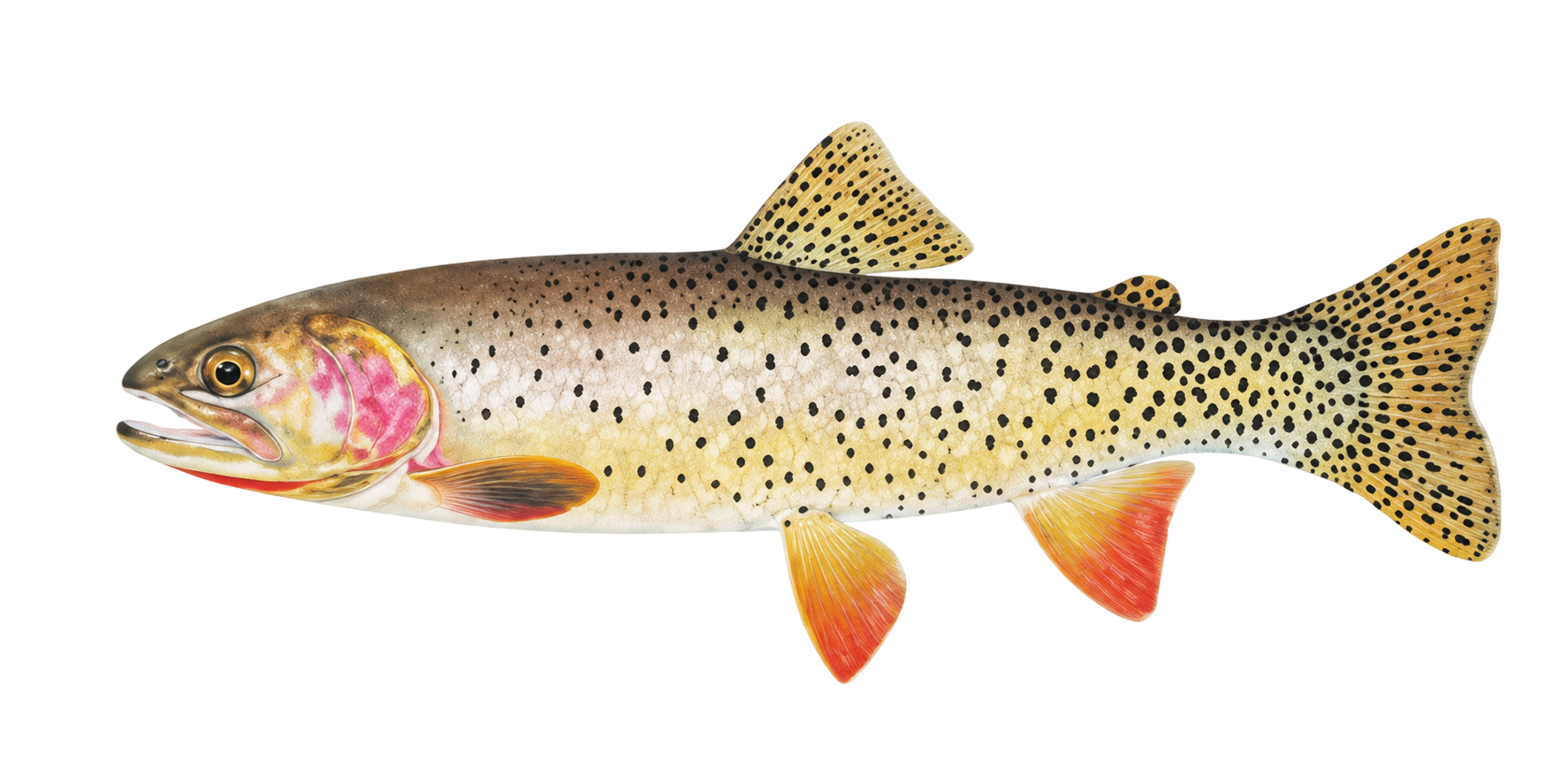
Yellowstone Cutthroat Trout

On this page

OverviewLife CycleFly TyingWhere It HatchesFrom the PodcastFly PatternsAngler NotesIdentificationHabitatEaten By

Share & plan

IDFG Planner

On this profile

  • 6 waters
  • 1 fly pattern
  • 15 predator species
  • 3 tying videos
  • 5 life stages

Explore

Browse all hatches & forage