Barbless.coBarbless.co
  • Home
  • Map
  • Reports
  • Guides
  • Fish
  • Hatches
  • Podcast
Sign in
Barbless.co

The more you understand, the more there is to see.

  • IdahoLive
  • CaliforniaSoon

Explore

  • Map
  • Reports
  • Browse reports
  • By region

Waters

  • River search
  • Guides & outfitters

Learn

  • Fish species
  • Hatches & forage
  • Podcast

Company

  • About
  • Contact
  • Editorial policy
  • Releases
  • Legal

© 2026 Barbless.co. Flow and gauge data from USGS; weather from Open-Meteo. · v2026.10.18.2

  1. Home
  2. Hatches & Forage
  3. Stoneflies
  4. Yellow Sally

Updated July 20, 2026

← Back to map
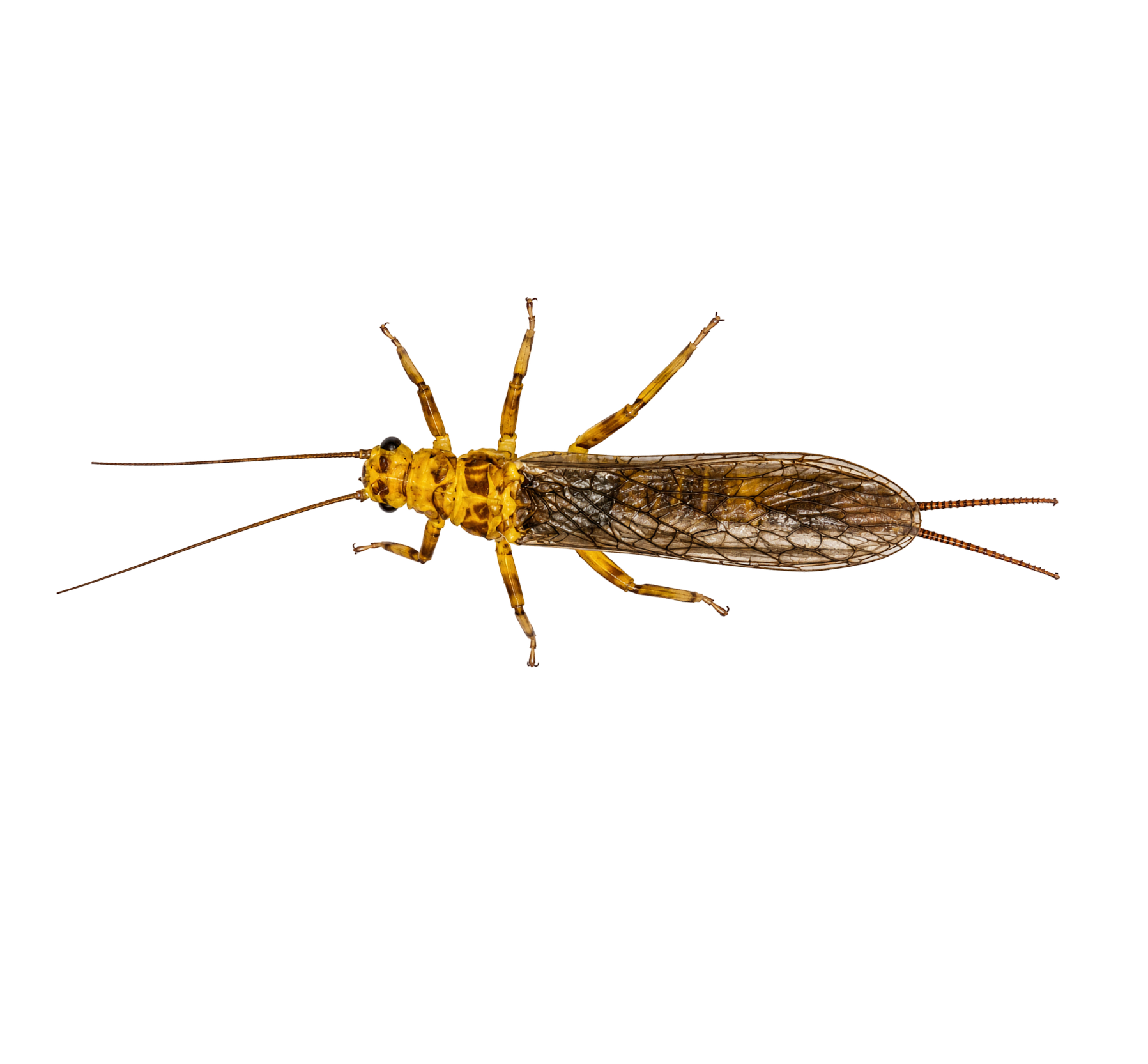
Yellow Sally, Adult
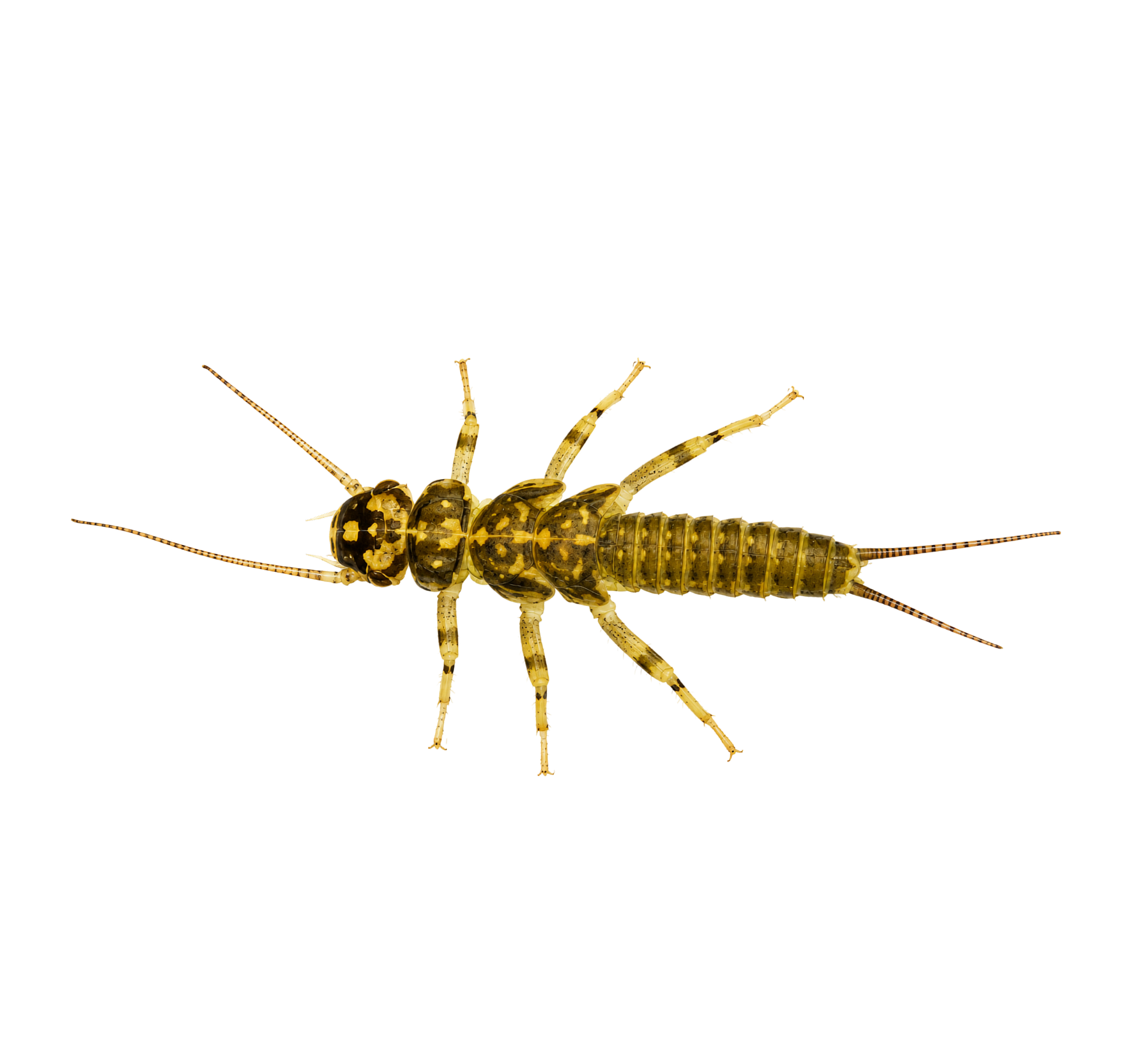
Yellow Sally, Nymph
Adult

Hatches › Stonefly

Stonefly

Yellow Sally

Isoperla · genus

Small yellow stoneflies that bring trout up when adults skitter and nymphs drift in riffled current.

Overview

Category

Stonefly

Category

Stonefly

Category

The insect or forage category for this profile.

Size

Generally small; commonly matched in the little yellow stonefly range, about hook sizes 14-18.

Size

Generally small; commonly matched in the little yellow stonefly range, about hook sizes 14-18.

Size

Typical size range anglers imitate on the water.

Key stages

Eggs, Nymph, Mature Nymph, Emerger, Adult Stonefly, Egg Laying Female

Key stages

Eggs, Nymph, Mature Nymph, Emerger, Adult Stonefly, Egg Laying Female

Key stages

Life stages most relevant to fly fishing this hatch or forage.

Water types

freestone rivers, riffles, pocket water, medium streams, smaller rivers

Water types

freestone rivers, riffles, pocket water, medium streams, smaller rivers

Water types

Water types where this bug or forage is commonly found.

About Yellow Sally

Yellow Sally is an angler name for small stoneflies in the genus Isoperla, a group of perlodid stoneflies in the order Plecoptera. In Idaho, anglers mainly match them as slim yellow stonefly nymphs and as fluttering adults seen along broken-water banks and riffles.

Also known as: Little Yellow Stonefly

Life Cycle

Stoneflies are fascinating insects, spending the majority of their lives, often one to three years, as aquatic nymphs. Adults, however, live only a short time above the water, primarily to reproduce and lay eggs, before the cycle begins anew.
Eggs

Eggs

Female stoneflies release their egg pods into the river, where they develop until hatching.

Nymph

Nymph

Young stonefly nymphs thrive among the river's rocks, feeding and growing through a series of molts.

Mature Nymph

Mature Nymph

As the nymph reaches full size, it begins to migrate towards the riverbank to prepare for its emergence into an adult.

Emerger

Emerger

During this transitional stage, the nymph crawls out of the water, and the adult form begins to emerge from its nymphal skin.

Adult Stonefly

Adult Stonefly

Adult stoneflies have a brief aerial existence focused on mating. Following reproduction, the cycle continues as tiny grubs hatch from the eggs and begin to feed on decaying organic matter.

Egg Laying Female

Egg Laying Female

After mating, the female stonefly deposits her egg pods into the river. These eggs will hatch into tiny grubs, starting the new generation by feeding on organic debris.

Stages
Complete life cycle: egg, aquatic nymph, and winged adult. For fishing, the key stages are the nymph and adult.
Emergence cues
Most activity builds in the warmer part of the season as water warms and daylight lengthens. Adults are most noticeable in daytime, especially around midday through afternoon on suitable flows.
Behavior
Nymphs live on the bottom in current and become available when dislodged from riffles and pocket water. Adults often crawl out onto rocks or streamside structure to emerge, then flutter, skate, or accidentally fall back onto the water.

How to Tie Yellow Sally Patterns

Nymph

Two Bit Sally Fly Tying Instructions by Charlie Craven

Charlie's Fly Box

Materials

  • Hook#14-16
  • ThreadYellow 8/0 UNI
  • Bead2
  • TailWooster Paint Brush Fiber or Yellow Mayfly Tails
  • Body3 Yellow Chartreuse and 1 Red Stands Superhair
  • ThoraxYellow 8/0 UNI
  • CasingMedium Copper Holographic Tinsel
  • LegsYellow or Shrimp Fluorofiber
  • GlueMedium Solarez

Mature Nymph

Tying the Little Yellow Sally Nymph

Ralph Long

Materials

  • Hook#18Ben shank nympho
  • Tungsten beadgold
  • Threadbrown 6/0
  • Lead wire50 knotabout five wraps
  • Bug Bond

Emerger

Howard Cole: Yellow Sally Emerger video fly tying tutorial

The Weekly Fly

Materials

  • Hook#12-#16Tiemco 5212BL
  • Thread8/0Uni-Thread
  • Z-lonAmber
  • Wood Duck Flank Fibers
  • Dubbing1/3 Abdomen, Fluorescent Orange
  • Dubbing2/3 Abdomen, Creamy Yellow
  • Z-lonDun
  • DubbingCreamy Yellow
  • CDCLight Dun
  • Ethafoam

Adult Stonefly

Yellow Sally Dry Fly Pattern! | Pablo's Sally | Fly Tying Tutorial

Fly Fish Food

Materials

  • Hook#14Fulling Mill 1130 - Light Weight Grub Hook - Bronze
  • Hook (Alternate)#14Daiichi 1130 - Light Wire Scud Hook
  • Thread12/0Semperfli Classic Waxed Thread - 12/0 - Primrose
  • Thread (Alternate)12/0Semperfli Classic Waxed Thread - 12/0 - Yellow
  • BodyFulling Mill Flex-Floss - Pale Yellow
  • Body (Alternate)2mmFulling Mill Flex-Floss - Fl. Cucumber
  • Body 22mmFly Tying Foam - 2mm - Yellow

Where It Hatches

Yellow Sally

One species, multiple rivers.

RiverJANFEBMARAPRMAYJUNJULAUGSEPOCTNOVDEC
  • Bear Valley Creek
  • Big Lost River
  • Big Wood River
  • Blackfoot River
  • Boise River, Strawberry Glen to Barber Dam
  • Coeur d'Alene River
  • Crooked Fork
  • Fall River
  • Henrys Fork of the Snake River
  • Kelly Creek
  • Kootenai River
  • Lemhi River
  • Little North Fork Clearwater River
  • Little Salmon River
  • Little Wood River
  • Lochsa River
  • Middle Fork Boise River
  • Middle Fork Salmon River
  • North Fork Big Wood River
  • North Fork Clearwater River
  • North Fork Coeur d'Alene River
  • North Fork Payette River
  • North Fork Saint Joe River
  • Owyhee River
  • Portneuf River
  • Priest River
  • Saint Joe River
  • Saint Maries River
  • Salmon River
  • Selway River
  • South Fork Boise River
  • South Fork Clearwater River
  • South Fork Payette River
  • South Fork Snake River
  • Teton River
  • Valley Creek
  • Warm River
  • Yankee Fork Salmon River

Fly Patterns

  • Stimulator#6-14
  • Yellow Sally Dry#14-16

Angler Notes

Why it matters
These bugs are not huge, but trout see them often. Nymphs are a steady food source in broken water, and adults can trigger splashy surface takes when fish key on skittering little yellow stoneflies.
Imitation tips
Fish slim yellow to yellow-olive stonefly nymphs tight to riffles and seams. For adults, use low-riding yellow stonefly dries with a sparse profile; a little movement or twitch can help when naturals are active.
Key life stages
nymphadult
Presentation
Dead-drift nymphs near the bottom, then let them rise at the end of the drift through pocket water and riffle edges. Present adults close to banks, foam lines, and broken current; occasional short skates or twitches can imitate the natural flutter of egg-laying or fallen adults.

Identification

Key features
Look for a slender, stonefly-shaped insect with two tails, long antennae, and a narrow profile. Adults sit low with wings folded flat over the back; nymphs are streamlined clingers built for current.
Size
Generally small; commonly matched in the little yellow stonefly range, about hook sizes 14-18.
Coloration
Usually pale yellow to yellow-olive overall; adults often show brighter yellow tones, while nymphs tend to be more muted yellow-brown to olive-yellow.
Similar bugs
Golden StoneLittle Green StonePale Morning DunCaddis

Habitat

Water types
freestone riversrifflespocket watermedium streamssmaller rivers
Substrate
Rocky bottoms with cobble, gravel, and broken substrate that gives nymphs cover in current.
Conditions
Best associated with moving, well-oxygenated water rather than silty or slow environments.

Eaten By

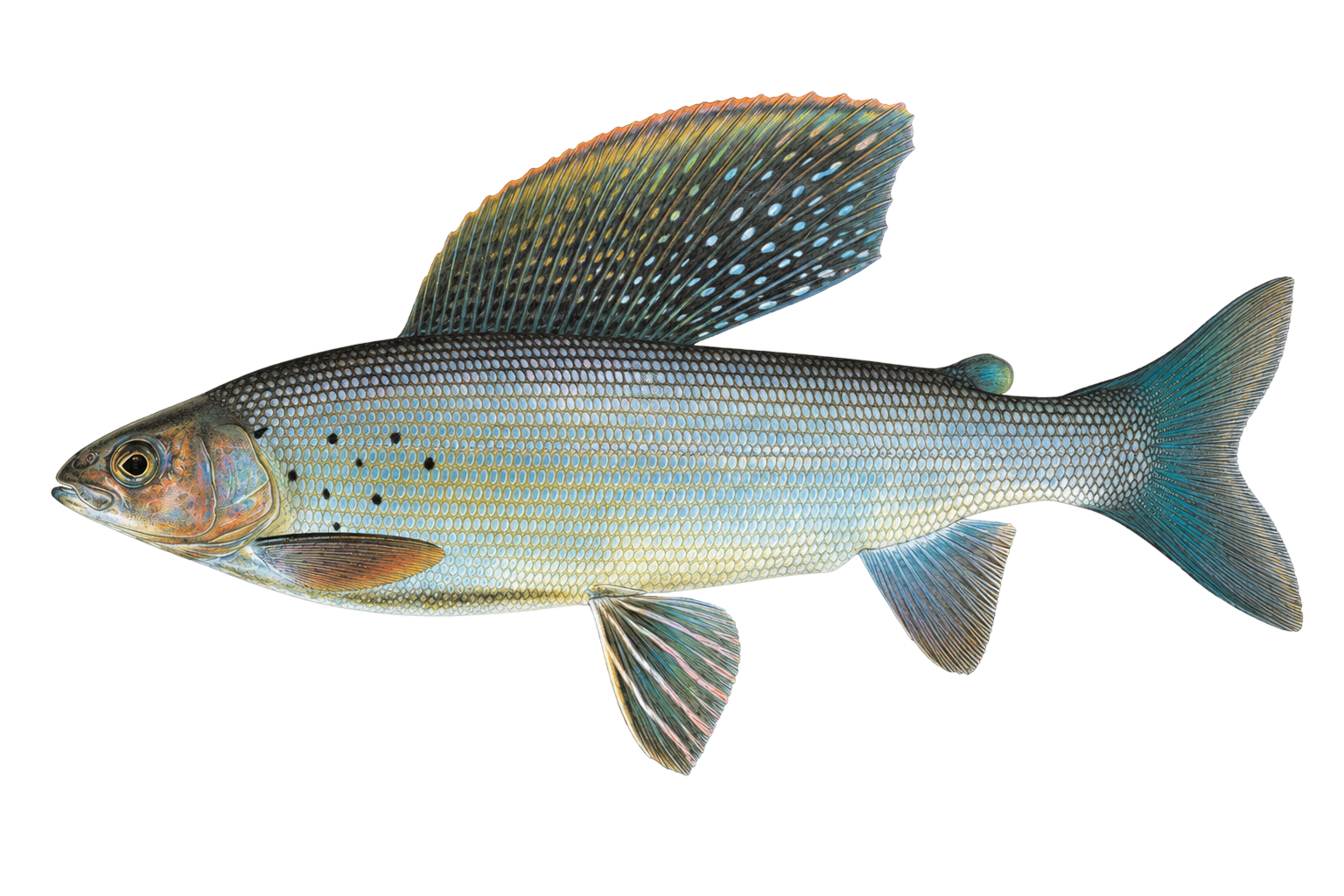
Arctic Grayling
Arctic Grayling
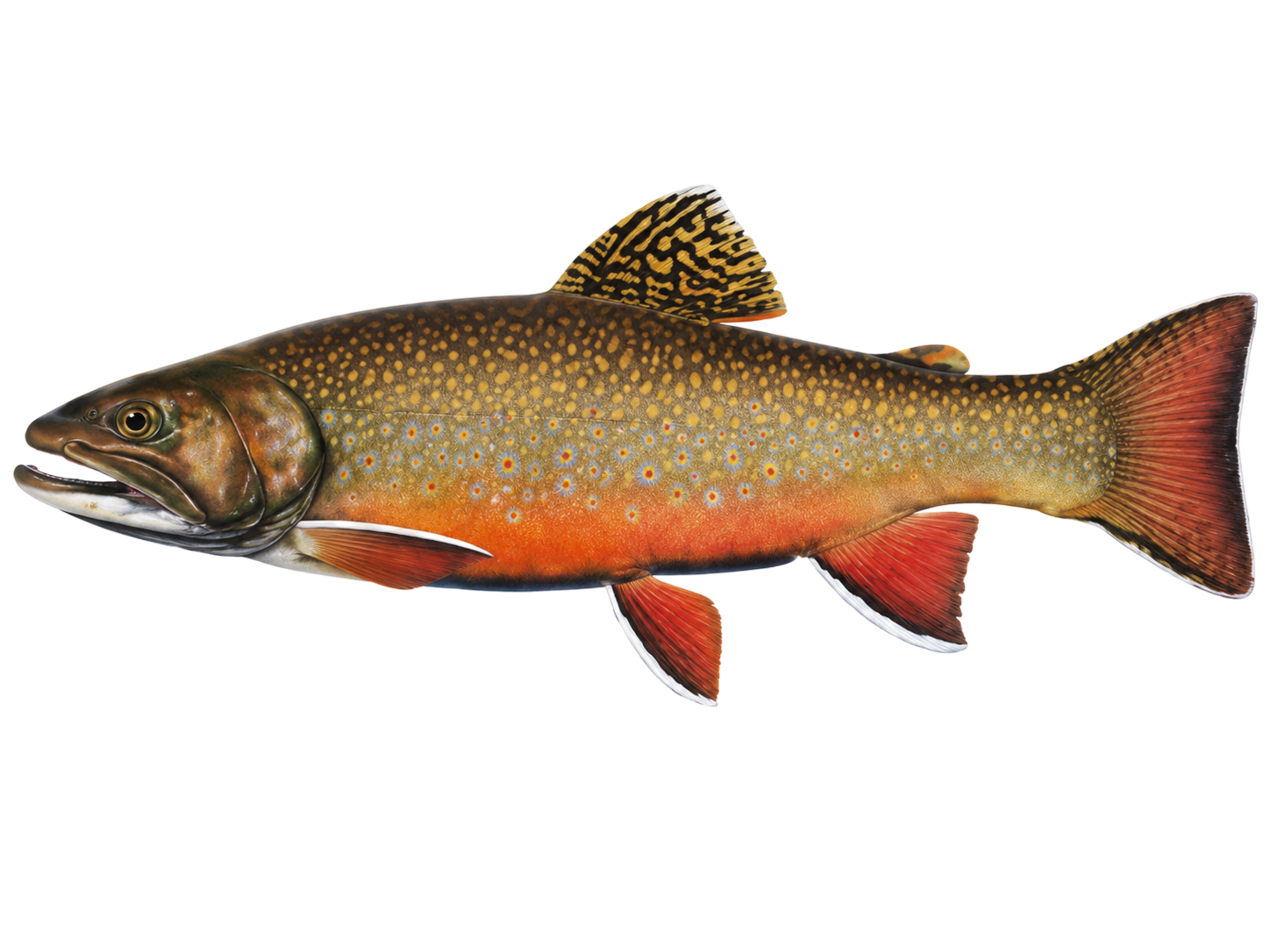
Brook Trout
Brook Trout
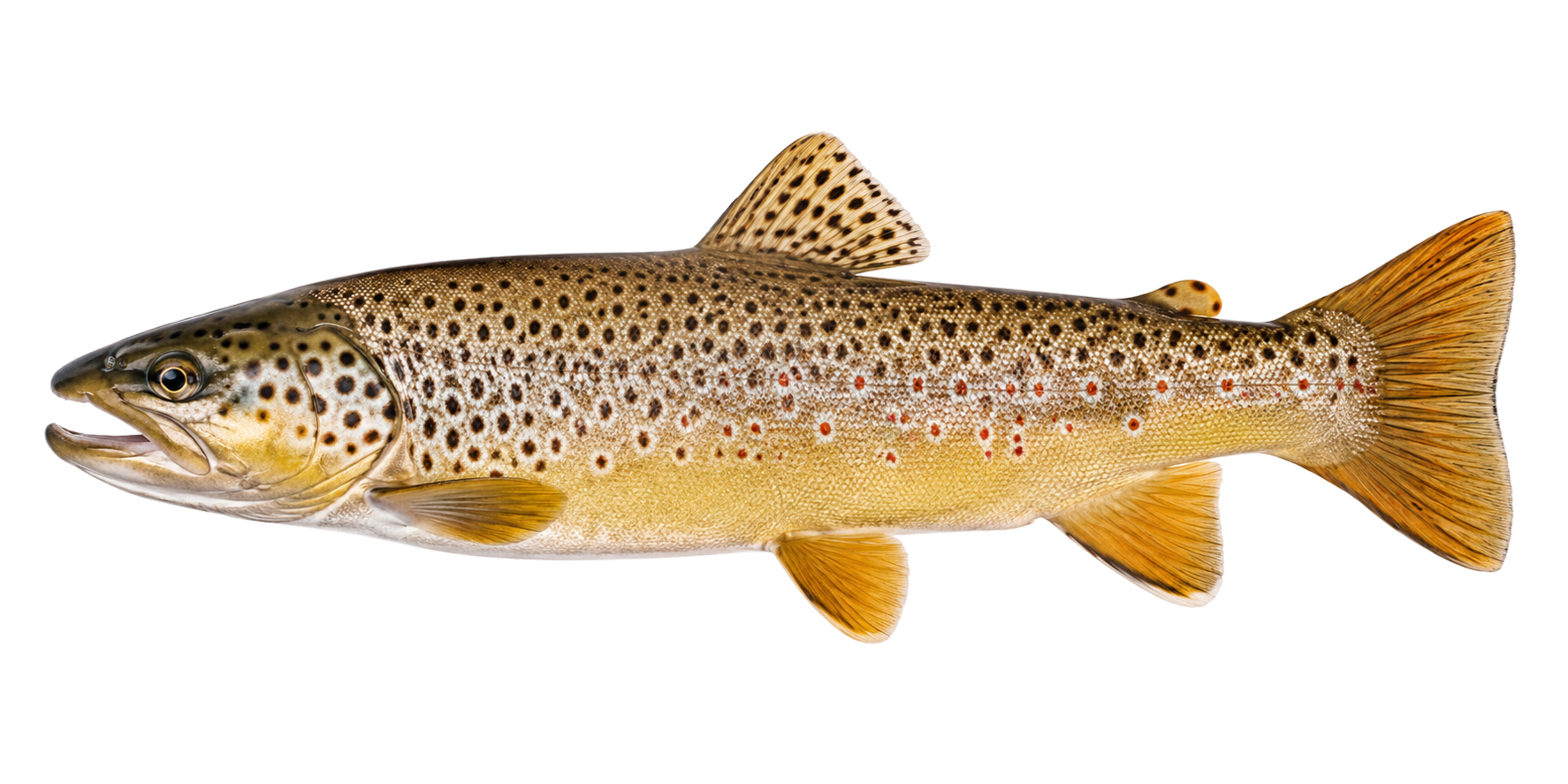
Brown Trout
Brown Trout
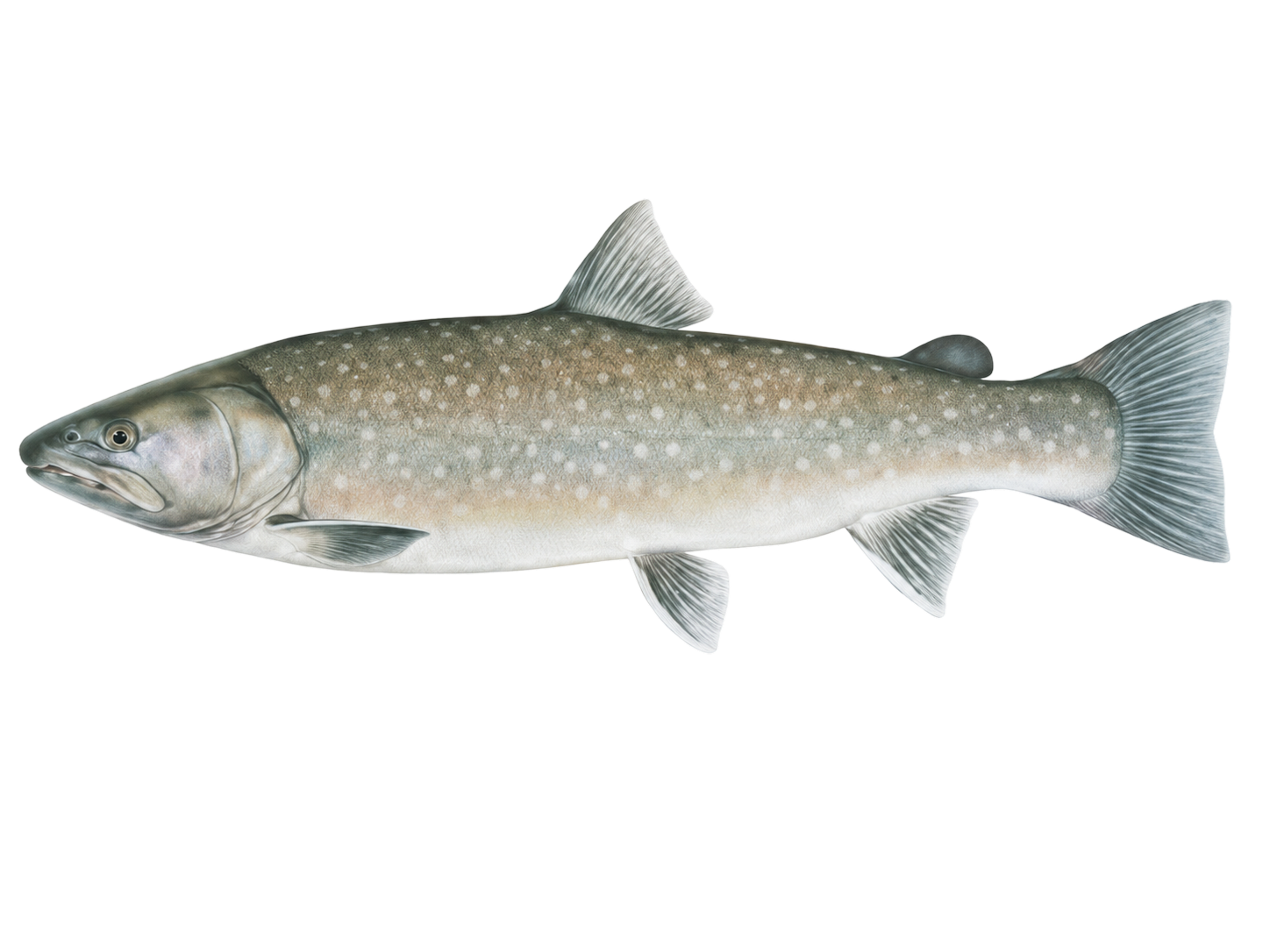
Bull Trout
Bull Trout
Cutbow Trout
Cutbow Trout
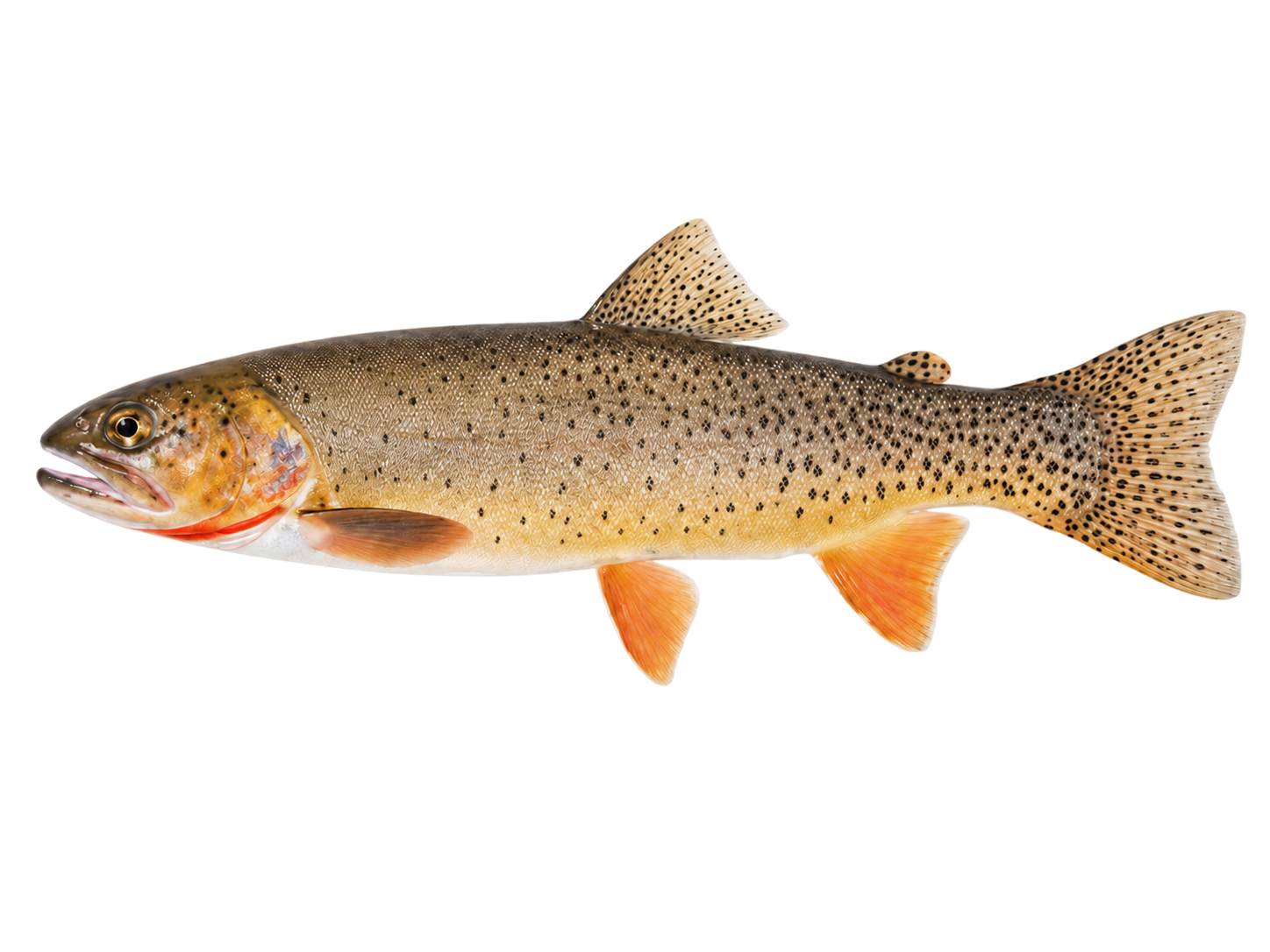
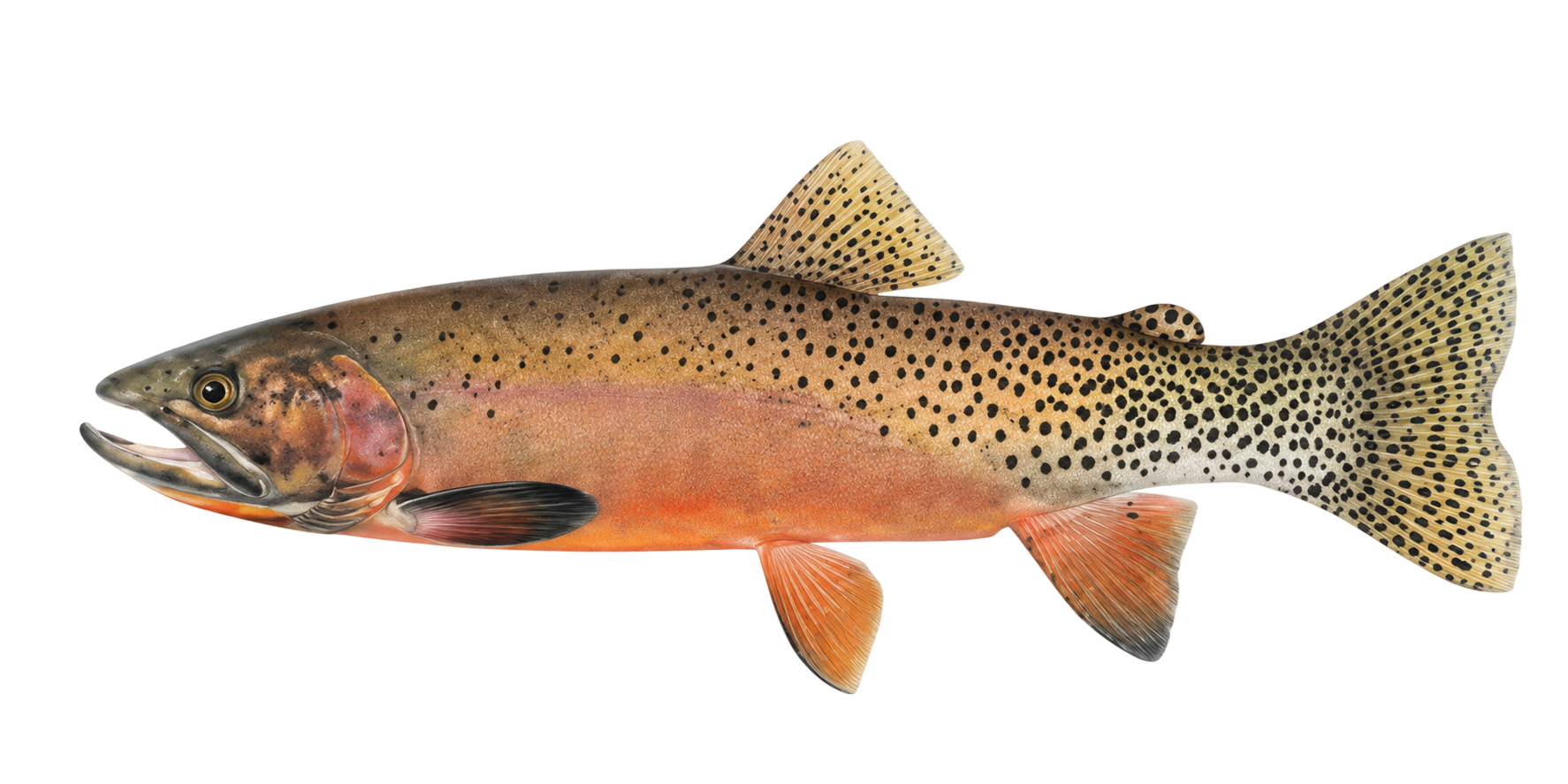
Cutthroat Trout
Cutthroat Trout
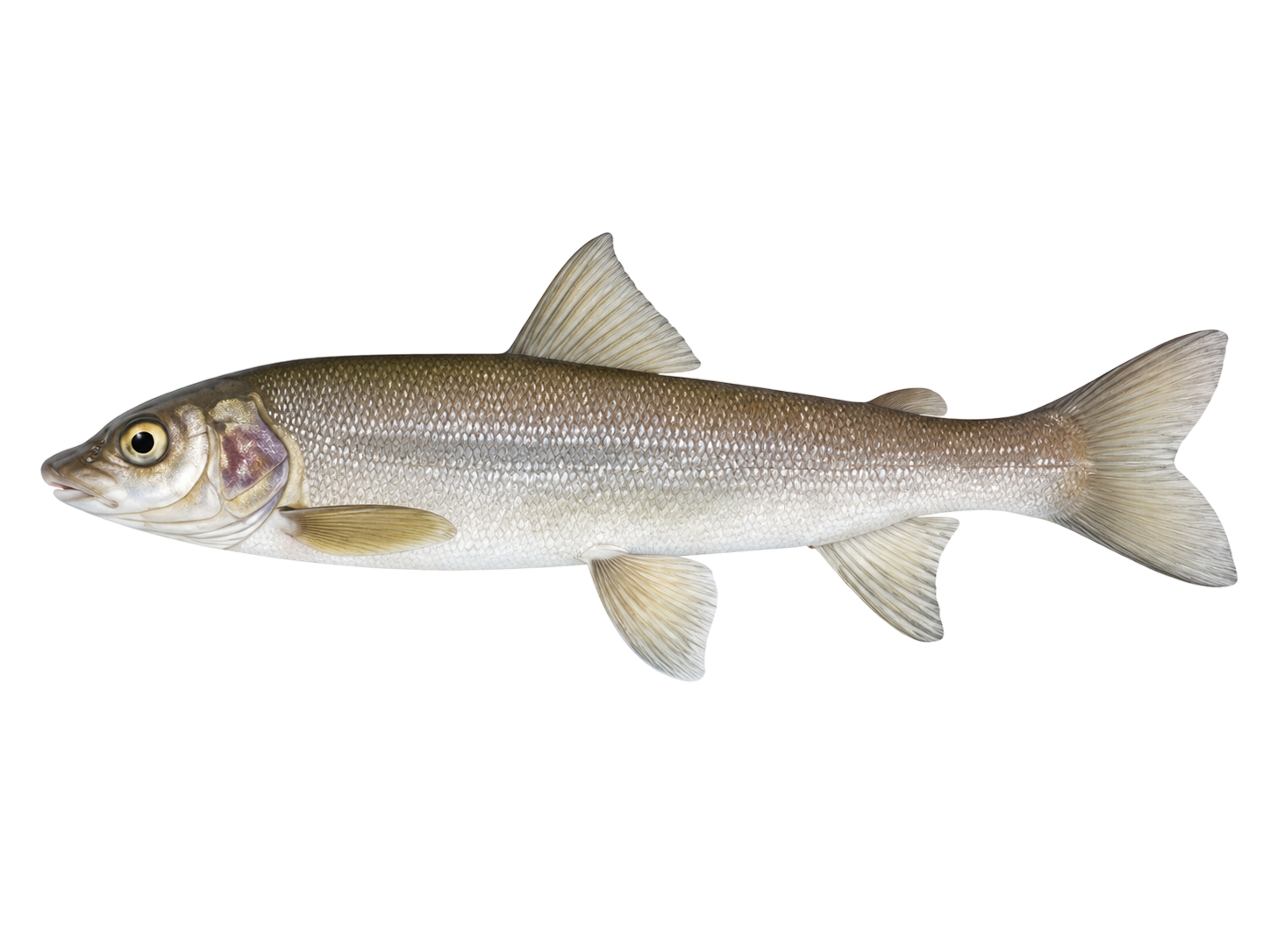
Mountain Whitefish
Mountain Whitefish
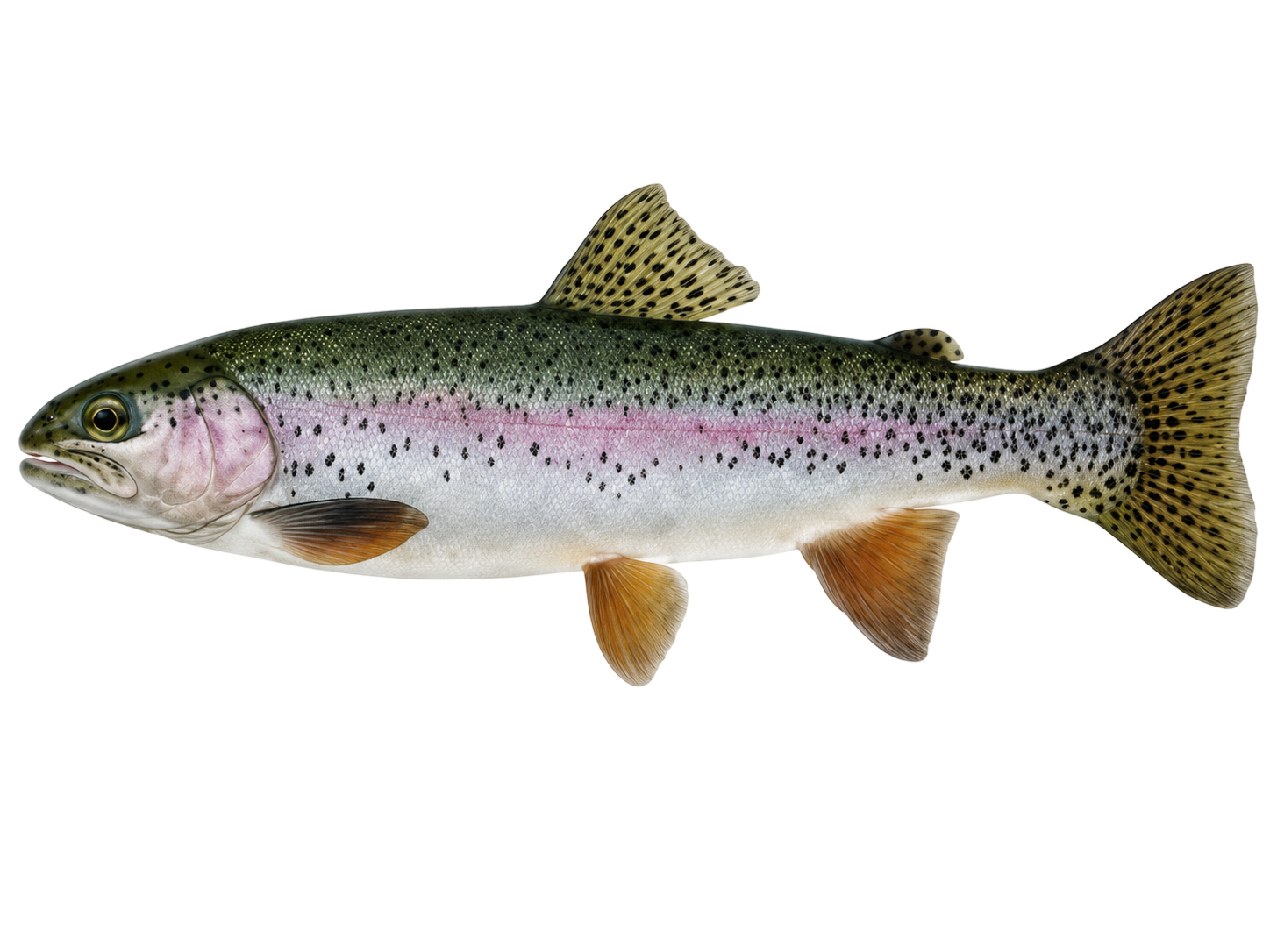
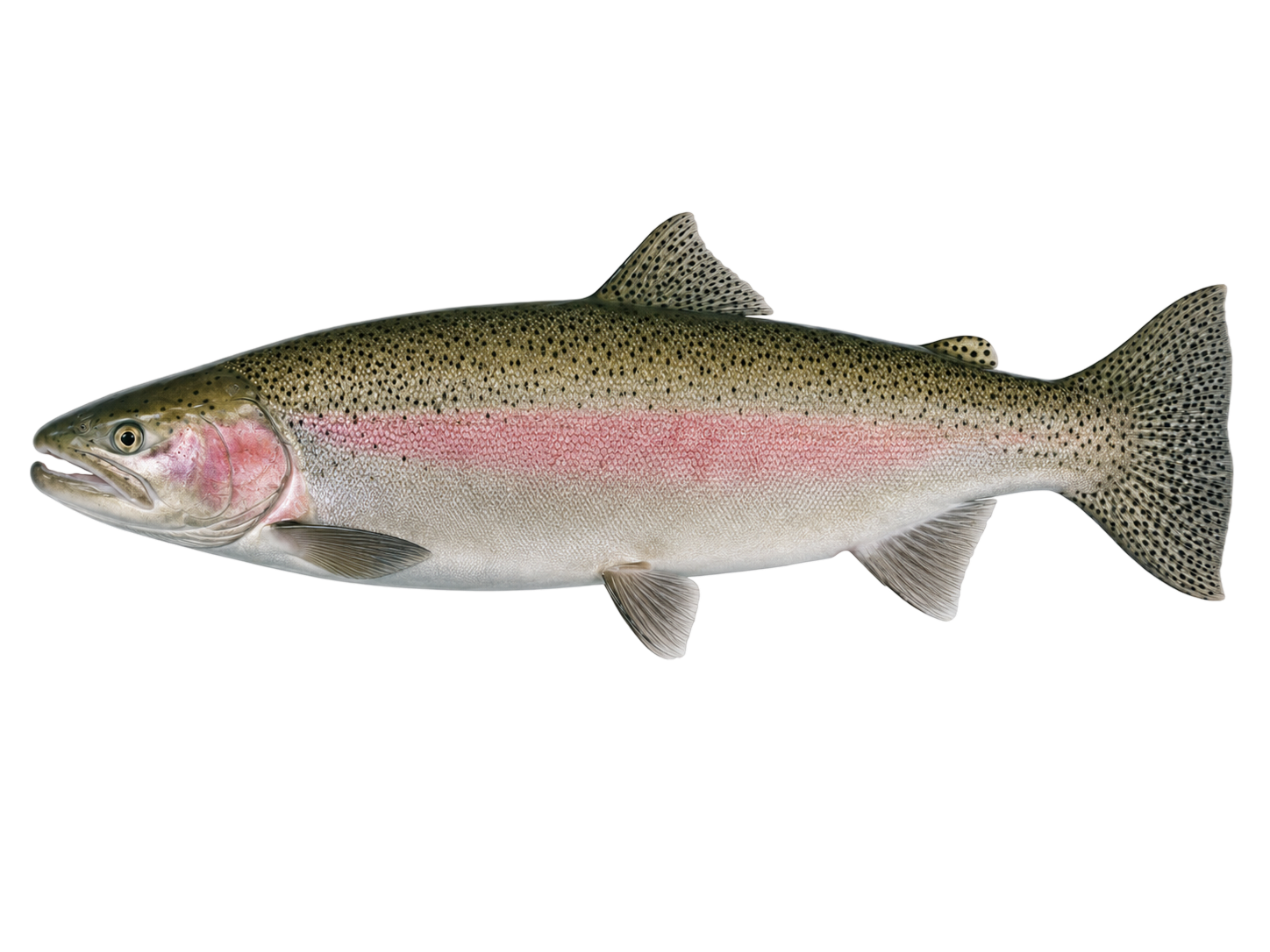
Rainbow Trout
Rainbow Trout
Steelhead
Steelhead
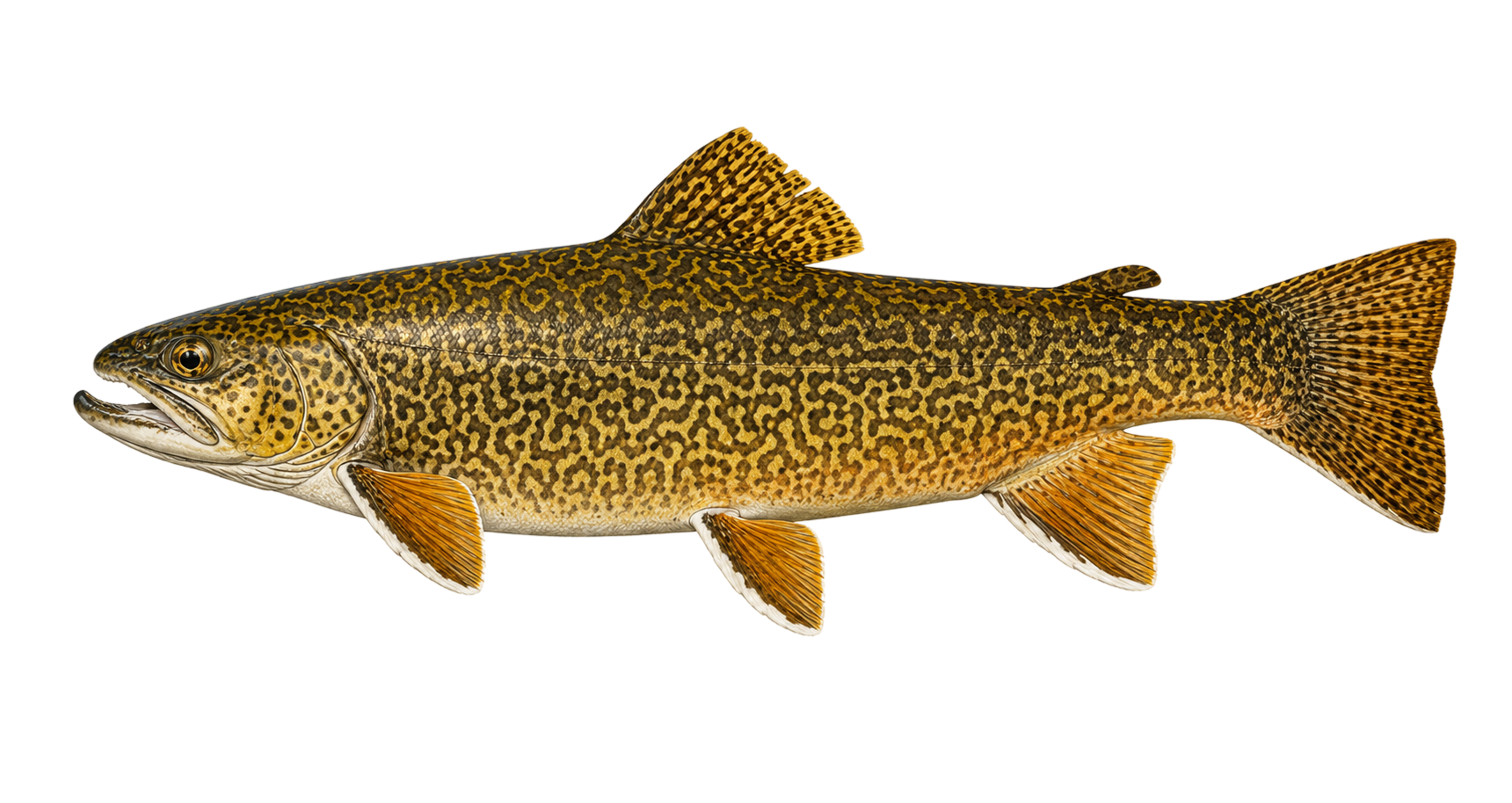
Tiger Trout
Tiger Trout
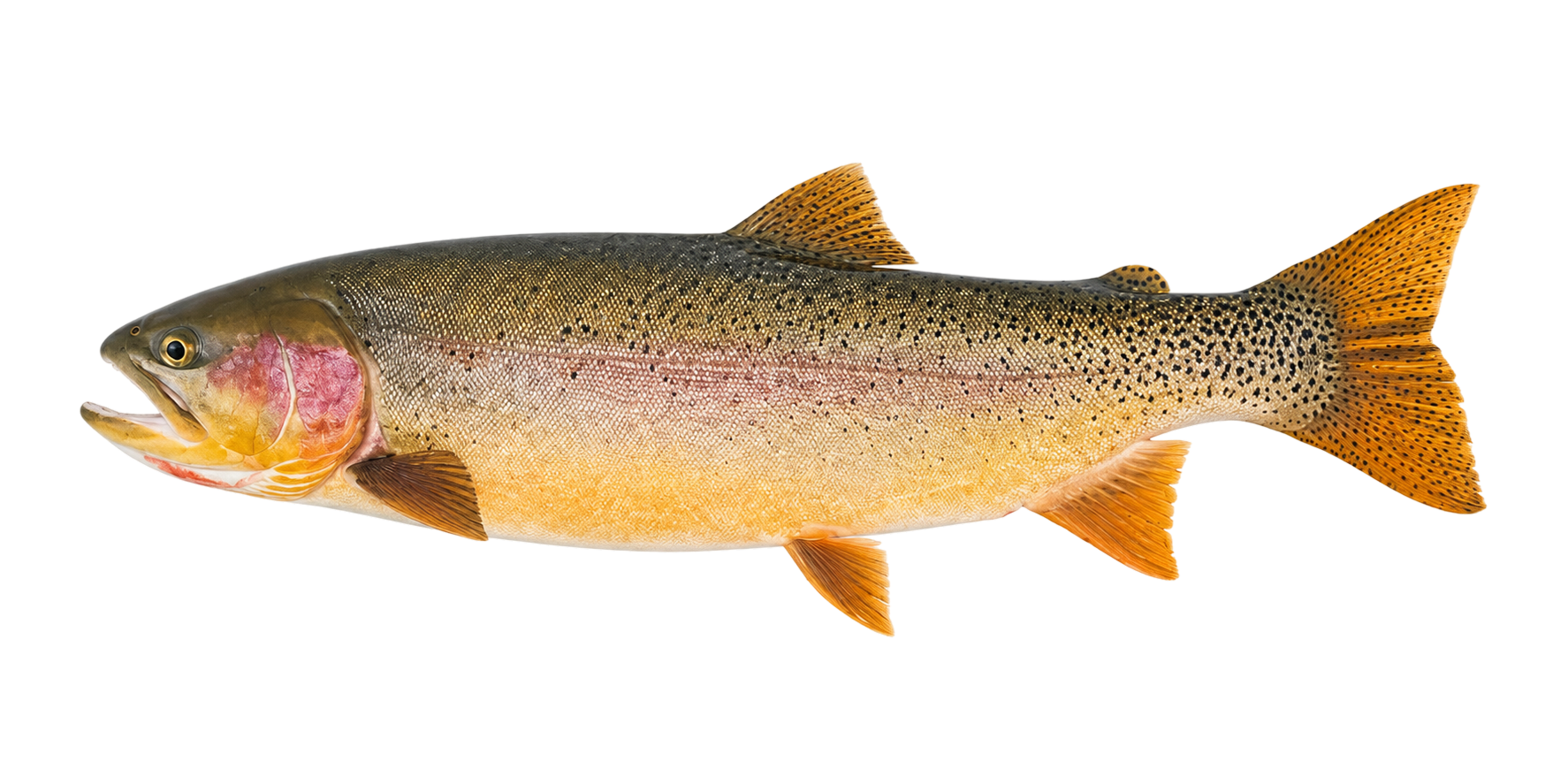
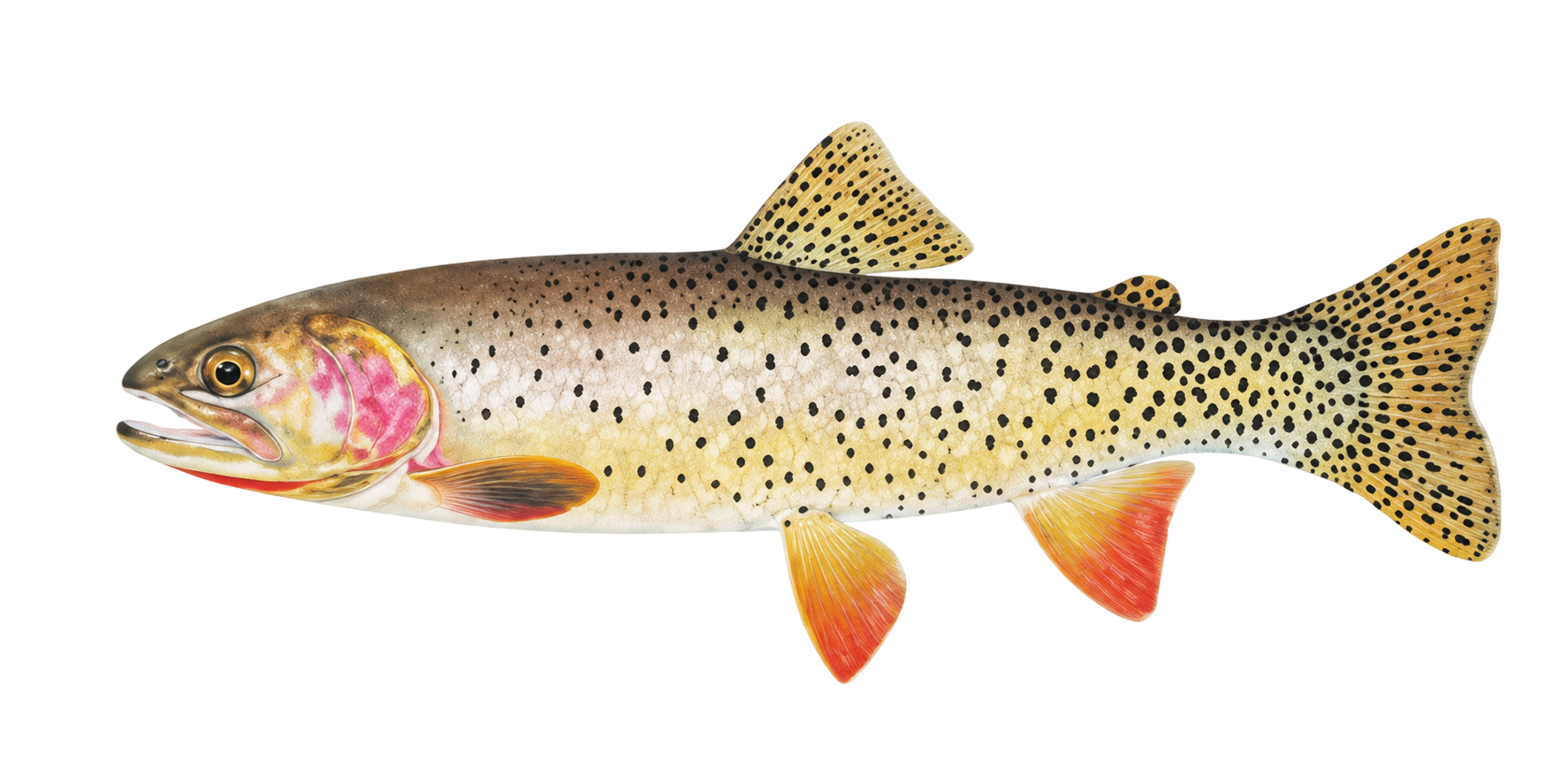
Westslope Cutthroat Trout
Yellowstone Cutthroat Trout

Yellow Sally Photos

Adult
Nymph

On this page

OverviewLife CycleFly TyingWhere It HatchesFly PatternsAngler NotesIdentificationHabitatEaten ByPhotos

Share & plan

IDFG Planner

On this profile

  • 38 waters
  • 2 fly patterns
  • 12 predator species
  • 4 tying videos
  • 6 life stages

Explore

Browse all hatches & forage
Thin
  • Body 2 (Alternate)Bug Foam 2MM - Yellow
  • WingFulling Mill Ultra Dry Yarn - Light Dun
  • Wing (Alternate)EP Trigger Point Int'l Fibers - Lt. Caddis Western Gray
  • LegsNature's Spirit Comparadun Deer Hair - Natural
  • Legs (Alternate)Nature's Spirit X-Caddis Deer Hair - Natural Whitetail
  • DubbingFulling Mill Tactical Dry Fly Dub - Western PMD
  • Dubbing (Alternate)Stalcup's Micro Fine Dry Fly Dubbing - Light Cahill