Barbless.coBarbless.co
  • Home
  • Map
  • Reports
  • Guides
  • Fish
  • Hatches
  • Podcast
Sign in
Barbless.co

The more you understand, the more there is to see.

  • IdahoLive
  • CaliforniaSoon

Explore

  • Map
  • Reports
  • Browse reports
  • By region

Waters

  • River search
  • Guides & outfitters

Learn

  • Fish species
  • Hatches & forage
  • Podcast

Company

  • About
  • Contact
  • Editorial policy
  • Releases
  • Legal

© 2026 Barbless.co. Flow and gauge data from USGS; weather from Open-Meteo. · v2026.10.18.2

  1. Home
  2. Hatches & Forage
  3. Mayflies
  4. Trico

Updated July 20, 2026

← Back to map
Trico

Hatches › Mayfly

Mayfly

Trico

Tricorythodes · genus

Tiny stout mayflies that can bring selective trout up when duns and spent spinners blanket the surface.

Overview

Category

Mayfly

Category

Mayfly

Category

The insect or forage category for this profile.

Size

Tiny; commonly matched with very small mayfly patterns.

Size

Tiny; commonly matched with very small mayfly patterns.

Size

Typical size range anglers imitate on the water.

Key stages

Eggs, Nymph, Emerger, Dun, Spinner, Egg Laying Spinner, Spent Spinner

Key stages

Eggs, Nymph, Emerger, Dun, Spinner, Egg Laying Spinner, Spent Spinner

Key stages

Life stages most relevant to fly fishing this hatch or forage.

Water types

rivers, spring creeks, tailwaters, gentle glides

Water types

rivers, spring creeks, tailwaters, gentle glides

Water types

Water types where this bug or forage is commonly found.

About Trico

Trico refers here to Tricorythodes, a genus of little stout crawler mayflies in the family Leptohyphidae. Anglers key on them because their small size and multi-stage surface activity can make trout highly selective.

Life Cycle

Mayflies, including the Trico, spend the majority of their lives underwater as nymphs. They then undergo a dramatic transformation, emerging as adults to mate, lay eggs, and complete their brief aerial existence, often becoming key food sources for trout.
Eggs

Eggs

Female mayflies lay hundreds to thousands of eggs in or near the water. These eggs sink to the stream bottom, where they will eventually hatch.

Nymph

Nymph

Mayfly nymphs reside on the streambed, feeding and growing. They undergo many molts as they develop underwater.

Emerger

Emerger

The nymph rises to the water's surface, where it transforms into an adult and begins to hatch from its nymphal shuck.

Dun

Dun

A freshly emerged adult mayfly, also known as a subimago, rests on or just above the water's surface, preparing for its final molt.

Spinner

Spinner

Mated adult mayflies, called spinners, take to the air for reproduction. This is their final, sexually mature form.

Egg Laying Spinner

Egg Laying Spinner

The female spinner returns to the water's surface to deposit her eggs, continuing the life cycle.

Spent Spinner

Spent Spinner

After successfully laying eggs, adult mayflies die and often float, or 'spend out,' on the water's surface, becoming an easy meal for fish.

Stages
Nymph, emerger, dun, and spinner are all important to anglers, with the most technical fishing often centered on surface emergers and spinner falls.
Emergence cues
Look for activity in the warmer parts of the season, especially during stable flows and low-light morning or evening surface events.
Behavior
Nymphs are associated with crawling habitat; emergers can hang in or just under the film, duns drift briefly, and spent spinners collect in soft seams, eddies, and slick tailouts.

How to Tie Trico Patterns

Nymph

Shotglass Trico 4K

Hopper Juan Ramirez

Materials

  • Hook#16-20Umpqua JB01 or Daiichi 1140
  • BeadX-SmallSilver Lined Glass Bead
  • Thread8/0 or 12/0Black
  • Tail22 Strands White Sparkle Organza, Split
  • AbdomenThread
  • RibX-SmallSilver Wire
  • Legs11 Strand MFC Midge Body Thread, Black Doubled Over
  • WingcaseMediumBlack Holographic Tinsel
  • UV ResinLoon Thin UV Resin
Emerger

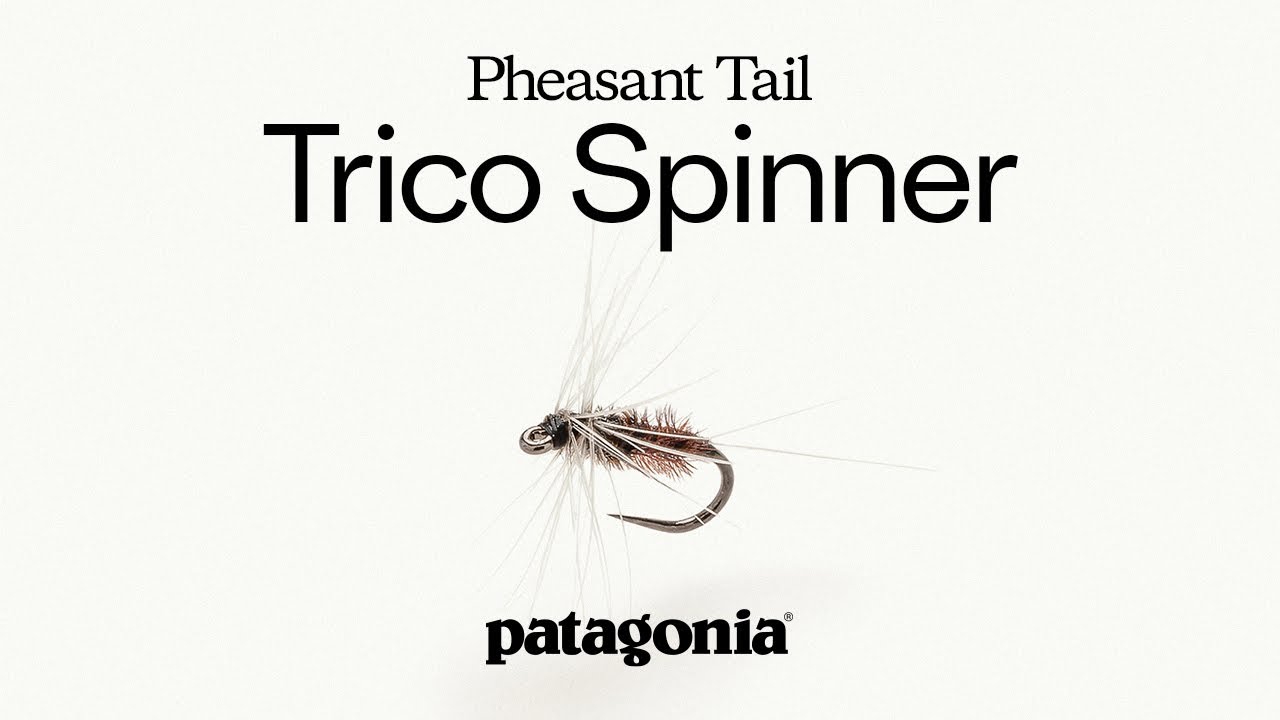
Pheasant Tail Trico Spinner by Yvon Chouinard | Fly Recipe

Patagonia

Materials

  • Hook#20–#24Tiemco TMC 2488
  • Thread12/0Semperfli, black
  • Hen hackle barbs2white
  • Pheasant tail barbs1–2
  • Pheasant tail barbsused for abdomen
  • Hen hackleTwo turnswhite

Dun

Simple Trico Fly Pattern

Flies By Fredo

Materials

  • Hook#18-22FireHole 418
  • Thread6/0Semperfli Brown
  • BodyNature's Spirit Goose Biot Black
  • WingNature's Spirit CDC Light Gray Dun
  • ThoraxWapsi Super Fine Dry Fly Dubbing Black

Spinner

Trico Spinner Fly Tying Instructions by Charlie Craven

Charlie's Fly Box

Materials

  • Tiemco 2488#18-24Hook
  • Veevus14/0Black Thread
  • Mayfly TailsWhite Tail
  • Veevus14/0Black Body
  • Polypropylene Macrame YarnWhite Wings
  • Superfine DubbingBlack
  • Badger Rooster Saddle HackleHackle

Egg Laying Spinner

Fly Tying: Egg Laying Spinner (Multi-Cam)

Josh Varner

Materials

  • Hook#12-20Standard Dry Fly
  • TailDun Hackle Fibers
  • Egg SacOrange Superfine Dubbing
  • BodyBrown Superfine Dubbing
  • WingsGray or White Z-Lon

Spent Spinner

Sunken Trico Spinner

tightlinevideo

Materials

  • Standard scud/pupa hooksize 22Umpqua U202
  • Black Veevus Thread16/0
  • White Mayfly Tails or microfibbets
  • White Antron yarn
  • Lead-free round wire.015
  • Black beaver-fur dubbing

Where It Hatches

Trico

One species, multiple rivers.

RiverJANFEBMARAPRMAYJUNJULAUGSEPOCTNOVDEC
  • Big Lost River
  • Big Wood River
  • Boise River, Strawberry Glen to Barber Dam
  • Henrys Fork of the Snake River
  • Kootenai River
  • Little Lost River
  • Little Salmon River
  • Little Wood River
  • Owyhee River
  • Salmon River
  • Silver Creek
  • Snake River, Osgood Diversion Dam to Henrys Fork
  • South Fork Boise River
  • South Fork Snake River
  • Teton River

Fly Patterns

  • Trico Spinner#20-24

Angler Notes

Why it matters
Tricos matter because they are small, abundant, and often create long, technical feeding windows when trout ignore larger offerings.
Imitation tips
Fish slim, sparse patterns in tiny sizes. Carry separate nymphs, emergers, upright duns, and spent spinners; exact stage, profile, and flush-to-the-film posture usually matter more than heavy detail.
Key life stages
nymphemergerdunspinner
Presentation
Use long leaders, fine tippet, and drag-free drifts. Target feeding lanes in slicks, foam seams, and tailouts, and change stages quickly if fish show but refuse.

Identification

Key features
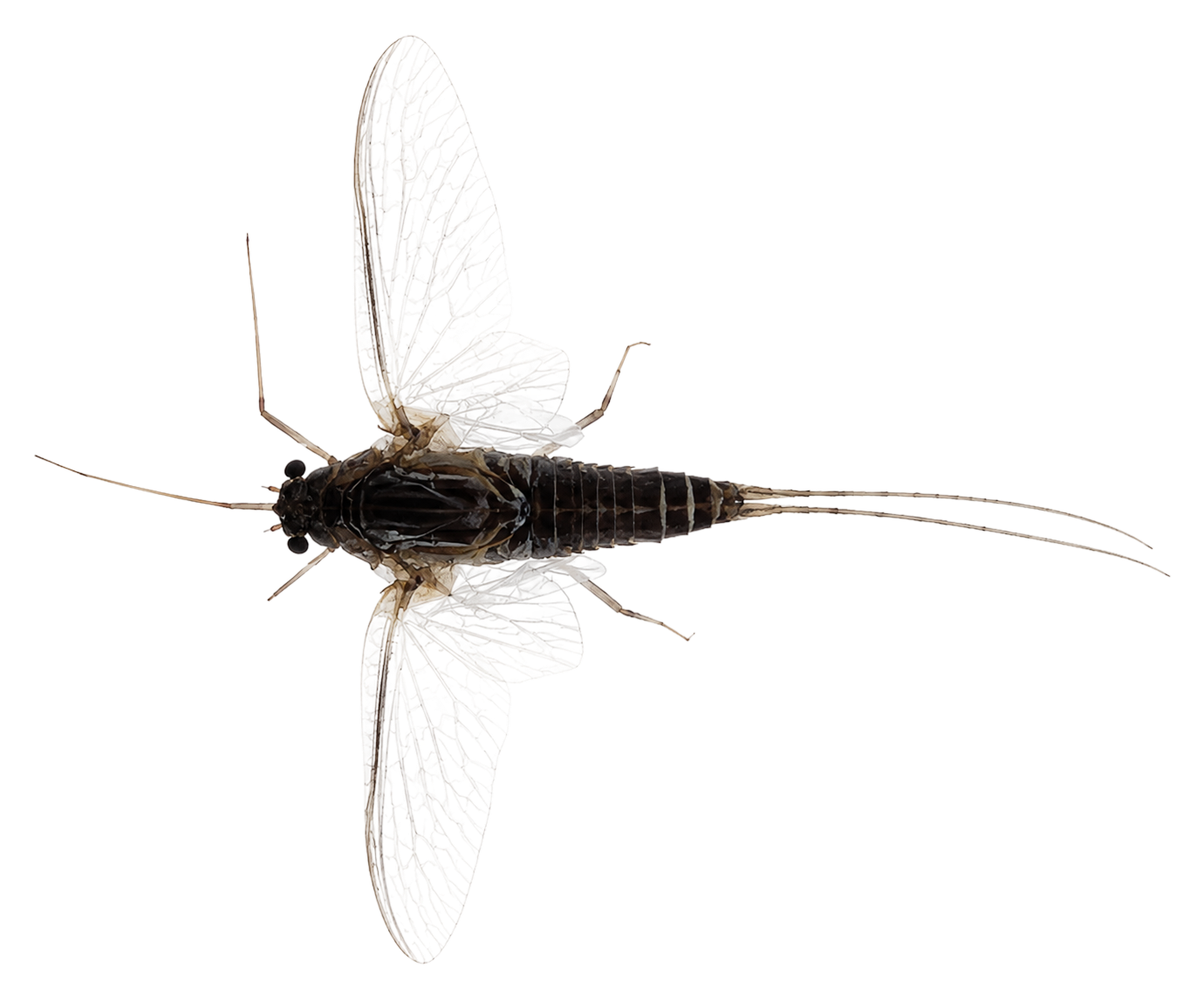
Very small mayflies with a compact, stout profile; adults are most often noticed as tiny duns or spent spinners riding flat in slick water.
Size
Tiny; commonly matched with very small mayfly patterns.
Coloration
Usually imitated in pale to dark, muted tones; spinners are often tied with dark bodies and clear, spent wings.
Similar bugs
PMD cripplesBaetissmall pale mayfliesmidge clusters

Habitat

Water types
riversspring creekstailwatersgentle glides
Substrate
Firm bottom with cobble, gravel, and other stable crawling habitat, especially where slow-to-moderate current meets softer surface water.
Conditions
Most relevant where clear, moderate-to-low flows let trout inspect tiny bugs closely.

Eaten By

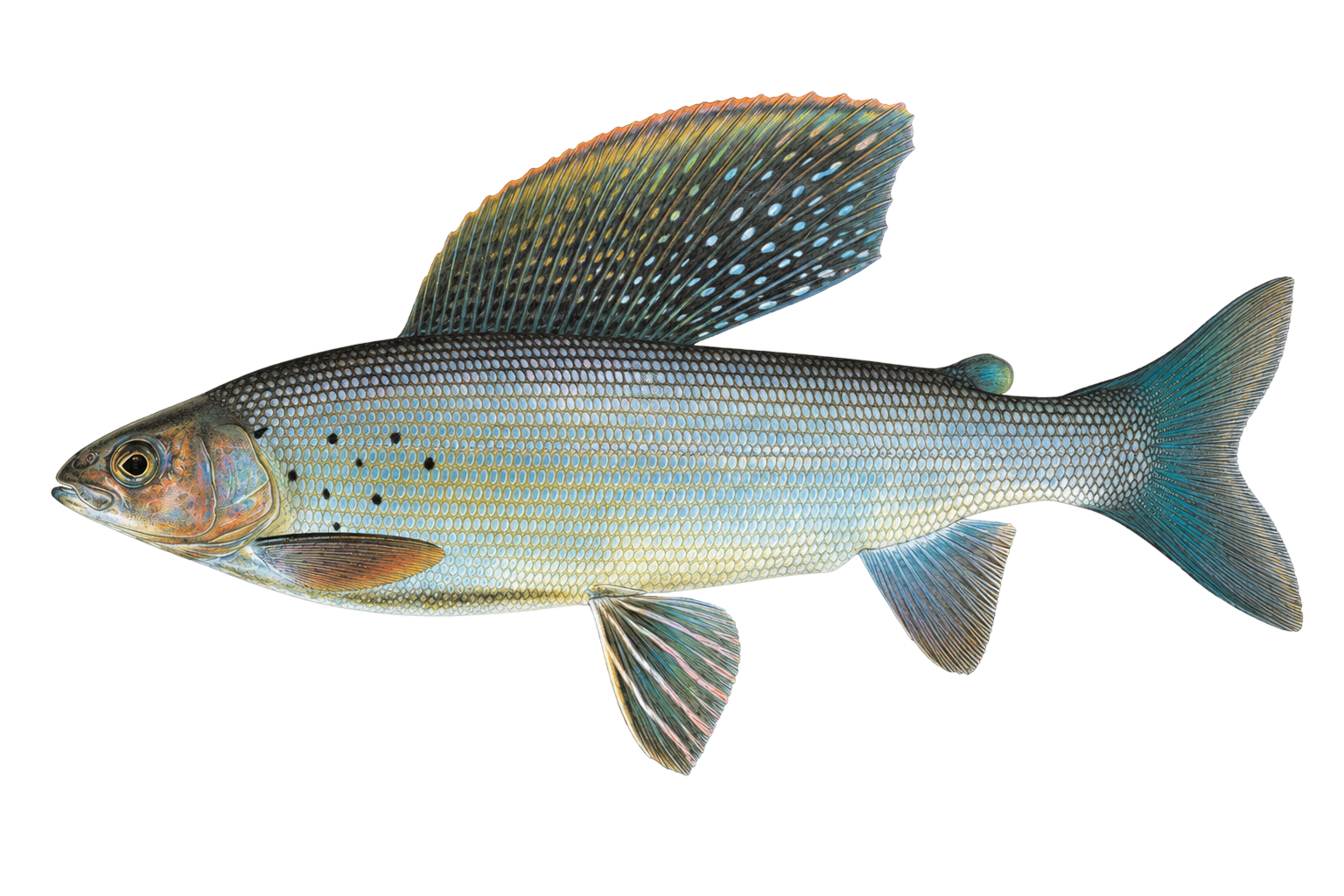
Arctic Grayling
Arctic Grayling
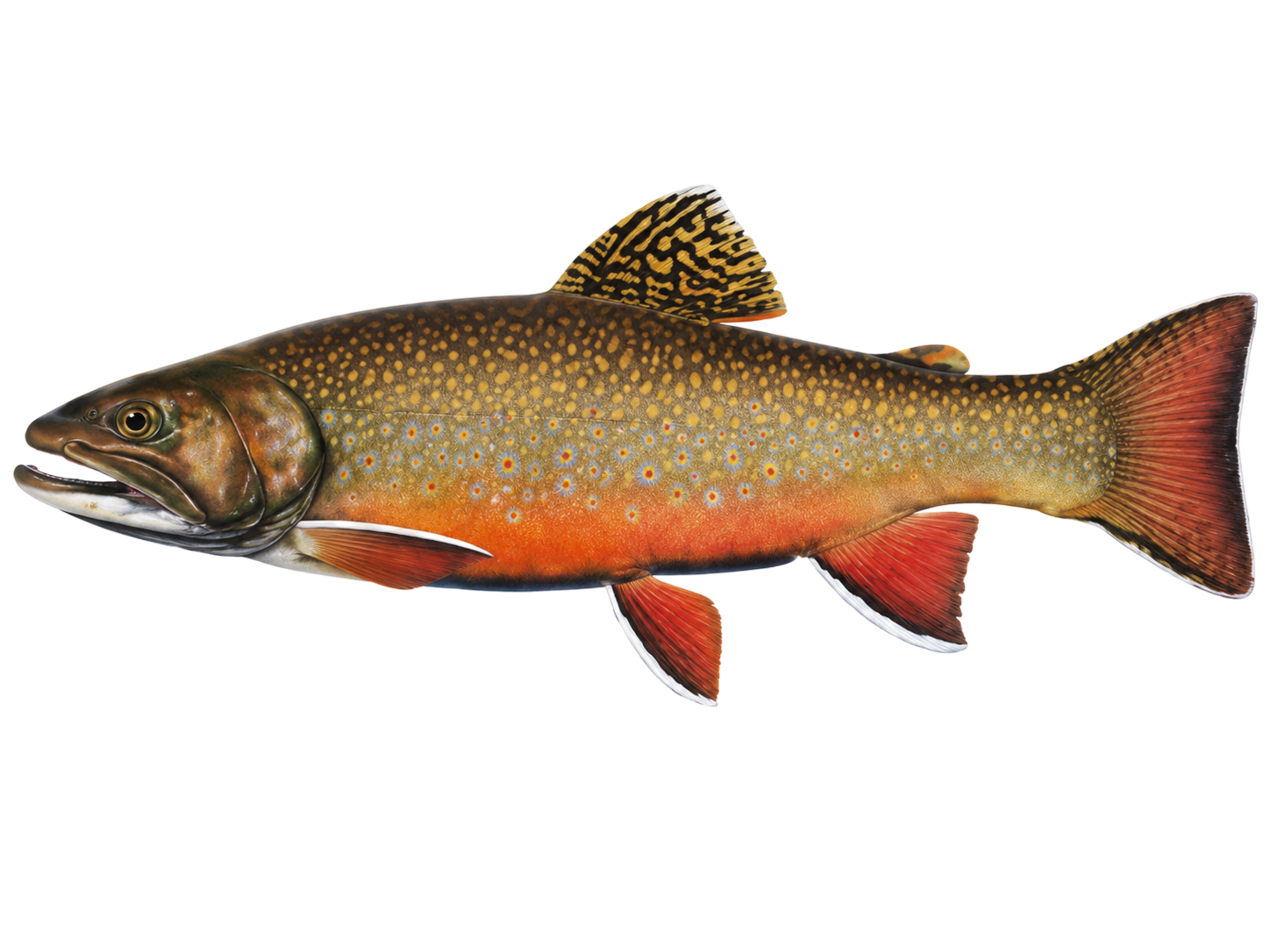
Brook Trout
Brook Trout
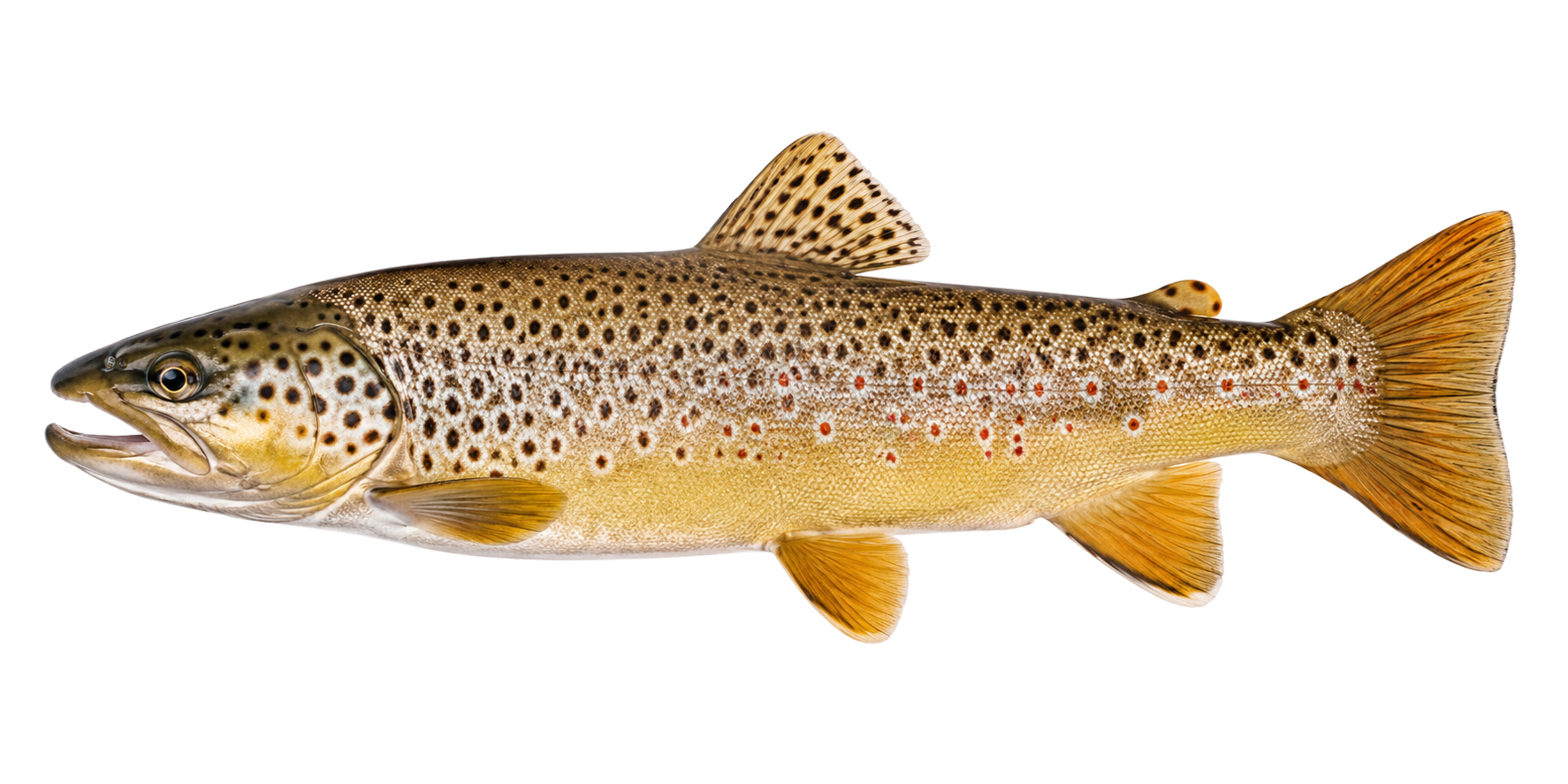
Brown Trout
Brown Trout
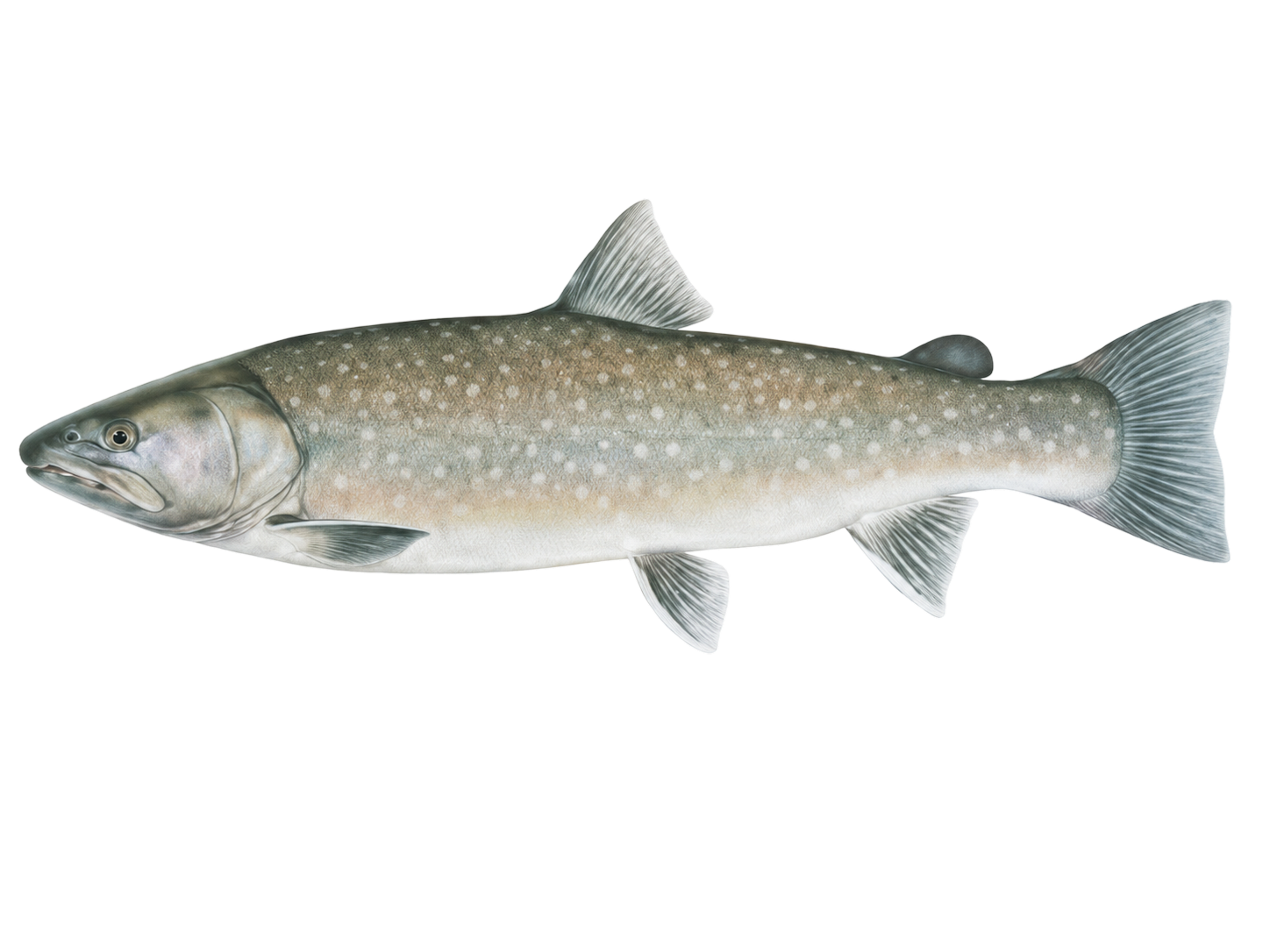
Bull Trout
Bull Trout
Cutbow Trout
Cutbow Trout
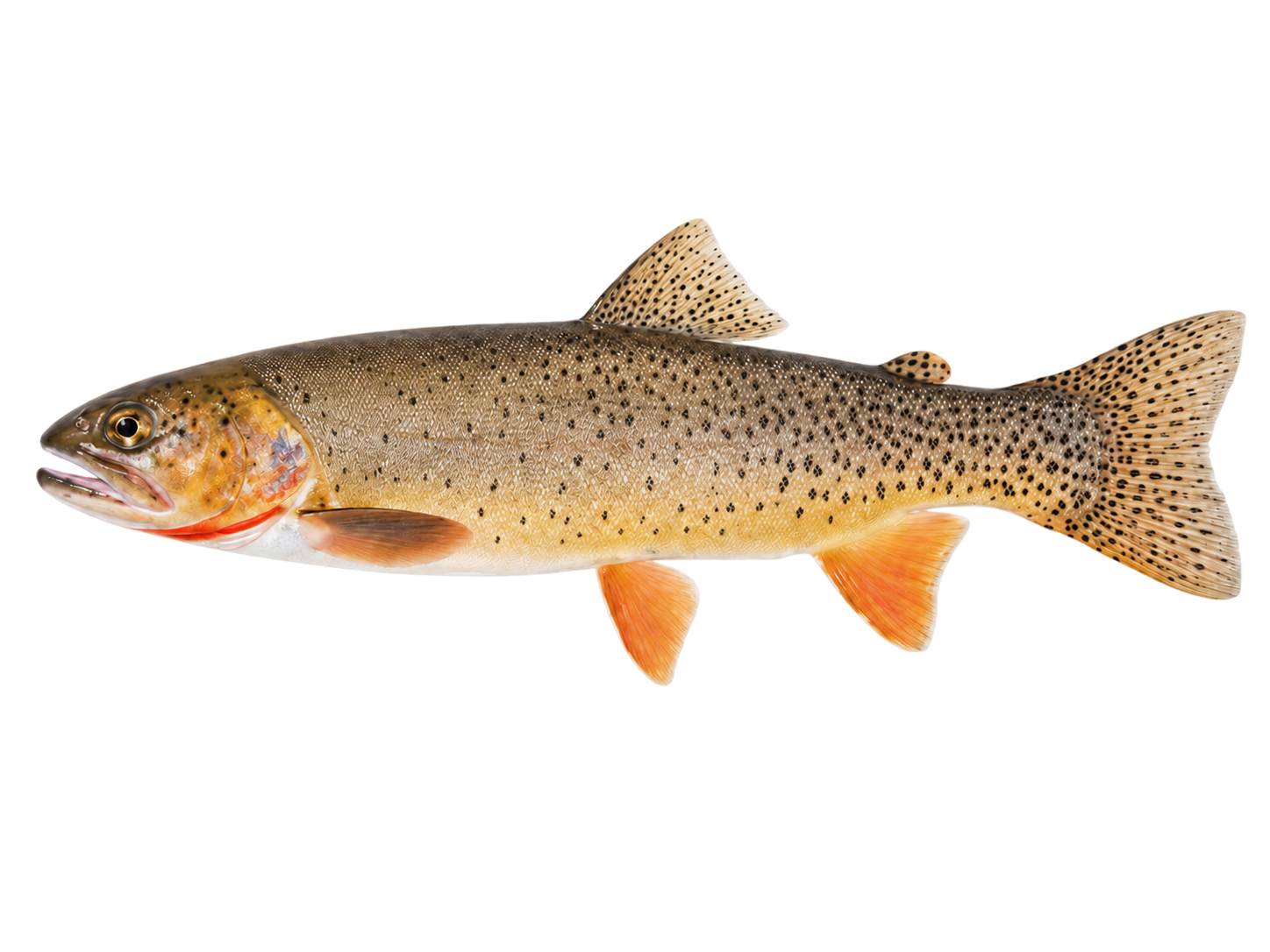
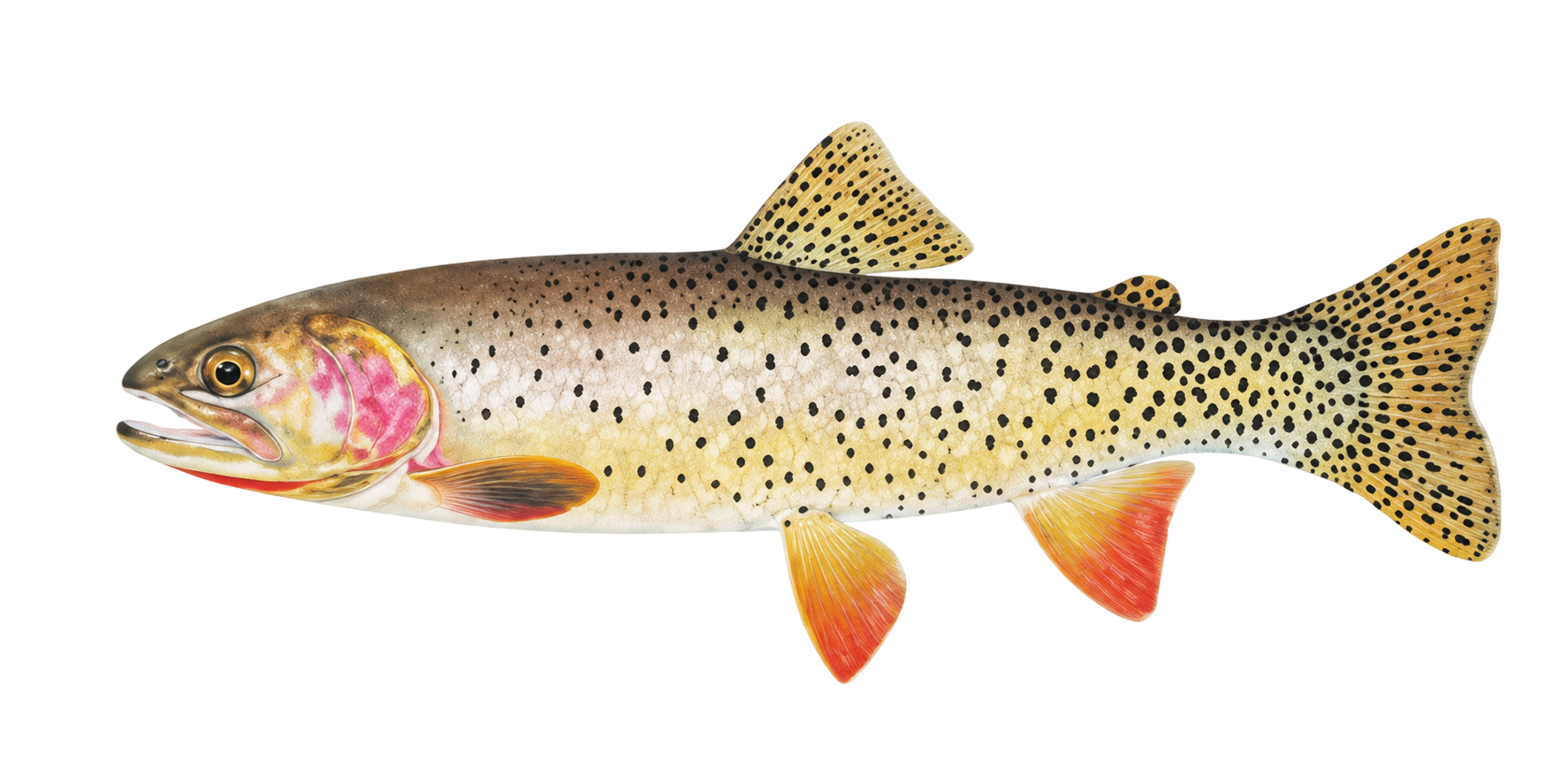
Cutthroat Trout
Cutthroat Trout
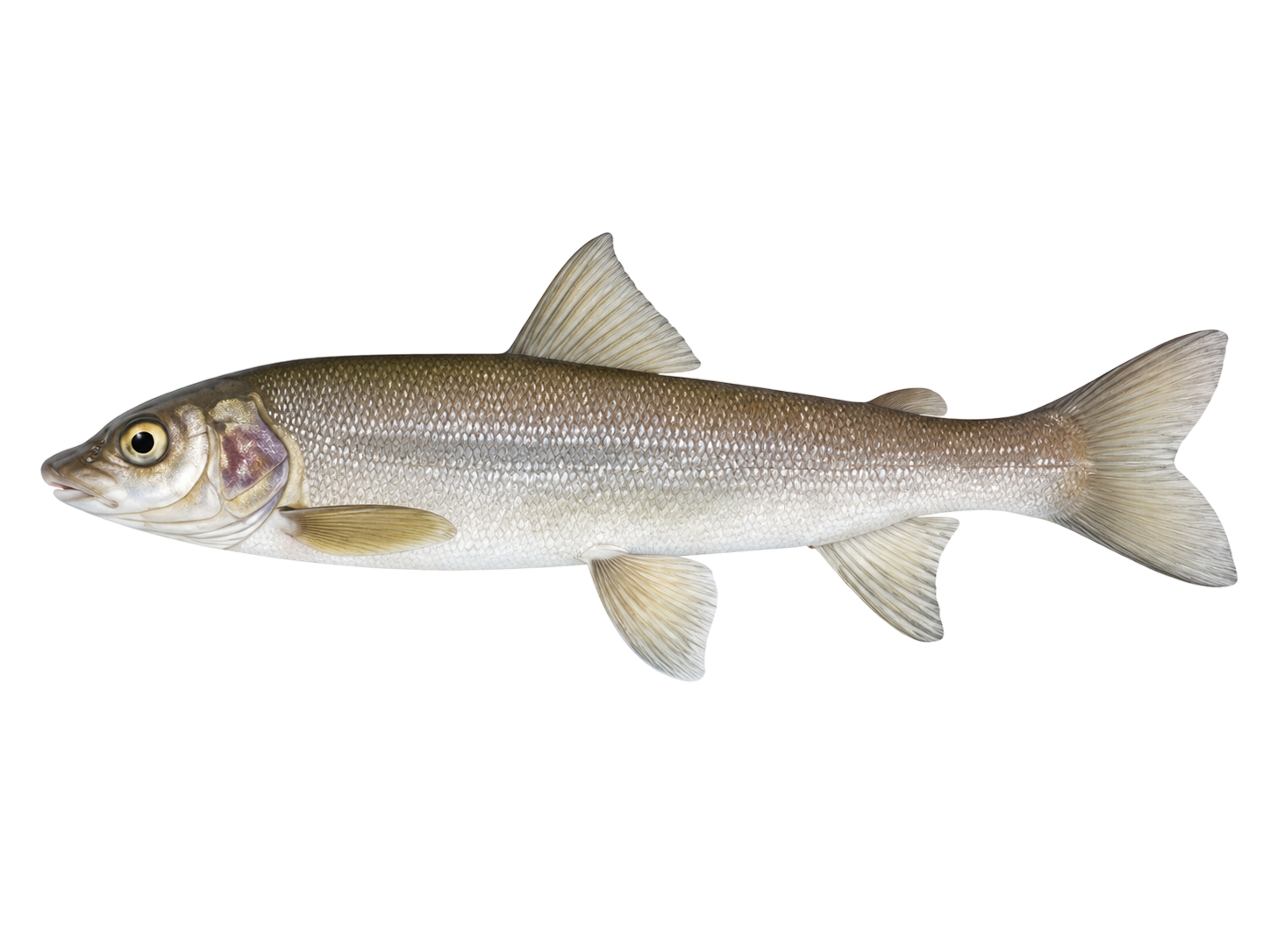
Mountain Whitefish
Mountain Whitefish
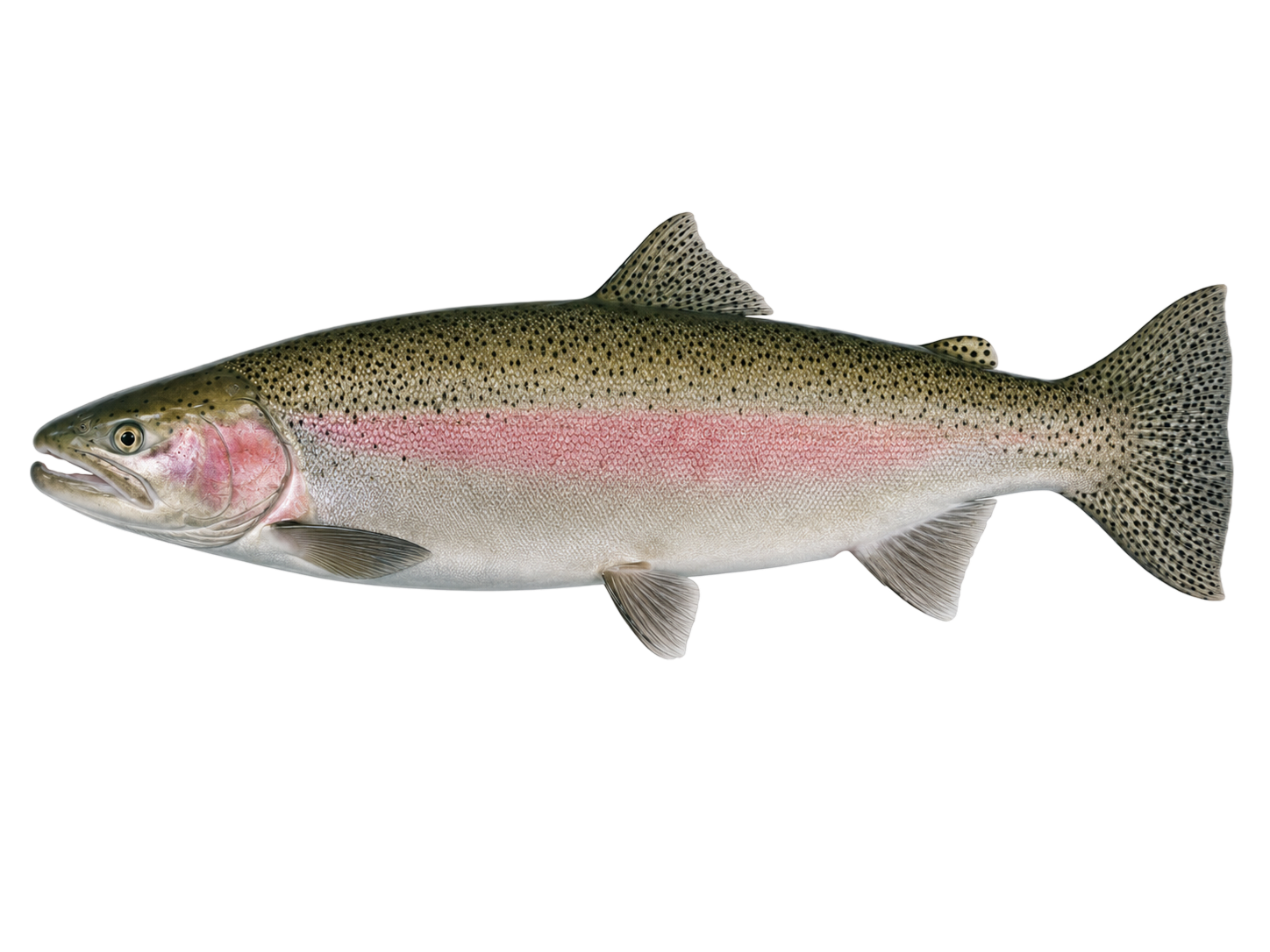
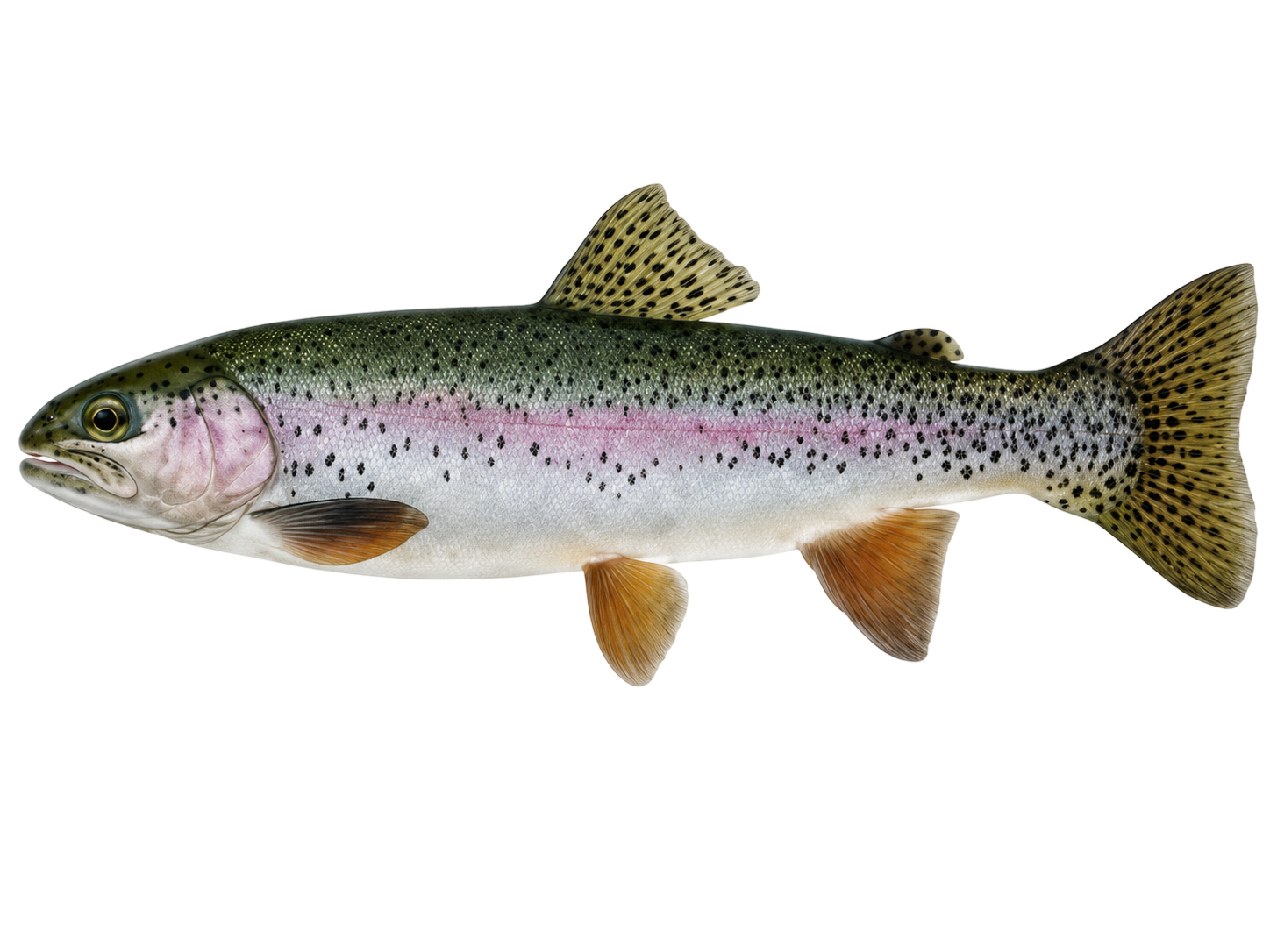
Rainbow Trout
Rainbow Trout
Steelhead
Steelhead
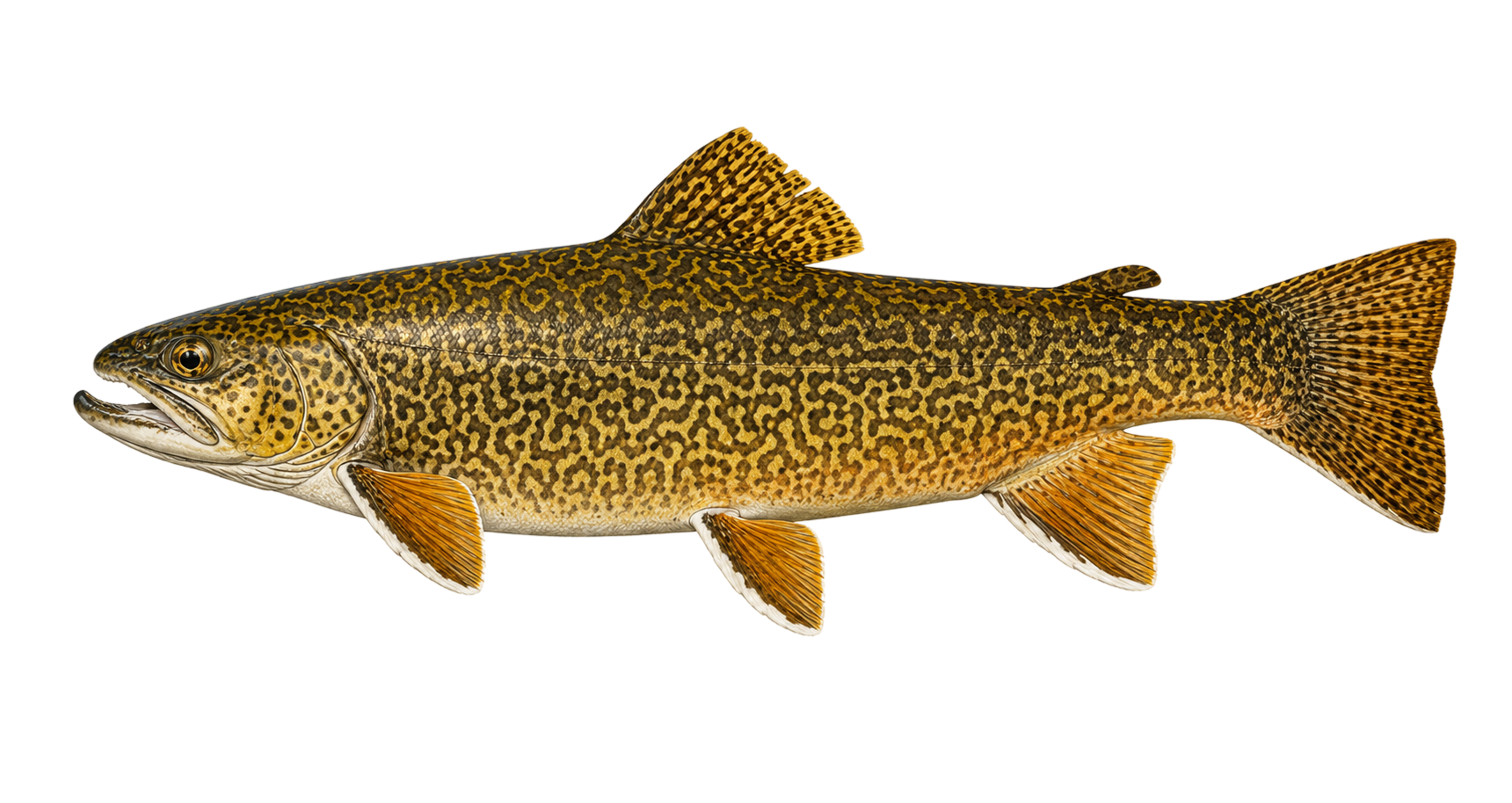
Tiger Trout
Tiger Trout
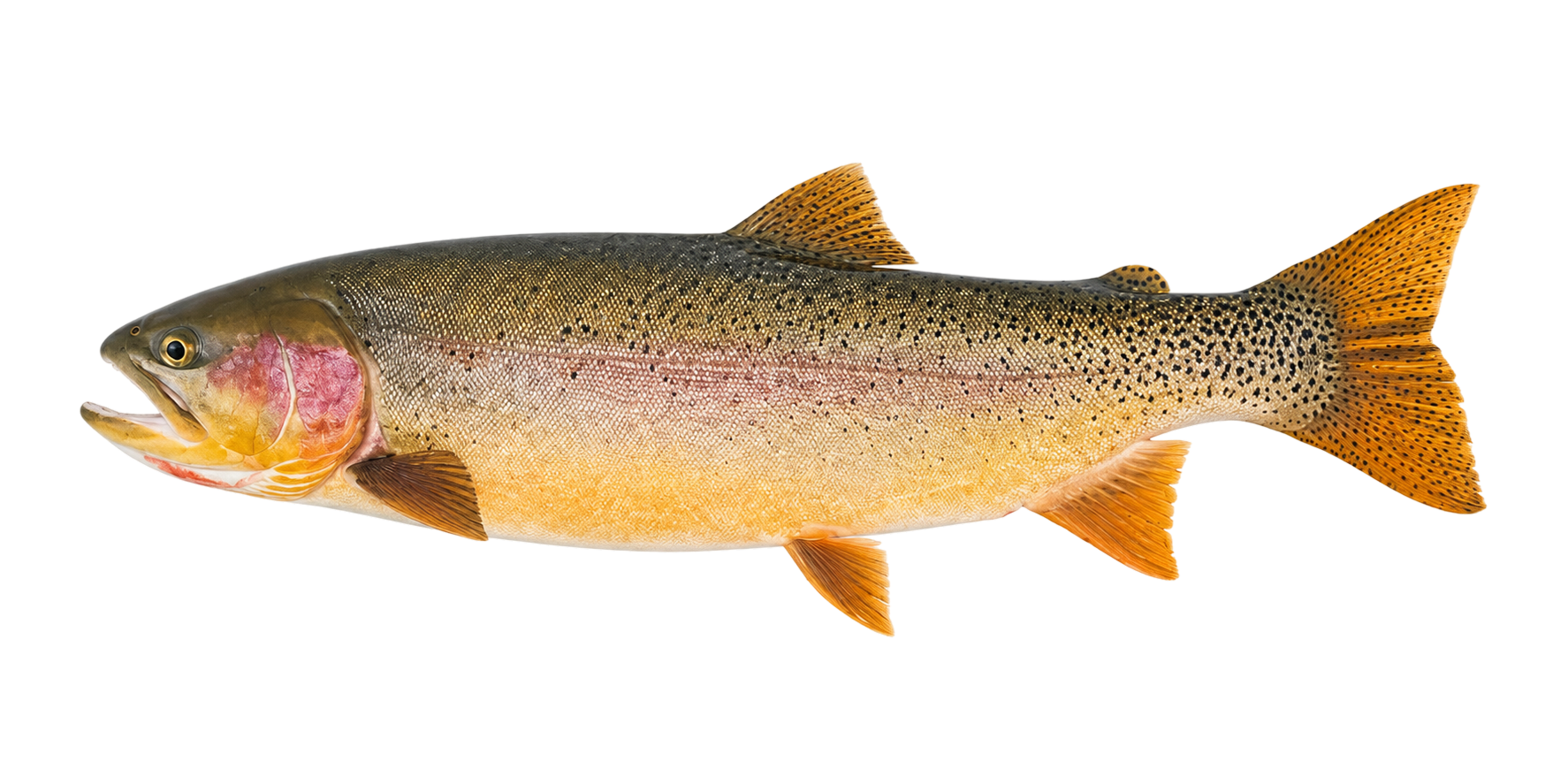
Yellowstone Cutthroat Trout

On this page

OverviewLife CycleFly TyingWhere It HatchesFly PatternsAngler NotesIdentificationHabitatEaten By

Share & plan

IDFG Planner

On this profile

  • 15 waters
  • 1 fly pattern
  • 11 predator species
  • 6 tying videos
  • 7 life stages

Explore

Browse all hatches & forage