Barbless.coBarbless.co
  • Home
  • Map
  • Reports
  • Guides
  • Fish
  • Hatches
  • Podcast
Sign in
Barbless.co

The more you understand, the more there is to see.

  • IdahoLive
  • CaliforniaSoon

Explore

  • Map
  • Reports
  • Browse reports
  • By region

Waters

  • River search
  • Guides & outfitters

Learn

  • Fish species
  • Hatches & forage
  • Podcast

Company

  • About
  • Contact
  • Editorial policy
  • Releases
  • Legal

© 2026 Barbless.co. Flow and gauge data from USGS; weather from Open-Meteo. · v2026.10.18.2

  1. Home
  2. Hatches & Forage
  3. Terrestrials
  4. Grasshopper

Updated July 15, 2026

← Back to map
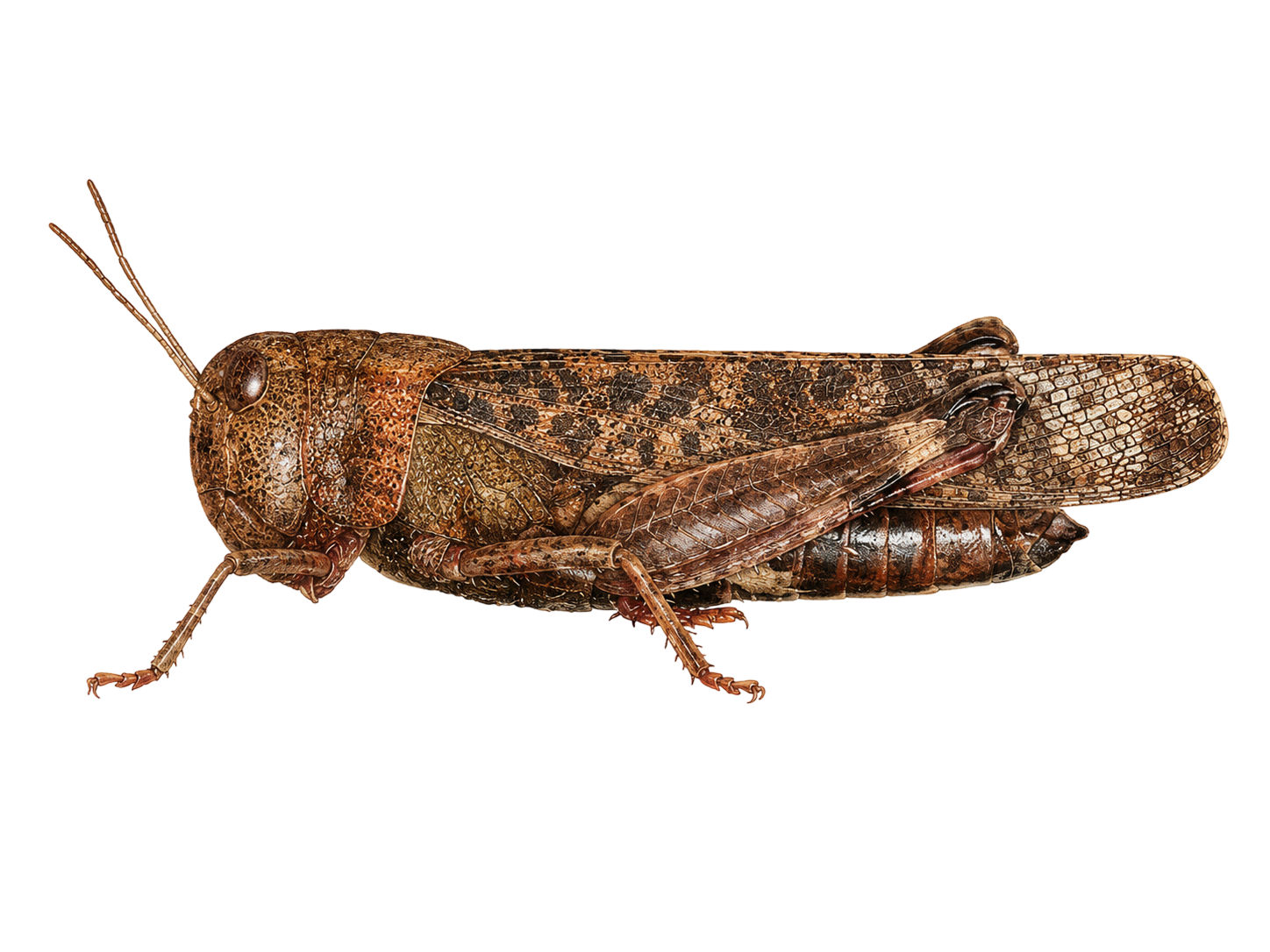
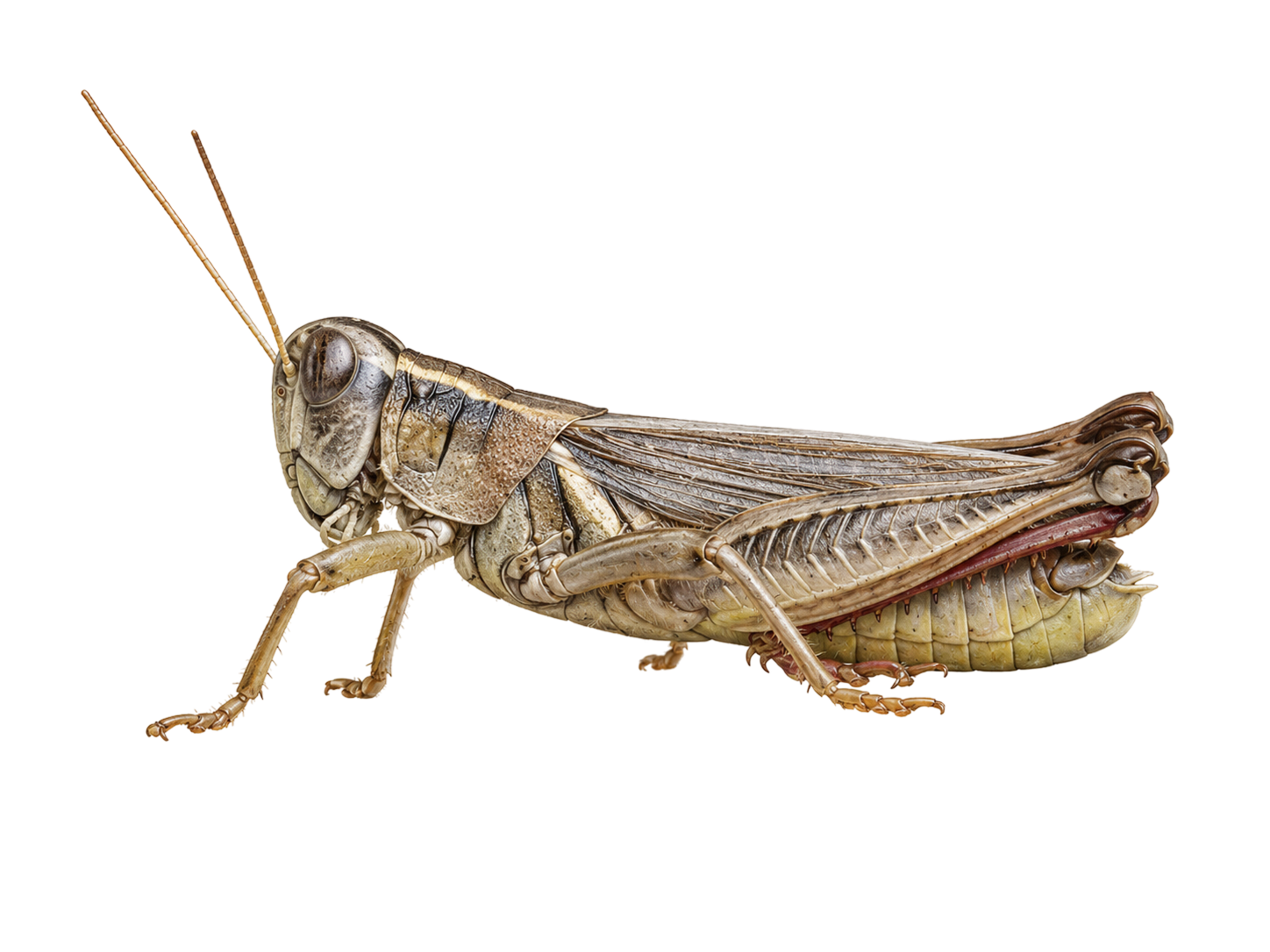
Grasshopper, Variant One
Grasshopper, Variant Two
Variant One

Hatches › Terrestrial

Terrestrial

Grasshopper

Acrididae · family

A high-value late-season terrestrial that draws violent strikes when wind or clumsy hops dump adults into the water.

Overview

Category

Terrestrial

Category

Terrestrial

Category

The insect or forage category for this profile.

Size

Medium to large compared with most trout food; adult hoppers commonly imitate well on hook sizes about 6-14, depending on species and profile.

Size

Medium to large compared with most trout food; adult hoppers commonly imitate well on hook sizes about 6-14, depending on species and profile.

Size

Typical size range anglers imitate on the water.

Key stages

Eggs, Nymph, Molting Nymph, Adult

Key stages

Eggs, Nymph, Molting Nymph, Adult

Key stages

Life stages most relevant to fly fishing this hatch or forage.

Water types

rivers, streams, creeks, bank edges

Water types

rivers, streams, creeks, bank edges

Water types

Water types where this bug or forage is commonly found.

About Grasshopper

Grasshoppers in the family Acrididae are short-horned grasshoppers, the dominant grasshopper family within the suborder Caelifera. For anglers, they matter as a purely terrestrial food source: adult hoppers occasionally end up on the water and can trigger aggressive surface takes, especially along grassy banks.

Also known as: Hopper

Life Cycle

Grasshoppers undergo incomplete metamorphosis, moving from egg to nymph to adult stages. These terrestrial insects are common near meadows and streambanks, making them a significant food source for trout.
Eggs

Eggs

Female grasshoppers deposit their eggs in protective pods just beneath the soil surface. Look for these egg beds in dry, grassy environments typically found near streambanks and meadows.

Nymph

Nymph

Young nymphs hatch from the eggs. These immature grasshoppers immediately begin to feed on available grasses and streamside vegetation.

Molting Nymph

Molting Nymph

Nymphs grow larger through a series of molts. During these stages, they gradually increase in size and develop noticeable wing pads, indicating their progression towards adulthood.

Adult

Adult

Mature adult grasshoppers continue to feed and are a critical part of the terrestrial food chain. When dislodged or jumping into the water, they become a prime target for hungry trout.

Stages
Simple terrestrial development: egg to nymph to adult. Anglers primarily fish the adult stage.
Emergence cues
Best fishing overlap comes during warm terrestrial season, especially on sunny, breezy afternoons when adults are active in bankside grass and more likely to be blown or kicked into the water.
Behavior
Adults live on land, jumping and flying short distances through grasses and weeds. They do not hatch from the stream, but enter the drift accidentally, often with a sudden splat and short, kicking struggle.

How to Tie Grasshopper Patterns

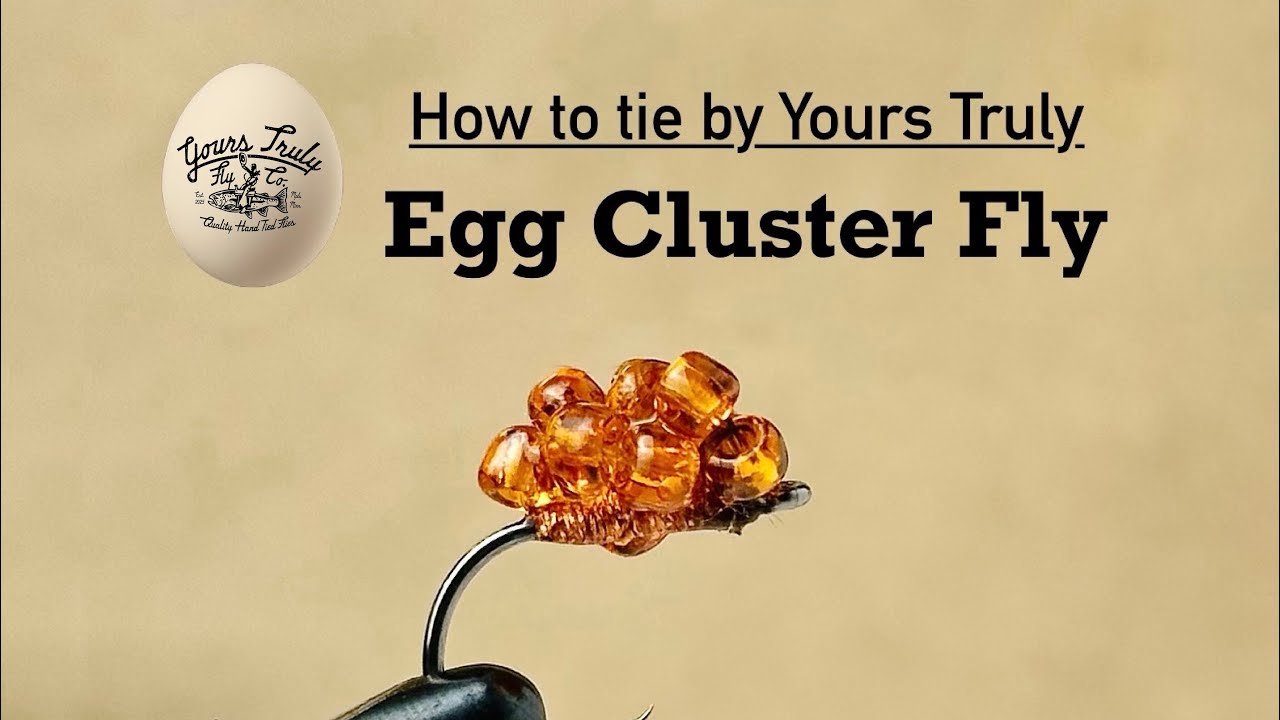
Eggs

How to Tie by Yours Truly: Egg Cluster Fly

Yours Truly Fly Co.

Materials

  • HookSize 1Nova Tackle Co. salmon and steelhead hook
  • Thread6/0Waxed red thread
  • Stretch bead cord.7mmMono also works well
  • Glass seed beads6/0White or tan
  • UV resin

Nymph

Fly Tying Tutorial: Chubby Chernobyl: Is This THE BEST Dry Fly Ever? (Terrestrial Fly Pattern)

Fly Fish Food

Materials

  • Hook4Firehole Sticks 618 Foam & Nymph
  • Hook (Alternate)6TMC 5262 Nymph & Streamer Hook
  • ThreadUTC Ultrathread 140 Denier - Tan
  • Thread (Alternate)6/0Semperfli Classic Waxed Thread - Tan
  • TailKrystal Flash - UV Tan
  • Tail (Alternate)Krystal Flash - Pearl
  • BodyIce Dub - UV Tan
  • Body (Alternate)SLF Prism Dubbing - Tan
  • Foam3mmFly Tying Foam - Tan
  • Foam (Alternate)3mmBug Foam - Tan
  • WingEP Fibers - White
  • Wing (Alternate)EP Trigger Point Int'l Fibers - White
  • LegsMediumSpeckled Centipede Legs - Speckled Brown

Adult

You NEED to Try This HOPPER!

Mainely Flies

Materials

  • Foam3mmYellow for body, orange for head
  • Hook3XLKona NS3 Nymph & Streamer - 30 Pack
  • Thread6/0Semperfli Classic Waxed Thread - Bulk Spool
  • WingNatural Elk Hair
  • LegsLoco Legs - Tan
  • DubbingIce Dub - Chartreuse, copper, green blend

Where It Hatches

Grasshopper

One species, multiple rivers.
RiverJANFEBMARAPRMAYJUNJULAUGSEPOCTNOVDEC
  • Bear Valley Creek
  • Big Lost River
  • Big Wood River
  • Birch Creek
  • Blackfoot River
  • Boise River, Middleton to Eagle Road
  • Boise River, Strawberry Glen to Barber Dam
  • Coeur d'Alene River
  • Crooked Fork
  • Fall River
  • Henrys Fork of the Snake River
  • Kelly Creek
  • Kootenai River
  • Lemhi River
  • Little Lost River
  • Little North Fork Clearwater River
  • Little Salmon River
  • Little Wood River
  • Lochsa River
  • Loon Creek
  • Middle Fork Boise River
  • Middle Fork Salmon River
  • North Fork Big Wood River
  • North Fork Boise River
  • North Fork Clearwater River
  • North Fork Coeur d'Alene River
  • North Fork Payette River
  • North Fork Saint Joe River
  • Owyhee River
  • Pahsimeroi River
  • Portneuf River
  • Priest River
  • Saint Joe River
  • Saint Maries River
  • Salmon River
  • Selway River
  • Silver Creek
  • Snake River, Hells Canyon Dam to Clearwater Confluence (Lewiston)
  • Snake River, Idaho Falls to American Falls Reservoir
  • Snake River, Lower Salmon Falls Dam to Bliss Dam (Hagerman / Thousand Springs)
  • Snake River, Milner Dam to Hansen Bridge (Murtaugh Canyon)
  • Snake River, Osgood Diversion Dam to Henrys Fork
  • Snake River, Swan Falls Dam to Brownlee Reservoir
  • South Fork Boise River
  • South Fork Clearwater River
  • South Fork Payette River
  • South Fork Snake River
  • Teton River
  • Valley Creek
  • Warm River
  • Yankee Fork Salmon River

Fly Patterns

  • Chubby Chernobyl#6-12
  • Foam Hopper#8-12
  • Stimulator#6-14

Angler Notes

Why it matters
Hoppers are a calorie-rich mouthful, so trout often move decisively for them. They are especially important whenever fish are looking to the bank for terrestrials rather than keying on aquatic hatches.
Imitation tips
Fish buoyant foam or hair hopper patterns with a chunky body, visible legs, and tan/olive/yellow tones. Size matters more than exact species match; choose a profile that suggests a meaty, short-horned grasshopper and adjust color to local bankside vegetation.
Key life stages
adult
Presentation
Cast tight to grassy banks, undercuts, seams, and eddies along shore. Let the fly land with some presence, then dead-drift close to the edge; occasional short twitches can suggest a struggling adult, but avoid overworking it.

Identification

Key features
Robust, land-dwelling insect with relatively short, stout antennae, large jumping hind legs, folded wings, and a chunky body profile; Acrididae are the classic short-horned grasshoppers.
Size
Medium to large compared with most trout food; adult hoppers commonly imitate well on hook sizes about 6-14, depending on species and profile.
Coloration
Usually tan, olive, yellow, brown, or mottled earth tones; many show barred legs or darker wing cases, but overall they blend with dry grass and streamside vegetation.
Similar bugs
KatydidCricketStonefly adultCicada

Habitat

Water types
riversstreamscreeksbank edges
Substrate
Not tied to aquatic substrate; most relevant near grassy banks, meadow edges, brushy margins, pasture, and riparian vegetation beside the water.
Conditions
Most important on waters bordered by abundant streamside grass or low vegetation, especially where wind, undercut banks, and tight shorelines funnel terrestrials onto the surface.

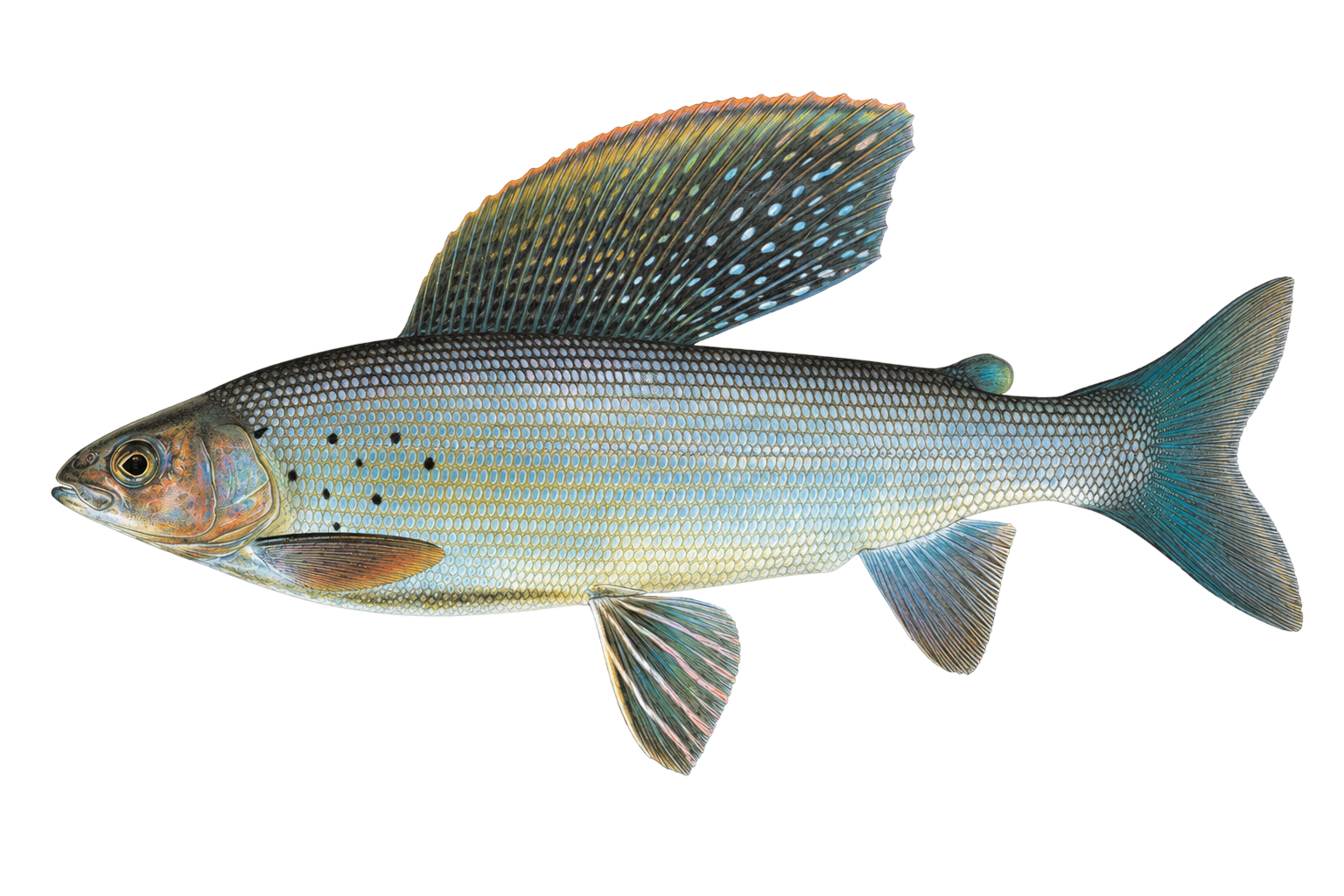
Eaten By

Arctic Grayling
Arctic Grayling
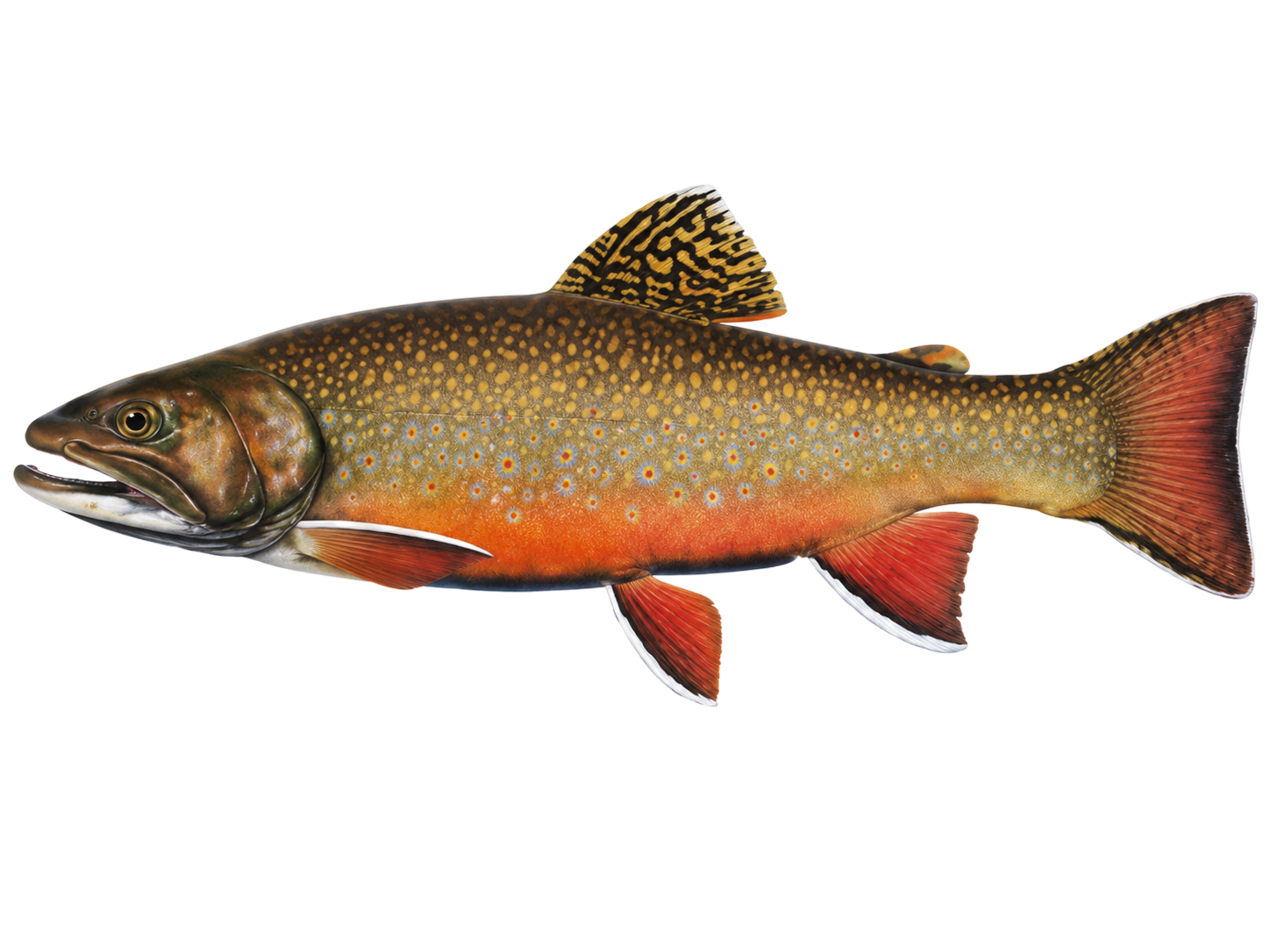
Brook Trout
Brook Trout
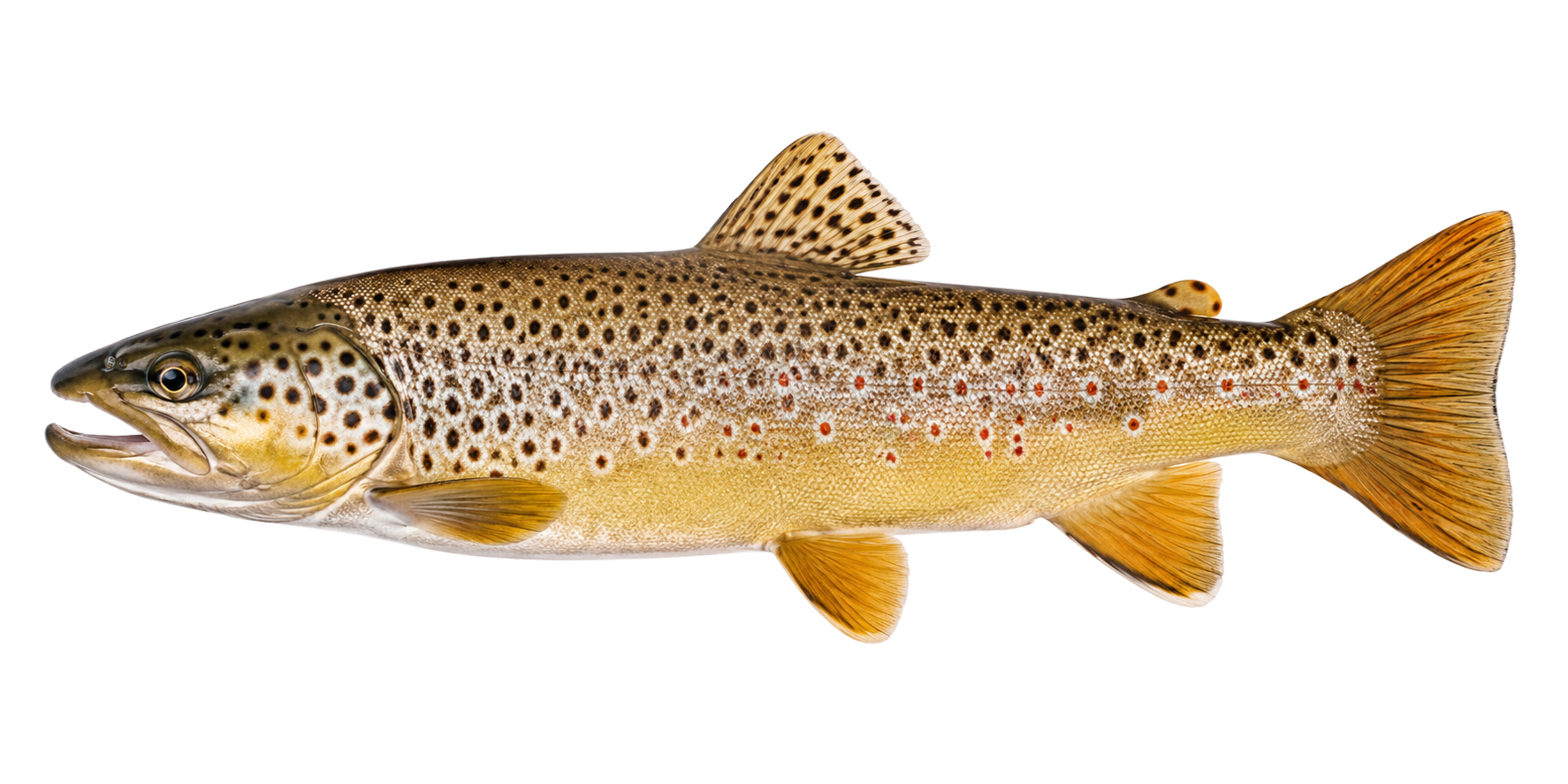
Brown Trout
Brown Trout
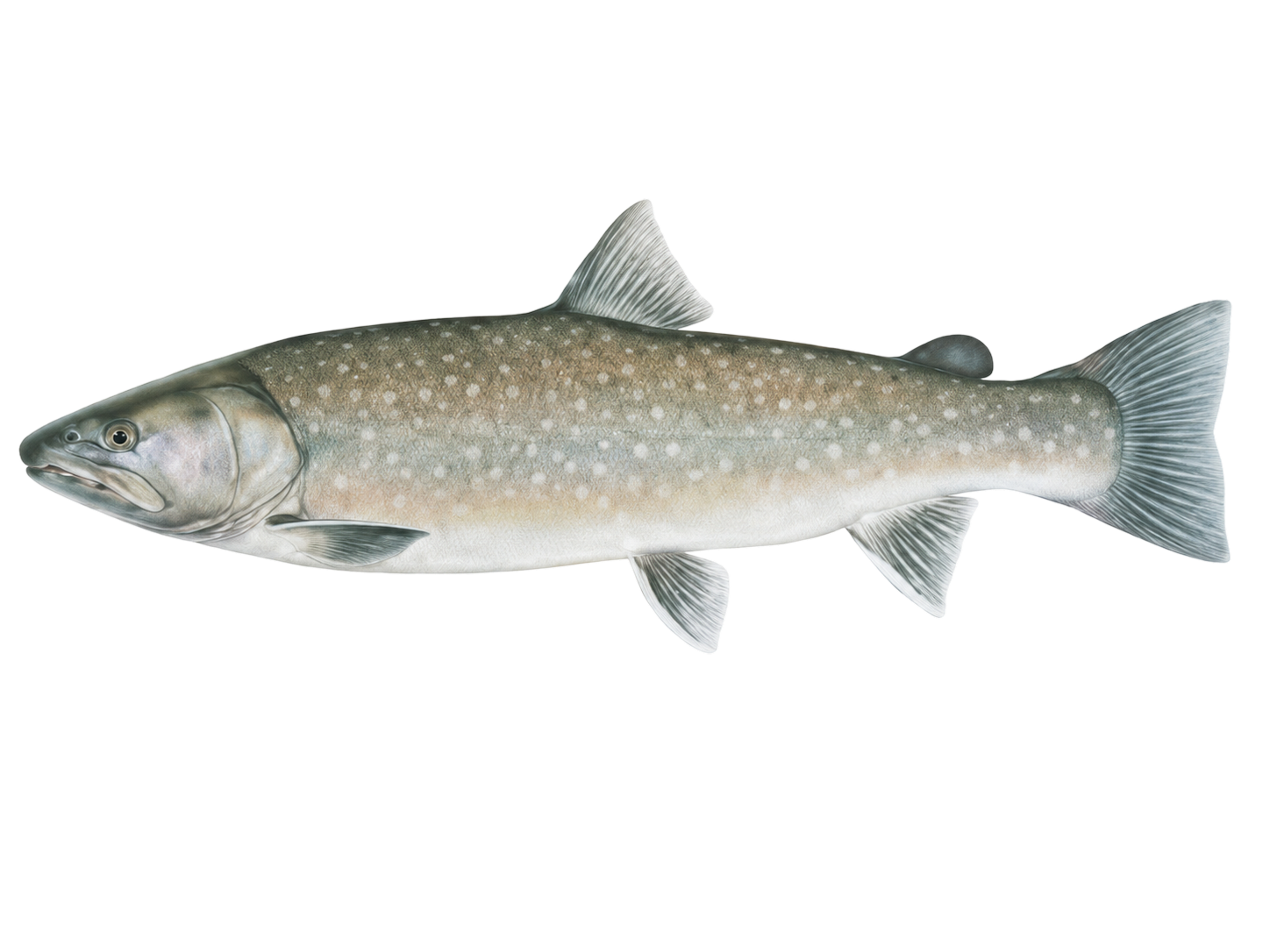
Bull Trout
Bull Trout
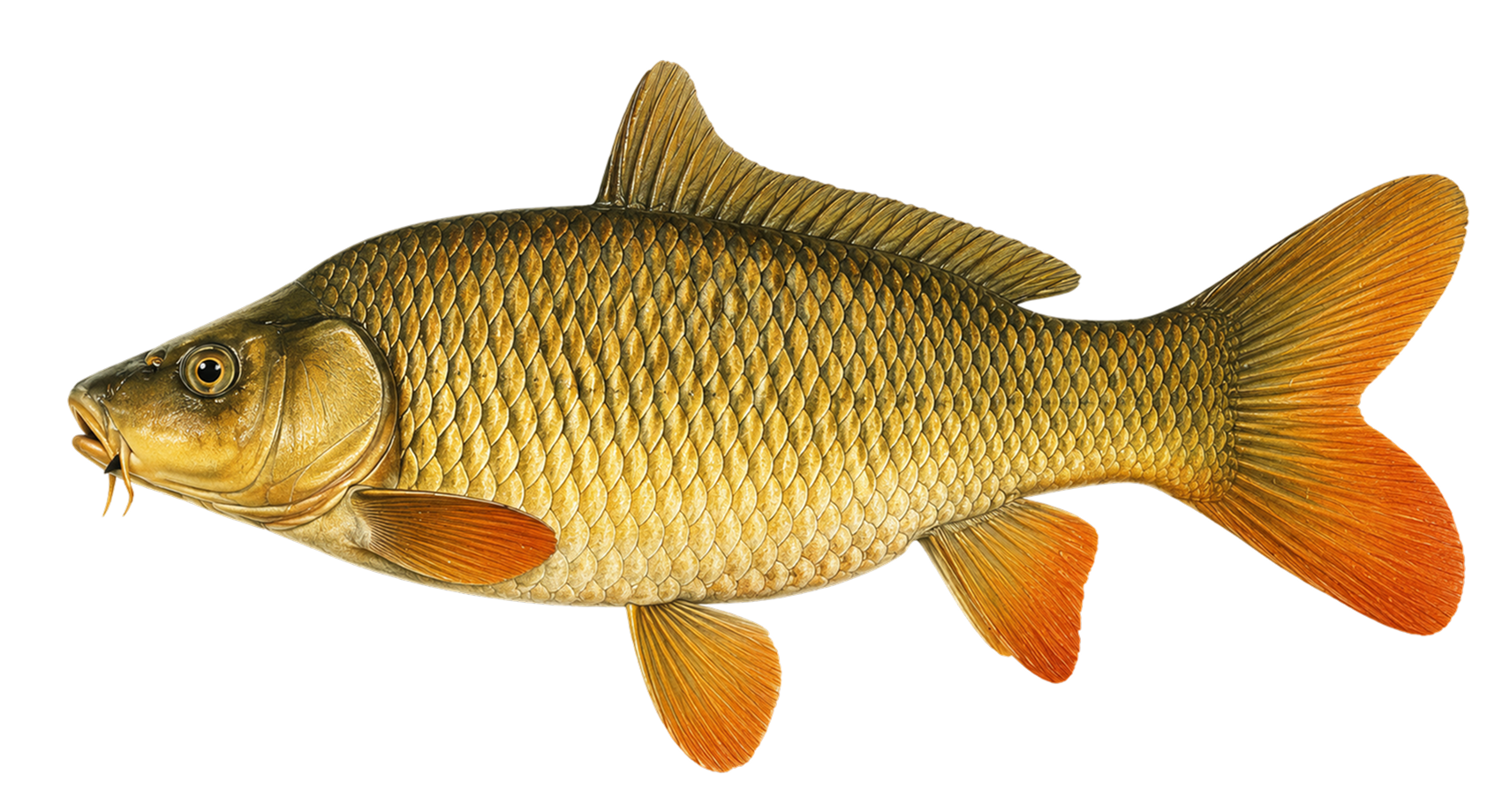
Carp
Carp
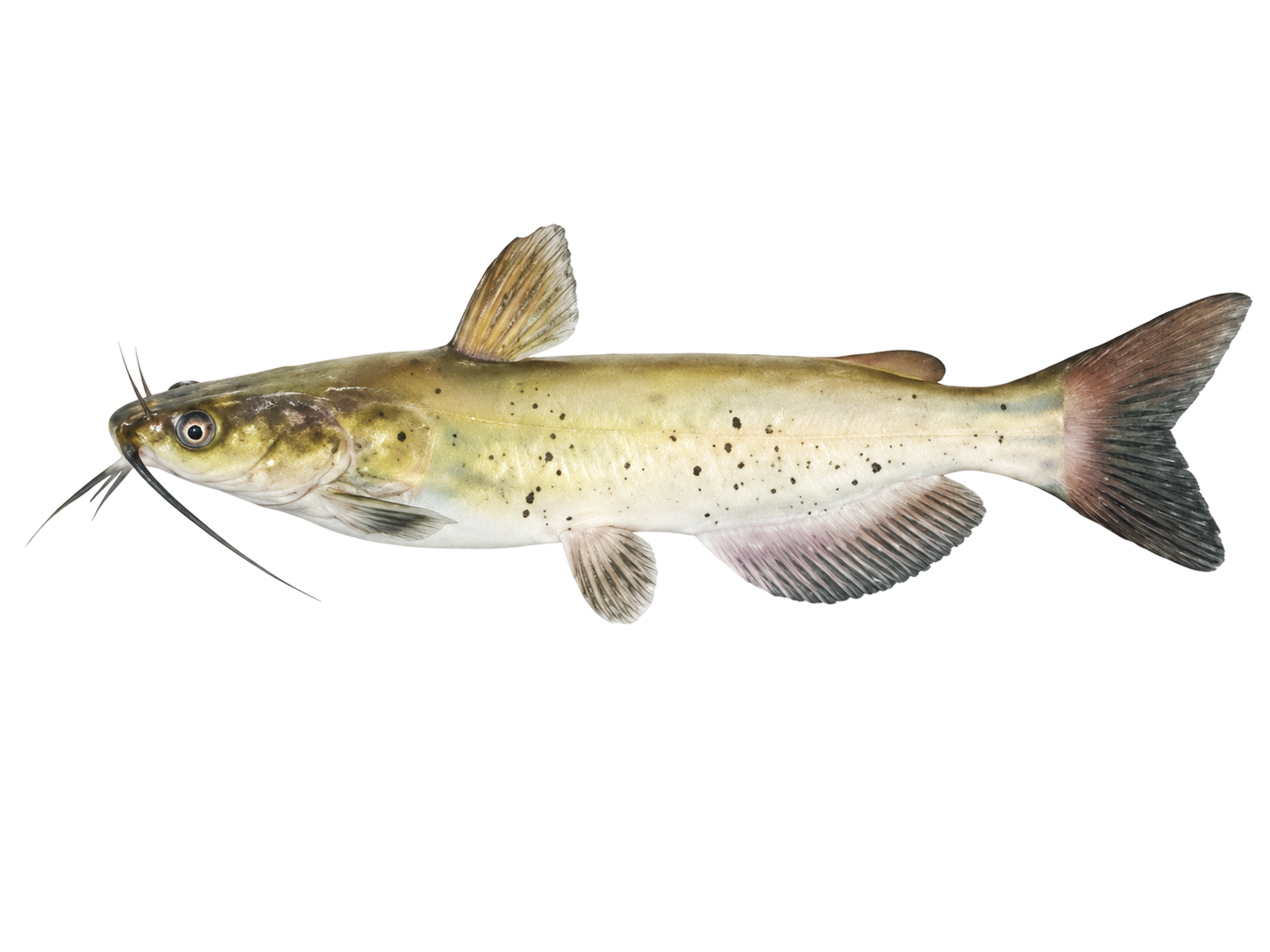
Channel Catfish
Channel Catfish
Cutbow Trout
Cutbow Trout
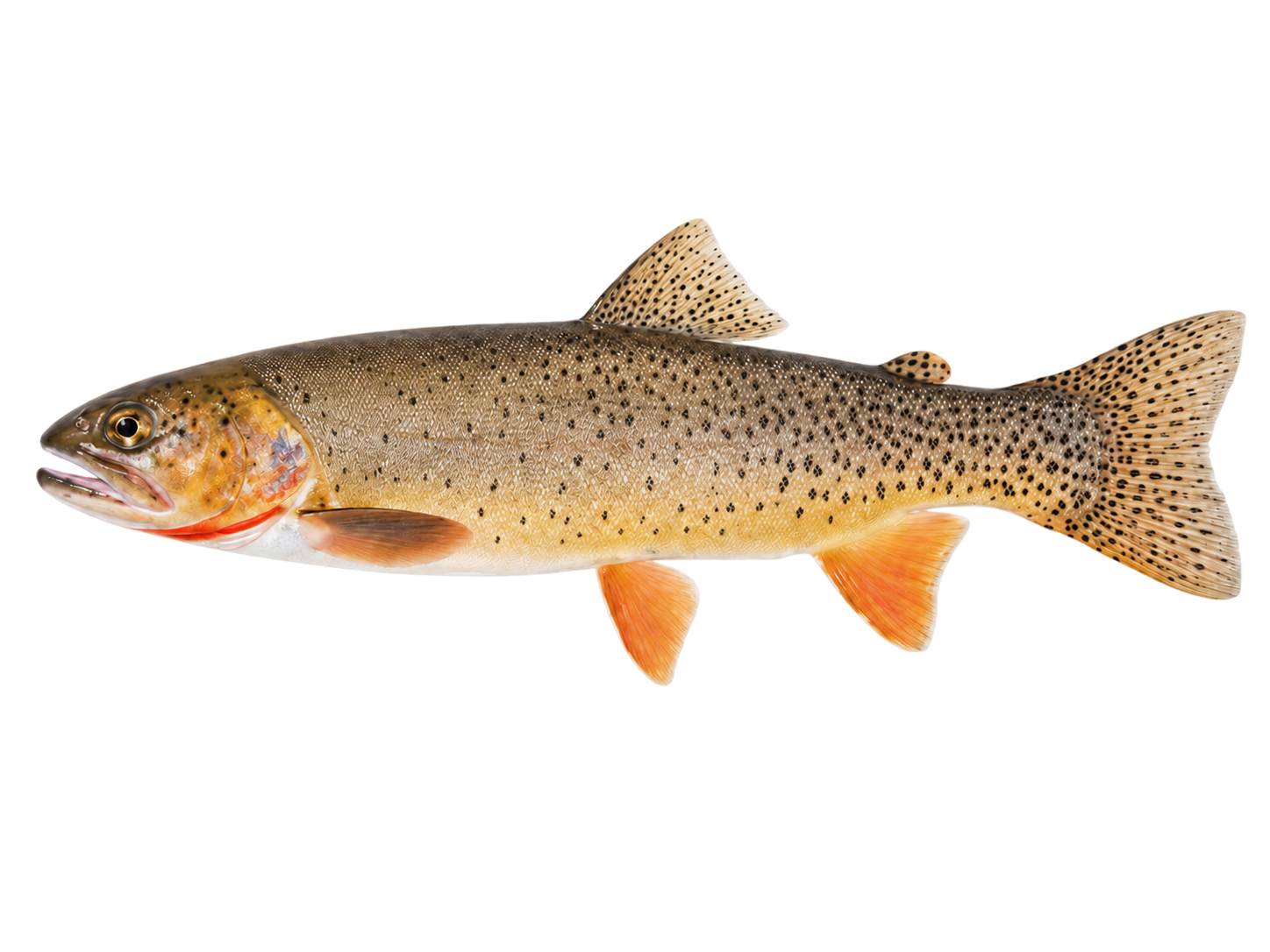
Cutthroat Trout
Cutthroat Trout
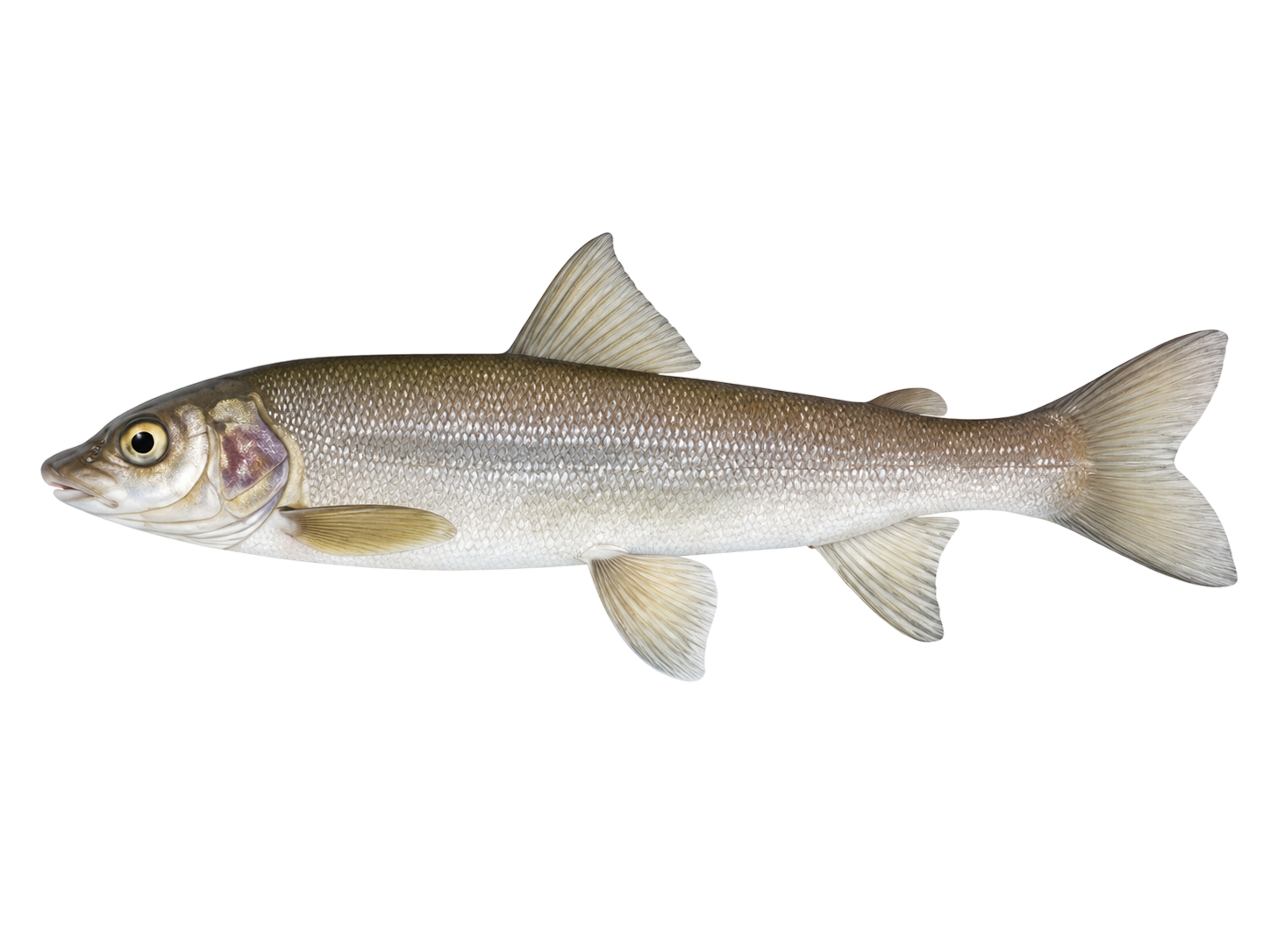
Mountain Whitefish
Mountain Whitefish
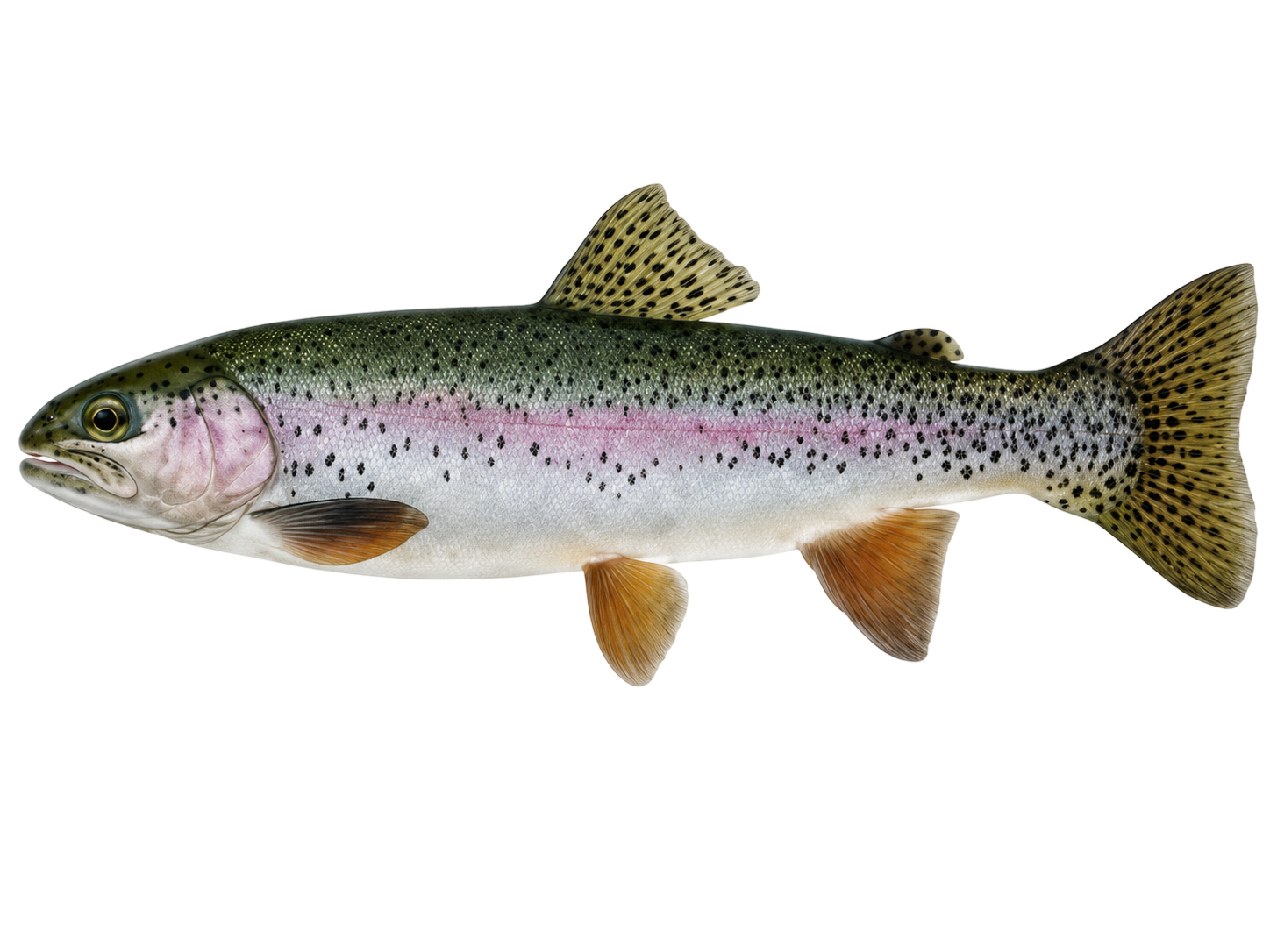
Rainbow Trout
Rainbow Trout
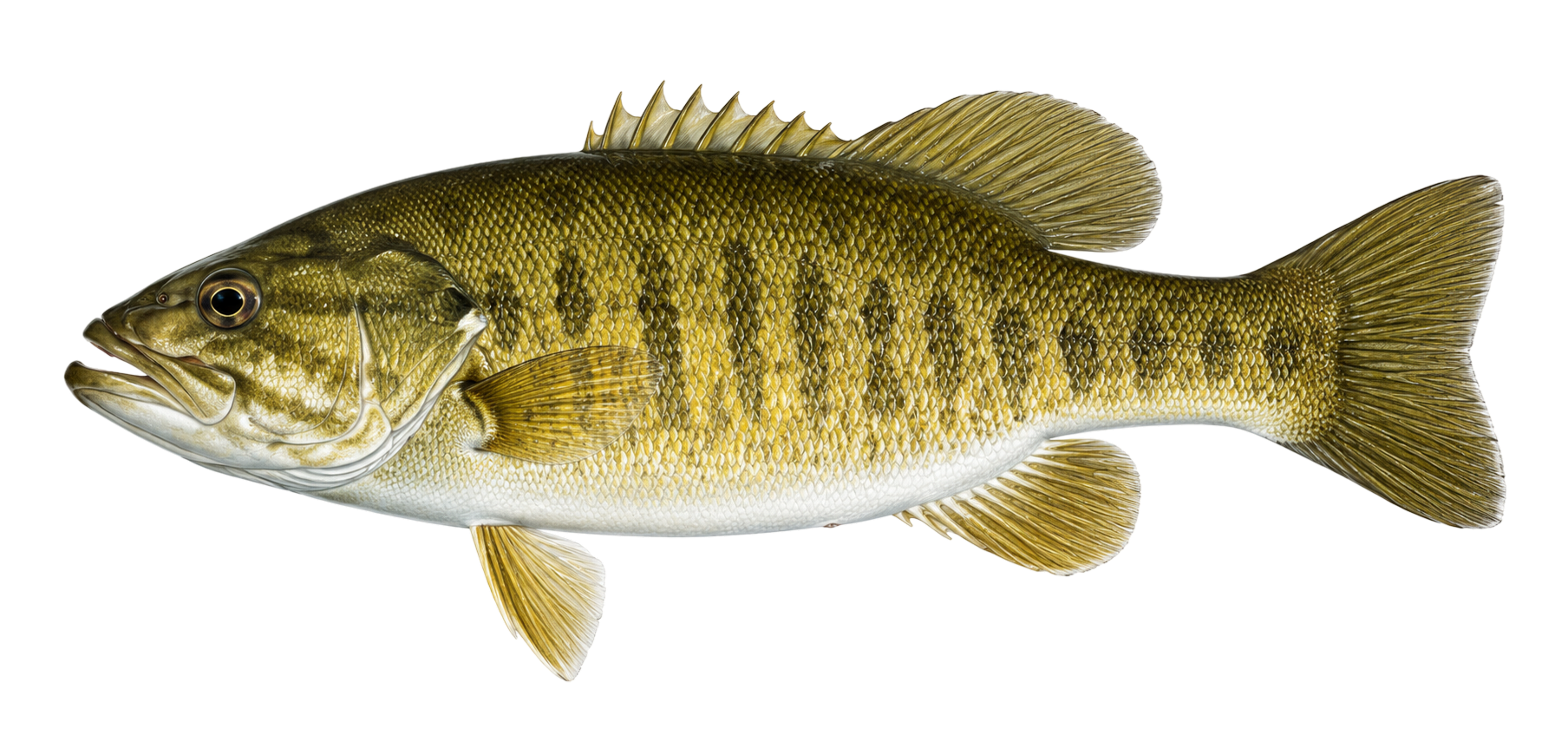
Smallmouth Bass
Smallmouth Bass
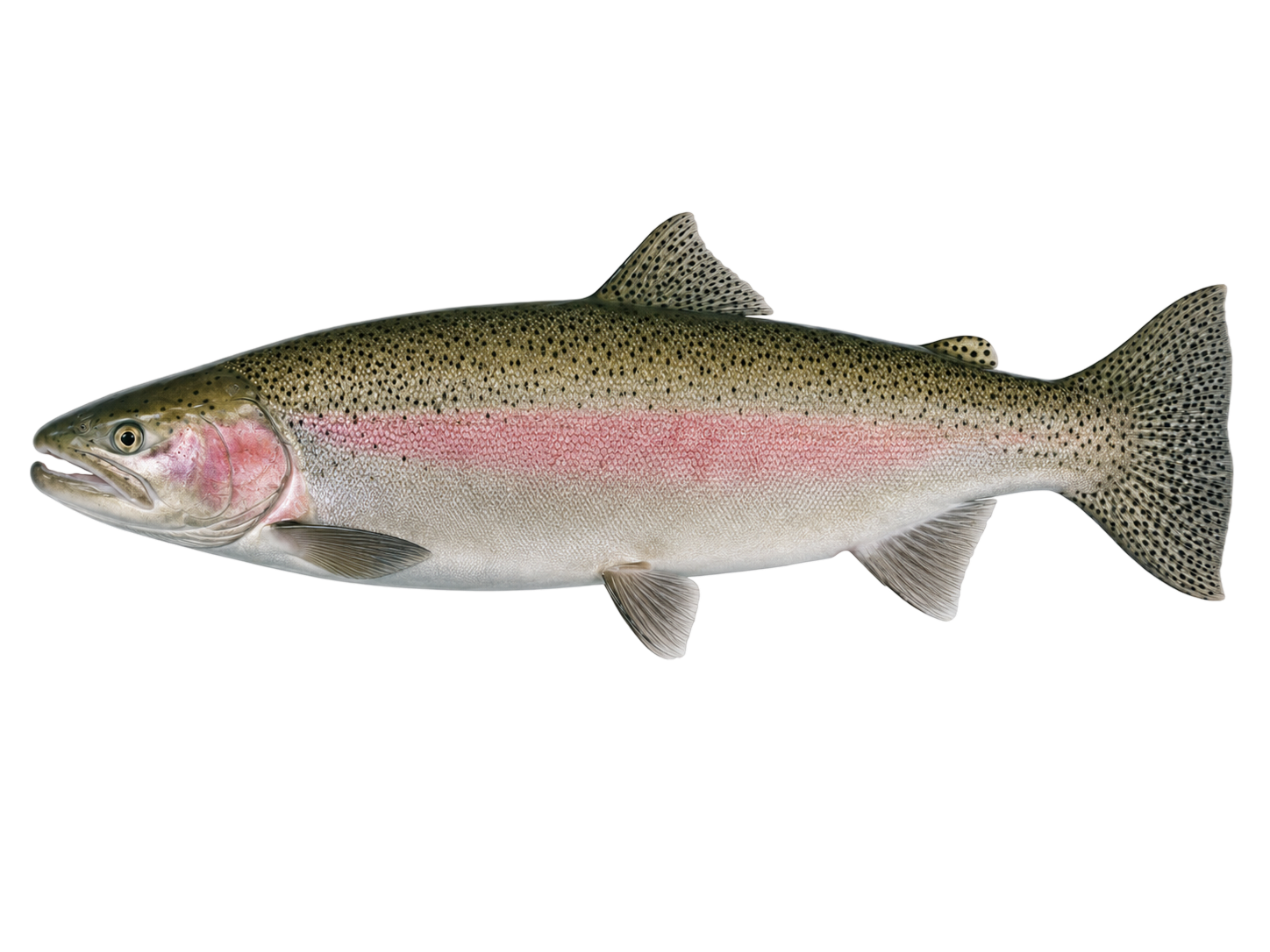
Steelhead
Steelhead
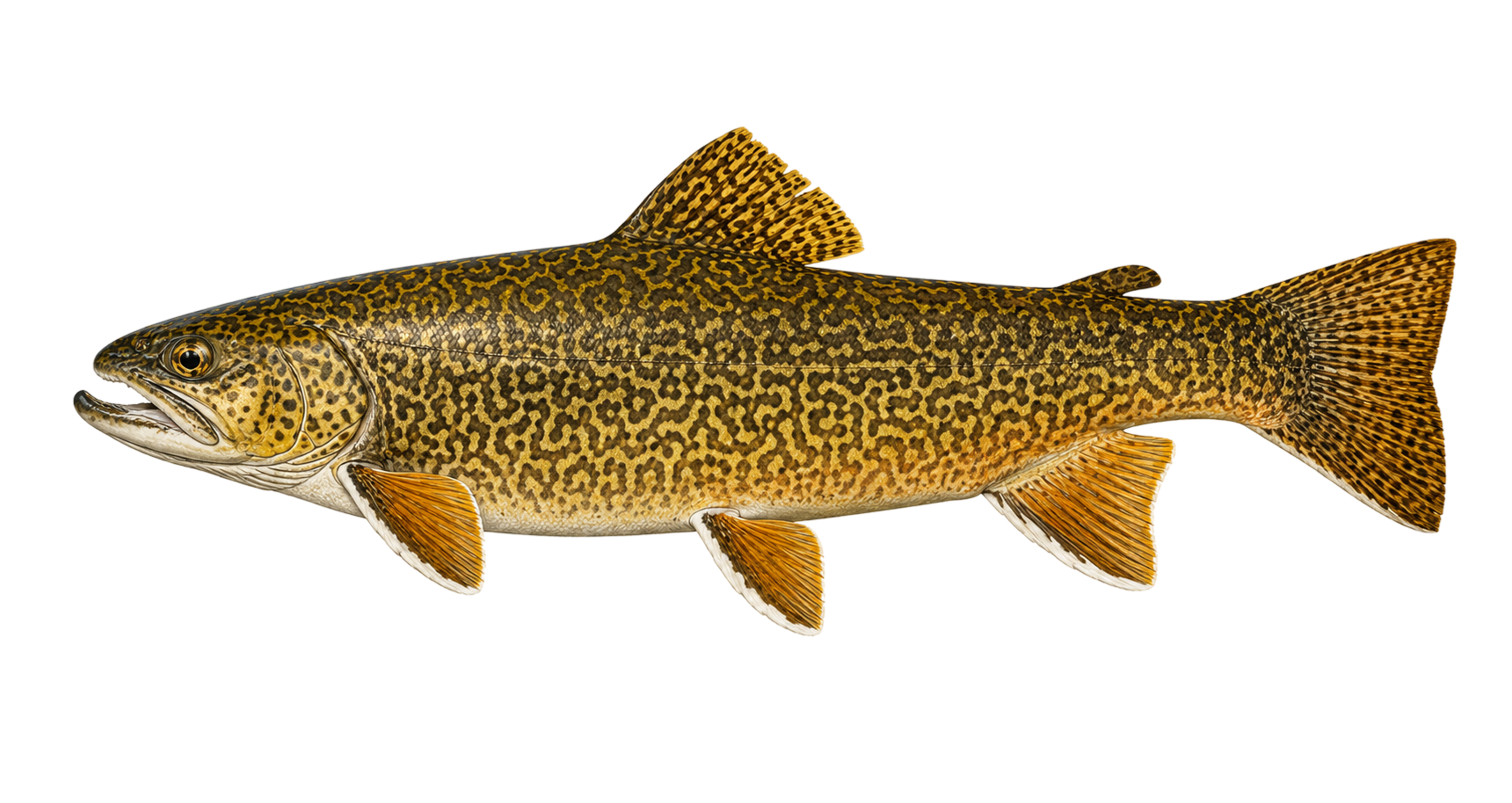
Tiger Trout
Tiger Trout
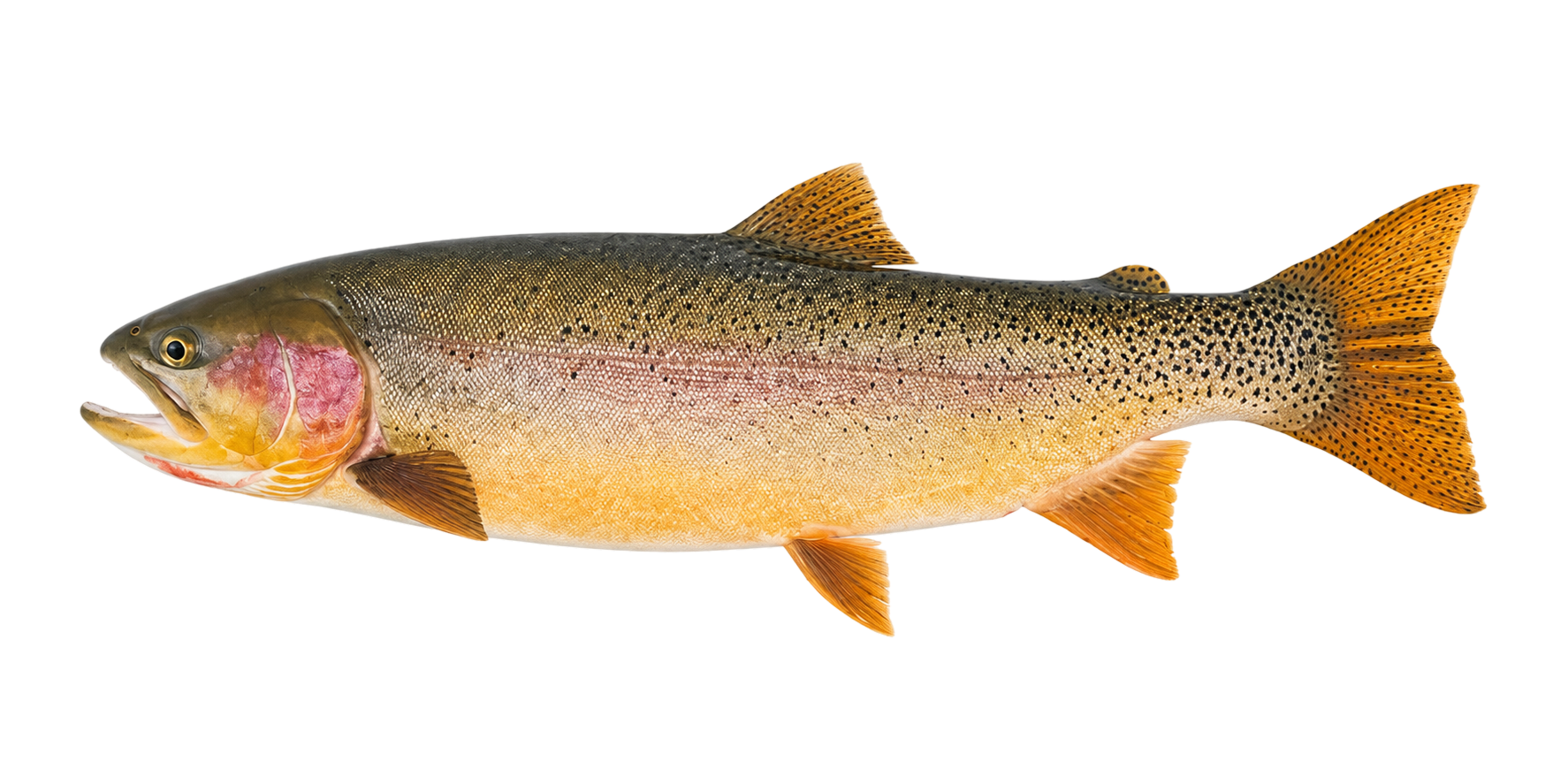
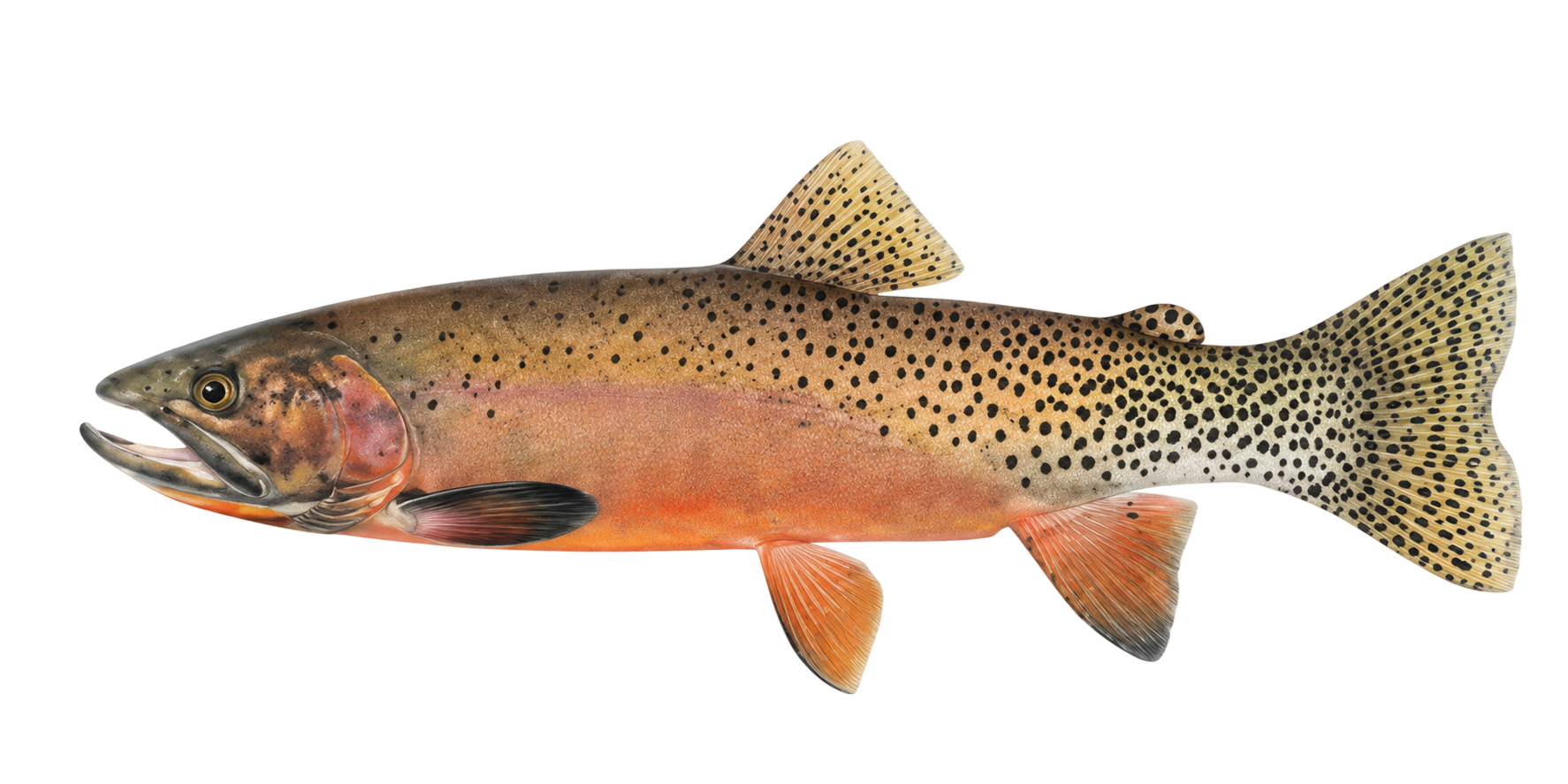
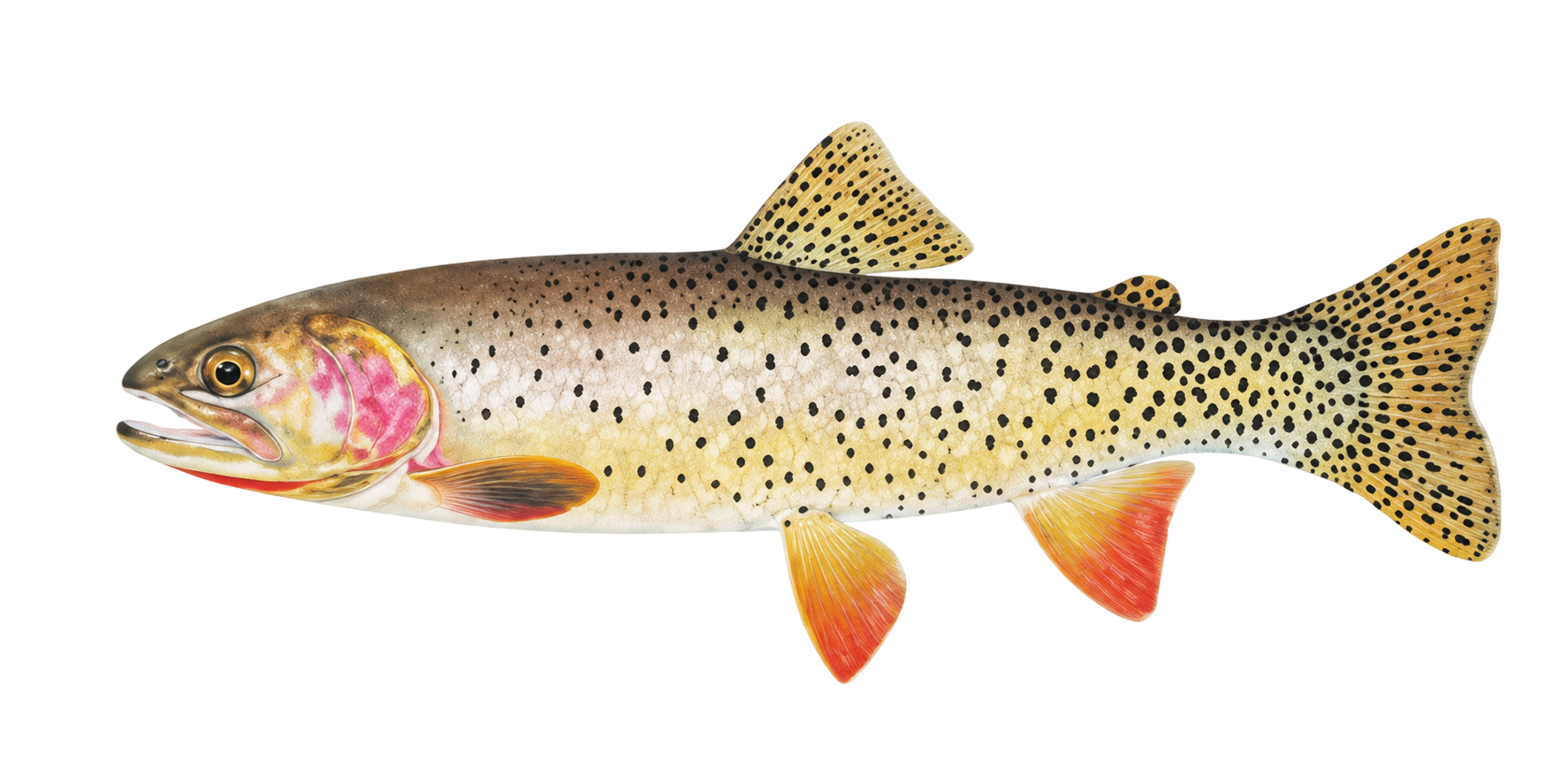
Westslope Cutthroat Trout
Yellowstone Cutthroat Trout

Grasshopper Photos

Variant One
Variant Two

On this page

OverviewLife CycleFly TyingWhere It HatchesFly PatternsAngler NotesIdentificationHabitatEaten ByPhotos

Share & plan

IDFG Planner

On this profile

  • 51 waters
  • 3 fly patterns
  • 15 predator species
  • 3 tying videos
  • 4 life stages

Explore

Browse all hatches & forage
  • Legs (Alternate)Wapsi Barred Round Rubber Legs - Brown/Gold