Barbless.coBarbless.co
  • Home
  • Map
  • Reports
  • Guides
  • Fish
  • Hatches
  • Podcast
Sign in
Barbless.co

The more you understand, the more there is to see.

  • IdahoLive
  • CaliforniaSoon

Explore

  • Map
  • Reports
  • Browse reports
  • By region

Waters

  • River search
  • Guides & outfitters

Learn

  • Fish species
  • Hatches & forage
  • Podcast

Company

  • About
  • Contact
  • Editorial policy
  • Releases
  • Legal

© 2026 Barbless.co. Flow and gauge data from USGS; weather from Open-Meteo. · v2026.10.18.2

  1. Home
  2. Hatches & Forage
  3. Terrestrials
  4. Beetle

Updated July 15, 2026

← Back to map
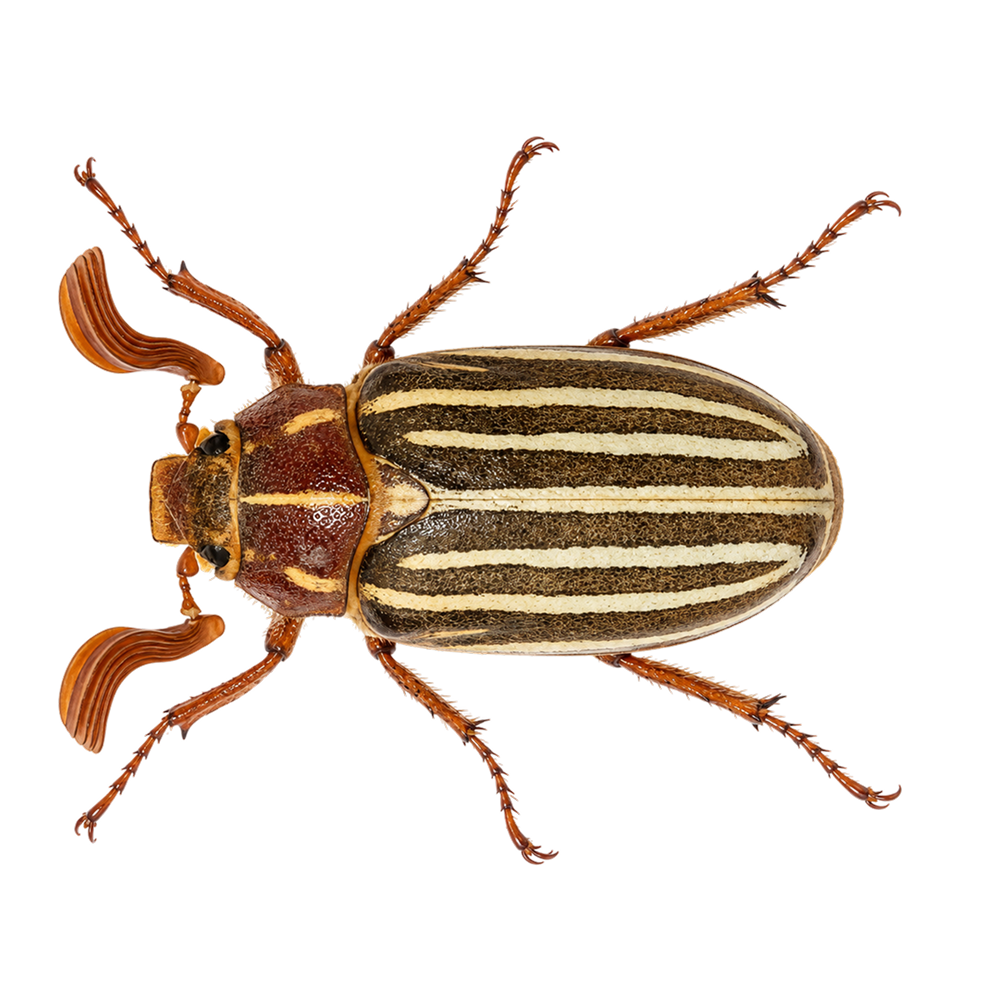
Beetle, Variant One
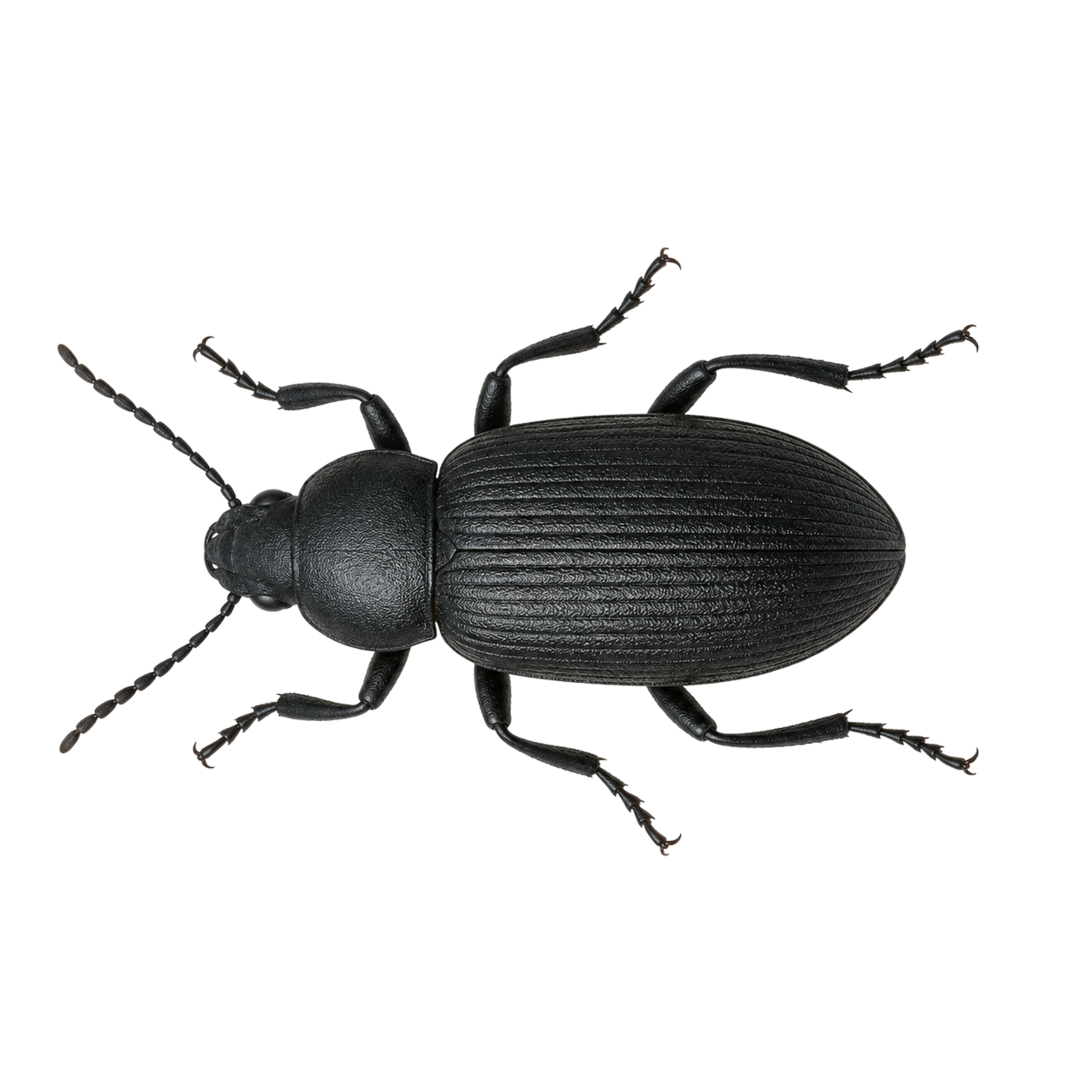
Beetle, Variant Two
Variant One

Hatches › Terrestrial

Terrestrial

Beetle

Coleoptera · order

Beetles are high-calorie terrestrials that become easy trout meals when blown or dropped onto the water.

Overview

Category

Terrestrial

Category

Terrestrial

Category

The insect or forage category for this profile.

Size

Varies widely by species; most fly imitations fish well in small to medium terrestrial sizes.

Size

Varies widely by species; most fly imitations fish well in small to medium terrestrial sizes.

Size

Typical size range anglers imitate on the water.

Key stages

Eggs, First Instar, Second Instar, Third Instar, Pupa, Adult

Key stages

Eggs, First Instar, Second Instar, Third Instar, Pupa, Adult

Key stages

Life stages most relevant to fly fishing this hatch or forage.

Water types

rivers, streams, creeks, spring creeks, lakes, pond edges

Water types

rivers, streams, creeks, spring creeks, lakes, pond edges

Water types

Water types where this bug or forage is commonly found.

About Beetle

Beetles are insects in the order Coleoptera, defined by hardened forewings called elytra. With enormous diversity and many forms living around bankside vegetation, the adult stage is the one anglers most often imitate when fish key on terrestrials.

Life Cycle

Beetles undergo complete metamorphosis, developing from eggs through grub-like larvae and pupae before emerging as adults. These insects are common in diverse environments like streambanks and wooded areas, making them an important food source for trout.
Eggs

Eggs

Female beetles deposit their eggs in soil or decaying wood, providing a nursery for the young as they begin to develop.

First Instar

First Instar

Tiny grubs hatch from the eggs and immediately start feeding on decaying organic matter to grow.

Second Instar

Second Instar

At this stage, the larvae continue to grow in size and consume food, typically remaining below the surface.

Third Instar

Third Instar

These larger grubs focus on storing energy, which is crucial for their upcoming transformation into the pupal stage.

Pupa

Pupa

Inside a protected chamber, the beetle transforms, developing its full adult body structure during this resting stage.

adult

adult

Adult beetles emerge from their pupal stage in the soil or rotting wood. They are then capable of crawling or flying, often found in streamside habitats.

Stages
Complete metamorphosis: egg, larva, pupa, adult. For anglers, the adult is the key stage because land-dwelling beetles commonly end up on the water by accident.
Emergence cues
Not a true aquatic hatch; fishing improves when warm-season terrestrial activity is up and beetles are active on streamside vegetation, especially during breezy periods or when insects are knocked into the water.
Behavior
Adults live in many habitats and often crawl, cling, or fly among plants, wood, and debris. On the water they usually appear as accidental fall-ins, floating low, struggling, or drifting helplessly.

Where It Hatches

Beetle

One species, multiple rivers.
RiverJANFEBMARAPRMAYJUNJULAUGSEPOCTNOVDEC
  • Big Lost River
  • Big Wood River
  • Birch Creek
  • Blackfoot River
  • Boise River, Strawberry Glen to Barber Dam
  • Coeur d'Alene River
  • Fall River
  • Henrys Fork of the Snake River
  • Kelly Creek
  • Kootenai River
  • Lemhi River
  • Little North Fork Clearwater River
  • Little Salmon River
  • Little Wood River
  • Lochsa River
  • Middle Fork Salmon River
  • North Fork Big Wood River
  • North Fork Clearwater River
  • North Fork Coeur d'Alene River
  • North Fork Payette River
  • North Fork Saint Joe River
  • Owyhee River
  • Pahsimeroi River
  • Portneuf River
  • Priest River
  • Saint Joe River
  • Saint Maries River
  • Salmon River
  • Selway River
  • Silver Creek
  • Snake River, Osgood Diversion Dam to Henrys Fork
  • South Fork Boise River
  • South Fork Payette River
  • South Fork Snake River
  • Teton River
  • Valley Creek
  • Warm River

Fly Patterns

  • Foam Beetle#12-18

Angler Notes

Why it matters
Beetles are common, protein-rich accidentals. Fish may not key on them every day, but they are convincing searching patterns whenever trout are looking up along grassy or brushy edges.
Imitation tips
Use simple foam or hard-backed beetle patterns with a clean oval silhouette, dark body, and a low-riding footprint. A small indicator post or hi-vis spot helps track the fly without changing the overall look too much.
Key life stages
adult
Presentation
Fish them close to cover: tight to banks, under limbs, beside grass, and along shoreline seams. Drift them dead, let them splat occasionally, and add the occasional subtle twitch if fish seem willing to chase a struggling terrestrial.

Identification

Key features
Compact, hard-bodied insect with a distinct shell-backed look from the hardened wing covers; usually oval to elongated, with short legs and a low profile on the surface.
Size
Varies widely by species; most fly imitations fish well in small to medium terrestrial sizes.
Coloration
Commonly black, brown, olive, or dark iridescent tones; some species are brighter, but dark silhouettes are most typical for fishing flies.
Similar bugs
anthopperweevillady beetle

Habitat

Water types
riversstreamscreeksspring creekslakespond edges
Substrate
Not tied to aquatic substrate; most relevant near grassy banks, brush, overhanging limbs, reeds, logs, and shoreline vegetation where adults can fall into the water.
Conditions
Most important anywhere fish feed tight to banks, under overhangs, along cutbanks, or beside vegetated shorelines; especially useful in calm edges, seams, and drift lanes that collect terrestrials.

Eaten By

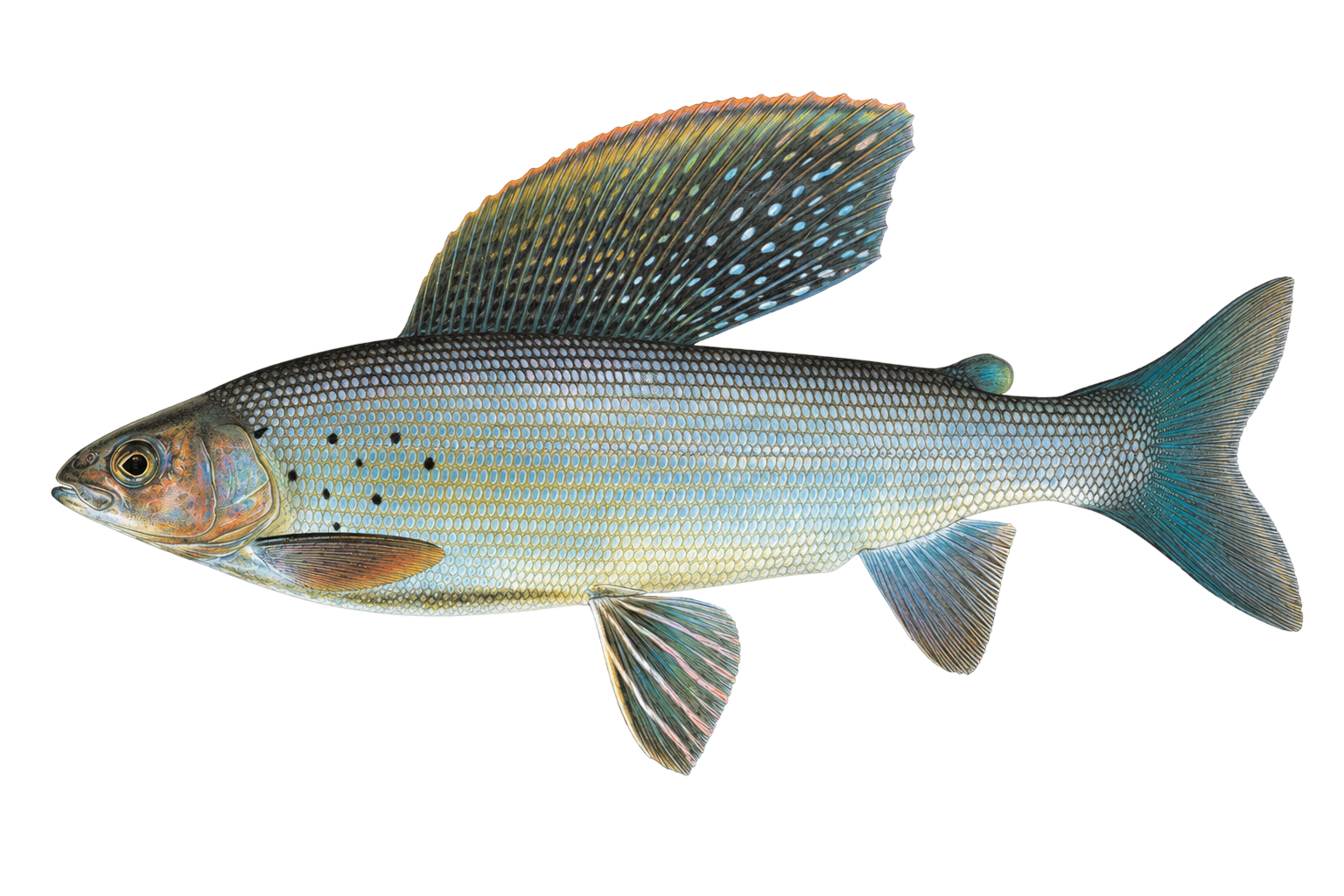
Arctic Grayling
Arctic Grayling
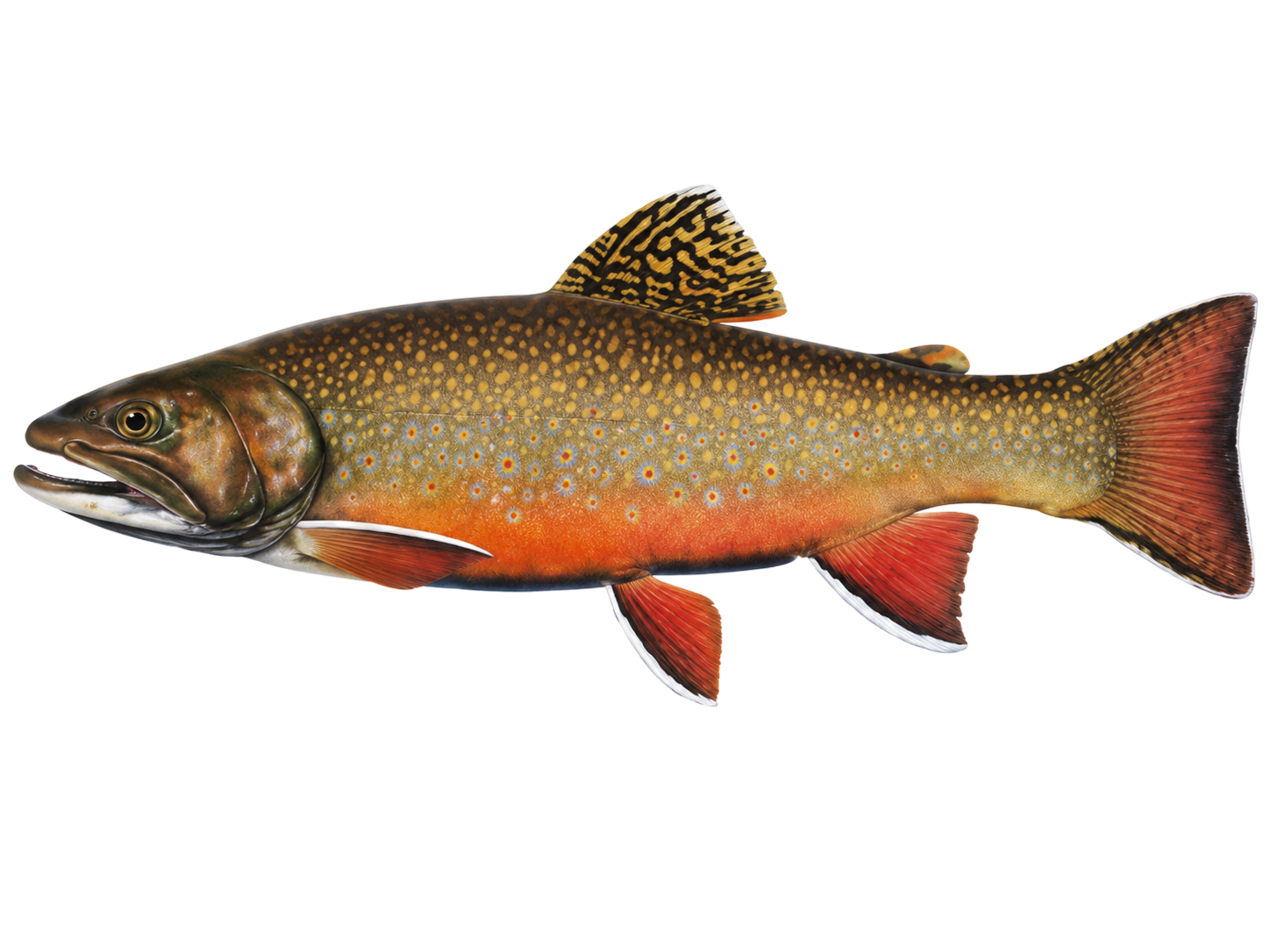
Brook Trout
Brook Trout
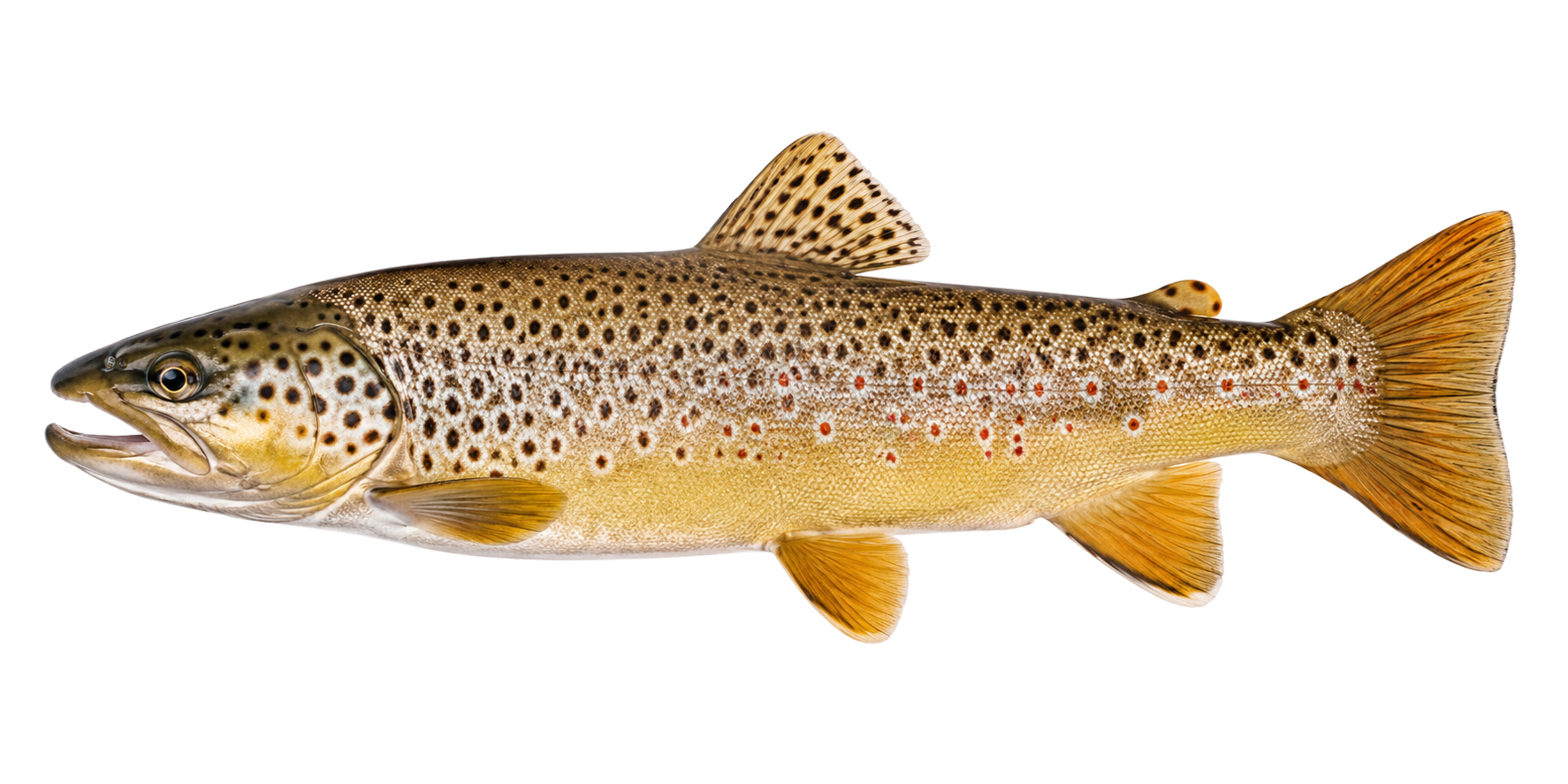
Brown Trout
Brown Trout
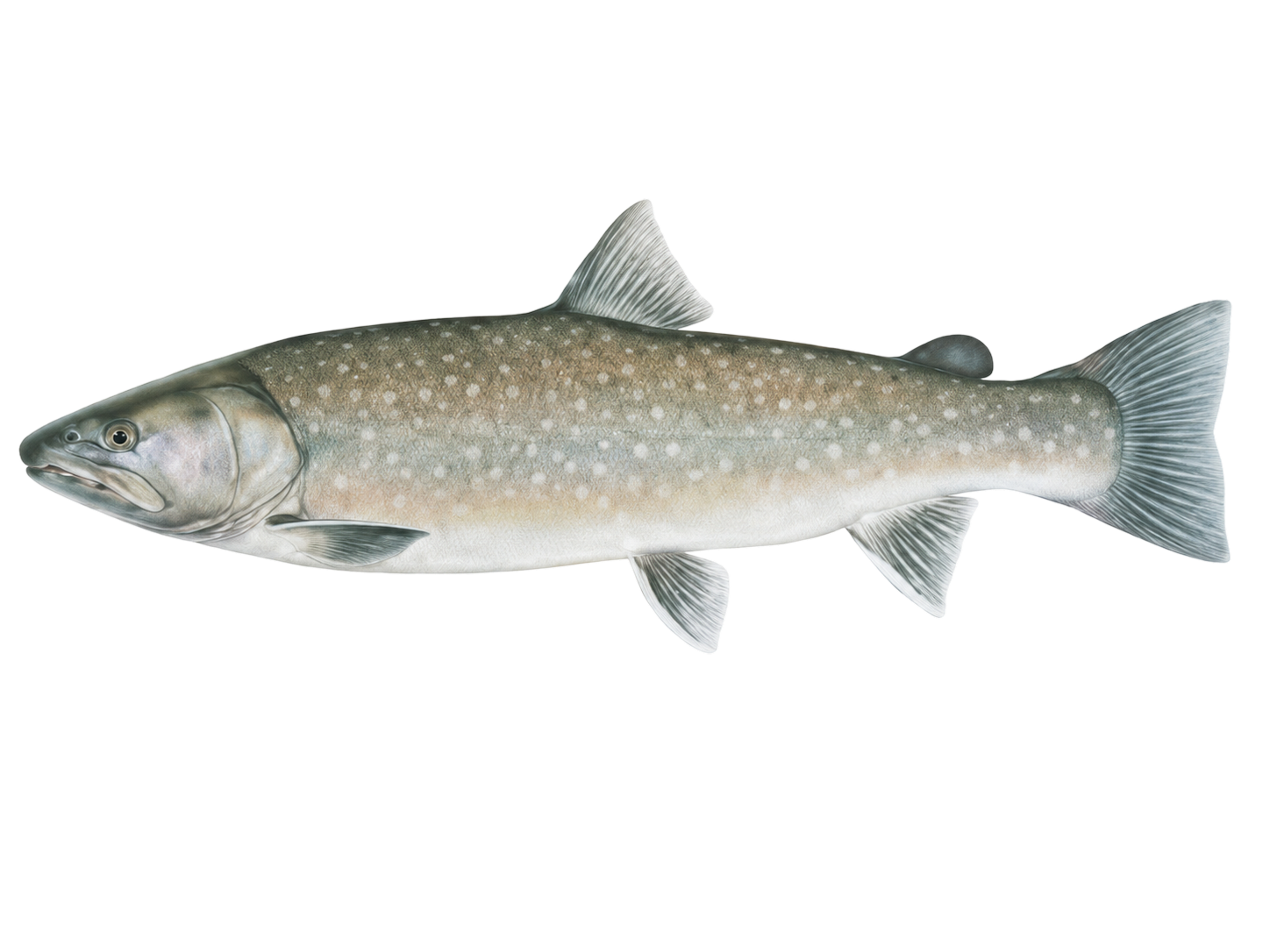
Bull Trout
Bull Trout
Cutbow Trout
Cutbow Trout
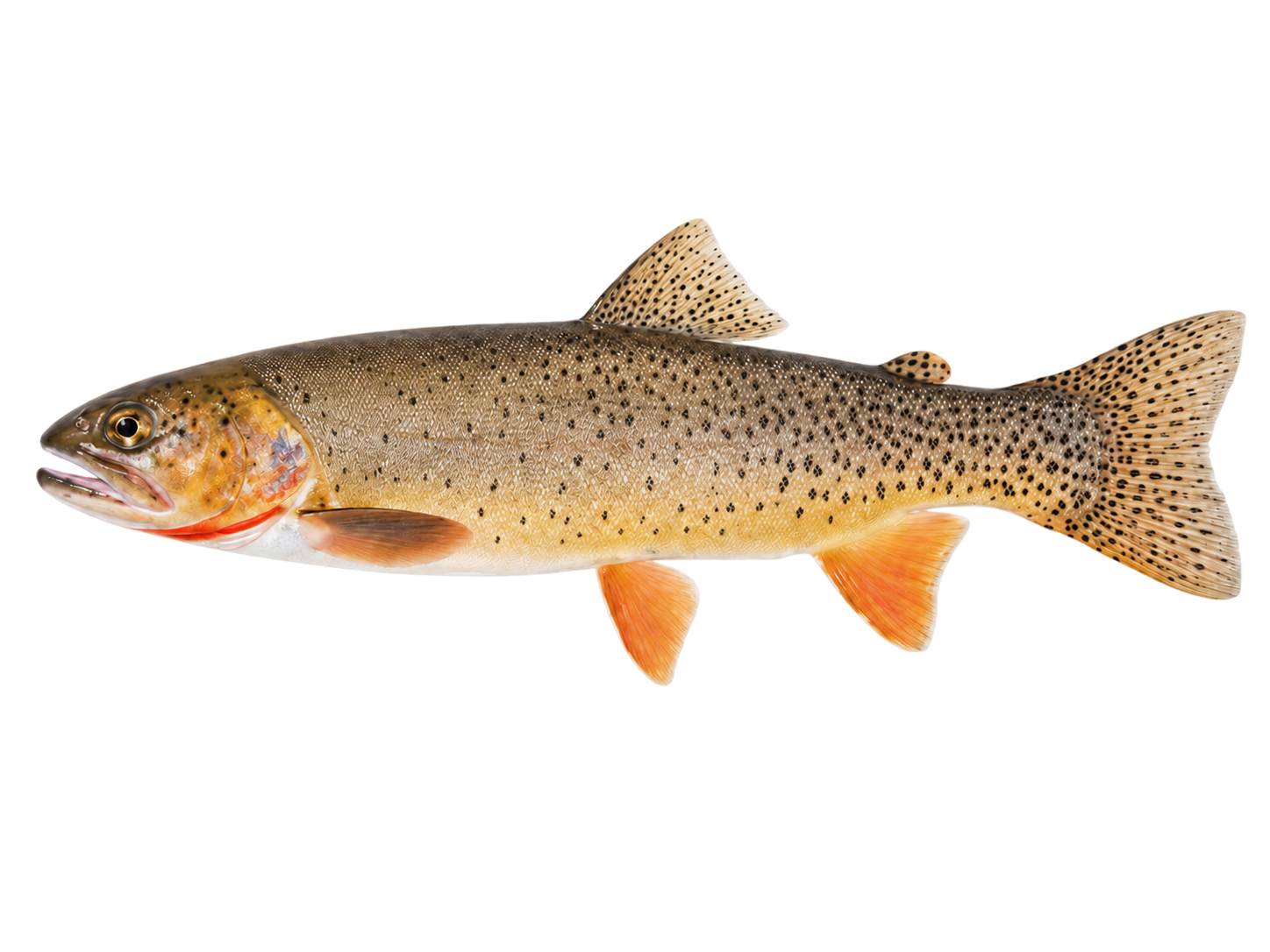
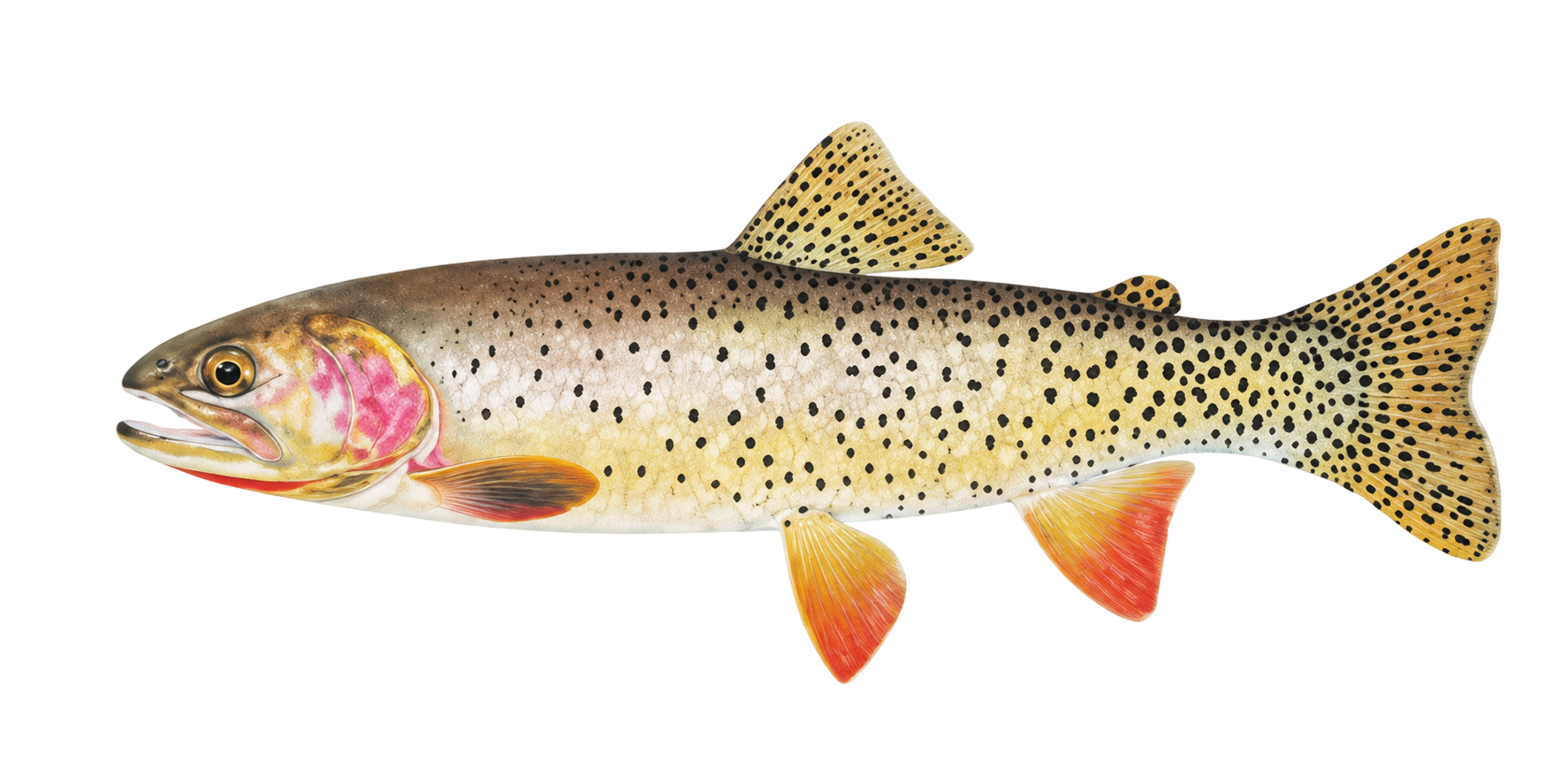
Cutthroat Trout
Cutthroat Trout
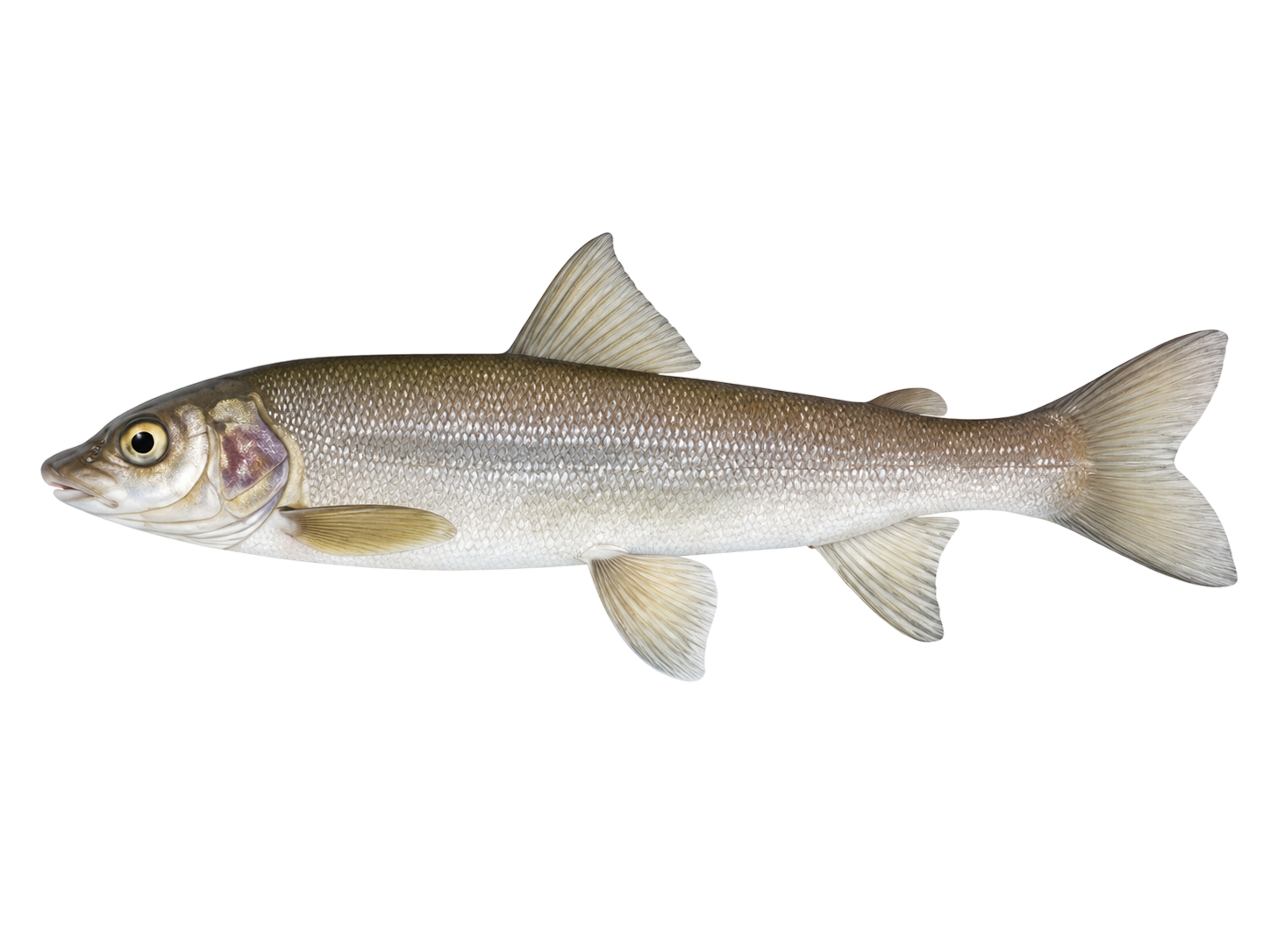
Mountain Whitefish
Mountain Whitefish
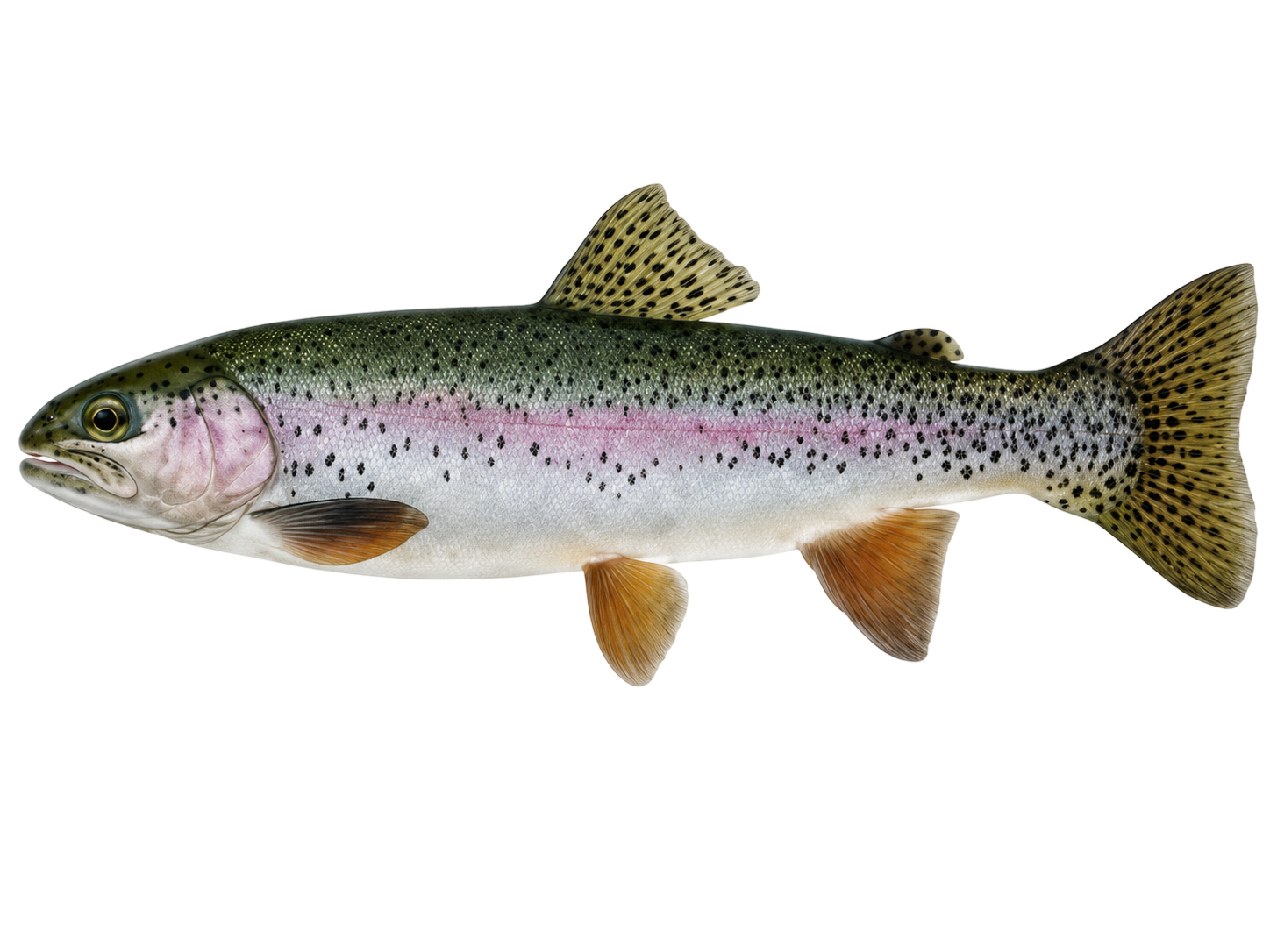
Rainbow Trout
Rainbow Trout
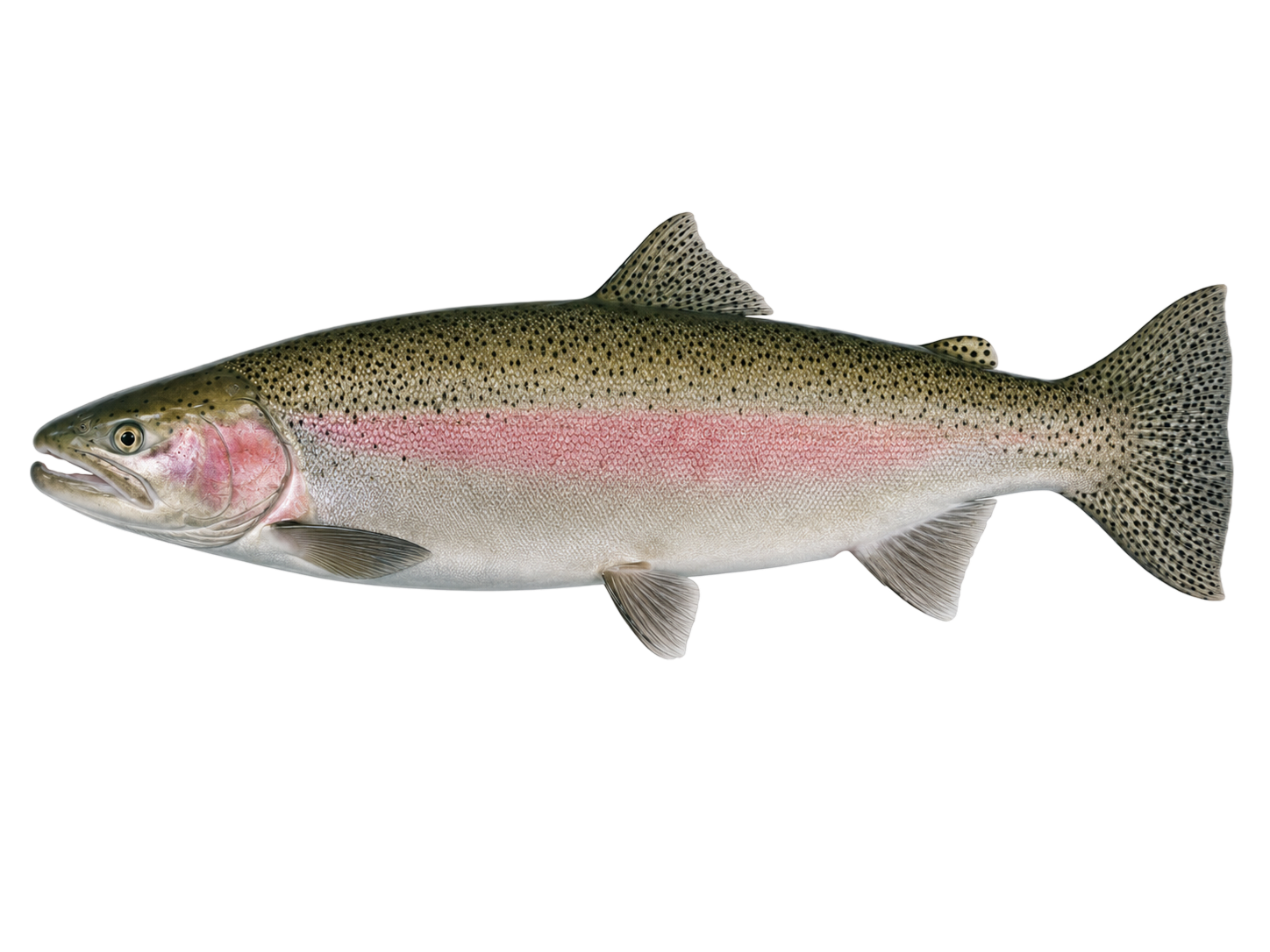
Steelhead
Steelhead
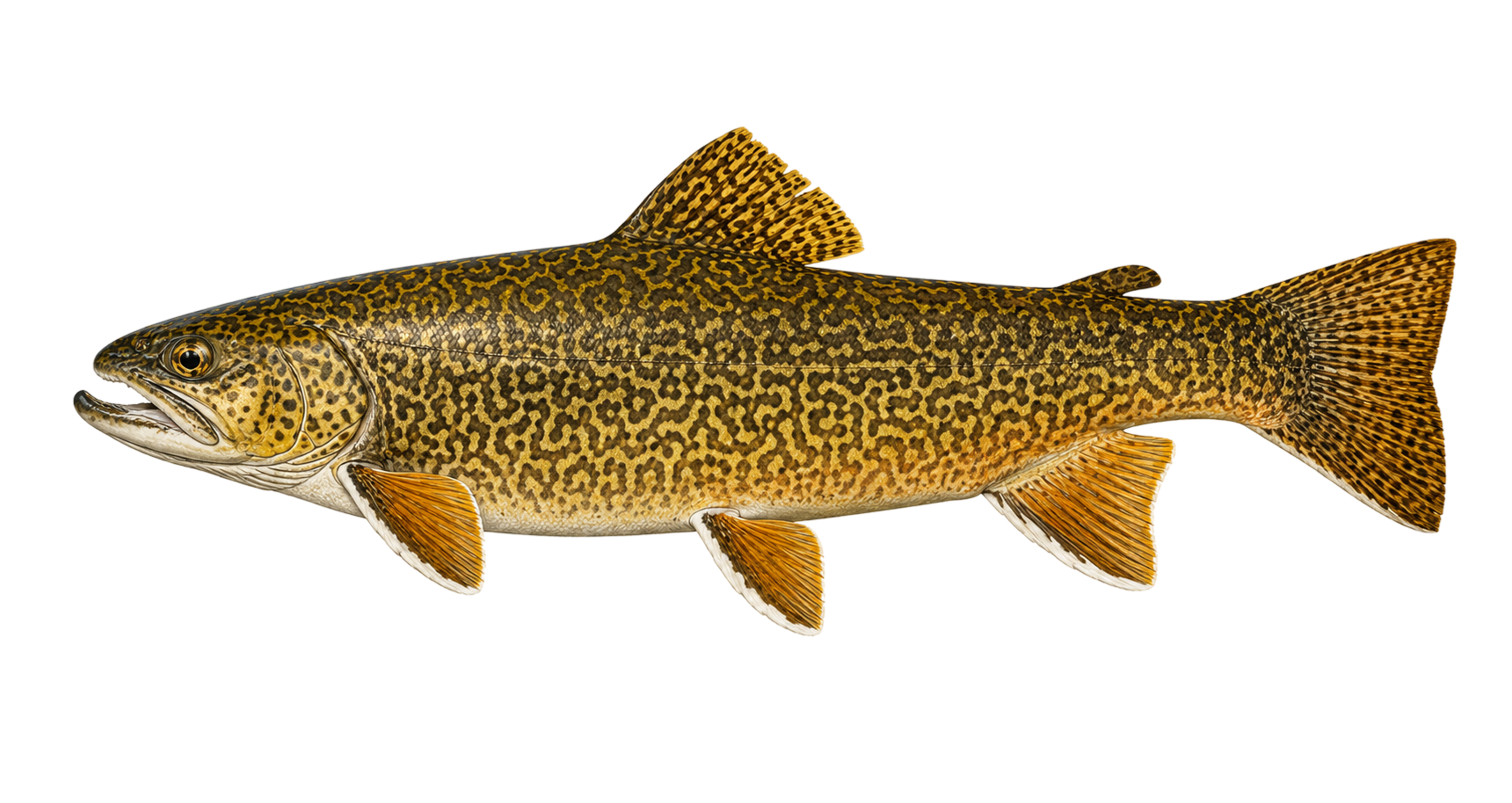
Tiger Trout
Tiger Trout
Westslope Cutthroat Trout
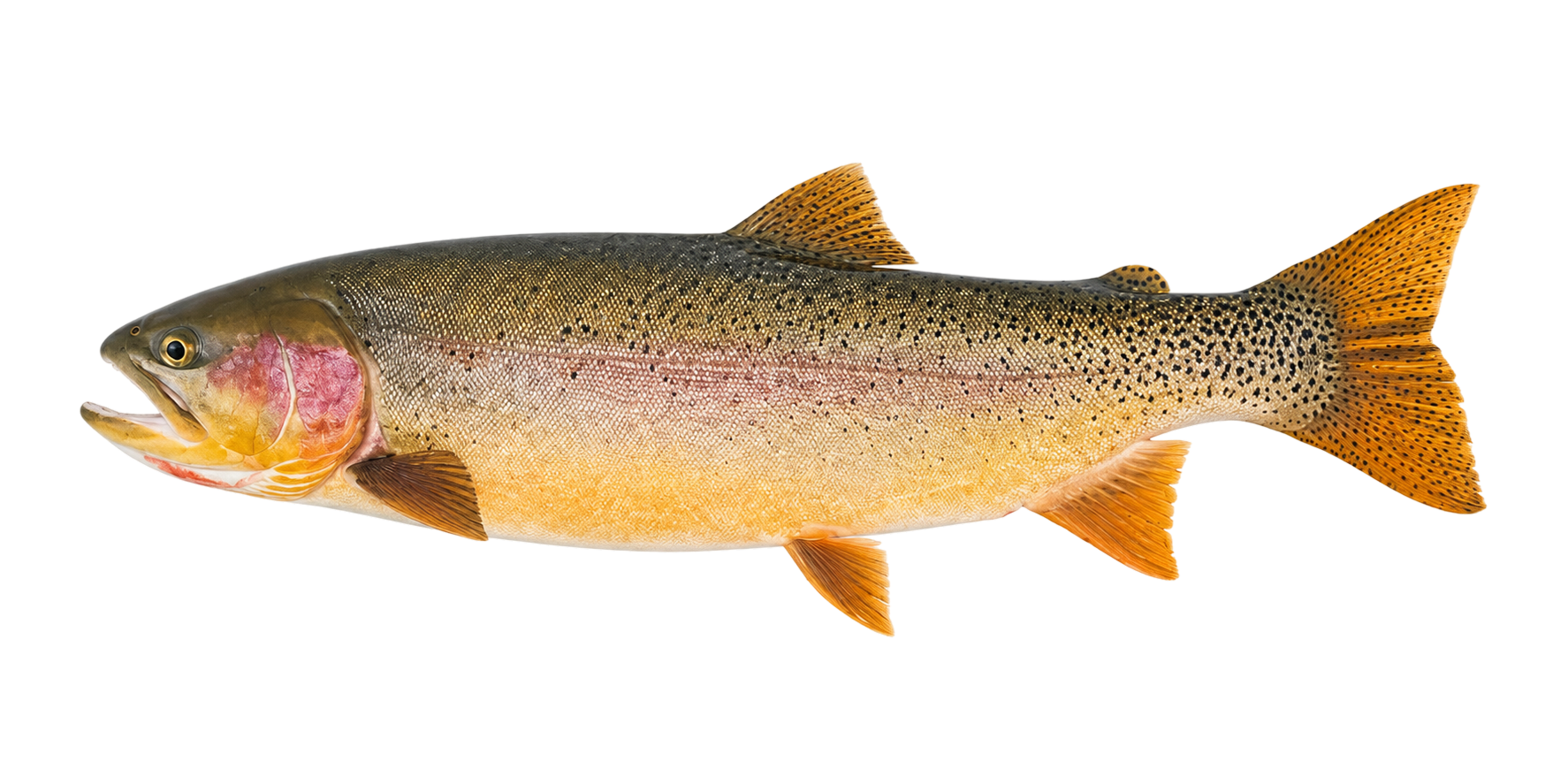
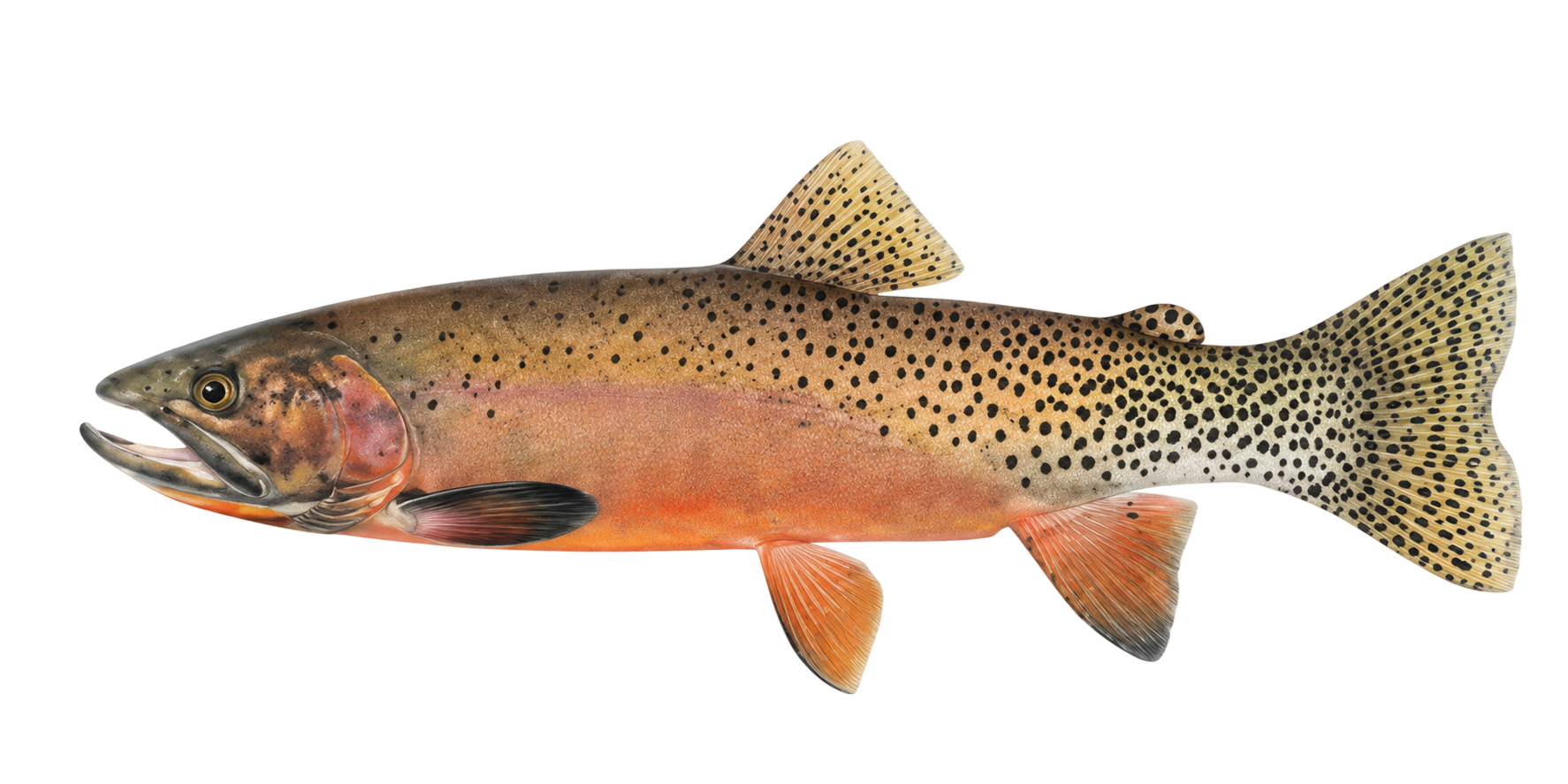
Yellowstone Cutthroat Trout

Beetle Photos

Variant One
Variant Two

On this page

OverviewLife CycleWhere It HatchesFly PatternsAngler NotesIdentificationHabitatEaten ByPhotos

Share & plan

IDFG Planner

On this profile

  • 37 waters
  • 1 fly pattern
  • 12 predator species
  • 6 life stages

Explore

Browse all hatches & forage