Updated
← Back to map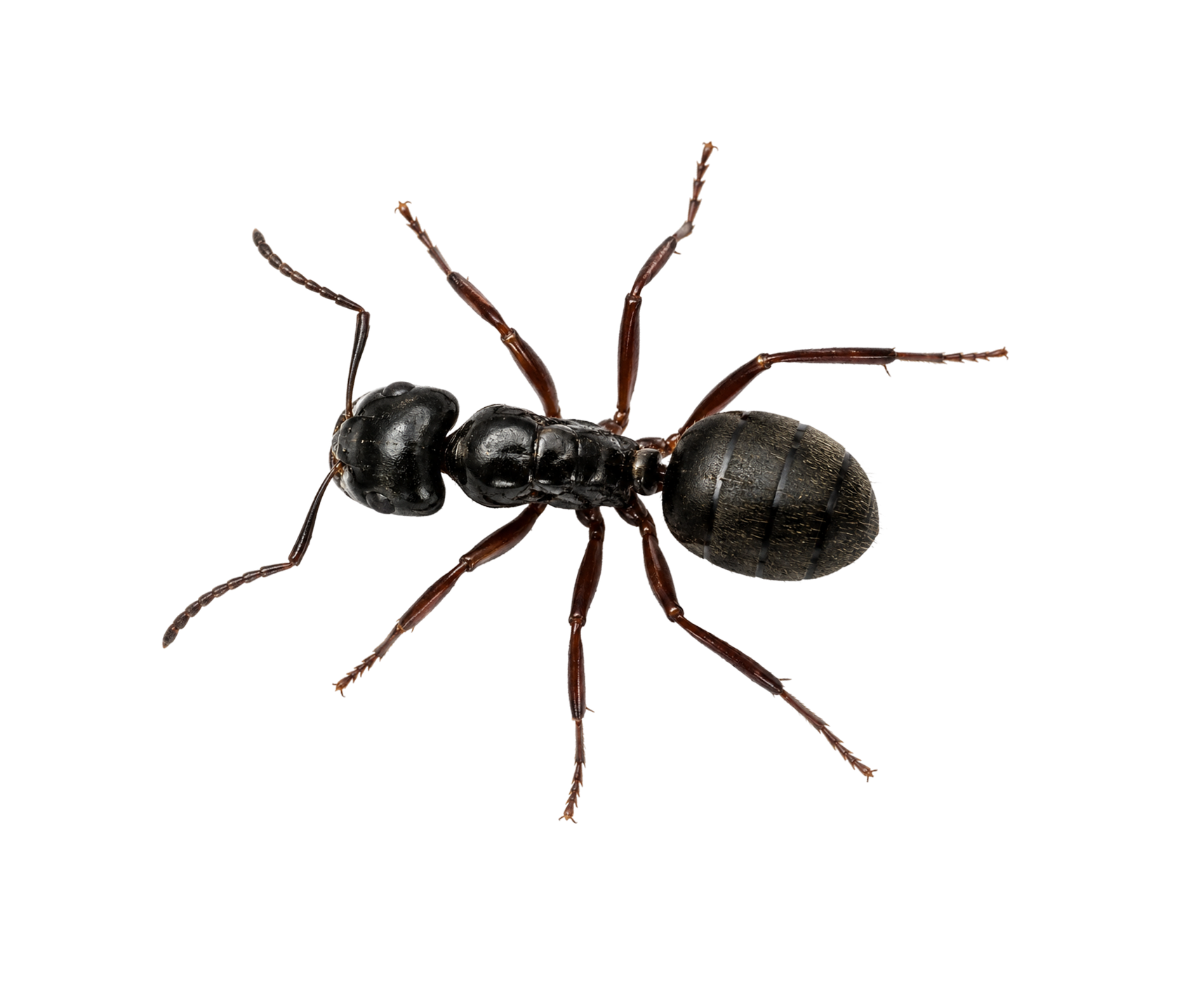
Hatches › Terrestrial
Formicidae · family
A simple summer prospecting bug, ants are common bank-side terrestrials that trout rarely ignore.
Category
Terrestrial
Category
The insect or forage category for this profile.
Size
Usually small, commonly matching flies from about #12-20 depending on species and profile.
Size
Typical size range anglers imitate on the water.
Key stages
Egg, Larvae, Pupa, Adult
Key stages
Life stages most relevant to fly fishing this hatch or forage.
Water types
rivers, streams, creeks, lakes, pond edges
Water types
Water types where this bug or forage is commonly found.
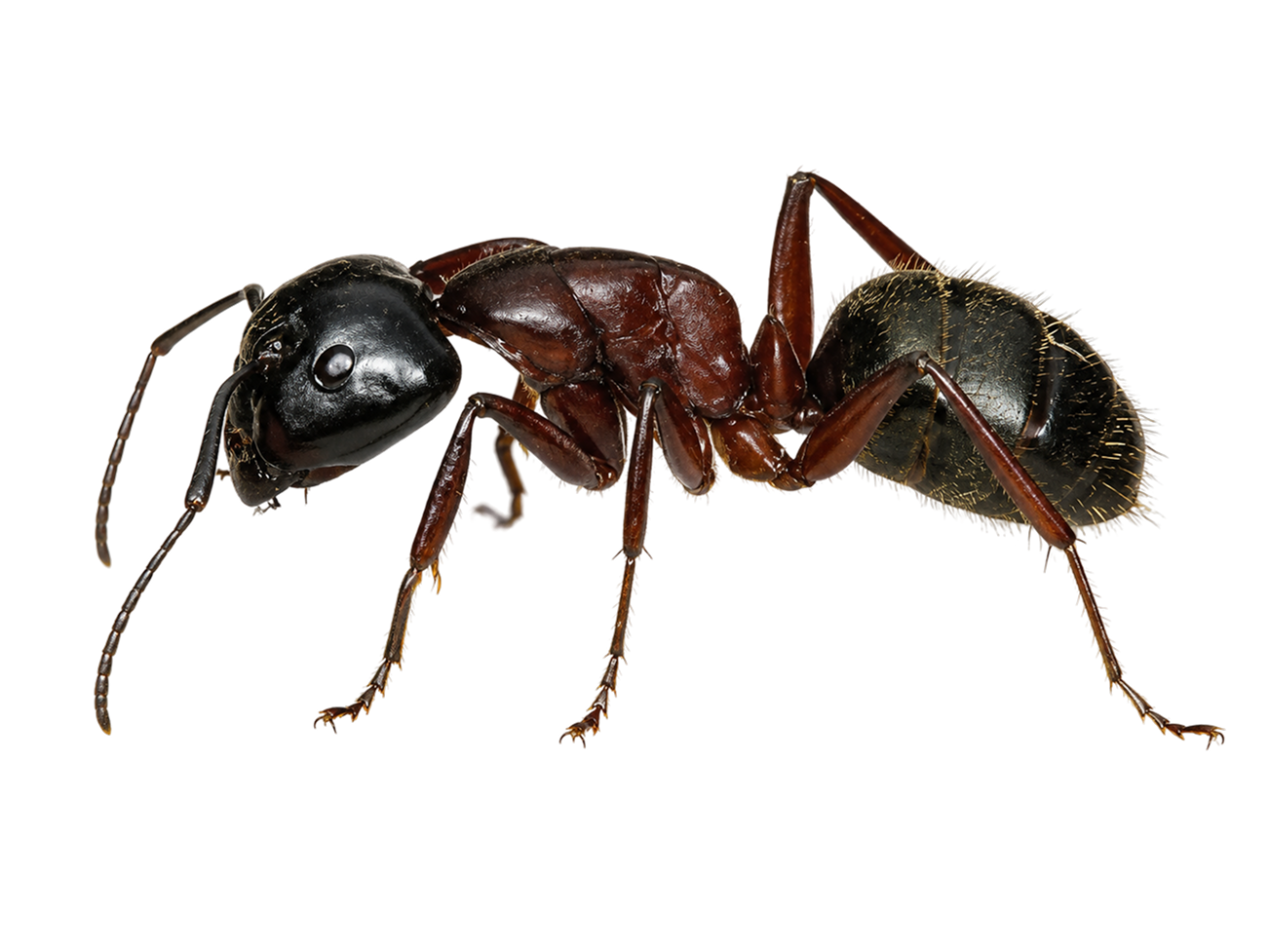
Ants are terrestrial insects in the family Formicidae, order Hymenoptera, recognized by elbowed antennae and a narrow, node-like waist. Though not aquatic, they regularly fall or get blown into the water and become an important opportunistic food item for fish.

Ant life begins as tiny eggs, meticulously cared for within the protective environment of the colony.

After hatching, these worm-like larvae are continuously fed by worker ants, growing rapidly inside the nest.

During the pupal stage, the ant undergoes a significant transformation, developing into its full adult form while protected within a cocoon-like casing.

Ants emerge from their pupal stage as fully developed adults, taking on specialized roles as workers, queens, or males within the ant colony.
Ant
One species, multiple rivers.