Barbless.coBarbless.co
  • Home
  • Map
  • Reports
  • Guides
  • Fish
  • Hatches
  • Podcast
Sign in
Barbless.co

The more you understand, the more there is to see.

  • IdahoLive
  • CaliforniaSoon

Explore

  • Map
  • Reports
  • Browse reports
  • By region

Waters

  • River search
  • Guides & outfitters

Learn

  • Fish species
  • Hatches & forage
  • Podcast

Company

  • About
  • Contact
  • Editorial policy
  • Releases
  • Legal

© 2026 Barbless.co. Flow and gauge data from USGS; weather from Open-Meteo. · v2026.10.18.2

  1. Home
  2. Hatches & Forage
  3. Mayflies
  4. Pale Morning Dun

Updated July 20, 2026

← Back to map
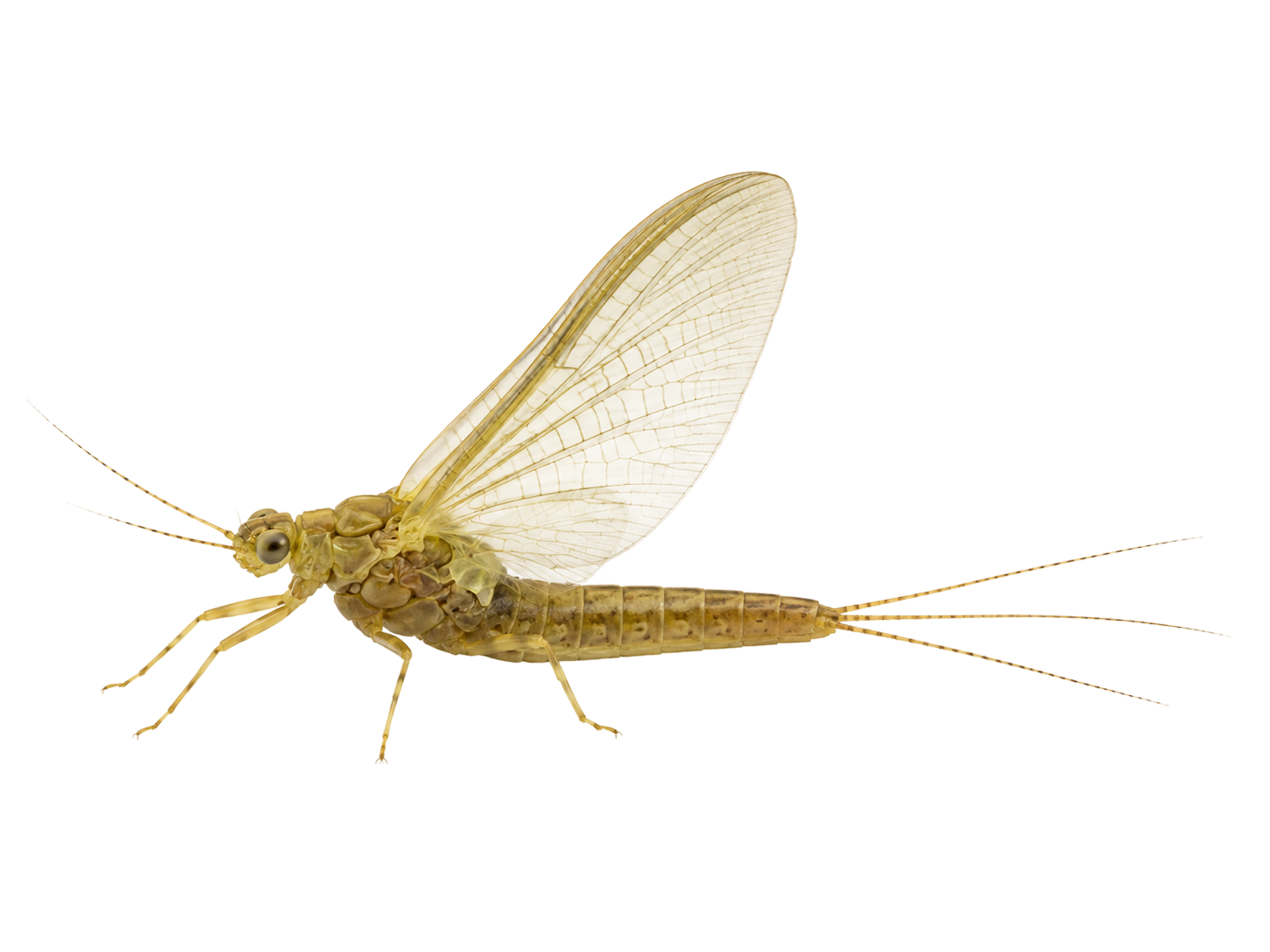
Pale Morning Dun, Adult
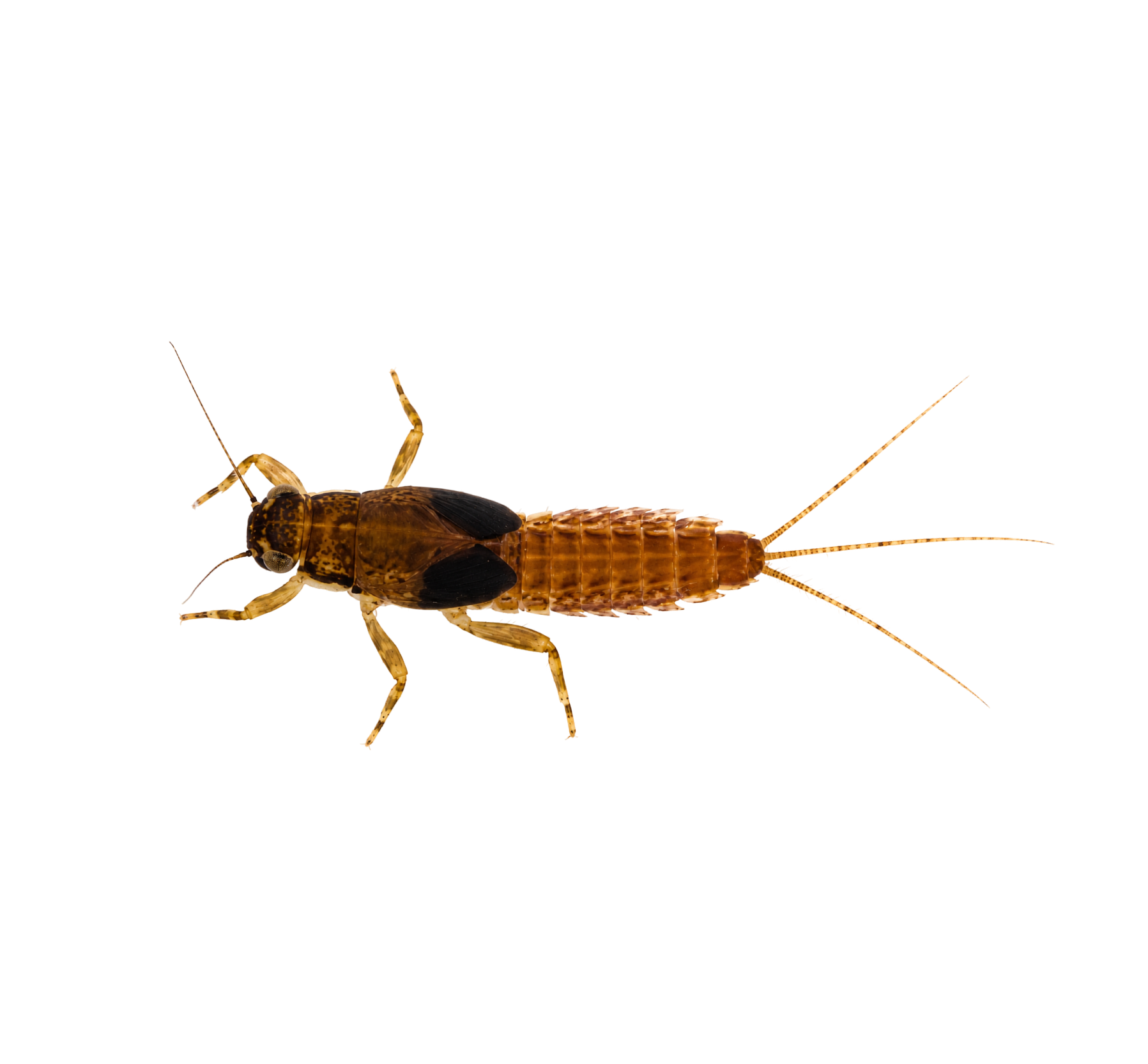
Pale Morning Dun, Nymph
Adult

Hatches › Mayfly

Mayfly

Pale Morning Dun

Ephemerella excrucians · species

A dependable mayfly match when trout key on pale nymphs, emergers, duns, and spent spinners.

Overview

Category

Mayfly

Category

Mayfly

Category

The insect or forage category for this profile.

Size

Typically imitated in moderate mayfly sizes, often around #14–18 depending on water and hatch.

Size

Typically imitated in moderate mayfly sizes, often around #14–18 depending on water and hatch.

Size

Typical size range anglers imitate on the water.

Key stages

Eggs, Nymph, Emerger, Dun, Spinner, Egg Laying Spinner, Spent Spinner

Key stages

Eggs, Nymph, Emerger, Dun, Spinner, Egg Laying Spinner, Spent Spinner

Key stages

Life stages most relevant to fly fishing this hatch or forage.

Water types

Rivers, Streams, Riffle-to-run sections

Water types

Rivers, Streams, Riffle-to-run sections

Water types

Water types where this bug or forage is commonly found.

About Pale Morning Dun

Pale Morning Dun refers here to Ephemerella excrucians, a spiny crawler mayfly in the family Ephemerellidae. It is found across Canada and the continental United States, making it a familiar hatch for Idaho anglers.

Also known as: PMD

Life Cycle

Mayflies, like the Pale Morning Dun, begin their lives underwater as nymphs. They then emerge, mature into adults, mate, lay their eggs, and complete their brief existence floating on the water's surface.
Eggs

Eggs

Female mayflies lay hundreds to thousands of eggs either in or near the water. These eggs eventually sink to the stream bottom, where they will develop.

Nymph

Nymph

Nymphs spend the majority of their lives on the stream bottom. They feed and grow, undergoing several molts as they mature.

Emerger

Emerger

As the nymph matures, it rises to the water's surface. At this point, the adult form begins to hatch from its nymphal shuck.

Dun

Dun

The newly emerged adult, known as a dun, rests on or just above the water's surface. It allows its wings to dry and harden before further transformation.

Spinner

Spinner

Mated adult mayflies, now in their spinner stage, ascend into the air. This aerial phase is primarily for mating and reproduction.

Egg Laying Spinner

Egg Laying Spinner

After mating, the female spinner returns to the water's surface. She carefully deposits her eggs to ensure the continuation of the species.

Spent Spinner

Spent Spinner

Following egg-laying, adult mayflies die. Their spent bodies often float on the water's surface, becoming an easy meal for fish.

Stages
Anglers commonly fish the nymph, emerger, dun, and spinner stages. As a mayfly, it develops underwater before emerging to the winged dun stage, then molts again into a spinner.
Emergence cues
Look for activity during typical mayfly emergence periods in the warmer part of the fishing season, especially once flows and water temperatures stabilize; hatches are often most noticeable from late morning into afternoon, with spinner falls later in the day.
Behavior
Nymphs are active on the bottom and in the drift, emergers rise through the water column, duns ride the surface as they dry, and spinners return spent with flat wings after mating.

How to Tie Pale Morning Dun Patterns

Nymph

Fly Tying Tutorial: Hogan's Two Tone (Pale Morning Dun Nymph)

Loon Outdoors

Materials

  • Hook16Firehole 516 nymph jig hook
  • Bead3/32ndCopper slotted bead
  • Thread #18/0Rusty Brown
  • Thread #28/0Light Cahill
  • TailWood Duck Mallard Flank
  • RibRootbeer Midge Flash, Copper Brown small uni wire
  • Body8/0Rust Brown
  • TopPrince nymph brown Goose Biot
  • Abdomen8/0Light Cahill
  • Wing CasePrince Nymph Brown Goose Biot
  • LegsOlive Brown Antron/Poly Yarn
Emerger

Fly Tying Tutorial: Hogan's Simple PMD Emerger

Loon Outdoors

Materials

  • Hook16 or 18Tiemco 3761 Standard Wet Fly Hook
  • Bead3/32ndCopper
  • Thread #1Uni Thread - Rusty Brown
  • Thread #2Uni Thread - Light Cahill
  • TailPheasant Tail
  • Body #1Uni Wire - Small Copper Brown
  • Body #2Ice Dub - Pheasant Tail
  • LegsMallard Flank

Dun

PMD Trigger Point Usual

tightlinevideo

Materials

  • Hook#12-18Fulling Mill 5050
  • Thread10/0Pale yellow Veevus
  • DubbingPale Yellow beaver-fur
  • Medium Caddis Grey EP Trigger Point FibersTail & wing
  • DubbingBody - Pale Yellow beaver-fur

Egg Laying Spinner

Yellow PMD Spinner Dry Fly with Eric Austin

Traditional Flies and Dries

Materials

  • Standard dry fly hook TMC100#16-20or equivalent
  • ThreadYellow
  • Microfibbets4-6light dun, splayed; or 6-8 light dun hackle strands
  • CDC feathers2light dun, mounted back to back, posted up, and split semi-spent
  • PMD dubbing

Spent Spinner

Rusty Spinner Spent PMD Fly Tying Video

Caddis Fly Angling Shop

Materials

  • Tiemco 100#16Hook
  • Semperfli Yellow Nanosilk50DThread
  • Hareline CDLGinger SpeckledTails
  • Hareline Turkey Biot QuillBrownAbdomen
  • Hareline Micro Fine Dry Fly DubSulphur YellowAbdomen
  • Zap-A-GapAbdomen
  • Hareline Super Fine Dry Fly DubTanThorax

Where It Hatches

Pale Morning Dun

One species, multiple rivers.

RiverJANFEBMARAPRMAYJUNJULAUGSEPOCTNOVDEC
  • Bear Valley Creek
  • Big Lost River
  • Big Wood River
  • Birch Creek
  • Blackfoot River
  • Boise River, Middleton to Eagle Road
  • Boise River, Strawberry Glen to Barber Dam
  • Coeur d'Alene River
  • Crooked Fork
  • Fall River
  • Henrys Fork of the Snake River
  • Kelly Creek
  • Kootenai River
  • Lemhi River
  • Little Lost River
  • Little North Fork Clearwater River
  • Little Salmon River
  • Little Wood River
  • Lochsa River
  • Loon Creek
  • Middle Fork Boise River
  • Middle Fork Salmon River
  • North Fork Big Wood River
  • North Fork Boise River
  • North Fork Clearwater River
  • North Fork Coeur d'Alene River
  • North Fork Payette River
  • North Fork Saint Joe River
  • Owyhee River
  • Pahsimeroi River
  • Portneuf River
  • Priest River
  • Saint Joe River
  • Saint Maries River
  • Salmon River
  • Selway River
  • Silver Creek
  • Snake River, Idaho Falls to American Falls Reservoir
  • Snake River, Lower Salmon Falls Dam to Bliss Dam (Hagerman / Thousand Springs)
  • Snake River, Osgood Diversion Dam to Henrys Fork
  • South Fork Boise River
  • South Fork Clearwater River
  • South Fork Payette River
  • South Fork Snake River
  • Teton River
  • Valley Creek
  • Warm River
  • Yankee Fork Salmon River

Pale Morning Dun on the podcast

  • On The Water With Harvest Wild - Aaron Grabiel

    Episode 101 · Aug 13, 2019

    On The Water With Harvest Wild - Aaron Grabiel

    Listen on the Barbless Podcast

Fly Patterns

  • Pheasant Tail Nymph#12-22
  • PMD Comparadun#16-20
  • PMD Emerger#16-20
  • PMD Sparkle Dun#16-20
  • Soft Hackle#12-18

Angler Notes

Why it matters
PMDs are a classic match-the-hatch bug because trout may feed on them in every phase, from drifting nymphs to vulnerable emergers, floating duns, and spent spinners.
Imitation tips
Carry a simple progression: a slim to slightly robust PMD nymph, a soft-hackle or cripple/emerger, a clean upright-wing dun, and a low-profile spinner. Keep colors in the pale yellow, cream, and light olive range, and adjust size before changing pattern style.
Key life stages
nymphemergerdunspinner
Presentation
Start below the surface with a dead-drift nymph through riffles and seams. When fish begin showing near the top, switch to an emerger or cripple in the film; move to a dun for steady surface takes, and finish with a flat-drifting spinner when trout key on spent adults.

Identification

Key features
A compact mayfly with a crawler-style nymph and pale-winged adult; anglers usually notice the slender profile, upright wings on duns, and spent-wing spinner silhouette.
Size
Typically imitated in moderate mayfly sizes, often around #14–18 depending on water and hatch.
Coloration
Usually pale yellow to creamy olive tones, with adults often showing light bodies and pale gray to yellowish wings.
Similar bugs
Flav / smaller PMDPale Evening DunBlue-Winged OliveLight Cahill-type mayflies

Habitat

Water types
RiversStreamsRiffle-to-run sections
Substrate
Commonly associated with rocky or mixed gravel-and-cobble bottoms where crawler nymphs can hold among substrate and current seams.
Conditions
Most relevant in moving water with good oxygen and a steady aquatic insect community; trout often key on them in clear to moderately stained conditions when mayflies are concentrated in the drift or on the surface.

Eaten By

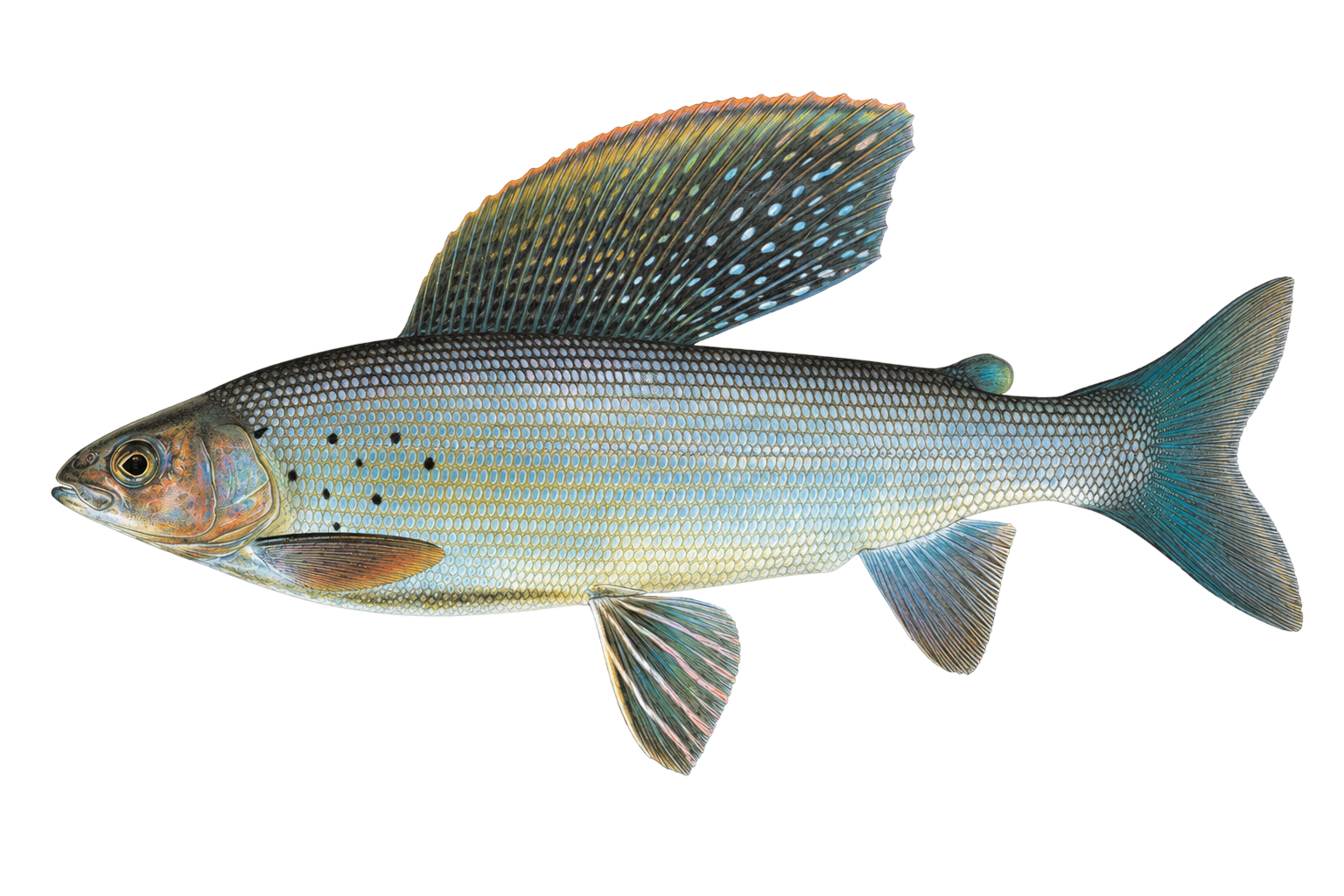
Arctic Grayling
Arctic Grayling
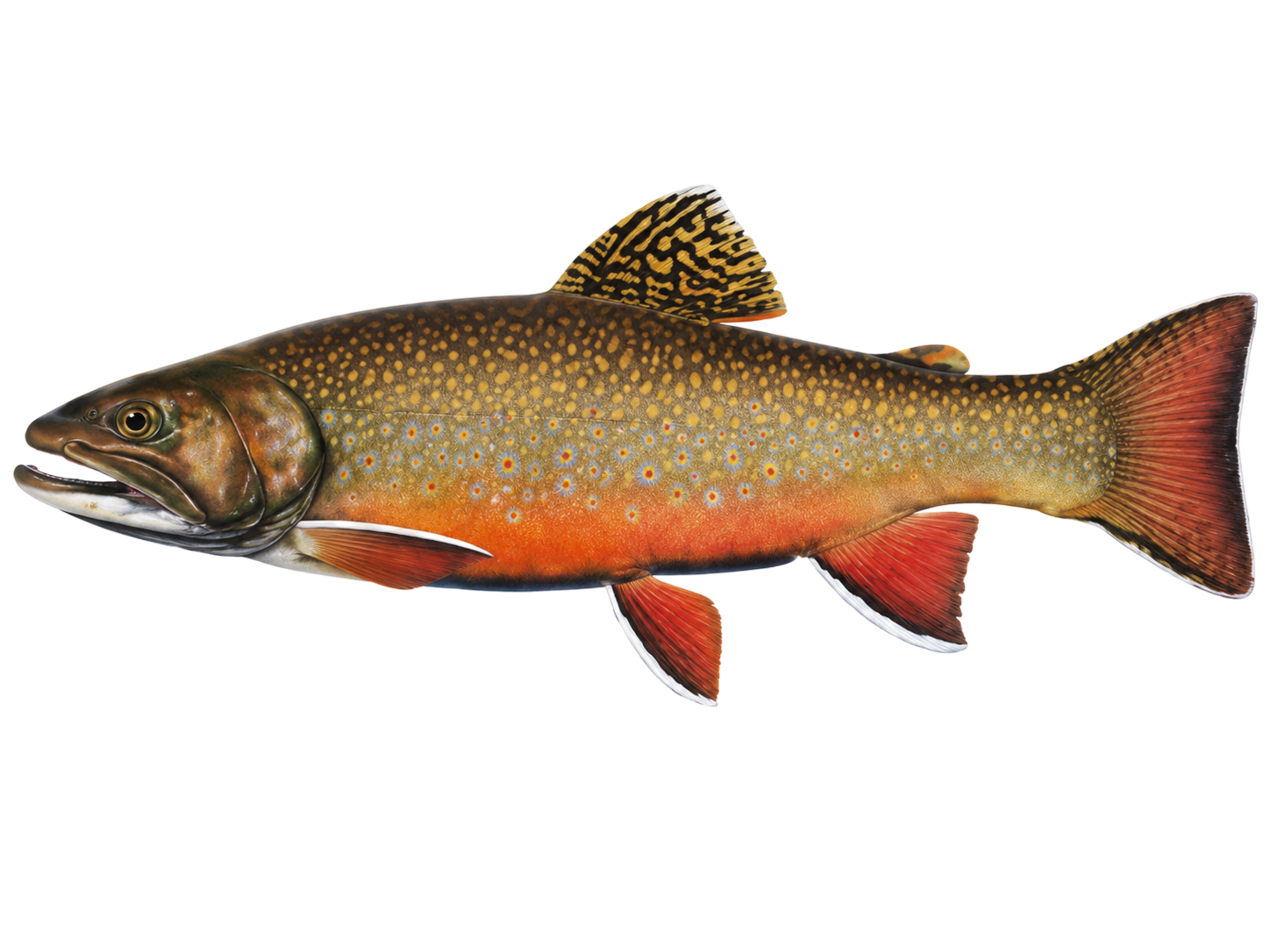
Brook Trout
Brook Trout
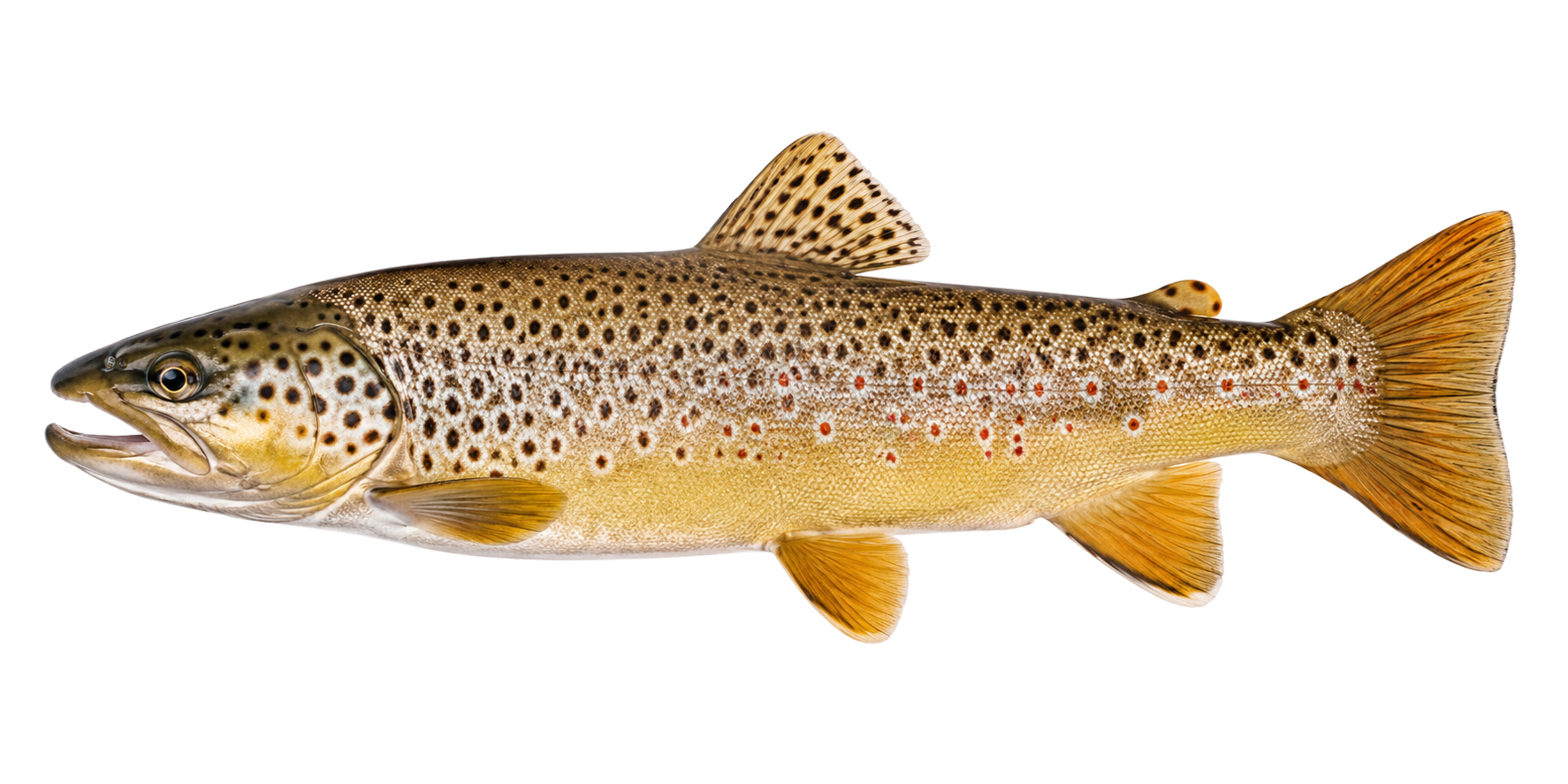
Brown Trout
Brown Trout
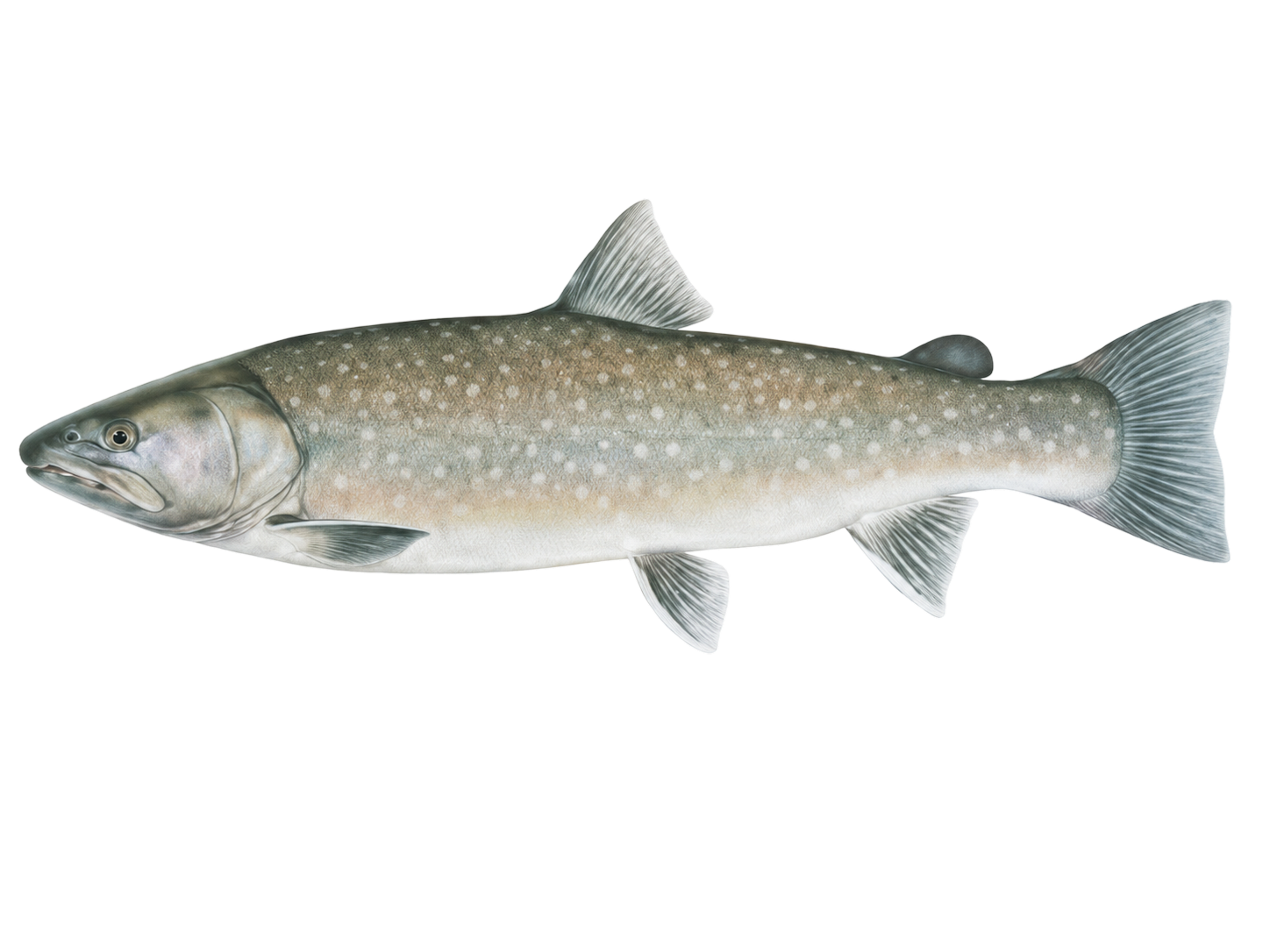
Bull Trout
Bull Trout
Cutbow Trout
Cutbow Trout
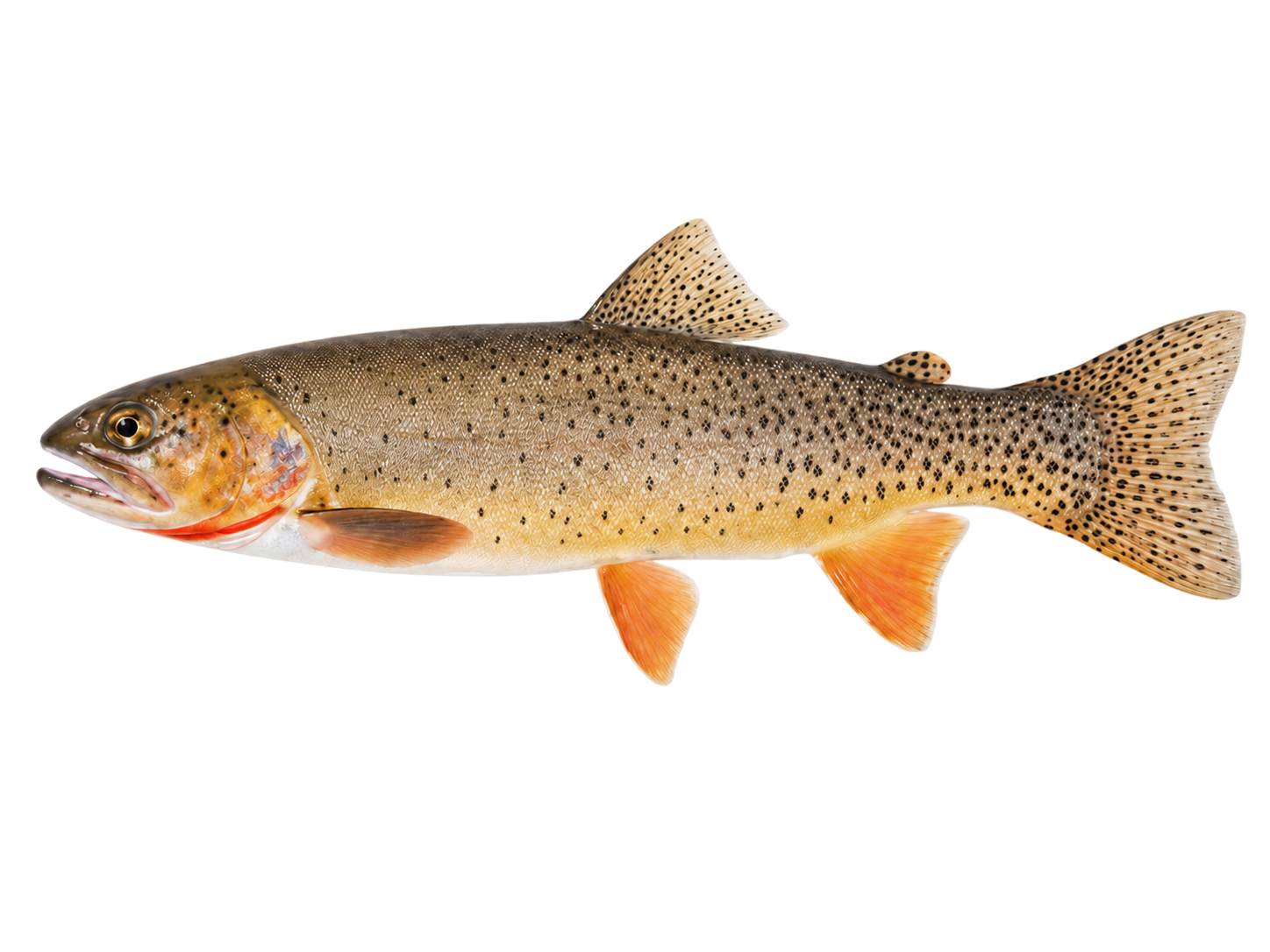
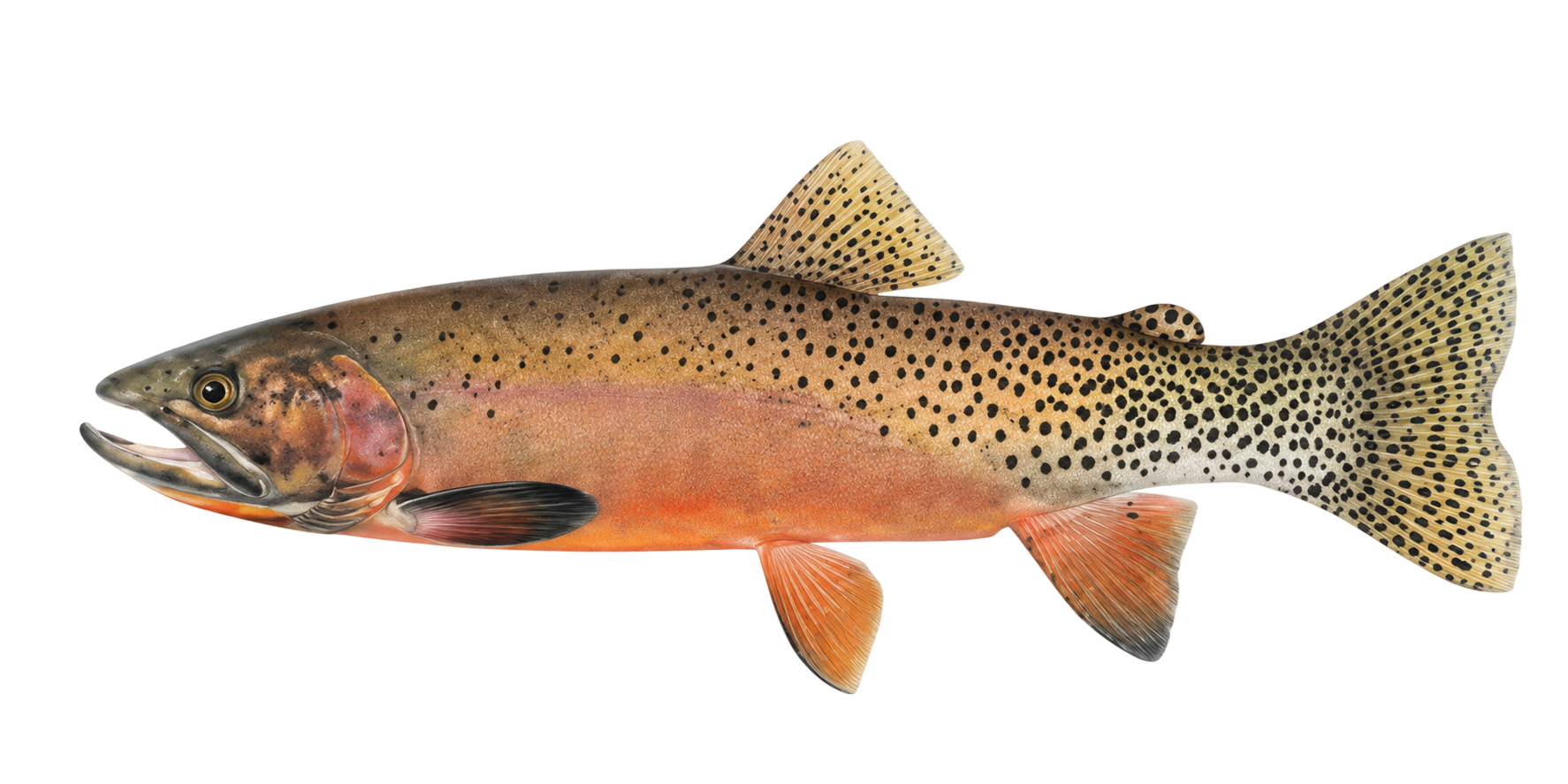
Cutthroat Trout
Cutthroat Trout
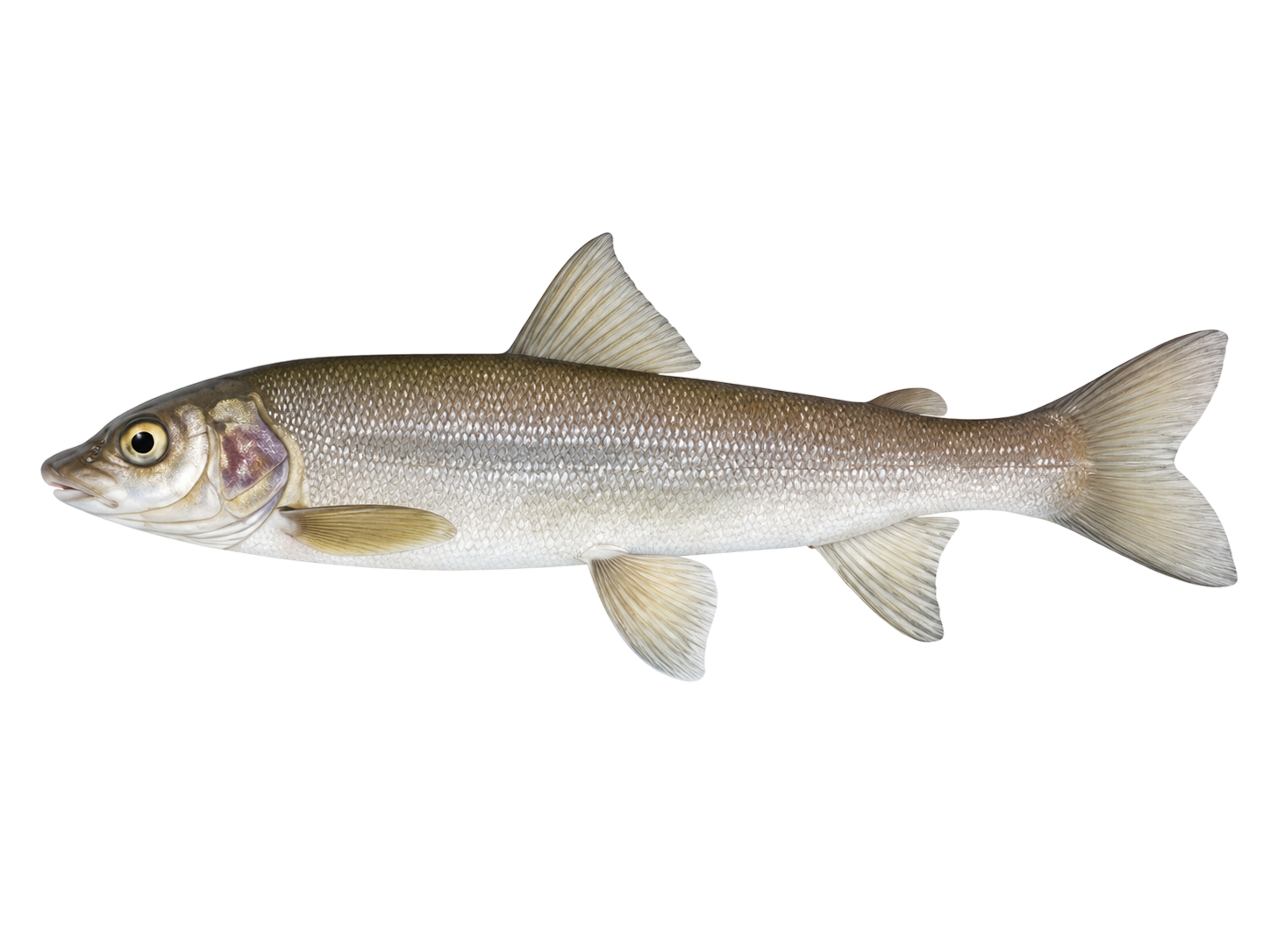
Mountain Whitefish
Mountain Whitefish
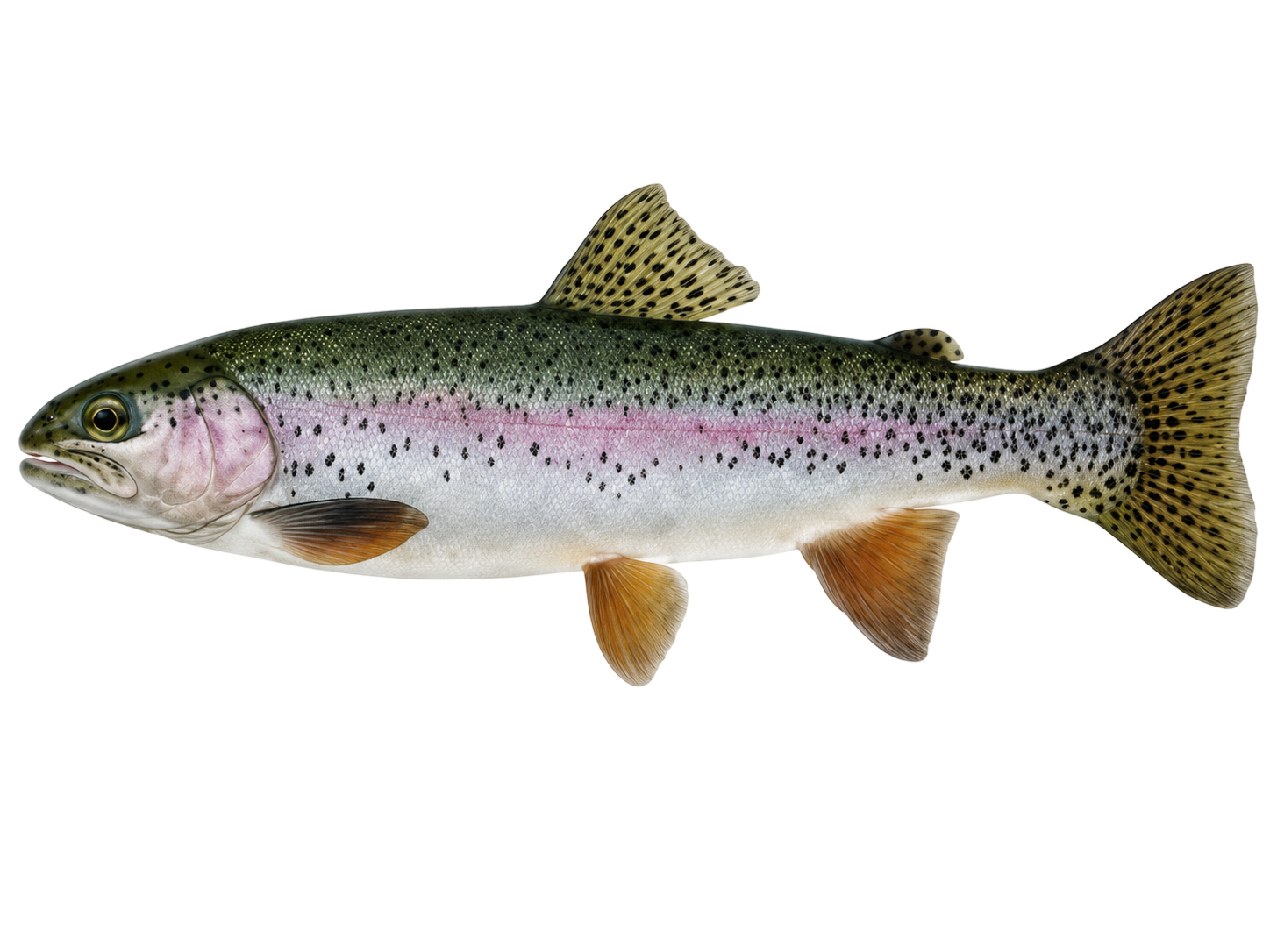
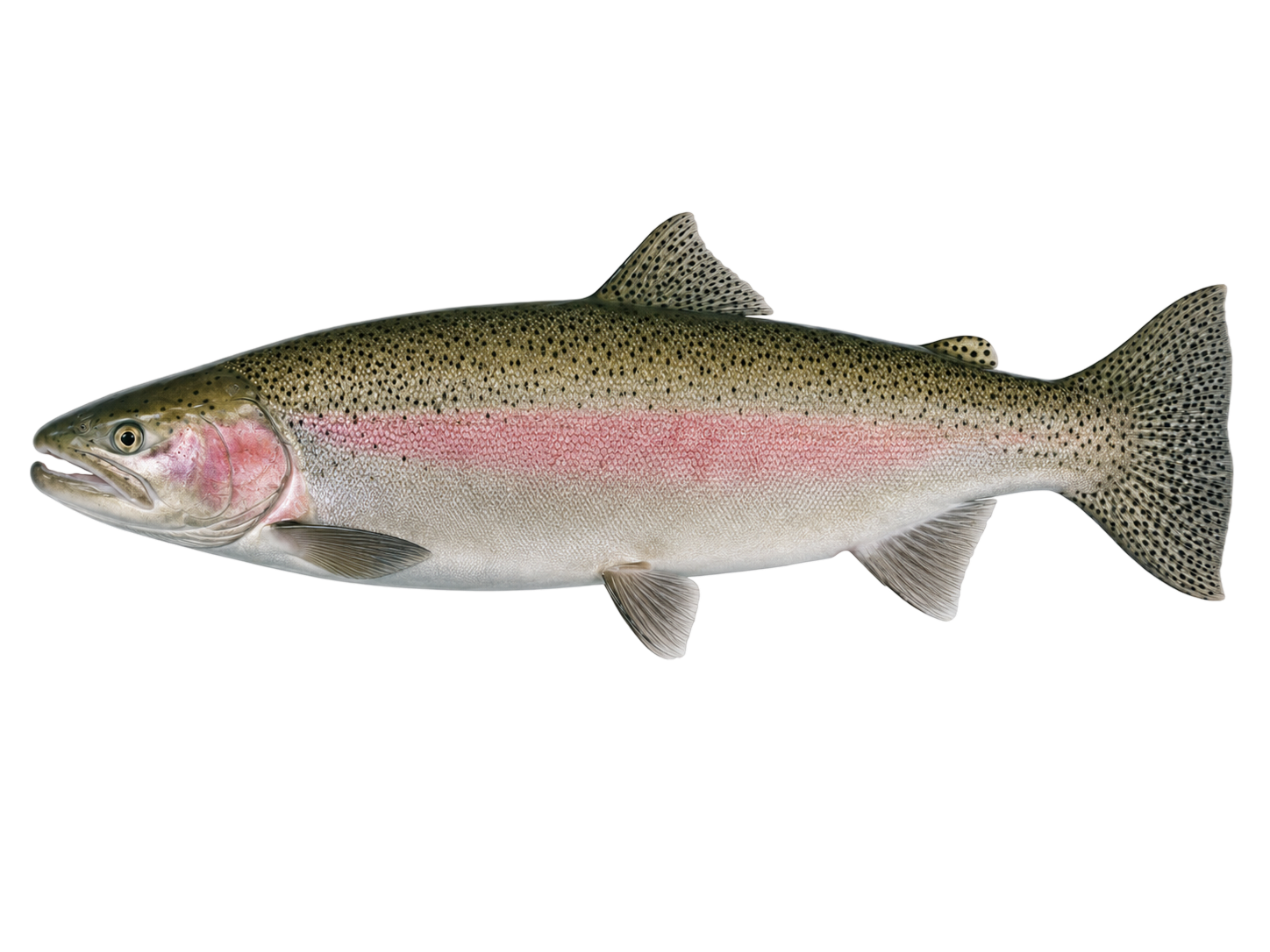
Rainbow Trout
Rainbow Trout
Steelhead
Steelhead
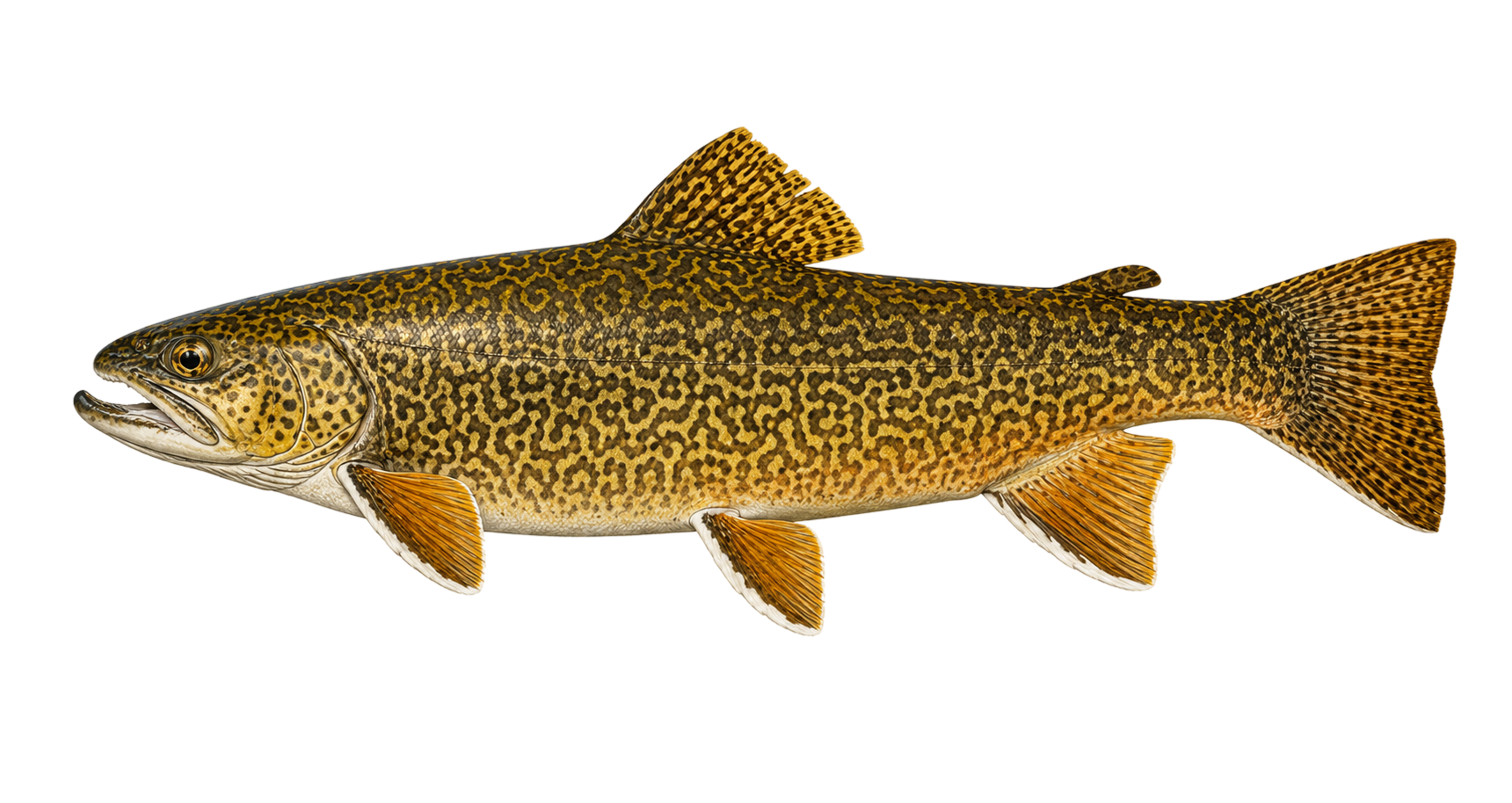
Tiger Trout
Tiger Trout
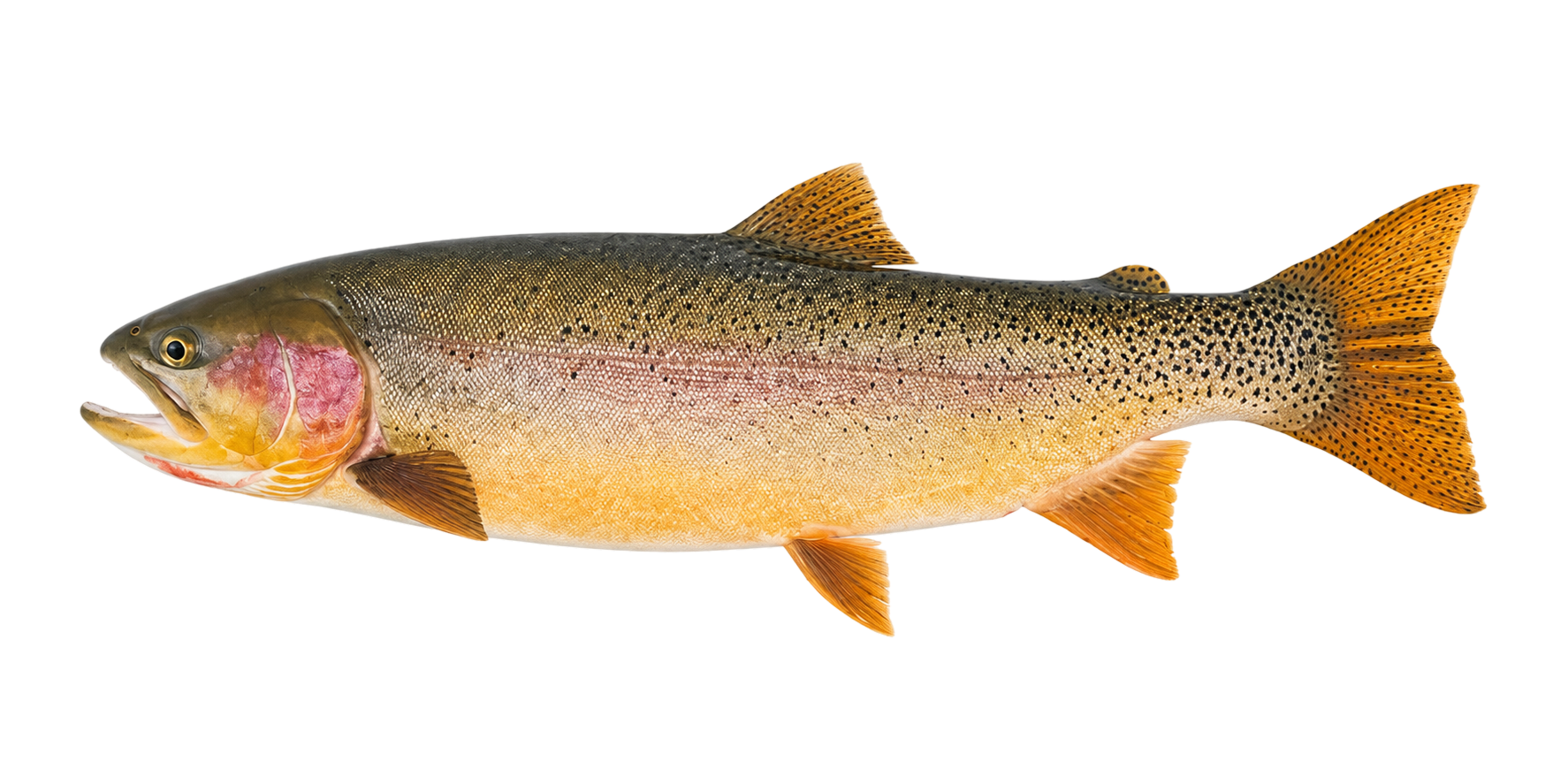
Westslope Cutthroat Trout
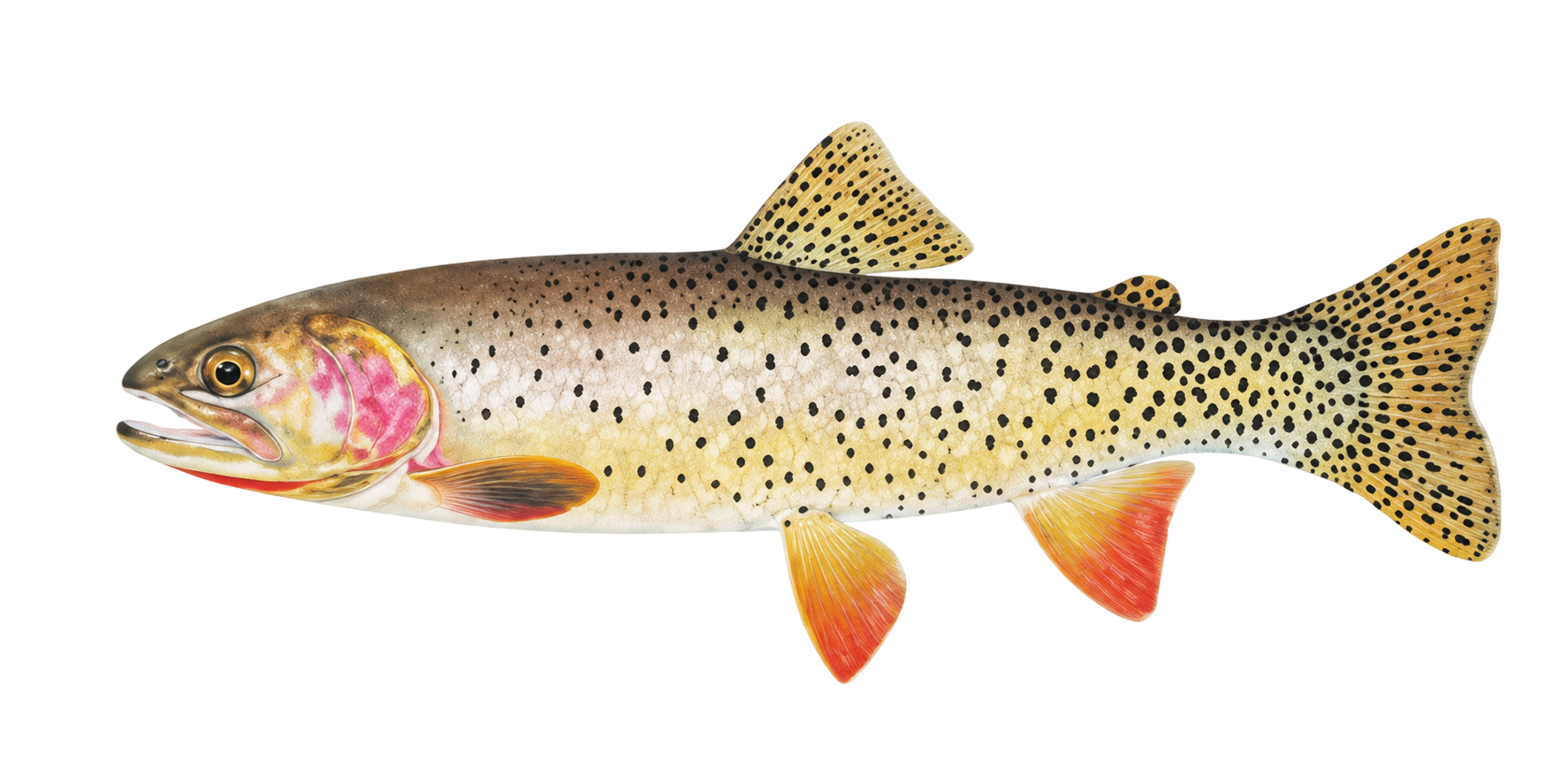
Yellowstone Cutthroat Trout

Pale Morning Dun Photos

Adult
Nymph

On this page

OverviewLife CycleFly TyingWhere It HatchesFrom the PodcastFly PatternsAngler NotesIdentificationHabitatEaten ByPhotos

Share & plan

IDFG Planner

On this profile

  • 48 waters
  • 5 fly patterns
  • 12 predator species
  • 5 tying videos
  • 7 life stages

Explore

Browse all hatches & forage
Montana Fly Company Widow’s Web
White
Wings
  • Hareline Krystal FlashPearlWings
  • Solarez Bone DryUV Resin