Barbless.coBarbless.co
  • Home
  • Map
  • Reports
  • Guides
  • Fish
  • Hatches
  • Podcast
Sign in
Barbless.co

The more you understand, the more there is to see.

  • IdahoLive
  • CaliforniaSoon

Explore

  • Map
  • Reports
  • Browse reports
  • By region

Waters

  • River search
  • Guides & outfitters

Learn

  • Fish species
  • Hatches & forage
  • Podcast

Company

  • About
  • Contact
  • Editorial policy
  • Releases
  • Legal

© 2026 Barbless.co. Flow and gauge data from USGS; weather from Open-Meteo. · v2026.10.18.2

  1. Home
  2. Hatches & Forage
  3. Caddisflies
  4. October Caddis

Updated August 25, 2026

← Back to map
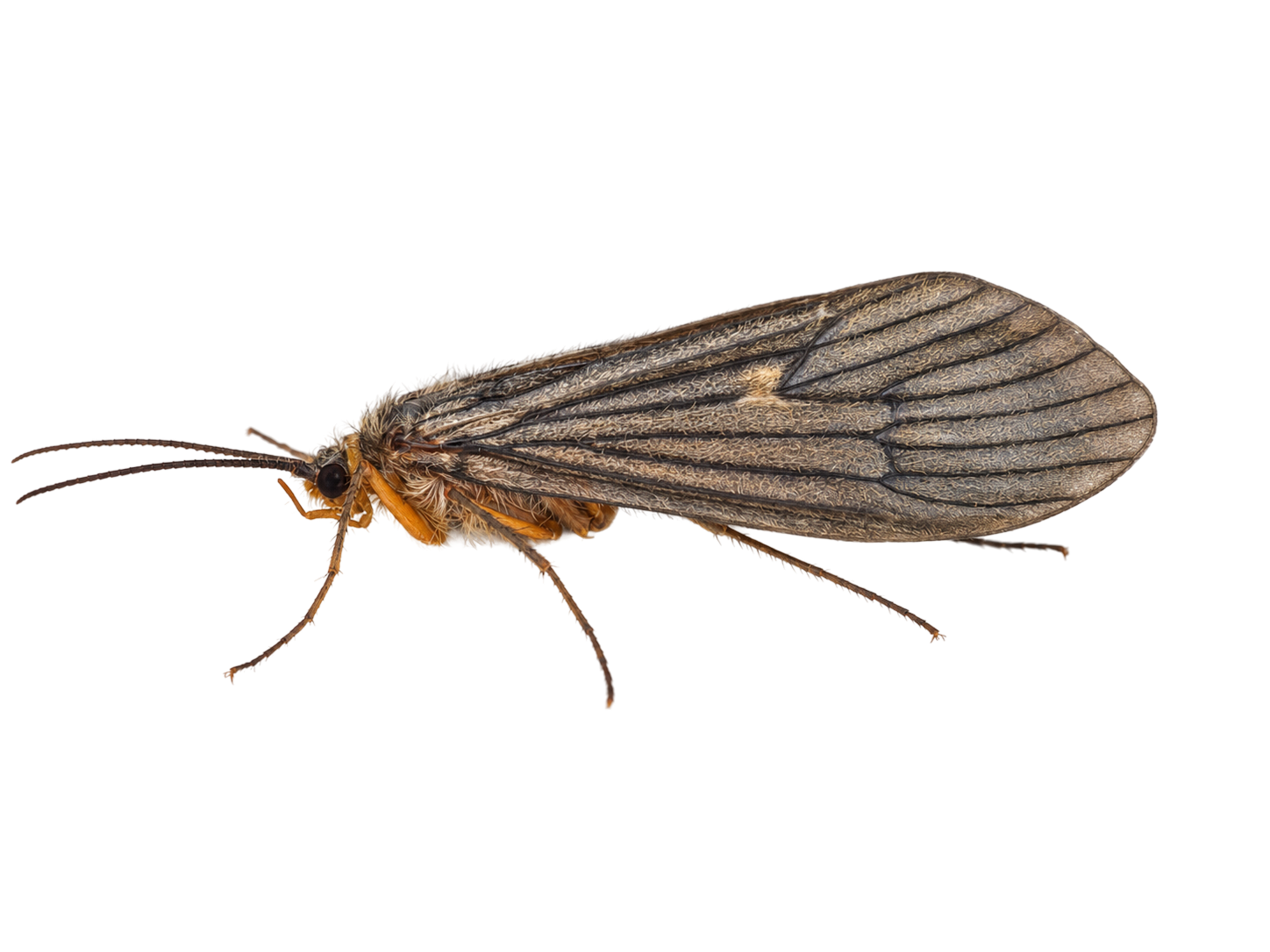
October Caddis, Adult
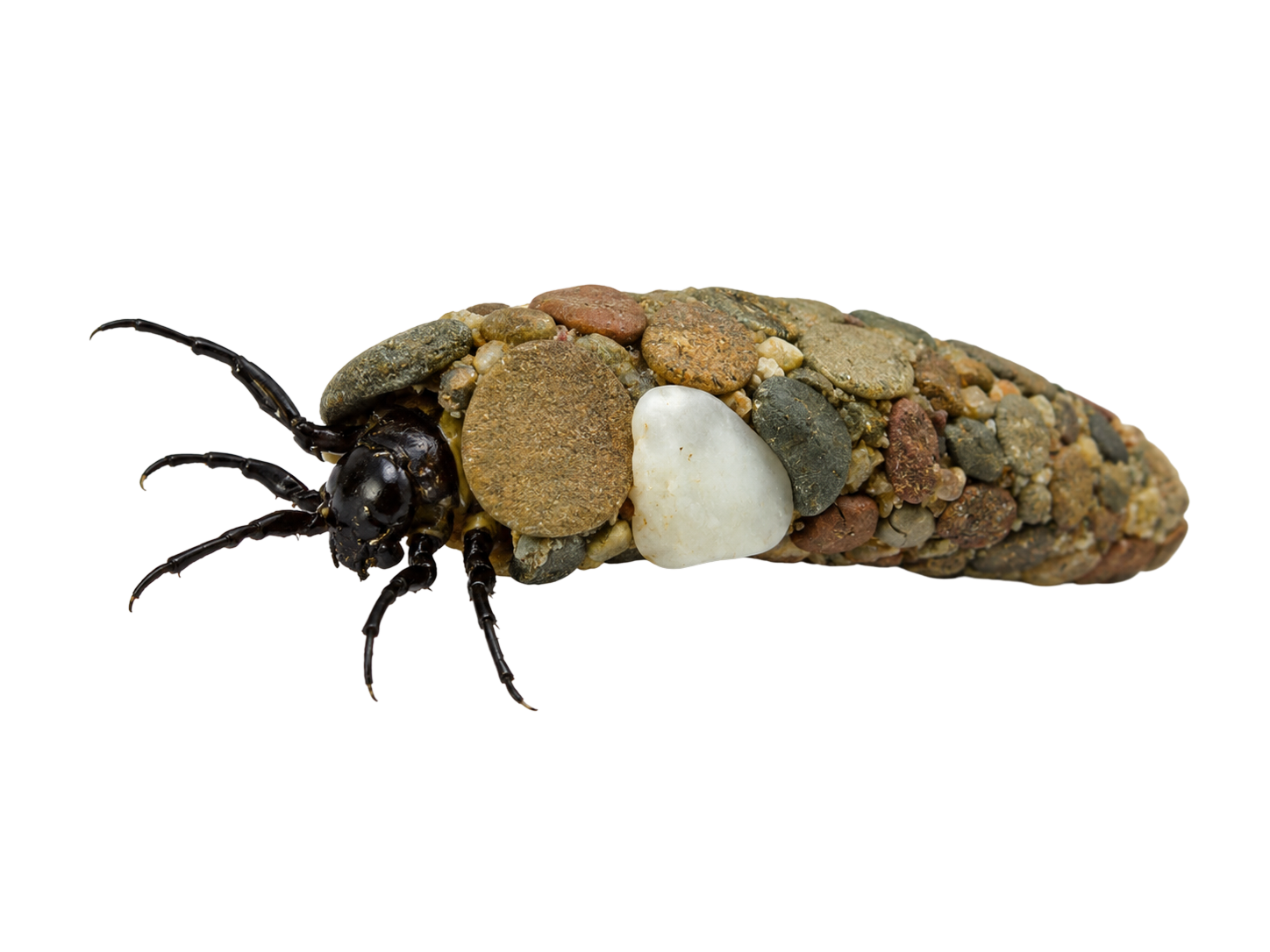
October Caddis, Inside Case
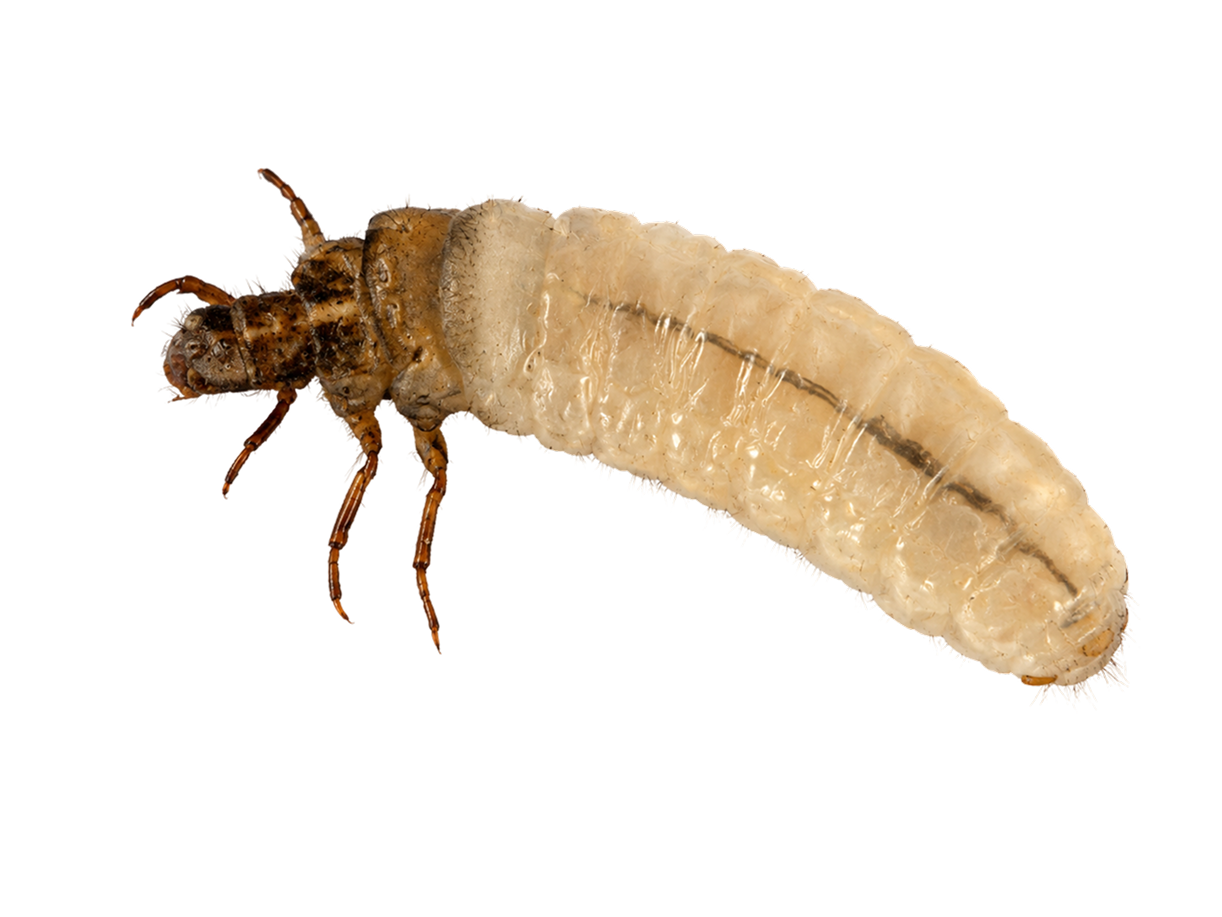
October Caddis, Nymph
Adult

Hatches › Caddisfly

Caddisfly

October Caddis

Dicosmoecus · genus

Big, hard-to-miss orange caddis that gives trout a substantial late-season meal.

Overview

Category

Caddisfly

Category

Caddisfly

Category

The insect or forage category for this profile.

Size

Large for a caddis; fish larva, pupa, and adults in larger caddis sizes.

Size

Large for a caddis; fish larva, pupa, and adults in larger caddis sizes.

Size

Typical size range anglers imitate on the water.

Key stages

Egg, Free-Living Larva, Cased Larva, Pupa, Emerging Adult, Adult, Egg-Laying Adult

Key stages

Egg, Free-Living Larva, Cased Larva, Pupa, Emerging Adult, Adult, Egg-Laying Adult

Key stages

Life stages most relevant to fly fishing this hatch or forage.

Water types

freestone rivers, medium rivers, larger streams

Water types

freestone rivers, medium rivers, larger streams

Water types

Water types where this bug or forage is commonly found.

About October Caddis

Dicosmoecus is a genus of october caddis in the family Limnephilidae, a group anglers know for its large size and strong hatch-matching value. Commonly called October Caddis or Giant Orange Sedge, these insects are important to fly fishers because trout will key on their larva, pupa, and adults.

Also known as: Autumn Caddis, Giant Orange Sedge

Life Cycle

The October Caddis undergoes a complete metamorphosis, transitioning from eggs laid in water to aquatic larval and pupal stages. After developing underwater for months or years, they emerge as short-lived adults to mate and restart the cycle.
Egg

Egg

Female caddisflies deposit their eggs in clusters, either directly in the water or very close to it, typically attached to submerged structures or vegetation.

Free-Living Larva

Free-Living Larva

These larvae reside and feed underwater, often scavenging along the stream bottom, without constructing a protective case.

Cased Larva

Cased Larva

Many caddisfly species in their larval stage construct portable protective cases from materials like sand, pebbles, or plant debris, which they carry as they move.

Pupa

Pupa

After the larval stage, caddisflies pupate in protected spots, often beneath rocks in flowing water, transforming before their emergence as adults.

Emerging Adult

Emerging Adult

The mature pupa ascends to the water's surface, sheds its pupal skin, and emerges as a fully winged adult caddisfly.

Adult

Adult

Adult caddisflies fly near streams and rivers for a brief period, focusing on mating and reproduction before their short lifespan concludes.

Egg-Laying Adult

Egg-Laying Adult

After mating, female caddisflies return to the water to deposit their eggs, initiating the next generation of the life cycle.

Stages
Complete metamorphosis: larva, pupa, and adult. For anglers, the key fishing stages are the case-building larva, the ascending pupa, and the egg-laying or fluttering adult.
Emergence cues
Look for activity in the fall, especially during stable late-season conditions, with adult movement often most noticeable in lower light or toward evening.
Behavior
Larva live near the bottom and drift occasionally; pupae become active and rise through the water column; adults skitter, flutter, and can return to the water to lay eggs, drawing aggressive takes.

Where It Hatches

October Caddis

One species, multiple rivers.

RiverJANFEBMARAPRMAYJUNJULAUGSEPOCTNOVDEC
  • Big Wood River
  • Boise River, Middleton to Eagle Road
  • Clearwater River
  • Coeur d'Alene River
  • Crooked Fork
  • Fall River
  • Henrys Fork of the Snake River
  • Kelly Creek
  • Little North Fork Clearwater River
  • Little Salmon River
  • Lochsa River
  • Middle Fork Boise River
  • Middle Fork Salmon River
  • North Fork Clearwater River
  • North Fork Coeur d'Alene River
  • North Fork Saint Joe River
  • Saint Joe River
  • Salmon River
  • Selway River
  • South Fork Boise River
  • South Fork Clearwater River
  • South Fork Payette River
  • South Fork Snake River
  • Teton River
  • Valley Creek

Fly Patterns

  • Caddis Pupa#10-18
  • October Caddis Dry#8-12
  • Orange Stimulator#8-14

Angler Notes

Why it matters
October Caddis stand out because they are large, visible, and worth the energy for trout to chase. When fish are keyed on them, matching size and silhouette matters as much as color.
Imitation tips
Carry a simple progression: a large caddis larva, a buoyant pupa or emerger, and a high-floating orange sedge adult. Prioritize a chunky body, strong profile, and warm orange-brown tones over exact detail.
Key life stages
larvapupaadult
Presentation
Fish larva close to the bottom on a dead drift. Swing or lift pupae near the end of the drift to suggest ascent. For adults, skate, twitch, or dead-drift along banks, riffle seams, and soft edges where egg-layers get noticed.

Identification

Key features
A notably large caddis with a chunky profile; adults are sedge-like with tented wings, while the angling shorthand centers on oversized larva, pupa, and conspicuous adults.
Size
Large for a caddis; fish larva, pupa, and adults in larger caddis sizes.
Coloration
Adults are typically associated with warm orange to orange-brown tones; larva and pupa are usually imitated in earthy, amber, and orange-tinged shades.
Similar bugs
Mother's Day CaddisGreen Rock WormCraneflyGolden Stonefly

Habitat

Water types
freestone riversmedium riverslarger streams
Substrate
Rocky bottoms with cobble, gravel, and submerged structure that support case-building larva.
Conditions
Best associated with cool, well-oxygenated moving water.

Eaten By

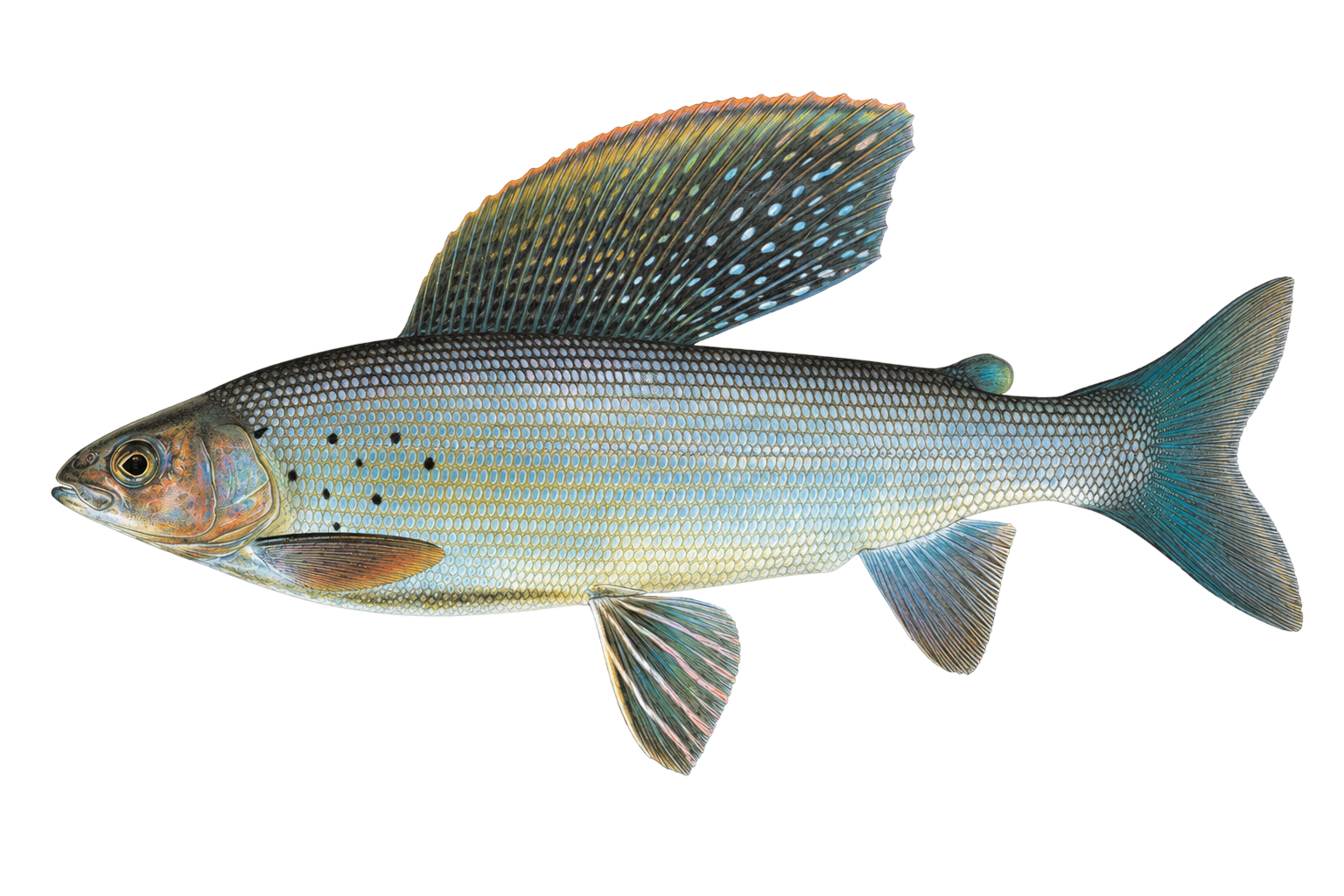
Arctic Grayling
Arctic Grayling
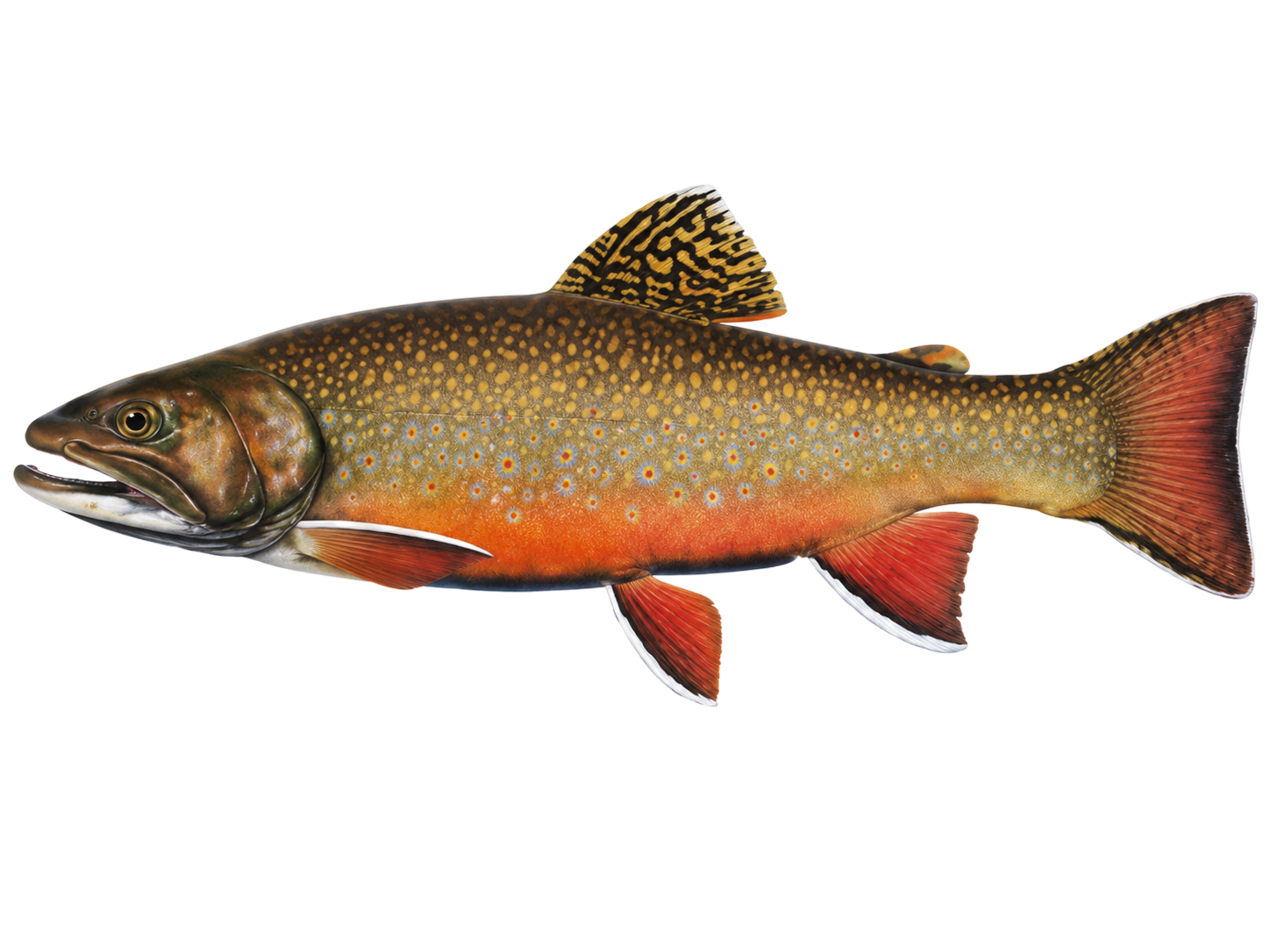
Brook Trout
Brook Trout
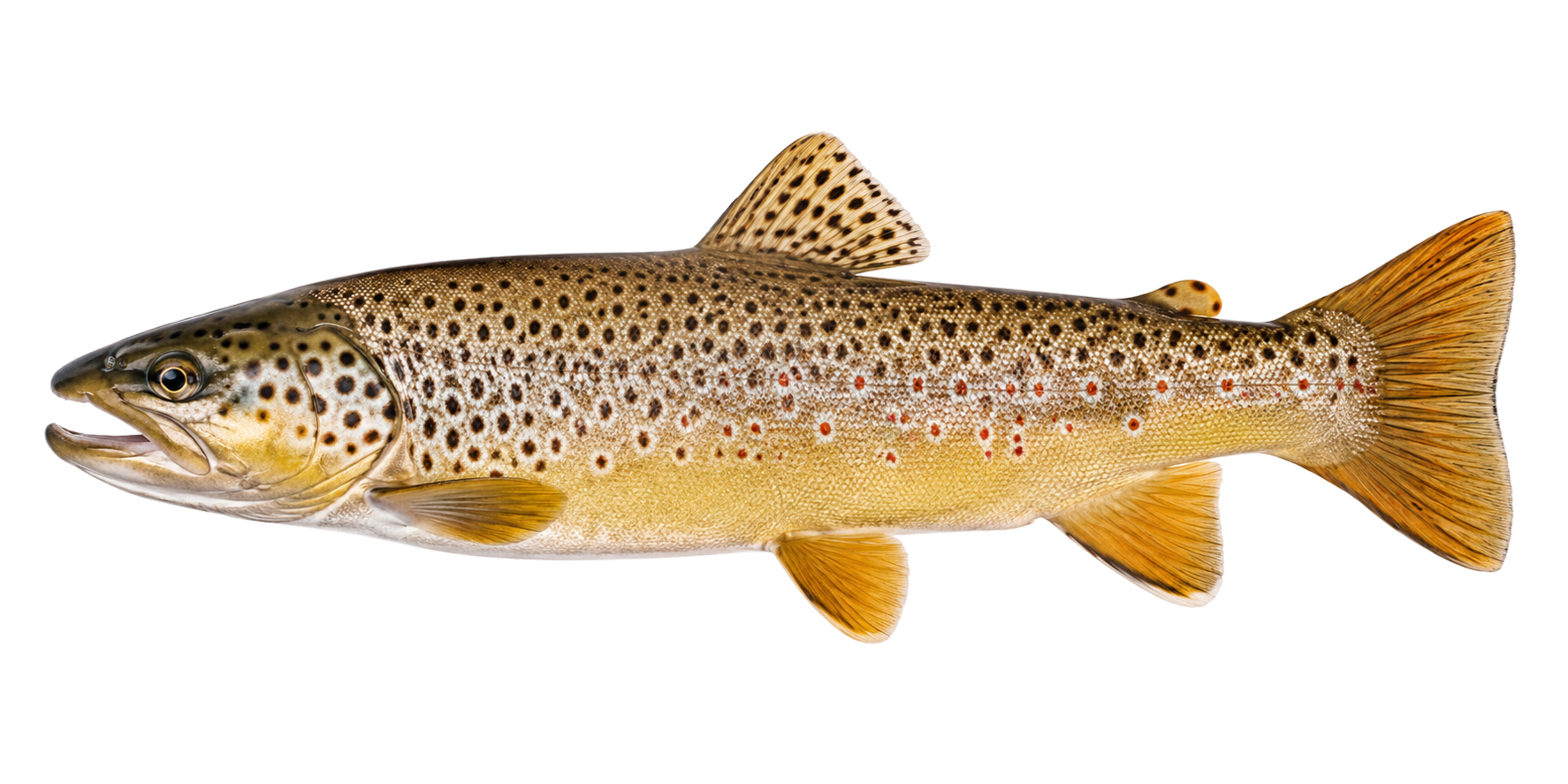
Brown Trout
Brown Trout
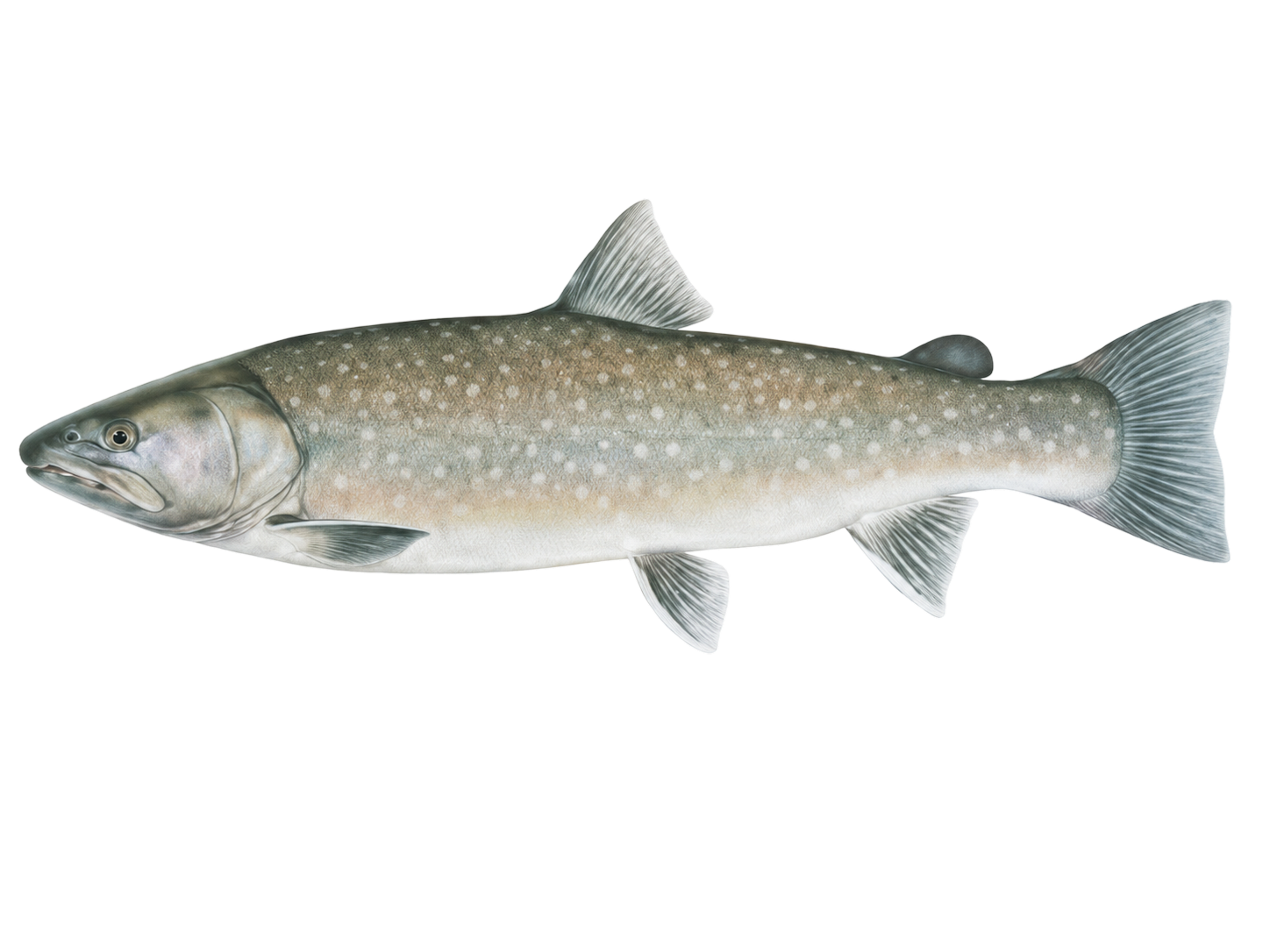
Bull Trout
Bull Trout
Cutbow Trout
Cutbow Trout
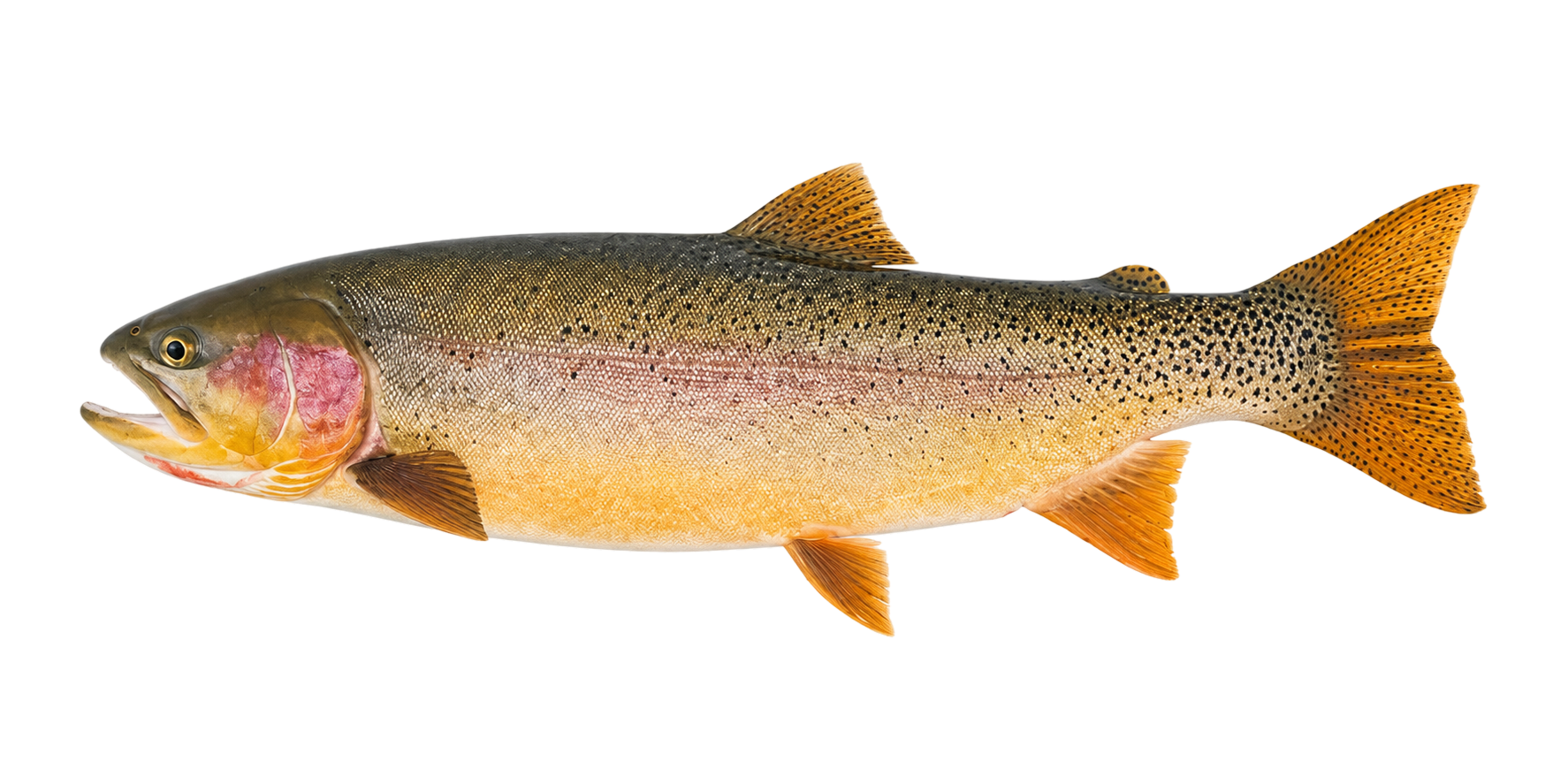
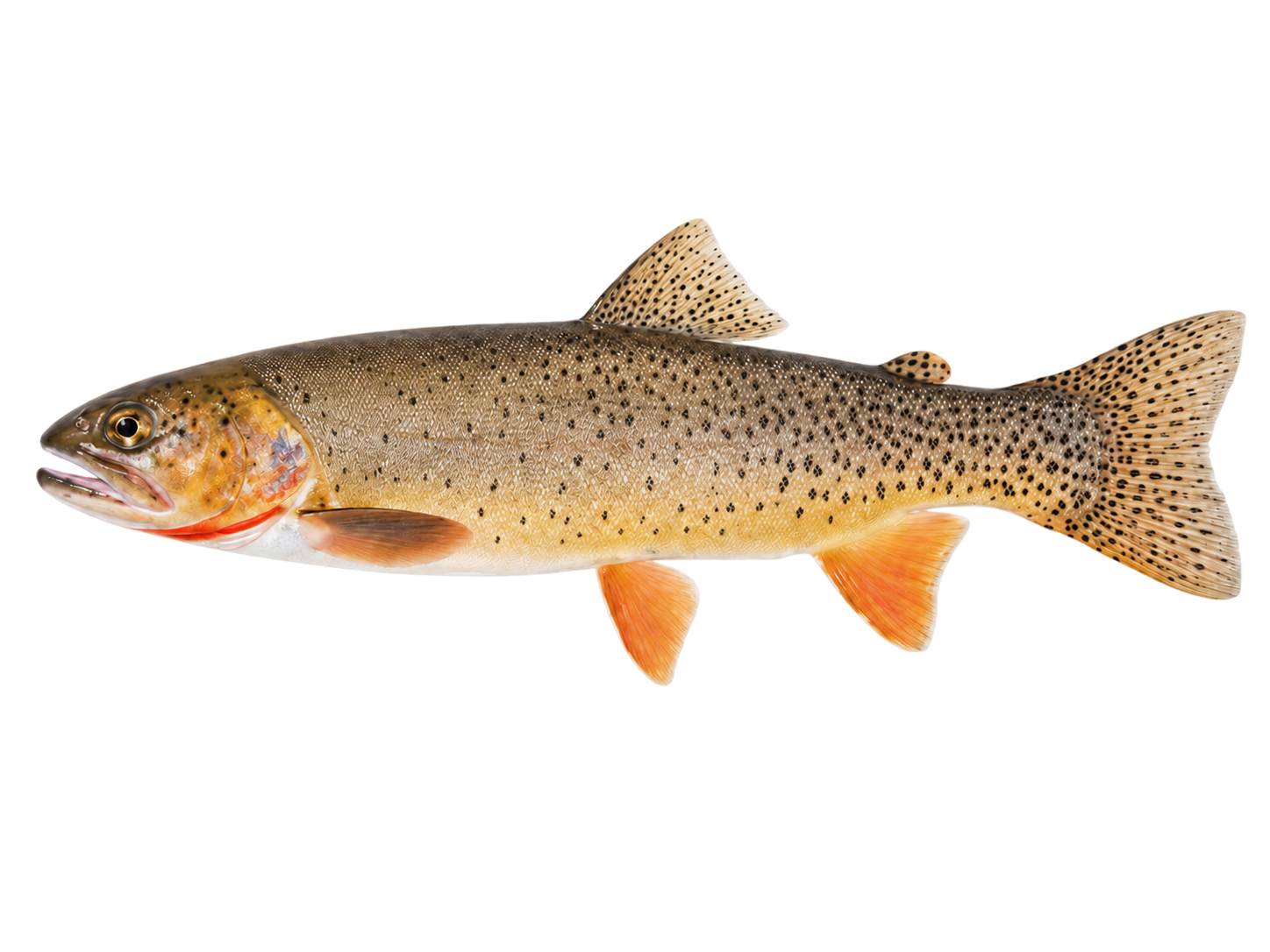
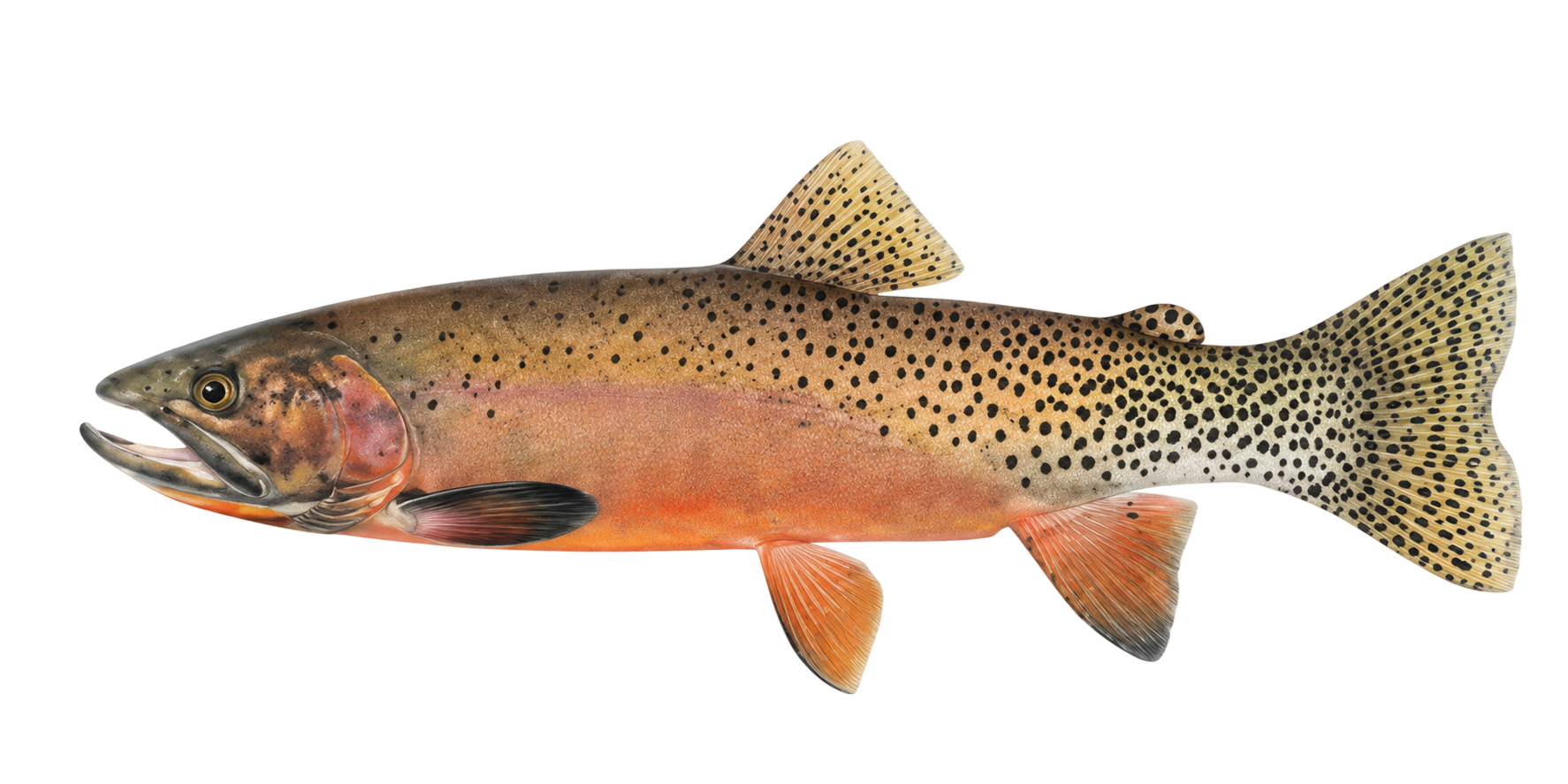
Cutthroat Trout
Cutthroat Trout
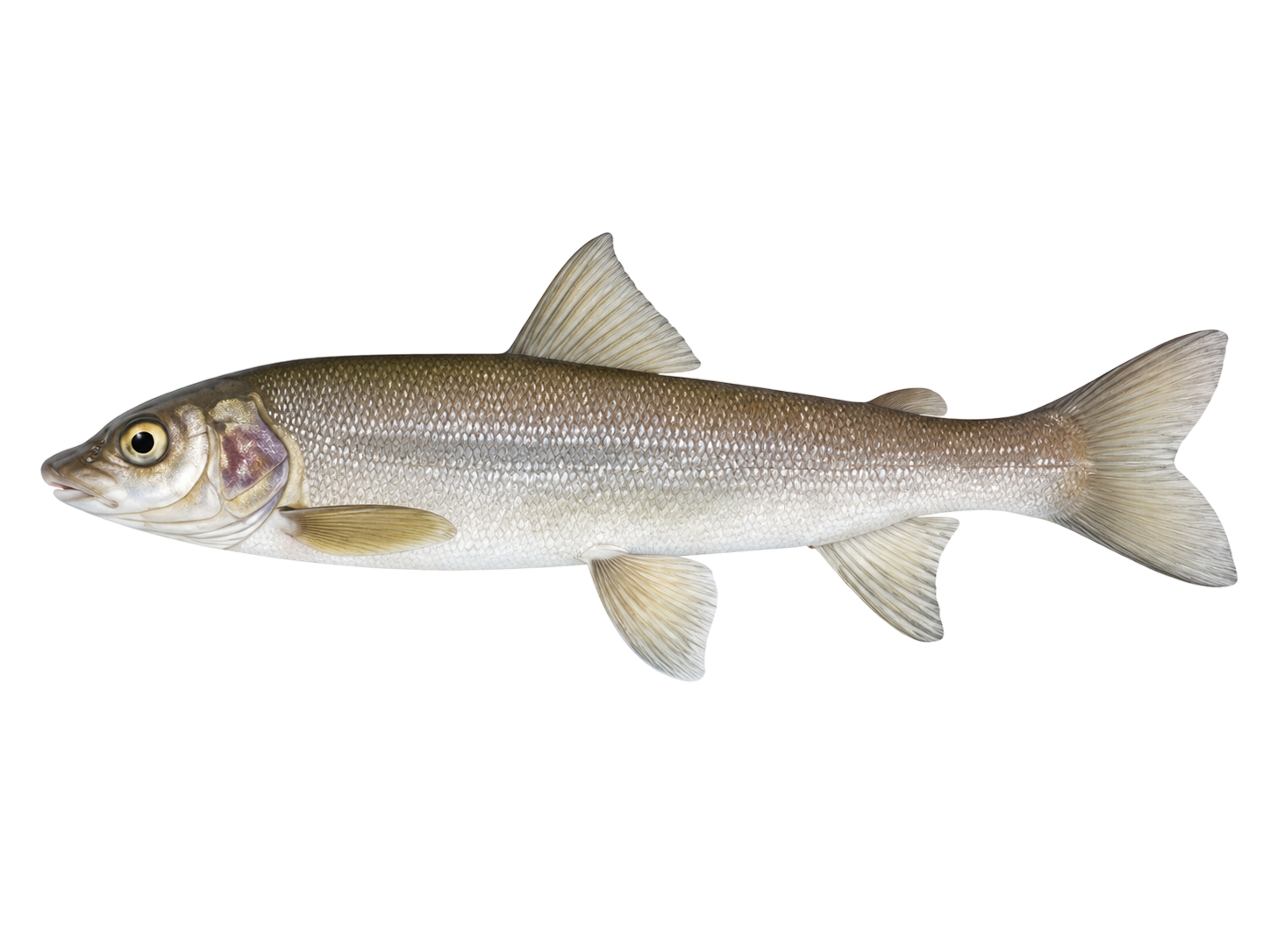
Mountain Whitefish
Mountain Whitefish
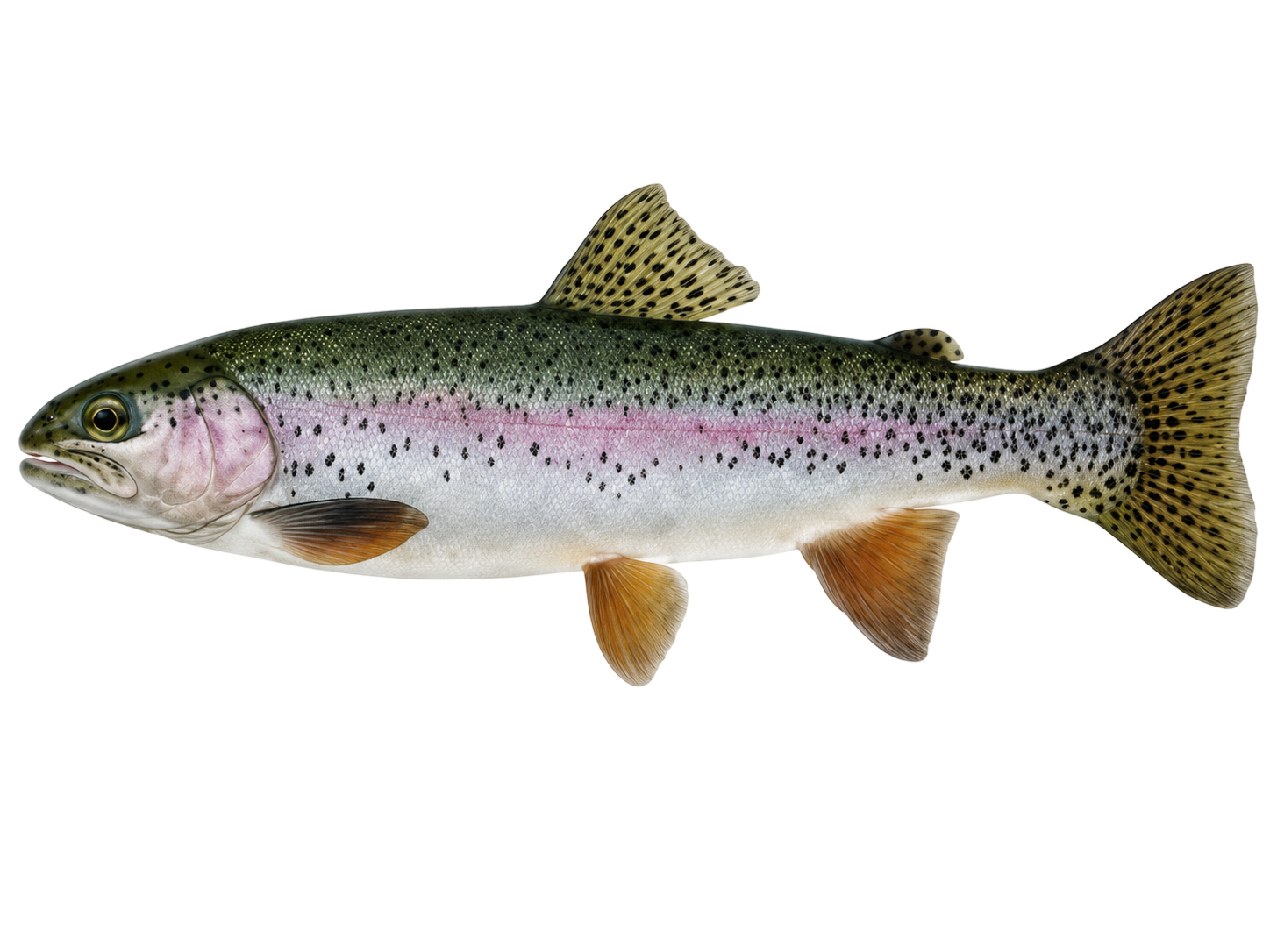
Rainbow Trout
Rainbow Trout
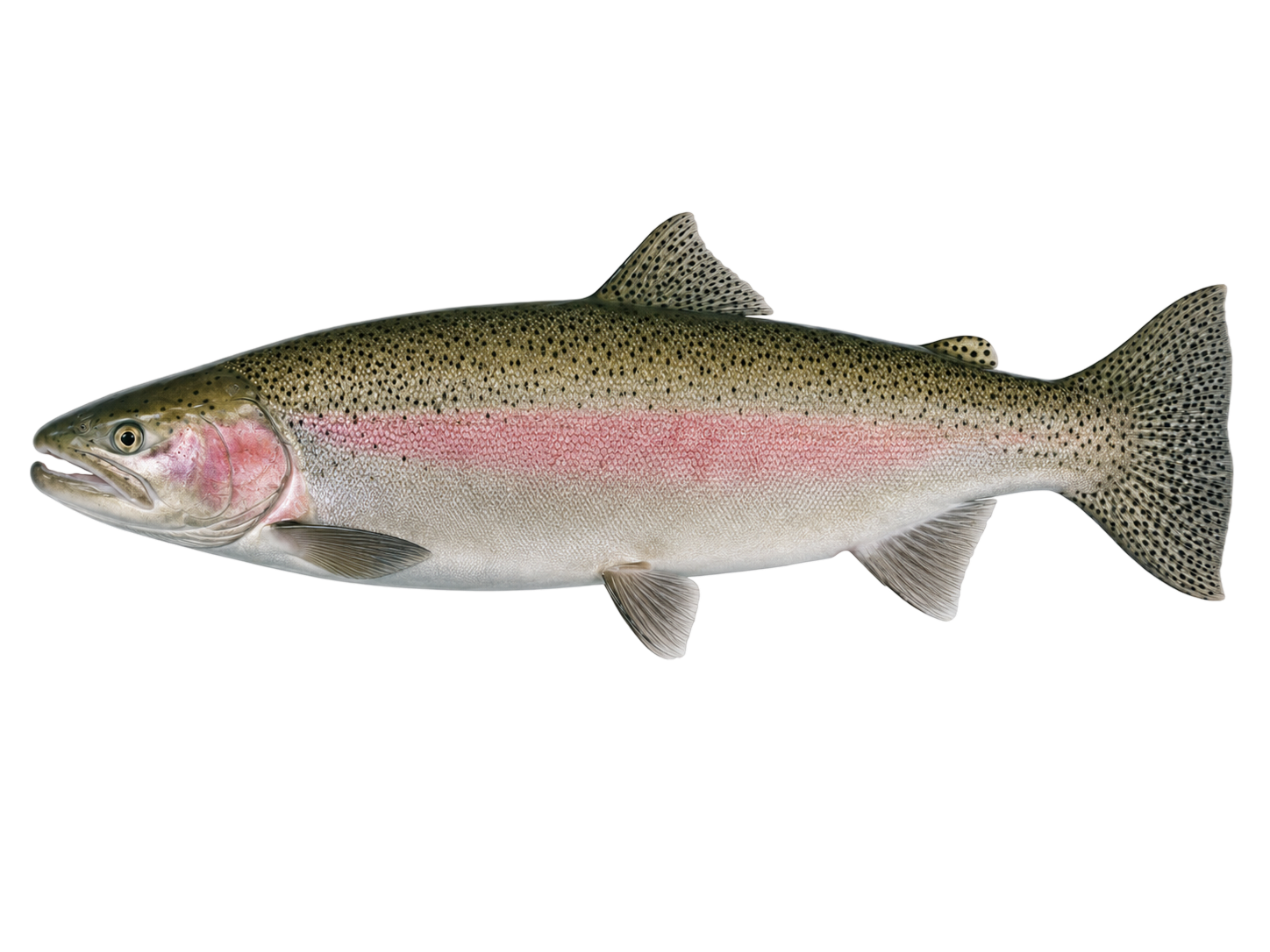
Steelhead
Steelhead
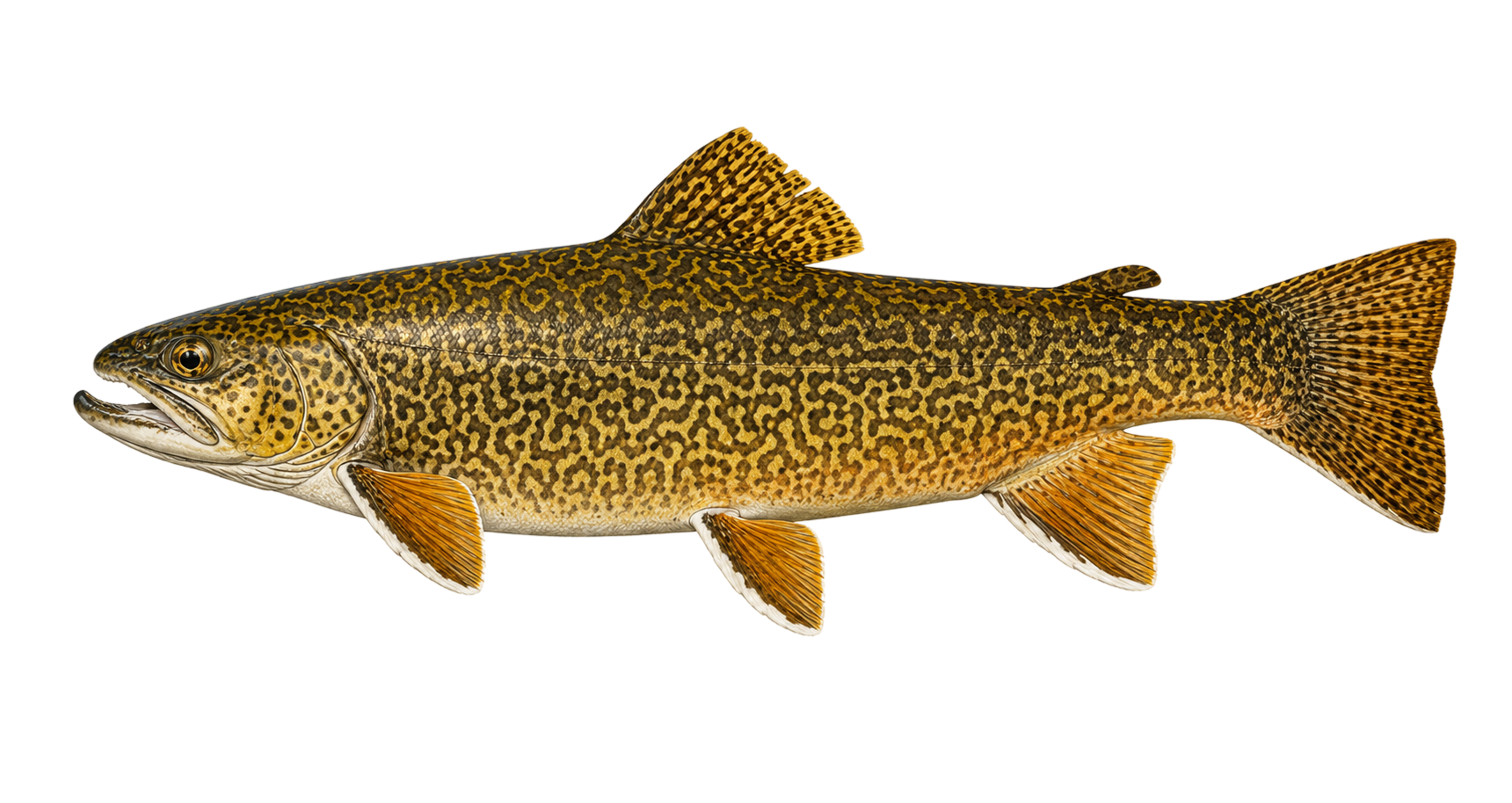
Tiger Trout
Tiger Trout
Westslope Cutthroat Trout
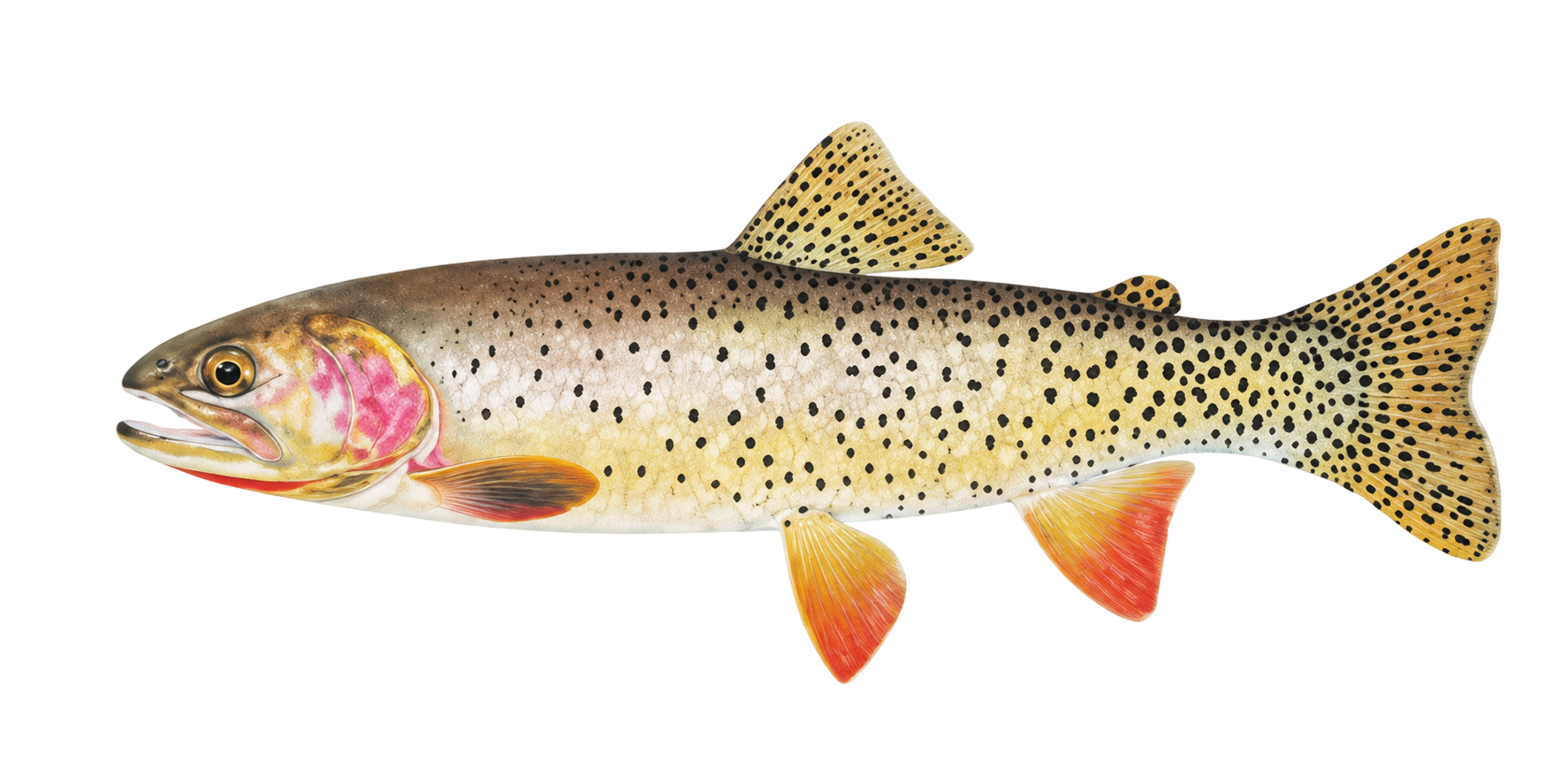
Yellowstone Cutthroat Trout

October Caddis Photos

Adult
Inside Case
Nymph

On this page

OverviewLife CycleWhere It HatchesFly PatternsAngler NotesIdentificationHabitatEaten ByPhotos

Share & plan

IDFG Planner

On this profile

  • 25 waters
  • 3 fly patterns
  • 12 predator species
  • 7 life stages

Explore

Browse all hatches & forage