Barbless.coBarbless.co
  • Home
  • Map
  • Reports
  • Guides
  • Fish
  • Hatches
  • Podcast
Sign in
Barbless.co

The more you understand, the more there is to see.

  • IdahoLive
  • CaliforniaSoon

Explore

  • Map
  • Reports
  • Browse reports
  • By region

Waters

  • River search
  • Guides & outfitters

Learn

  • Fish species
  • Hatches & forage
  • Podcast

Company

  • About
  • Contact
  • Editorial policy
  • Releases
  • Legal

© 2026 Barbless.co. Flow and gauge data from USGS; weather from Open-Meteo. · v2026.10.18.2

  1. Home
  2. Hatches & Forage
  3. Caddisflies
  4. Caddis

Updated August 25, 2026

← Back to map
Caddis, Adult
Caddis, Emerged Nymph
Caddis, Encased Nymph
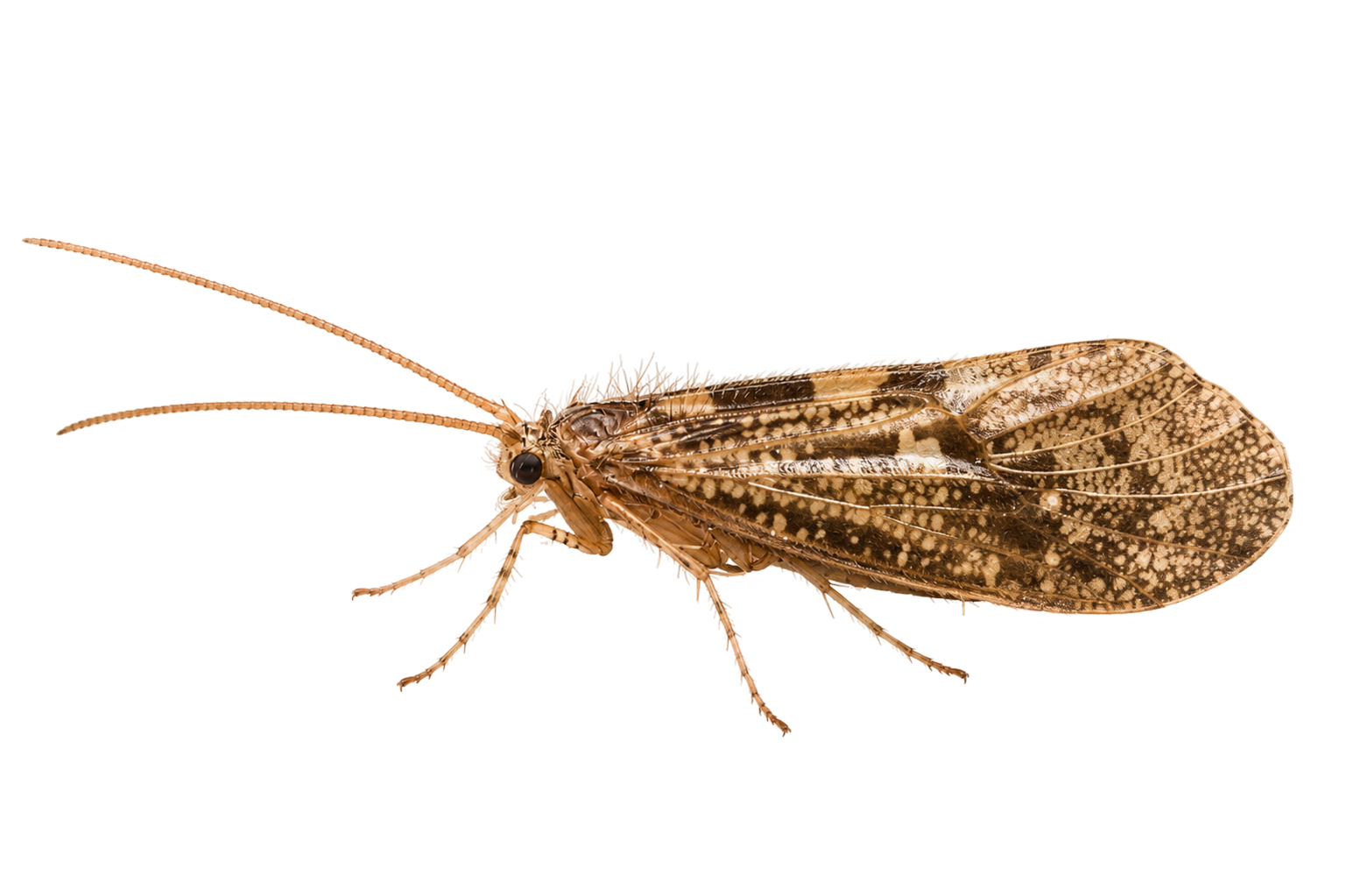
Adult

Hatches › Caddisfly

Caddisfly

Caddis

Trichoptera · order

Caddis are a staple Idaho trout food, with fishable larva, pupa, and adult stages in many waters.

Overview

Category

Caddisfly

Category

Caddisfly

Category

The insect or forage category for this profile.

Size

Mostly small to medium; commonly imitated from about #8 to #20 depending on species and stage.

Size

Mostly small to medium; commonly imitated from about #8 to #20 depending on species and stage.

Size

Typical size range anglers imitate on the water.

Key stages

EGGS, FREE LIVING LARVA, CASED CADDIS, PUPA, EMERGING ADULT, ADULT CADDIS, EGG LAYING ADULT

Key stages

EGGS, FREE LIVING LARVA, CASED CADDIS, PUPA, EMERGING ADULT, ADULT CADDIS, EGG LAYING ADULT

Key stages

Life stages most relevant to fly fishing this hatch or forage.

Water types

rivers, streams, lakes, ponds, spring seeps, temporary waters

Water types

rivers, streams, lakes, ponds, spring seeps, temporary waters

Water types

Water types where this bug or forage is commonly found.

About Caddis

Caddisflies are the insect order Trichoptera: aquatic as larvae and pupae, terrestrial as adults. For anglers, they matter because they occur in a wide range of waters and can be important from the bottom-dwelling larval stage through the rising, active pupal stage to the fluttering adult.

Also known as: Green Sedge Caddis, Hydropsyche, Rhyacophila, Spotted Sedge Caddis

Life Cycle

The Caddisfly undergoes a complete metamorphosis, starting as eggs laid in water. It spends most of its life underwater as a larva, often building protective cases, before pupating and emerging as a winged adult to reproduce.
EGGS

EGGS

Caddisfly females deposit clusters of eggs in or near the water, often attached to submerged objects.

FREE LIVING LARVA

FREE LIVING LARVA

After hatching, these larvae feed and grow on the stream bottom, forming a crucial part of the aquatic food chain.

CASED CADDIS

CASED CADDIS

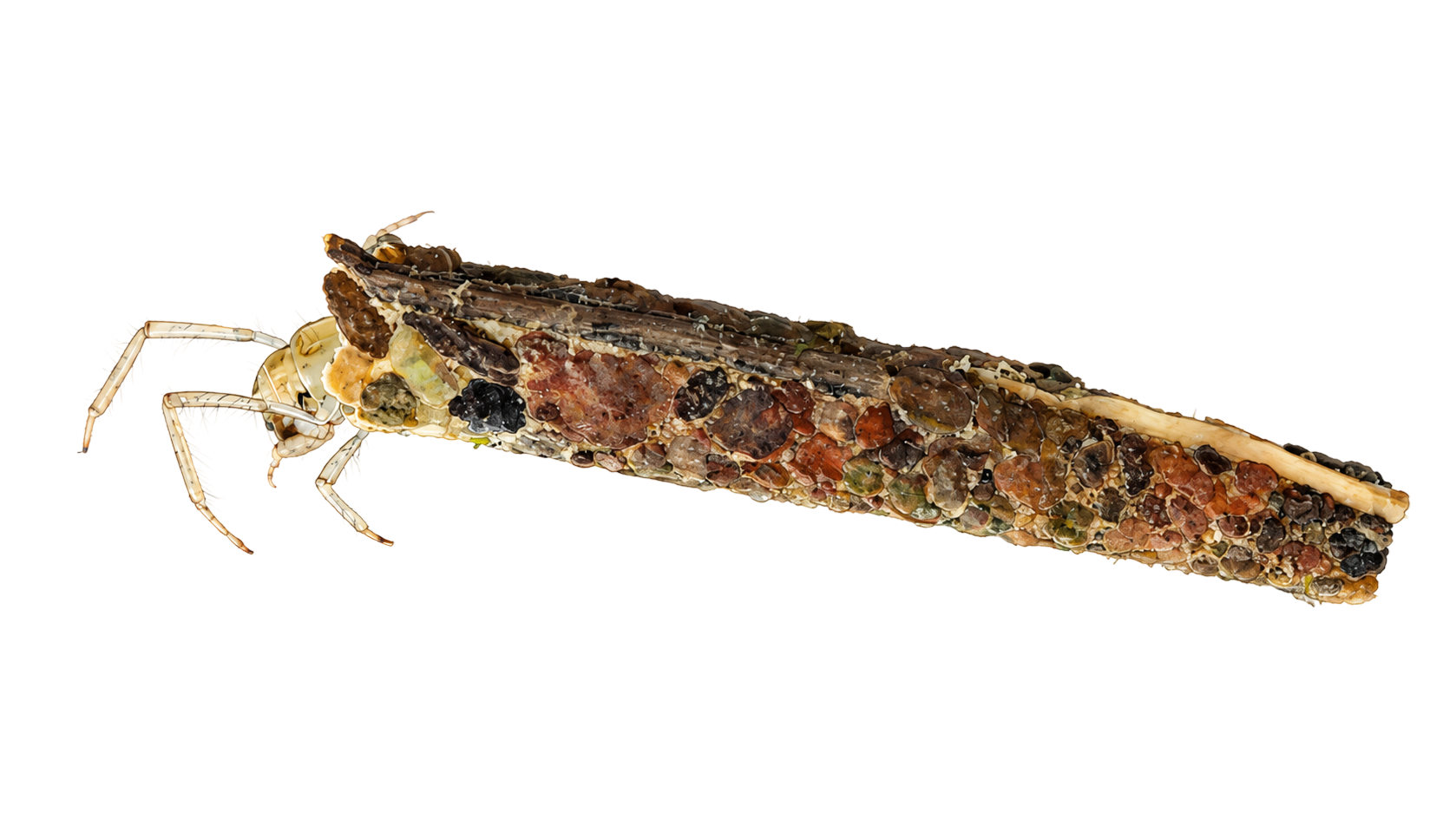
Many caddisfly larvae construct protective portable cases from materials like sand, pebbles, or plant debris, which they carry as they move.

PUPA

PUPA

In the spring, caddisfly larvae pupate in sheltered areas, typically under rocks in flowing water, transforming into their adult form.

EMERGING ADULT

EMERGING ADULT

The adult caddisfly rises from its pupal skin at the water's surface, preparing for its aerial life.

ADULT CADDIS

ADULT CADDIS

Adult caddisflies are short-lived, flying near water to mate and begin the next generation.

EGG LAYING ADULT

EGG LAYING ADULT

Female adult caddisflies return to the water to deposit their eggs, completing the cycle and starting it anew.

Stages
Egg to aquatic larva, then pupa, then terrestrial adult. Anglers most often imitate the larva near the bottom, the ascending pupa during emergence, and the adult skittering or resting on the surface.
Emergence cues
Most activity is tied to warmer seasonal windows, stable flows, and periods when pupae rise through the water column; adults are often most visible in low light or during calm surface periods.
Behavior
Larvae live on or near the bottom, with some building portable cases and others fixed retreats. Pupae become active and swim or drift upward to hatch; adults are short-lived, often flutter, skate, or bounce on the surface, and can return to the water to lay eggs.

How to Tie Caddis Patterns

FREE LIVING LARVA

Caddis Larva

tightlinevideo

Materials

  • Hooksizes 14-16Barbless Tactical Czech Nymph
  • UTC70 Denier or 8/0 or yellow olive
  • Dubbing #1Australian-possum - light olive
  • Dubbing #2Australian-possum - dark brown

CASED CADDIS

Cased Caddis - How to Tie the Best Trout Fly Ever!

Fliesbyaspeen

Materials

  • Fulling Mill FM51Size 14
  • Fulling Mill 3.8 matt black tungsten
  • Troutline Sumo Power 50DBlack
  • Lead Wire0.1mm
  • Deer Hair + Olive Mad Rabbit Dubbing
  • Roe Deer HairOlive

PUPA

JC's Electric Caddis Larva

tightlinevideo

Materials

  • Scud hooksizes 14-16here, an Daiichi 1120
  • Thread8/0 or 70 Denierfluorescent green
  • Antron yarnfluorescent green
  • Ultra Wiresize smallChartreuse
  • Stretch Tubingsize microChartreuse
  • Ostrich herlbrown
  • Permanent markerBrown

EMERGING ADULT

Holy Grail Caddis Emerger Fly Tying Tutorial | The Fly Fiend.

The Fly Fiend

Materials

  • Hook10Daiichi 1120 curved hook, can be tied down to size 14
  • Bead1/8"Gold
  • ThreadUTC brown olive
  • RibSmallUTC Ultra Wire, chartreuse
  • BodyGreen dubbing, blended from a hare’s mask
  • Wing caseNatural pheasant-tail fibers, about 8 to 10 fibers
  • Thorax/head dubbingSquirrel SLF Spiky Dubbing, brown olive
  • Wing-case coatingLoon Outdoors UV Clear Fly Finish, Thick

ADULT CADDIS

FASTEST and most EFFECTIVE Caddis Dry Fly You Can Make

Fliesbyaspeen

Materials

  • HookSize 14
  • Thread
  • DubbingHare's Ear
  • CDC Feathers
  • HackleWhiting Grizzly Saddle
  • HookSize 16
  • Thread
  • DubbingHare's Ear
  • Thorax DubbingBlack Pepper
  • HackleWhiting Grizzly Saddle

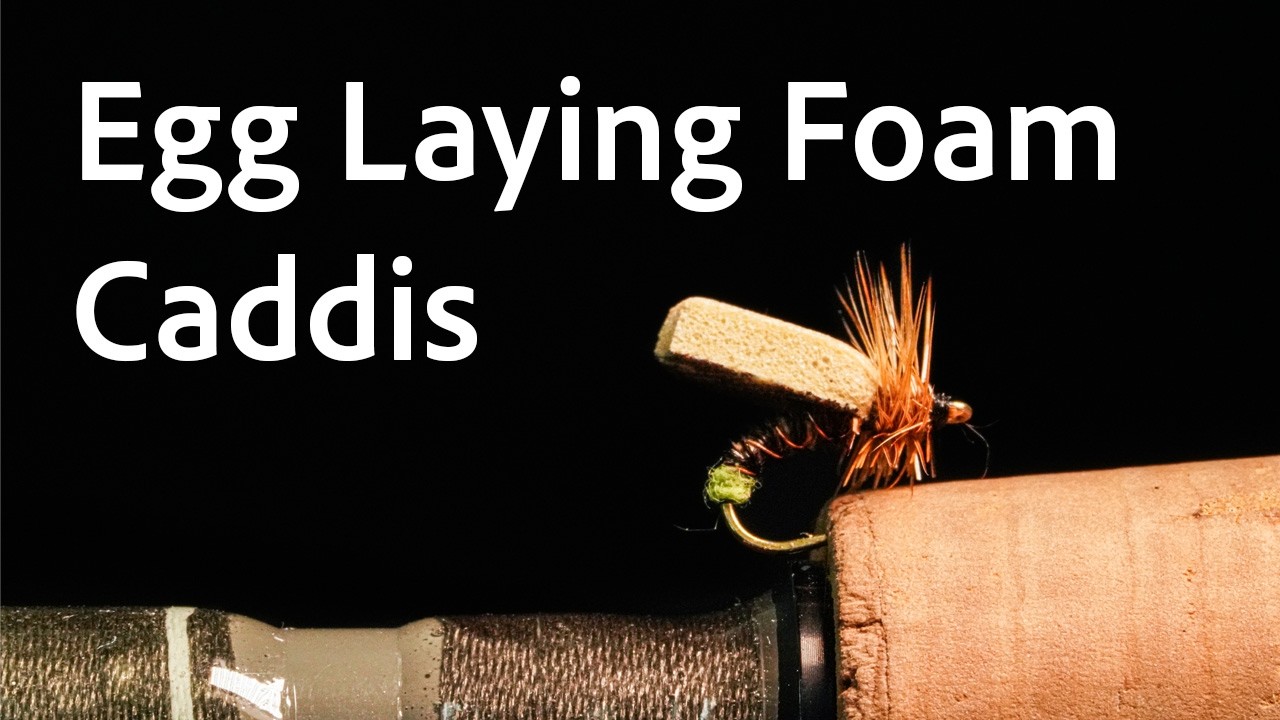
EGG LAYING ADULT

How to tie the Egg Laying Foam Caddis | Fly Tying Tutorial

AvidMax

Materials

  • HookSize 16Tiemco TMC 2488 Short Shank Nymph Hook
  • Thread16/0Veevus, black
  • DubbingHareline Super Fine Dry Fly - caddis green
  • UTC Ultra WireSmallCopper
  • Pheasant Tail FeathersHareline Ringneck - natural
  • Foam2mmMFC Foto - Mottled Tan
  • 1/2 CapeWhiting Farms Pro Grade - barred ginger
  • DubbingHareline Super Fine Dry Fly - Brown

Where It Hatches

Caddis

One species, multiple rivers.

RiverJANFEBMARAPRMAYJUNJULAUGSEPOCTNOVDEC
  • Bear Valley Creek
  • Big Lost River
  • Big Wood River
  • Birch Creek
  • Blackfoot River
  • Boise River, Middleton to Eagle Road
  • Boise River, Strawberry Glen to Barber Dam
  • Clearwater River
  • Coeur d'Alene River
  • Crooked Fork
  • Fall River
  • Henrys Fork of the Snake River
  • Kelly Creek
  • Kootenai River
  • Lemhi River
  • Little Lost River
  • Little North Fork Clearwater River
  • Little Salmon River
  • Little Wood River
  • Lochsa River
  • Loon Creek
  • Middle Fork Boise River
  • Middle Fork Salmon River
  • North Fork Big Wood River
  • North Fork Boise River
  • North Fork Clearwater River
  • North Fork Coeur d'Alene River
  • North Fork Payette River
  • North Fork Saint Joe River
  • Owyhee River
  • Pahsimeroi River
  • Portneuf River
  • Priest River
  • Saint Joe River
  • Saint Maries River
  • Salmon River
  • Selway River
  • Silver Creek
  • Snake River, Hells Canyon Dam to Clearwater Confluence (Lewiston)
  • Snake River, Idaho Falls to American Falls Reservoir
  • Snake River, Lower Salmon Falls Dam to Bliss Dam (Hagerman / Thousand Springs)
  • Snake River, Milner Dam to Hansen Bridge (Murtaugh Canyon)
  • Snake River, Osgood Diversion Dam to Henrys Fork
  • Snake River, Swan Falls Dam to Brownlee Reservoir
  • South Fork Boise River
  • South Fork Clearwater River
  • South Fork Payette River
  • South Fork Snake River
  • Teton River
  • Valley Creek
  • Warm River
  • Yankee Fork Salmon River

Caddis on the podcast

  • Species Spotlight - Caddis - Entomologist Joe Slusark

    Episode 103 · Aug 26, 2019

    Species Spotlight - Caddis - Entomologist Joe Slusark

    Listen on the Barbless Podcast

  • On The Water With Harvest Wild - Aaron Grabiel

    Episode 101 · Aug 13, 2019
    On The Water With Harvest Wild - Aaron Grabiel

    Listen on the Barbless Podcast

Fly Patterns

  • Caddis Pupa#10-18
  • Elk Hair Caddis#12-18
  • Soft Hackle#12-18
  • X-Caddis#14-18

Angler Notes

Why it matters
Caddis are one of the most dependable match-the-hatch groups because trout may feed on them subsurface and on top. Fish often key hardest on the pupa during emergence, but larva and adult imitations both have important windows.
Imitation tips
Carry a simple spread: cased or free-living larva in olive/tan/green, pupa in tan/olive/cream with a bit of sparkle or soft movement, and adult elk-hair or low-riding sedge patterns in tan, brown, gray, or black. Match size first, then stage, then color.
Key life stages
larvapupaadult
Presentation
Dead-drift larva near bottom, swing or lift pupae through the water column, and fish adults as a dead drift with occasional subtle skittering or twitching when fish are chasing egg-layers.

Identification

Key features
Adults look moth-like, with two pairs of hairy wings held roof-like over the body; larvae are soft-bodied and often found in protective cases or retreats made with silk and stream debris. Pupae are compact and active before emergence, often rising or drifting toward the surface.
Size
Mostly small to medium; commonly imitated from about #8 to #20 depending on species and stage.
Coloration
Common tones run tan, olive, brown, gray, cream, and black; larvae often match their case or surrounding substrate.
Similar bugs
small mothsstonefliesmayfliesmidges

Habitat

Water types
riversstreamslakespondsspring seepstemporary waters
Substrate
Rock, gravel, sand, woody debris, aquatic vegetation, and other bottom materials used for cases, retreats, or cover.
Conditions
Found in a broad range of aquatic habitats, but many trout-important species are associated with clean, well-oxygenated water.

Eaten By

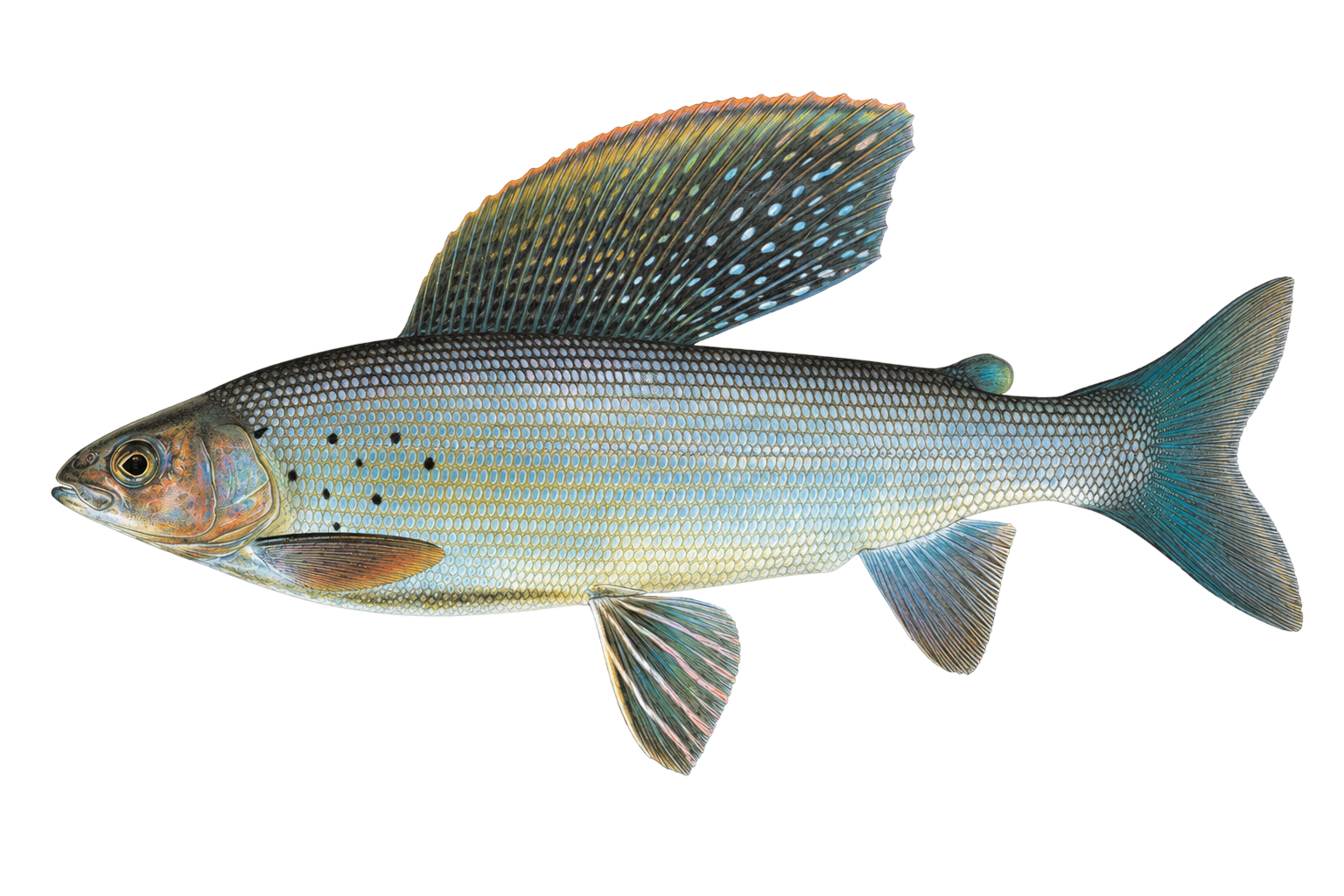
Arctic Grayling
Arctic Grayling
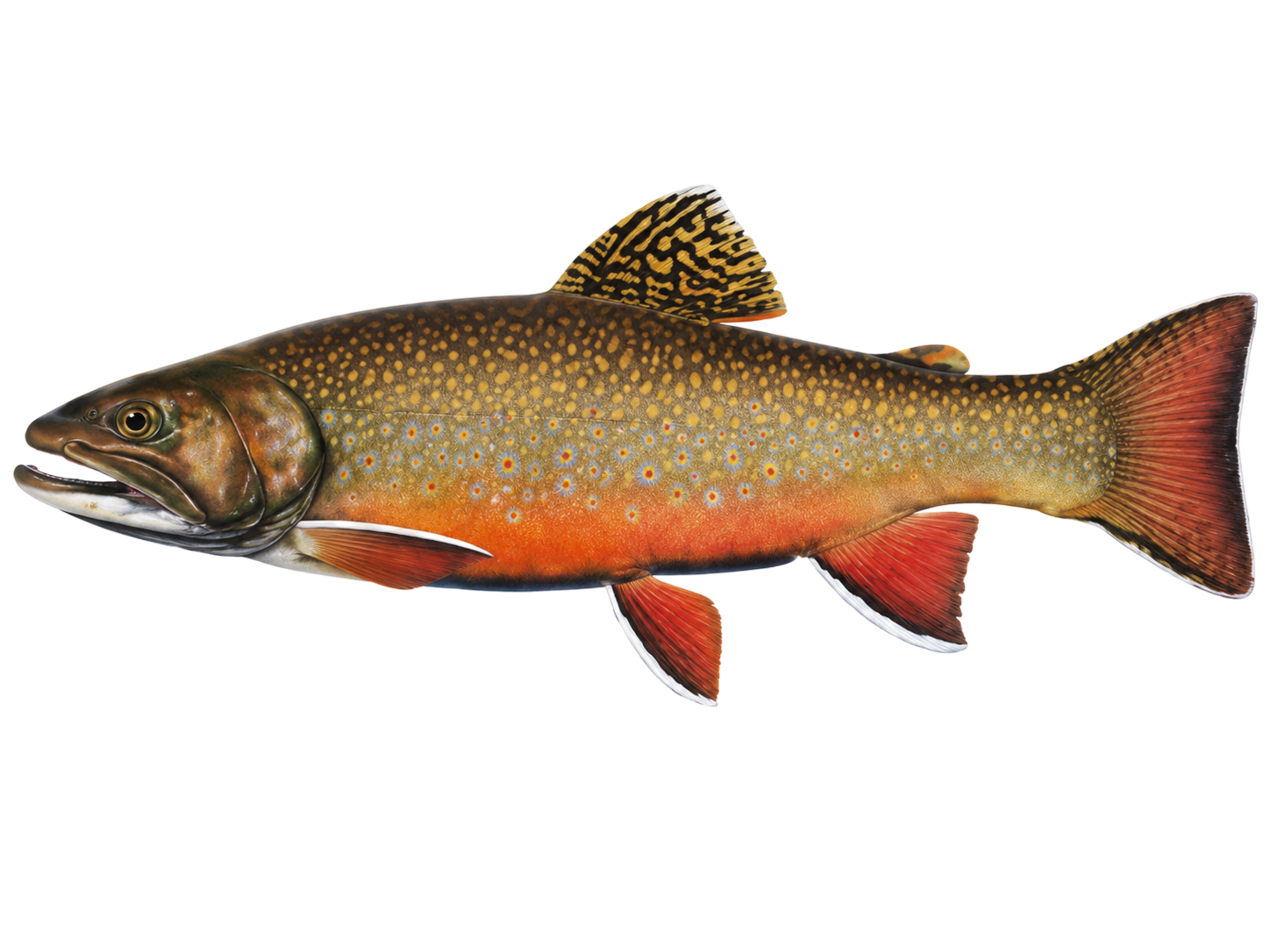
Brook Trout
Brook Trout
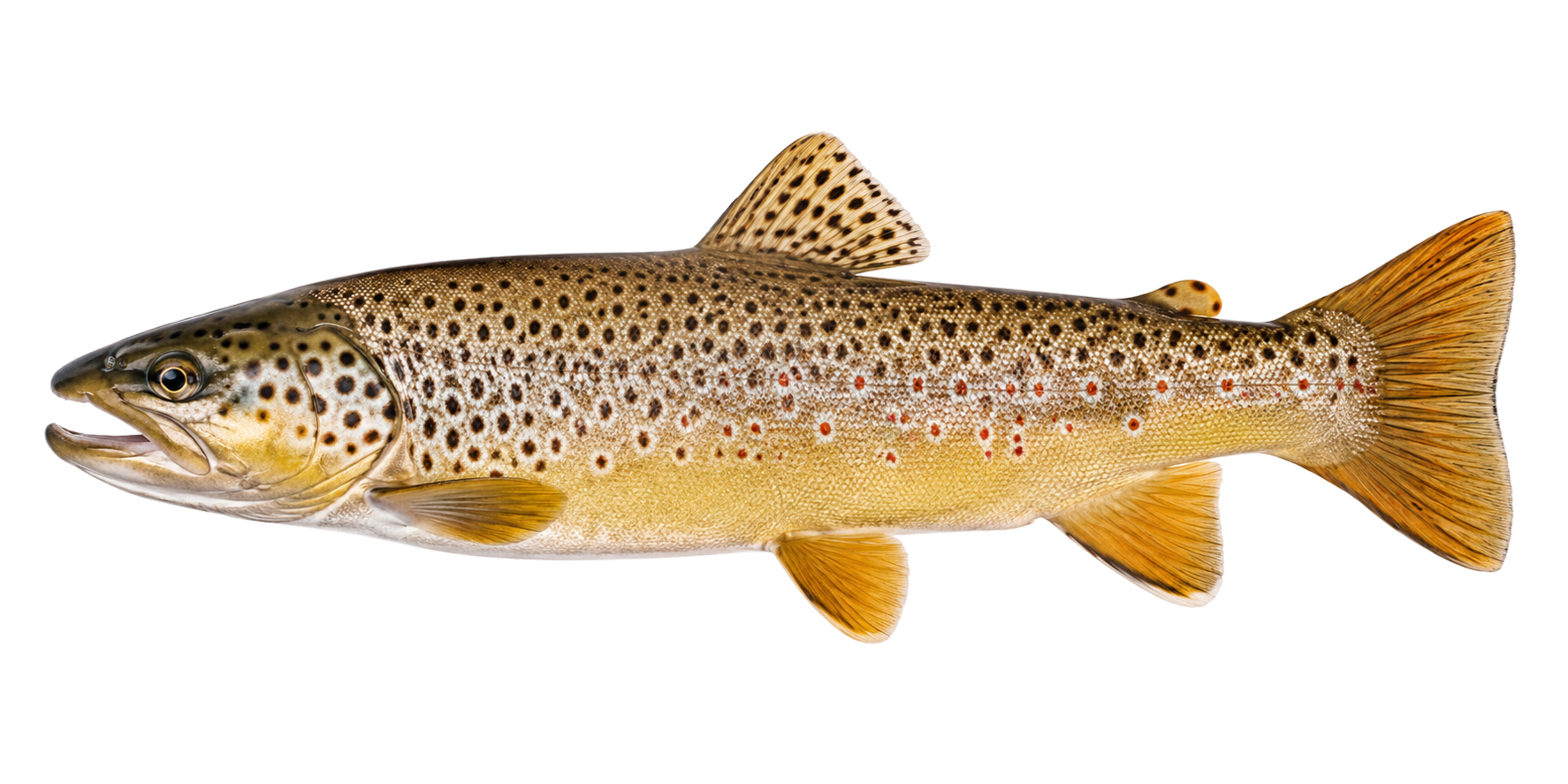
Brown Trout
Brown Trout
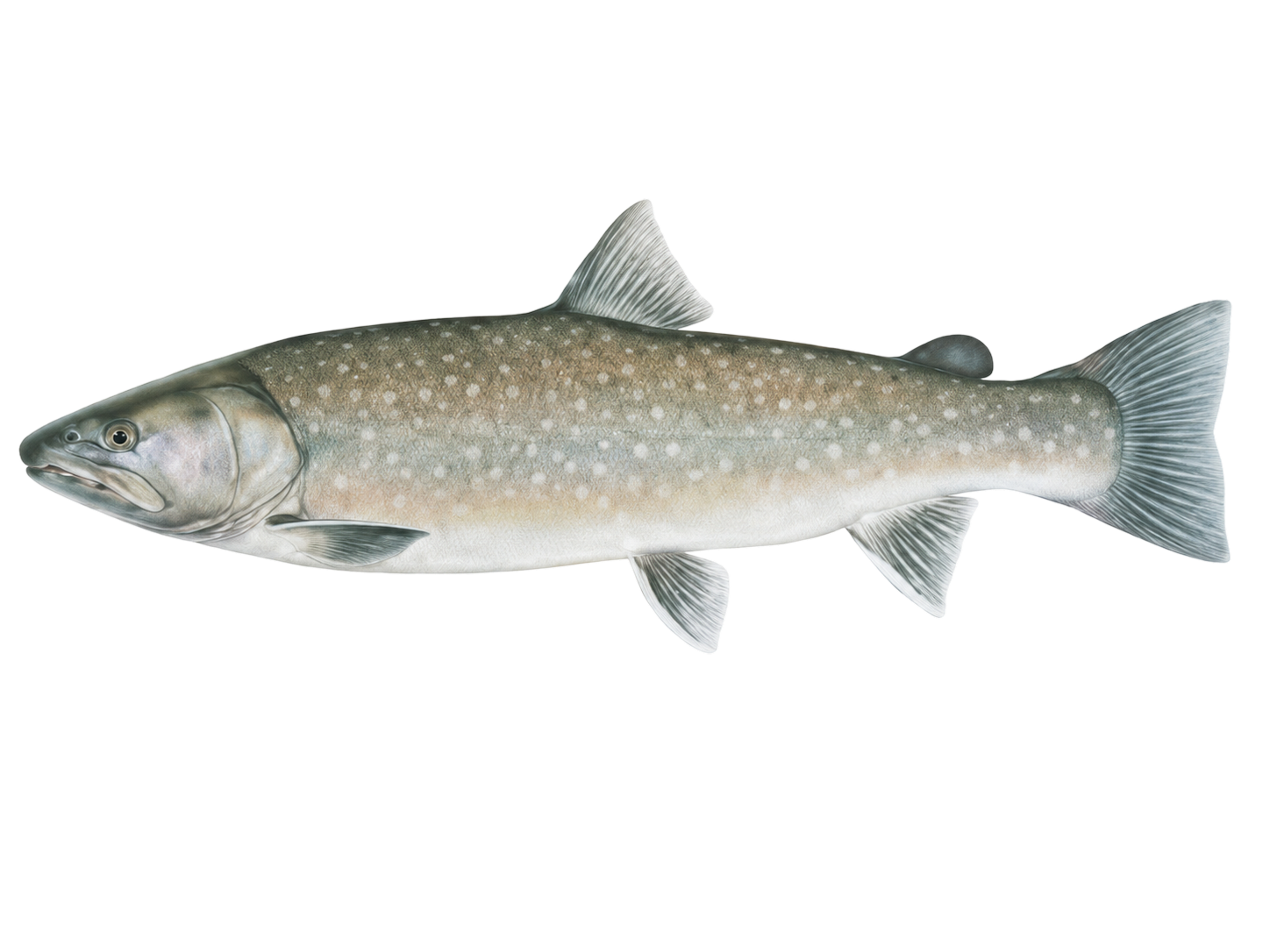
Bull Trout
Bull Trout
Cutbow Trout
Cutbow Trout
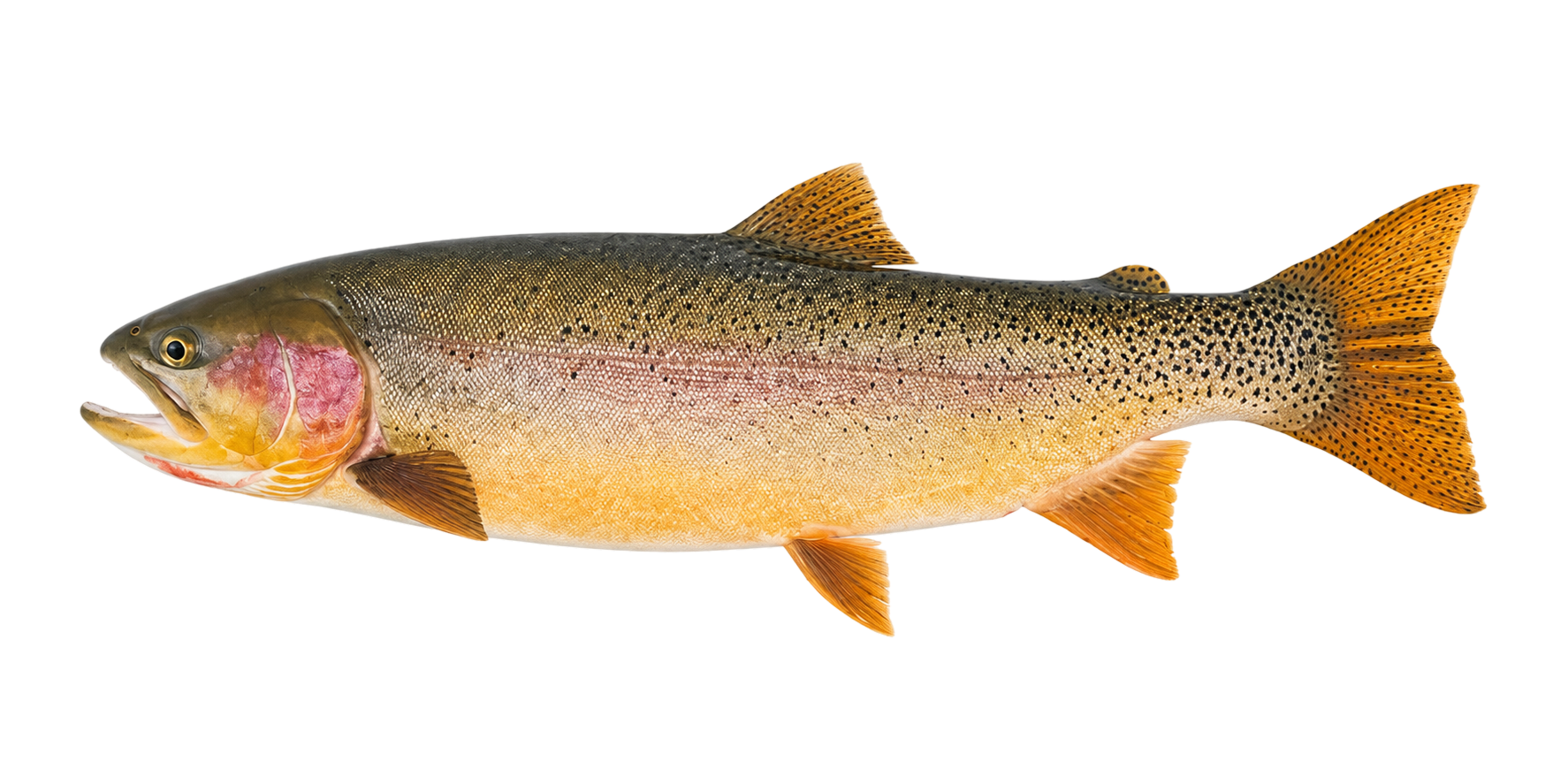
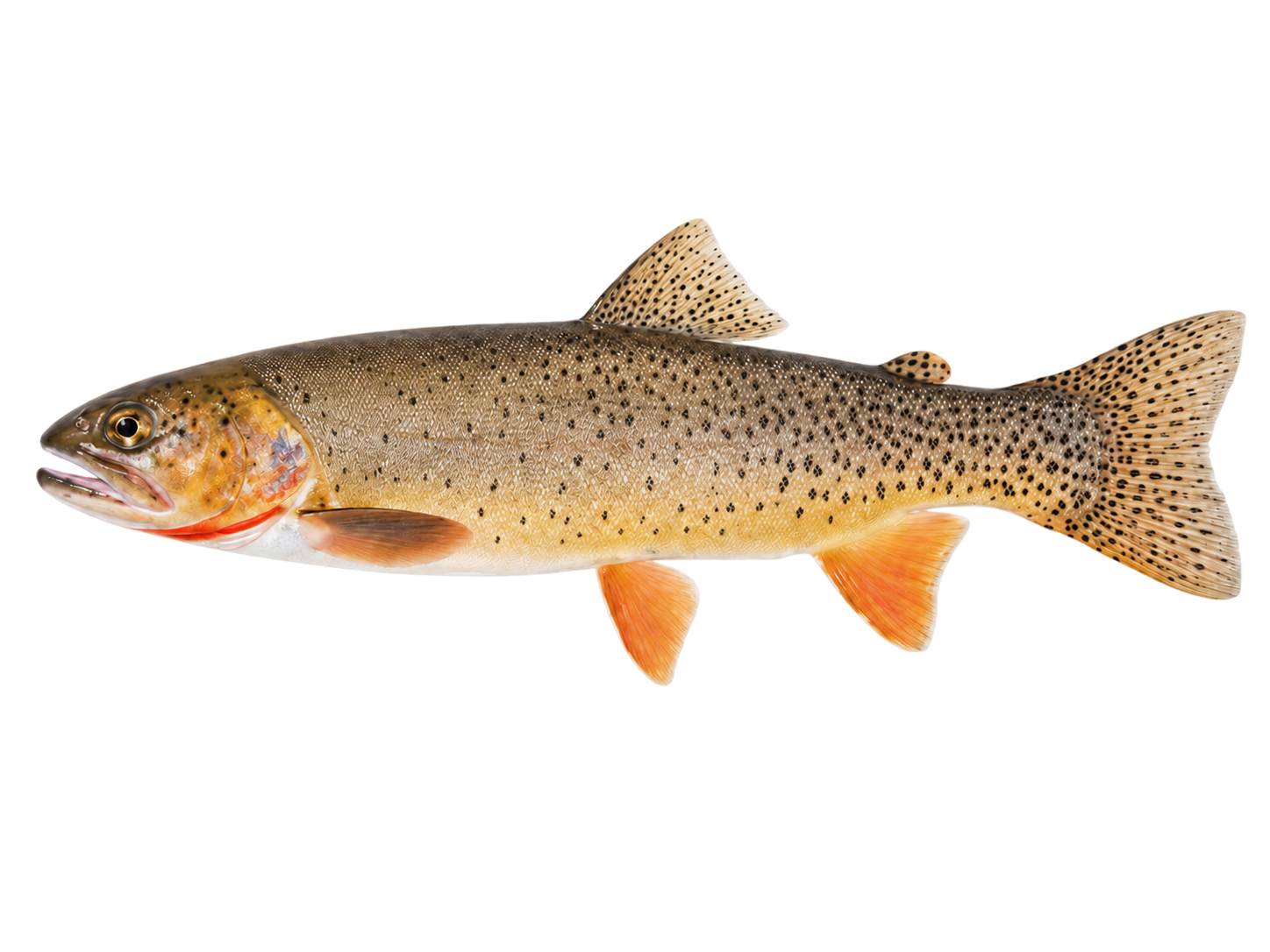
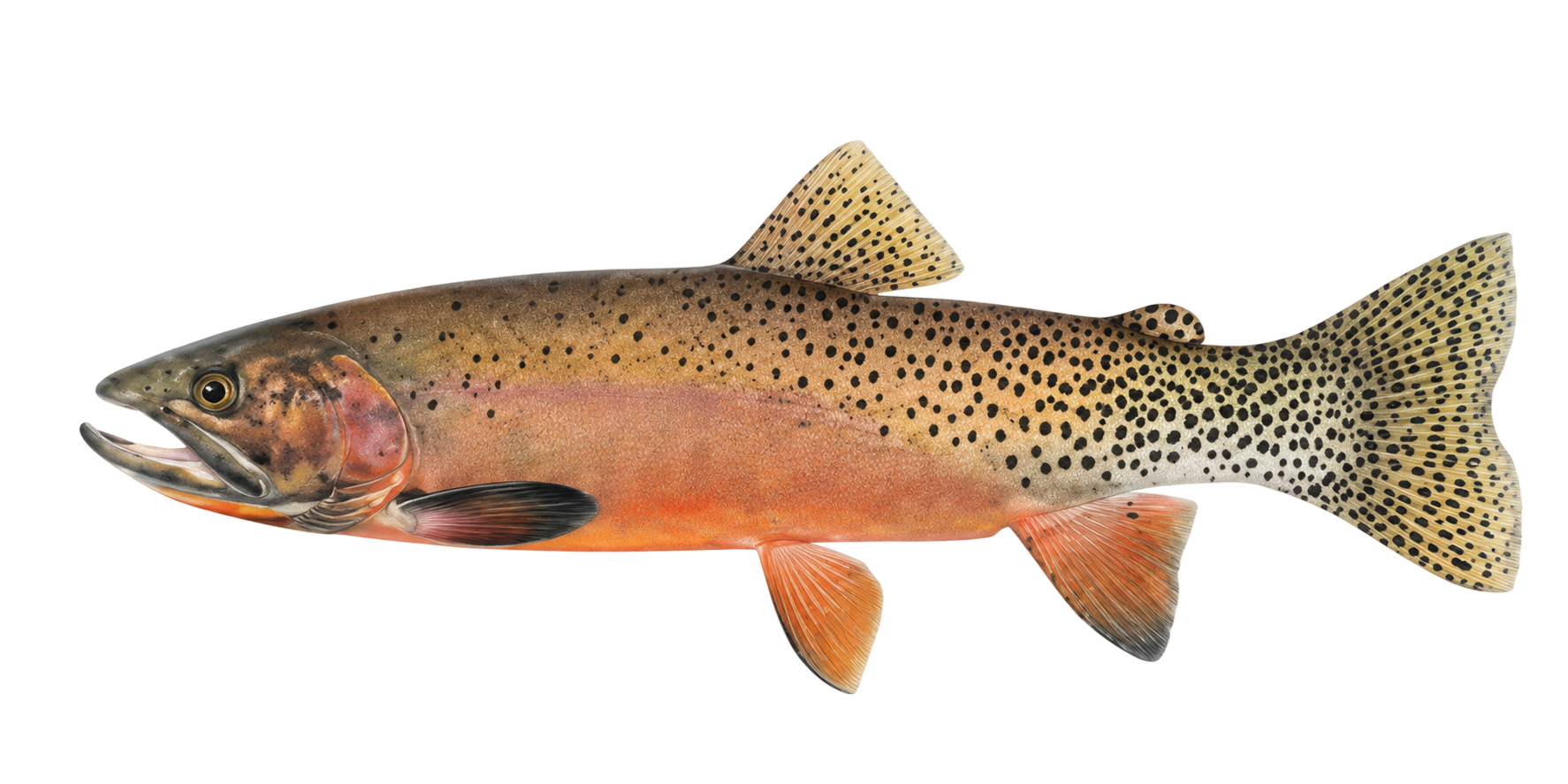
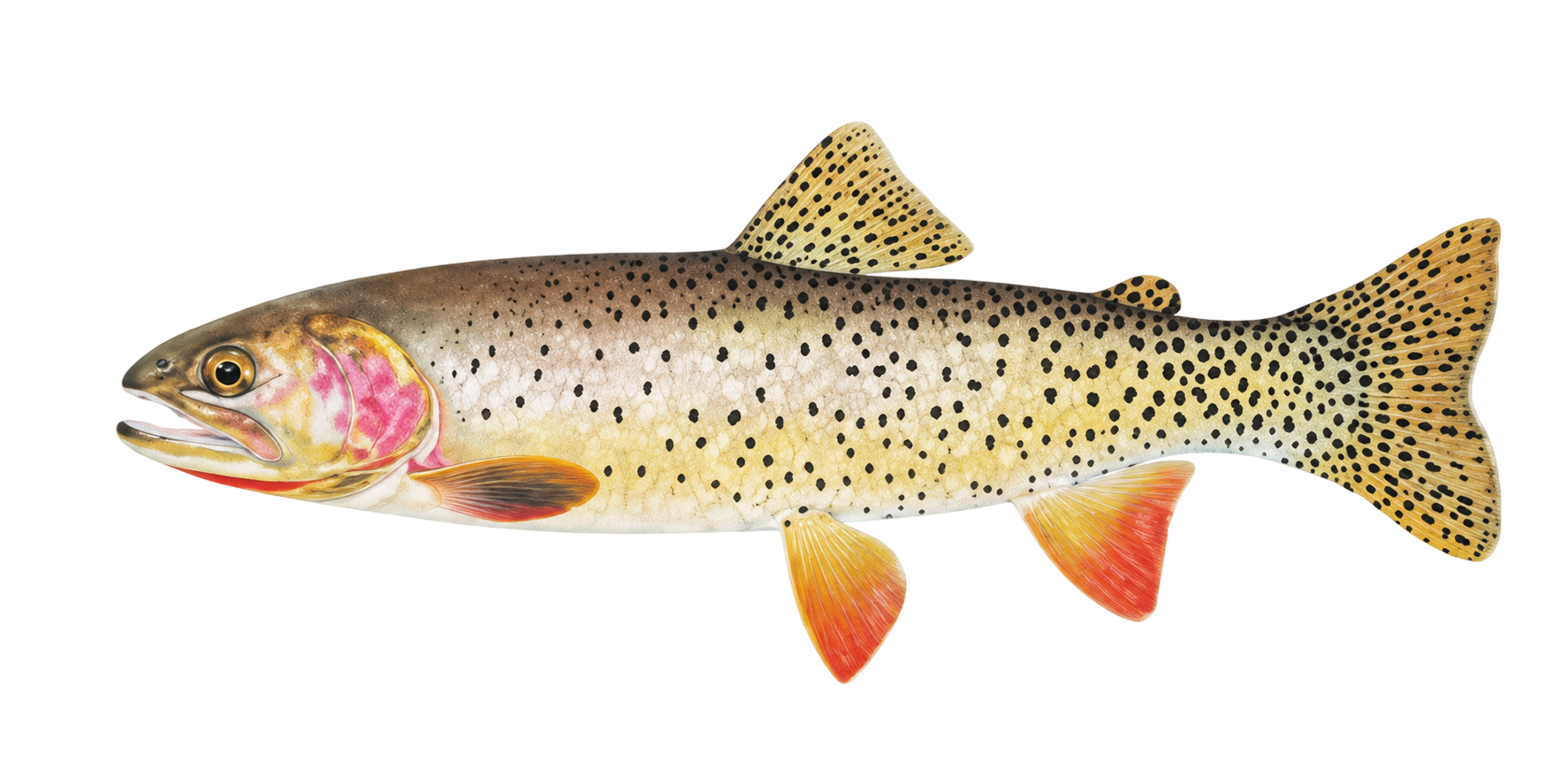
Cutthroat Trout
Cutthroat Trout
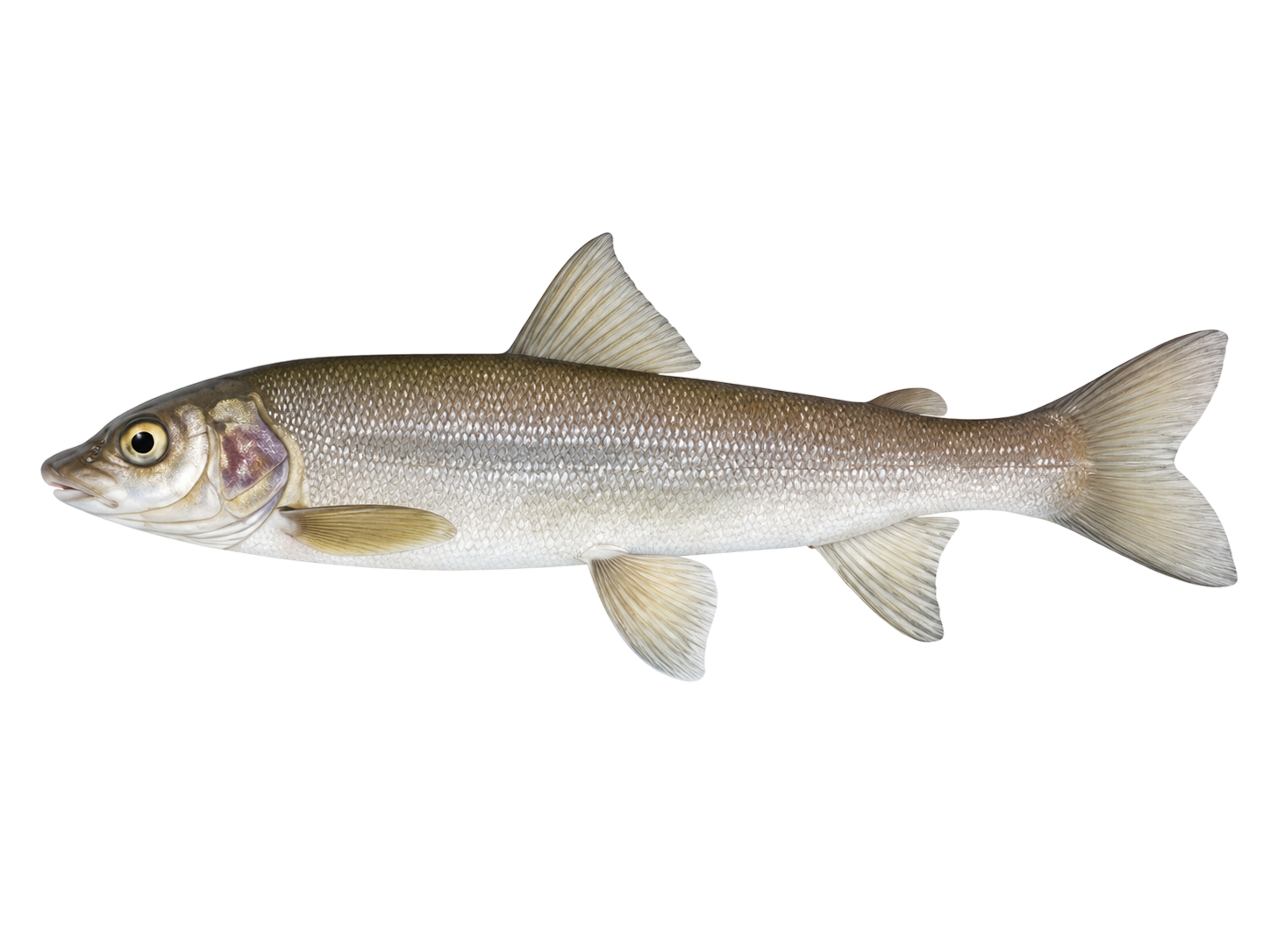
Mountain Whitefish
Mountain Whitefish
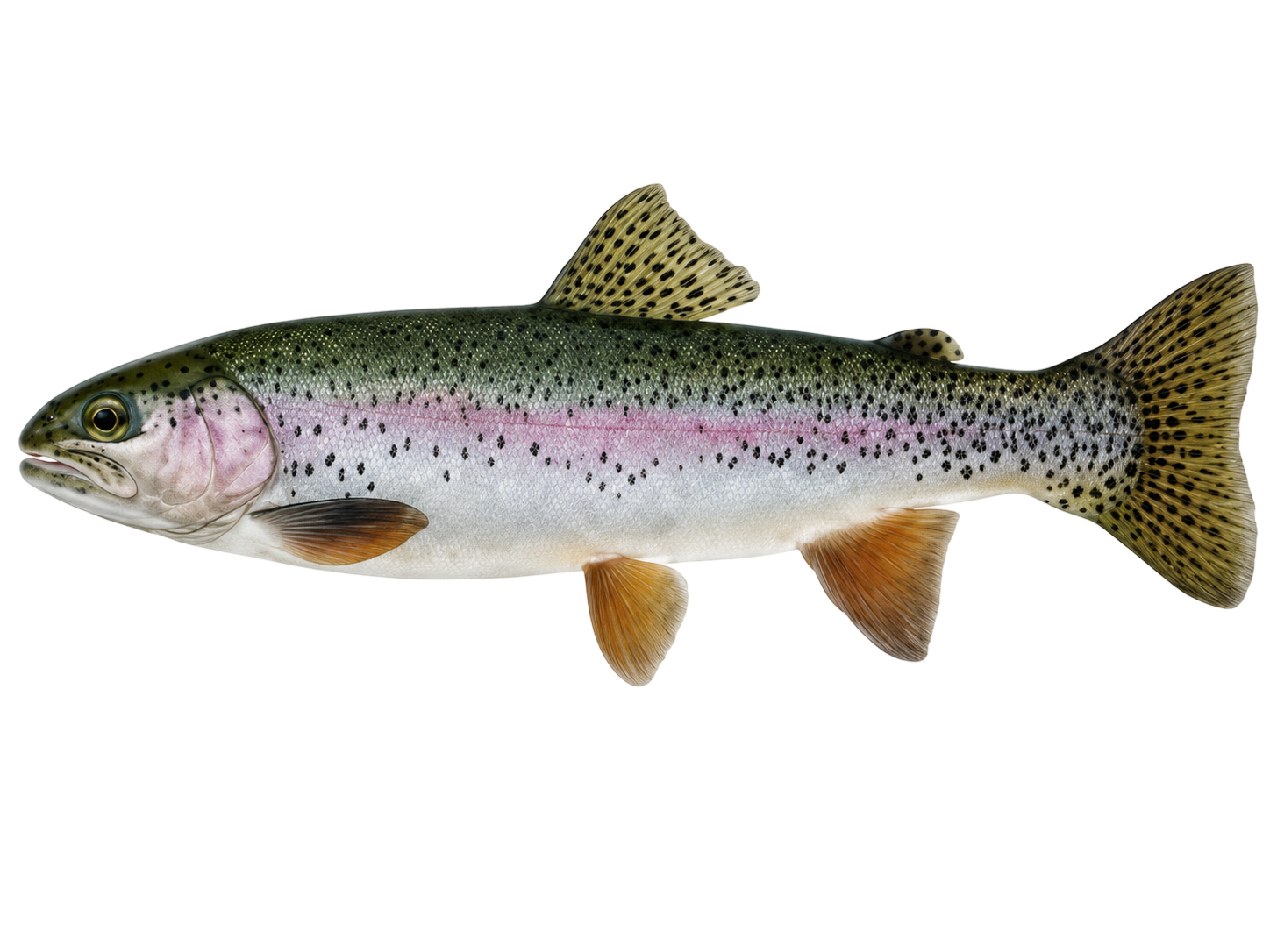
Rainbow Trout
Rainbow Trout
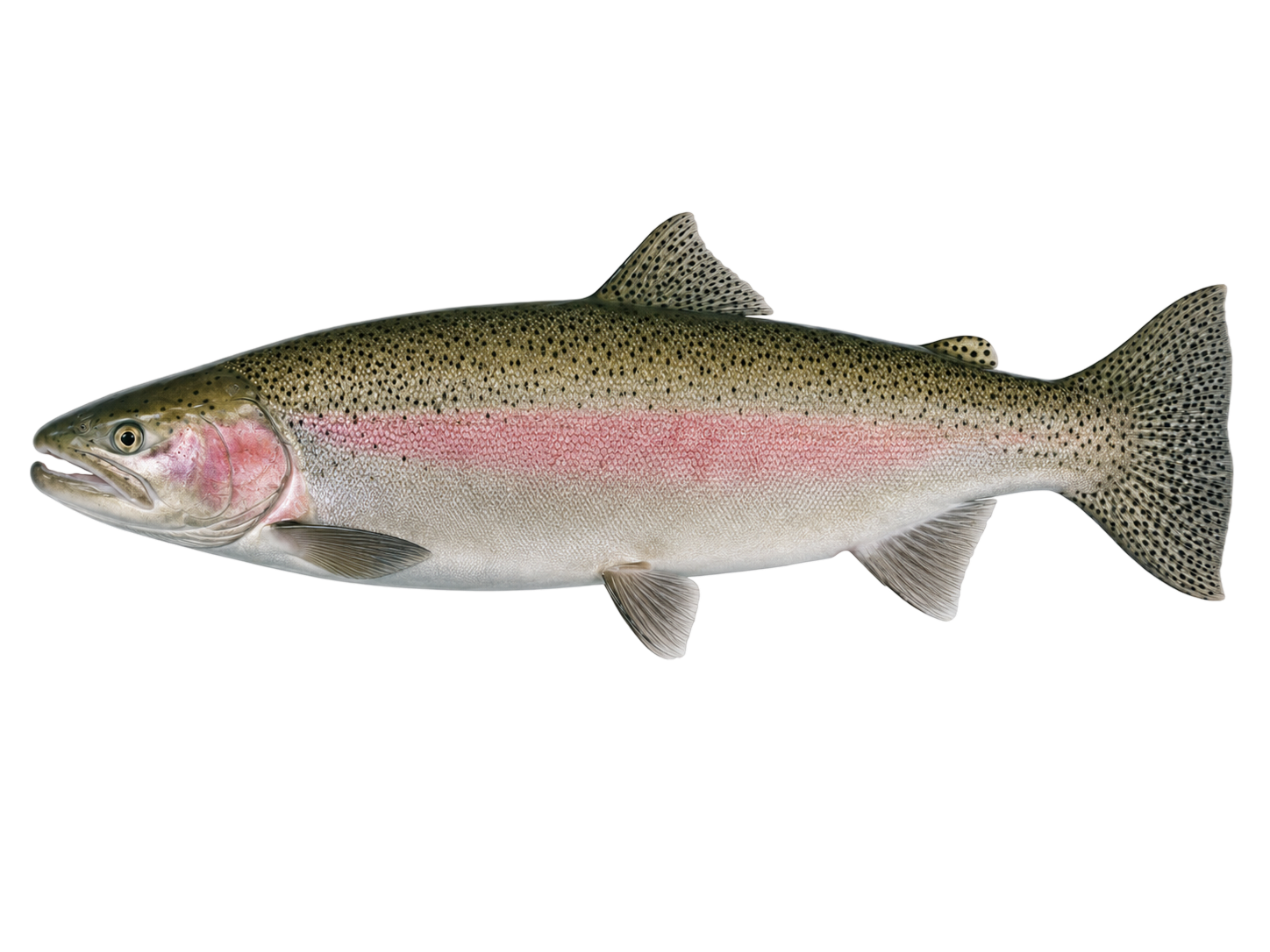
Steelhead
Steelhead
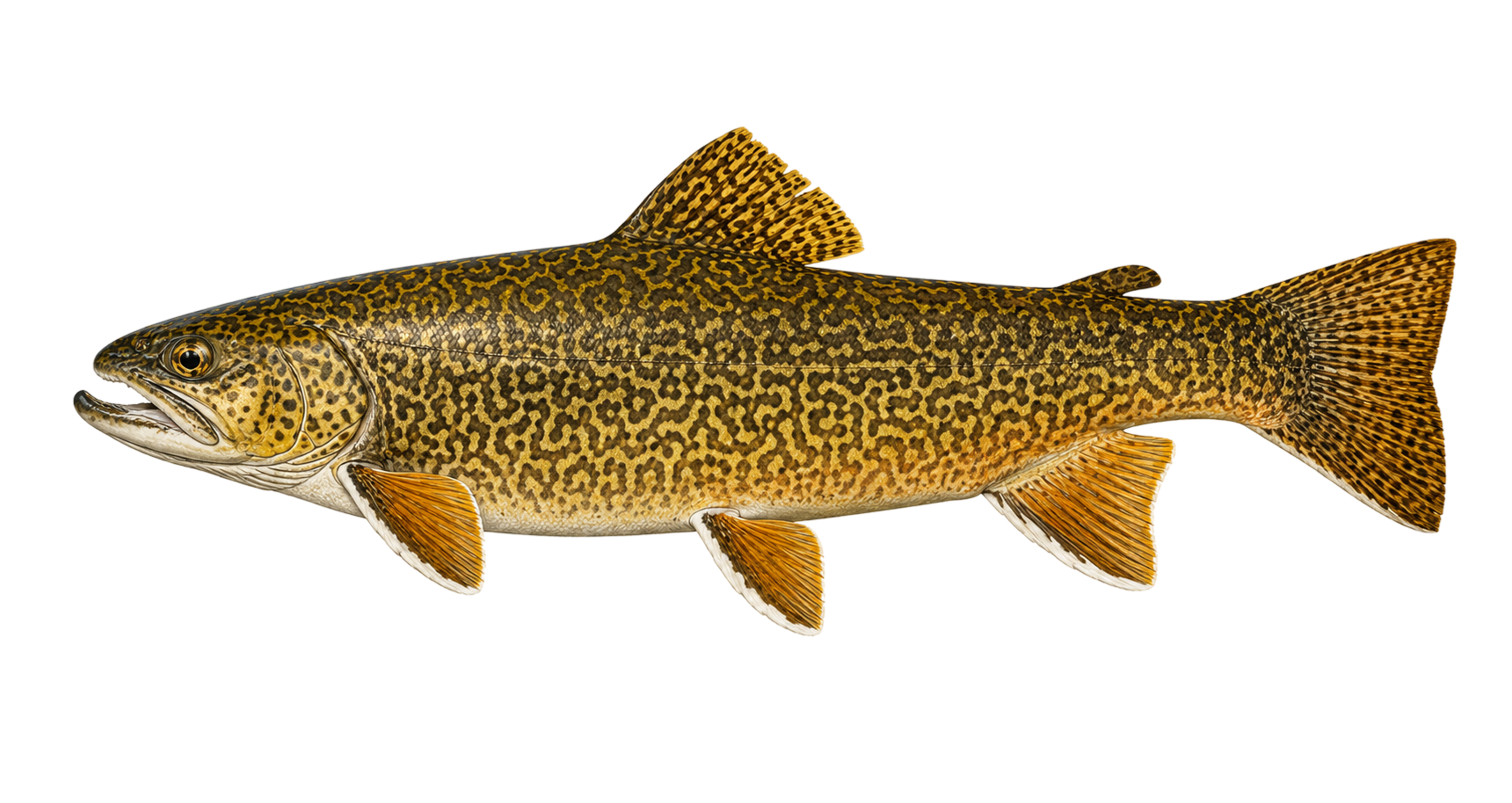
Tiger Trout
Tiger Trout
Westslope Cutthroat Trout
Yellowstone Cutthroat Trout

Caddis Photos

Adult
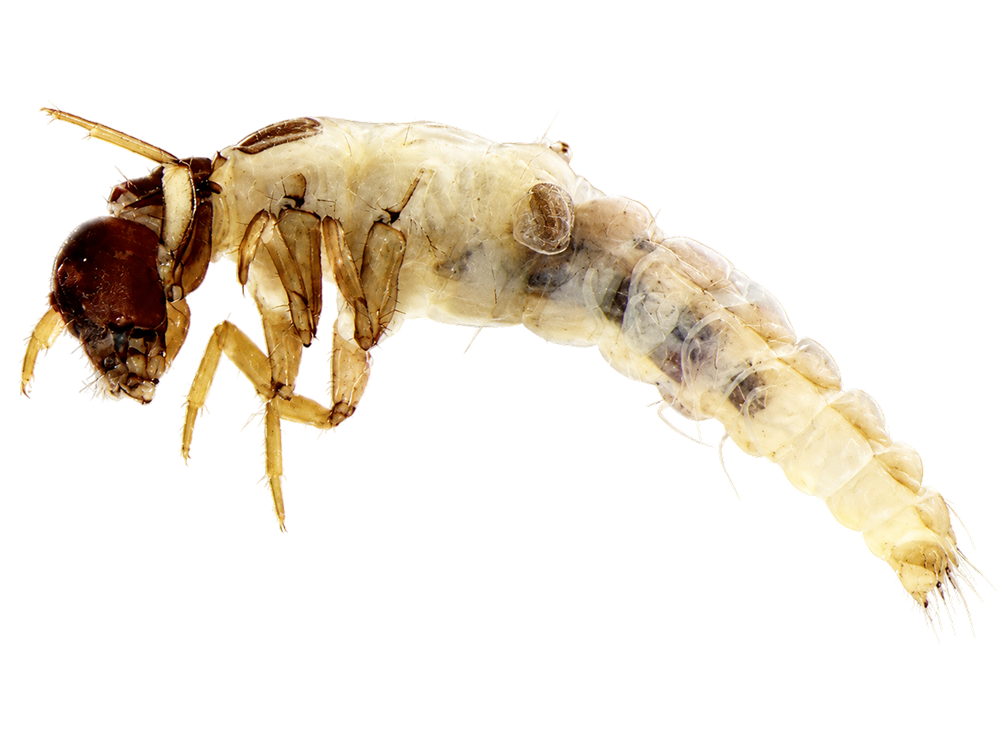
Emerged Nymph
Encased Nymph

On this page

OverviewLife CycleFly TyingWhere It HatchesFrom the PodcastFly PatternsAngler NotesIdentificationHabitatEaten ByPhotos

Share & plan

IDFG Planner

On this profile

  • 52 waters
  • 4 fly patterns
  • 12 predator species
  • 6 tying videos
  • 7 life stages

Explore

Browse all hatches & forage
  • HackleDyed olive Hungarian partridge
  • Optional knot finishHead cement or a small dab of UV resin