Barbless.coBarbless.co
  • Home
  • Map
  • Reports
  • Guides
  • Fish
  • Hatches
  • Podcast
Sign in
Barbless.co

The more you understand, the more there is to see.

  • IdahoLive
  • CaliforniaSoon

Explore

  • Map
  • Reports
  • Browse reports
  • By region

Waters

  • River search
  • Guides & outfitters

Learn

  • Fish species
  • Hatches & forage
  • Podcast

Company

  • About
  • Contact
  • Editorial policy
  • Releases
  • Legal

© 2026 Barbless.co. Flow and gauge data from USGS; weather from Open-Meteo. · v2026.10.18.2

  1. Home
  2. Hatches & Forage
  3. Midge

Updated July 20, 2026

← Back to map
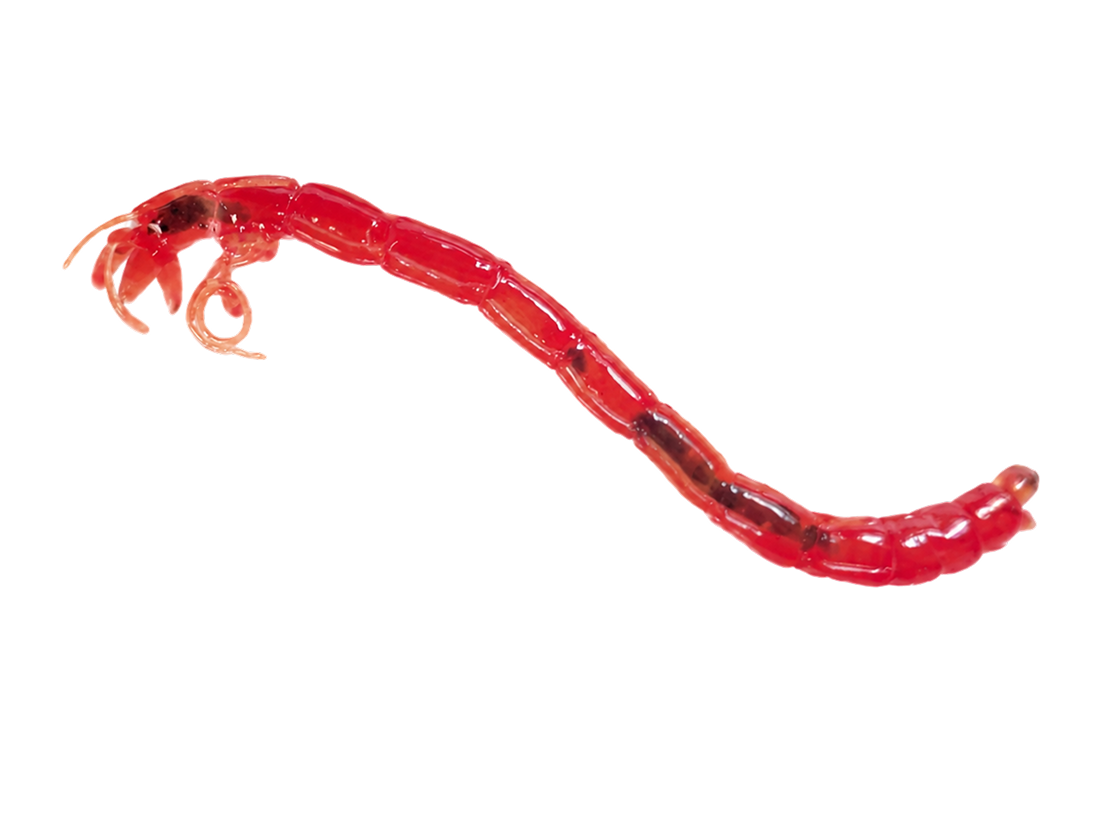
Midge, Red
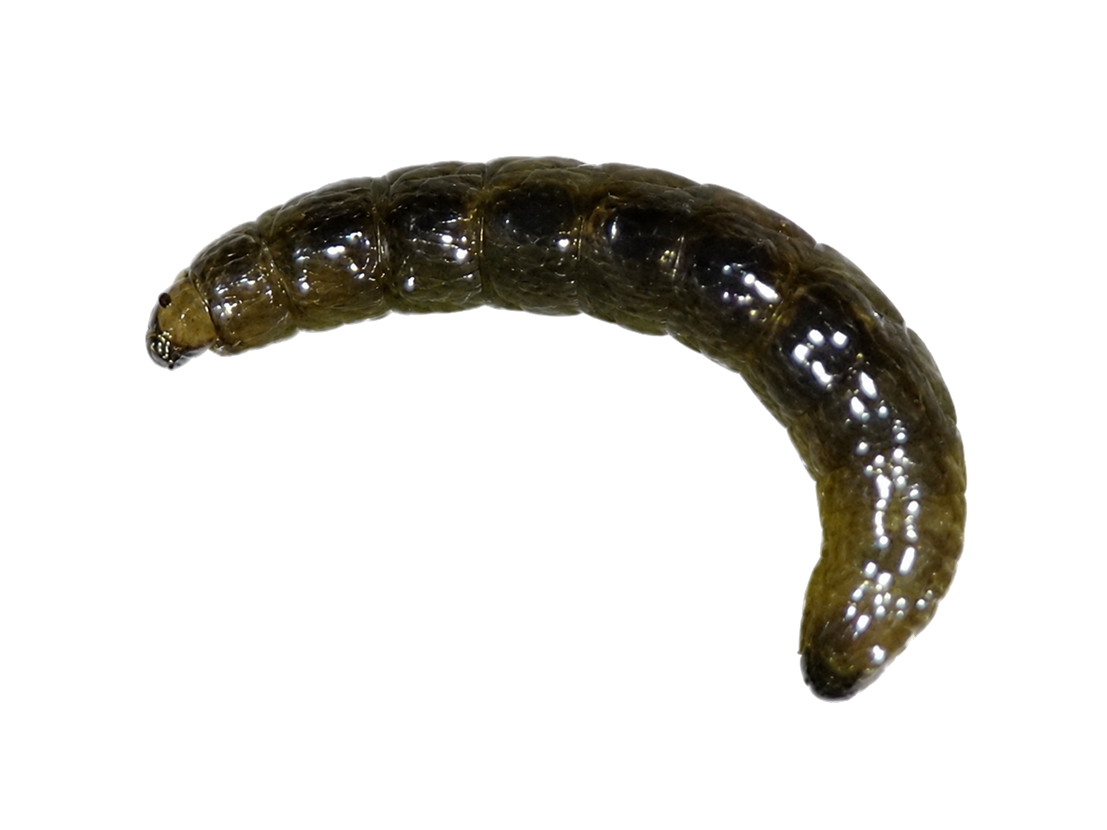
Midge, Black
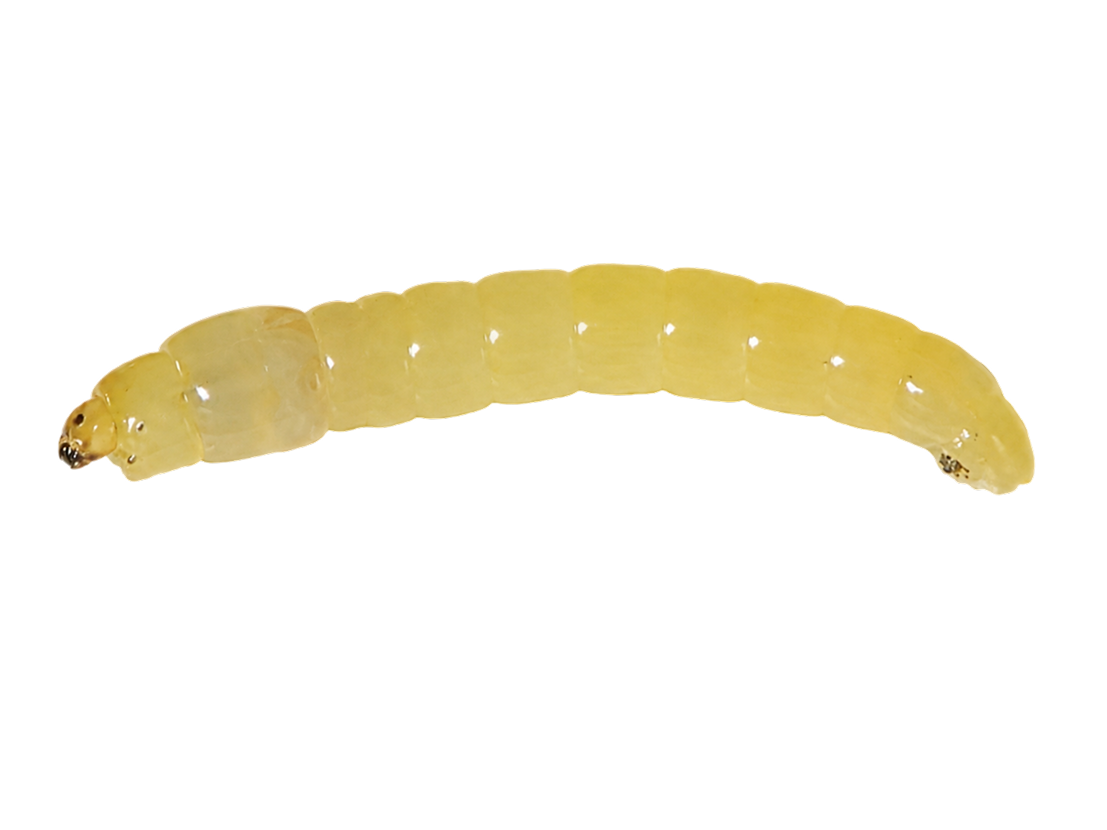
Midge, White
Red

Hatches › Midge

Midge

Midge

Chironomidae · family

Midges are tiny, abundant trout food that matter year-round in both rivers and stillwaters.

Overview

Category

Midge

Category

Midge

Category

The insect or forage category for this profile.

Size

Usually very small; commonly imitated on hooks from about #18 to #26, with some species larger or smaller.

Size

Usually very small; commonly imitated on hooks from about #18 to #26, with some species larger or smaller.

Size

Typical size range anglers imitate on the water.

Key stages

Eggs, Larva, Pupa, Adult Midge, Egg Laying Adult

Key stages

Eggs, Larva, Pupa, Adult Midge, Egg Laying Adult

Key stages

Life stages most relevant to fly fishing this hatch or forage.

Water types

Rivers, Streams, Lakes, Ponds, Backwaters

Water types

Rivers, Streams, Lakes, Ponds, Backwaters

Water types

Water types where this bug or forage is commonly found.

About Midge

Chironomidae are non-biting midges, a globally distributed family of true flies in the order Diptera. Though adults can resemble mosquitoes, they lack the wing scales and long piercing mouthparts of true mosquitoes, and anglers most often imitate their larval, pupal, and adult stages.

Also known as: Chironomid

Life Cycle

Midgeflies undergo a complete metamorphosis, transitioning from aquatic eggs and larvae to terrestrial adults. These insects are a crucial food source for trout throughout the year, particularly in slow-moving waters and tailwater fisheries.
Eggs

Eggs

Female midges deposit clusters of tiny eggs on plants, rocks, or other submerged surfaces close to the water's edge.

larva

larva

Midge larvae live on the stream or pond bottom, where they feed on decaying organic matter and microorganisms for several days to many months.

Pupa

Pupa

During the pupal stage, the midge ascends through the water column, transforming into its adult form before emerging.

Adult Midge

Adult Midge

Adult midges emerge from the water, fly, mate, and typically remain near streams and rivers to complete their life cycle.

Egg Laying Adult

Egg Laying Adult

After mating, adult female midges return to the water to deposit their eggs, thus initiating a new life cycle.

Stages
Complete metamorphosis: egg to larva to pupa to winged adult. Anglers most often fish larva, ascending pupa, and the adult during or after emergence.
Emergence cues
Can be important across much of the year, especially in cool to moderate conditions; emergences are often most noticeable during calmer periods and low light, though they may occur at many times of day.
Behavior
Larvae live in the water and drift occasionally; pupae rise through the water column toward the surface; adults gather on the surface or in swarms near the water. Their abundance makes them a steady food source even when larger insects are absent.

How to Tie Midge Patterns

larva

Super Stretch Midge Larva: A KILLER Bloodworm, midge or chironomid larva pattern

Fly Fish Food

Materials

  • HookUmpqua xc240bl
  • Threadred, 70 denier UTC
  • Threadred, Semperfli 12 OT
  • RibbingMid-stretch rib (Super Stretch Rib)
  • UV Resinclear fly finish, fluorescing style

Pupa

Zebra Midge - With some Variations - Midge Fishing Fly

McFly Angler

Materials

  • Hooksize 18Risen Barbless Emerger 2488
  • Bead2.4mmRisen Brass Bead, silver
  • Thread14/0Veevus, black
  • WiresmallUTC Ultra Wire, silver
  • DubbingUV2 Fine and Dry Dubbing, black
  • Craft Foam2mmWhite
  • CDCCDC Oiler Puff, white

Adult Midge

Matt's Midge

tightlinevideo

Materials

  • Hooksize 22Straight-eye dry-fly hook (here a Dai-Riki 310)
  • Thread/Body6/0black
  • WingWhite Zelon or Antron
  • HackleGrizzly rooster saddle

Egg Laying Adult

Top Secret Midge Fly Tying Instructions by Charlie Craven

Charlie's Fly Box

Materials

  • Hook#18-24 Tiemco 2488
  • ThreadDark Brown UNI 8/0
  • RibWhite UNI 6/0
  • WingGlamour Madiera
  • HeadMahogany Brown Superfine Dubbing

Where It Hatches

Midge

One species, multiple rivers.

RiverJANFEBMARAPRMAYJUNJULAUGSEPOCTNOVDEC
  • Bear Valley Creek
  • Big Lost River
  • Big Wood River
  • Birch Creek
  • Blackfoot River
  • Boise River, Middleton to Eagle Road
  • Boise River, Strawberry Glen to Barber Dam
  • Coeur d'Alene River
  • Fall River
  • Henrys Fork of the Snake River
  • Kootenai River
  • Lemhi River
  • Little Lost River
  • Little North Fork Clearwater River
  • Little Salmon River
  • Little Wood River
  • Loon Creek
  • Middle Fork Boise River
  • North Fork Big Wood River
  • North Fork Boise River
  • North Fork Coeur d'Alene River
  • North Fork Saint Joe River
  • Owyhee River
  • Pahsimeroi River
  • Portneuf River
  • Priest River
  • Saint Joe River
  • Saint Maries River
  • Salmon River
  • Silver Creek
  • Snake River, Hells Canyon Dam to Clearwater Confluence (Lewiston)
  • Snake River, Idaho Falls to American Falls Reservoir
  • Snake River, Lower Salmon Falls Dam to Bliss Dam (Hagerman / Thousand Springs)
  • Snake River, Milner Dam to Hansen Bridge (Murtaugh Canyon)
  • Snake River, Osgood Diversion Dam to Henrys Fork
  • Snake River, Swan Falls Dam to Brownlee Reservoir
  • South Fork Boise River
  • South Fork Clearwater River
  • South Fork Snake River
  • Teton River
  • Valley Creek
  • Warm River
  • Yankee Fork Salmon River

Midge on the podcast

  • Striper and Bass on The Fly - Guides Chuck Ragan and Hogan Brown

    Episode 27 · Jan 15, 2018

    Striper and Bass on The Fly - Guides Chuck Ragan and Hogan Brown

    Listen on the Barbless Podcast

Fly Patterns

  • Griffith's Gnat#18-24
  • RS2#18-24
  • Zebra Midge#16-22

Angler Notes

Why it matters
Midges are one of the most consistent foods available to trout. When fish ignore larger bugs, a small chironomid pattern often matches what they are eating.
Imitation tips
Keep patterns sparse and slim. Carry larva, pupa, and adult imitations in black, red, olive, gray, and cream, and be ready to adjust size before color. In stillwater, suspending pupae under an indicator is a staple; in moving water, small larva and pupa patterns work well as droppers or in fine-tippet nymph rigs.
Key life stages
larvapupaadult
Presentation
Fish larvae near the bottom or in slow seams, pupae with a natural rise or static suspension, and adults dead-drifted in slicks and foam lines. Long leaders, light tippet, and drag-free presentations matter because midge imitations are small and subtle.

Identification

Key features
Slim, segmented larva; pupa with a thin, tapering profile; delicate adult with narrow wings and mosquito-like shape but no long biting proboscis. Adult males often have feathery antennae.
Size
Usually very small; commonly imitated on hooks from about #18 to #26, with some species larger or smaller.
Coloration
Common angling colors include black, olive, brown, cream, gray, red, and maroon; pupae may show a slight sheen or gas-bubble look.
Similar bugs
MosquitoesBlack fliesSmall mayfliesSmall caddis

Habitat

Water types
RiversStreamsLakesPondsBackwaters
Substrate
Soft silt, mud, weeds, and fine organic bottoms are classic midge habitat, though larvae also occur among rocks and vegetation in moving water.
Conditions
Found in a wide range of waters, from slow stillwaters to gentle and moderate current, often wherever fine organic material and stable aquatic habitat are present.

Eaten By

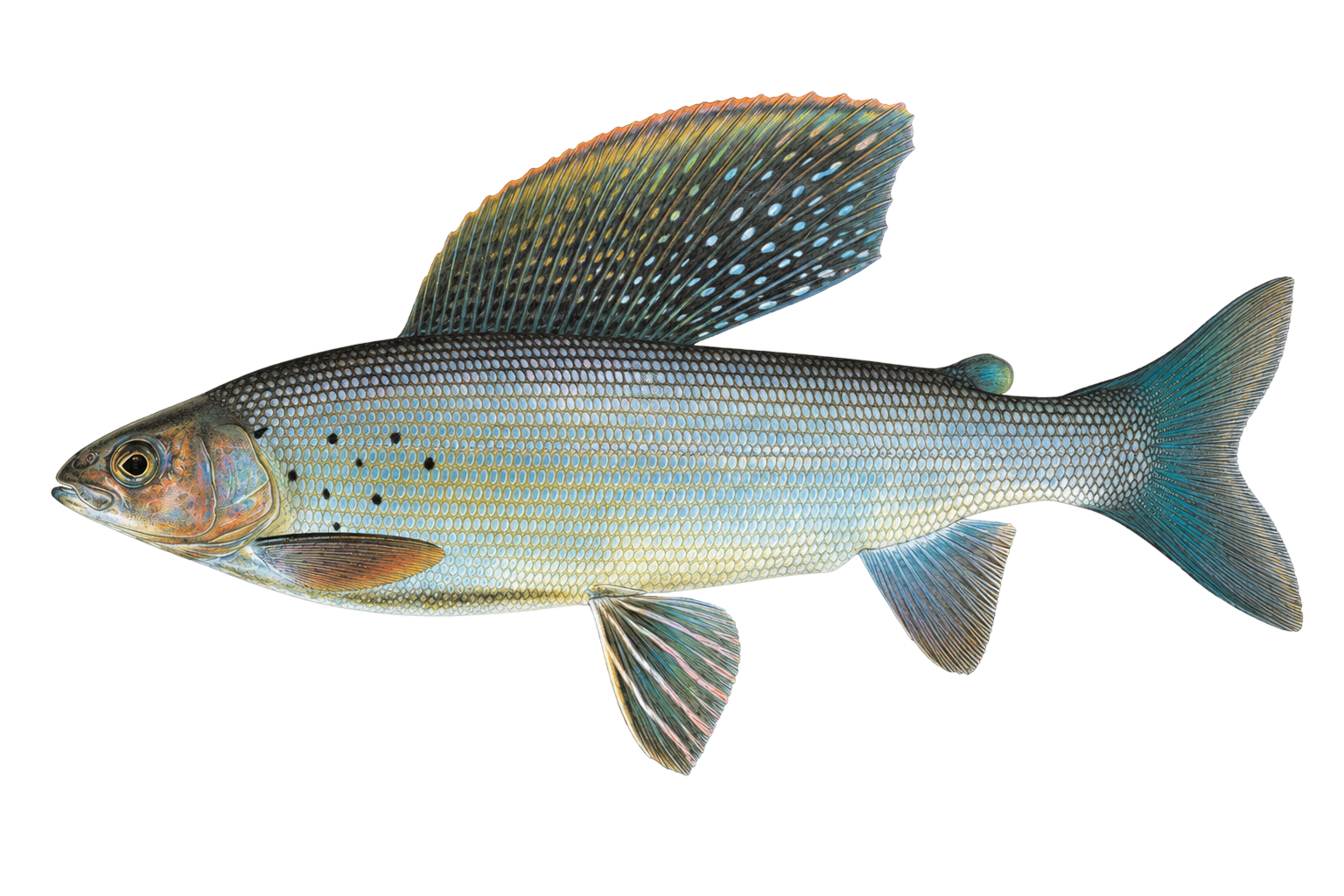
Arctic Grayling
Arctic Grayling
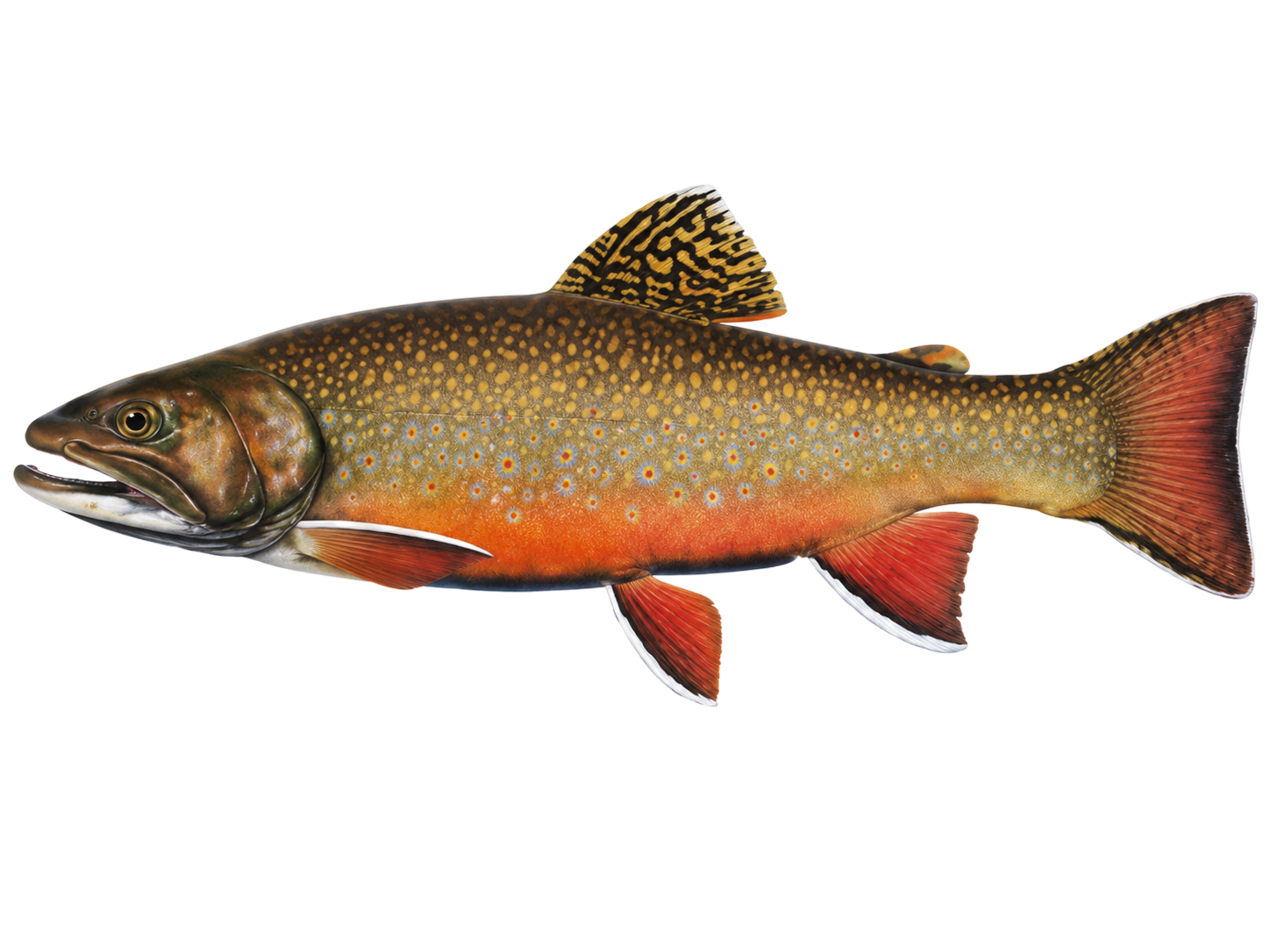
Brook Trout
Brook Trout
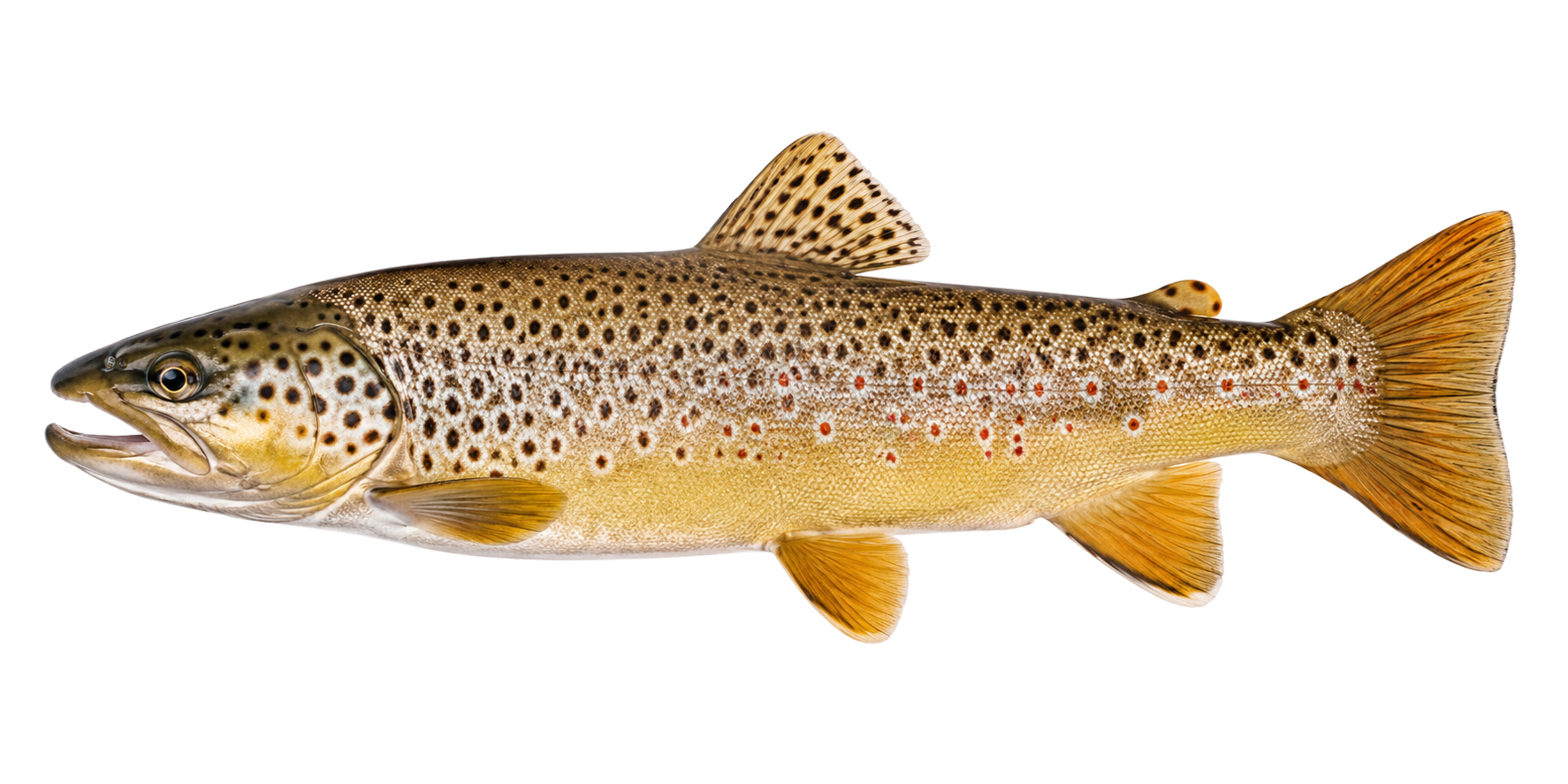
Brown Trout
Brown Trout
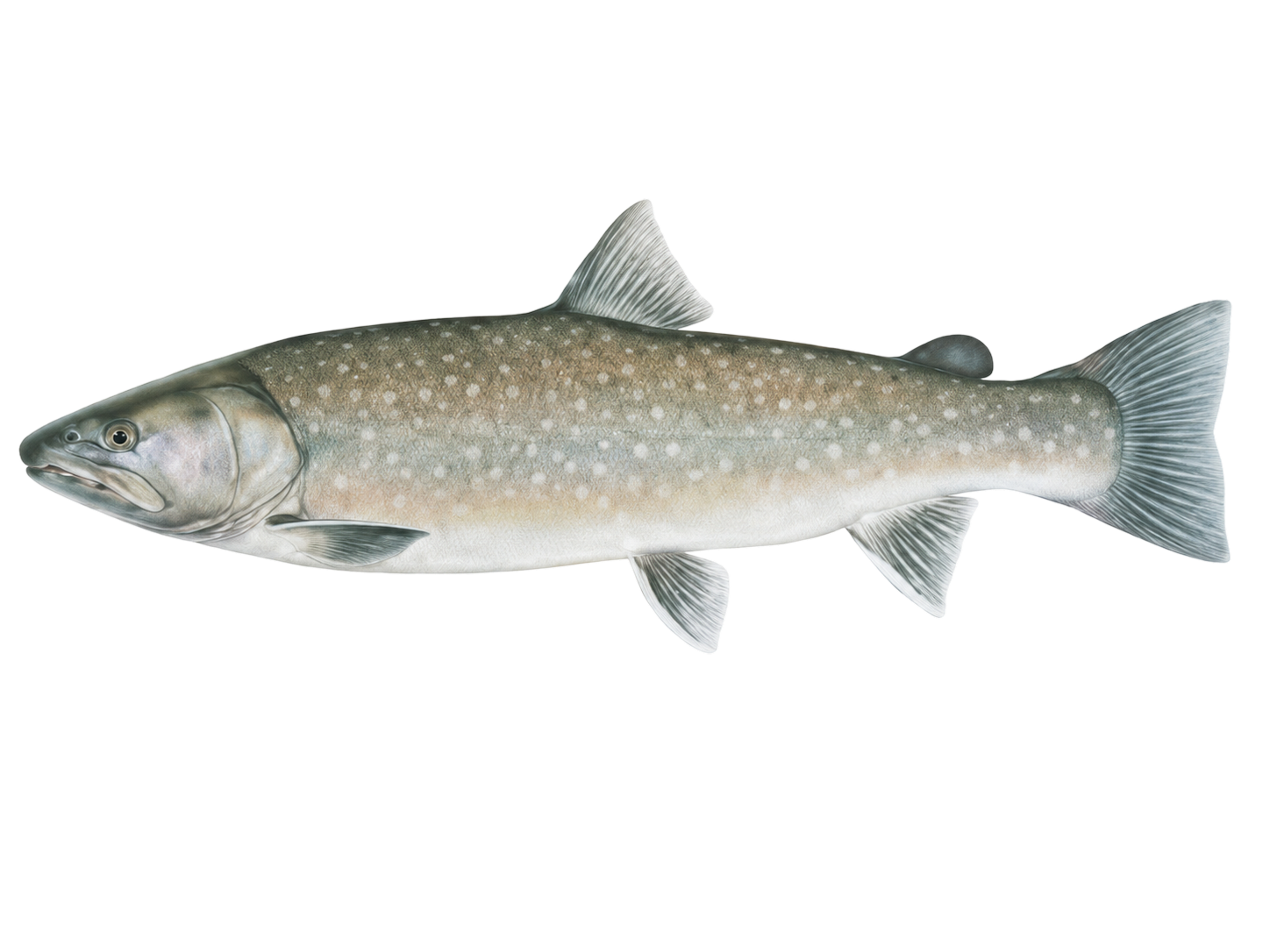
Bull Trout
Bull Trout
Cutbow Trout
Cutbow Trout
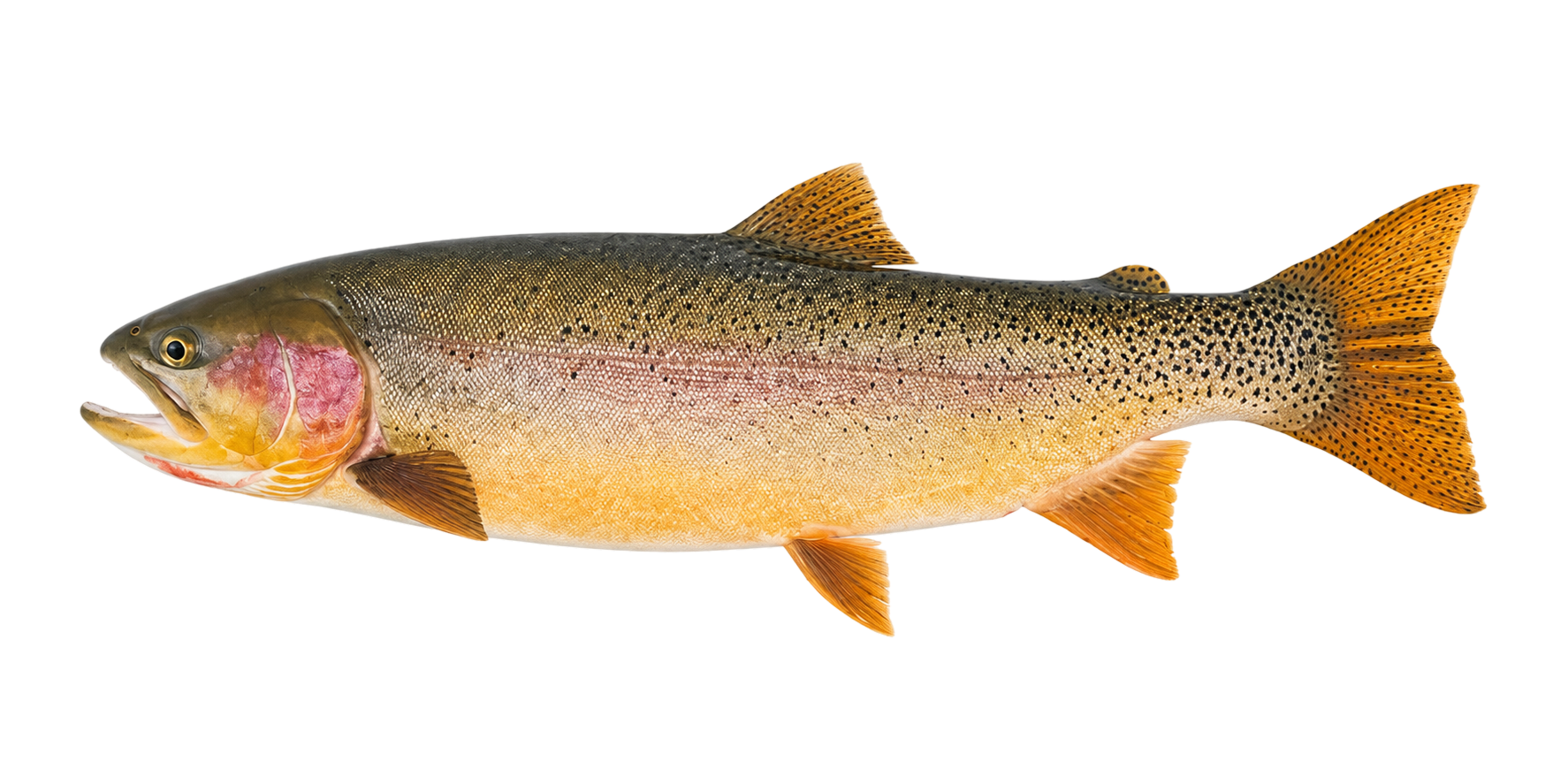
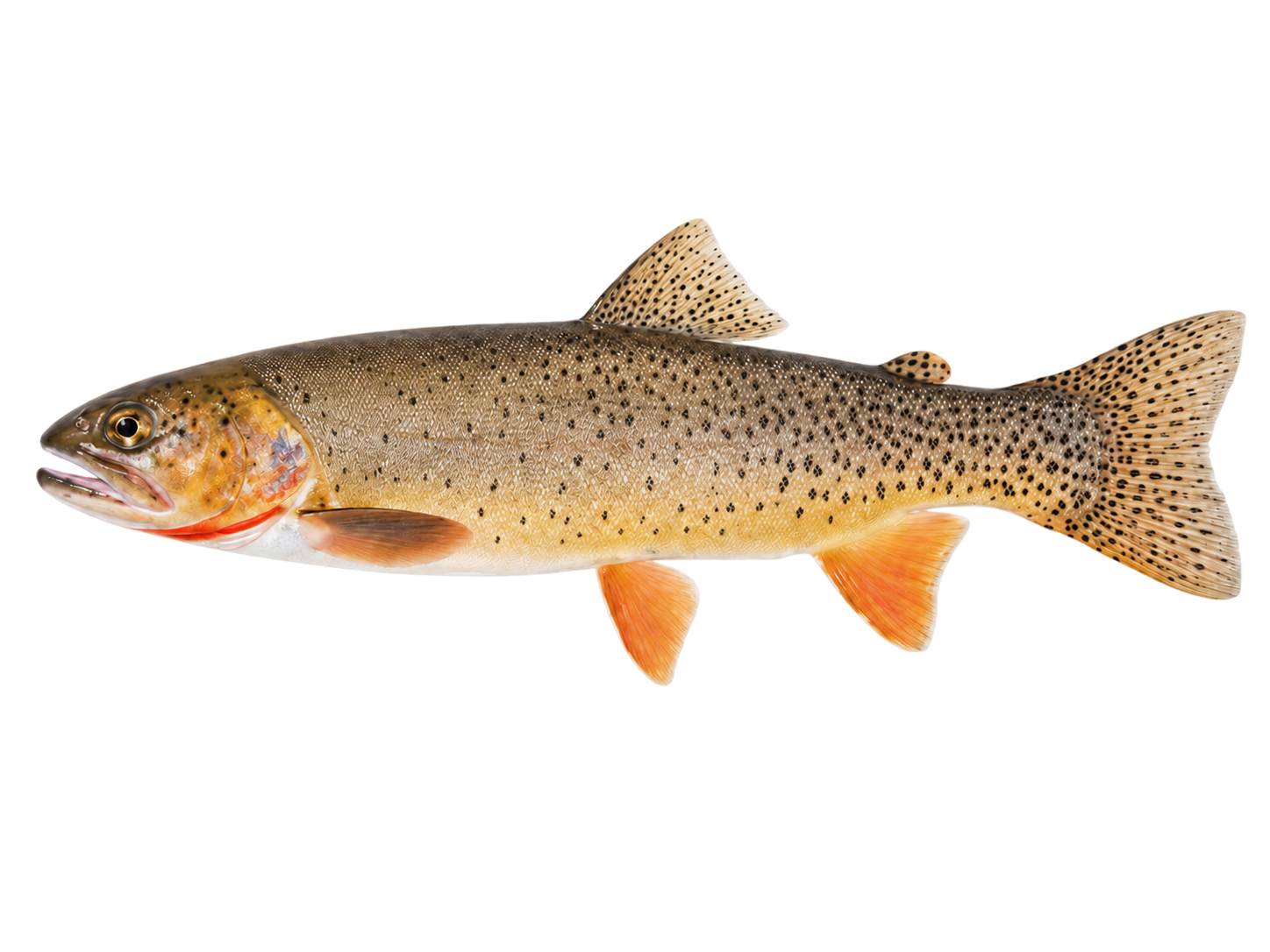
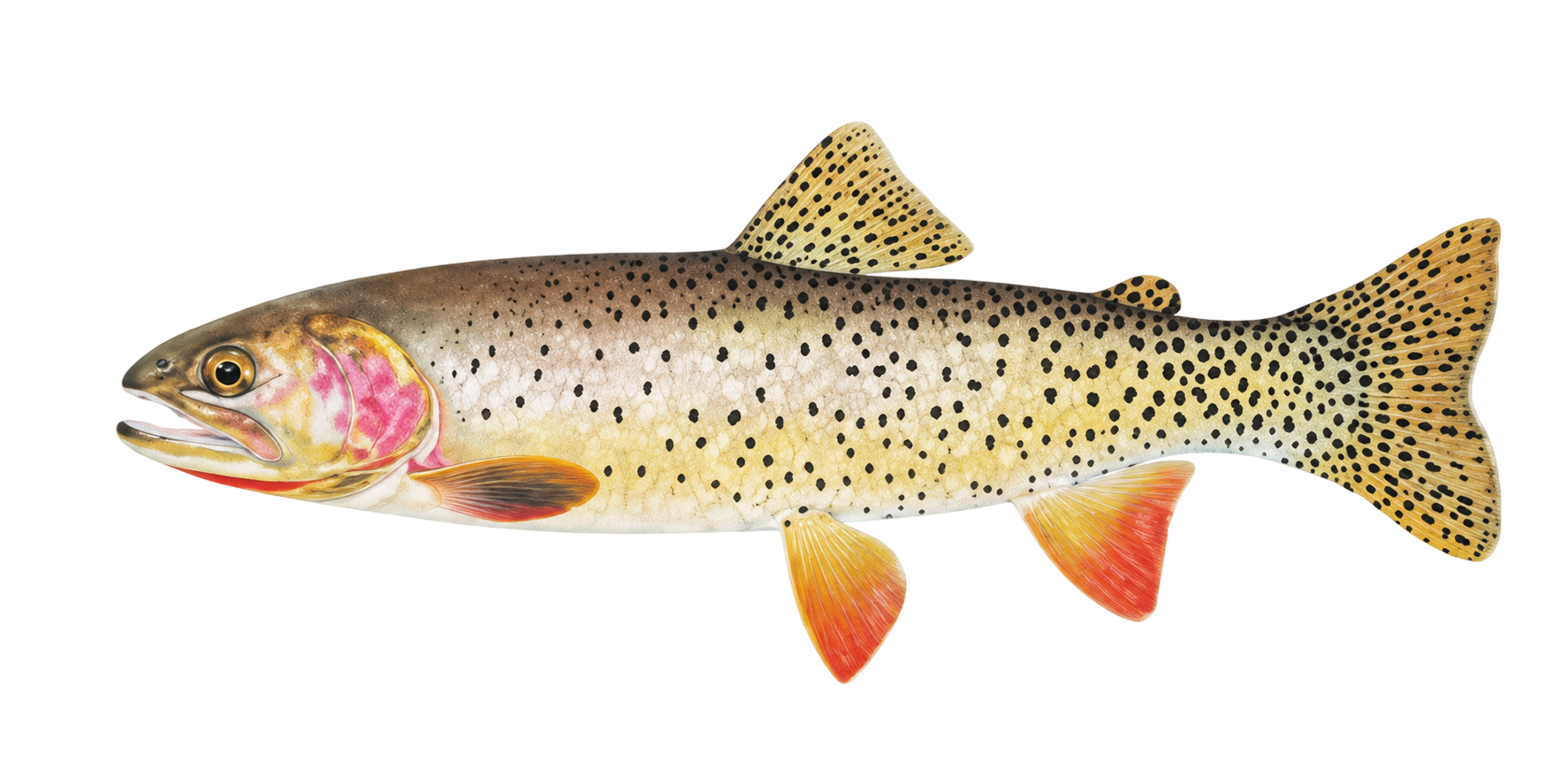
Cutthroat Trout
Cutthroat Trout
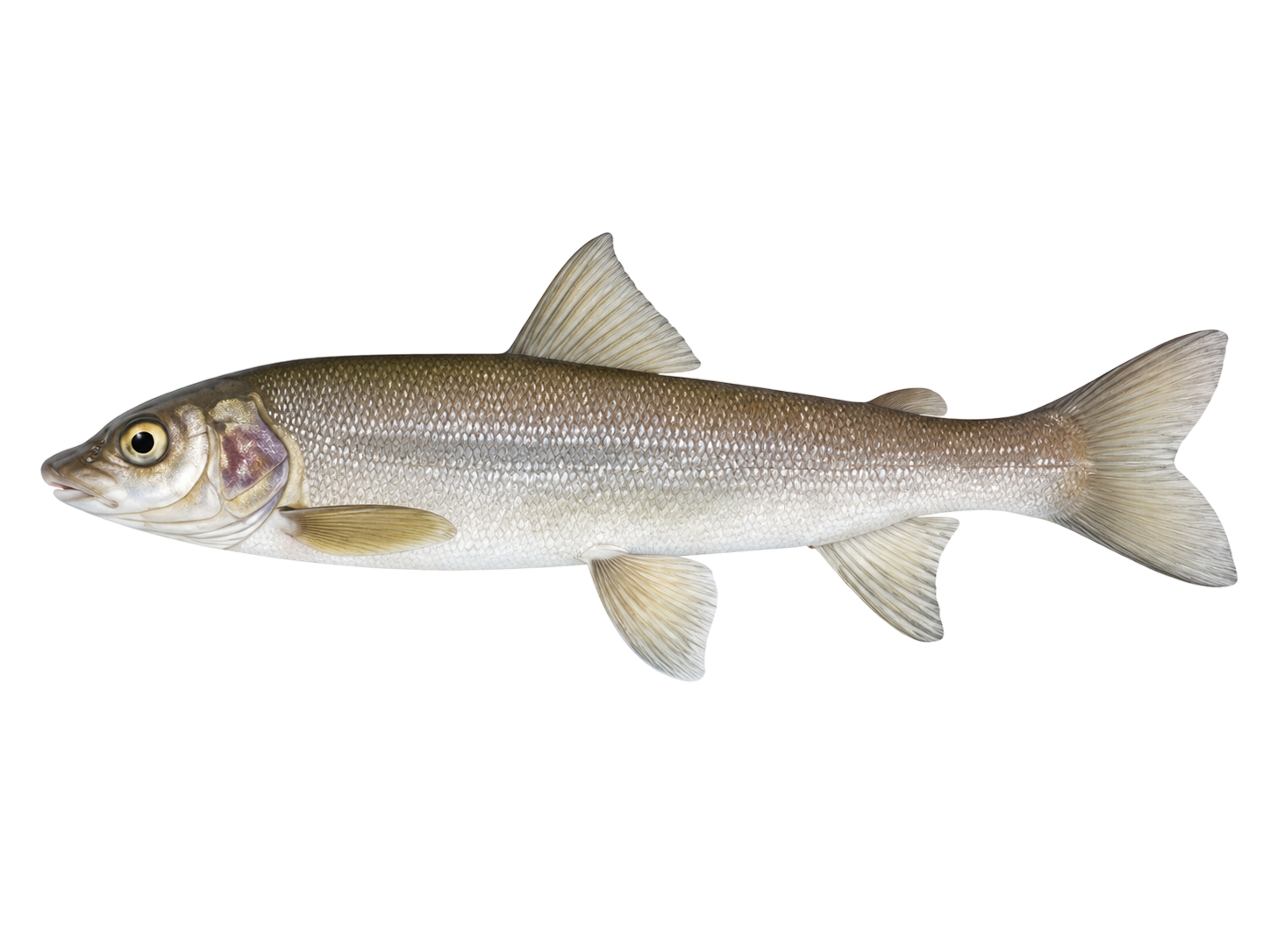
Mountain Whitefish
Mountain Whitefish
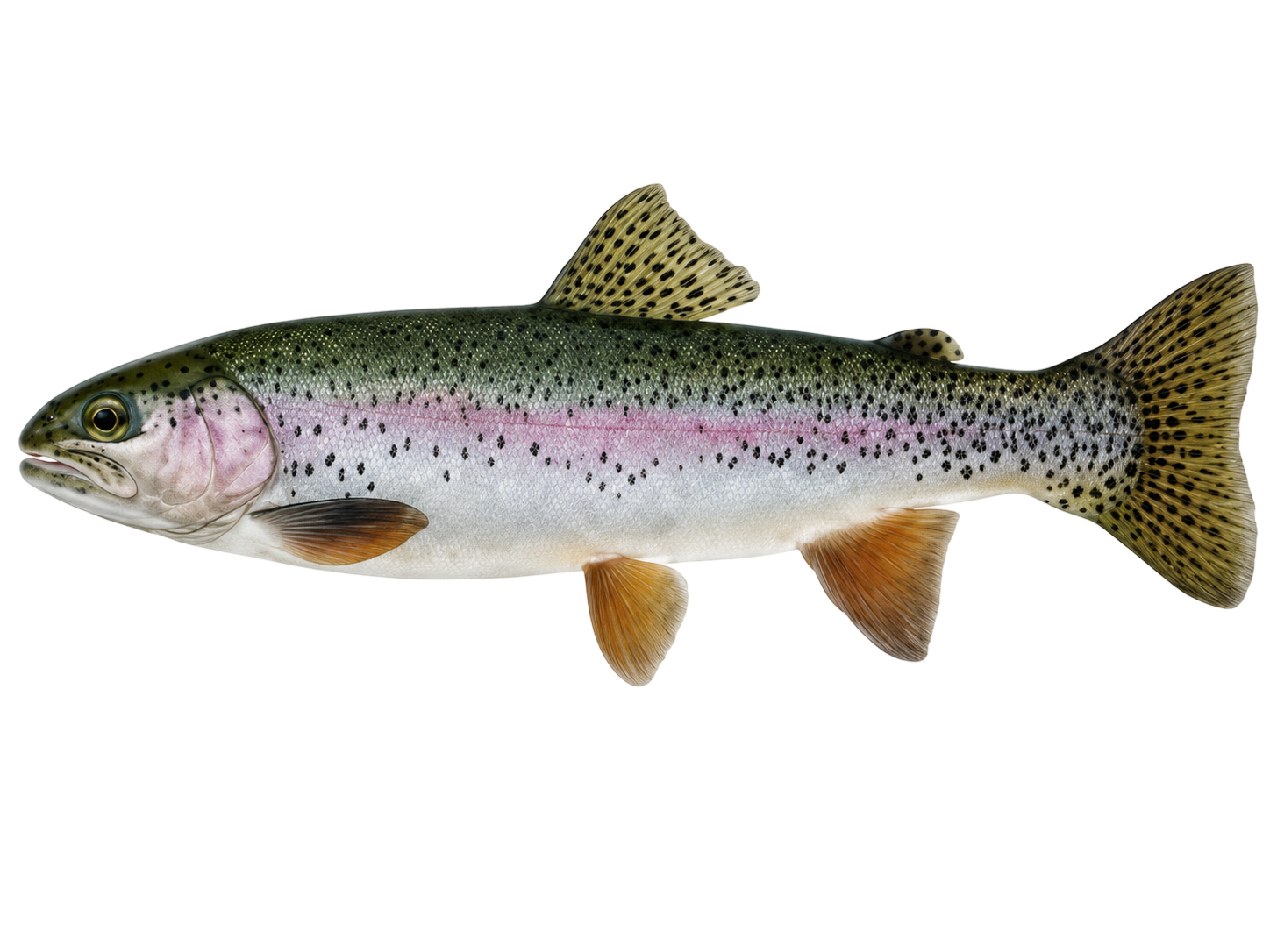
Rainbow Trout
Rainbow Trout
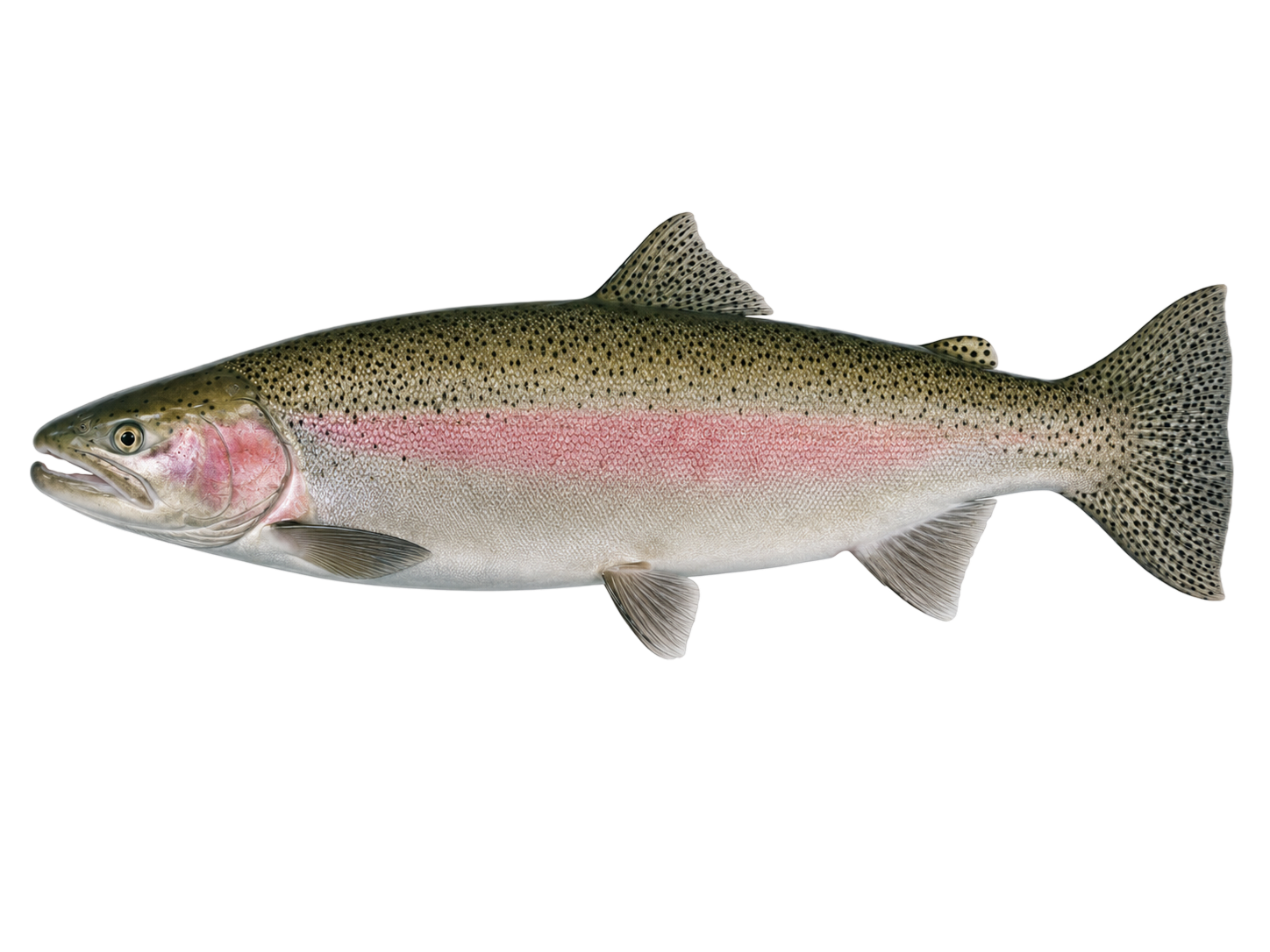
Steelhead
Steelhead
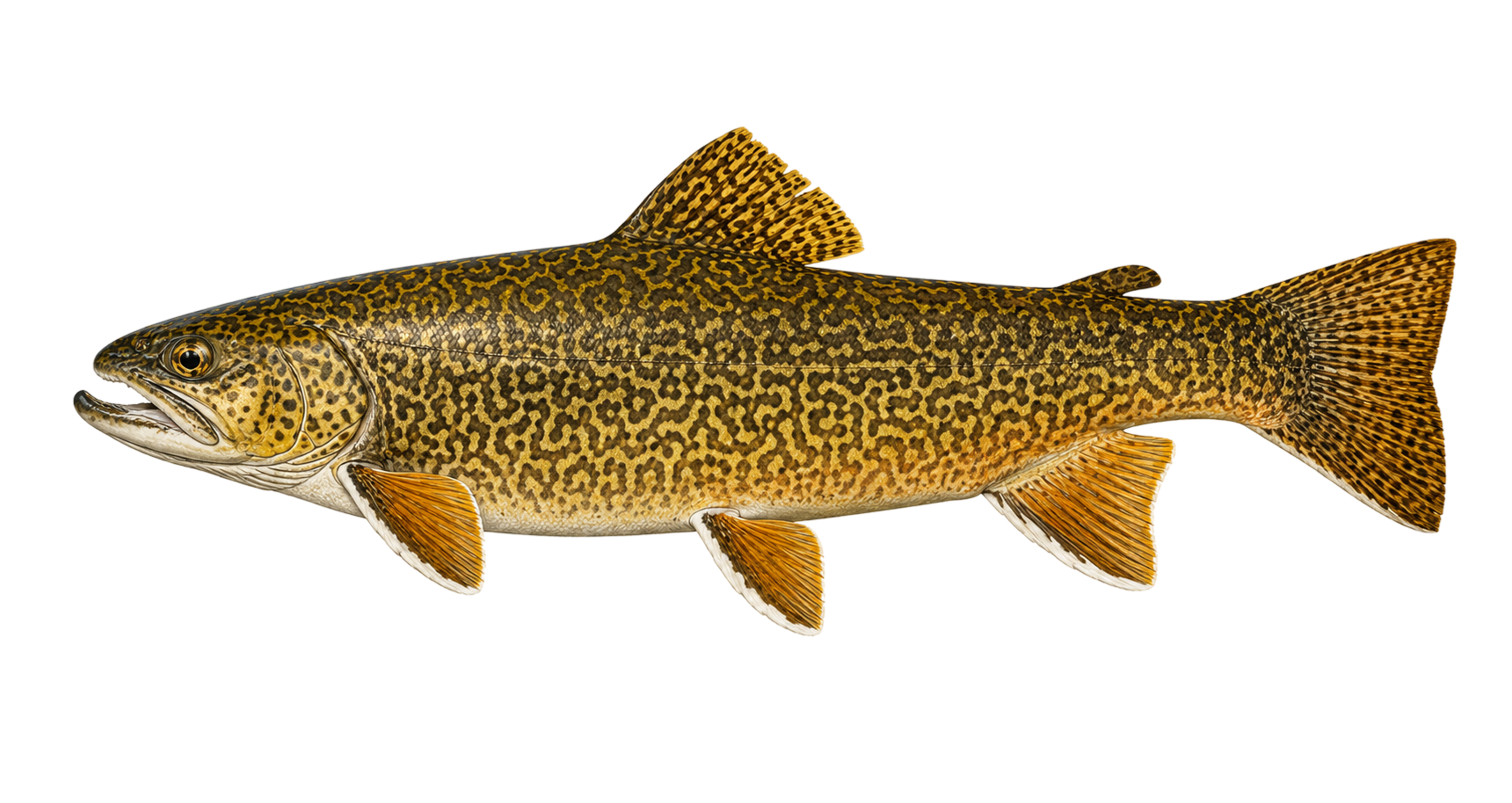
Tiger Trout
Tiger Trout
Westslope Cutthroat Trout
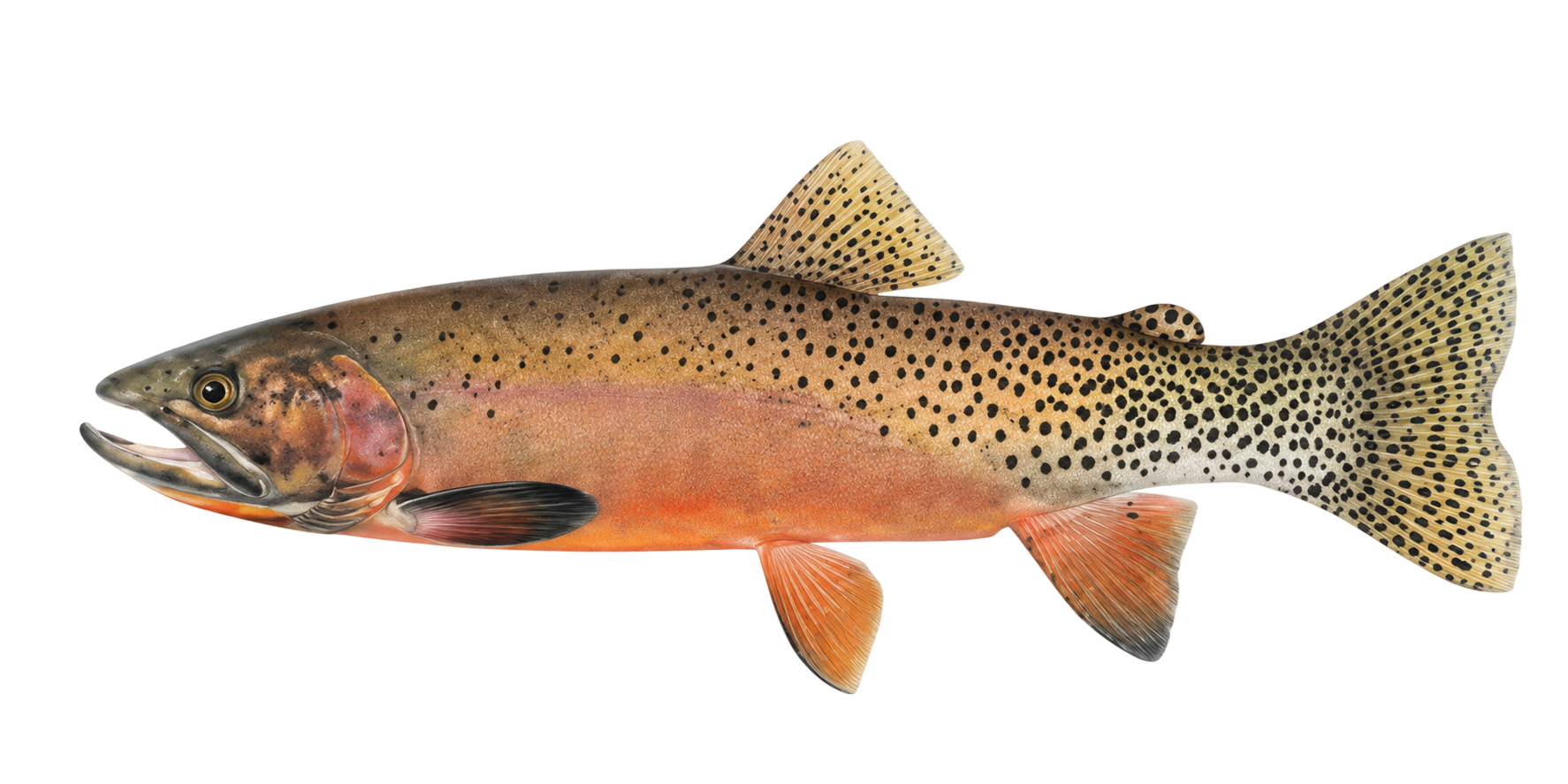
Yellowstone Cutthroat Trout

Midge Photos

Red
Black
White

On this page

OverviewLife CycleFly TyingWhere It HatchesFrom the PodcastFly PatternsAngler NotesIdentificationHabitatEaten ByPhotos

Share & plan

IDFG Planner

On this profile

  • 43 waters
  • 3 fly patterns
  • 12 predator species
  • 4 tying videos
  • 5 life stages

Explore

Browse all hatches & forage