Updated
← Back to map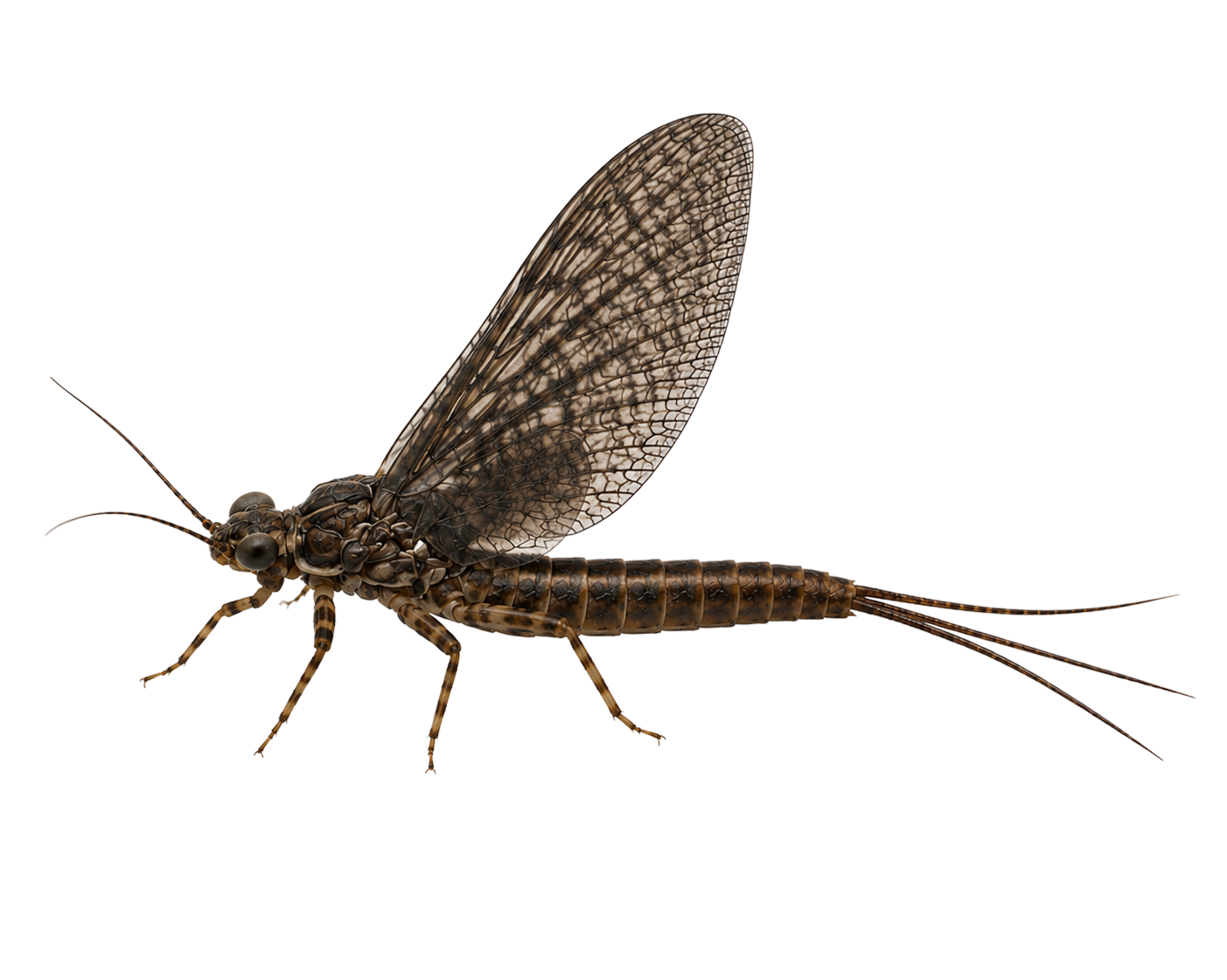
Hatches › Mayfly
Rhithrogena morrisoni · species
A classic larger mayfly that brings trout up with drifting nymphs, duns, and spent spinners.
Category
Mayfly
Category
The insect or forage category for this profile.
Size
Generally a medium to large mayfly for anglers, commonly imitated around hook sizes 10–14.
Size
Typical size range anglers imitate on the water.
Key stages
Eggs, Nymph, Emerger, Adult / Dun, Spinner, Egg Laying Spinner, Spent Spinner
Key stages
Life stages most relevant to fly fishing this hatch or forage.
Water types
freestone rivers, riffled runs, medium to large streams
Water types
Water types where this bug or forage is commonly found.
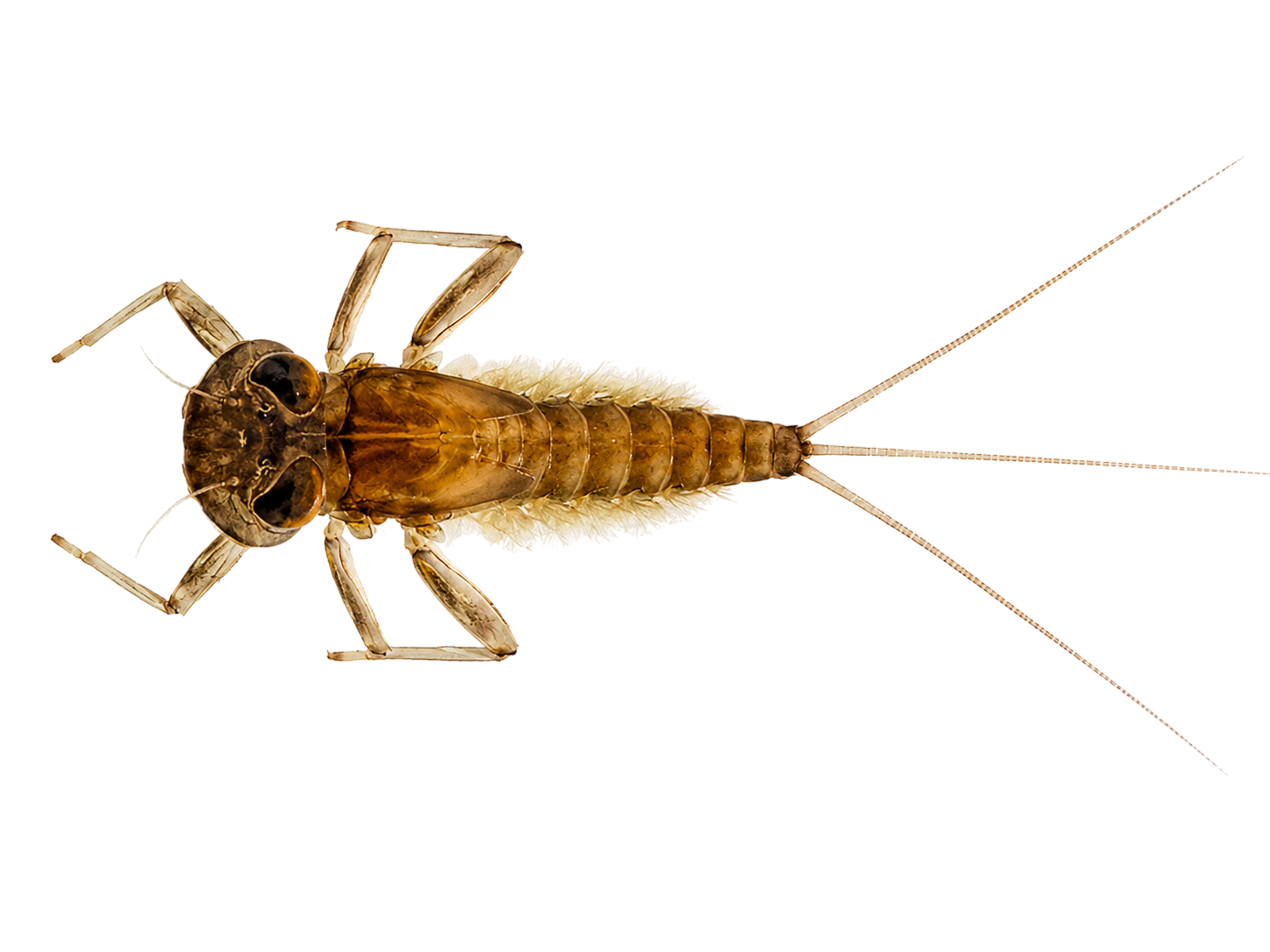
March Brown is the angler name for Rhithrogena morrisoni, a western March brown mayfly in the family Heptageniidae. Like other flatheaded clinger mayflies, it is tied to moving water and is an important hatch for match-the-hatch anglers.

Female mayflies deposit hundreds to thousands of eggs either in the water or nearby, which then settle to the stream bottom.

Nymphs reside on the stream bottom, where they forage and develop, undergoing several molts as they grow.

The nymph ascends to the water's surface, where it begins its transformation into an adult mayfly.

A freshly emerged adult, or dun, rests on or just above the water's surface, often drying its wings before its first flight.

Mated adult mayflies, referred to as spinners, take to the air to complete their reproductive cycle.

Female spinners return to the water's surface specifically to deposit their eggs.

After successfully laying their eggs, adult mayflies typically die and are often found floating on the water's surface.
March Brown
One species, multiple rivers.