Updated
← Back to map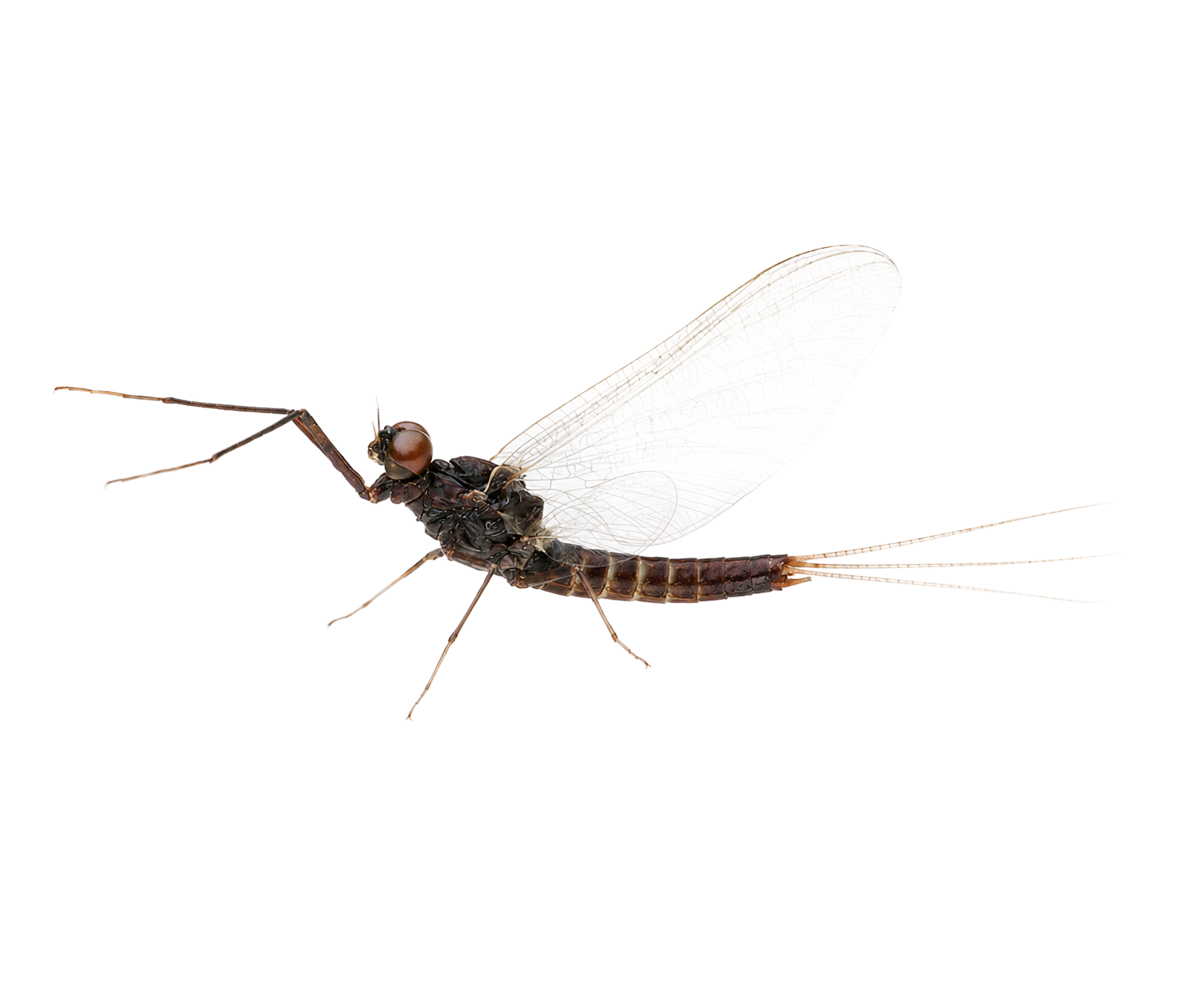
Hatches › Mayfly
Paraleptophlebia · genus
A small, dark mayfly that can bring selective trout to the surface when duns and spinners gather.
Category
Mayfly
Category
The insect or forage category for this profile.
Size
Small; typically fished in the small mayfly range.
Size
Typical size range anglers imitate on the water.
Key stages
Eggs, Nymph, Emerger, Dun, Spinner, Egg-Laying Spinner, Spent Spinner
Key stages
Life stages most relevant to fly fishing this hatch or forage.
Water types
rivers, streams, spring creeks, stillwaters
Water types
Water types where this bug or forage is commonly found.
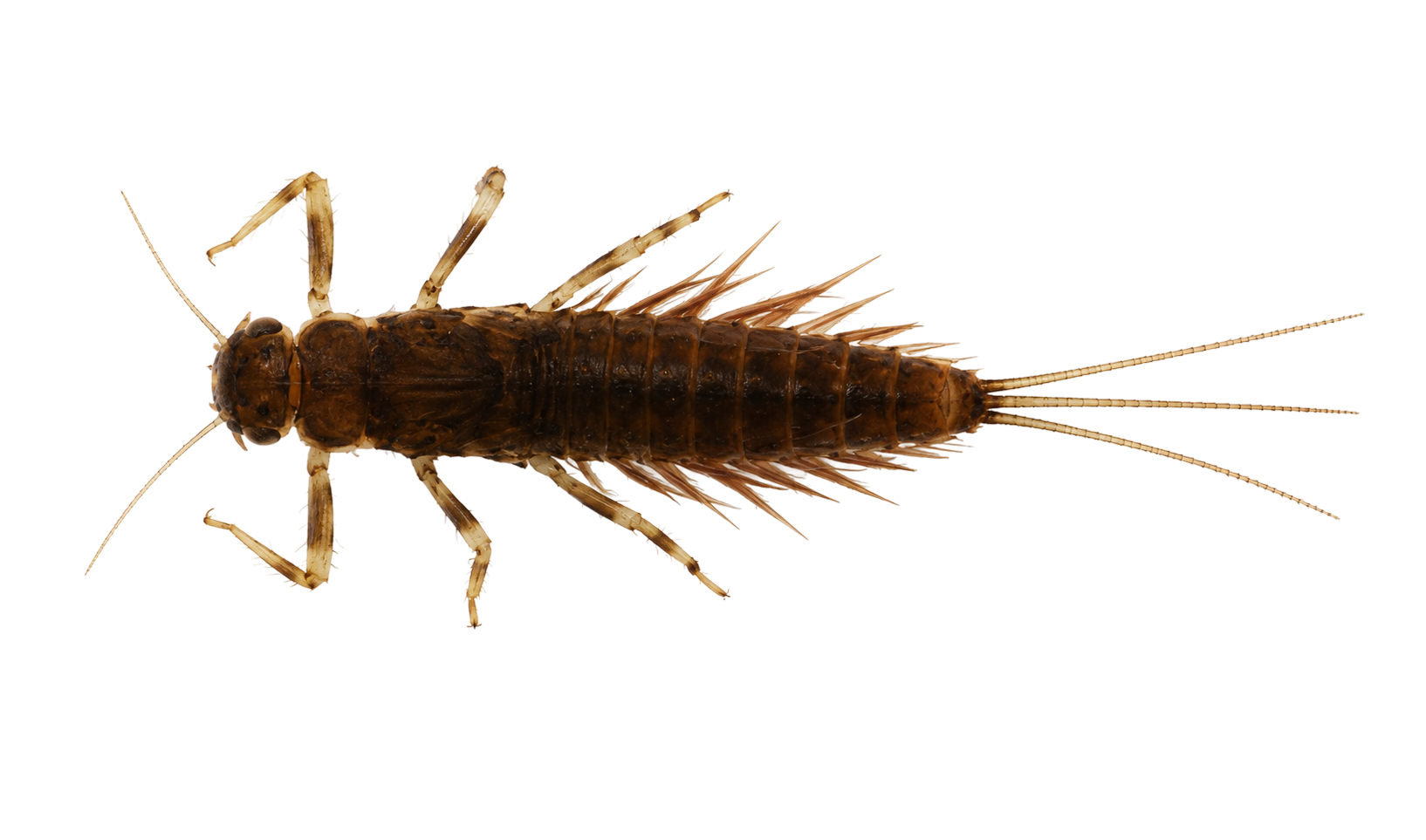
Mahogany Dun is the angler name commonly applied to mayflies in the genus Paraleptophlebia, a group in the family Leptophlebiidae. This genus is found in North America and parts of Western Europe, and anglers watch for its nymphs, emergers, duns, and spinners when trout key on smaller mayflies.

Female mayflies deposit hundreds to thousands of eggs either directly in or near the water. These eggs then sink and attach to the stream bottom.

Mayfly nymphs reside on the stream bed, continuously feeding and growing through several molting phases before transforming.

The nymph ascends from the bottom to the water's surface, where it undergoes its final molt, hatching into the adult stage.

The freshly emerged adult, known as a dun, typically rests on the water's surface or on nearby vegetation as its wings dry and harden.

After a final molt, the dun transforms into a sexually mature spinner. These mated adults rise into the air in swarms to mate.

Once mating is complete, the female spinner returns to the water's surface to deposit her eggs, starting the cycle anew.

Following egg-laying, the adult mayfly dies. Spent spinners are often found floating lifelessly on the water's surface, a significant food source for fish.
Mahogany Dun
One species, multiple rivers.