Nymph

You're Tying Mayfly Nymphs WRONG ! Try This Instead - Fly Tying Tutorial
Fliesbyaspeen
Materials
- HookSize 14
- Thread
- MarabouDARK BROWN
- Pheasant Tail
- DubbingNatural
- DubbingBlack Pepper
- WireBrown
- LegsNatural Brown
Updated
← Back to map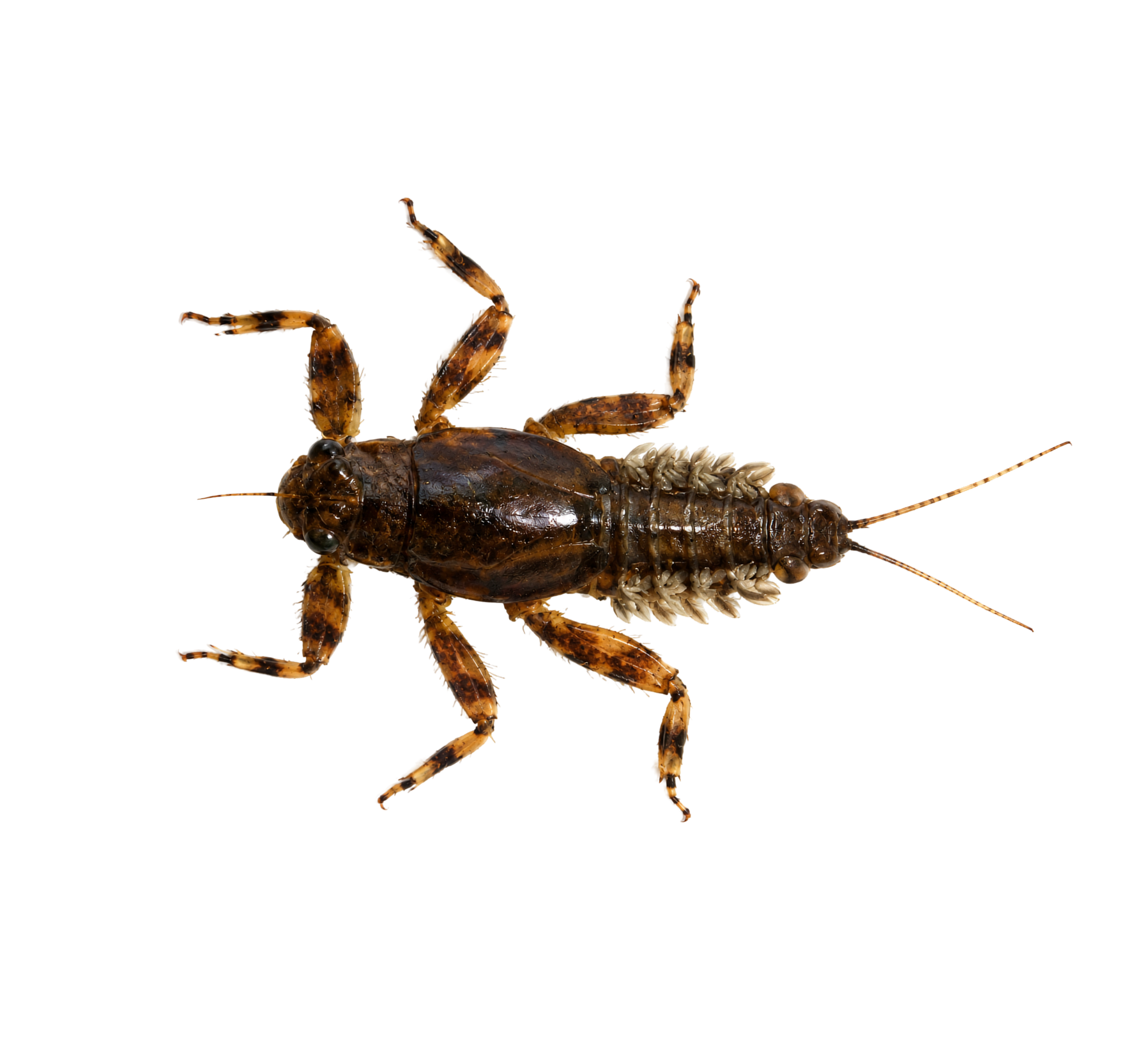
Hatches › Mayfly
Drunella flavilinea · species
A western spiny crawler mayfly that matters most when trout key on drifting nymphs and mayfly adults.
Category
Mayfly
Category
The insect or forage category for this profile.
Size
Generally a medium mayfly; match with medium nymphs and adults compared to tiny olives or midges.
Size
Typical size range anglers imitate on the water.
Key stages
Eggs, Nymph, Emerger, Dun / Adult, Spinner, Egg Laying Spinner, Spent Spinner
Key stages
Life stages most relevant to fly fishing this hatch or forage.
Water types
rivers, streams
Water types
Water types where this bug or forage is commonly found.

Female mayflies lay hundreds to thousands of eggs either directly in the water or nearby, which then sink to the stream bottom to develop.

Mayfly nymphs reside on the streambed, where they feed and grow. They undergo multiple molts during this aquatic stage, making them a consistent food source for fish.

During emergence, the nymph rises to the water's surface, where it transforms and hatches into its winged adult form, often struggling to break free from its shuck.

The freshly emerged adult, known as a dun, rests on or just above the water's surface. It's a vulnerable stage before its final molt into a sexually mature spinner.

After a final molt, the dun becomes a spinner. These mated adults ascend into the air in swarms for their mating flights, completing their airborne phase.

Female spinners return to the water's surface to deposit their eggs. This critical stage ensures the continuation of the mayfly life cycle.

Having completed their reproductive purpose, adult mayflies die shortly after laying eggs. They often float lifelessly on the water's surface, becoming easy prey for fish.
Nymph
Fliesbyaspeen
Materials
Emerger

Royce Davis Fly Fishing
Materials
Dun / Adult

Fly Fish Food
Materials
Spinner
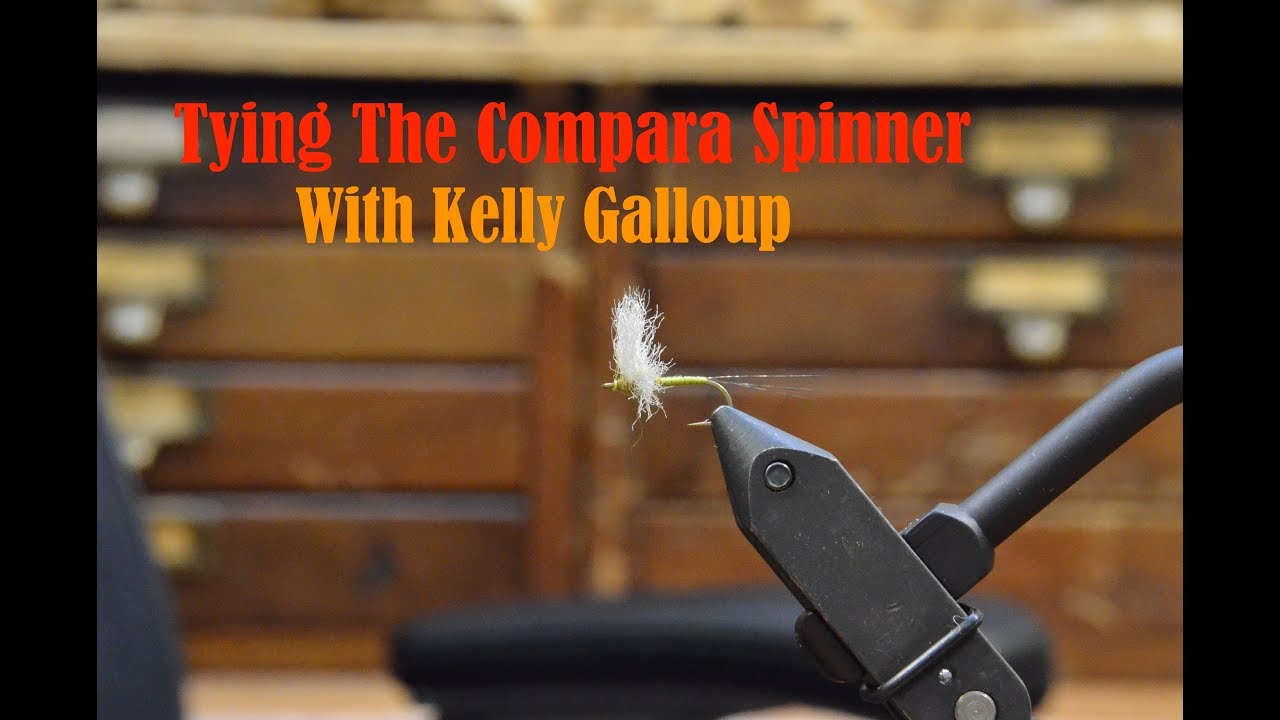
TheSlideinn
Materials
Egg Laying Spinner

tightlinevideo
Materials
Spent Spinner
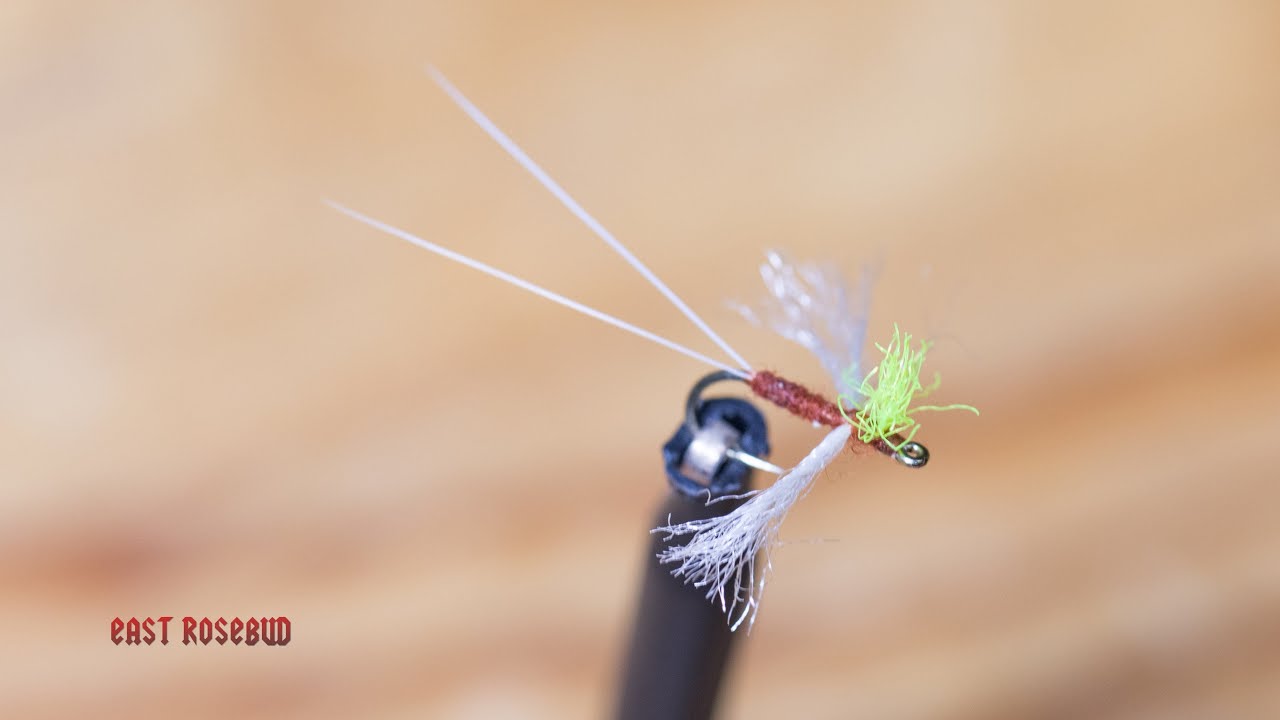
East Rosebud Fly and Tackle
Materials
Flav
One species, multiple rivers.