Barbless.coBarbless.co
  • Home
  • Map
  • Reports
  • Guides
  • Fish
  • Hatches
  • Podcast
Sign in
Barbless.co

The more you understand, the more there is to see.

  • IdahoLive
  • CaliforniaSoon

Explore

  • Map
  • Reports
  • Browse reports
  • By region

Waters

  • River search
  • Guides & outfitters

Learn

  • Fish species
  • Hatches & forage
  • Podcast

Company

  • About
  • Contact
  • Editorial policy
  • Releases
  • Legal

© 2026 Barbless.co. Flow and gauge data from USGS; weather from Open-Meteo. · v2026.10.18.2

  1. Home
  2. Hatches & Forage
  3. Mayflies
  4. Green Drake

Updated July 20, 2026

← Back to map
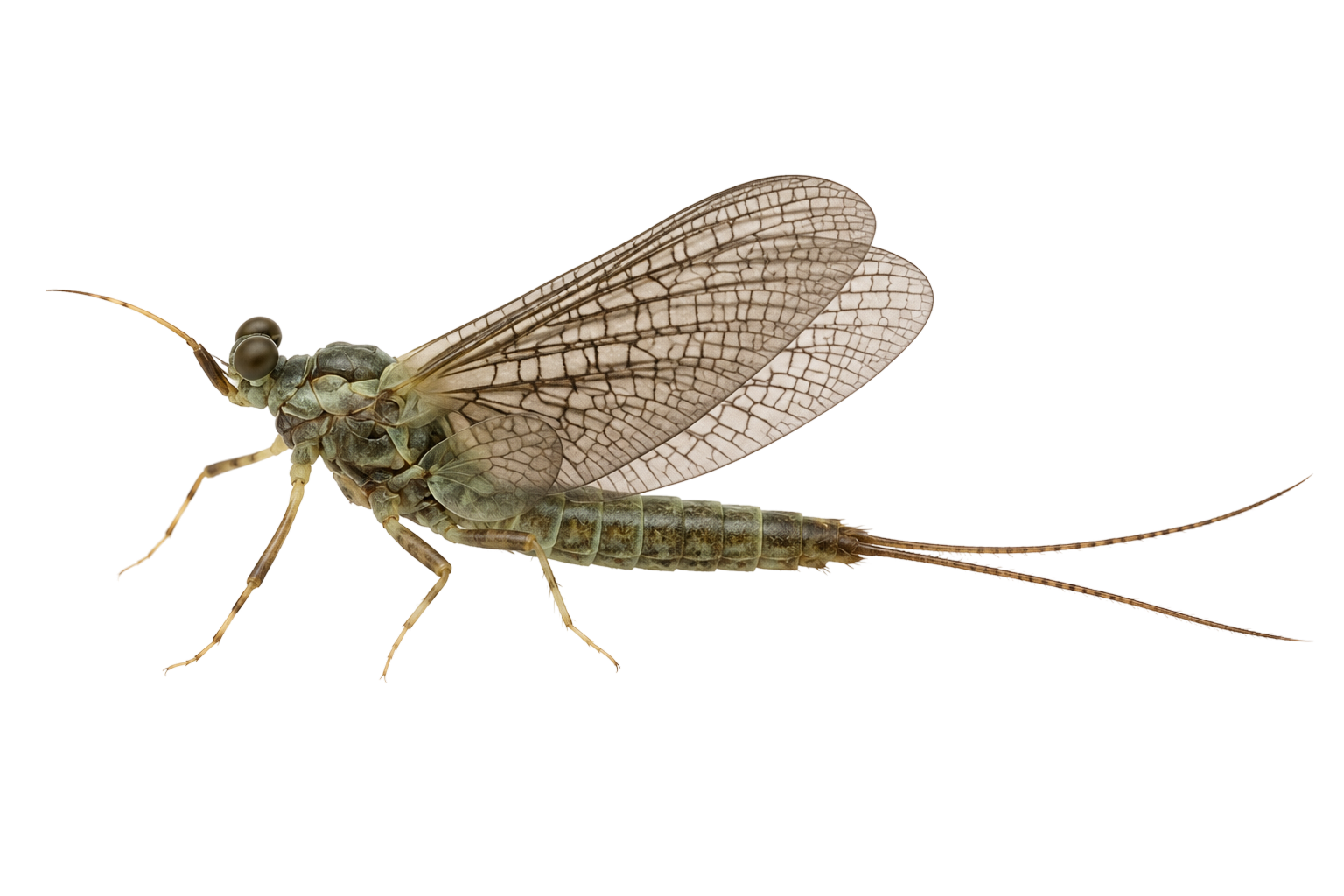
Green Drake, Adult

Hatches › Mayfly

Mayfly

Green Drake

Drunella grandis · species

A big, fish-moving mayfly whose nymphs and adults can draw selective takes when trout key on drakes.

Overview

Category

Mayfly

Category

Mayfly

Category

The insect or forage category for this profile.

Size

Large for a mayfly; commonly imitated in larger mayfly-hook sizes.

Size

Large for a mayfly; commonly imitated in larger mayfly-hook sizes.

Size

Typical size range anglers imitate on the water.

Key stages

EGGS, Nymph, Emerger, Dun / Adult, Spinner, Egg Laying Spinner, Spent Spinner

Key stages

EGGS, Nymph, Emerger, Dun / Adult, Spinner, Egg Laying Spinner, Spent Spinner

Key stages

Life stages most relevant to fly fishing this hatch or forage.

Water types

freestone rivers, riffles, runs, pocketwater

Water types

freestone rivers, riffles, runs, pocketwater

Water types

Water types where this bug or forage is commonly found.

About Green Drake

Drunella grandis, commonly called the Western Green Drake, is a North American mayfly species in the family Ephemerellidae. It is a spiny crawler mayfly, and anglers usually fish it as a large mayfly nymph, emerger, dun, or spinner.

Life Cycle

Understanding the Green Drake mayfly life cycle is key for fly fishing success. These insects begin as eggs and live most of their lives as nymphs underwater before emerging, mating, and laying new eggs, becoming spent spinners on the surface.
EGGS

EGGS

Females lay hundreds to thousands of eggs in or near the water. These eggs then sink to the stream bottom to develop.

Nymph

Nymph

Nymphs live on the stream bottom, actively feeding and growing. They undergo several molts as they develop underwater.

Emerger

Emerger

During emergence, the nymph rises to the water's surface. Here, it transforms into an adult mayfly and hatches from its shuck.

Dun / Adult

Dun / Adult

The freshly emerged adult, known as a dun, rests on or just above the water's surface. This is a vulnerable stage for the insect as it prepares for its next transformation.

Spinner

Spinner

Mated adults, now called spinners, ascend into the air for their mating flight. This stage often involves large swarms of insects.

Egg Laying Spinner

Egg Laying Spinner

After mating, the female spinner returns to the water's surface. She then deposits her eggs, completing the reproductive cycle.

Spent Spinner

Spent Spinner

Once eggs are laid, the adult mayfly dies. These spent spinners often float lifelessly on the water's surface, providing an easy meal for fish.

Stages
Anglers commonly imitate four stages: nymph, emerger, dun, and spinner. The nymph is a spiny crawler mayfly nymph, and the winged stages follow the typical mayfly progression from dun to spinner.
Emergence cues
Look for activity in the broader spring-to-summer window, especially on mild days when water temperatures rise and insects begin moving toward the surface. Emergence and spinner activity are often most noticeable from late morning into evening, depending on weather and light.
Behavior
Nymphs live on the bottom and move or drift when dislodged or preparing to emerge. Emergers are vulnerable in or just below the film; duns ride the surface briefly; spent spinners fall flush in calmer lanes and can bring very selective feeding.

How to Tie Green Drake Patterns

Nymph

Jiggy Green Drake Nymph Fishing Fly

DiscountFlies Fly Shop

Materials

  • Hook#10 or #12Firehole Sticks 551
  • Slotted Tungsten Bead4.5mmRaven and Wolf - Gold
  • Lead Wire0.5mmSEMPERFLI - 3-6 turns
  • Thread150D (6/0)SEMPERFLI Classic Waxed Thread, Olive
  • Pheasant PatchCascade Crest, Olive
  • Wire0.2mm (Fine)SEMPERFLI, Copper or Gold
  • DubbingSEMPERFLI Scud Dubbing, Peacock
  • Braid1/16th SmallKreinik Fly Fishing Flat Braid, Tangerine
  • BraidCascade Crest Holographic Flat Braid, Black
  • DubbingSEMPERFLI Scud Dubbing, Peacock

Emerger

Chris Williams: Green Drake Emerger

The Weekly Fly

Materials

  • Antron dubbingFor the shuck; noted for its softness and sheen, not as stiff as regular Antron
  • Thread
  • Foamfor the wing case
  • Hackleclipped into a V-shape

Dun / Adult

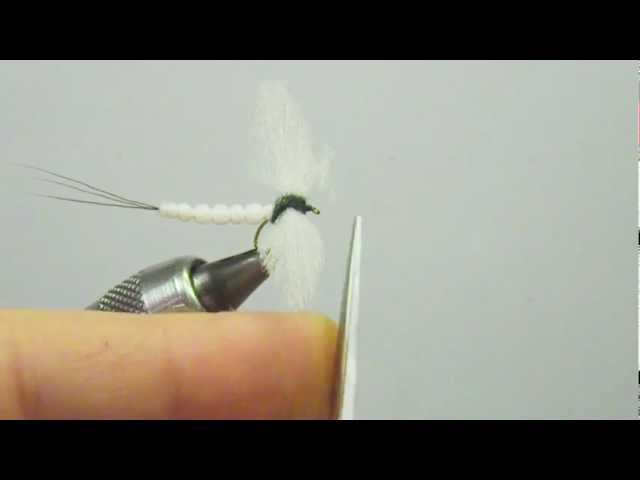
Fly Tying Tutorial: Grumpy Frumpy Green Drake - AWESOME Green Drake dry fly.

Fly Fish Food

Materials

  • Hook#10Firehole Sticks 618 Foam & Nymph
  • Thread12/0Semperfli Classic Waxed Thread - Fl. Yellow
  • DubbingWapsi Super Fine Dry Fly Dubbing - Olive
  • YarnSparkle Emerger Yarn - Black
  • Antron YarnAntron Yarn - Carded - Black
  • Yarn (alternative)Bett's Z-Lon - Black - Standard
  • Foam2mmFly Tying Foam - Olive
  • FibersEP Trigger Point Int'l Fibers - Dark Dun

Spinner

Hatchmaster Green Drake Spinner Tying Tutorial - Coffin Fly

Nick Mango

Materials

  • Hook#10Curved-shank / curved-tuck hook (he mentions a "2048", likely Tiemco TMC 2048), for an extended body
  • Thread12/0Black, Benecchi
  • Mallard FeatherTail / body / wing: A single mallard flank feather (one feather does all three - tail, body, split wings)
  • DubbingBlack rabbit
  • HackleTwo feathers wound together - one badger and one black (rooster hackle)
  • UV Resin or Head CementUsed sparingly to glue the hackle flat so the fly lays flush

Egg Laying Spinner

Foam Extended Body Green Drake Spinner

Defranksflies

Materials

  • HookCaddis hook (the finished fly is tied on a caddis hook; the extended body is proportioned to 2/3 the shank of a 2X-long dry fly hook)
  • ThreadBlack (light thread base on the needle first, then switched to black on the hook)
  • Fly foam,3mmWhite, cut from a ¼-inch section and trimmed to a taper
  • Moose body fibersSized to 1½ times the body length, splayed
  • Poly YarnWhite, combed out and mounted spent/figure-eighted
  • DubbingBlack, superfine dubbing
  • Finishing touchMarker to add veining (top and bottom) on the wings

Spent Spinner

Green Drake Cripple Fly Tying Tutorial with Mike Lawson

henrysforkanglers

Materials

  • HookStandard dry fly, 1X fine, TMC 100 or TMC 102Y
  • Thread6/0 or 8/0
  • Trailing ShuckWrapped marabou or pheasant tail
  • RibbingX-Small wire
  • Over ShuckZ-Lon or Antron ribbed with wire
  • WingEnrico Puglisi Trigger Point fibers
  • HackleRooster neck or saddle hackle

Where It Hatches

Green Drake

One species, multiple rivers.

RiverJANFEBMARAPRMAYJUNJULAUGSEPOCTNOVDEC
  • Big Lost River
  • Big Wood River
  • Blackfoot River
  • Coeur d'Alene River
  • Fall River
  • Henrys Fork of the Snake River
  • Kelly Creek
  • Lochsa River
  • Middle Fork Boise River
  • Middle Fork Salmon River
  • North Fork Big Wood River
  • North Fork Clearwater River
  • North Fork Coeur d'Alene River
  • North Fork Saint Joe River
  • Saint Joe River
  • Salmon River
  • Selway River
  • Snake River, Osgood Diversion Dam to Henrys Fork
  • South Fork Payette River
  • Teton River
  • Warm River

Fly Patterns

  • Green Drake Dry#10-12
  • Green Drake Emerger#10-12
  • Pheasant Tail Nymph#12-22

Angler Notes

Why it matters
Green Drakes are a high-value hatch because they are large, visible, and worth the effort for trout to target. Even when adults are sparse, the nymphs are substantial food and can produce some of the best match-the-hatch fishing of the season.
Imitation tips
Carry a full progression: dark olive-brown crawler nymphs, buoyant emergers, upright-wing duns, and flush-riding spinners. Size and silhouette matter more than perfect color; fish larger patterns with enough body bulk to suggest a true drake.
Key life stages
nymphemergerdunspinner
Presentation
Dead-drift nymphs near the bottom through riffles and seams, with occasional swing or lift as they rise. Fish emergers just under or in the film, present duns drag-free in feeding lanes, and use a low-riding spinner with a gentle, drag-free drift over softer slicks and tailouts.

Identification

Key features
Large mayfly profile; robust, spiny crawler nymph; broad-winged adult with an upright mayfly silhouette. On the water, anglers notice its size first.
Size
Large for a mayfly; commonly imitated in larger mayfly-hook sizes.
Coloration
Nymphs are generally dark olive to brownish-olive; adults are typically olive-green to gray-olive with a paler underside and medium to dark wings.
Similar bugs
FlavsGray DrakeMarch BrownPMD

Habitat

Water types
freestone riversrifflesrunspocketwater
Substrate
Rocky stream bottoms with cobble and broken stone that suit crawler nymphs.
Conditions
Best associated with cool, well-oxygenated moving water where larger mayflies can develop in productive riffle-run habitat.

Eaten By

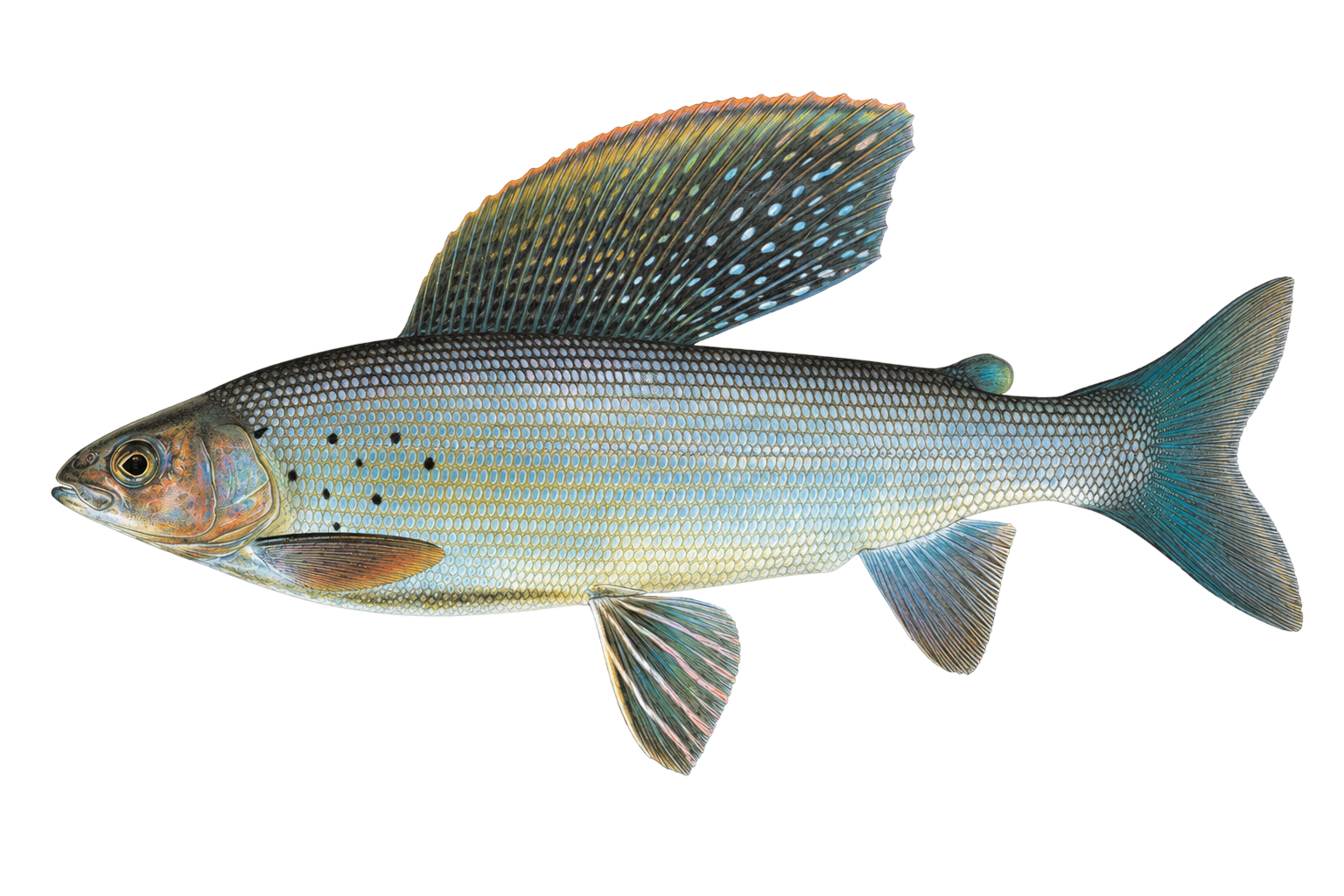
Arctic Grayling
Arctic Grayling
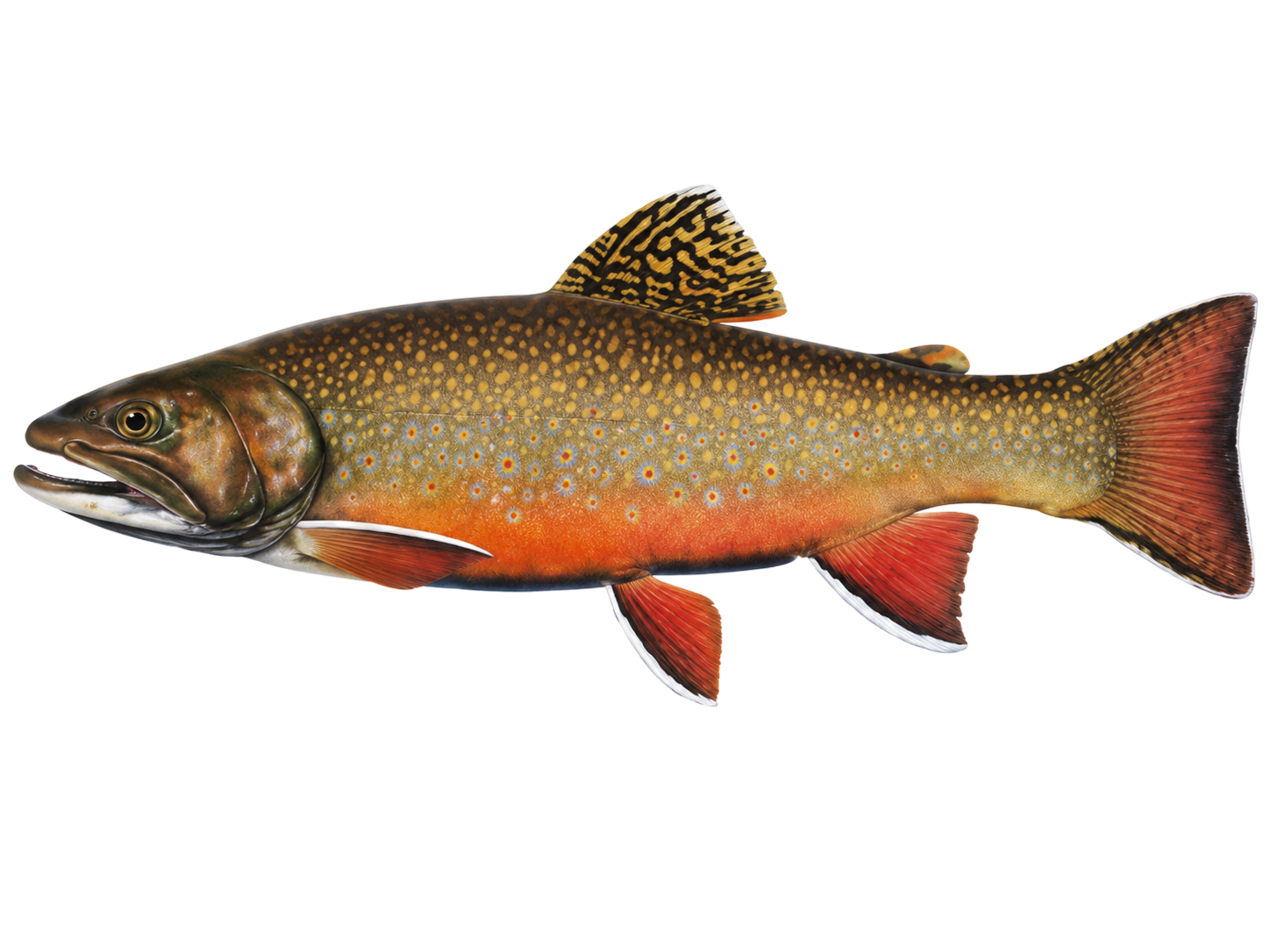
Brook Trout
Brook Trout
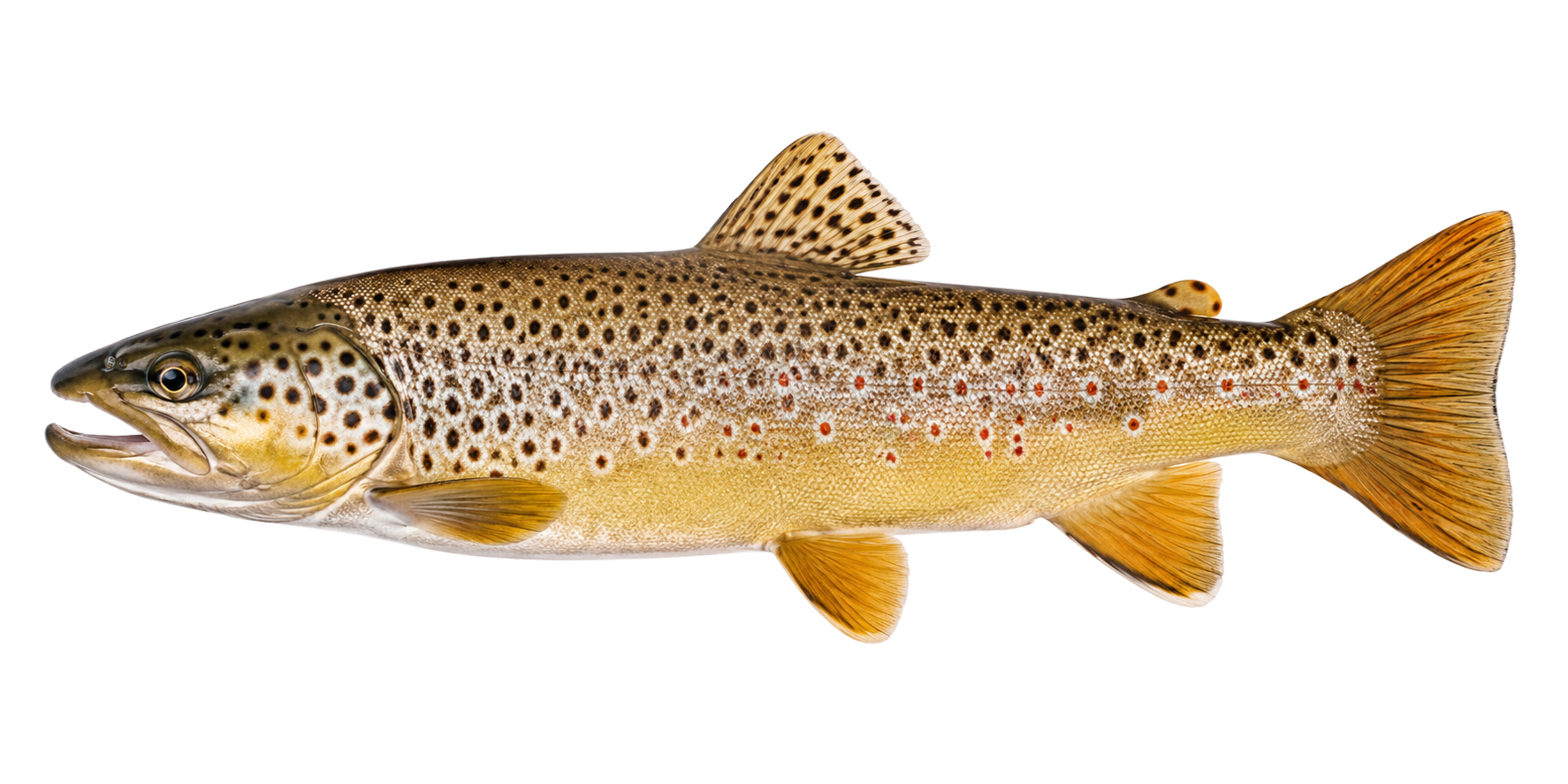
Brown Trout
Brown Trout
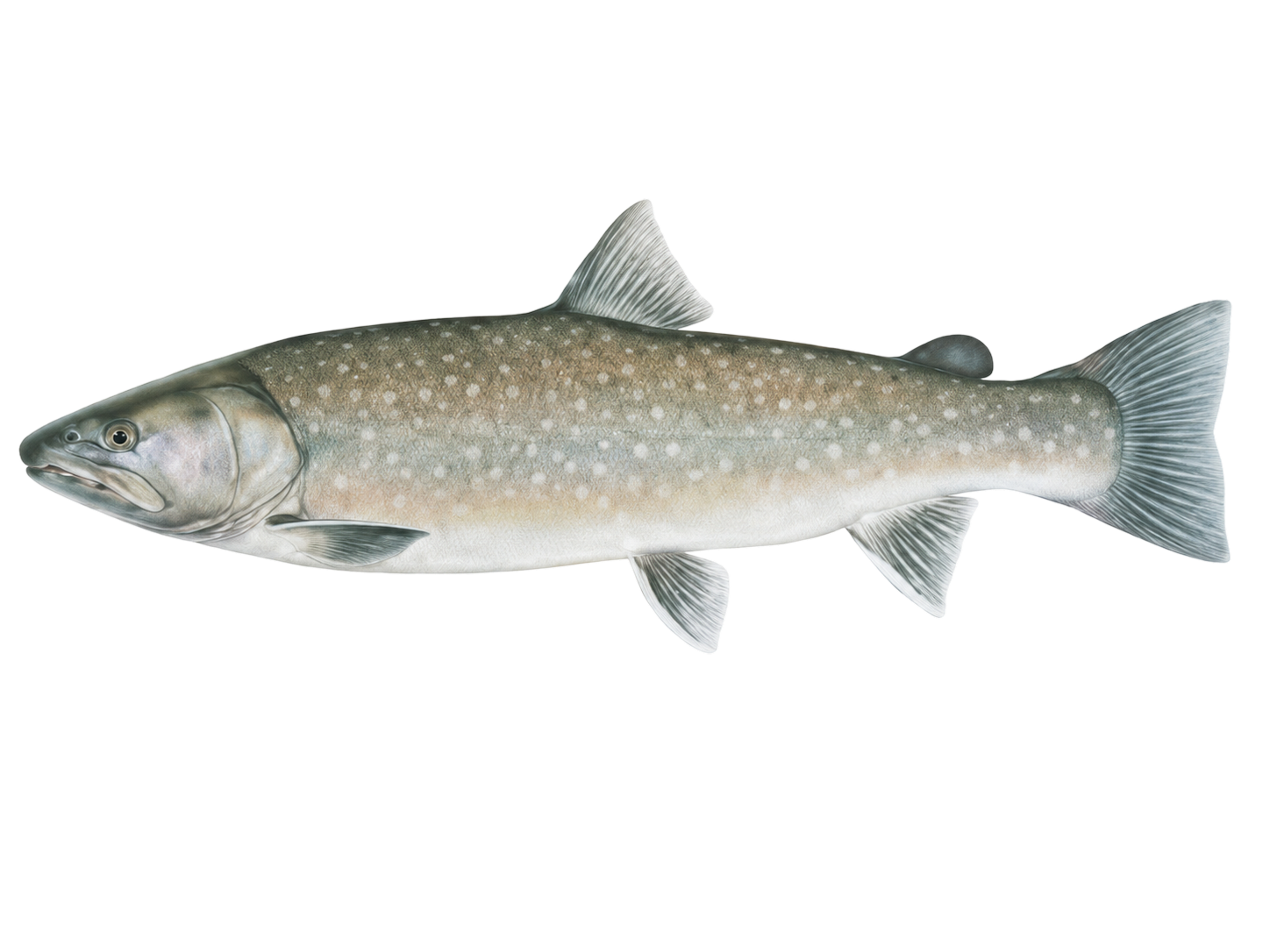
Bull Trout
Bull Trout
Cutbow Trout
Cutbow Trout
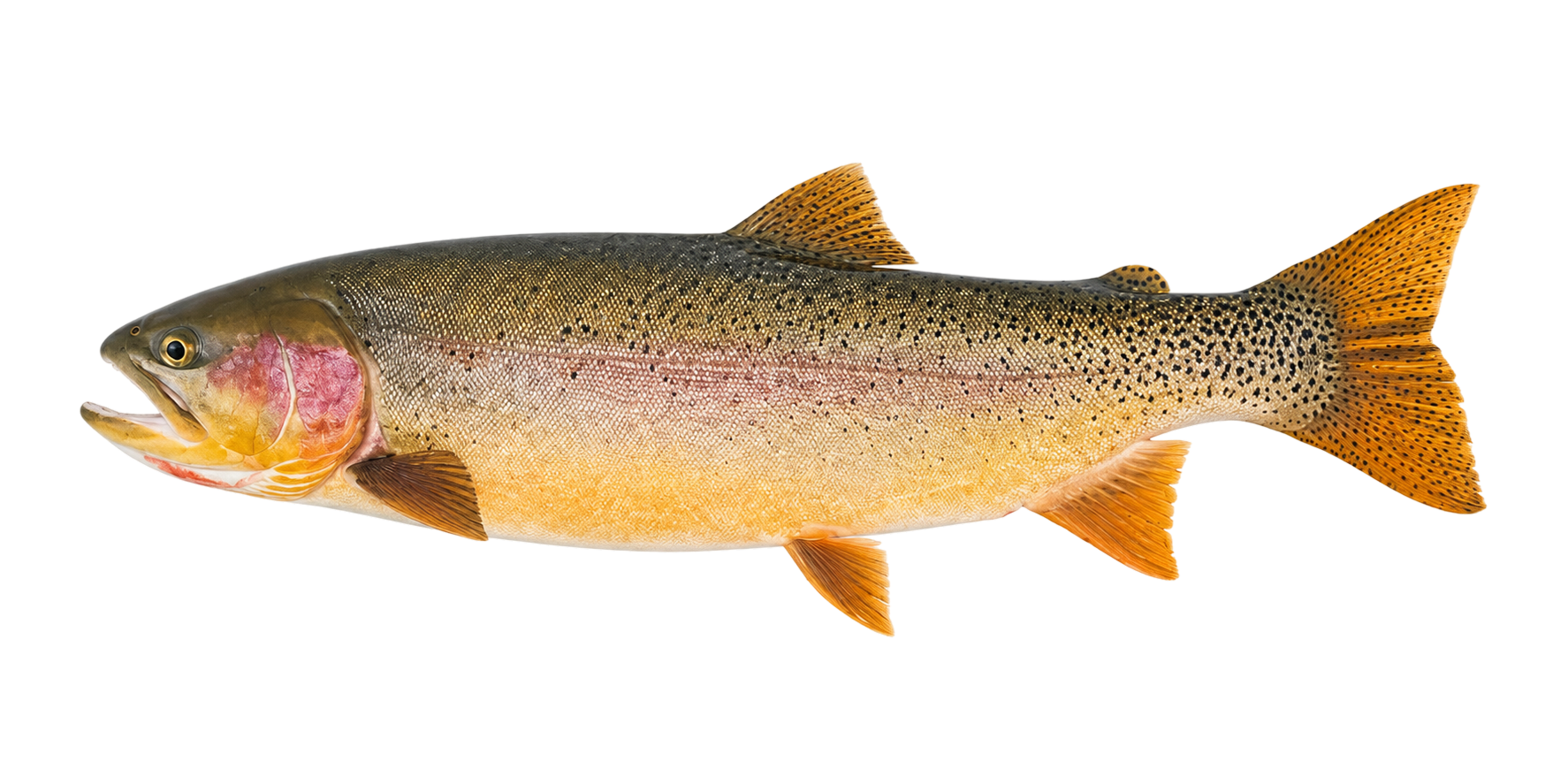
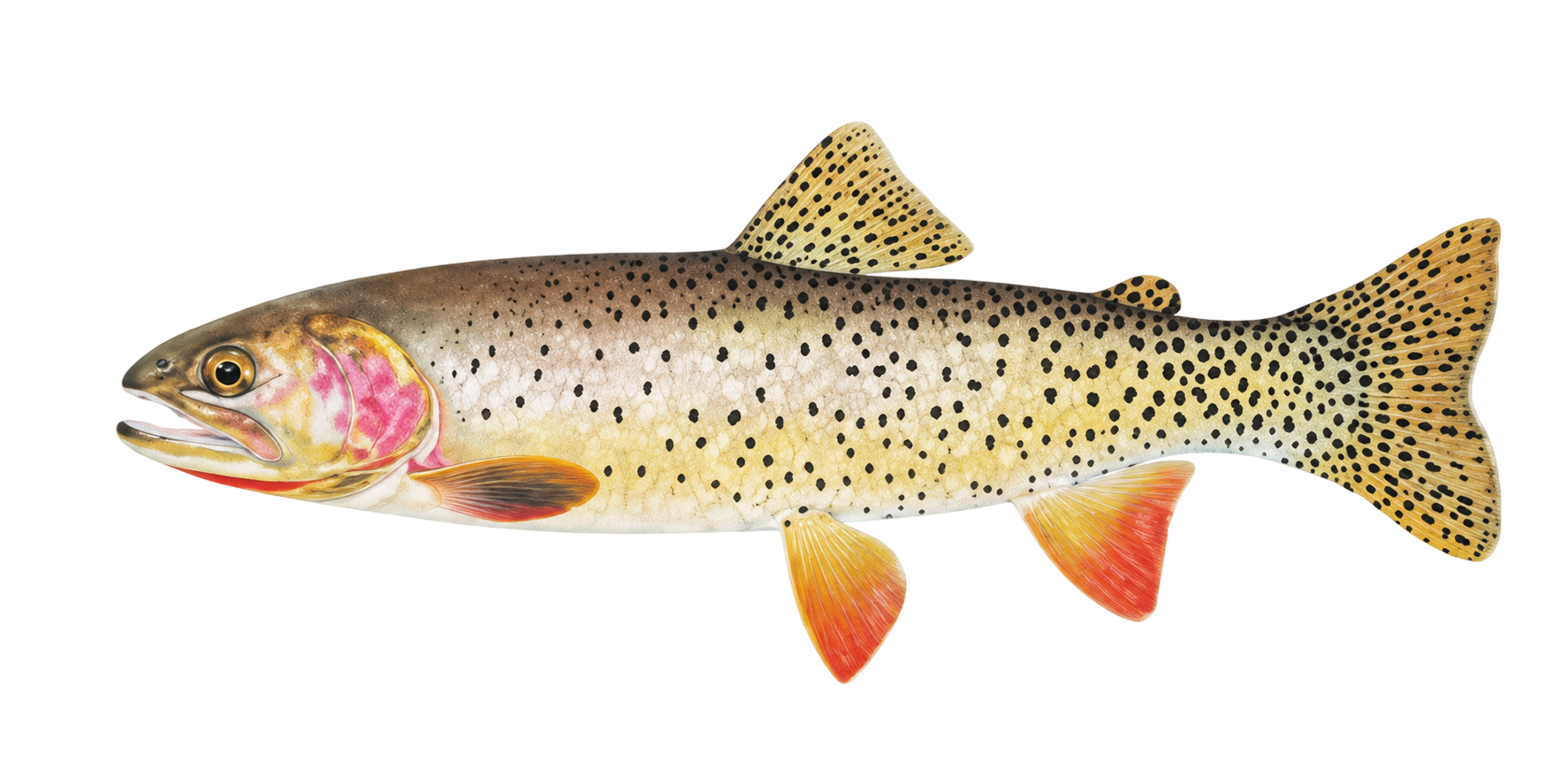
Cutthroat Trout
Cutthroat Trout
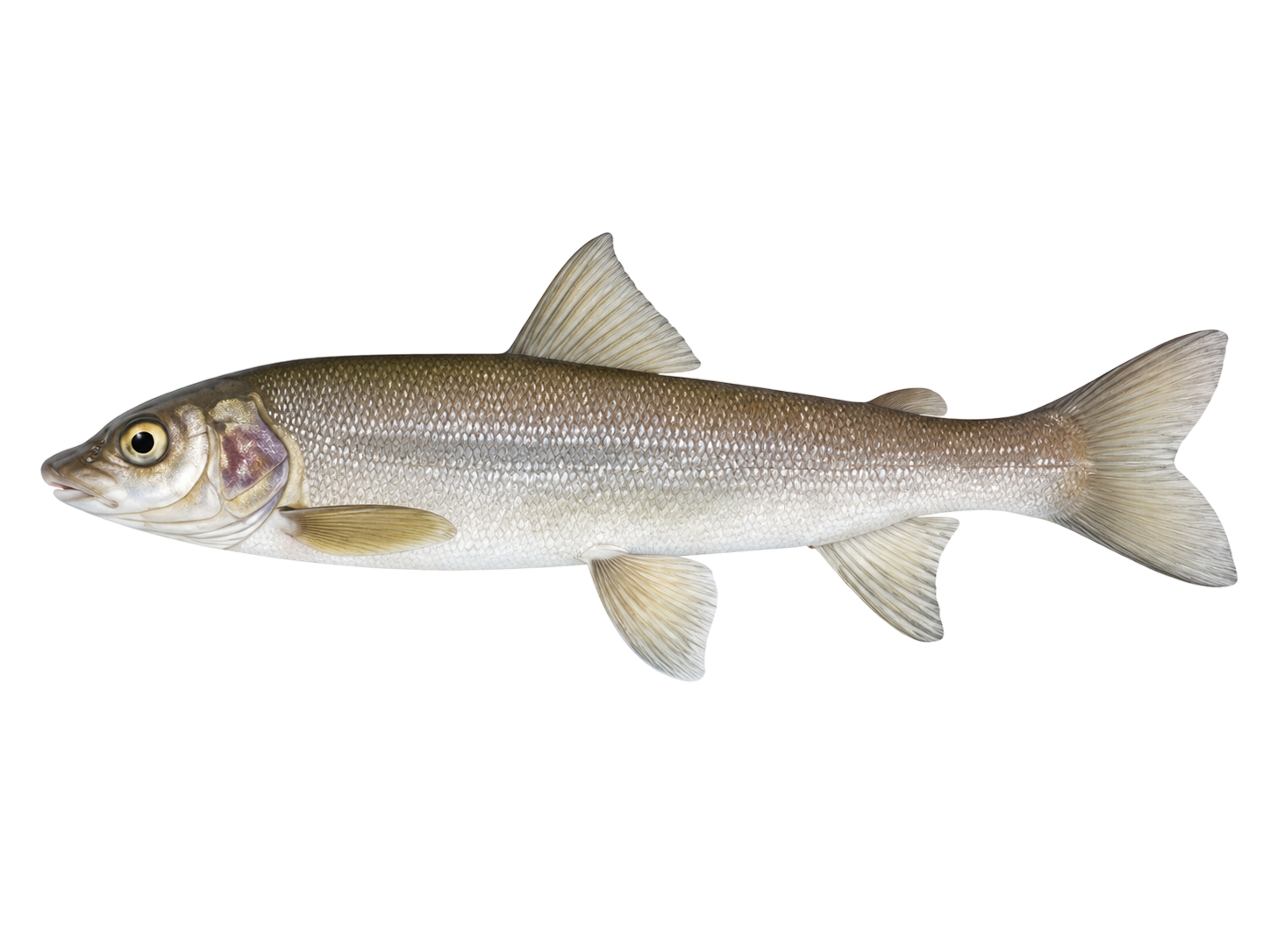
Mountain Whitefish
Mountain Whitefish
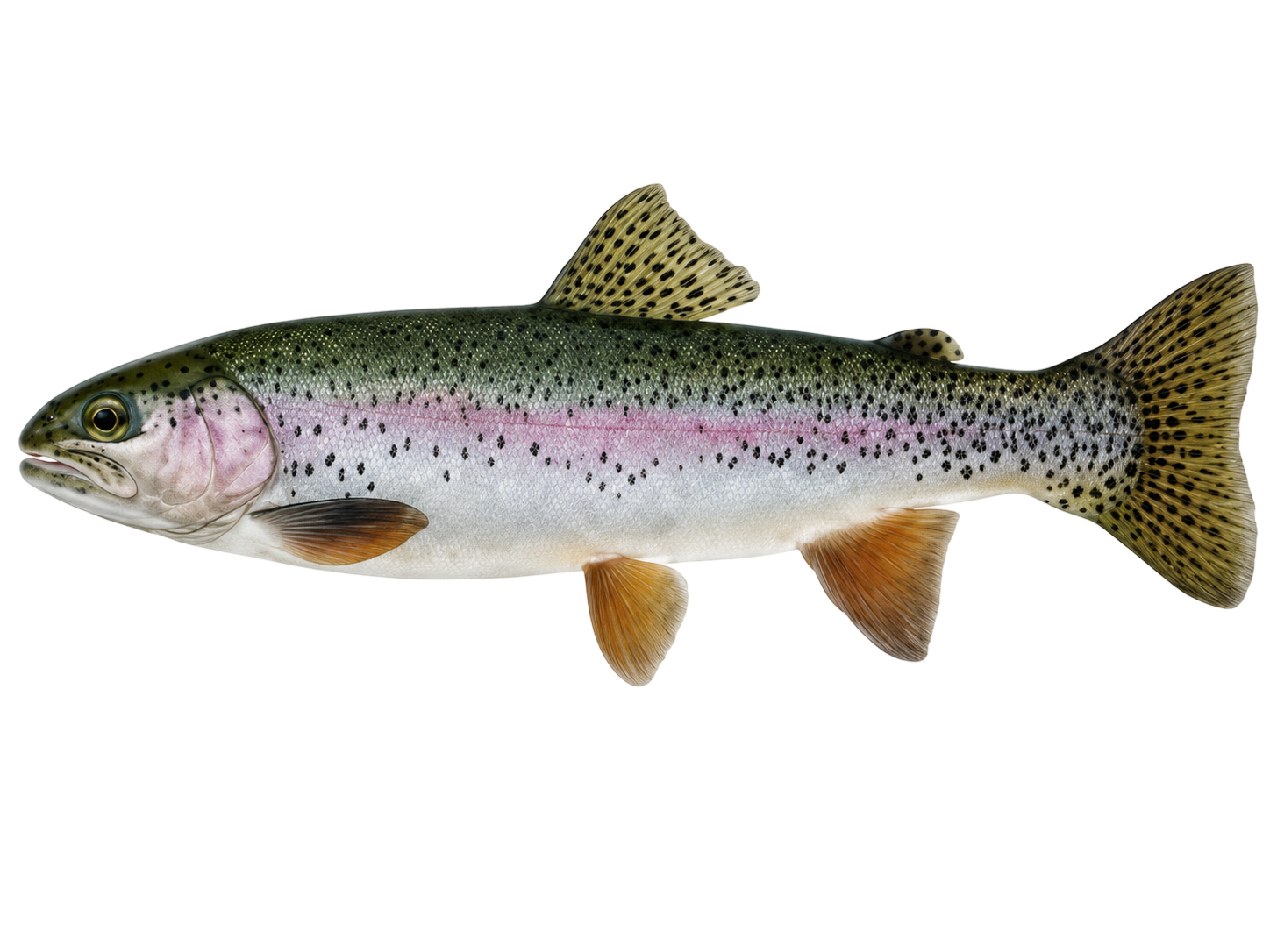
Rainbow Trout
Rainbow Trout
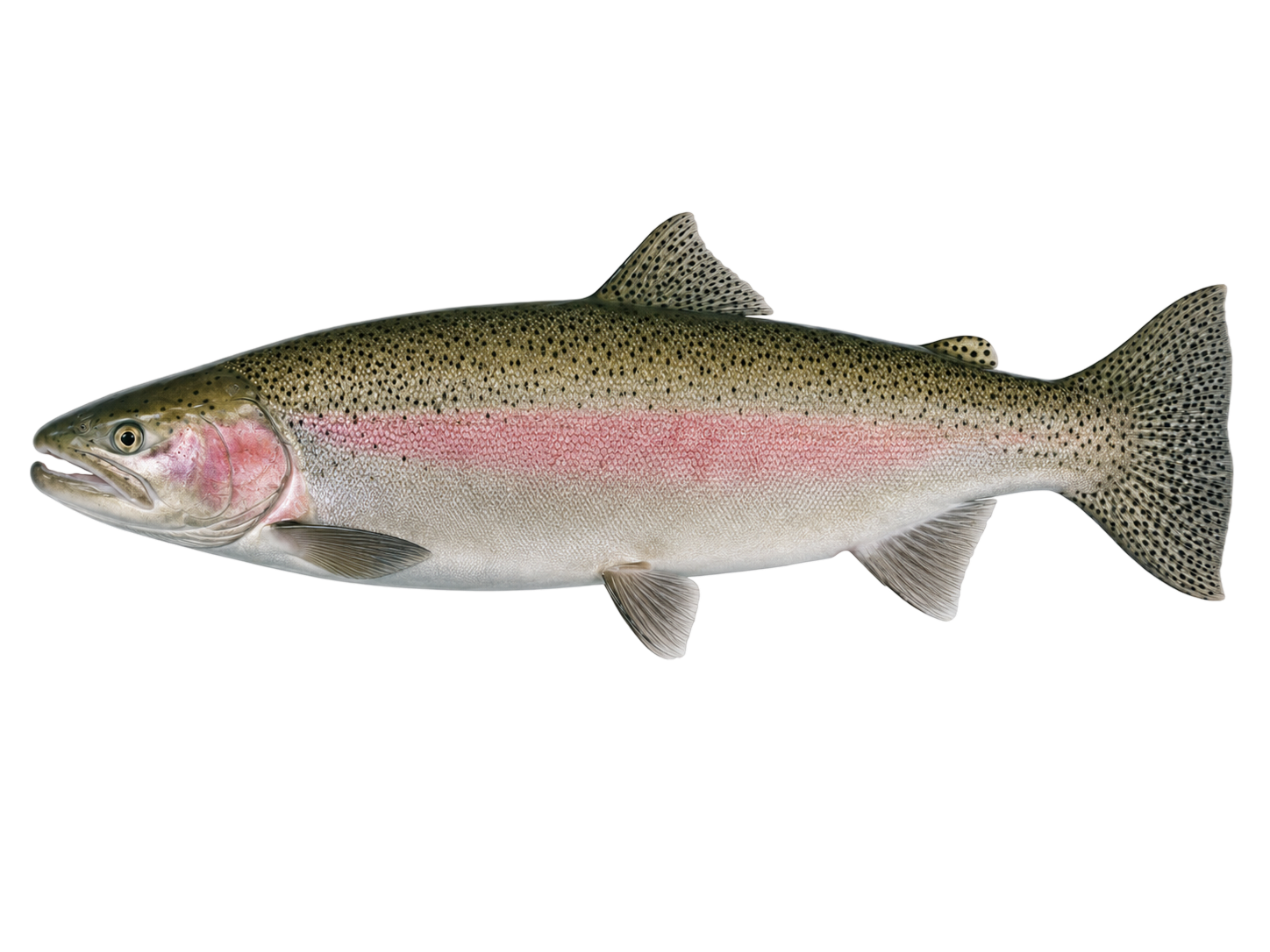
Steelhead
Steelhead
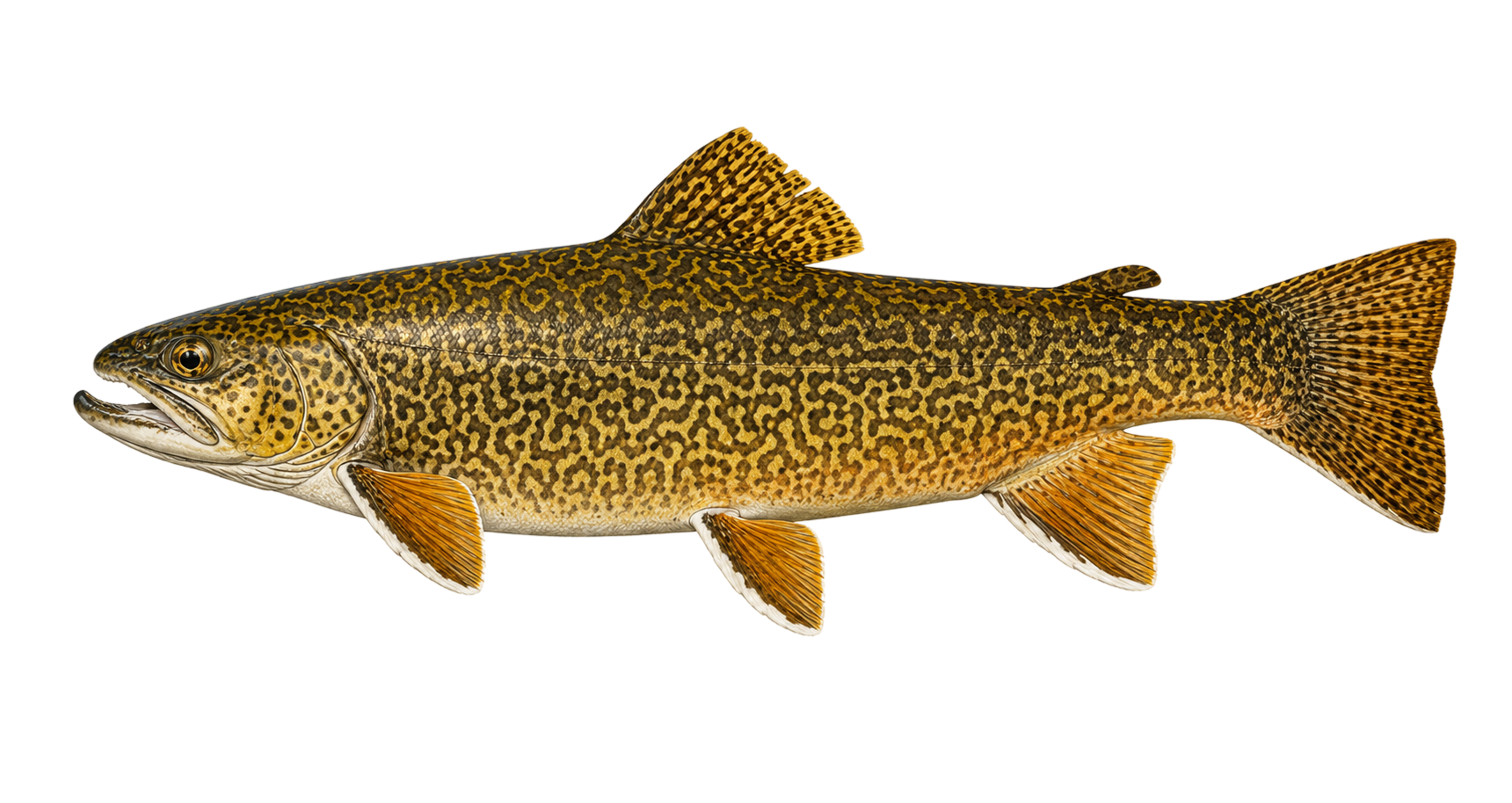
Tiger Trout
Tiger Trout
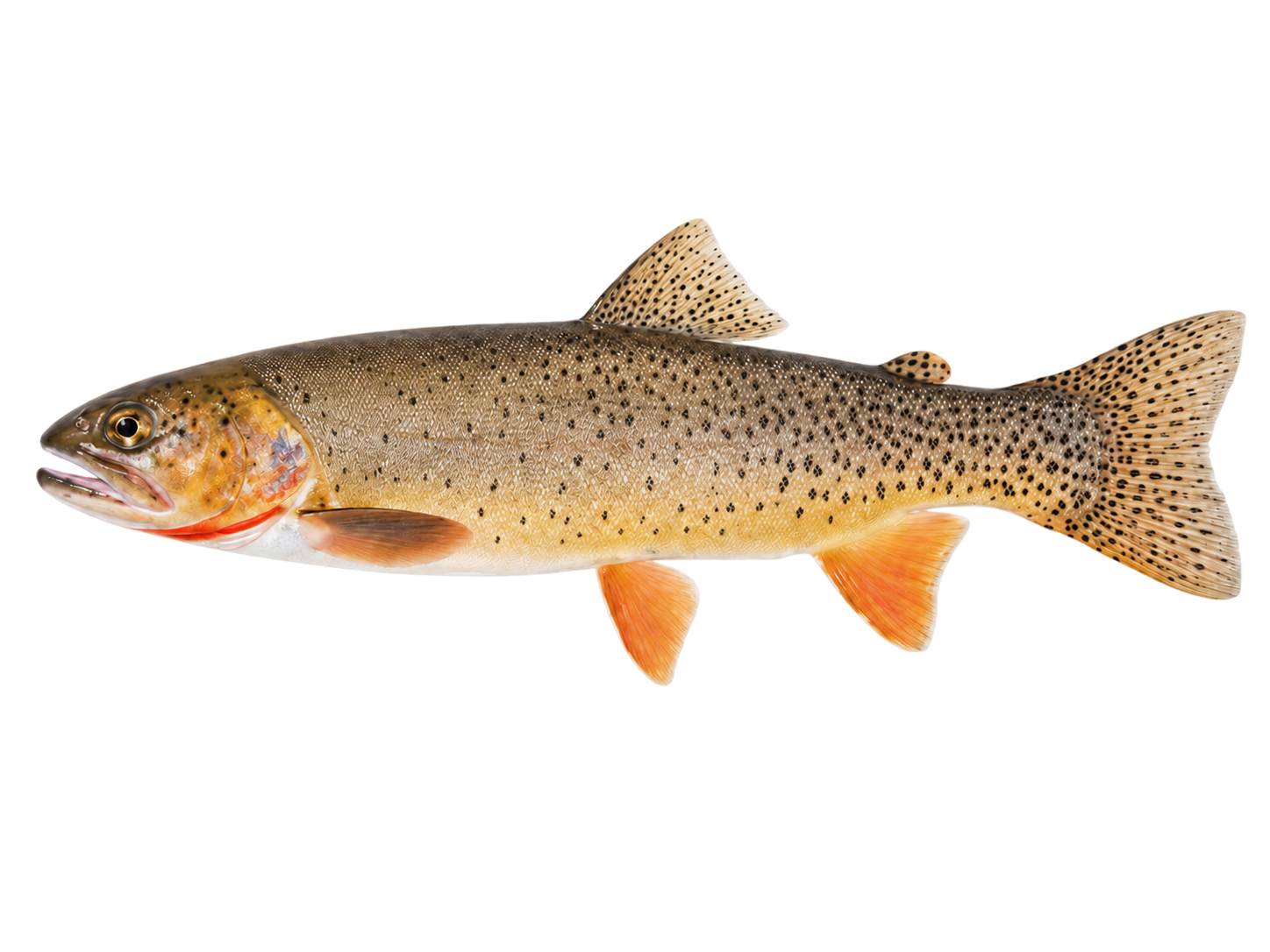
Westslope Cutthroat Trout
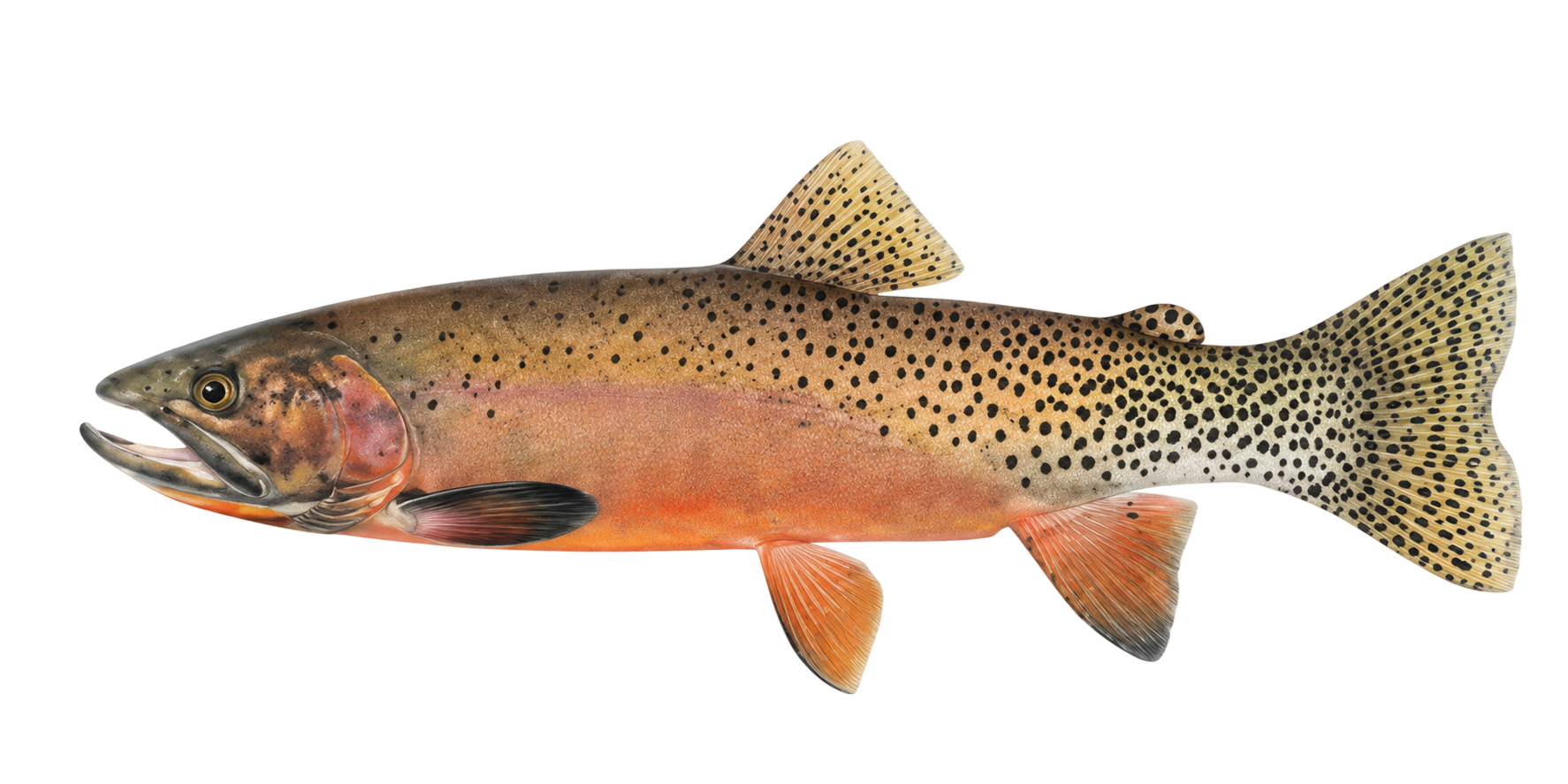
Yellowstone Cutthroat Trout

On this page

OverviewLife CycleFly TyingWhere It HatchesFly PatternsAngler NotesIdentificationHabitatEaten By

Share & plan

IDFG Planner

On this profile

  • 21 waters
  • 3 fly patterns
  • 12 predator species
  • 6 tying videos
  • 7 life stages

Explore

Browse all hatches & forage
  • Rubber LegsGrizzly Micro Legs - Olive