Barbless.coBarbless.co
  • Home
  • Map
  • Reports
  • Guides
  • Fish
  • Hatches
  • Podcast
Sign in
Barbless.co

The more you understand, the more there is to see.

  • IdahoLive
  • CaliforniaSoon

Explore

  • Map
  • Reports
  • Browse reports
  • By region

Waters

  • River search
  • Guides & outfitters

Learn

  • Fish species
  • Hatches & forage
  • Podcast

Company

  • About
  • Contact
  • Editorial policy
  • Releases
  • Legal

© 2026 Barbless.co. Flow and gauge data from USGS; weather from Open-Meteo. · v2026.10.18.2

  1. Home
  2. Hatches & Forage
  3. Mayflies
  4. Blue-winged Olive

Updated July 15, 2026

← Back to map
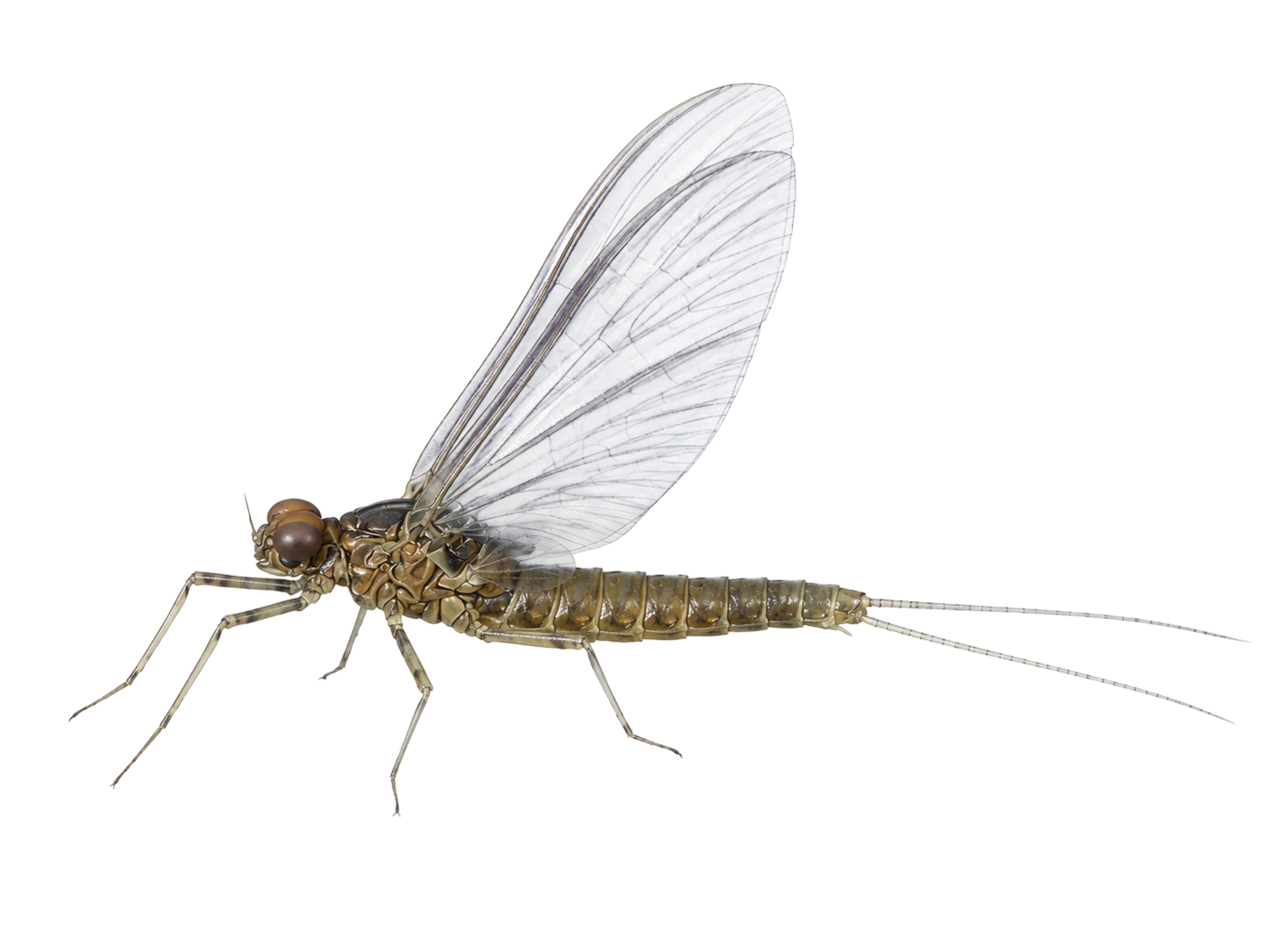
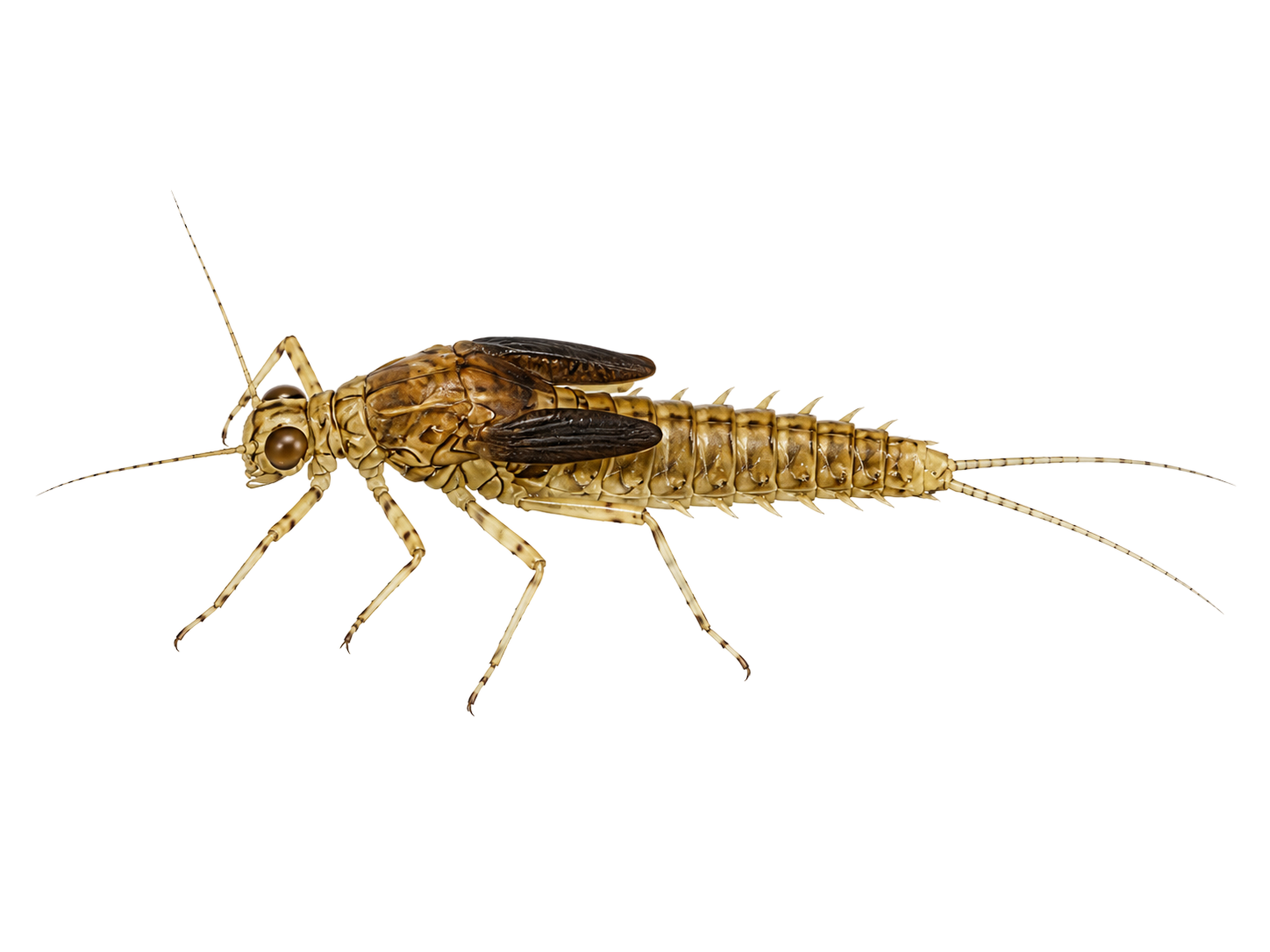
Blue-winged Olive, Adult
Blue-winged Olive, Nymph
Adult

Hatches › Mayfly

Mayfly

Blue-winged Olive

Baetis · genus

A small, dependable mayfly hatch that keeps Idaho trout looking up in cool-weather windows.

Overview

Category

Mayfly

Category

Mayfly

Category

The insect or forage category for this profile.

Size

Small; commonly imitated in the #16-22 range, sometimes smaller.

Size

Small; commonly imitated in the #16-22 range, sometimes smaller.

Size

Typical size range anglers imitate on the water.

Key stages

Eggs, Nymph, Emerger, Dun, Spinner, Egg Laying Spinner, Spent Spinner

Key stages

Eggs, Nymph, Emerger, Dun, Spinner, Egg Laying Spinner, Spent Spinner

Key stages

Life stages most relevant to fly fishing this hatch or forage.

Water types

Rivers, Streams, Spring creeks, Tailwaters

Water types

Rivers, Streams, Spring creeks, Tailwaters

Water types

Water types where this bug or forage is commonly found.

About Blue-winged Olive

Baetis is a genus of mayflies in the family Baetidae, commonly called Blue-winged Olives by anglers. With at least 150 described species worldwide and strong variety in North America, this is a broad hatch group rather than a single bug.

Also known as: BWO, Baetis

Life Cycle

This infographic illustrates the full life cycle of a mayfly, from eggs laid on the stream bottom to the brief, airborne adult stages. Understanding these transformations is key for anglers looking to match the hatch throughout the season.
Eggs

Eggs

Female mayflies deposit hundreds to thousands of tiny eggs either in or near the water. These eggs then sink to the stream bottom to develop.

nymph

nymph

Nymphs reside on the stream bottom, where they feed and grow through a series of molts, spending the majority of their lives underwater.

emerger

emerger

The nymph actively swims to the water's surface, where it begins the crucial process of emerging into its adult form.

dun

dun

After emerging, the freshly hatched adult, known as a dun, rests briefly on or just above the water's surface before flying off.

spinner

spinner

Matured duns molt into spinners, which are the sexually reproductive adult stage. These spinners take to the air for mating.

Egg Laying Spinner

Egg Laying Spinner

After mating, the female spinner returns to the water's surface to deposit her eggs, initiating the next generation.

Spent Spinner

Spent Spinner

Having completed their reproductive cycle, the adult mayflies die, often floating dead on the water's surface, a common sight for anglers.

Stages
Anglers commonly fish Baetis as nymph, emerger, dun, and spinner. Like other mayflies, they develop underwater, emerge at the surface, drift briefly as duns, then return as spinners to mate and fall spent.
Emergence cues
Most important during cool to moderate conditions, often on overcast or unsettled days, with activity building when water temperatures are favorable for mayfly emergence and during softer light periods.
Behavior
Nymphs drift in the current before emergence; emergers can hang in or just under the film; duns ride the surface as they dry; spinners fall flush and helpless, often creating selective feeding.

How to Tie Blue-Winged Olive Patterns

nymph

Fly Tying a Blue Winged Olive Nymph (Mayfly Trout Pattern)

Savage Flies

Materials

  • Hook#14-181x long nymph
  • ThreadBrown
  • TailFlank fibers, wood duck
  • RibBrown thread or floss
  • BodyRabbit, light olive
  • WingcaseBrown or natural duck
  • ThoraxRabbit, light olive
  • LegsPartridge, brown or natural
emerger

Barr's Emerger BWO

tightlinevideo

Materials

  • Emerger Hook2X-short, sizes 18-24Dai-Riki 125
  • Veevus Thread16/0dark brown
  • Hackle FibersBrown or ginger
  • Beaver Dubbingolive
  • FlashabouOne strand
  • Wood Duck
  • Beaver FurNatural

dun

The Easiest Parachute BWO You’ll Ever Tie!

Fly Fish Food

Materials

  • Hook18TMC 100 Dry Fly Hook
  • Thread18/0SemperFli Nano Silk Ultra Fine 30D 18/0 - Olive
  • Tail / PostEP Fibers - Minnow
  • BodyFulling Mill Tactical Dry Fly Dub - Grey Olive
  • HackleWhiting Bronze Cape - White dyed Medium Dun

spinner

Blue Wing Olive Spinner, Holsinger's Fly Shop

Holsinger's Fly Shop

Materials

  • Firehole 419Size 18
  • Thread70 DenierOlive
  • Coq De Leon
  • DubbingX-tremely Fine, Blue Winged Olive
  • EP FibersTrigger Point, Blue Winged Olive

Egg Laying Spinner

Diving BWO Egg Layer

East Rosebud Fly & Tackle

Materials

  • Firehole 633#14Hook
  • Veevus10/0Thread, Olive
  • Coq de Leon Tailing PackTail, Medium Dun
  • Hare-Tron DubbingBody, Olive
  • Sparkle Emerger YarnWing, Clear White
  • Coq de Leon Tailing PackLegs, Medium Dun

Spent Spinner

Life Cycle #6: Blue Winged Olive / Baetis - Fly Tying Tutorial

troutcastz

Materials

  • Hook#14Ahrex FW501
  • TailCoq De Leon fibers
  • BodySuper Fine Dubbing - Blue Winged Olive
  • WingSwiss CDC - Dark Grey Khaki
  • ThoraxSuper Fine Dubbing - Blue Winged Olive

Where It Hatches

Blue-winged Olive

One species, multiple rivers.

RiverJANFEBMARAPRMAYJUNJULAUGSEPOCTNOVDEC
  • Bear Valley Creek
  • Big Lost River
  • Big Wood River
  • Birch Creek
  • Blackfoot River
  • Boise River, Middleton to Eagle Road
  • Boise River, Strawberry Glen to Barber Dam
  • Clearwater River
  • Coeur d'Alene River
  • Crooked Fork
  • Fall River
  • Henrys Fork of the Snake River
  • Kelly Creek
  • Kootenai River
  • Lemhi River
  • Little Lost River
  • Little North Fork Clearwater River
  • Little Salmon River
  • Little Wood River
  • Lochsa River
  • Loon Creek
  • Middle Fork Boise River
  • Middle Fork Salmon River
  • North Fork Big Wood River
  • North Fork Boise River
  • North Fork Clearwater River
  • North Fork Coeur d'Alene River
  • North Fork Payette River
  • North Fork Saint Joe River
  • Owyhee River
  • Pahsimeroi River
  • Portneuf River
  • Priest River
  • Saint Joe River
  • Saint Maries River
  • Salmon River
  • Selway River
  • Silver Creek
  • Snake River, Idaho Falls to American Falls Reservoir
  • Snake River, Lower Salmon Falls Dam to Bliss Dam (Hagerman / Thousand Springs)
  • Snake River, Osgood Diversion Dam to Henrys Fork
  • South Fork Boise River
  • South Fork Clearwater River
  • South Fork Payette River
  • South Fork Snake River
  • Teton River
  • Valley Creek
  • Warm River
  • Yankee Fork Salmon River

Fly Patterns

  • Baetis Emerger#18-22
  • Parachute BWO#18-22
  • Pheasant Tail Nymph#12-22
  • RS2#18-24
  • Soft Hackle#12-18

Angler Notes

Why it matters
BWOs are one of the most dependable small mayfly groups trout feed on, and they often trigger selective rising fish when little else is happening.
Imitation tips
Carry slim nymphs, sparse emergers, low-riding duns, and spent spinners in olive and gray-olive shades. Keep patterns trim, avoid overdressing, and match size carefully.
Key life stages
nymphemergerdunspinner
Presentation
Start with a dead-drift nymph or emerger through likely seams, then switch to a drag-free dry when fish begin showing. During surface feeding, long leaders, fine tippet, and exact lane control usually matter more than fancy pattern details.

Identification

Key features
Slim mayfly profile with compact bodies, upright wings on duns, and a generally delicate look; anglers usually key on the small size and olive-toned body more than exact species.
Size
Small; commonly imitated in the #16-22 range, sometimes smaller.
Coloration
Olive to gray-olive bodies with dusky to slate-blue wings; nymphs are usually olive-brown to dark olive.
Similar bugs
PMDMahogany dunCallibaetisSmall mayfly spinner

Habitat

Water types
RiversStreamsSpring creeksTailwaters
Substrate
Common around mixed stream bottoms with gravel, cobble, and aquatic vegetation or other current-sheltered feeding lanes.
Conditions
Most relevant in moving water with healthy insect life, especially moderate flows and clear to slightly stained conditions where trout can key on small drifting mayflies.

Eaten By

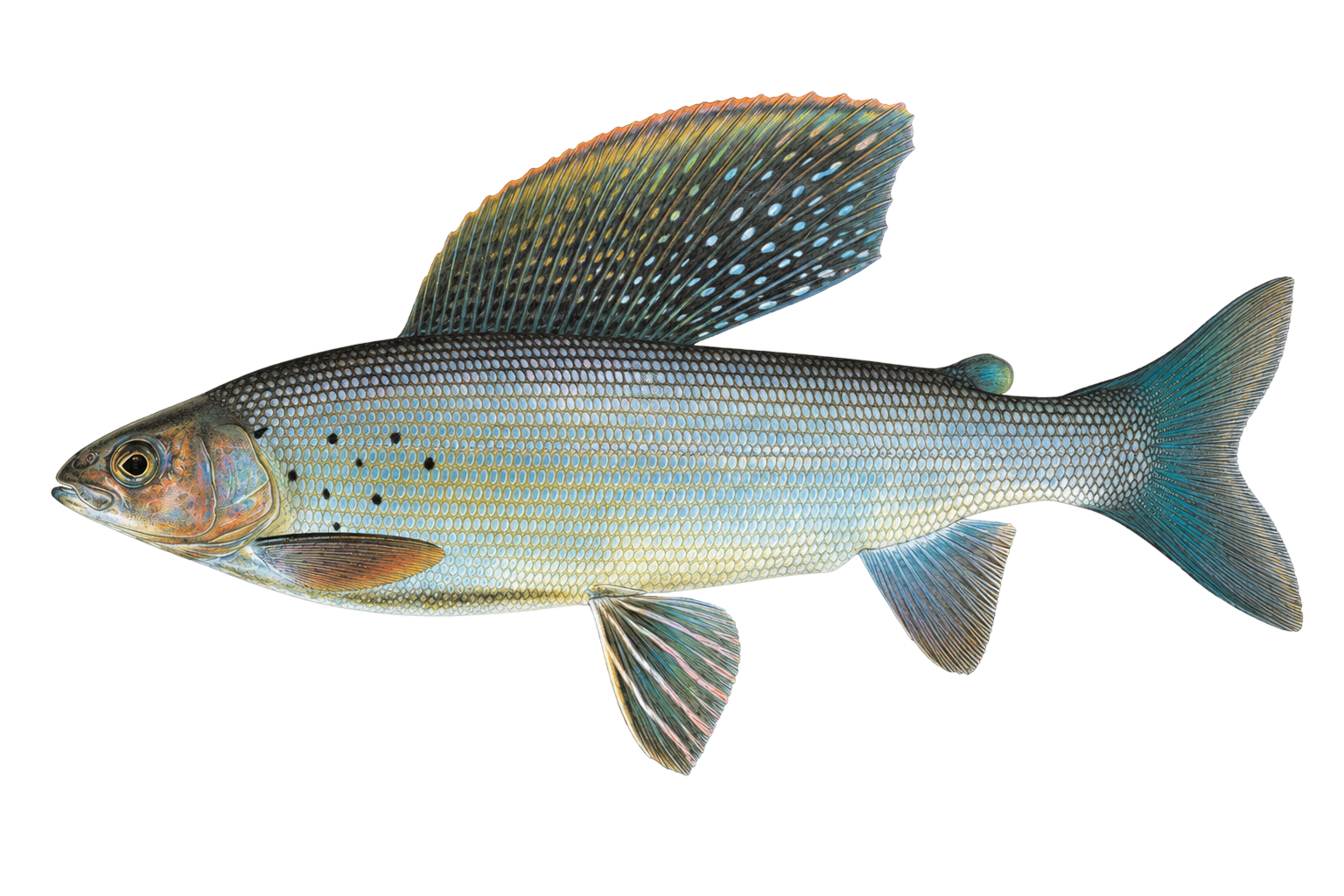
Arctic Grayling
Arctic Grayling
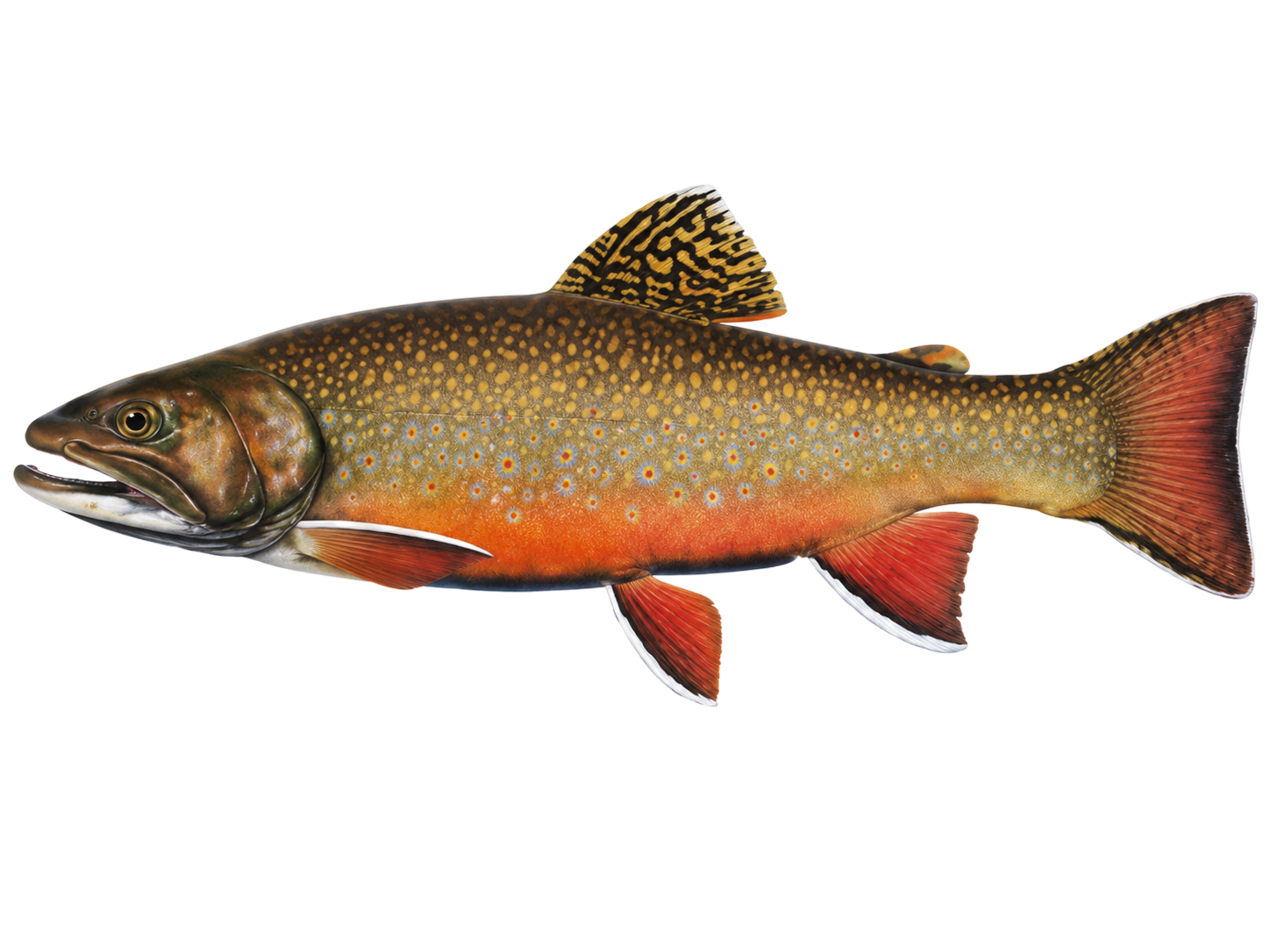
Brook Trout
Brook Trout
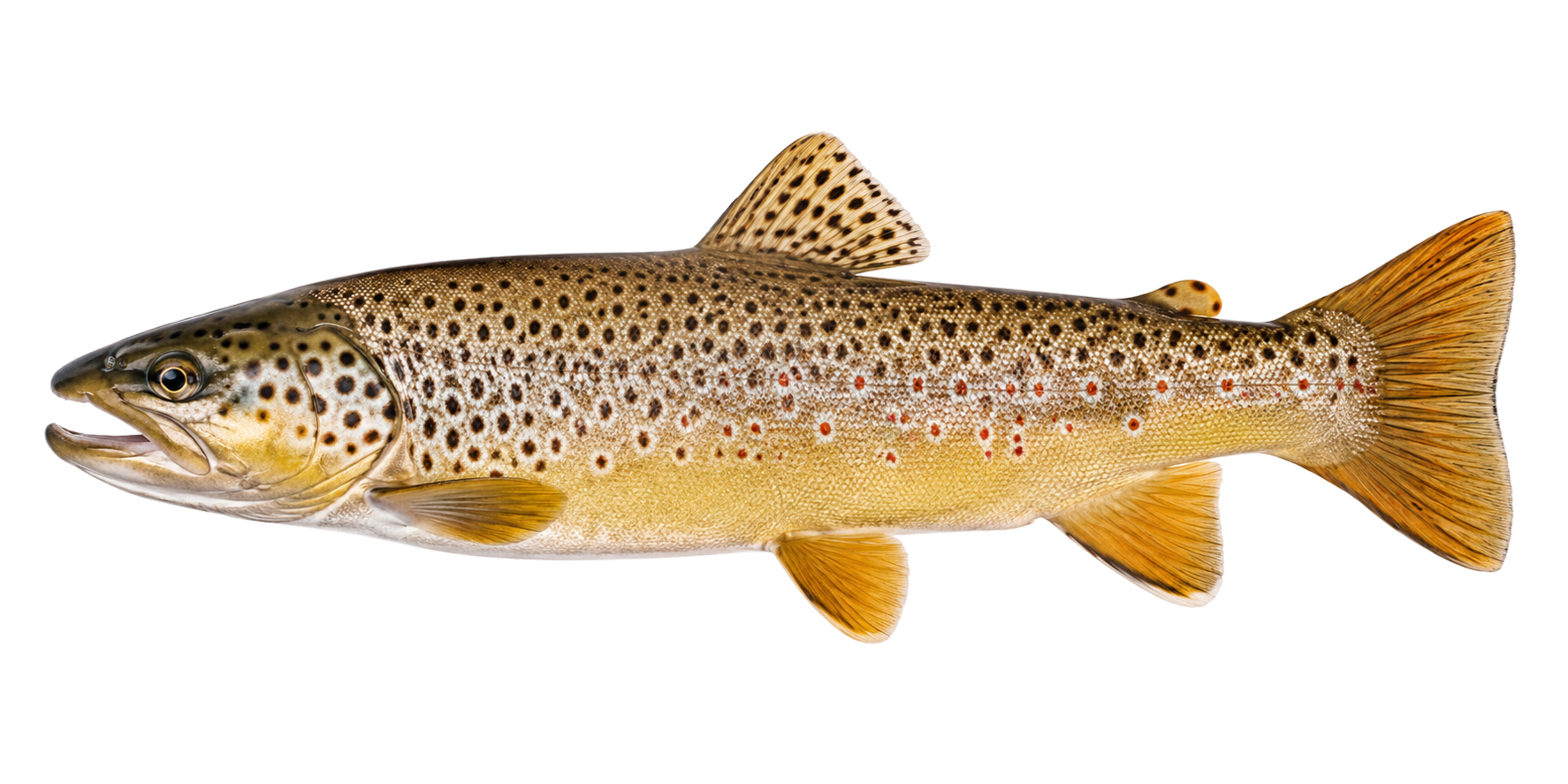
Brown Trout
Brown Trout
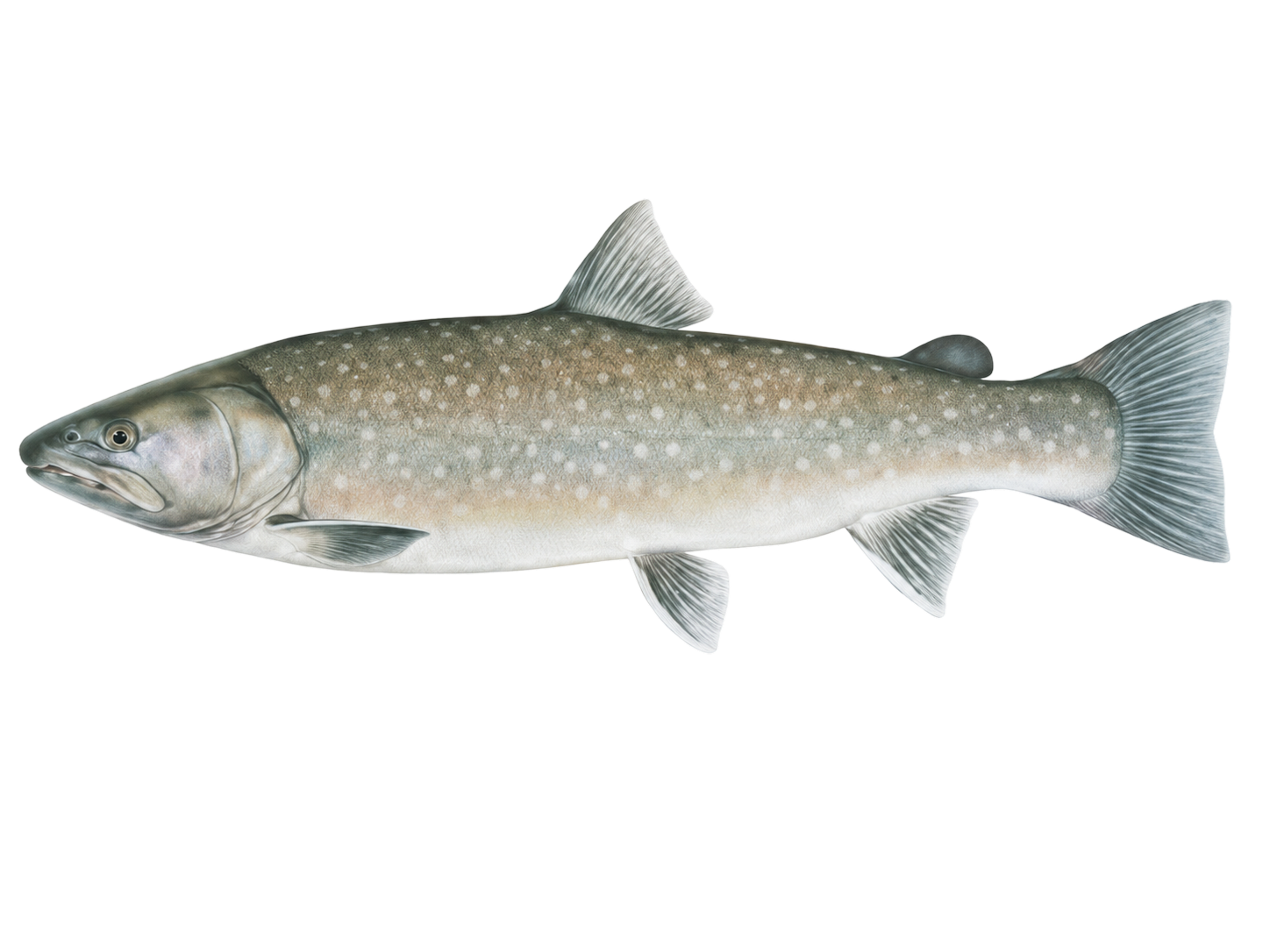
Bull Trout
Bull Trout
Cutbow Trout
Cutbow Trout
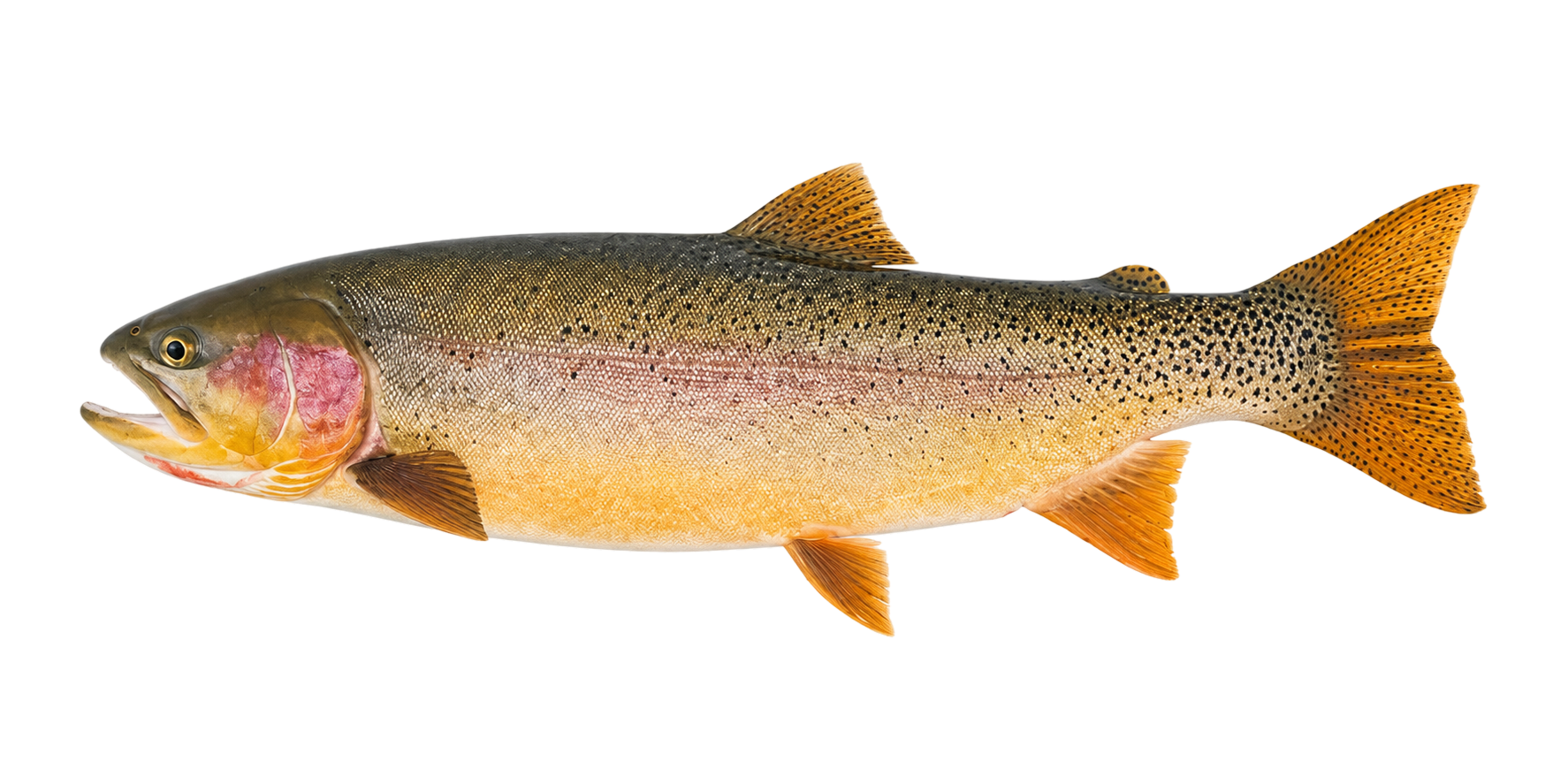
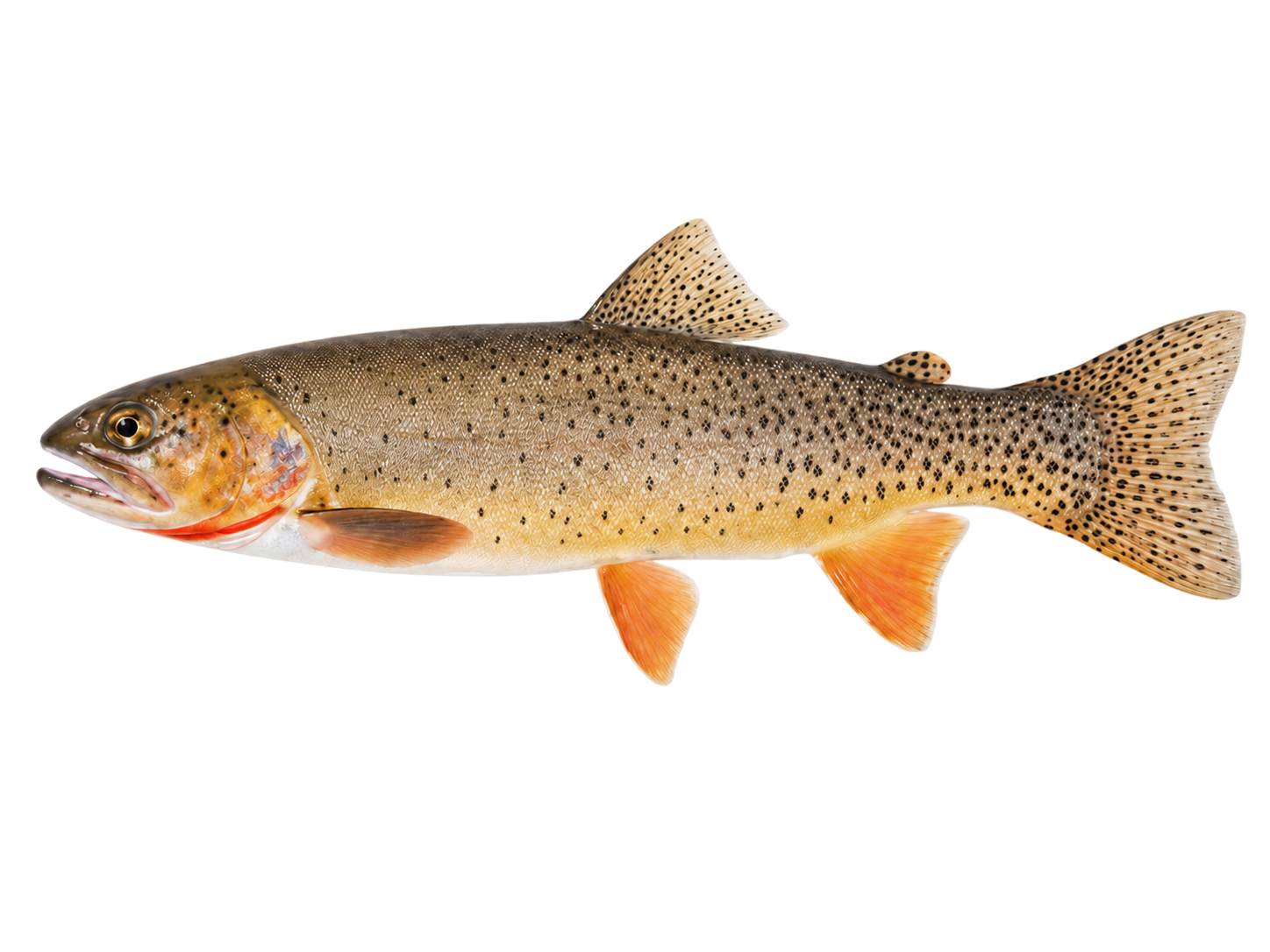
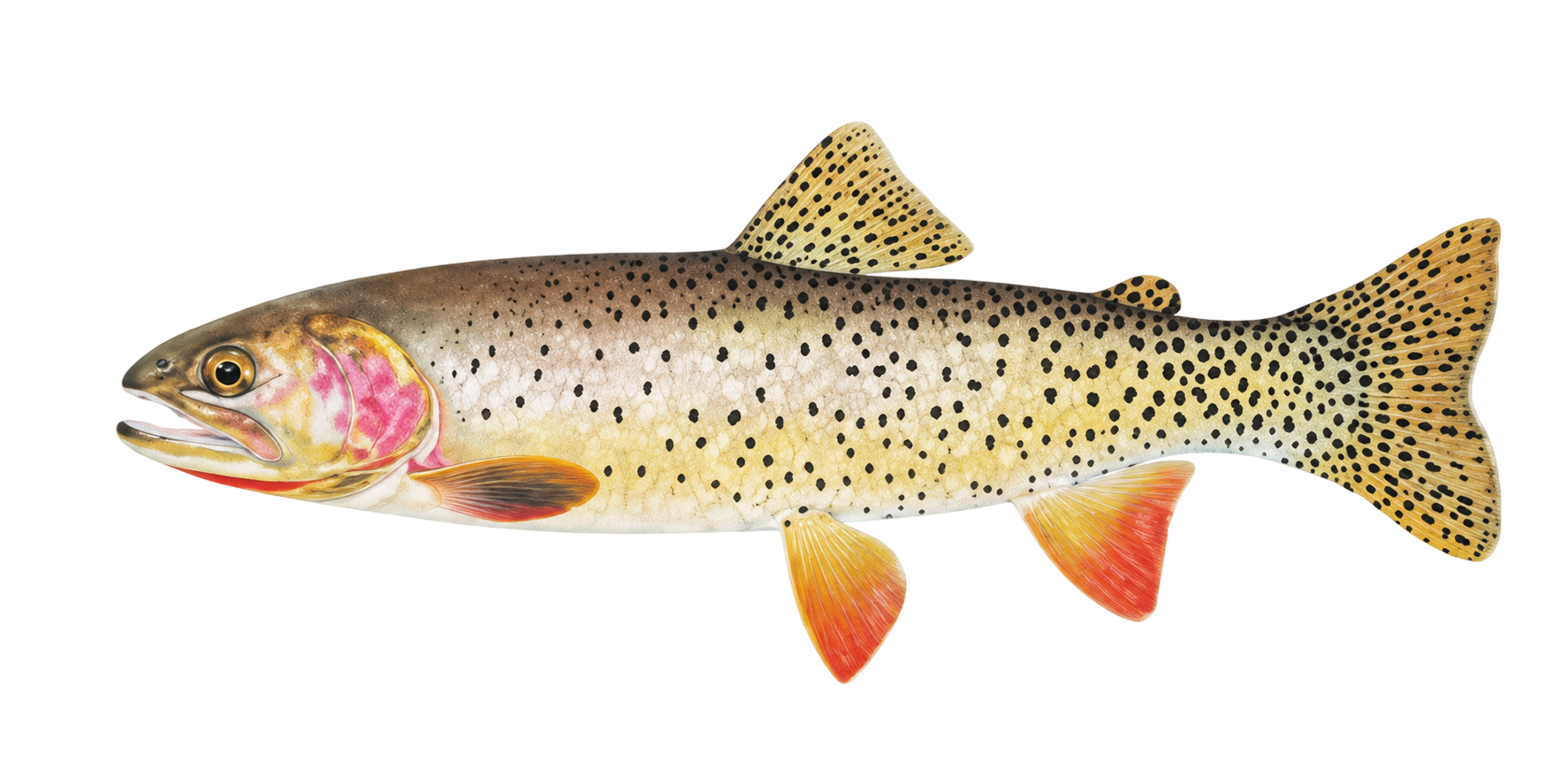
Cutthroat Trout
Cutthroat Trout
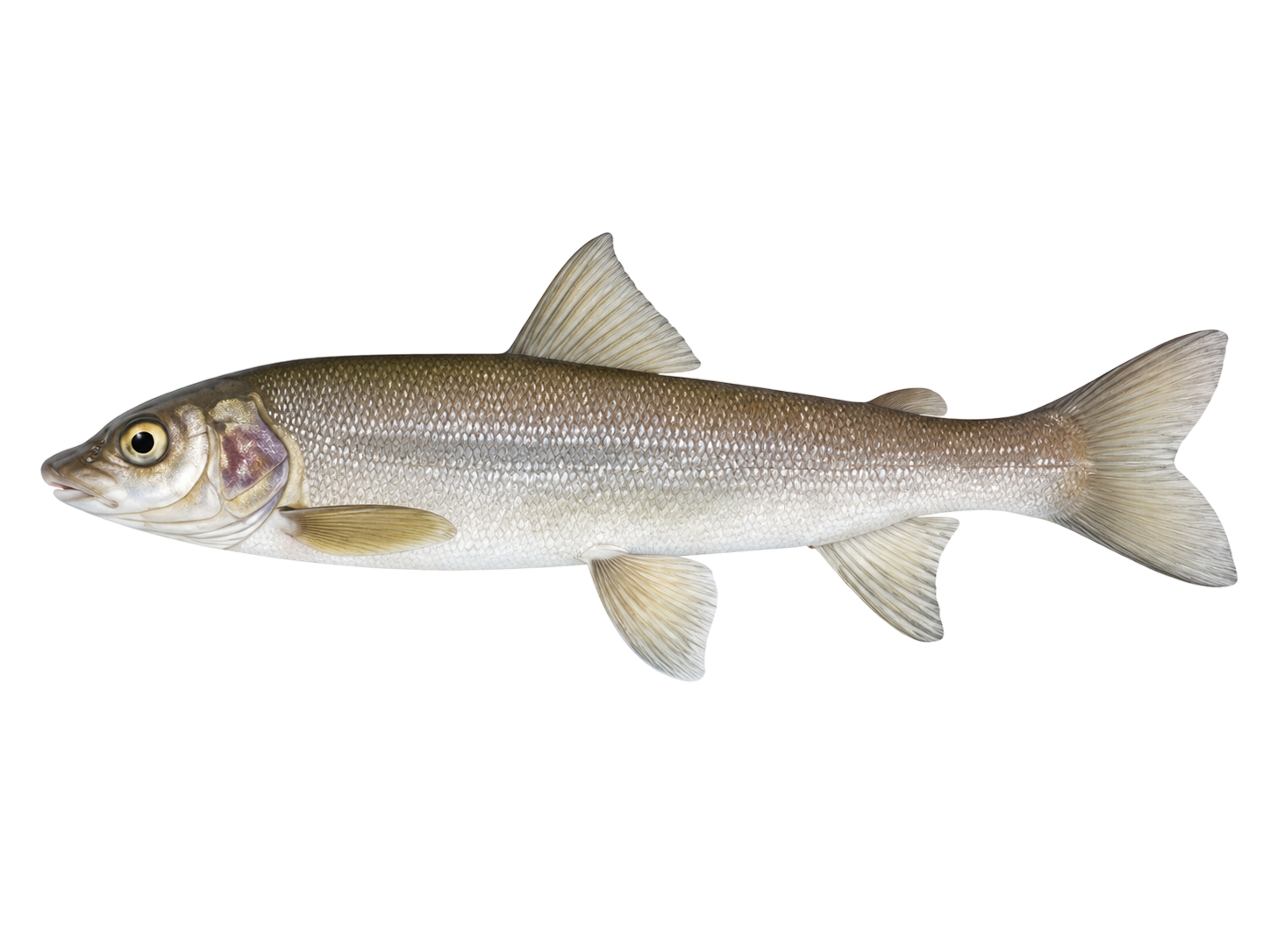
Mountain Whitefish
Mountain Whitefish
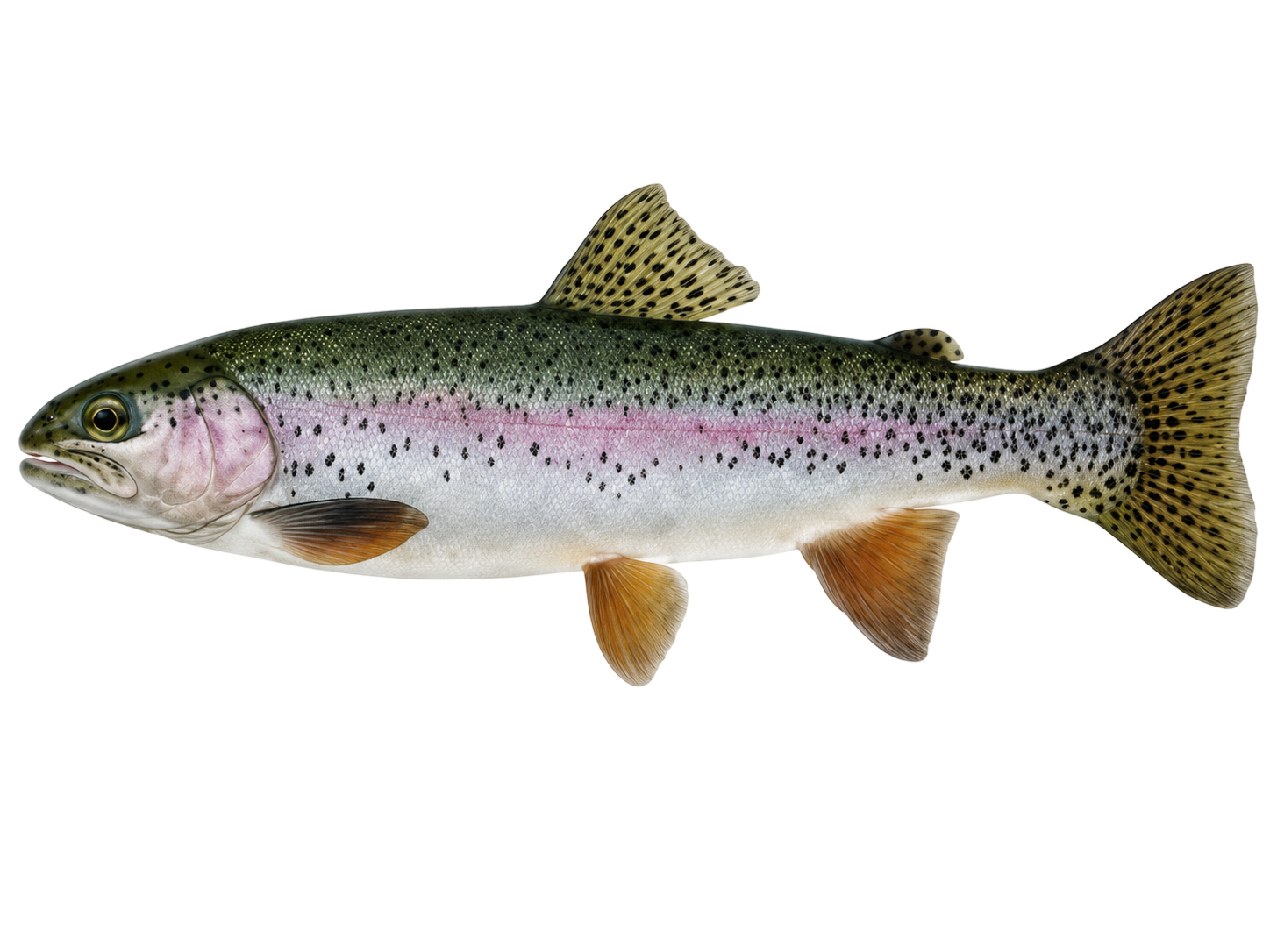
Rainbow Trout
Rainbow Trout
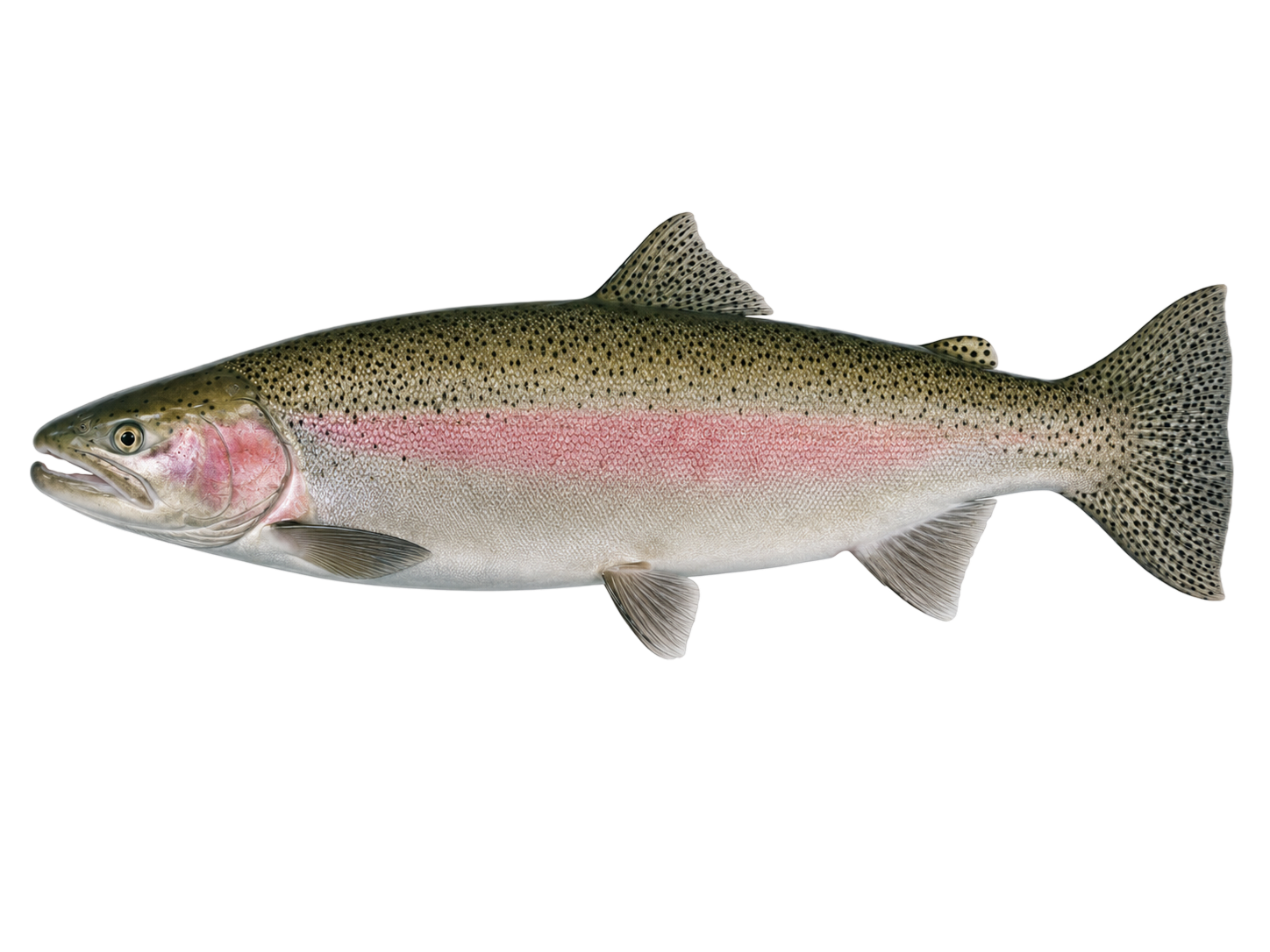
Steelhead
Steelhead
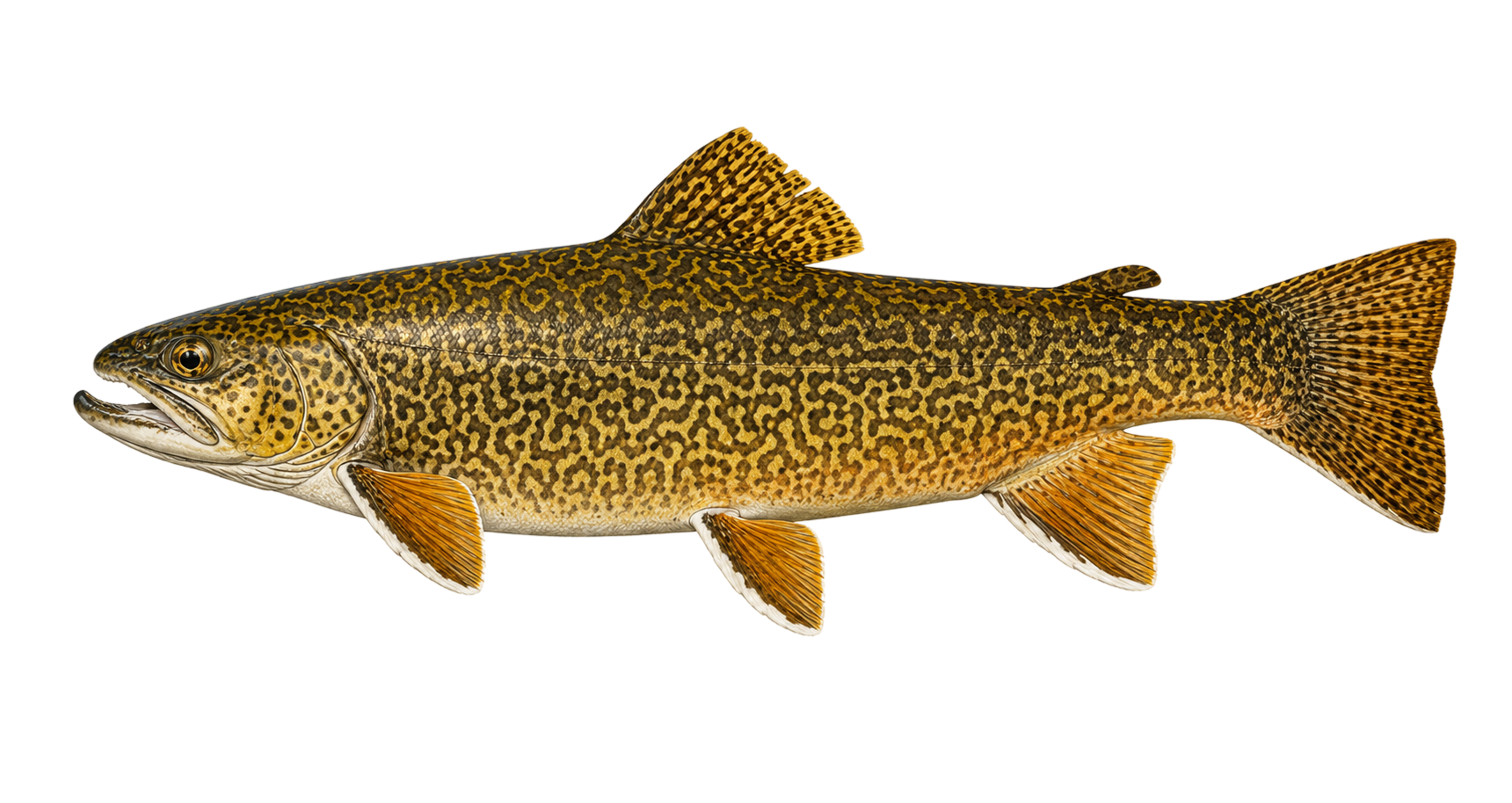
Tiger Trout
Tiger Trout
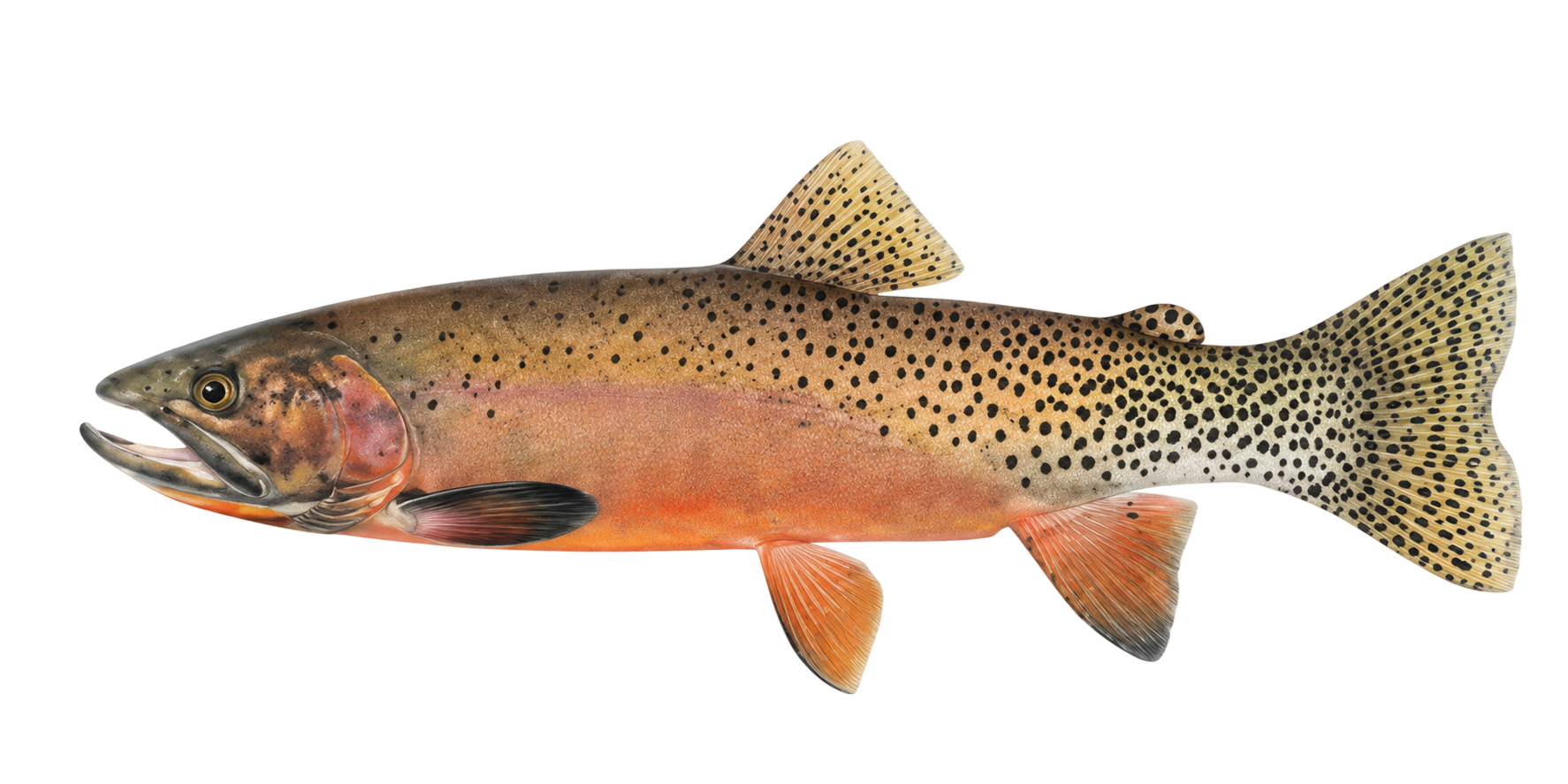
Westslope Cutthroat Trout
Yellowstone Cutthroat Trout

Blue-winged Olive Photos

Adult
Nymph

On this page

OverviewLife CycleFly TyingWhere It HatchesFly PatternsAngler NotesIdentificationHabitatEaten ByPhotos

Share & plan

IDFG Planner

On this profile

  • 49 waters
  • 5 fly patterns
  • 12 predator species
  • 6 tying videos
  • 7 life stages

Explore

Browse all hatches & forage