Barbless.coBarbless.co
  • Home
  • Map
  • Reports
  • Guides
  • Fish
  • Hatches
  • Podcast
Sign in
Barbless.co

The more you understand, the more there is to see.

  • IdahoLive
  • CaliforniaSoon

Explore

  • Map
  • Reports
  • Browse reports
  • By region

Waters

  • River search
  • Guides & outfitters

Learn

  • Fish species
  • Hatches & forage
  • Podcast

Company

  • About
  • Contact
  • Editorial policy
  • Releases
  • Legal

© 2026 Barbless.co. Flow and gauge data from USGS; weather from Open-Meteo. · v2026.10.18.2

  1. Home
  2. Hatches & Forage
  3. Stoneflies
  4. Skwala

Updated July 20, 2026

← Back to map
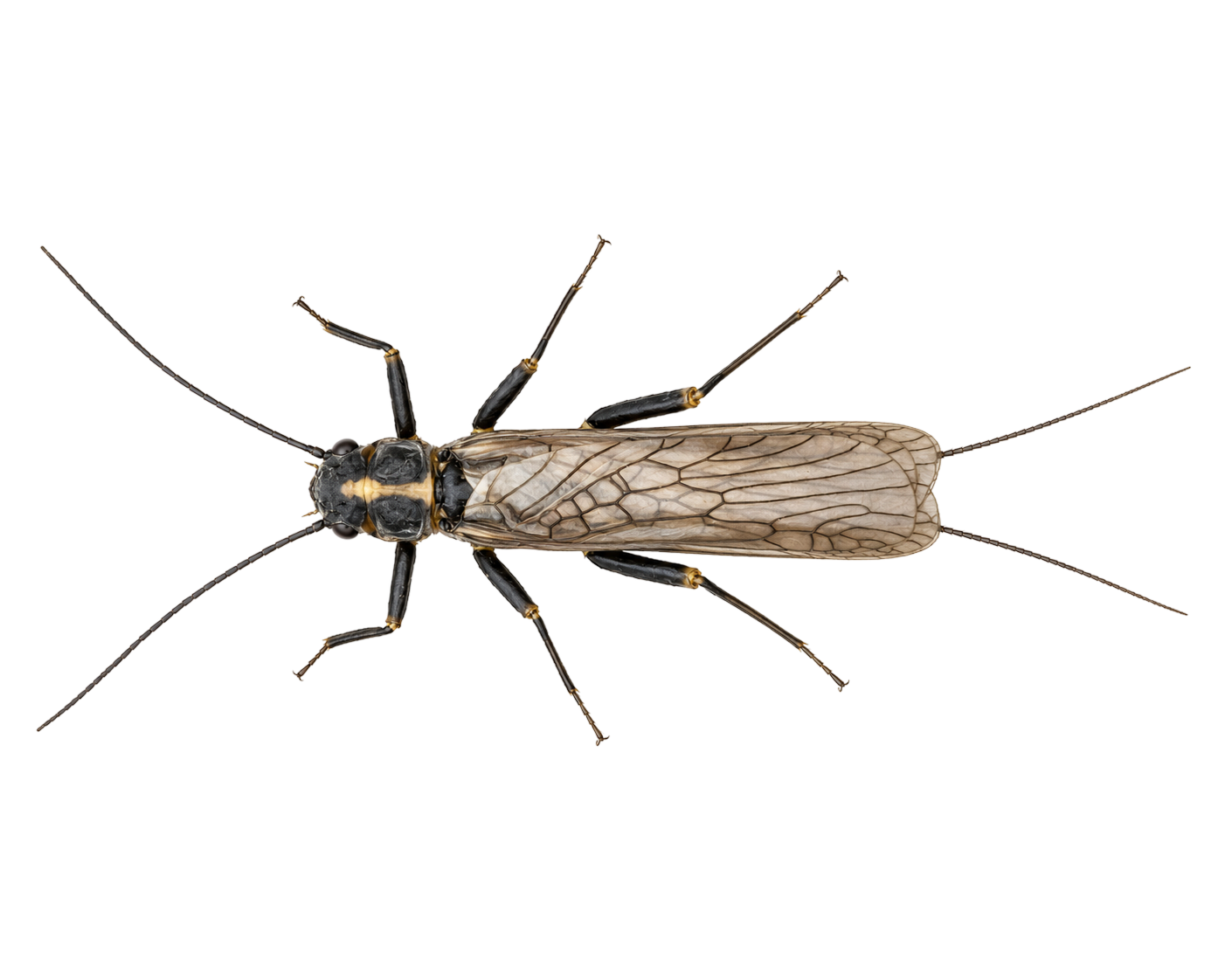
Skwala, Adult
Skwala, Nymph
Adult

Hatches › Stonefly

Stonefly

Skwala

Skwala · genus

A classic spring stonefly match: fish Skwala nymphs deep, then look for adults on the surface.

Overview

Category

Stonefly

Category

Stonefly

Category

The insect or forage category for this profile.

Size

Medium; commonly imitated in the modest stonefly range, roughly hooks 8-14.

Size

Medium; commonly imitated in the modest stonefly range, roughly hooks 8-14.

Size

Typical size range anglers imitate on the water.

Key stages

Egg, Nymph, Mature Nymph, Emerger, Adult, Egg Laying Female

Key stages

Egg, Nymph, Mature Nymph, Emerger, Adult, Egg Laying Female

Key stages

Life stages most relevant to fly fishing this hatch or forage.

Water types

freestone rivers, riffled runs, medium to large streams

Water types

freestone rivers, riffled runs, medium to large streams

Water types

Water types where this bug or forage is commonly found.

About Skwala

Skwala is a genus of springflies in the stonefly order Plecoptera, family Perlodidae. About five described species are recognized in the genus, and anglers know them as an important spring stonefly group worth matching as both nymphs and adults.

Also known as: Skwala Stonefly

Life Cycle

Skwala stonefly nymphs spend one to three years underwater, molting as they grow. The adult stage is brief, focused on emergence, mating, and egg-laying, often occurring near the riverbanks.
Egg

Egg

Female stoneflies drop their egg pods into the river, where they will eventually hatch to begin the life cycle anew.

Nymph

Nymph

Skwala nymphs live among the rocks underwater, continuously feeding and growing through a series of molts as they develop.

Mature Nymph

Mature Nymph

Once fully grown, the mature nymph instinctively moves towards the riverbanks or shore to prepare for its emergence from the water.

Emerger

Emerger

The nymph crawls out of the water onto solid ground or vegetation, where it transforms into an adult stonefly, shedding its nymphal skin.

Adult

Adult

Adult Skwala stoneflies spend a brief period above the water, primarily to mate and complete their reproductive cycle.

Egg Laying Female

Egg Laying Female

After mating, the female stonefly returns to the water's surface to deposit her egg pods, initiating the next generation of Skwala stoneflies.

Stages
Egg, aquatic nymph, and winged adult. For anglers, the key fishing stages are the nymph and adult.
Emergence cues
General spring emergence, often during warming periods as water temperatures rise out of winter lows; adults are most noticeable in the warmest part of the day.
Behavior
Nymphs live on the bottom in current and drift when dislodged or moving toward shore to emerge. Adults often appear near bankside water and can end up on the surface, especially during emergence and egg-laying activity.

How to Tie Skwala Patterns

Nymph

Tie the Skwala Stonefly Nymph

Postfly

Materials

  • goose biotstwo
  • flexible wrappingalso used as flashback material
  • dubbing

Mature Nymph

The ONLY Stone Fly YOU Need!

Mainely Flies

Materials

  • Thread1
  • Thread0/6
  • Legs and tail
  • Vinyl
  • Lead-free wire
  • Back
  • Dubbing
  • Bead
  • Hook
  • Uv resinRecommended
  • Uv lightRecommended

Emerger

Clark's Lady Stone Skwala Variant-Worley Bugger Fly Co

Worley Bugger Fly Co.

Materials

  • rubber legs

Adult

How to Tie the Foam Stacker Skwala | Versatile Stonefly Attractor Fly Pattern

Loon Outdoors

Materials

  • HookMustad R38P Dry Fly Hook
  • Thread8/0Black
  • TailBlack Tinsel or Krystal Flash
  • LegsRubberlegs
  • BodyFine & Dry Bubbing (cream/yellow or olive depending on region)
  • WingBleached Elk Hair
  • FoamChocklett Factory Foam Body Parts

Where It Hatches

Skwala

One species, multiple rivers.
RiverJANFEBMARAPRMAYJUNJULAUGSEPOCTNOVDEC
  • Big Wood River
  • Blackfoot River
  • Clearwater River
  • Coeur d'Alene River
  • North Fork Coeur d'Alene River
  • North Fork Saint Joe River
  • Owyhee River
  • Saint Maries River
  • South Fork Snake River
  • Teton River

Fly Patterns

  • Pat's Rubber Legs#4-10
  • Skwala Dry#8-12

Angler Notes

Why it matters
Skwala are a high-value spring food form because they are large enough for fish to notice and vulnerable in both nymphal drift and adult surface phases.
Imitation tips
Carry slim, dark stonefly nymphs and low-riding adult patterns in olive-brown tones. Keep silhouettes natural rather than oversized, and favor practical buggy profiles over bright attractor colors.
Key life stages
nymphadult
Presentation
Fish nymphs near the bottom through riffles, seams, and bankside transition water with short drifts and occasional lift at the end. When adults are active, present dries tight to banks, soft edges, and current lanes where naturals may flutter or fall in.

Identification

Key features
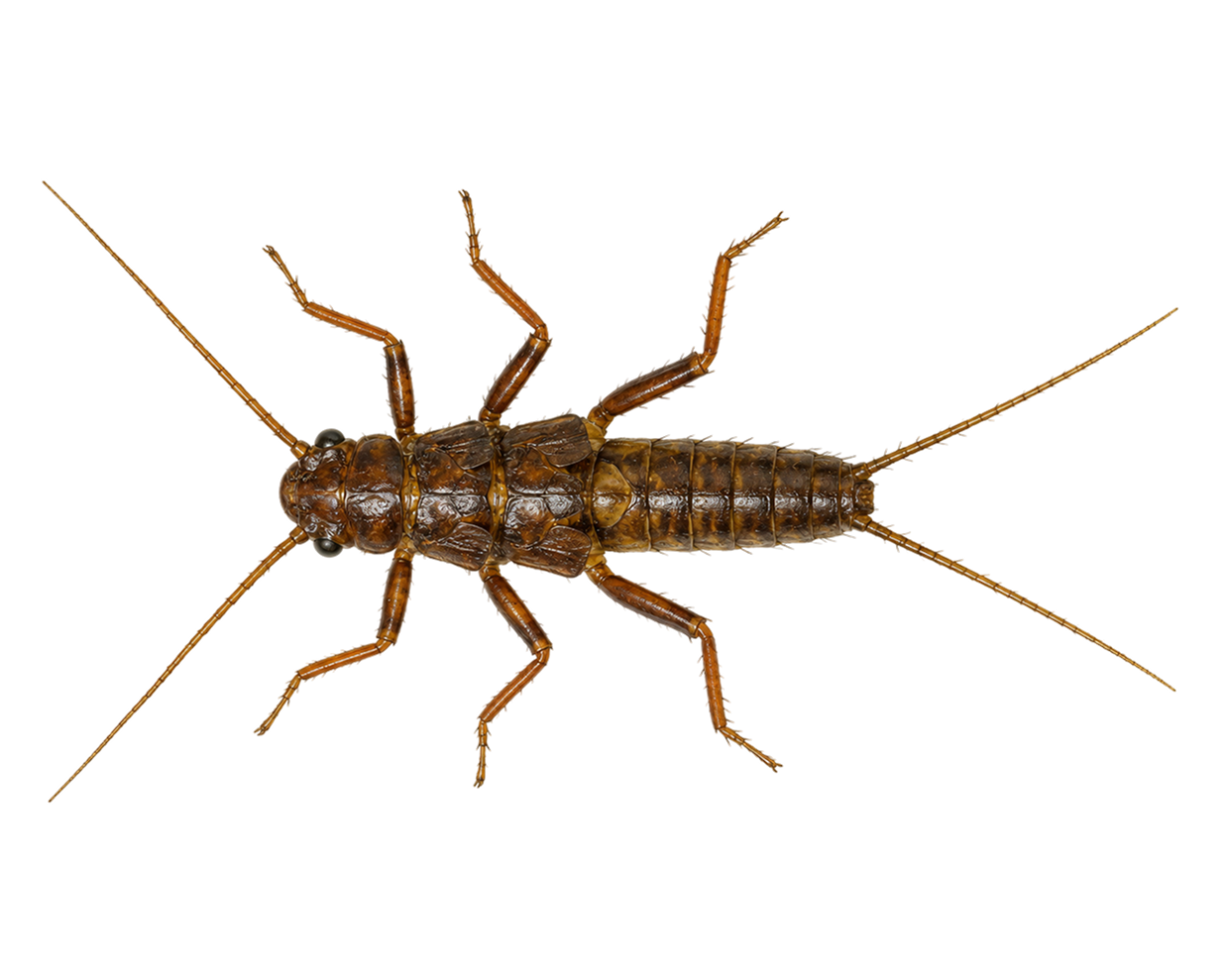
A slender stonefly profile with two tails, long antennae, and low-slung wings on the adult; nymphs are streamlined crawlers built for current rather than bulky clingers.
Size
Medium; commonly imitated in the modest stonefly range, roughly hooks 8-14.
Coloration
Usually subdued olive, brown, tan, or gray-olive tones; adults are often dark-winged and mottled rather than bright.
Similar bugs
Little Brown StonefliesYellow SallySalmonfly nymphGolden Stone

Habitat

Water types
freestone riversriffled runsmedium to large streams
Substrate
Rocky bottoms with cobble, gravel, and broken pocket-water structure that gives nymphs cover.
Conditions
Cold, clean, well-oxygenated moving water with steady current.

Eaten By

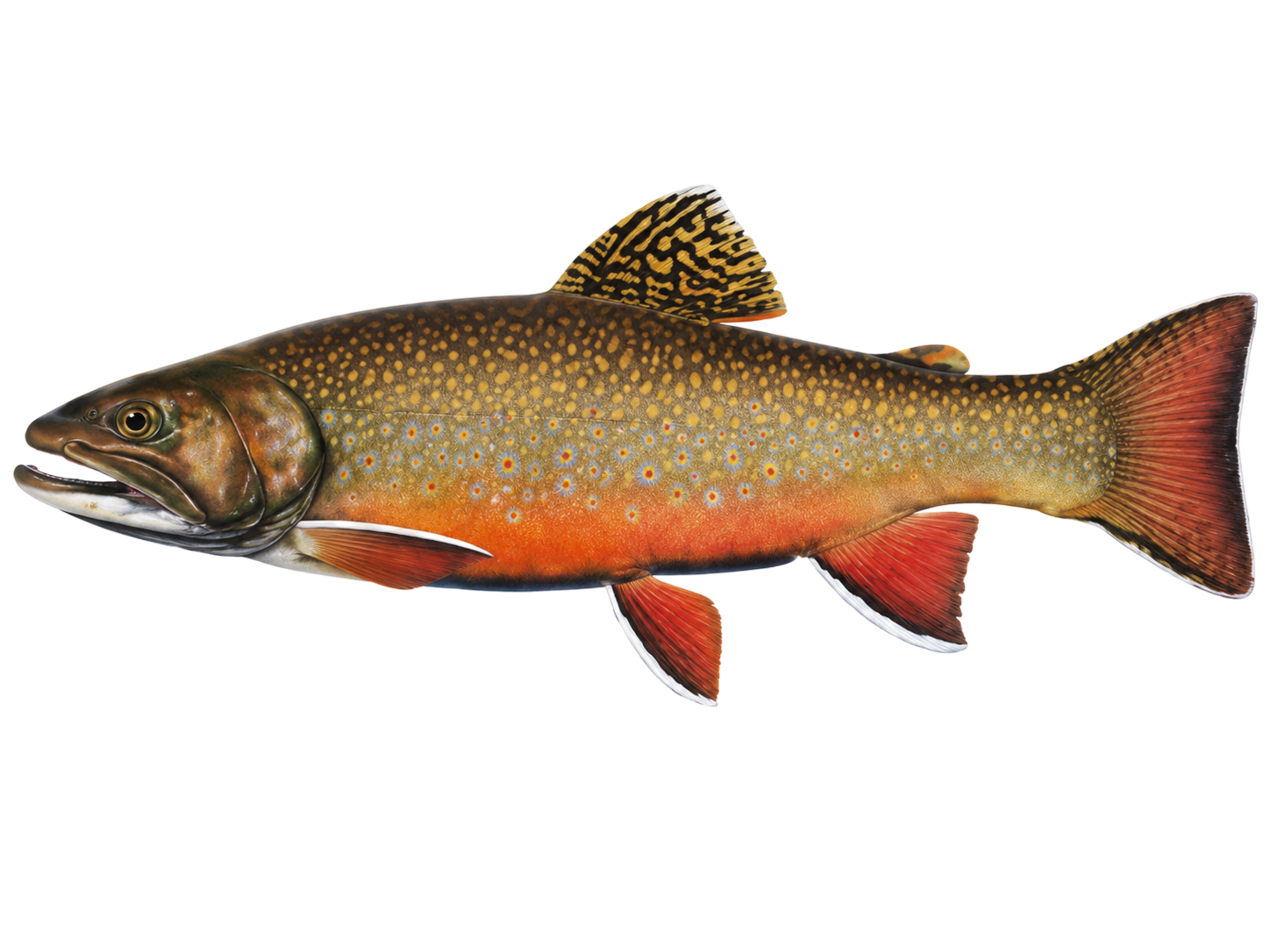
Brook Trout
Brook Trout
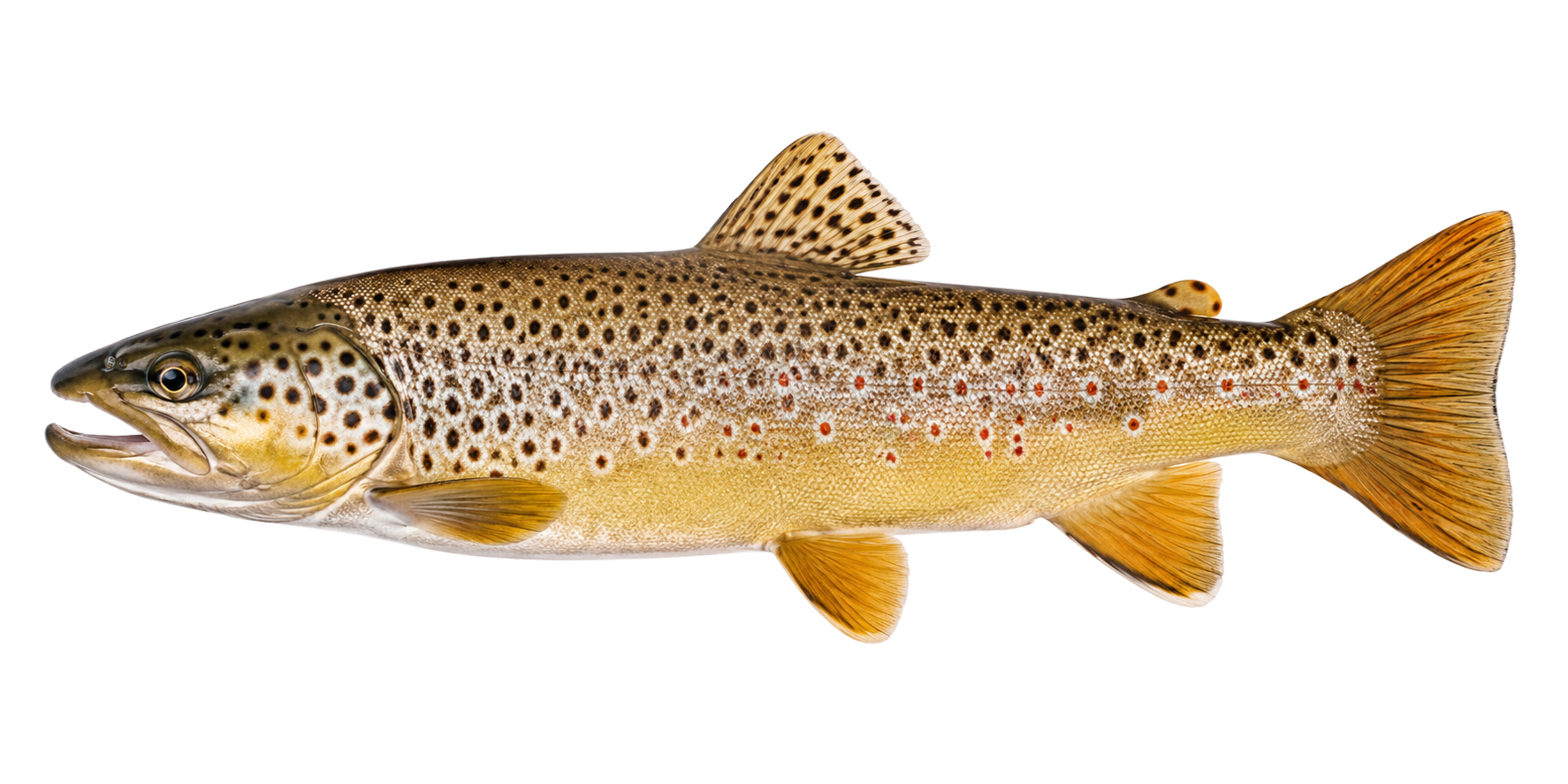
Brown Trout
Brown Trout
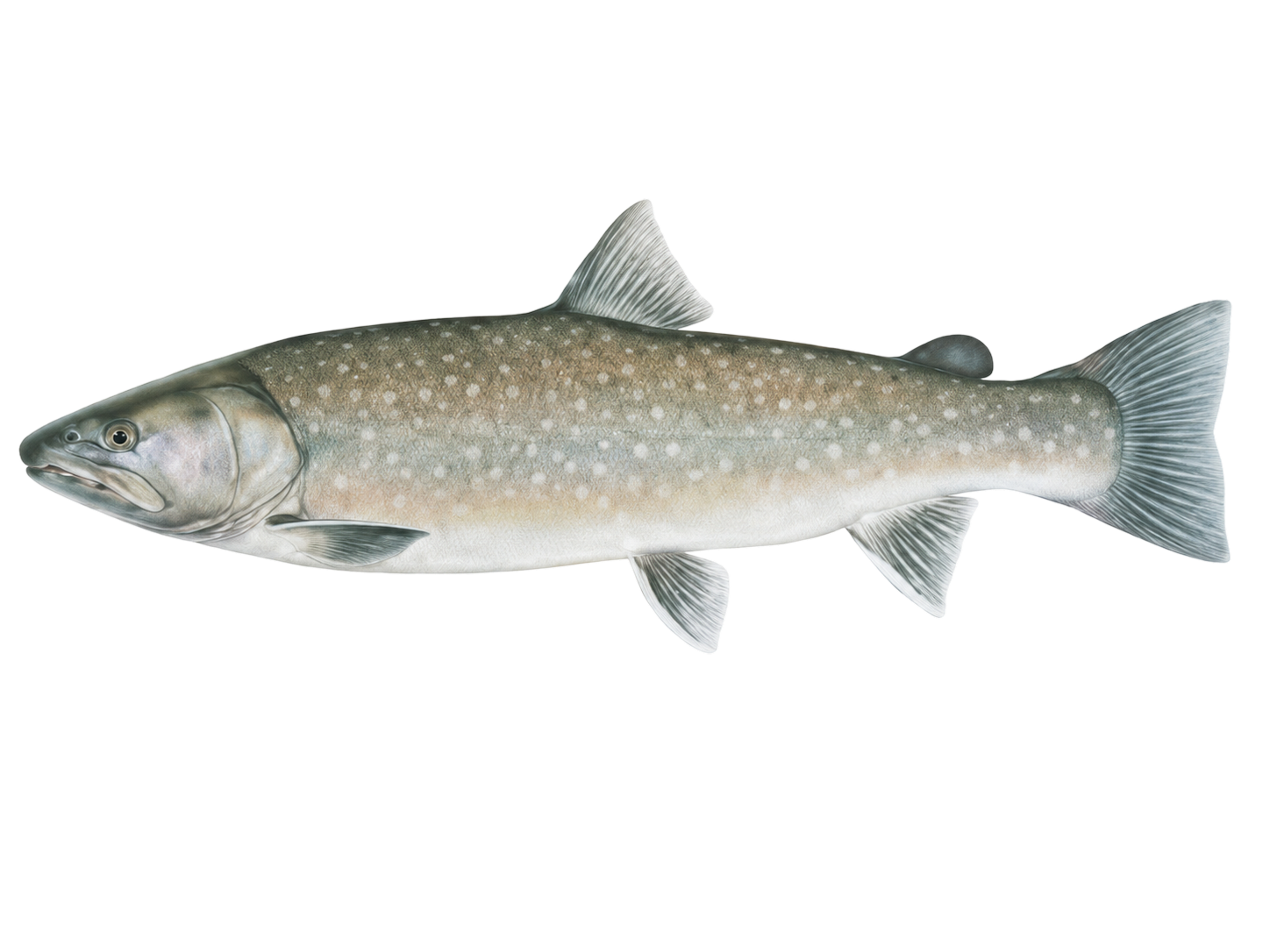
Bull Trout
Bull Trout
Cutbow Trout
Cutbow Trout
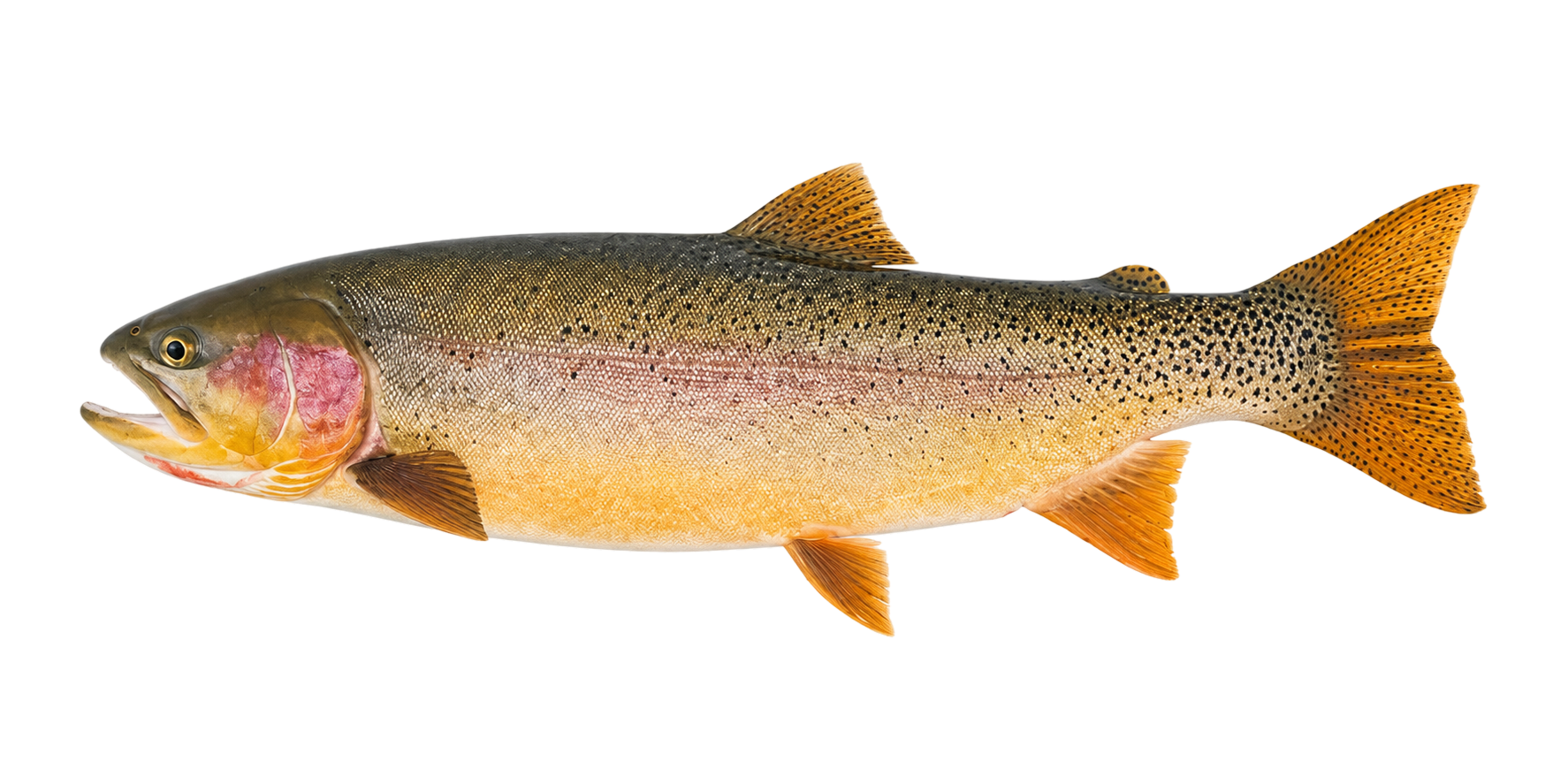
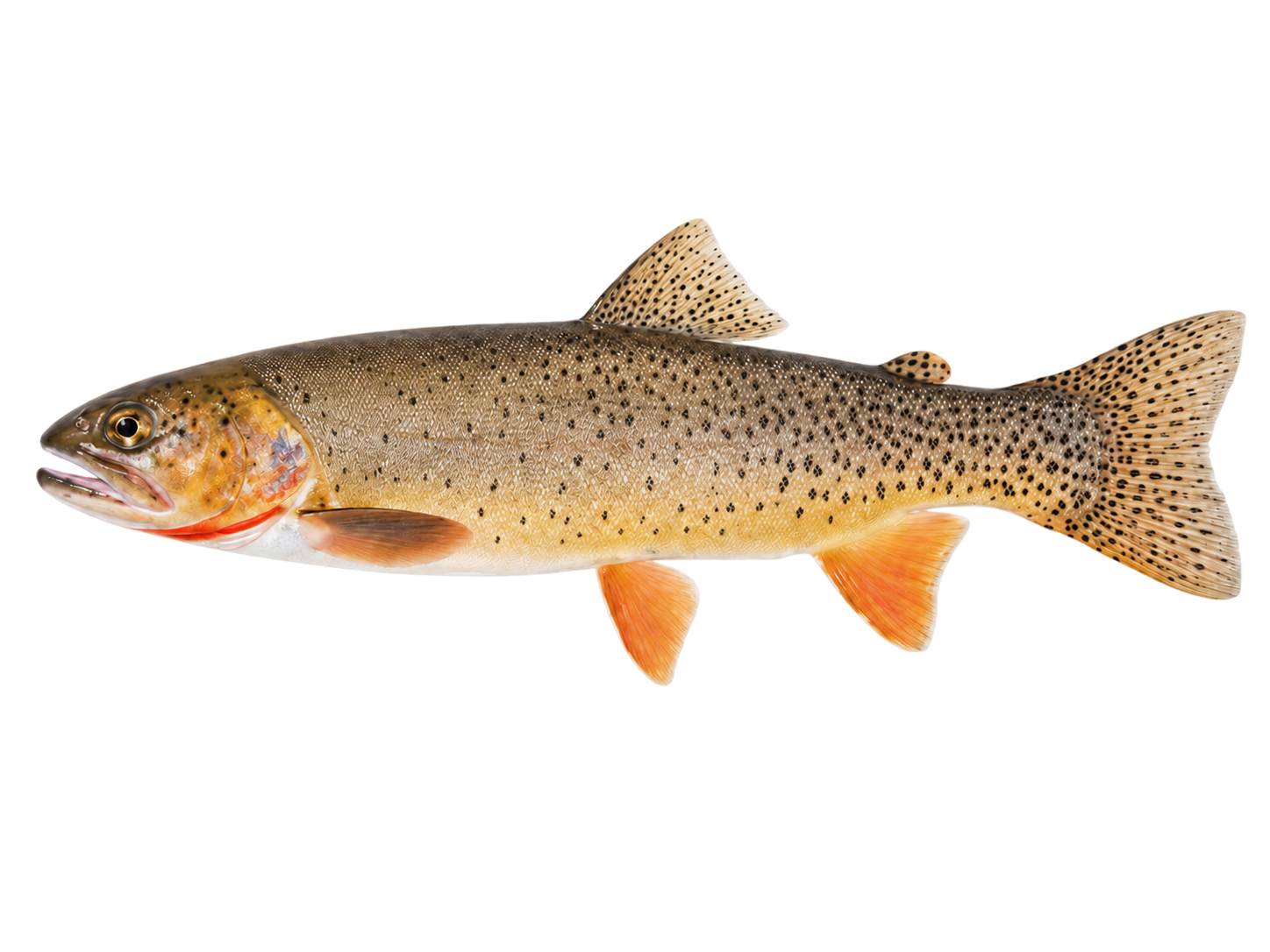
Cutthroat Trout
Cutthroat Trout
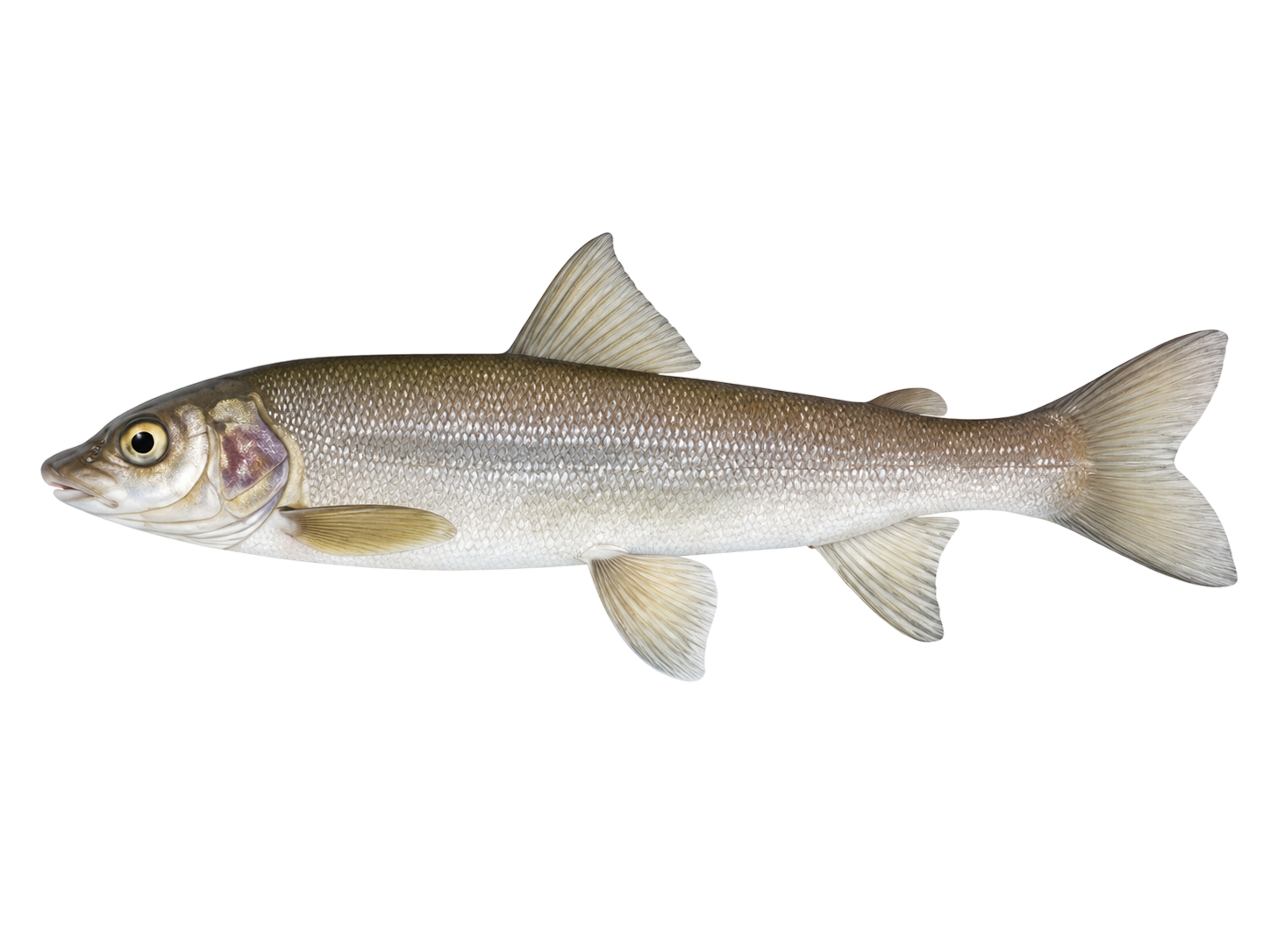
Mountain Whitefish
Mountain Whitefish
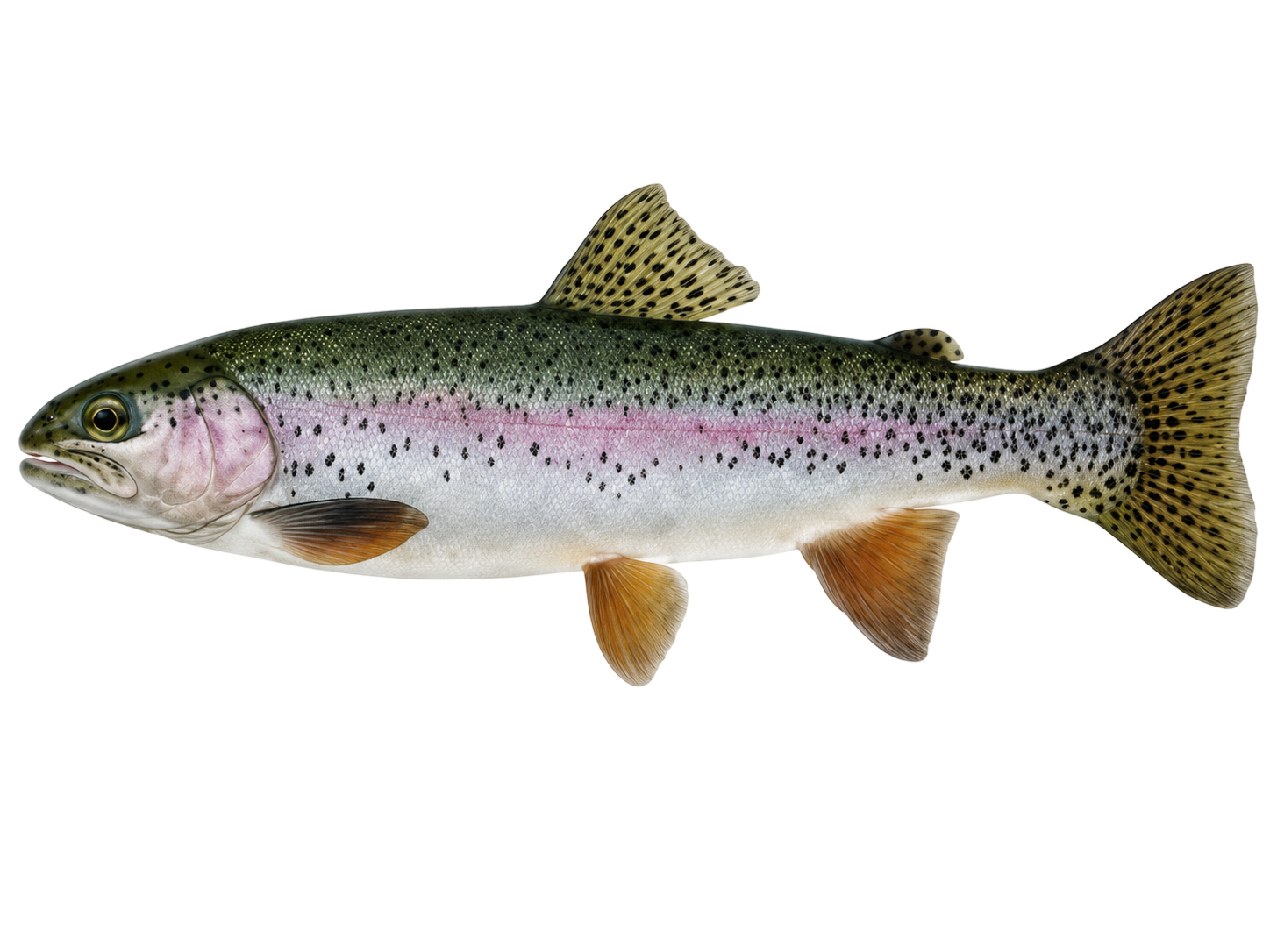
Rainbow Trout
Rainbow Trout
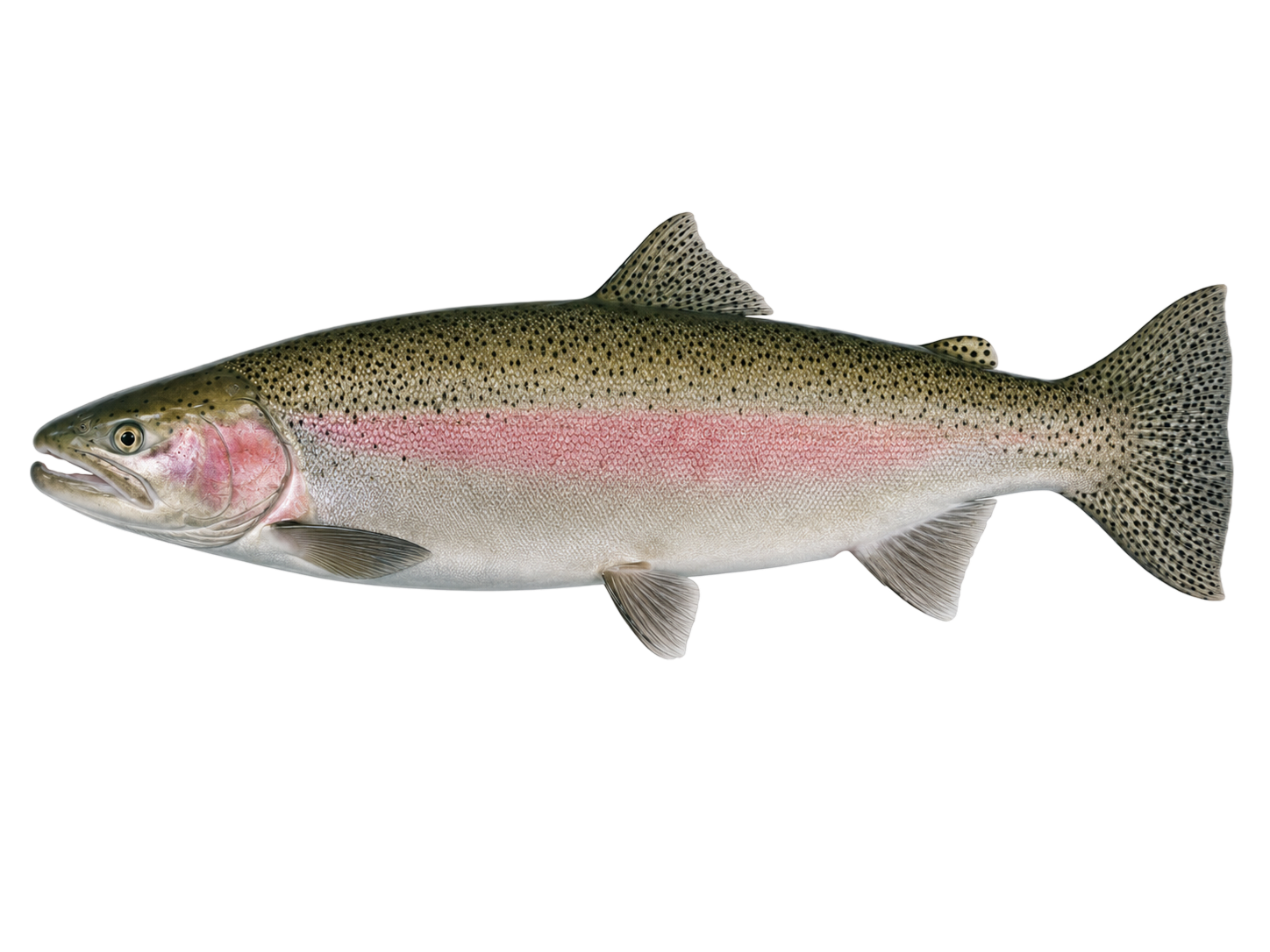
Steelhead
Steelhead
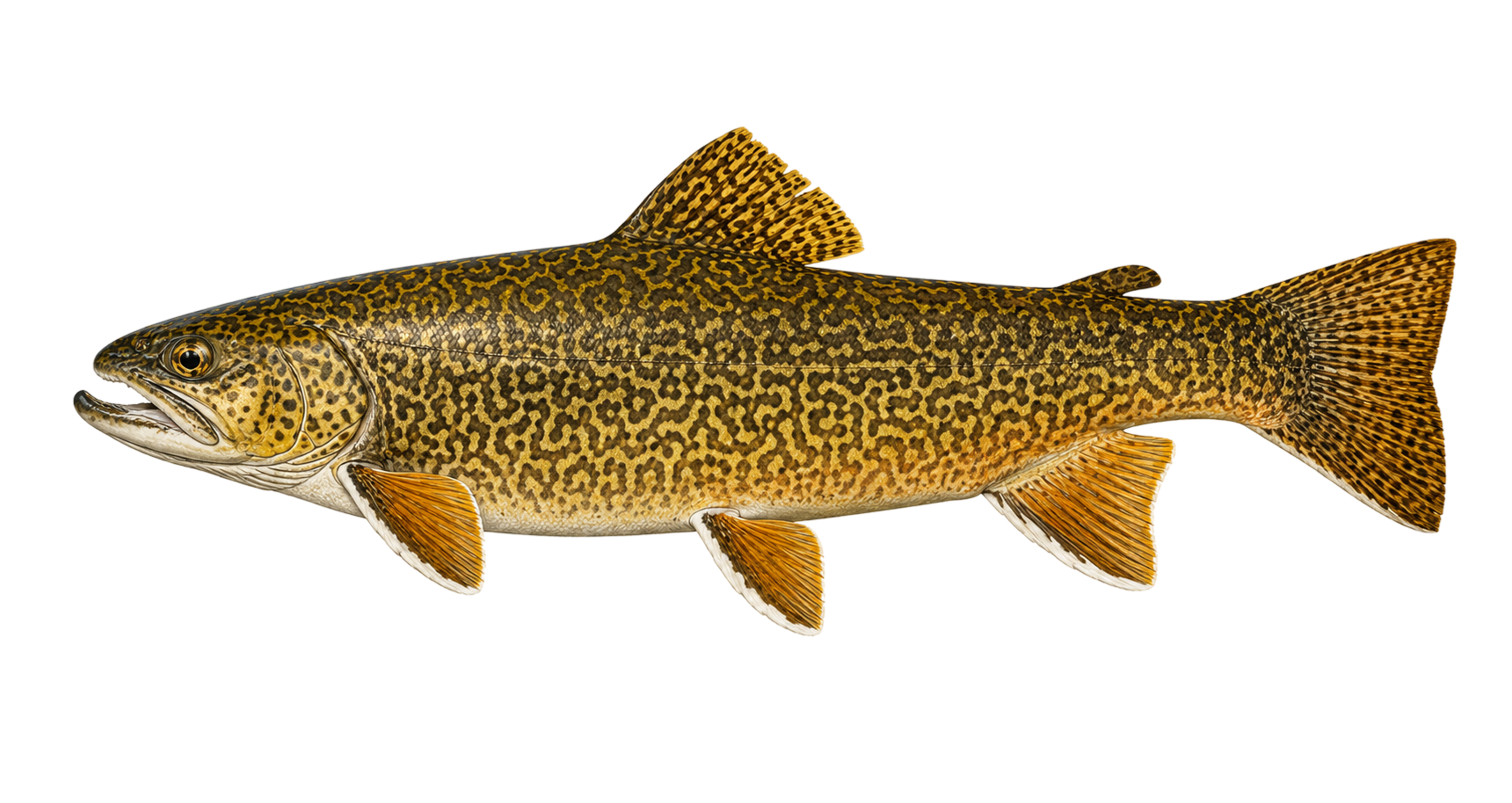
Tiger Trout
Tiger Trout
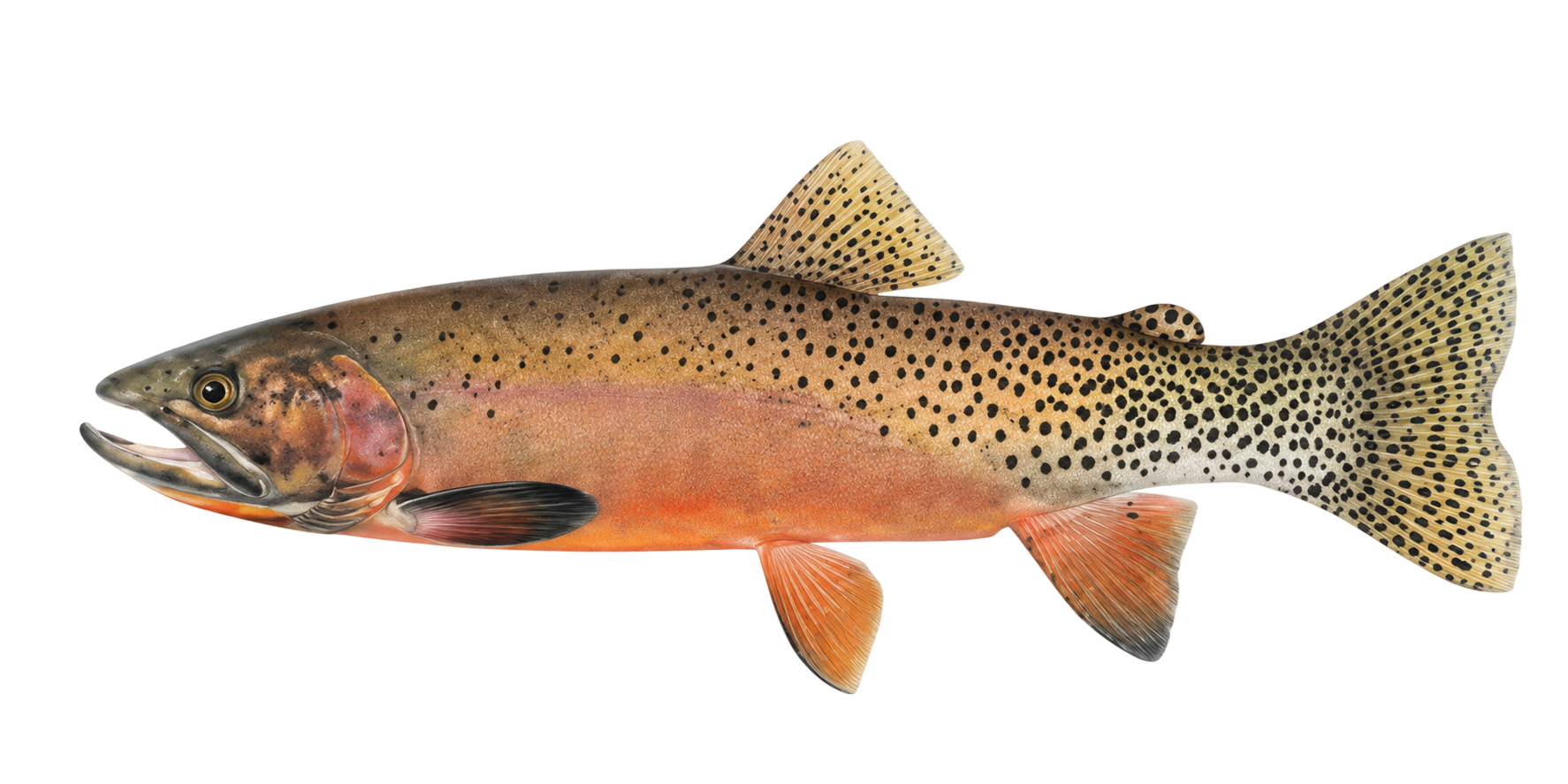
Westslope Cutthroat Trout
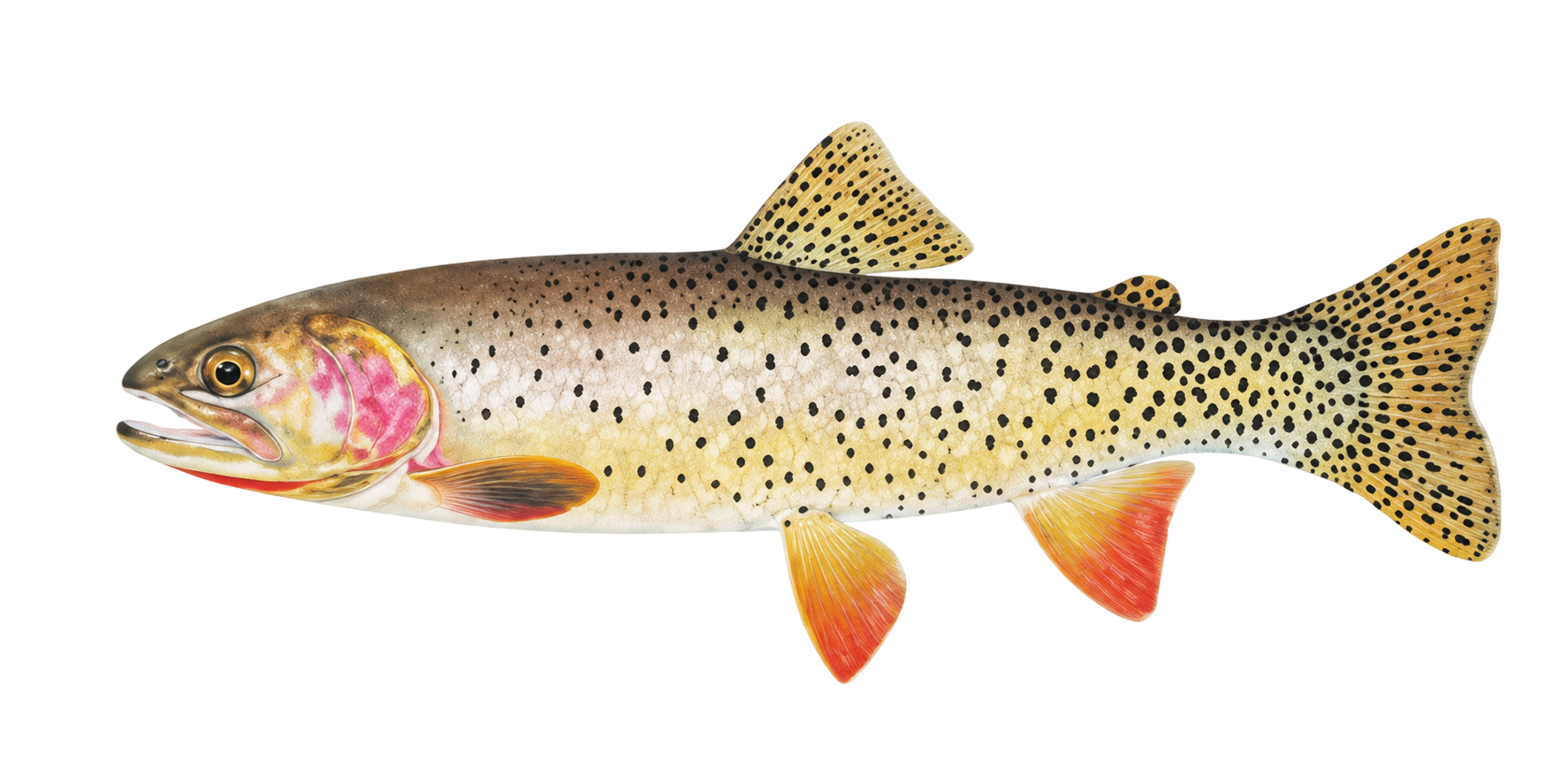
Yellowstone Cutthroat Trout

Skwala Photos

Adult
Nymph

On this page

OverviewLife CycleFly TyingWhere It HatchesFly PatternsAngler NotesIdentificationHabitatEaten ByPhotos

Share & plan

IDFG Planner

On this profile

  • 10 waters
  • 2 fly patterns
  • 11 predator species
  • 4 tying videos
  • 6 life stages

Explore

Browse all hatches & forage