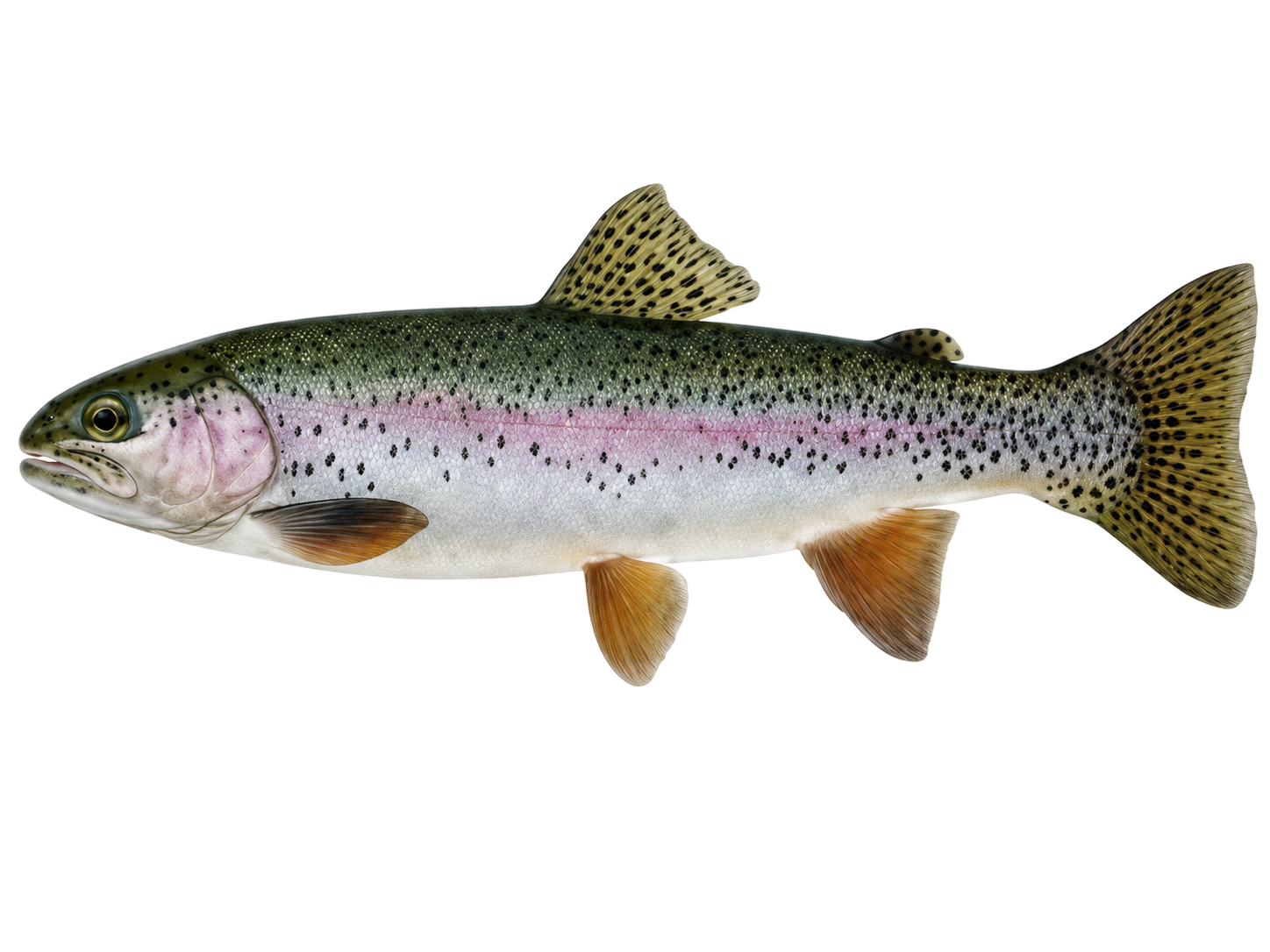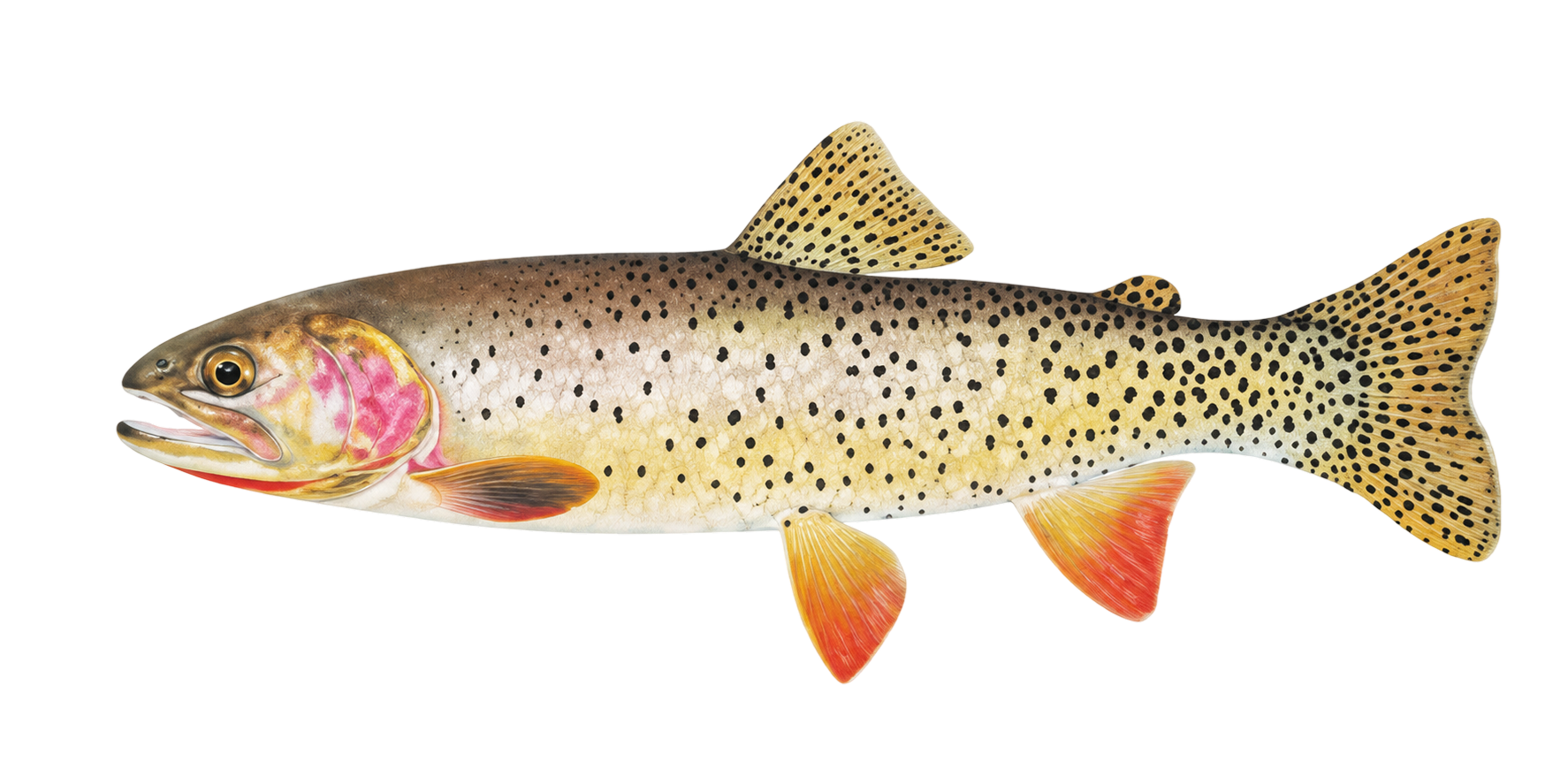
Eggs

Eggstasy Egg #flytying #flyfishing #flyfishingtactics
The Unknown Angler
Materials
- Hook10Orvis 1P2A - black nickel
- Slotted Tungsten Bead13CF3 2340 - Copper 5/32
- Eggstacy Dubbing2. FL Cheese
- ThreadWhite
Updated
← Back to map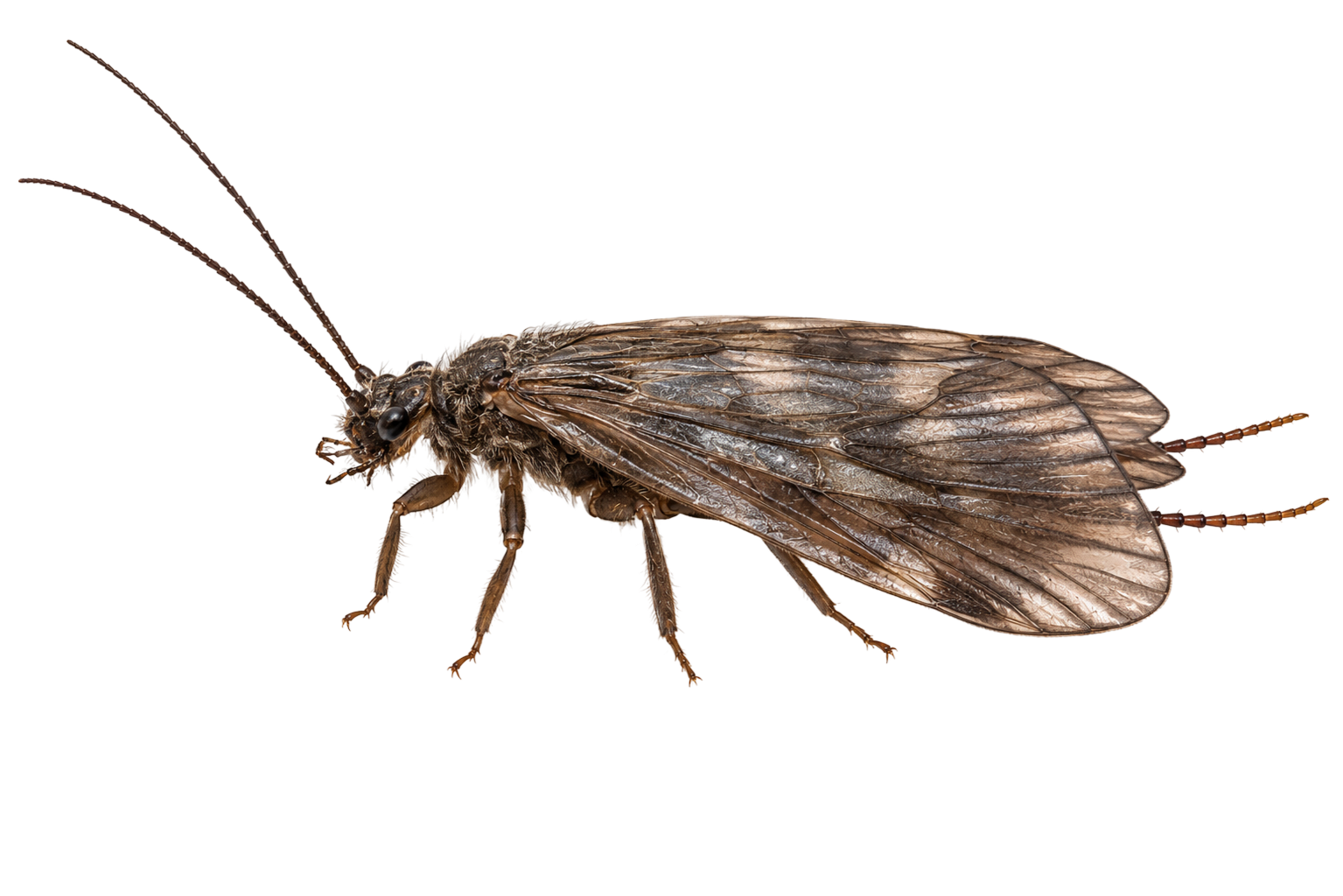
Hatches › Caddisfly
Brachycentrus · genus
A classic spring caddis group whose larvae, pupae, and fluttering adults can pull trout to feed hard.
Category
Caddisfly
Category
The insect or forage category for this profile.
Size
Mostly small to medium; commonly imitated around hook sizes 12-18 depending on stage and water.
Size
Typical size range anglers imitate on the water.
Key stages
Eggs, Free Living Larva, Cased Caddis, Pupa, Emerging Adult, Adult Caddis, Egg Laying Adult
Key stages
Life stages most relevant to fly fishing this hatch or forage.
Water types
rivers, streams, riffles, runs
Water types
Water types where this bug or forage is commonly found.
Brachycentrus is a genus of humpless casemaker caddisflies in the family Brachycentridae, commonly called grannom caddisflies. For anglers, this group matters because fish may key on them in all three fishable stages: larva, pupa, and adult; it is also widely known as Mother's Day Caddis.
Also known as: Mother's Day Caddis

Female caddisflies deposit clusters of eggs in or near the water, marking the start of their life cycle.

After hatching, these larvae feed and grow underwater, typically found along the stream bottom. They are an important food source for fish.

Many caddisfly species construct protective, portable cases from natural materials like sand, pebbles, or plant matter. They inhabit these cases underwater as they grow.

During spring, the caddisfly enters the pupa stage in sheltered spots, often beneath rocks in flowing water. This is a transformative phase before emerging as an adult.

The adult caddisfly rises to the water's surface, breaking free from its pupal skin to begin its aerial life. This stage is highly attractive to actively feeding fish.

Adult caddisflies fly, mate, and remain close to streams and rivers. Their adult lifespan is relatively short, focusing primarily on reproduction.

After mating, female caddisflies return to the water to deposit their eggs, completing the life cycle and initiating the next generation.
Eggs
The Unknown Angler
Materials
Free Living Larva

tightlinevideo
Materials
Cased Caddis

Fly Fish Food
Materials
Pupa

tightlinevideo
Materials
Emerging Adult

Davie McPhail
Materials
Adult Caddis

Trident Fly Fishing
Materials
Egg Laying Adult

tightlinevideo
Materials
Grannom Caddis
One species, multiple rivers.