Barbless.coBarbless.co
  • Home
  • Map
  • Reports
  • Guides
  • Fish
  • Hatches
  • Podcast
Sign in
Barbless.co

The more you understand, the more there is to see.

  • IdahoLive
  • CaliforniaSoon

Explore

  • Map
  • Reports
  • Browse reports
  • By region

Waters

  • River search
  • Guides & outfitters

Learn

  • Fish species
  • Hatches & forage
  • Podcast

Company

  • About
  • Contact
  • Editorial policy
  • Releases
  • Legal

© 2026 Barbless.co. Flow and gauge data from USGS; weather from Open-Meteo. · v2026.10.18.2

  1. Home
  2. Hatches & Forage
  3. Stoneflies
  4. Golden Stonefly

Updated July 15, 2026

← Back to map
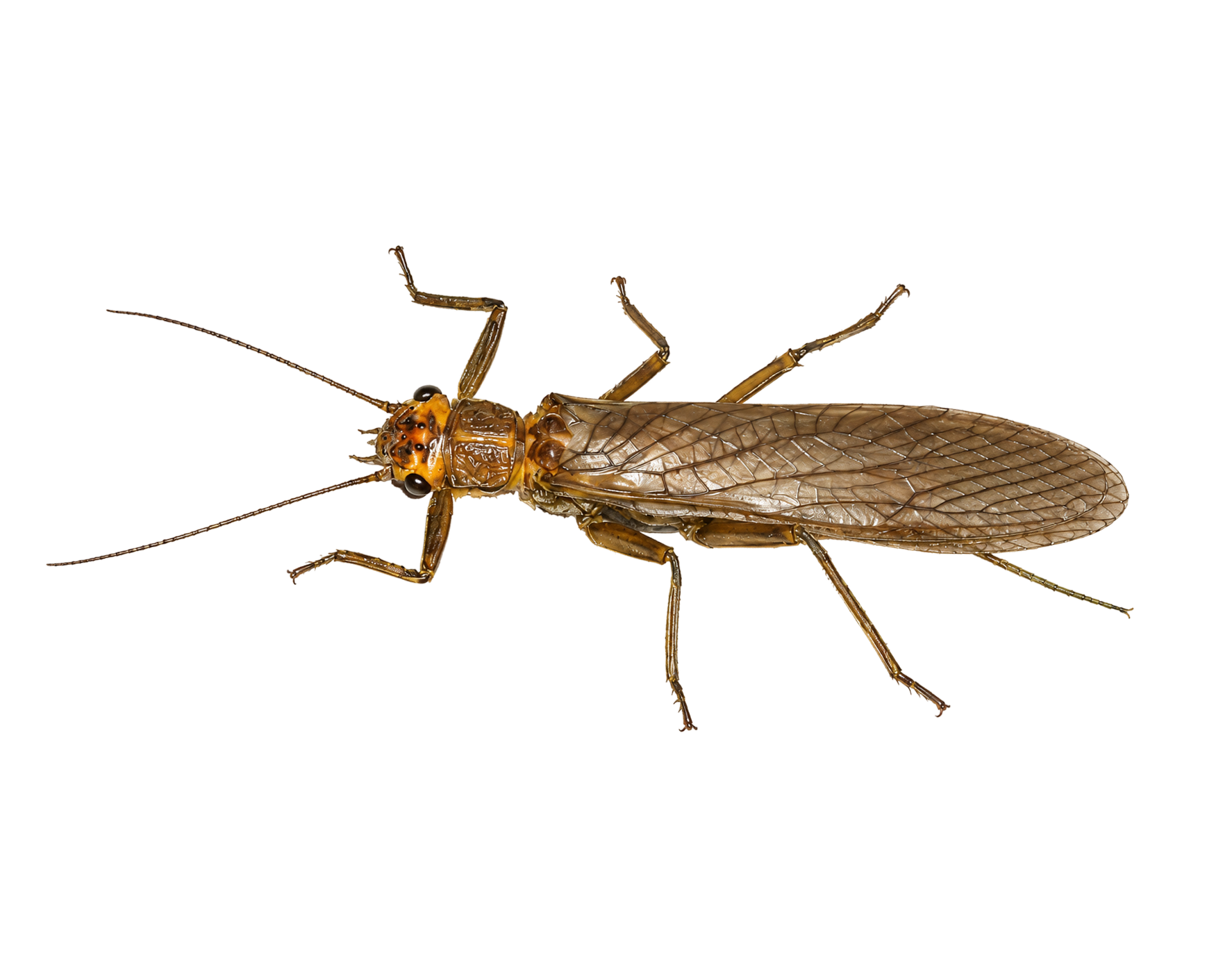
Golden Stonefly, Adult
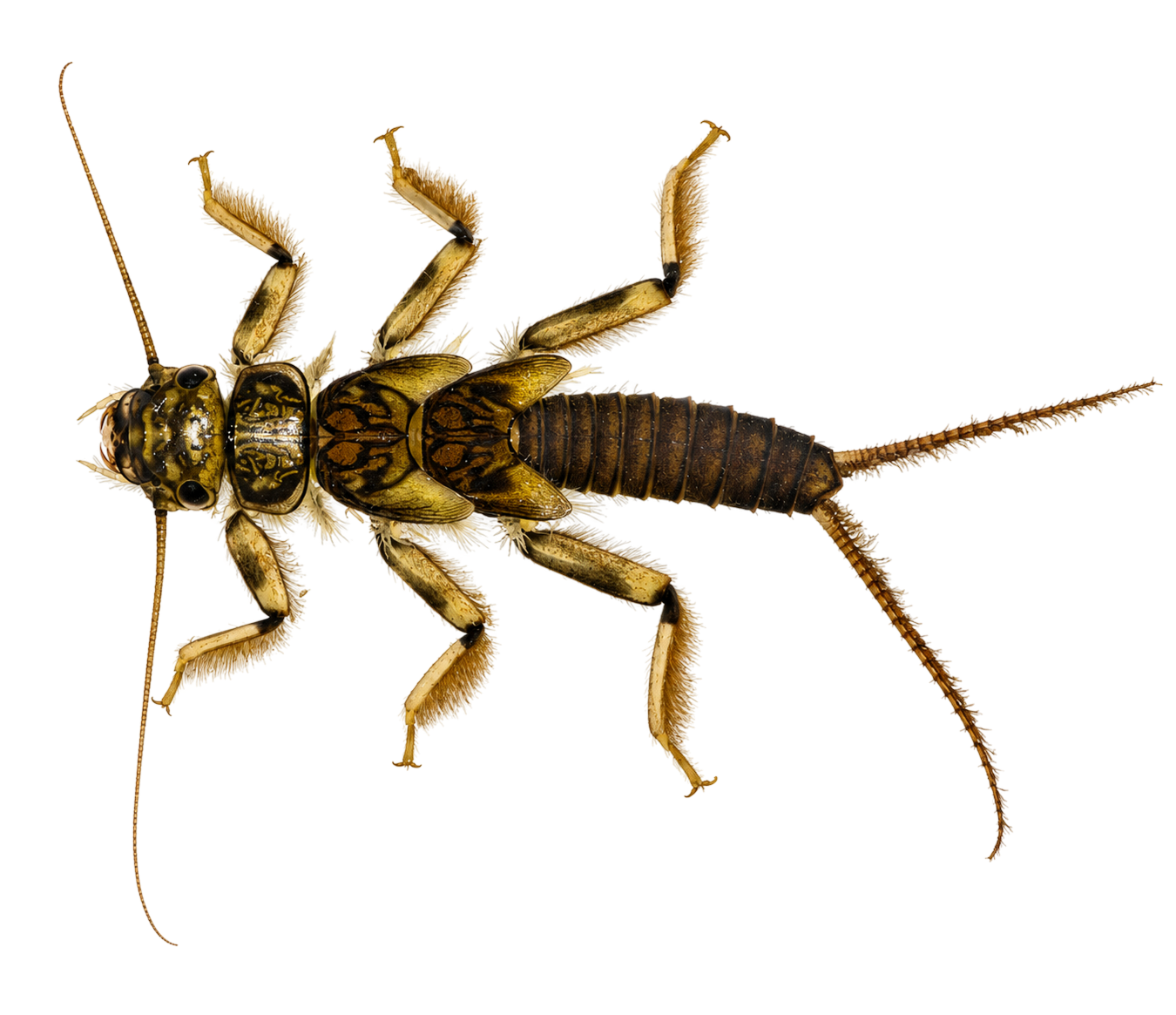
Golden Stonefly, Nymph
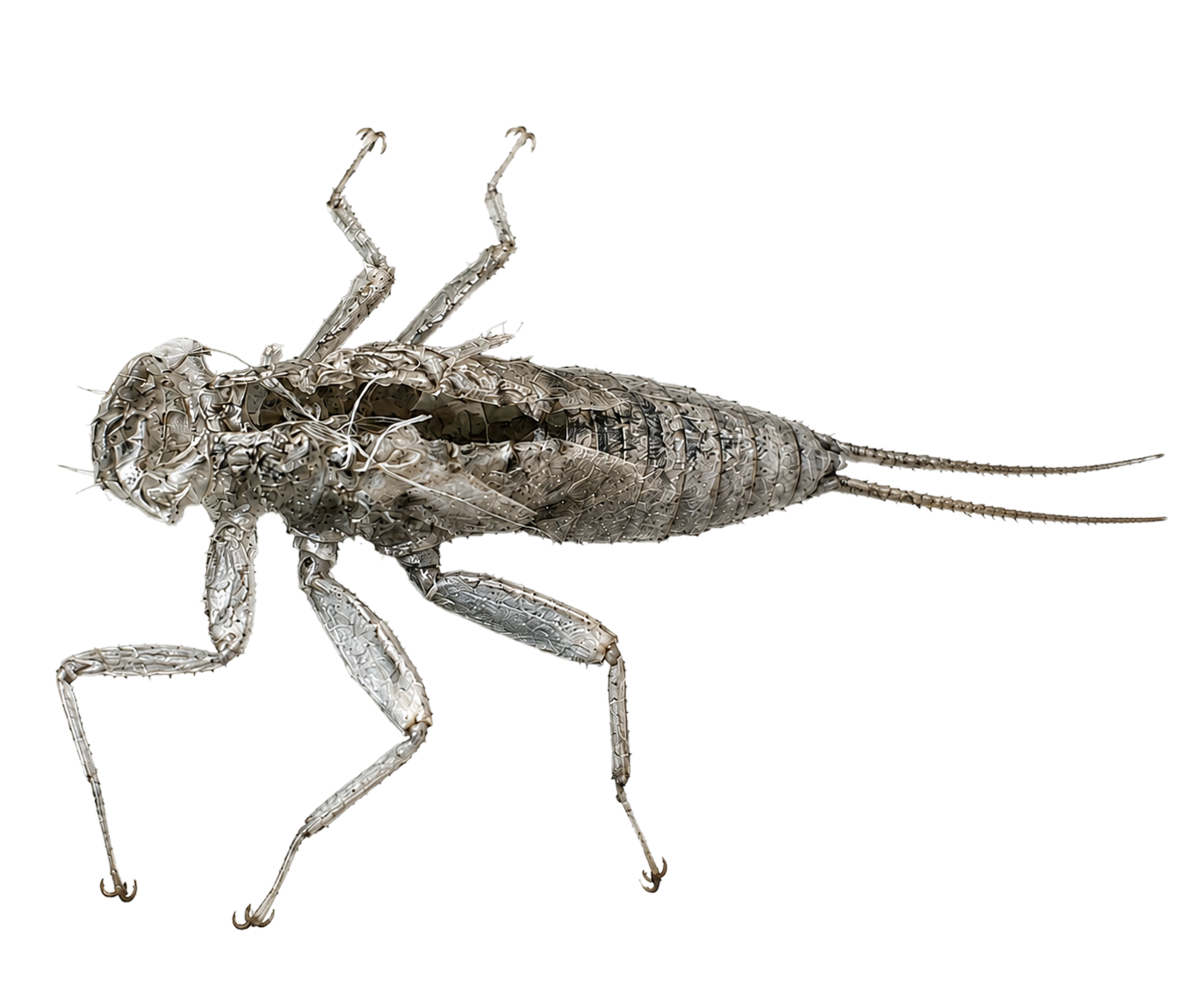
Golden Stonefly, Shedded
Adult

Hatches › Stonefly

Stonefly

Golden Stonefly

Calineuria californica · species

A big, meaty stonefly that can turn trout onto heavy nymphs and skittering adults.

Overview

Category

Stonefly

Category

Stonefly

Category

The insect or forage category for this profile.

Size

Large; generally imitated in bigger stonefly sizes.

Size

Large; generally imitated in bigger stonefly sizes.

Size

Typical size range anglers imitate on the water.

Key stages

Eggs, Nymph, Mature Nymph, Emerger, Adult, Egg Laying Female

Key stages

Eggs, Nymph, Mature Nymph, Emerger, Adult, Egg Laying Female

Key stages

Life stages most relevant to fly fishing this hatch or forage.

Water types

Rivers, Freestone streams, Fast riffles, Runs

Water types

Rivers, Freestone streams, Fast riffles, Runs

Water types

Water types where this bug or forage is commonly found.

About Golden Stonefly

Calineuria californica is a North American stonefly in the family Perlidae, often called the western stonefly. For anglers, it falls into the golden stone group: a large, high-value bug that matters most as a nymph and as an egg-laying or fluttering adult.

Also known as: Golden Stone

Life Cycle

The golden stonefly undergoes a fascinating transformation, spending most of its life as a nymph underwater. Once mature, it emerges as an adult for a brief period to mate and lay eggs, perpetuating the cycle.
Eggs

Eggs

Female golden stoneflies deposit their egg pods into the river, where they settle on the bottom to develop.

nymph

nymph

Tiny grubs hatch from the eggs and begin feeding on decaying organic matter. These nymphs live among rocks underwater, growing through many molts over one to three years.

Mature Nymph

Mature Nymph

Once fully grown, the mature nymph prepares for emergence by migrating towards the shore, often crawling onto rocks or emergent vegetation.

Emerger

Emerger

The nymph crawls out of the water, onto a suitable surface. Here, the adult stonefly begins to hatch from its nymphal skin.

Adult

Adult

Adult golden stoneflies emerge and typically live only a short time above the water. Their primary focus during this aerial phase is to find a mate.

Egg Laying Female

Egg Laying Female

After mating, the female adult completes the cycle by returning to the water to deposit her egg pods, initiating the next generation.

Stages
Incomplete metamorphosis: aquatic nymph to winged adult. Anglers most often fish the nymph stage and the adult stage.
Emergence cues
Most important in the warmer part of the season as water warms; adults are often most visible along banks during emergence and egg-laying periods, especially in lower light or when they return to the water.
Behavior
Nymphs live on the bottom in current and can drift when dislodged. Adults emerge out of the water, rest on streamside structure, then return to lay eggs, sometimes fluttering, skating, or falling onto the surface.

How to Tie Golden Stonefly Patterns

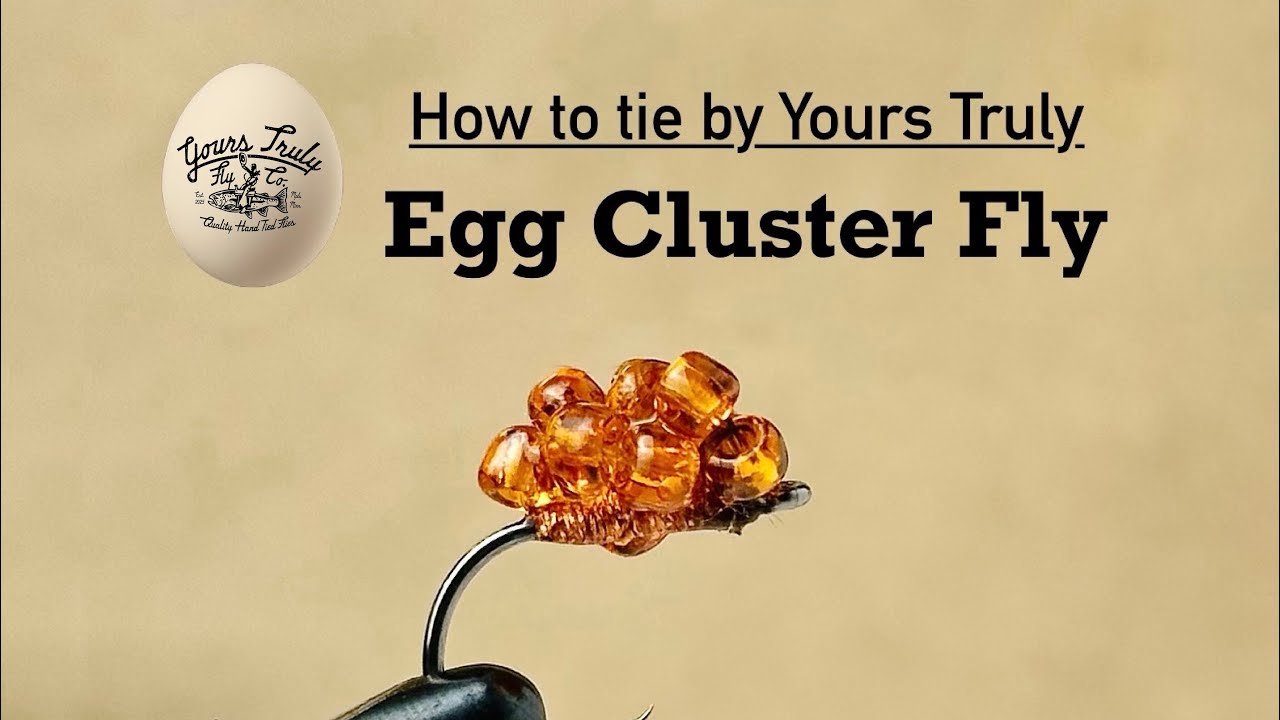
Eggs

How to Tie by Yours Truly: Egg Cluster Fly

Yours Truly Fly Co.

Materials

  • Nova Tackle Co. salmon and steelhead hookSize 1You can use whatever hook you prefer
  • waxed red thread6/0You can use whatever thread you prefer, white
  • stretch bead cord.7mmMono also works well
  • glass seed beads6/0White and tan
  • UV resin

nymph

Mini Stone Fly Nymph | Easy Dropper Pattern!

Mainely Flies

Materials

  • Hook
  • Bead
  • Thread
  • Lead-free wire
  • Ribbing Wire
  • Tail/wing material
  • Dubbing
  • UV resinRecomended

Mature Nymph

The ONLY Stone Fly YOU Need!

Mainely Flies

Materials

  • Thread 20/6
  • Legs and tail
  • Vinyl
  • Lead-free wire
  • Back
  • Dubbing
  • Bead
  • Hook
  • Uv resin
  • Uv light

Emerger

Fly Tying for Beginners - an AP Stonefly Nymph

Savage Flies

Materials

  • Hook#8-14 long shank
  • ThreadBlack, brown or to match the body
  • TailGrizzly hackle fibers
  • BodyYarn, any natural color
  • ThoraxGrizzly hackle, palmered

Adult

Friday Night Ties: How to tie the "Foam Is Home Stonefly 2.0" with Tim Sickles

Backcountry Hunters & Anglers

Materials

  • Hook#4TMC 200R
  • ThreadDanville 70 - Rusty Brown
  • Rubber LegsMedium round rubber legs for tail - Black
  • Foam2mm and 1mmCross Link Foam - Cinnamon
  • EP FibersUnderwing - Triggerpoint - PMD and BWO
  • Foam2mmThorax/Head - Cinnamon
  • Rubber LegsSmall, round for antennae - Black
  • Rubber LegsMedium Round for legs - Black

Egg Laying Female

Egg Laying Stonefly

Oholi's flies

Materials

  • Hook8Says it is an “Erics”/likely Ahrex caddis-style hook, used here for a stonefly dry
  • ThreadUsed to start fly, secure materials, and make dubbing loop
  • Black hot spot / egg sac materialImitates black stonefly egg sac; material not clearly named
  • Body dubbingSame dubbing he says he uses for nymphs; loose noodle for buggy fibers
  • CDC feathers OneUsed for rear/back pair of wings
  • CDC feathers TwoUsed for middle wing section
  • CDC feather ThreeFibers clipped and spun in dubbing loop for front/body hackle effect
  • CDC feather Four

Where It Hatches

Golden Stonefly

One species, multiple rivers.

RiverJANFEBMARAPRMAYJUNJULAUGSEPOCTNOVDEC
  • Bear Valley Creek
  • Big Wood River
  • Blackfoot River
  • Coeur d'Alene River
  • Crooked Fork
  • Fall River
  • Henrys Fork of the Snake River
  • Kelly Creek
  • Little Lost River
  • Little North Fork Clearwater River
  • Little Salmon River
  • Lochsa River
  • Loon Creek
  • Middle Fork Boise River
  • Middle Fork Salmon River
  • North Fork Big Wood River
  • North Fork Boise River
  • North Fork Clearwater River
  • North Fork Coeur d'Alene River
  • North Fork Payette River
  • North Fork Saint Joe River
  • Priest River
  • Saint Joe River
  • Saint Maries River
  • Salmon River
  • Selway River
  • South Fork Boise River
  • South Fork Clearwater River
  • South Fork Payette River
  • South Fork Snake River
  • Teton River
  • Valley Creek
  • Yankee Fork Salmon River

Fly Patterns

  • Chubby Chernobyl#6-12
  • Orange Stimulator#8-14
  • Pat's Rubber Legs#4-10
  • Rogue Foam Stone#4-10
  • Stimulator#6-14

Angler Notes

Why it matters
Golden stones are a classic match-the-hatch food source because they are large, calorie-rich, and vulnerable in two fishable forms: bottom-dwelling nymphs and bank-oriented adults. Even when no hatch is obvious, trout often recognize big stonefly nymphs as worth eating.
Imitation tips
Fish heavy stonefly nymph patterns in golden, tan, amber, or brown tones near the bottom. For adults, use buoyant high-floating patterns with a golden-brown profile; a little movement can help when fishing egg-layers tight to banks, ledges, and overhanging vegetation.
Key life stages
nymphadult
Presentation
Nymphs: dead-drift deep through riffles, runs, pocket water, and along seams near structure. Adults: cast tight to banks and likely drop zones, then let the fly drift naturally or add short twitches/skates when fish are keyed on active egg-layers.

Identification

Key features
Robust stonefly profile with a long, flattened body, strong legs, two tails, and folded wings on adults; nymphs look chunky and built for current.
Size
Large; generally imitated in bigger stonefly sizes.
Coloration
Usually golden-brown to amber, tan, or brown overall, often with darker accents on the thorax, wingcase, or legs.
Similar bugs
SalmonflyLittle Yellow StoneSkwalaBrown Stonefly

Habitat

Water types
RiversFreestone streamsFast rifflesRuns
Substrate
Rocky bottoms, especially cobble, rubble, and boulder-heavy sections that give nymphs cover in current.
Conditions
Best associated with moving, well-oxygenated water where large stonefly nymphs can hold in the substrate.

Eaten By

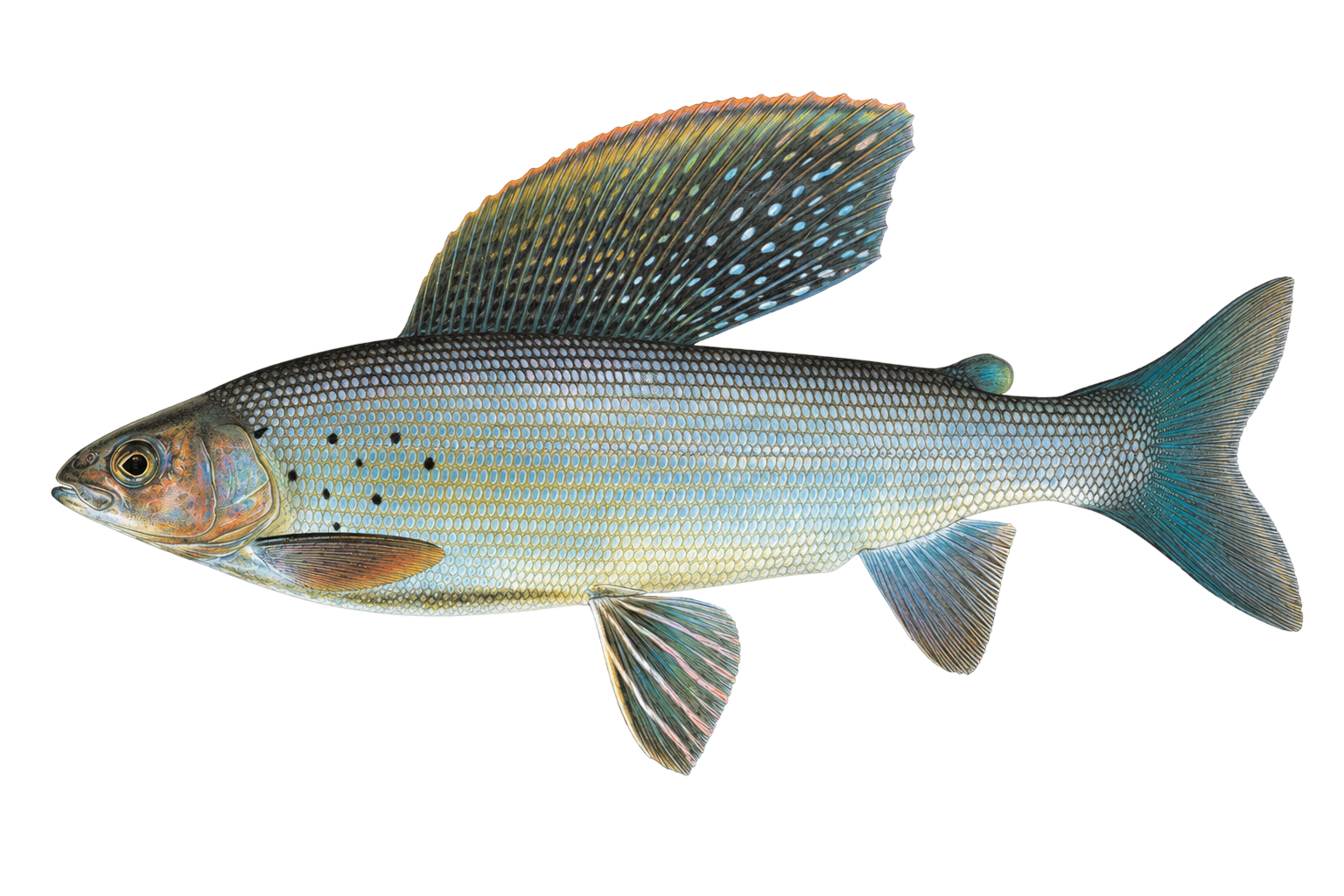
Arctic Grayling
Arctic Grayling
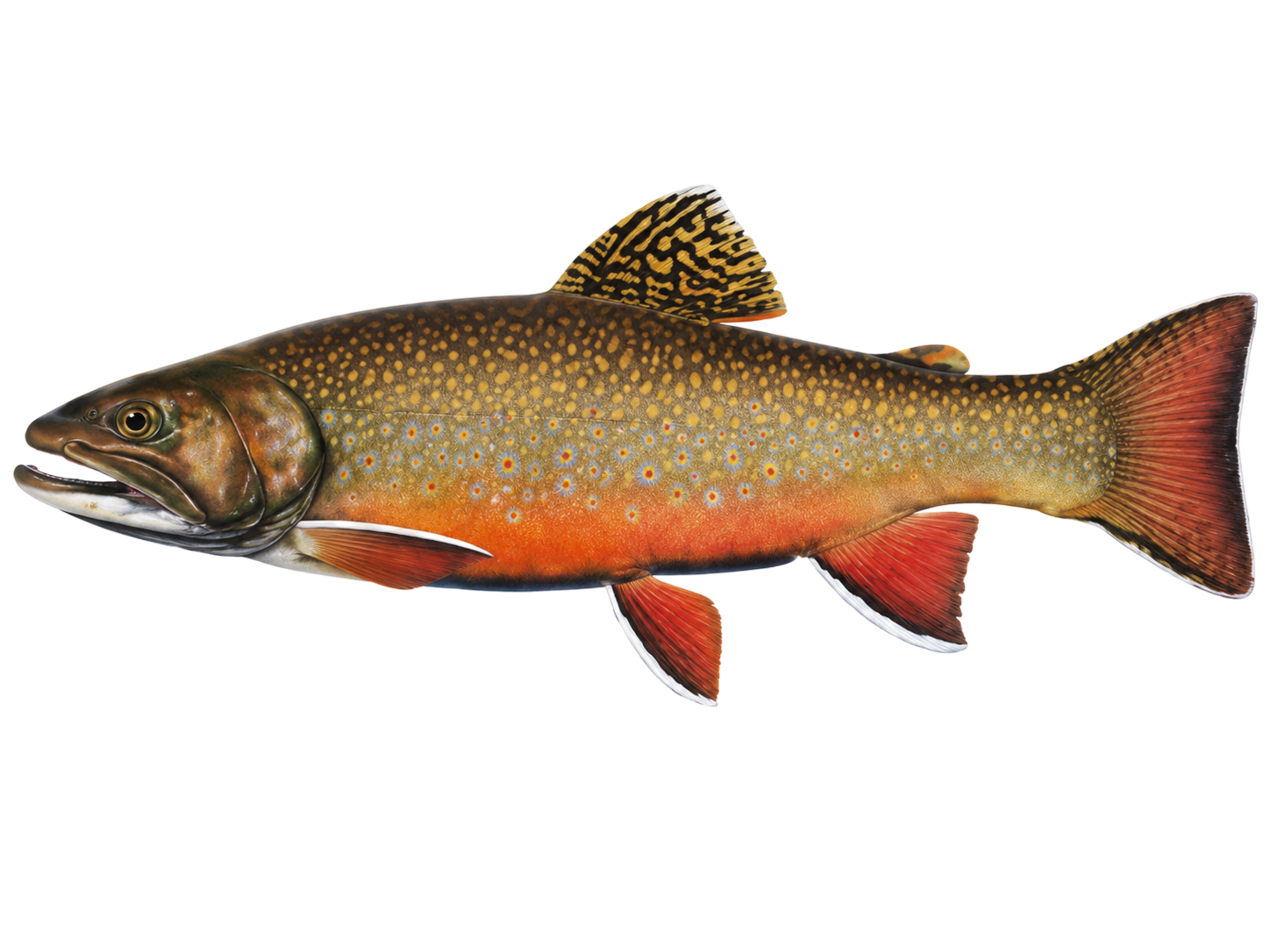
Brook Trout
Brook Trout
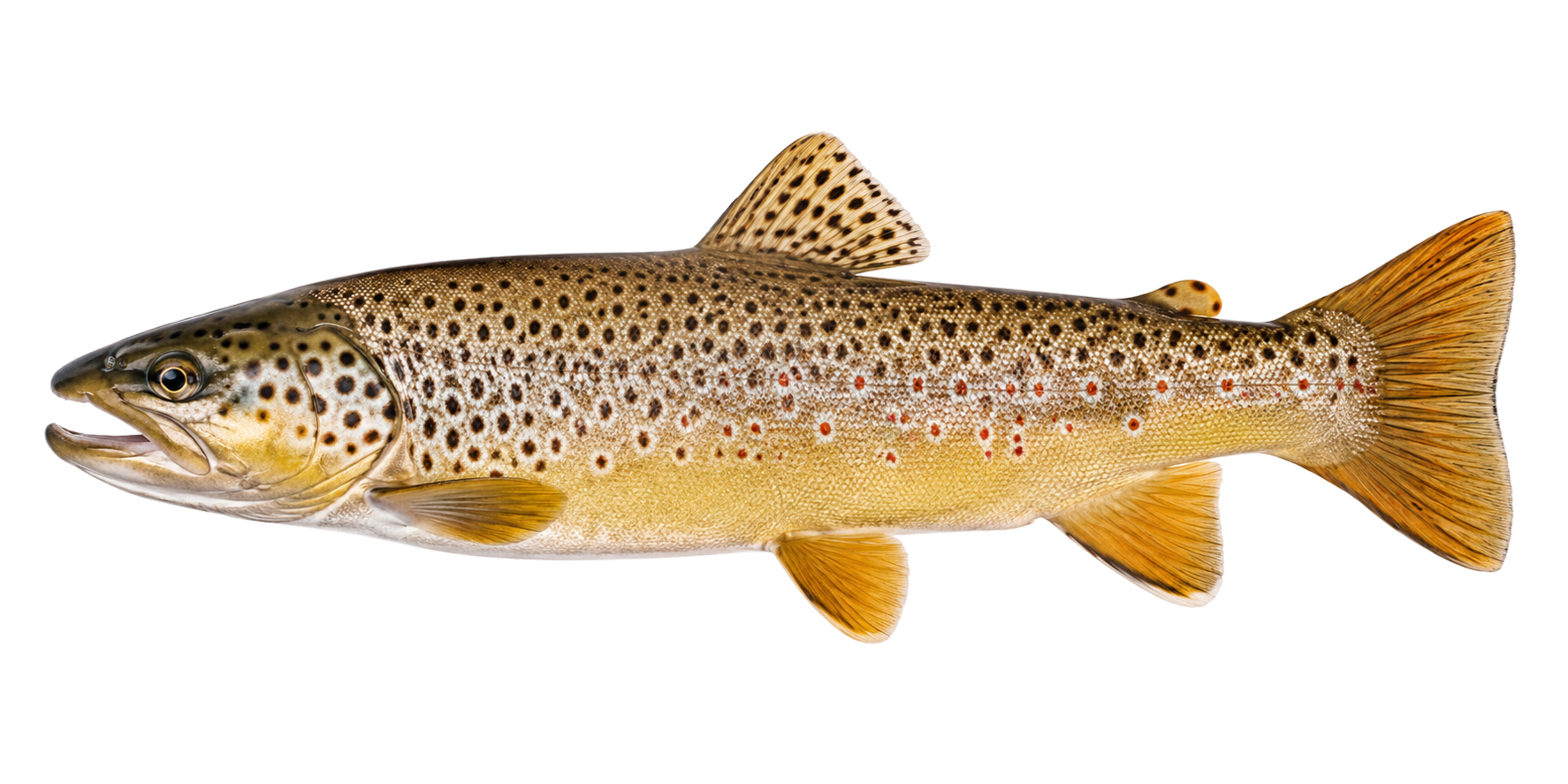
Brown Trout
Brown Trout
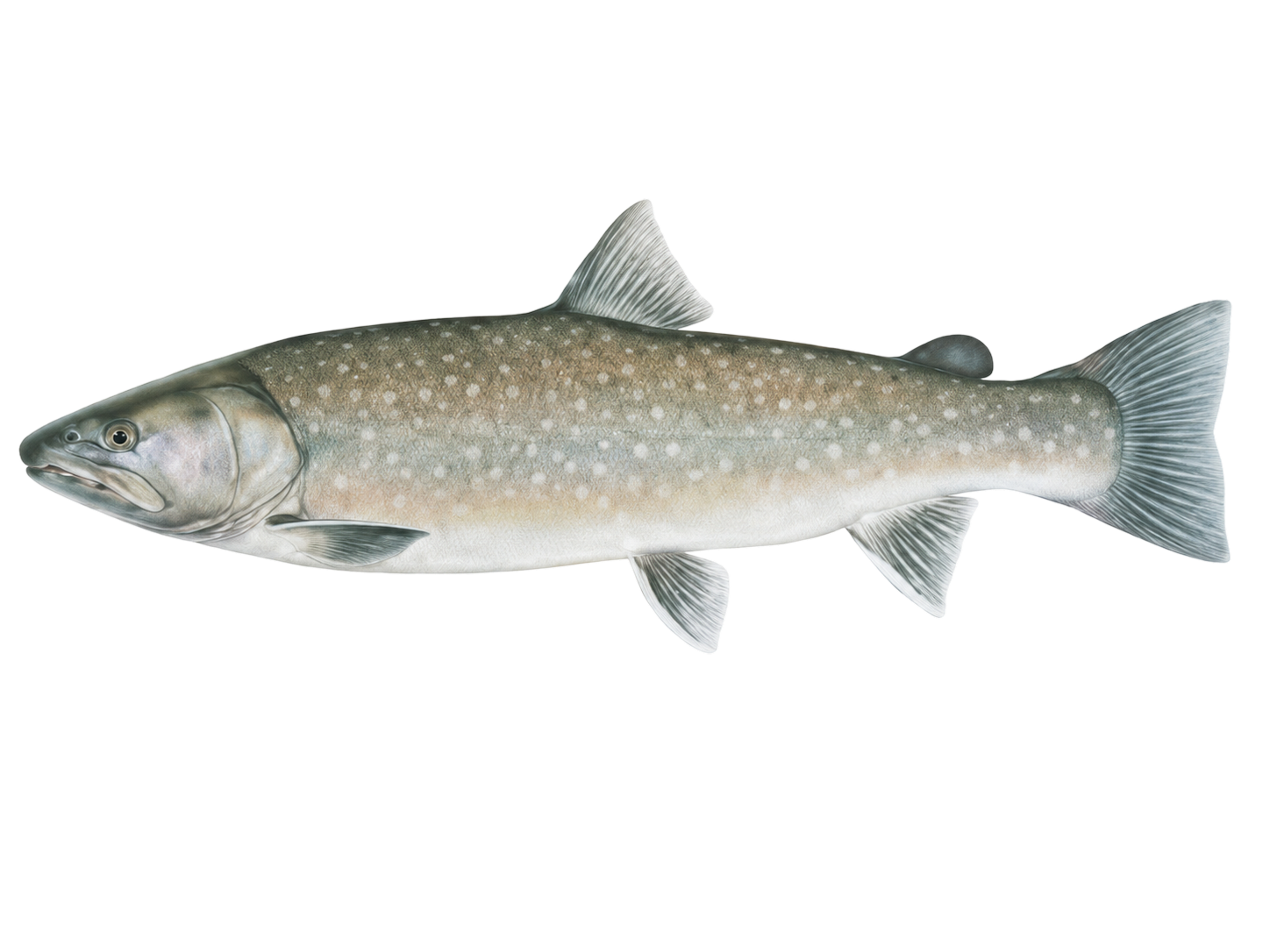
Bull Trout
Bull Trout
Cutbow Trout
Cutbow Trout
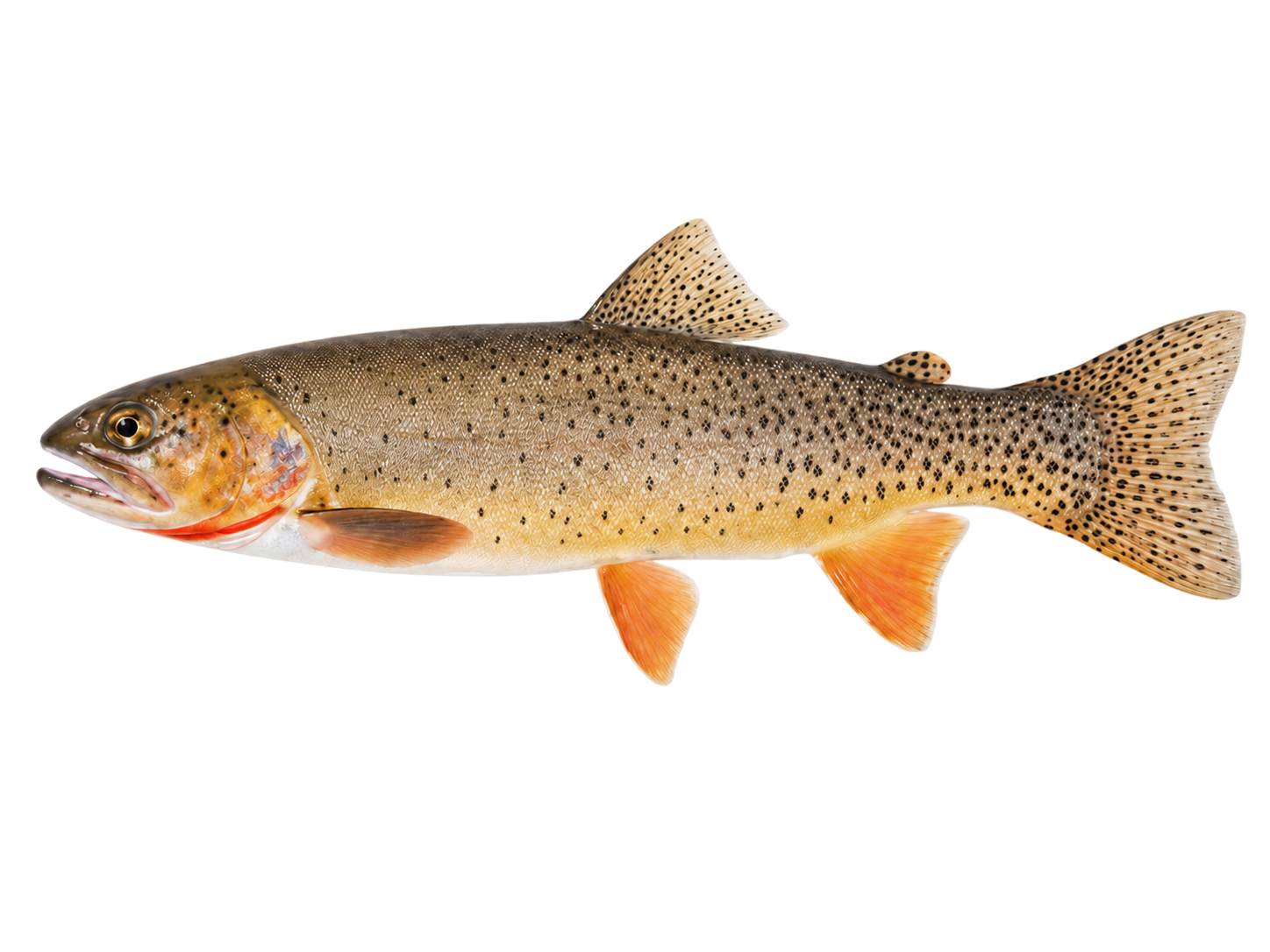
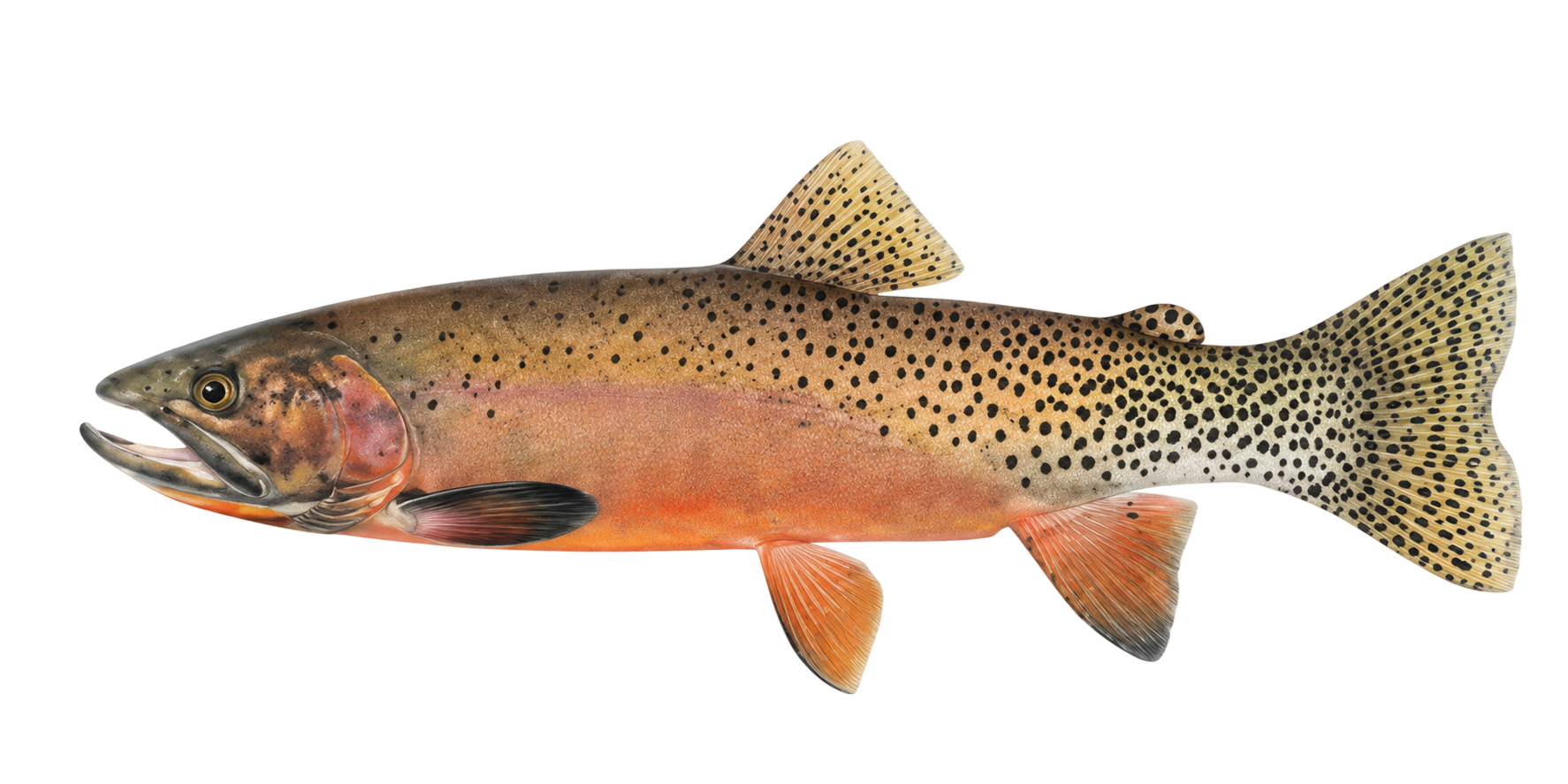
Cutthroat Trout
Cutthroat Trout
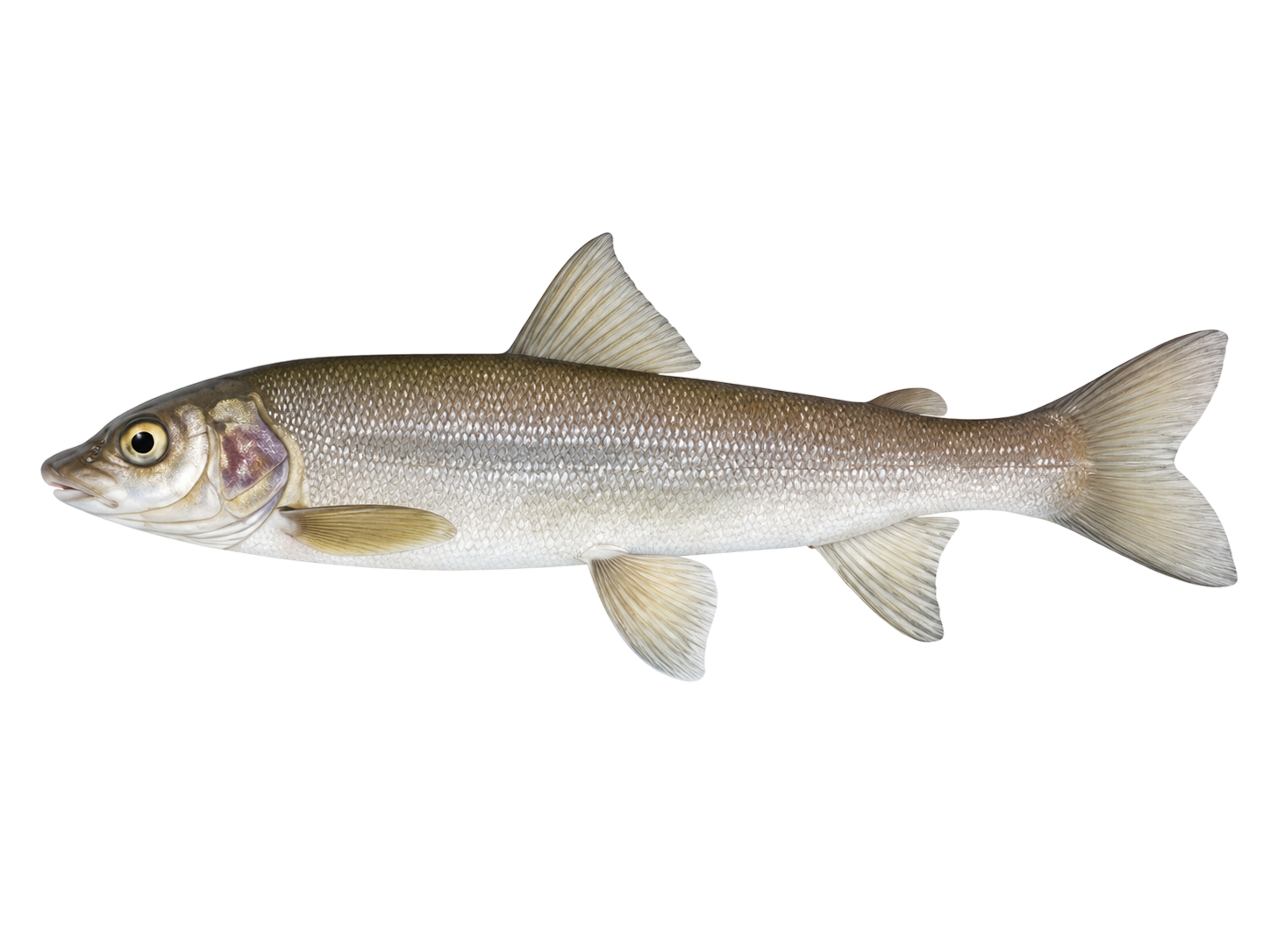
Mountain Whitefish
Mountain Whitefish
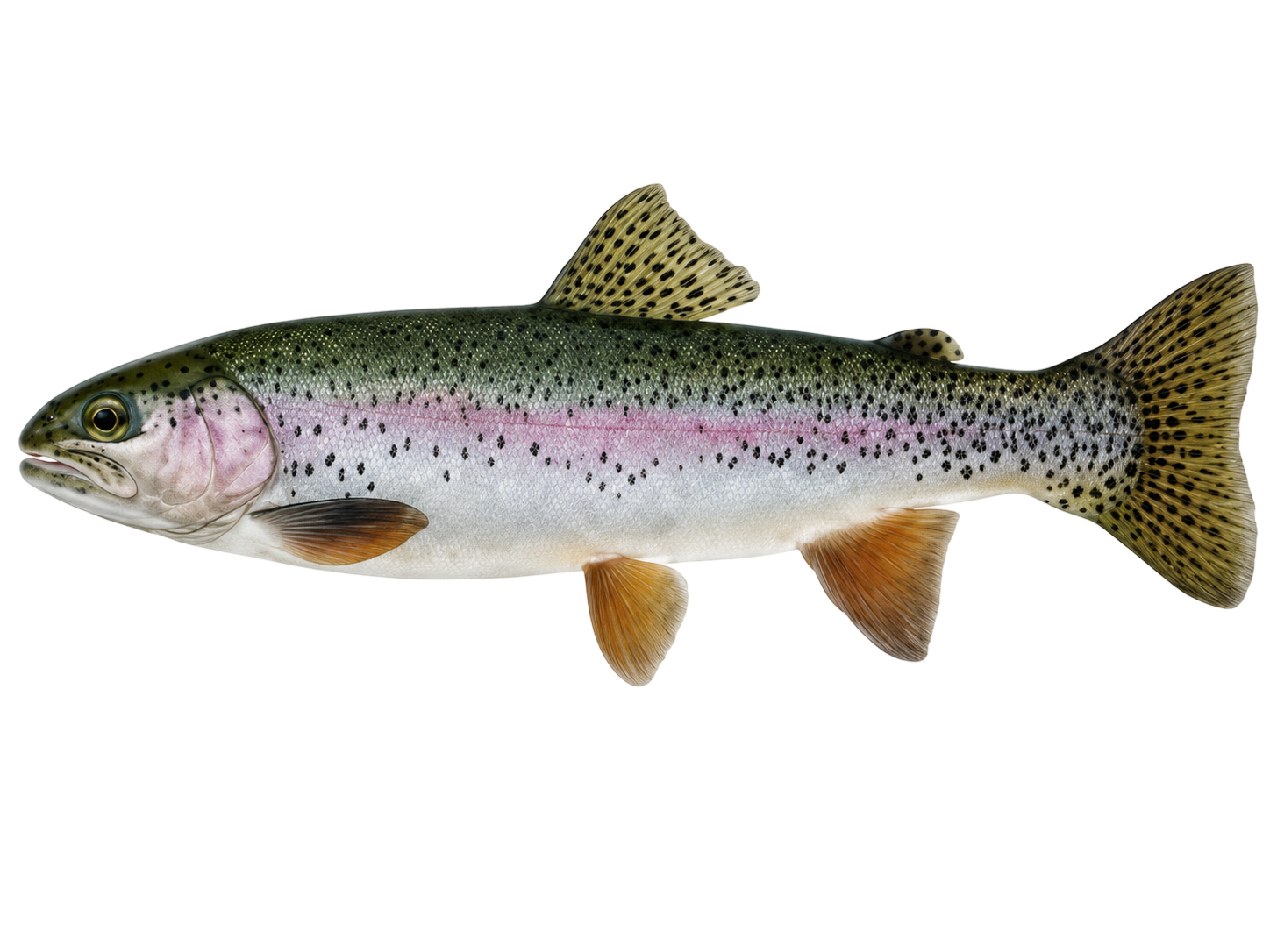
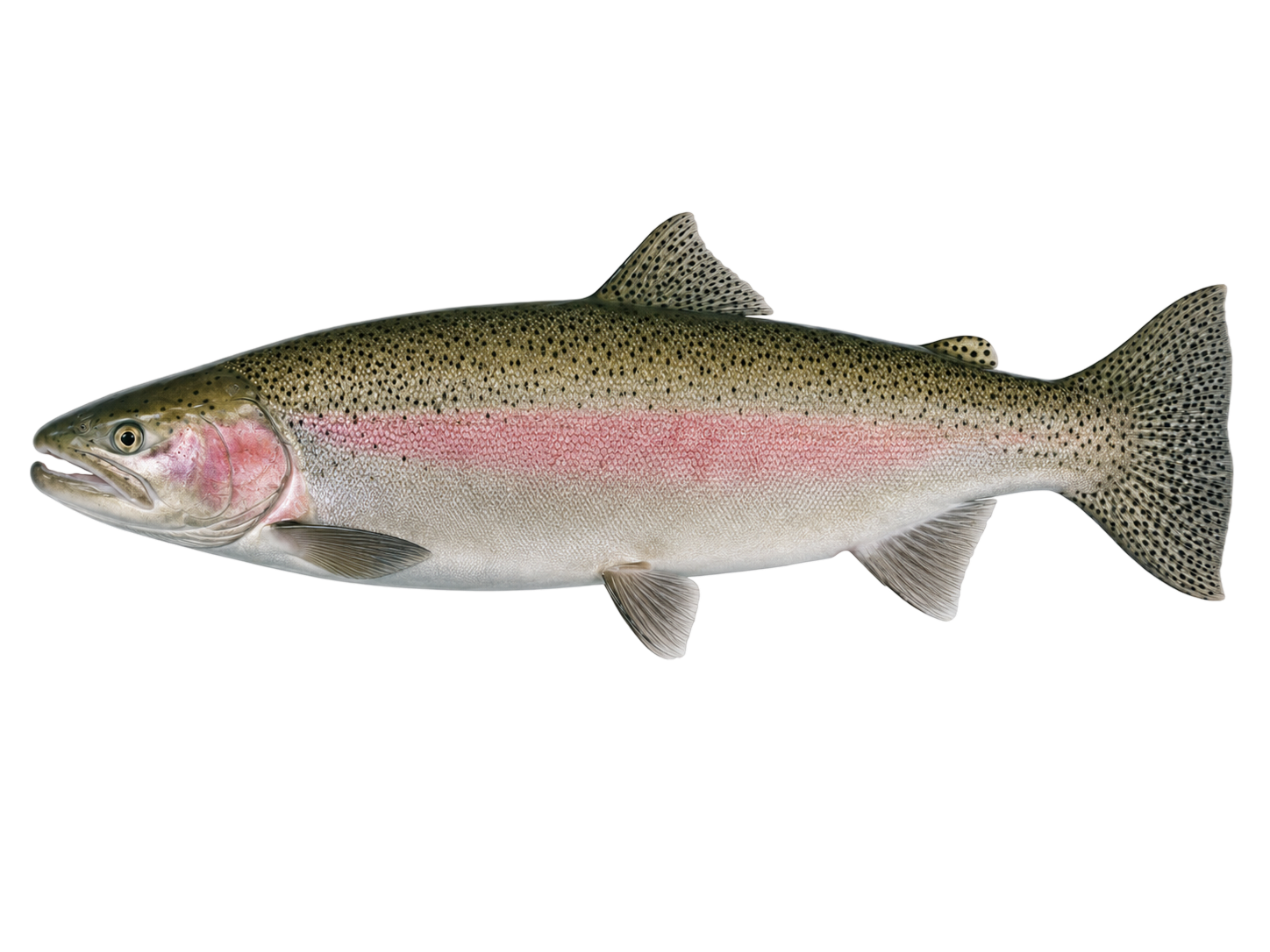
Rainbow Trout
Rainbow Trout
Steelhead
Steelhead
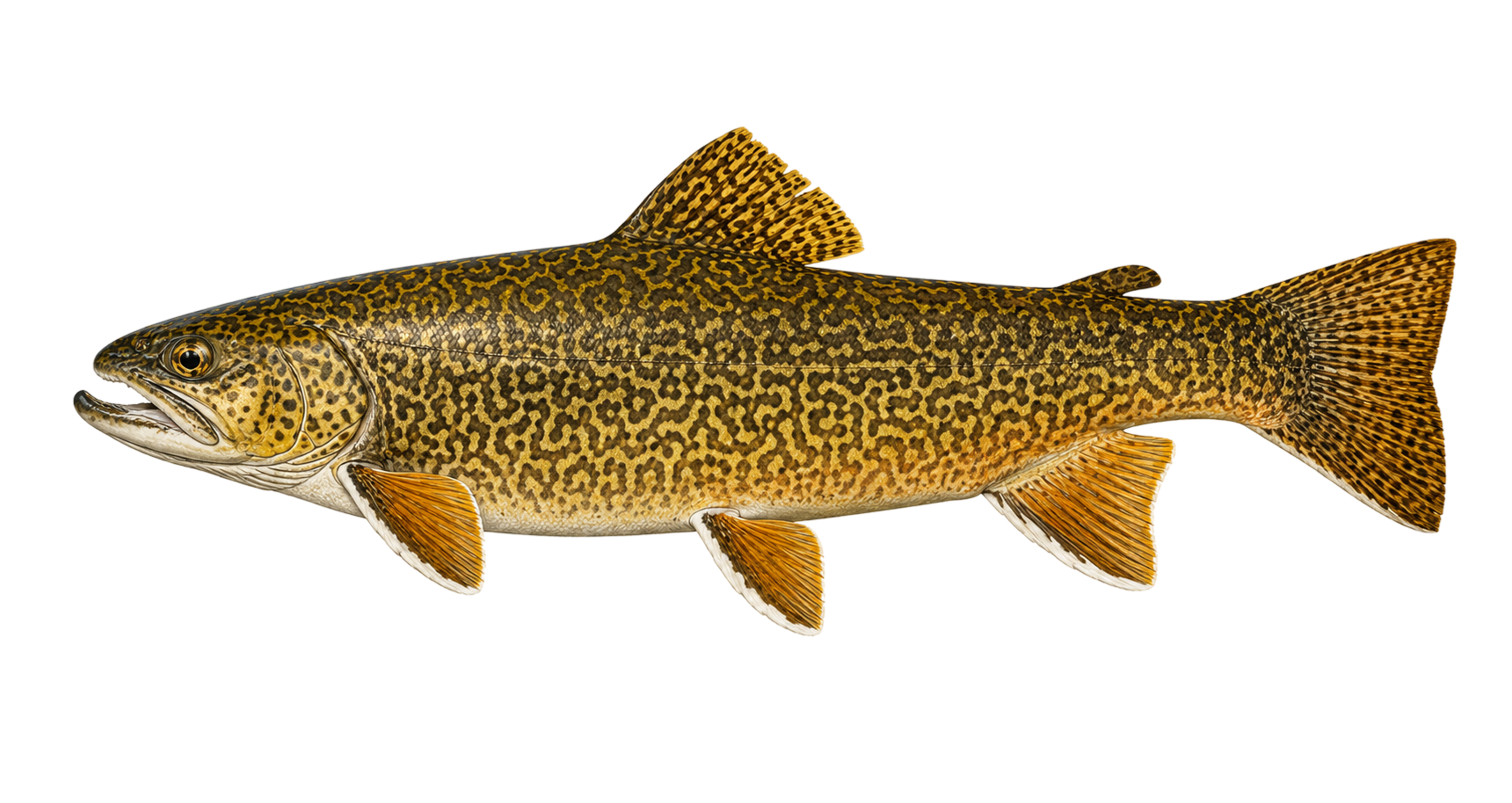
Tiger Trout
Tiger Trout
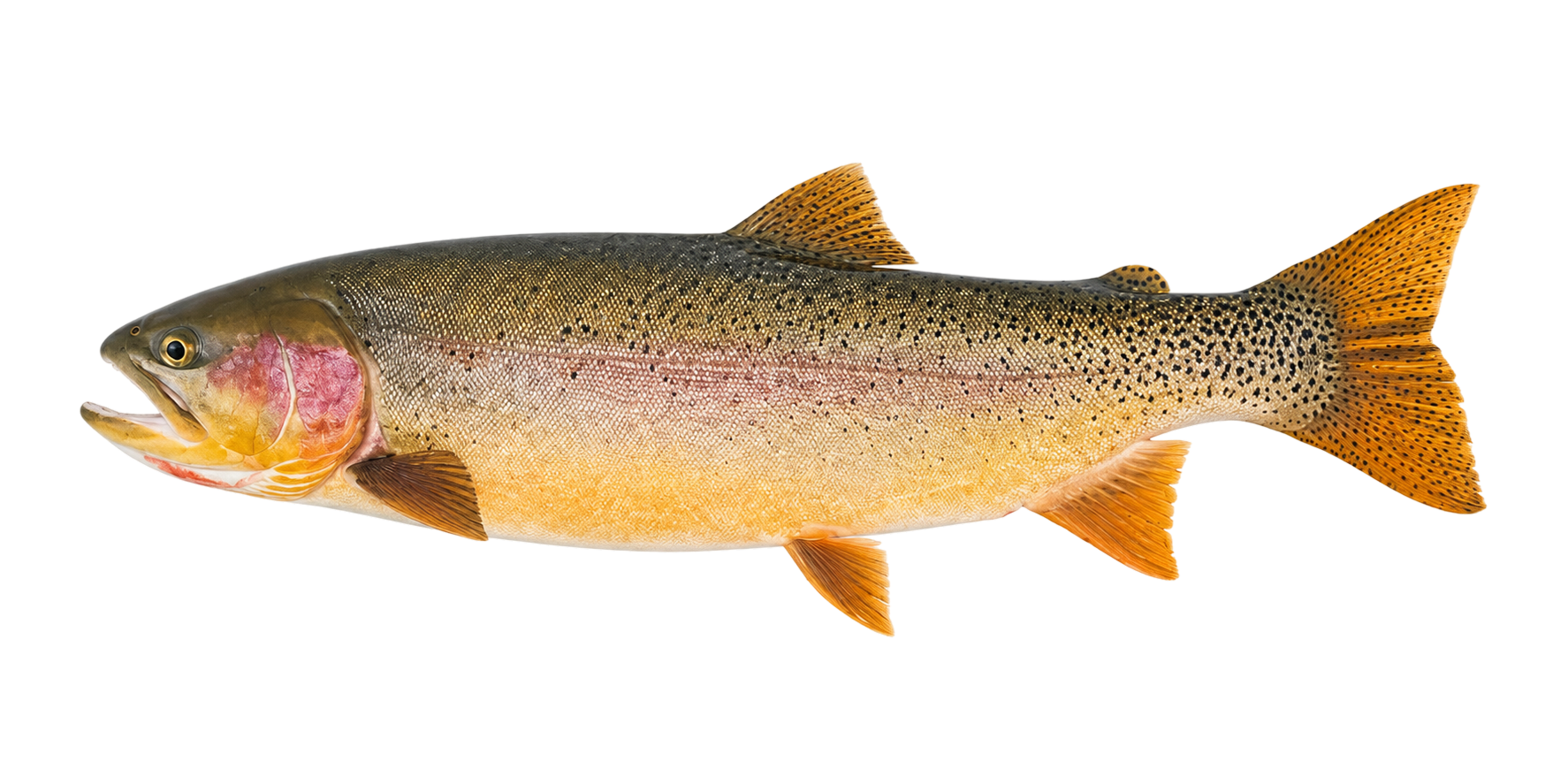
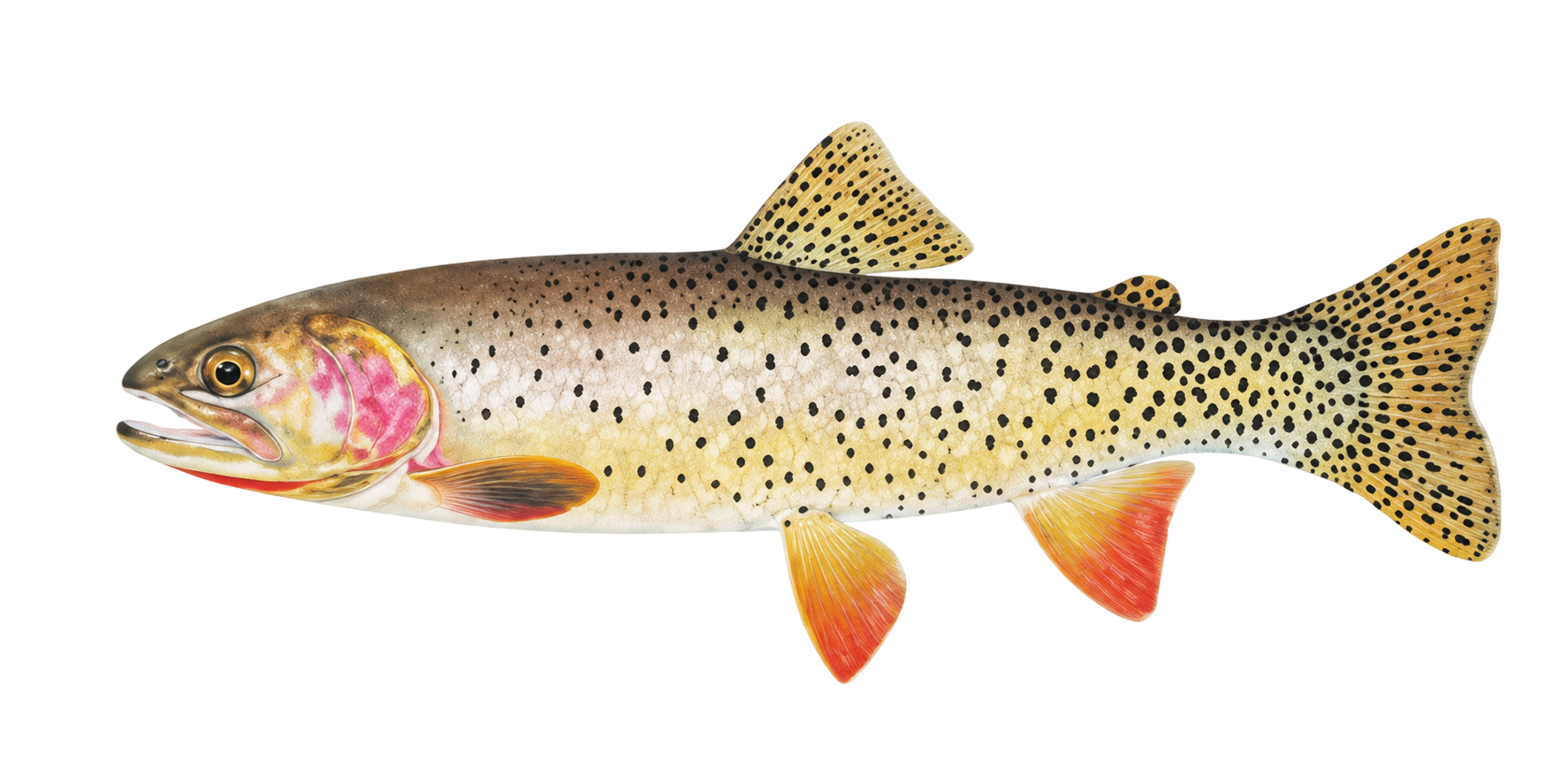
Westslope Cutthroat Trout
Yellowstone Cutthroat Trout

Golden Stonefly Photos

Adult
Nymph
Shedded

On this page

OverviewLife CycleFly TyingWhere It HatchesFly PatternsAngler NotesIdentificationHabitatEaten ByPhotos

Share & plan

IDFG Planner

On this profile

  • 33 waters
  • 5 fly patterns
  • 12 predator species
  • 6 tying videos
  • 6 life stages

Explore

Browse all hatches & forage
Craft Foam
1mm
Indicator Post - Orange
  • Permanent markersOther - Orange, Yellow, Black
  • Mentioned as placed on top during middle wing section