Barbless.coBarbless.co
  • Home
  • Map
  • Reports
  • Guides
  • Fish
  • Hatches
  • Podcast
Sign in
Barbless.co

The more you understand, the more there is to see.

  • IdahoLive
  • CaliforniaSoon

Explore

  • Map
  • Reports
  • Browse reports
  • By region

Waters

  • River search
  • Guides & outfitters

Learn

  • Fish species
  • Hatches & forage
  • Podcast

Company

  • About
  • Contact
  • Editorial policy
  • Releases
  • Legal

© 2026 Barbless.co. Flow and gauge data from USGS; weather from Open-Meteo. · v2026.10.18.2

  1. Home
  2. Hatches & Forage
  3. Crustaceans
  4. Crayfish

Updated July 15, 2026

← Back to map
Crayfish, Red Swamp
Crayfish, Pilose
Crayfish, Rusty
Crayfish, Signal
Crayfish, Virile
Red Swamp

Hatches › Crustacean

CrustaceanForage

Crayfish

Pacifastacus leniusculus · species

Crayfish are a big, meaty year-round food source that can draw the largest trout and bass.

Overview

Category

Crustacean

Category

Crustacean

Category

The insect or forage category for this profile.

Size

Typically about 2.4-3.5 in long, with larger individuals reaching roughly 6-8 in.

Size

Typically about 2.4-3.5 in long, with larger individuals reaching roughly 6-8 in.

Size

Typical size range anglers imitate on the water.

Key stages

Eggs, Hatchlings, Juvenile, Subadult, Adult

Key stages

Eggs, Hatchlings, Juvenile, Subadult, Adult

Key stages

Life stages most relevant to fly fishing this hatch or forage.

Water types

Rivers, Streams, Lakes, Ponds, Reservoirs

Water types

Rivers, Streams, Lakes, Ponds, Reservoirs

Water types

Water types where this bug or forage is commonly found.

About Crayfish

In Idaho, the common angler "crawdad" is most often the signal crayfish, Pacifastacus leniusculus, a freshwater crayfish native to western North America and associated with the Columbia River Basin. For anglers, it matters less as a hatch than as a substantial bottom-dwelling forage item that fish key on whenever they can pin one down.

Also known as: Crawdad

Life Cycle

This infographic illustrates the complete life cycle of a crayfish, from egg to adult. Understanding these stages can help anglers identify different crayfish sizes and habitats, which are important food sources for various fish species.
Eggs

Eggs

Female crayfish carry fertilized eggs under their abdomen, protecting them until they are ready to hatch.

Hatchlings

Hatchlings

From the eggs, tiny crayfish hatch. These hatchlings are miniature versions of adult crayfish.

Juvenile

Juvenile

Young crayfish grow through a series of molts, shedding their exoskeletons to increase in size.

Subadult

Subadult

After several molts, juveniles become subadults, continuing their growth and development.

Adult

Adult

Mature crayfish move from shallow areas to reside in burrows or under rocks in the stream bed.

Stages
Anglers mainly imitate the adult form. Unlike aquatic insects, crayfish do not have a hatch-style winged emergence; they grow through repeated molts into larger bottom-dwelling juveniles and adults.
Emergence cues
Most active when water is warmer and during low-light periods, especially from spring through fall; there is no true emergence event.
Behavior
Crayfish live on the bottom, shelter under rocks, wood, and banks, and move with short crawls or quick backward darts. When displaced, they tumble, scoot, and try to regain cover fast.

How to Tie Crayfish Patterns

Hatchlings

Micro Crayfish - Jigged Nymph and streamer - McFly Angler crawfish Fly Tying Tutorial

McFly Angler

Materials

  • Hook#10Risen Barbless Jigged
  • Bead#4.0Risen Slotted Tungsten
  • Lead Wire.015 sized
  • Crystal FlashGold
  • UV2 Diamond Britein Orange
  • Nymph Sili Legs
  • Barred ChickabouBrown
  • Hen Soft HackleSmall Brown
  • Head CementHard as Hull
Juvenile

Juvenile Crayfish by Rasmus Kristensson

Fly-Dressing

Materials

  • Ahrex - NS118 – CLASSIC STREAMER D/E#4Hook
  • Zap-a-GapGlue
  • UTC 140Fl. ChartreuseThread
  • Nature's Spirit - Deer Belly HairFl. ChartreuseHead
  • Easy Shrimp EyesFl. OrangeEyes
  • Pine Squirrel ZonkerChartreuseClaws
  • Sili Legs - Perfectly BarredFl. ChartreuseAntennas

Subadult

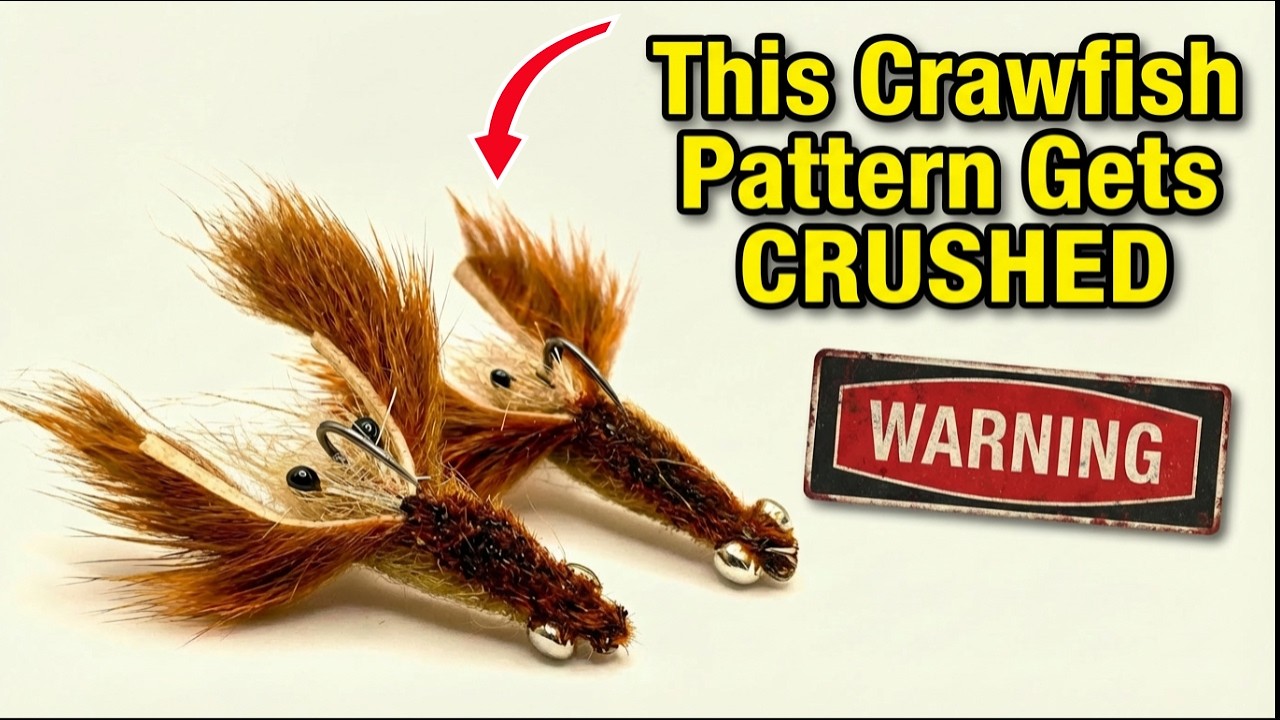
Tie This EASY Crawfish Fly Pattern for HUGE Fish! - Fly Tying Tutorial

Fliesbyaspeen

Materials

  • Ahrex TP615Hook
  • Troutline Sumo Power 100DThread
  • Troutline Loch DubbingBody
  • Bruiser Blend BrownBody
  • Furry Foam BrownBack
  • Shrimp EyesEyes
  • Squirrle strips BrownClaws
  • Dumbell2.8mmBead

Adult

The Crayfish Fly Pattern Tutorial

Svenddiesel

Materials

  • Ahrex Hook TP650#1
  • Semperfli Waxed Thread8/0
  • Cohens Carp Dub
  • mono30lbwith black and clear uv resin
  • Rubber legs
  • Natures Spirit Premium Bugger Bou and Voodoo Fibers
  • Magnum rabbit strips
  • Fly Skinz Exo Skin
  • Semperfli wire.2mm
  • Dumbell eyesMedium, black

Where It Hatches

Crayfish

One species, multiple rivers.

RiverJANFEBMARAPRMAYJUNJULAUGSEPOCTNOVDEC
  • Boise River, Middleton to Eagle Road
  • Clearwater River
  • Saint Maries River
  • Snake River, Hells Canyon Dam to Clearwater Confluence (Lewiston)
  • Snake River, Idaho Falls to American Falls Reservoir
  • Snake River, Lower Salmon Falls Dam to Bliss Dam (Hagerman / Thousand Springs)
  • Snake River, Milner Dam to Hansen Bridge (Murtaugh Canyon)
  • Snake River, Osgood Diversion Dam to Henrys Fork
  • Snake River, Swan Falls Dam to Brownlee Reservoir

Crayfish on the podcast

  • Fly Fishing The Truckee and Yuba Rivers, Plus Some Alaskan Stories - Guide Chris Maher

    Episode 29 · Jan 30, 2018

    Fly Fishing The Truckee and Yuba Rivers, Plus Some Alaskan Stories - Guide Chris Maher

    Listen on the Barbless Podcast

Fly Patterns

  • Crayfish Pattern#4-8

Angler Notes

Why it matters
Crayfish are calorie-dense forage. Big trout, bass, and other predatory fish will hunt them along the bottom, especially where current, rocks, or banks expose vulnerable individuals.
Imitation tips
Fish weighted crawdad patterns in olive, rust, brown, or muted blue-brown tones. Choose broad-clawed, compact profiles with some movement in the legs or feelers, but avoid overdressing so the fly still sinks and rides hook point up when possible.
Key life stages
adult
Presentation
Keep the fly near bottom. Use short strips, slow crawls, and occasional sharp pops to suggest a fleeing crayfish, then pause. Drift-and-twitch presentations along rocks, banks, drop-offs, and structure are often more effective than fast, steady retrieves.

Identification

Key features
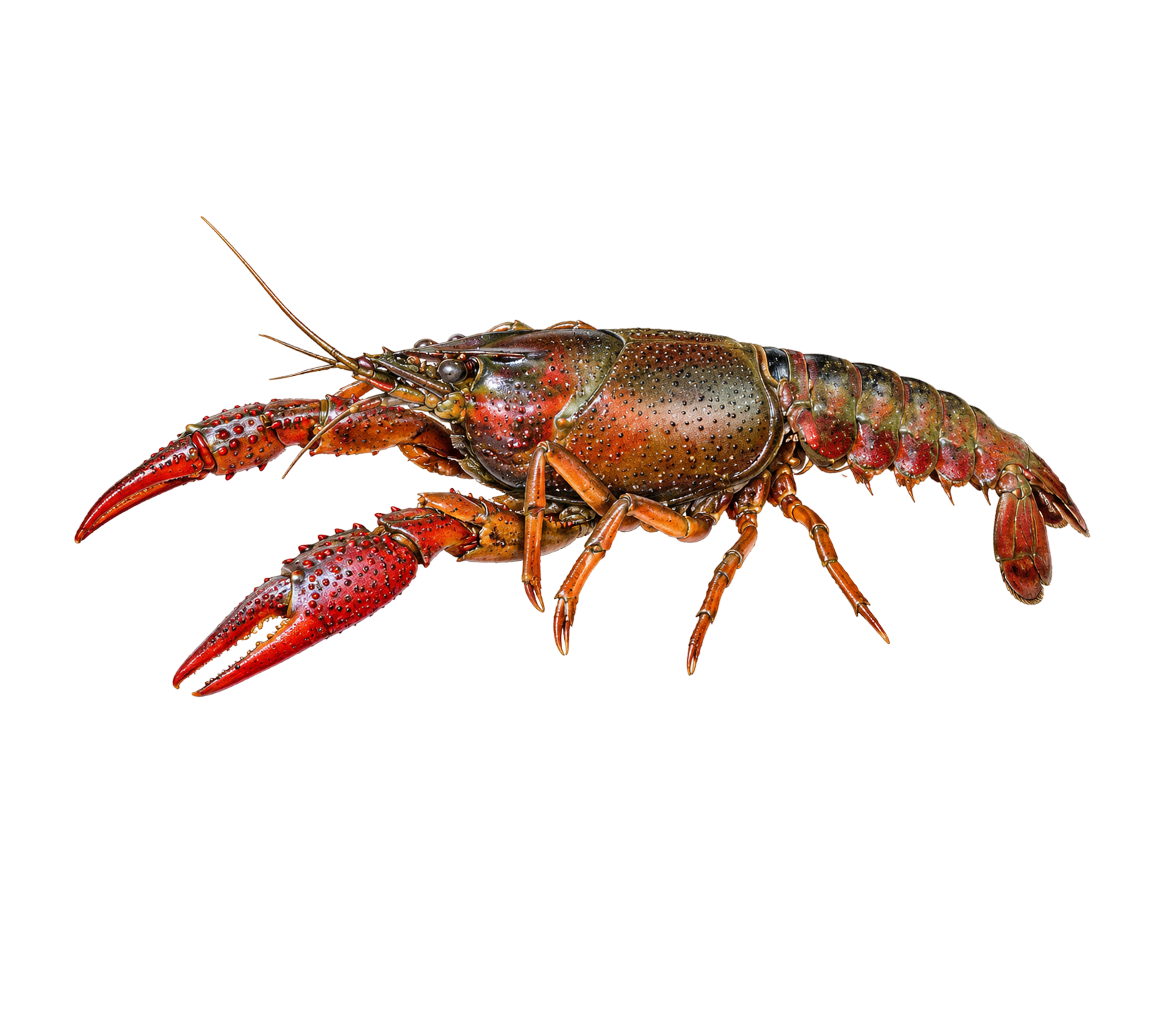
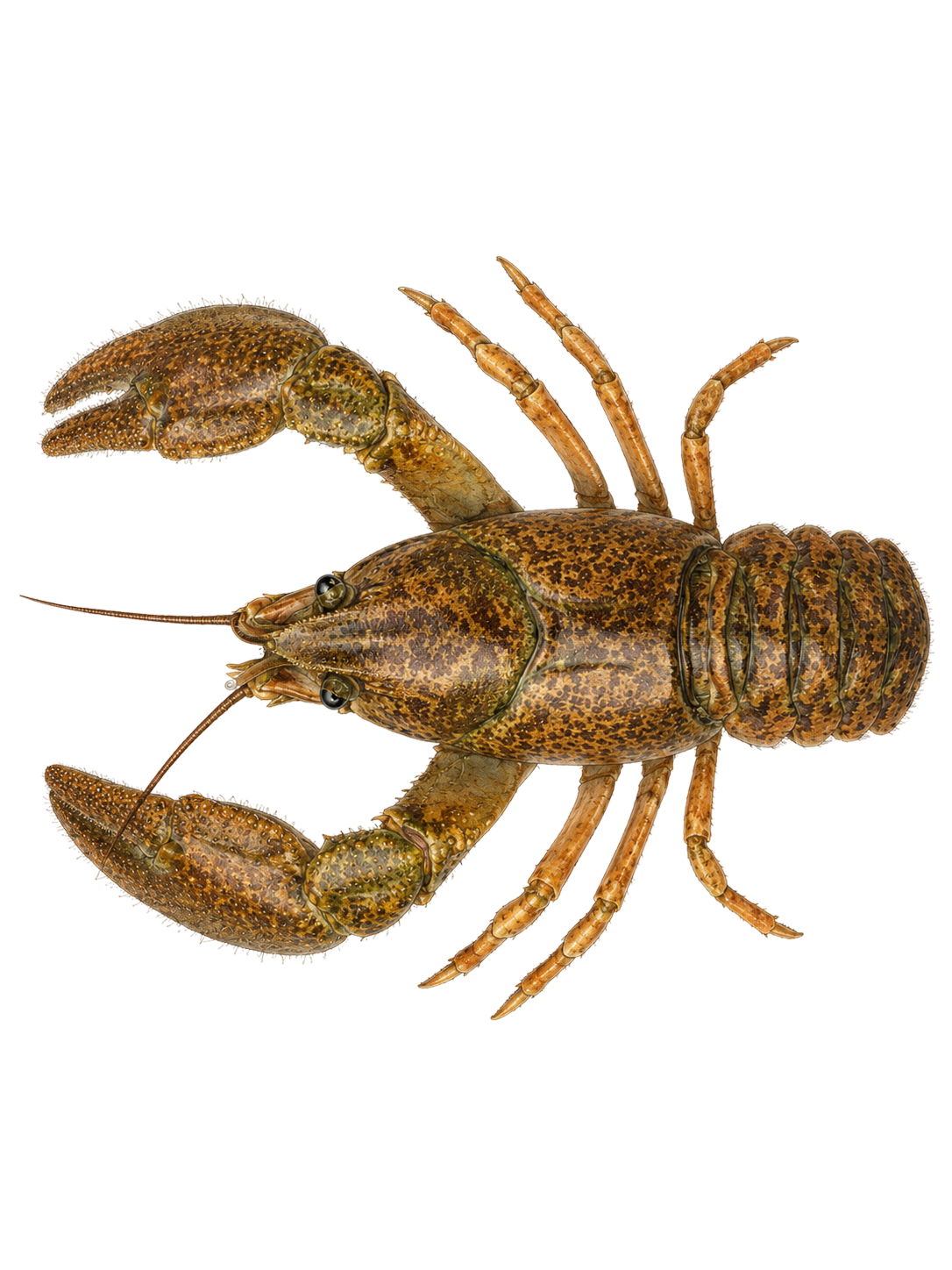
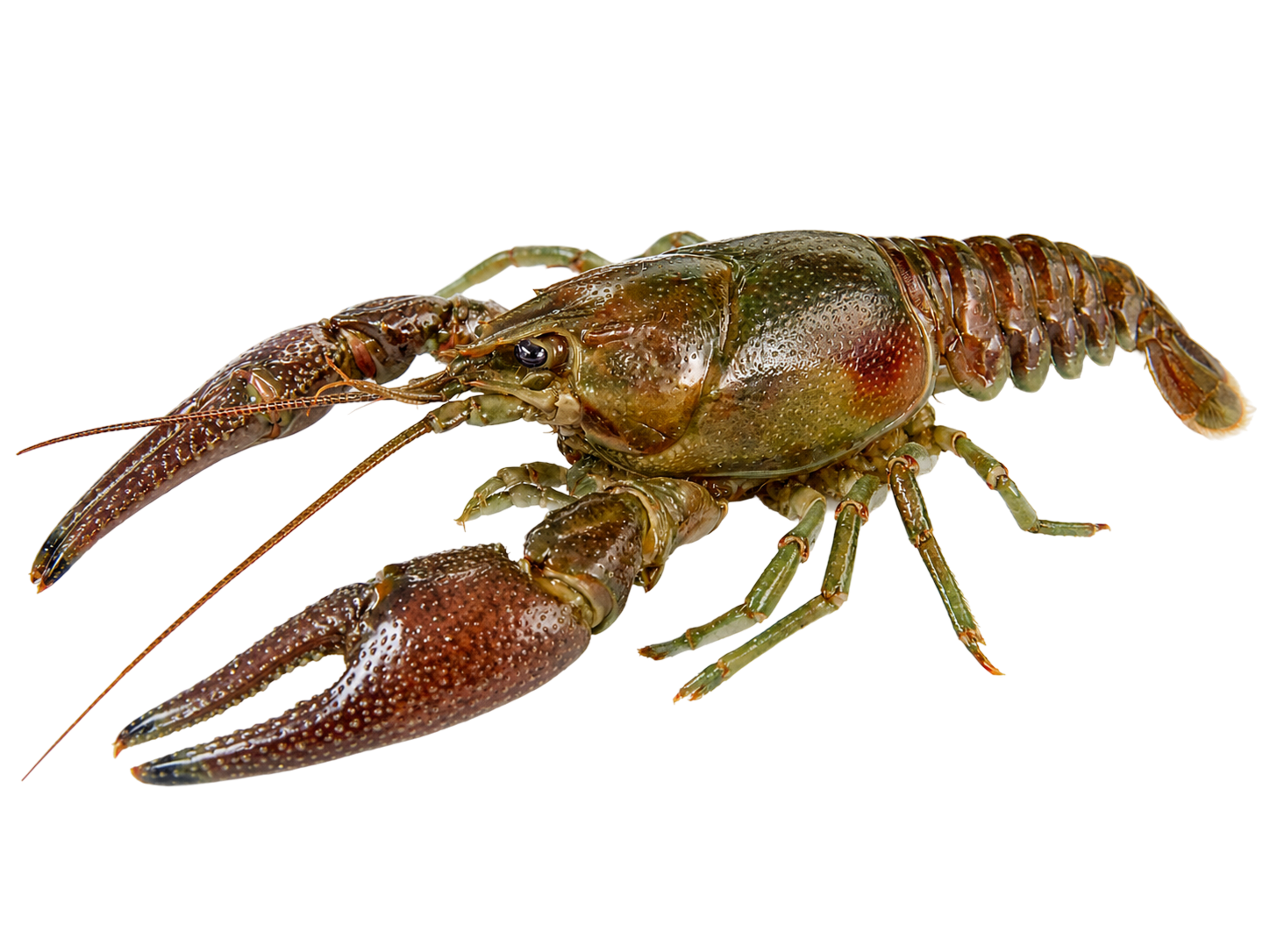
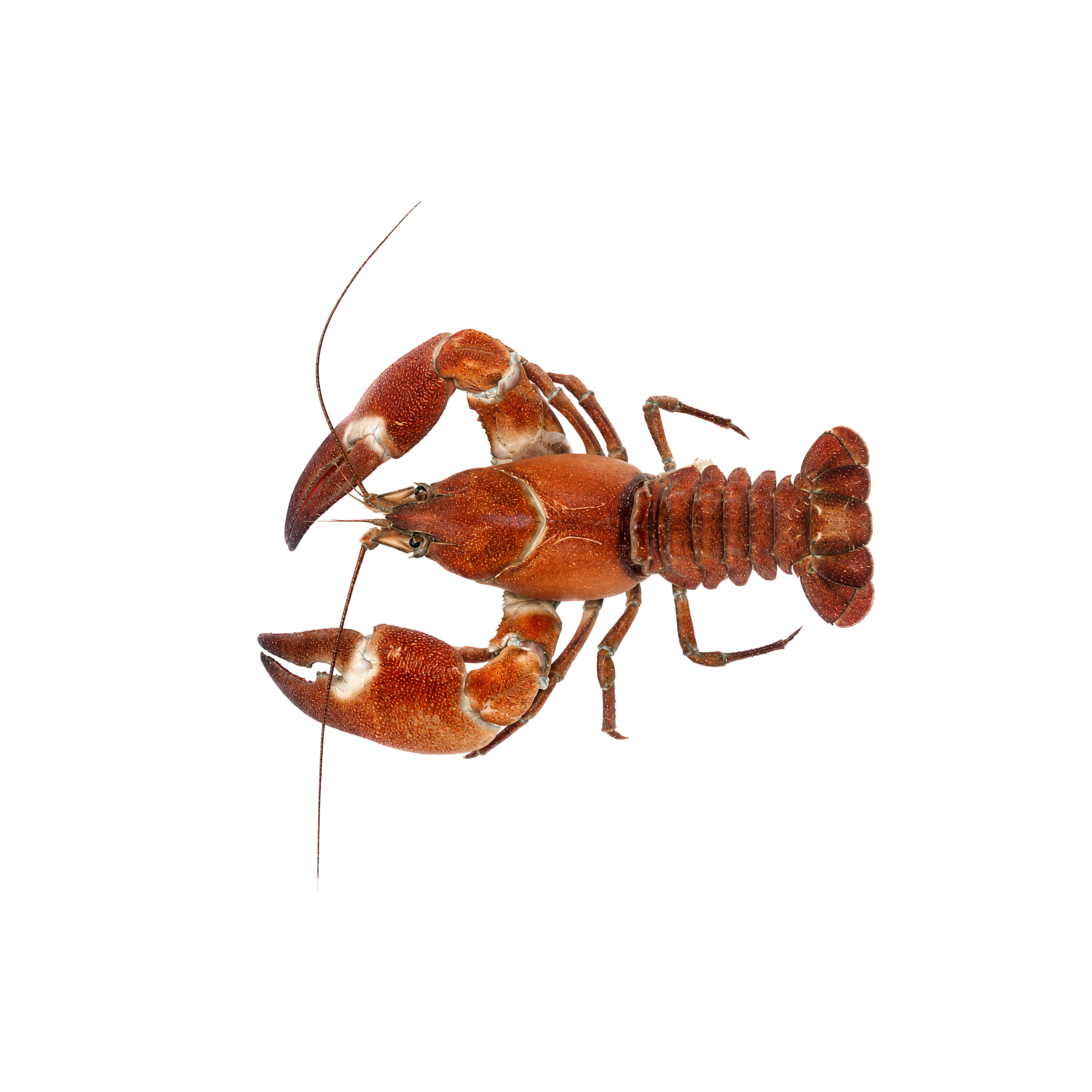
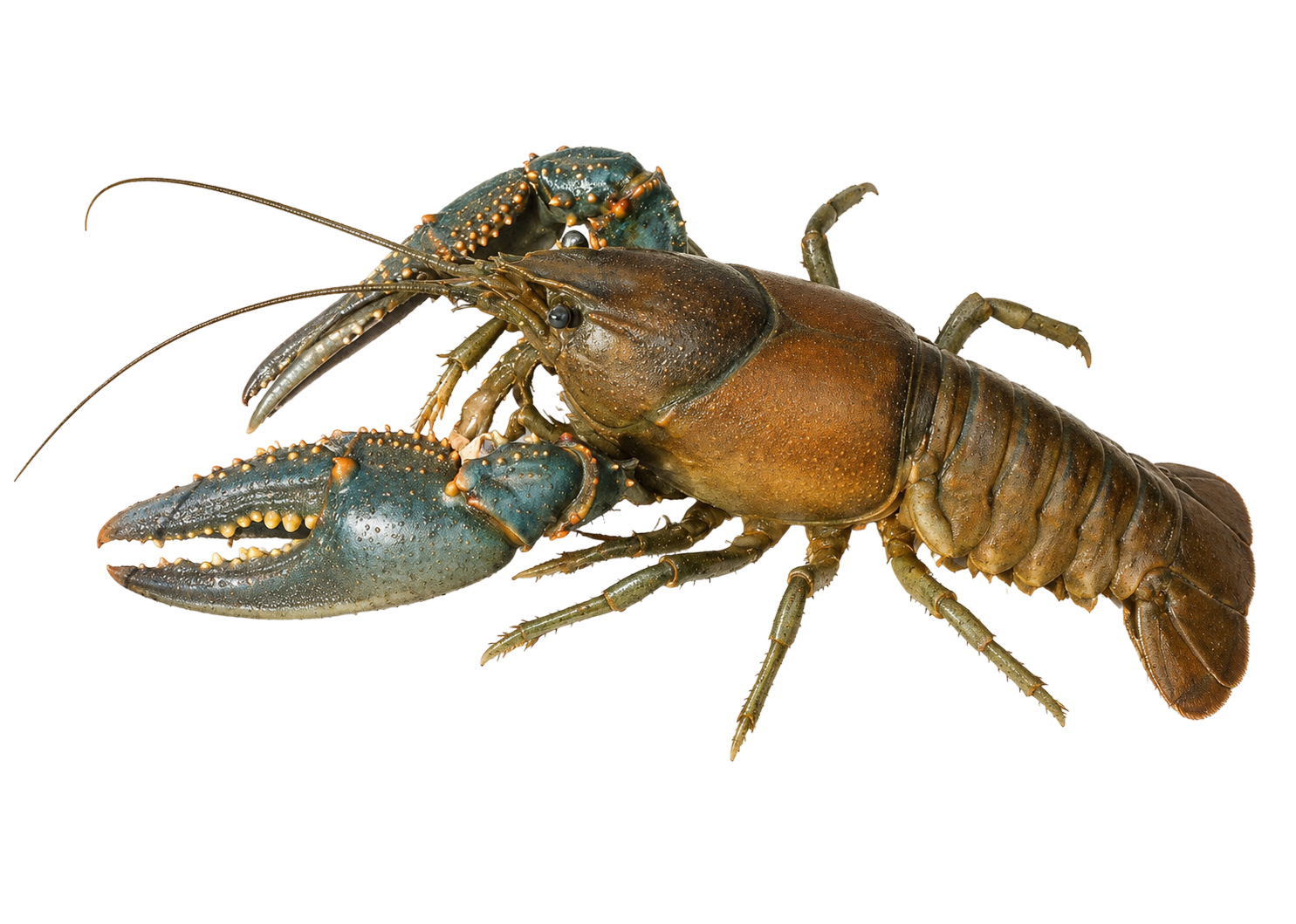
Robust freshwater crustacean with a hard, smooth carapace, two prominent claws, and a segmented tail. Signal crayfish are especially noted for the pale white to blue-green patch near the claw hinge.
Size
Typically about 2.4-3.5 in long, with larger individuals reaching roughly 6-8 in.
Coloration
Usually brown above, but can range from red to blue; claws often show the distinctive pale patch at the joint.
Similar bugs
SculpinStonefly nymphFreshwater shrimp

Habitat

Water types
RiversStreamsLakesPondsReservoirs
Substrate
Rock, cobble, gravel, woody cover, and weedy or undercut margins that provide hiding places.
Conditions
Freshwater with enough cover and bottom structure to shelter them; commonly associated with clear to moderately stained water and slower edges, runs, pools, and littoral lake zones.

Eaten By

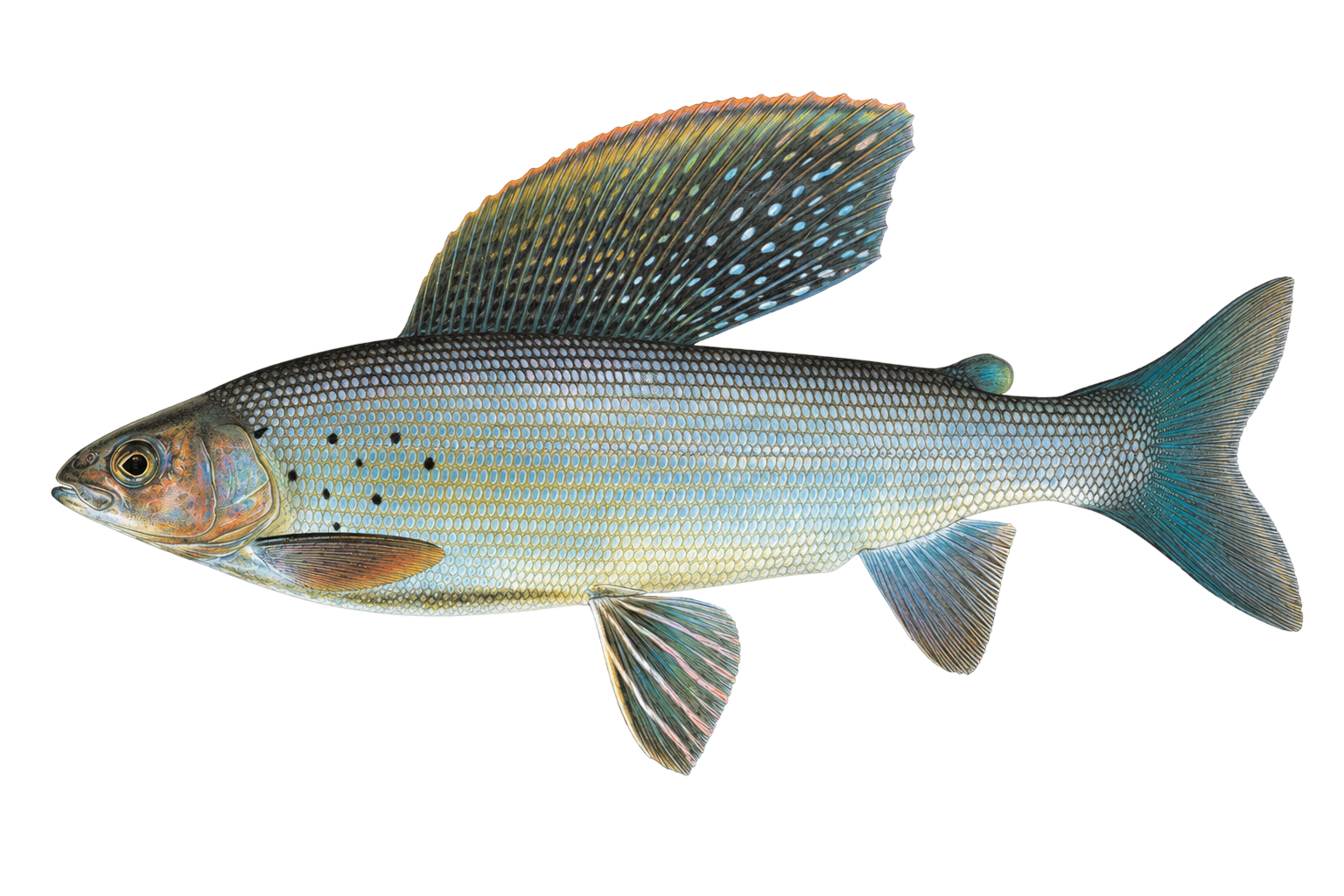
Arctic Grayling
Arctic Grayling
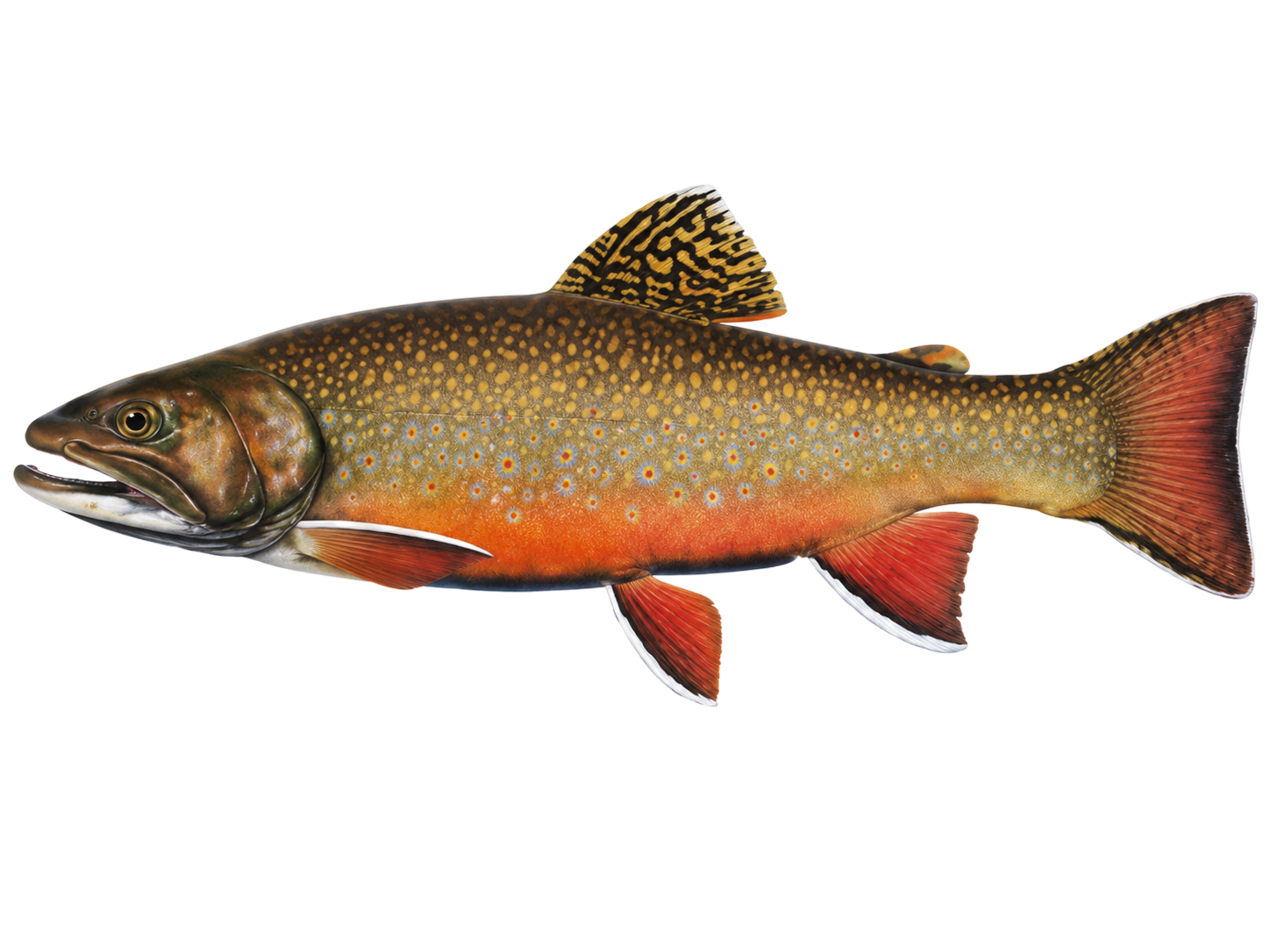
Brook Trout
Brook Trout
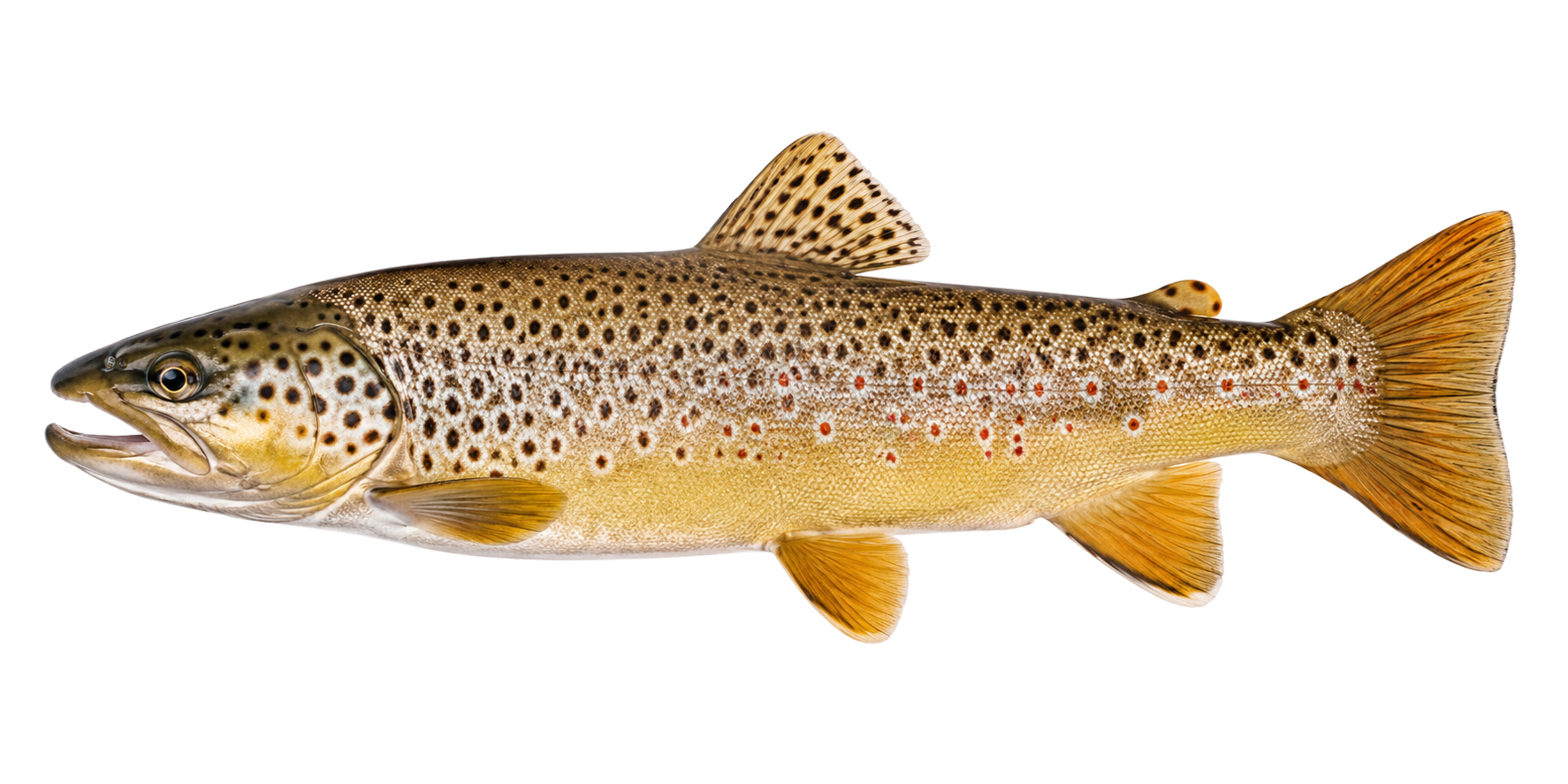
Brown Trout
Brown Trout
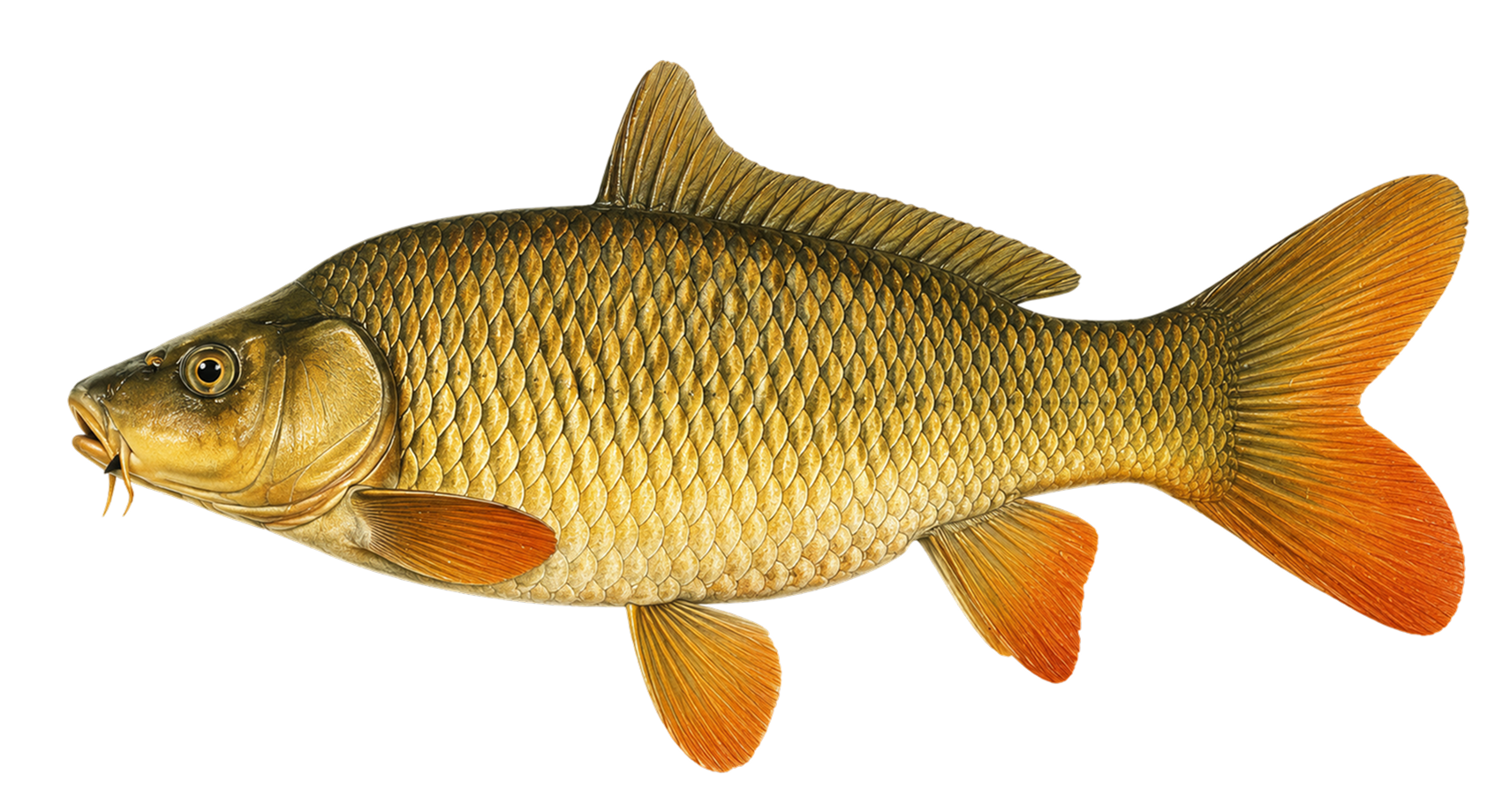
Carp
Carp
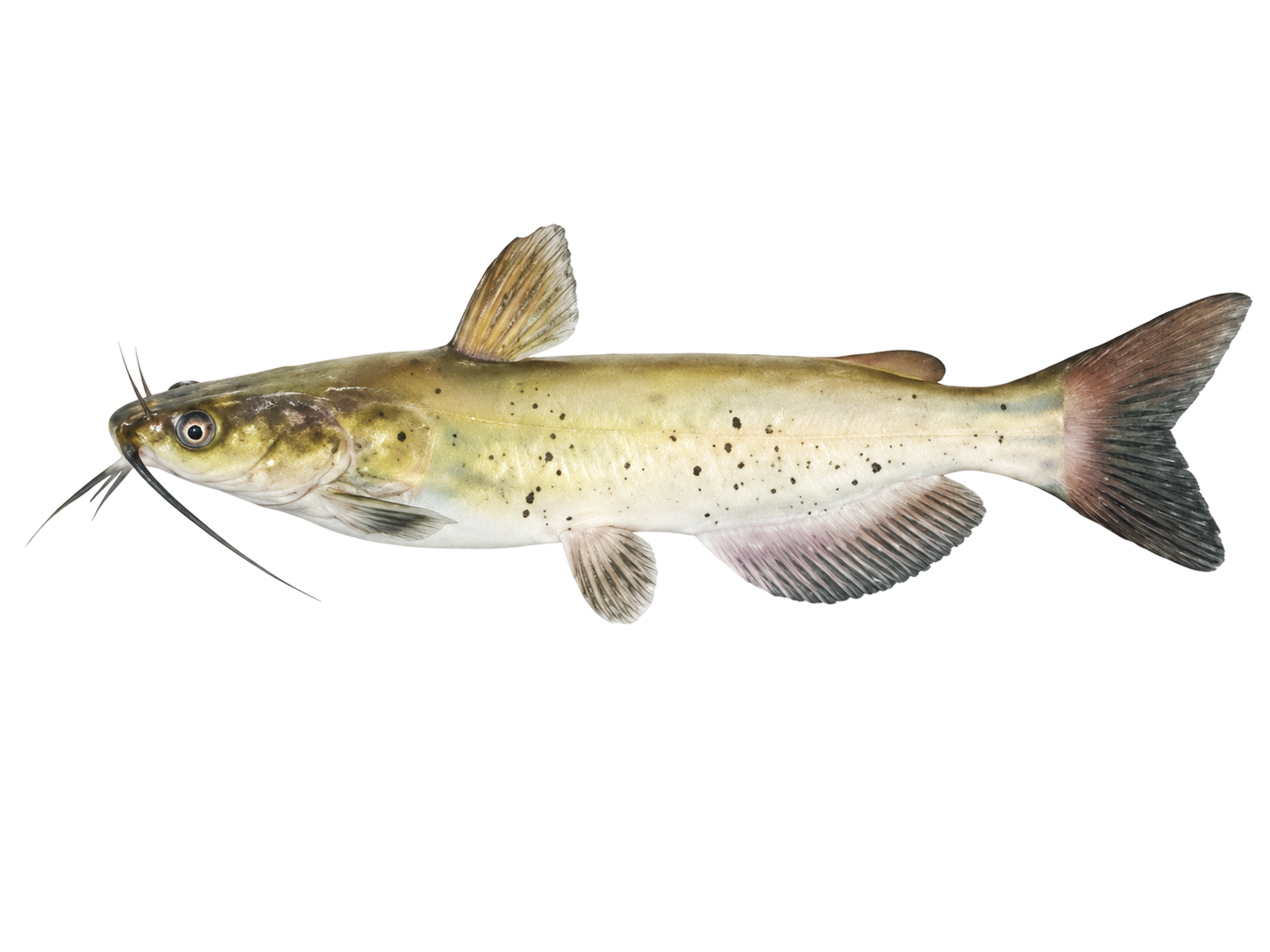
Channel Catfish
Channel Catfish
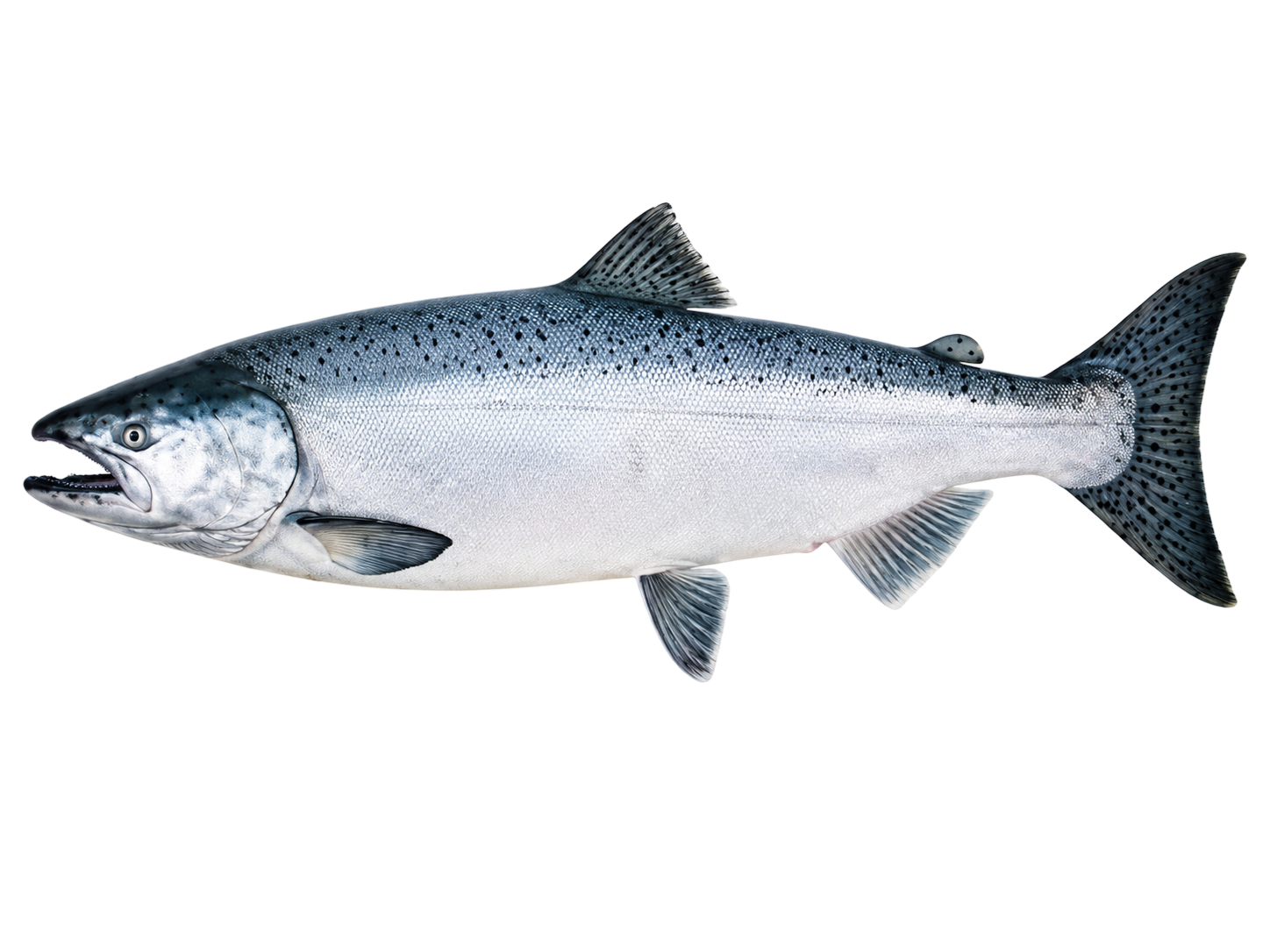
Chinook Salmon
Chinook Salmon
Cutbow Trout
Cutbow Trout
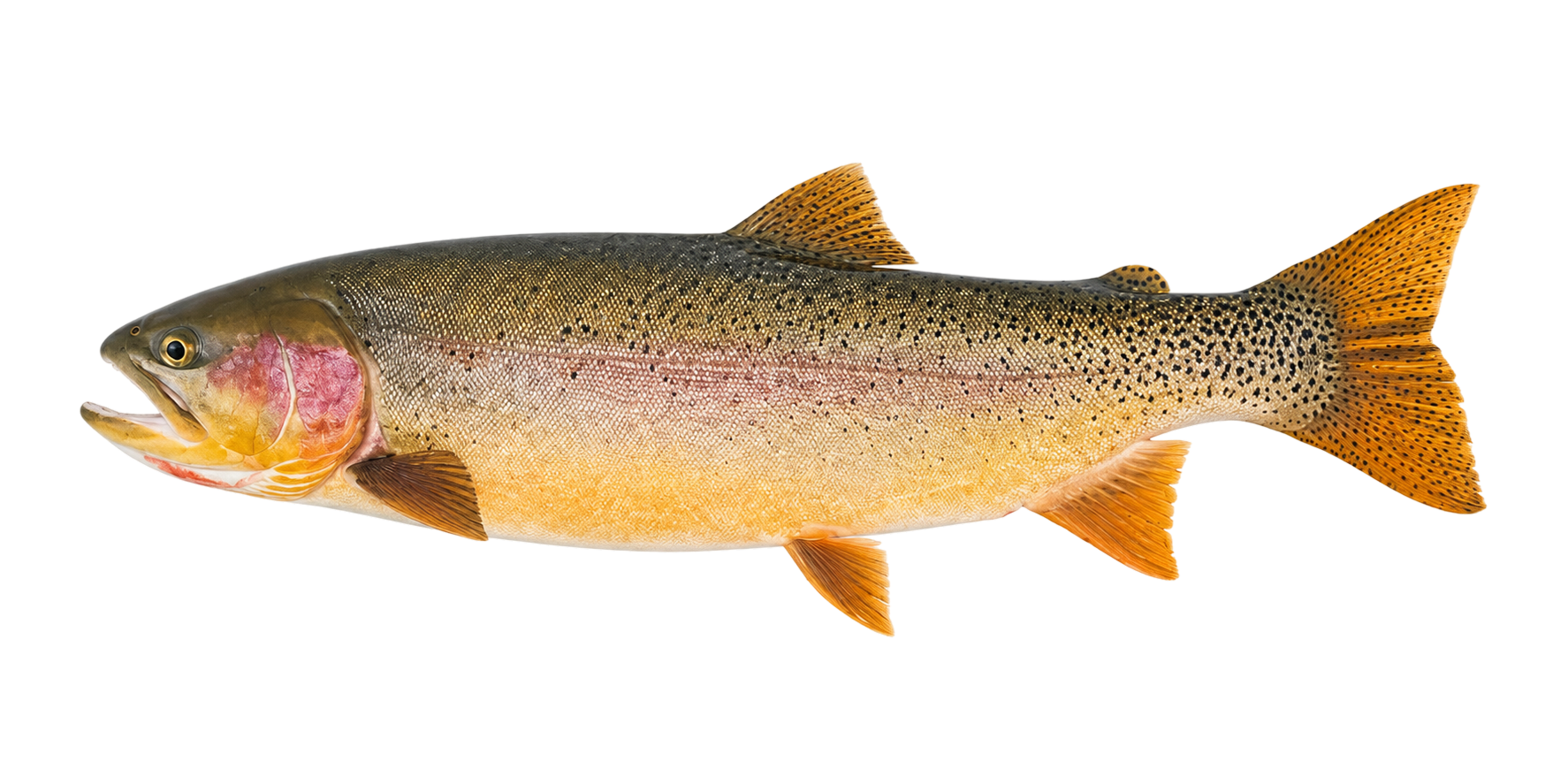
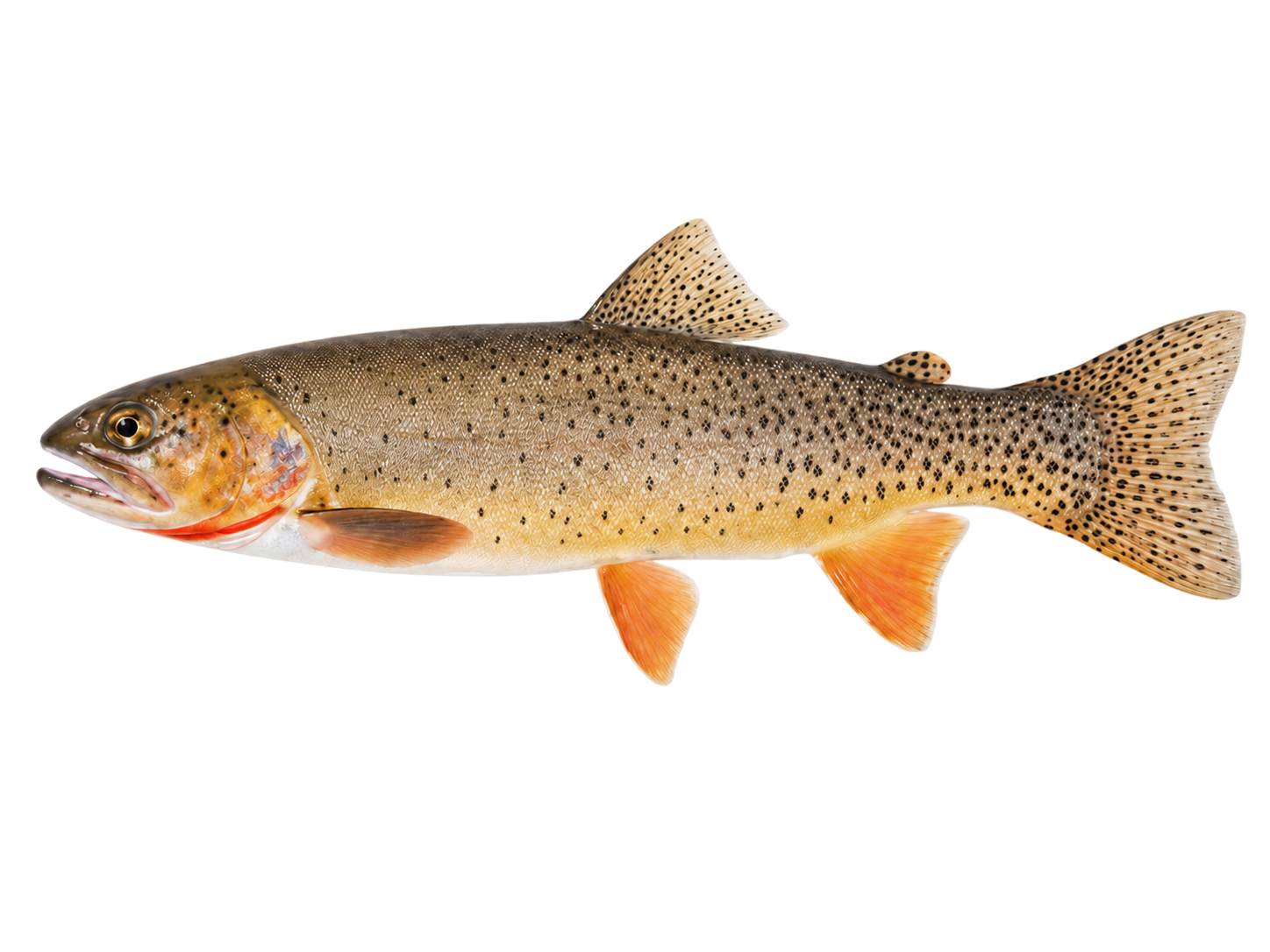
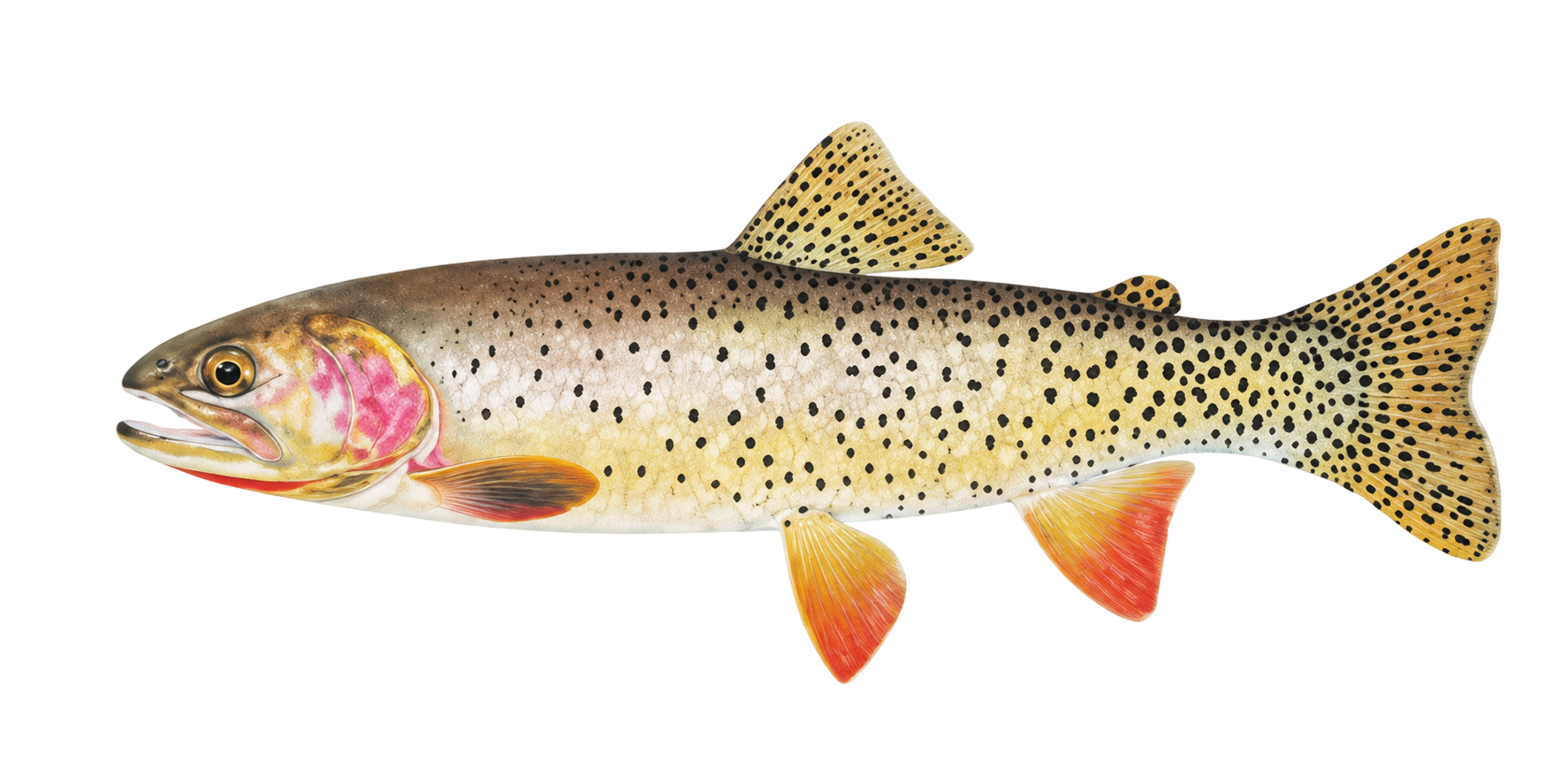
Cutthroat Trout
Cutthroat Trout
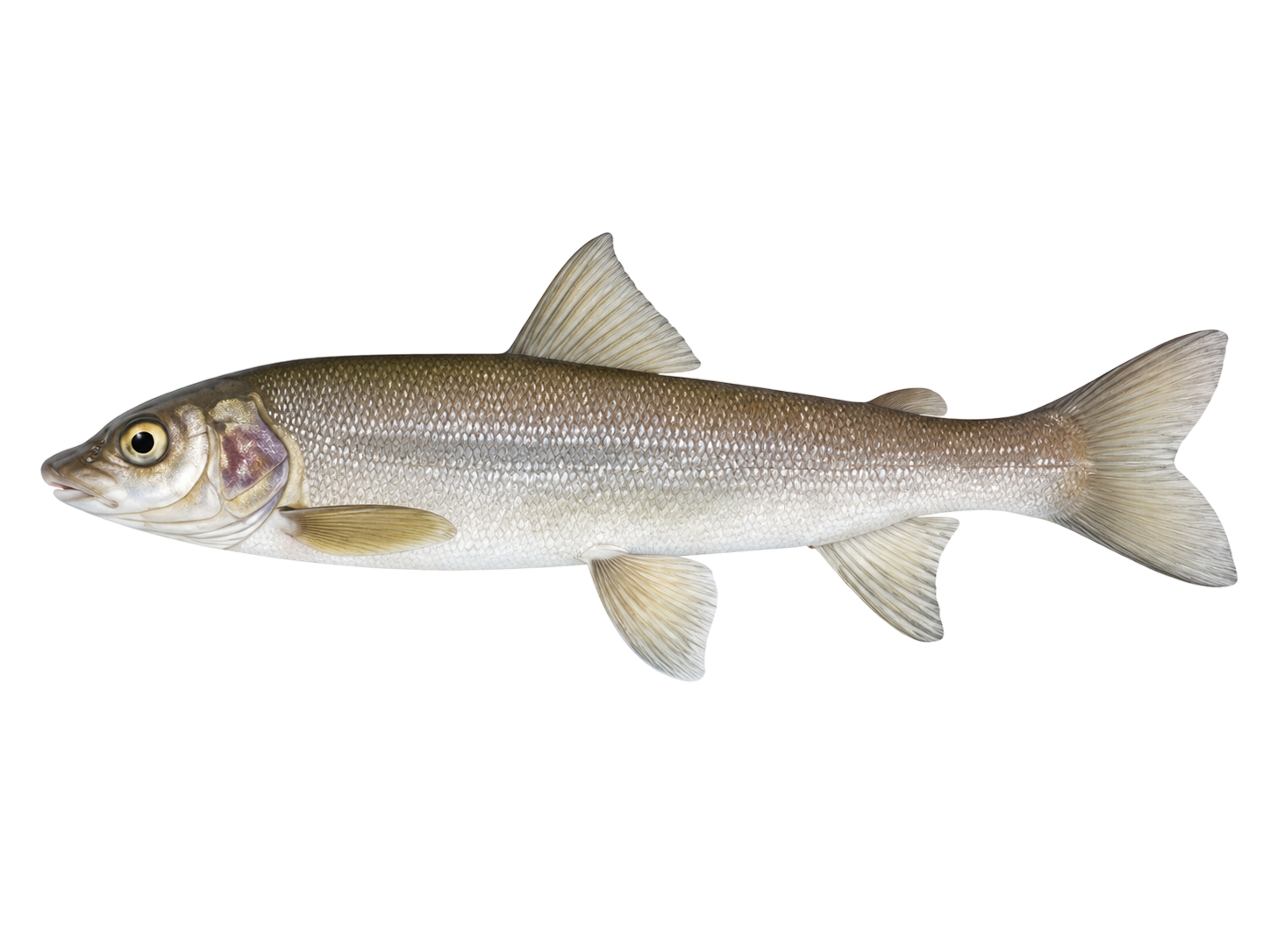
Mountain Whitefish
Mountain Whitefish
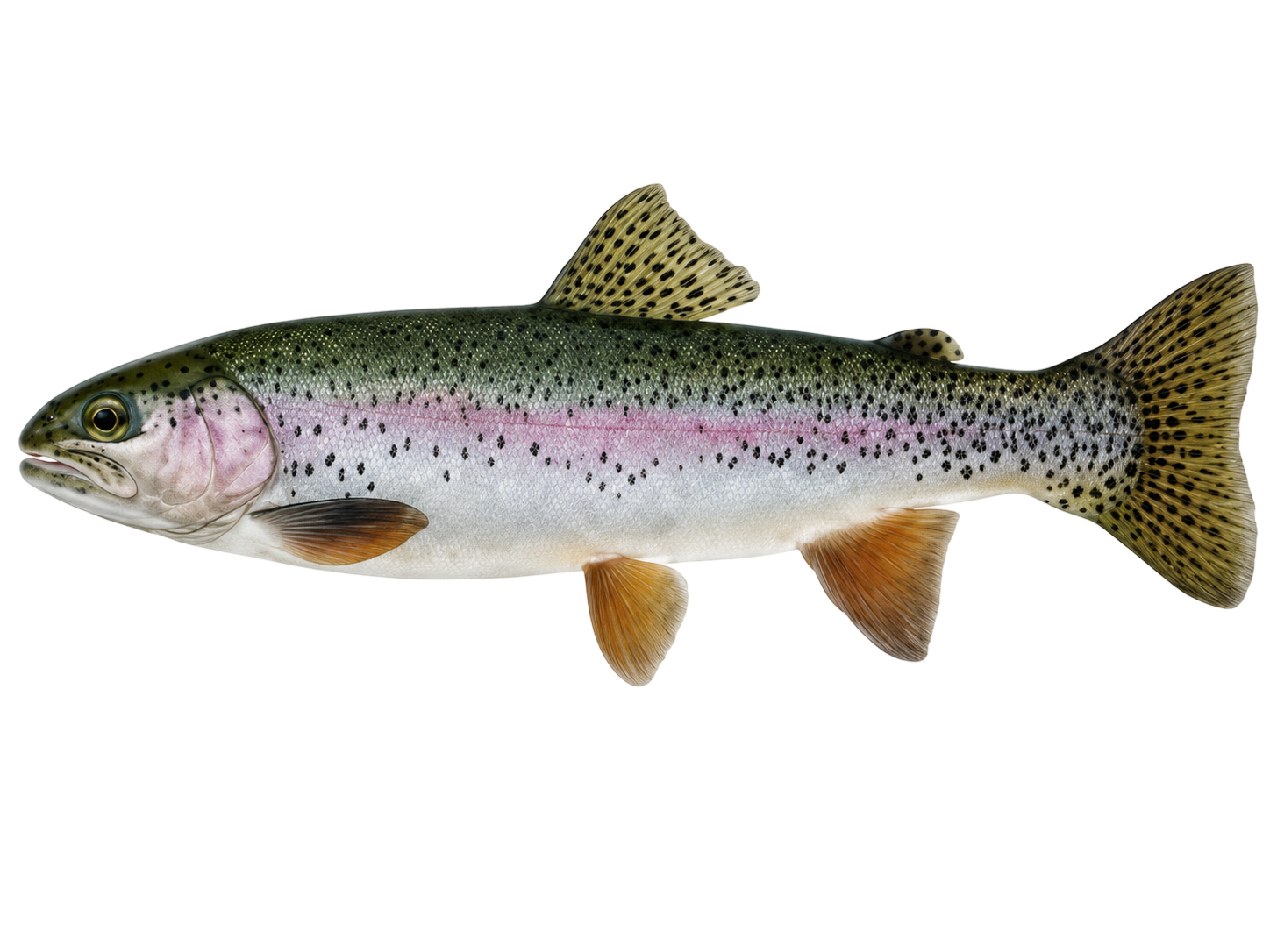
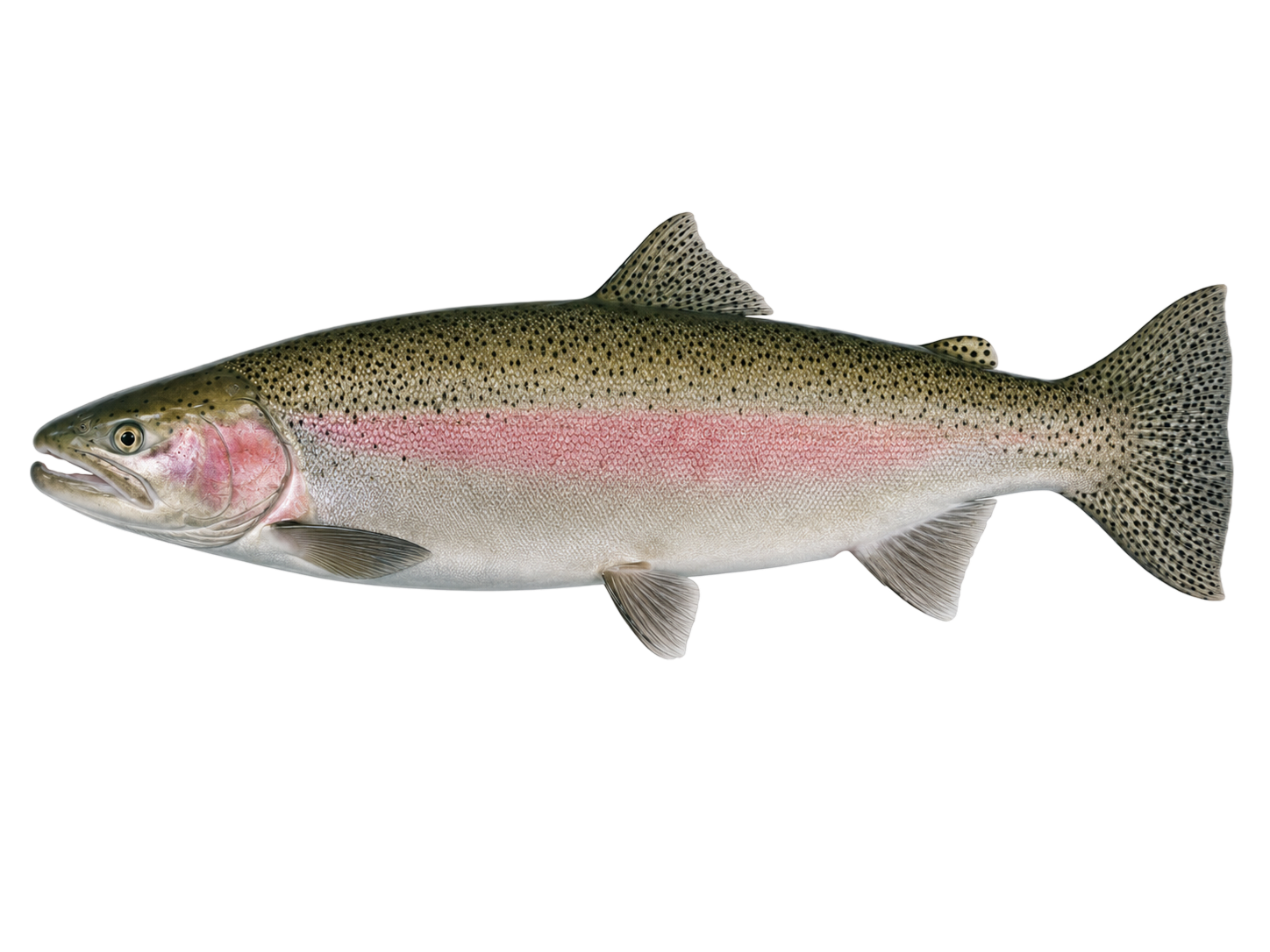
Rainbow Trout
Rainbow Trout
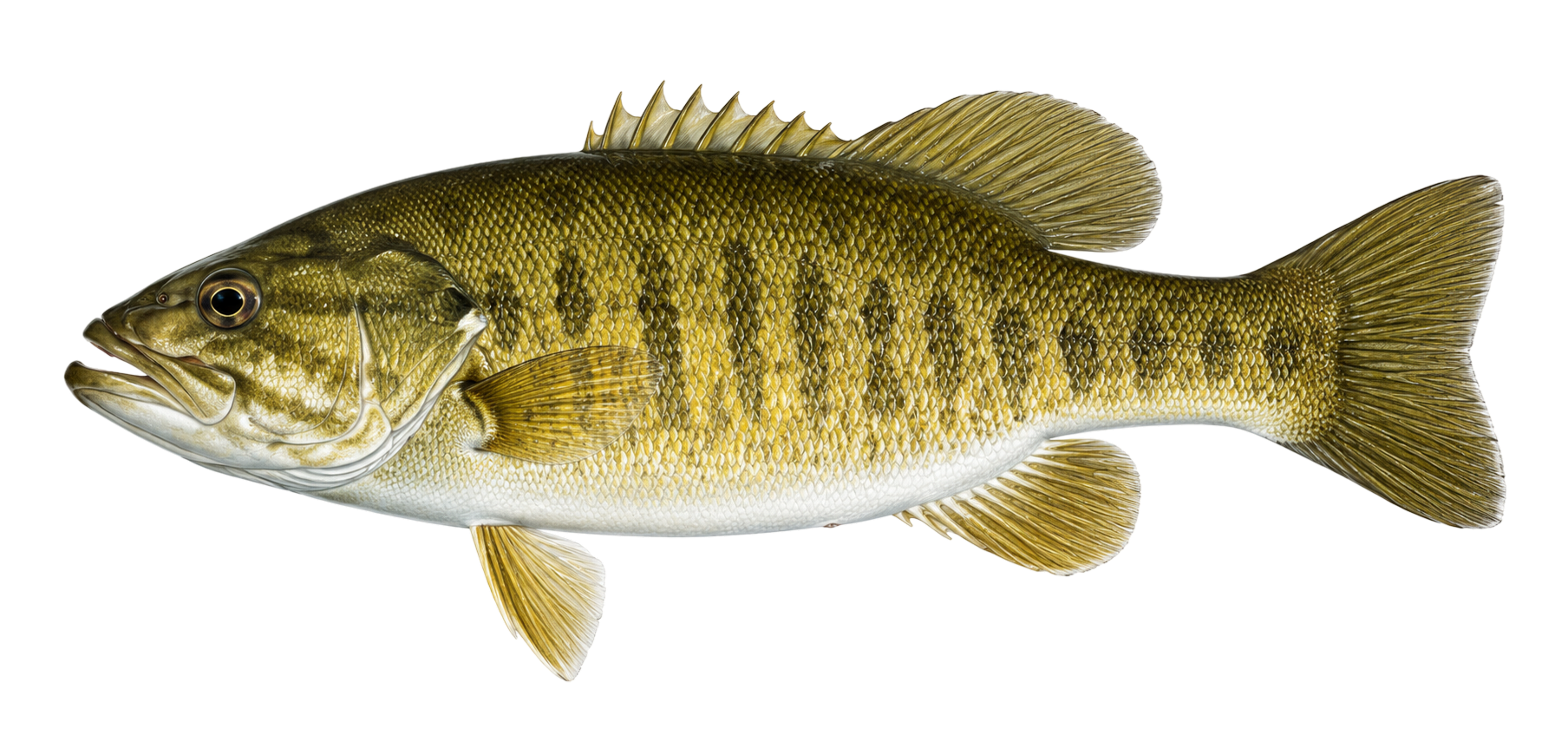
Smallmouth Bass
Smallmouth Bass
Steelhead
Steelhead
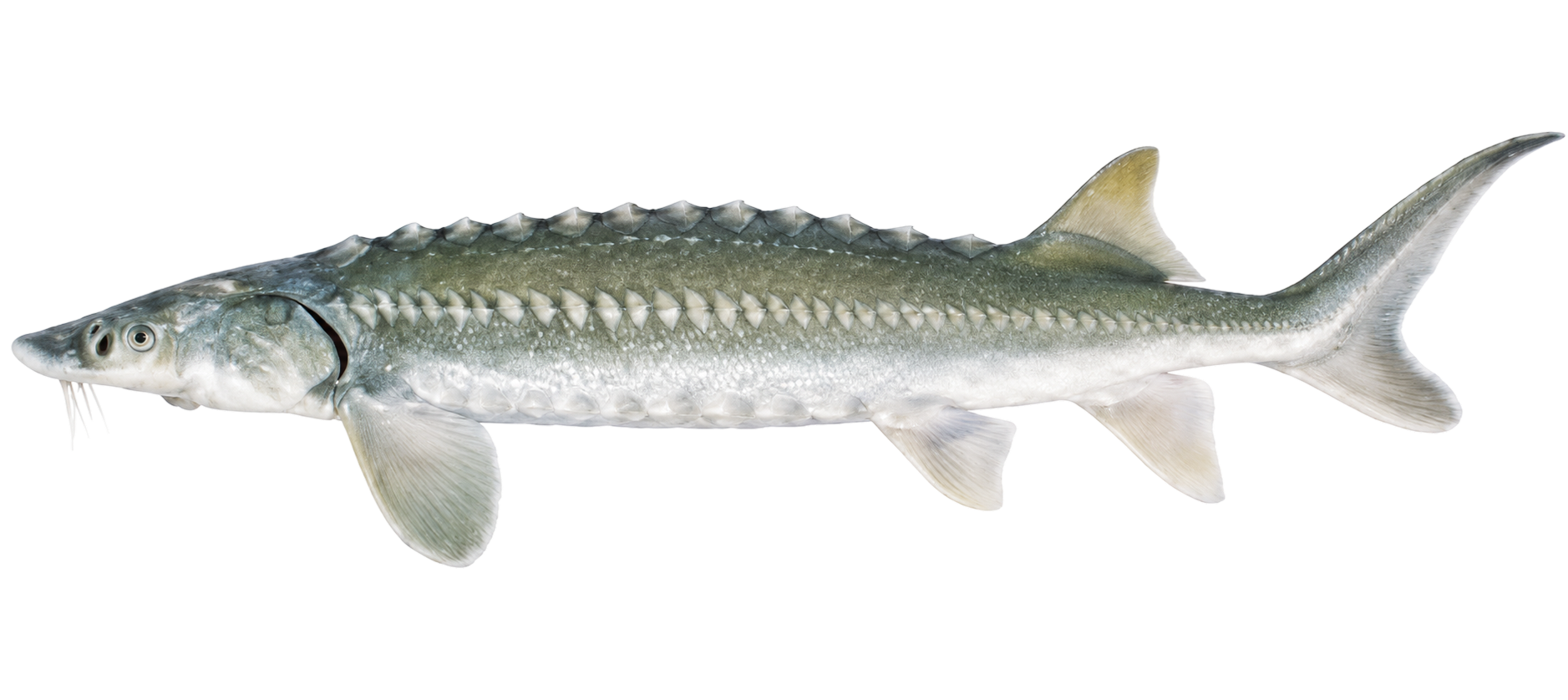
White Sturgeon
White Sturgeon
Yellowstone Cutthroat Trout

Crayfish Photos

Red Swamp
Pilose
Rusty
Signal
Virile

Documents

Documents

  • Guide to Idaho Crayfish

    Reference

    5.0 MB · guide-to-idaho-crayfish.pdf

    A comprehensive guide to the three types of crayfish found in Idaho watersheds - by Jim Ekins and Kim Holzer.

    Source: University of Idaho

    View PDF

On this page

OverviewLife CycleFly TyingWhere It HatchesFrom the PodcastFly PatternsAngler NotesIdentificationHabitatEaten ByPhotosDocuments

Share & plan

IDFG Planner

On this profile

  • 9 waters
  • 1 fly pattern
  • 14 predator species
  • 4 tying videos
  • 5 life stages

Explore

Browse all hatches & forage
SLF Prism
Fl. Chartreuse
Body
  • Sybai - Body Stretch4 mm - Golden OliveBack
  • Mono TippetApprox. 0.28 mmRibbing
  • Gulff ThinmanResin
  • Fish Skull - Shrimp & Cray TailMedium - GoldWeight