Barbless.coBarbless.co
  • Home
  • Map
  • Reports
  • Guides
  • Fish
  • Hatches
  • Podcast
Sign in
Barbless.co

The more you understand, the more there is to see.

  • IdahoLive
  • CaliforniaSoon

Explore

  • Map
  • Reports
  • Browse reports
  • By region

Waters

  • River search
  • Guides & outfitters

Learn

  • Fish species
  • Hatches & forage
  • Podcast

Company

  • About
  • Contact
  • Editorial policy
  • Releases
  • Legal

© 2026 Barbless.co. Flow and gauge data from USGS; weather from Open-Meteo. · v2026.10.18.2

  1. Home
  2. Hatches & Forage
  3. Mayflies
  4. Pink Albert

Updated August 25, 2026

← Back to map

Hatches › Mayfly

Mayfly

Pink Albert

Epeorus albertae · species

A western flatheaded mayfly that matters when trout key on pinkish mayfly duns and spinners.

Overview

Category

Mayfly

Category

Mayfly

Category

The insect or forage category for this profile.

Size

Generally medium mayfly range; fish imitations around #12–16 to match local naturals.

Size

Generally medium mayfly range; fish imitations around #12–16 to match local naturals.

Size

Typical size range anglers imitate on the water.

Key stages

Eggs, Nymph, Emerger, Dun / Adult, Spinner, Egg Laying Spinner, Spent Spinner

Key stages

Eggs, Nymph, Emerger, Dun / Adult, Spinner, Egg Laying Spinner, Spent Spinner

Key stages

Life stages most relevant to fly fishing this hatch or forage.

Water types

Freestone rivers, Riffled runs, Pocketwater streams

Water types

Freestone rivers, Riffled runs, Pocketwater streams

Water types

Water types where this bug or forage is commonly found.

About Pink Albert

Pink Albert is the angler name for Epeorus albertae, a species of flatheaded mayfly in the family Heptageniidae. It occurs across Canada, the western United States, and Alaska, making it a relevant hatch to know on Idaho freestone and riffled rivers.

Life Cycle

EggsNymphEmergerDun / AdultSpinnerEgg Laying SpinnerSpent Spinner
Stages
Egg, nymph, emerger, dun, spinner, egg-laying spinner, and spent spinner. As a mayfly, it begins as an aquatic nymph and ends with brief winged adult stages that can create focused dry-fly feeding.
Emergence cues
Look for activity in the broader mayfly season when water is warming and riffles come alive; hatches are often most noticeable from late morning into afternoon, with spinner activity commonly near lower light.
Behavior
Nymphs hold in current-facing positions on streambed structure. Emergers and duns are vulnerable as they leave fast water, and trout may switch hard to egg-laying or spent spinners when adults collect over riffles and seams.

Where It Hatches

Pink Albert

One species, multiple rivers.

RiverJANFEBMARAPRMAYJUNJULAUGSEPOCTNOVDEC
  • Henrys Fork of the Snake River
  • South Fork Boise River
  • South Fork Snake River

Angler Notes

Why it matters
When this hatch is on, trout can get selective to both the pink-toned adult and the vulnerable transition stages. Because it is a flatheaded mayfly from fast water, fish often feed where riffles soften into seams, slicks, and edges.
Imitation tips
Carry a simple progression: a slim clinger nymph, a soft-hackle or emerger, a pinkish upright dun, and a flush-floating spinner. Keep bodies lean, avoid overdressing the hackle, and match the overall rosy tone more than an exact shade.
Key life stages
NymphEmergerDun / AdultSpinnerSpent Spinner
Presentation
Start subsurface with short-drift nymphs through riffles and pocketwater. As adults appear, target seam lines and softer cushions with a dead-drift emerger or dun; if fish refuse high-riders, drop to a lower-floating or spent pattern and prioritize drag-free drifts.

Identification

Key features
A clinger-style mayfly with a flattened nymph built for fast current; adults are recognized by a slim mayfly profile and the soft pink-to-rose cast anglers associate with the hatch.
Size
Generally medium mayfly range; fish imitations around #12–16 to match local naturals.
Coloration
Nymphs are typically mottled and stream-camouflaged in tan, brown, or olive-brown tones; adults are usually pale to medium pink with lighter wings, while spinners often show a slightly richer rosy cast.
Similar bugs
Pale Morning DunFlavMahogany DunMarch Brown

Habitat

Water types
Freestone riversRiffled runsPocketwater streams
Substrate
Rocky bottoms, especially cobble and boulder structure where clinger nymphs can stay pinned in current.
Conditions
Clean, cool, well-oxygenated moving water with moderate to fast flow.

Eaten By

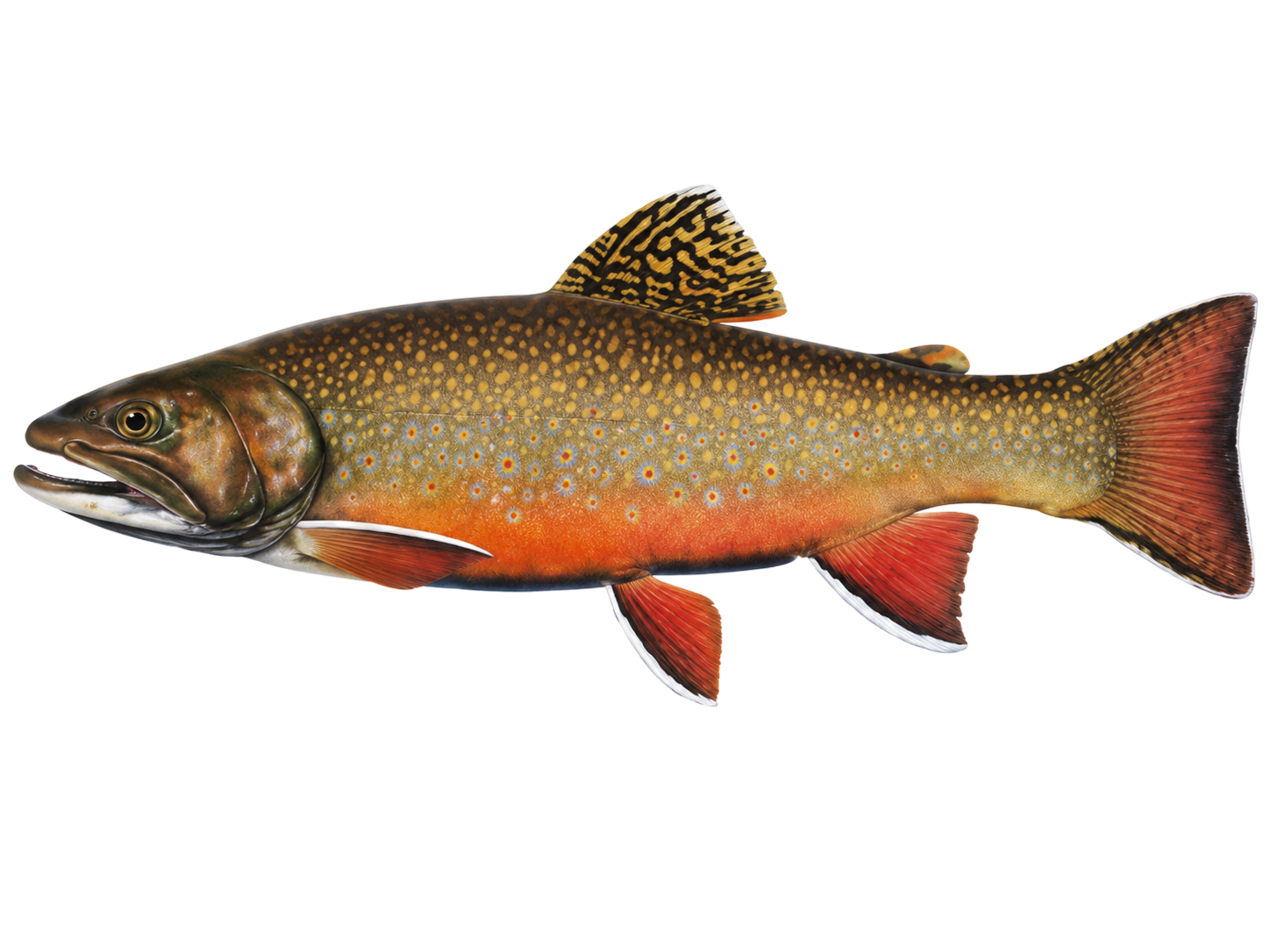
Brook Trout
Brook Trout
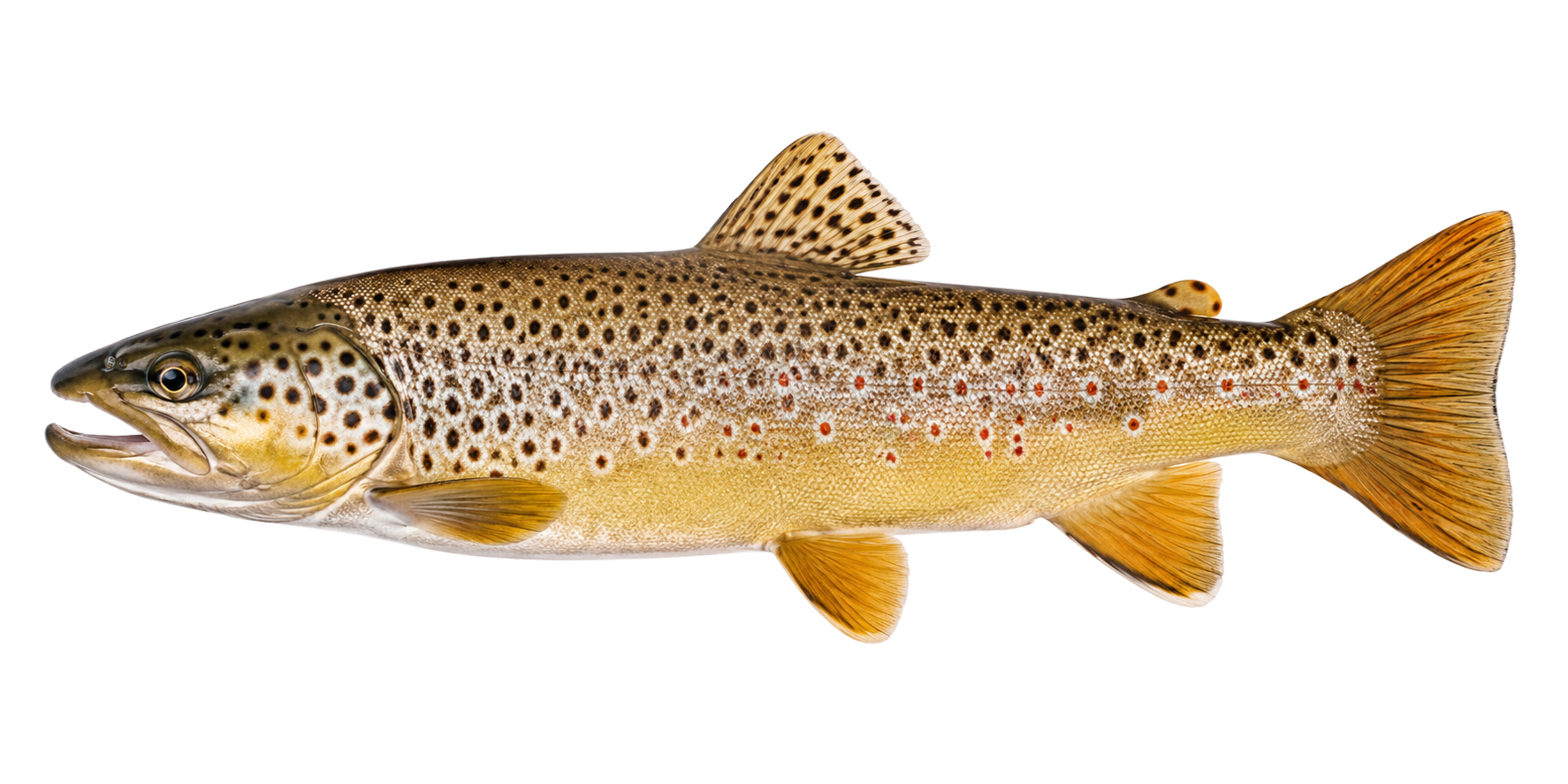
Brown Trout
Brown Trout
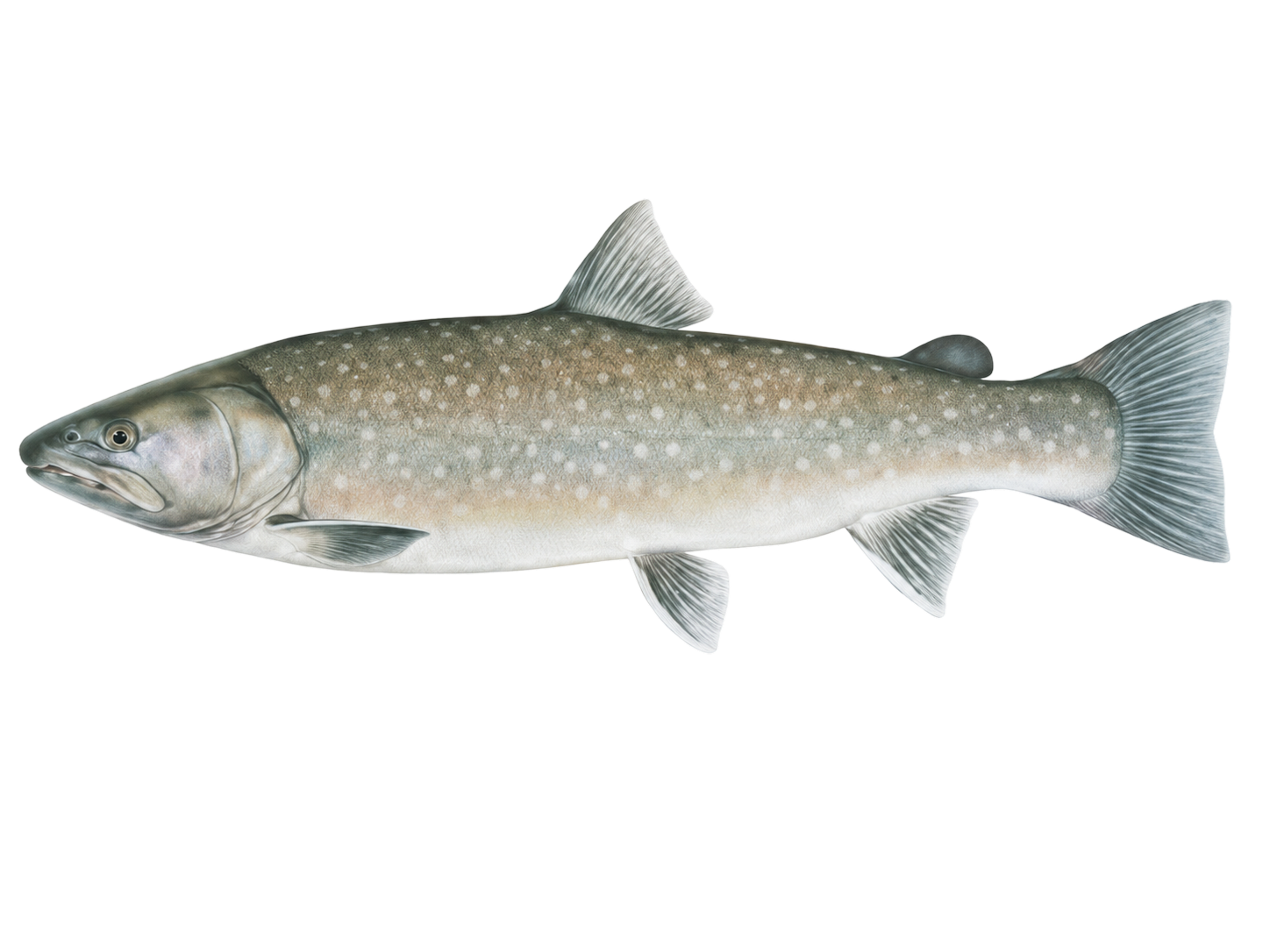
Bull Trout
Bull Trout
Cutbow Trout
Cutbow Trout
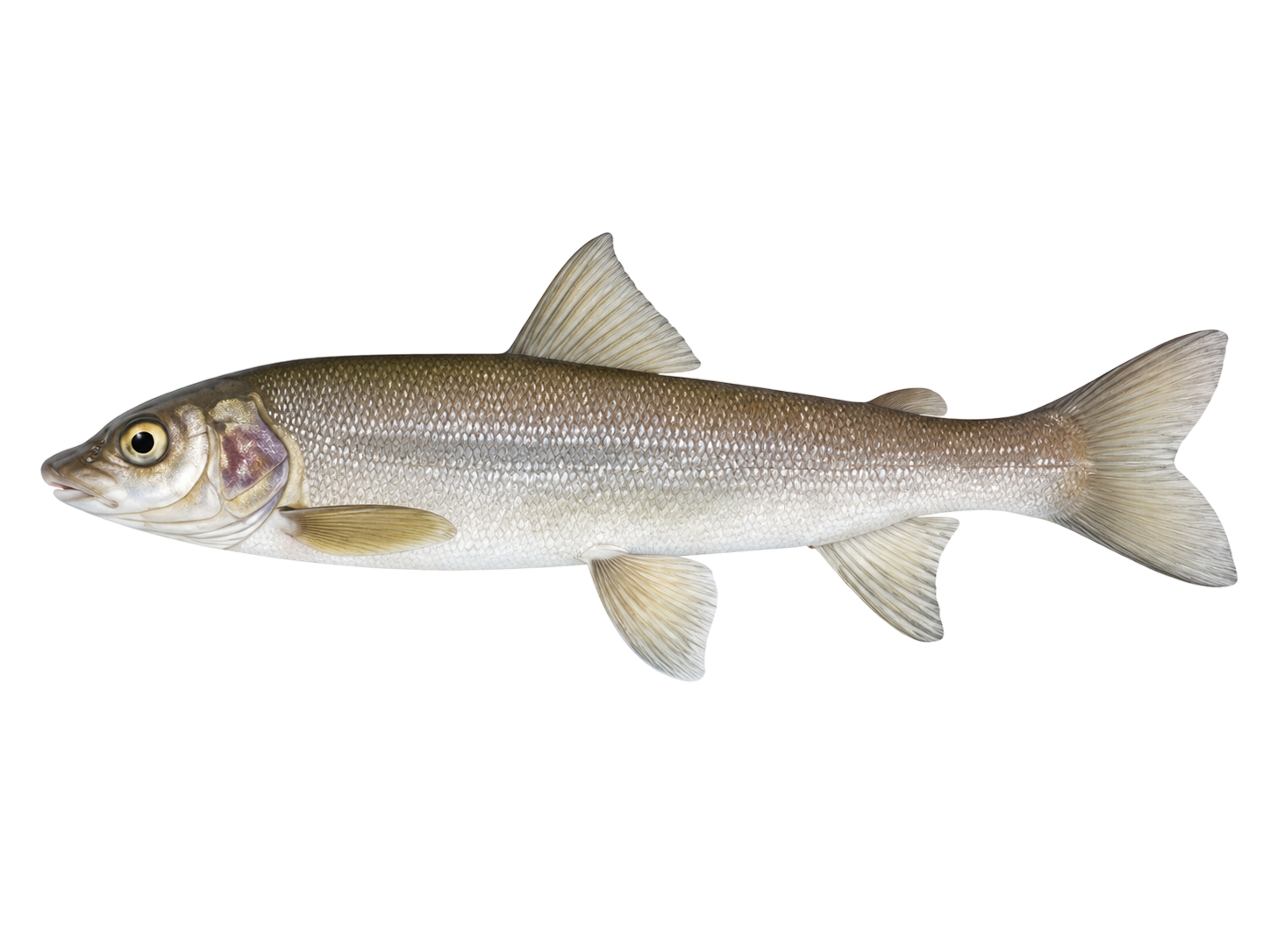
Mountain Whitefish
Mountain Whitefish
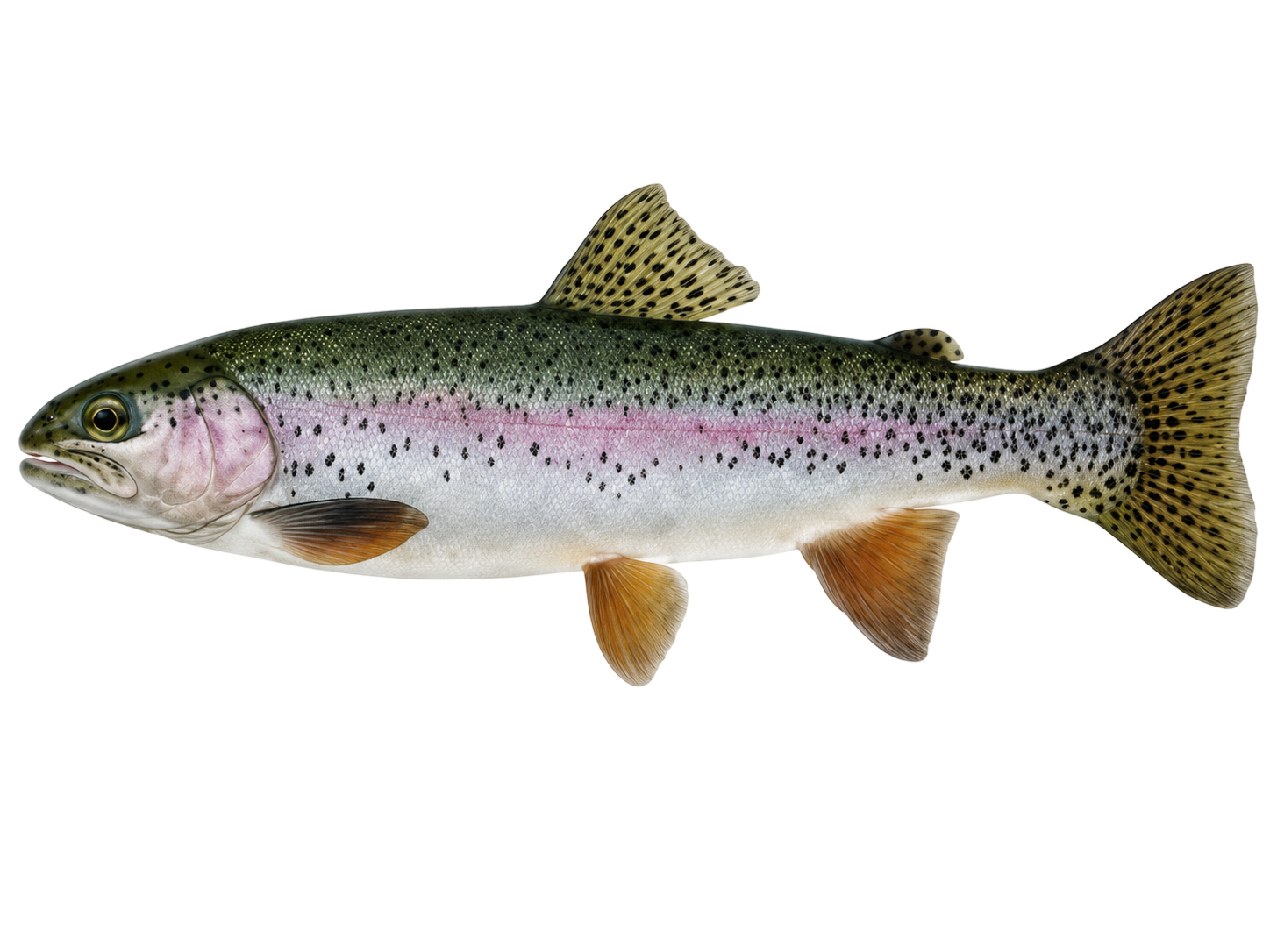
Rainbow Trout
Rainbow Trout
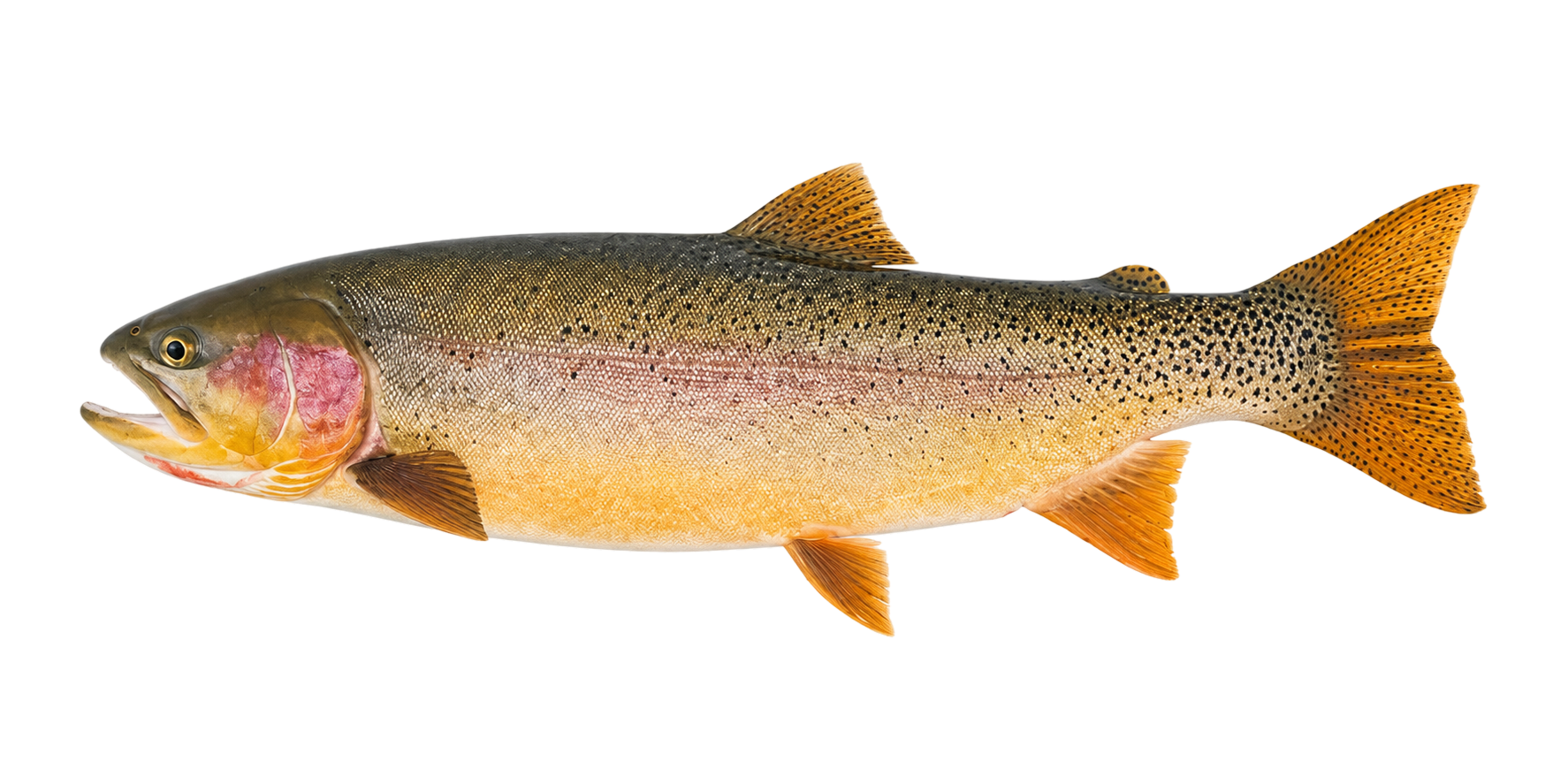
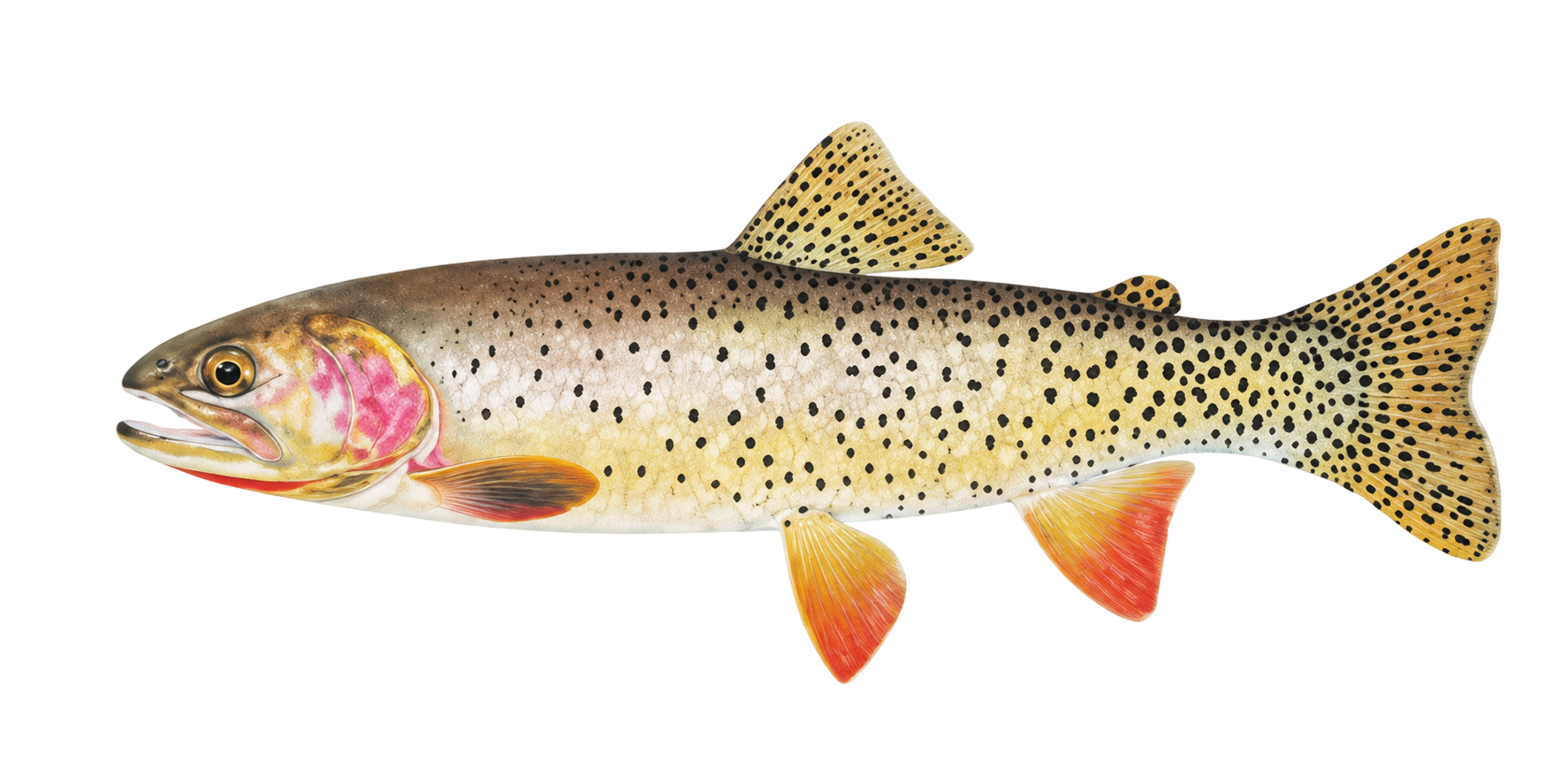
Yellowstone Cutthroat Trout

On this page

OverviewLife CycleWhere It HatchesAngler NotesIdentificationHabitatEaten By

Share & plan

IDFG Planner

On this profile

  • 3 waters
  • 7 predator species
  • 7 life stages

Explore

Browse all hatches & forage