Barbless.coBarbless.co
  • Home
  • Map
  • Reports
  • Guides
  • Fish
  • Hatches
  • Podcast
Sign in
Barbless.co

The more you understand, the more there is to see.

  • IdahoLive
  • CaliforniaSoon

Explore

  • Map
  • Reports
  • Browse reports
  • By region

Waters

  • River search
  • Guides & outfitters

Learn

  • Fish species
  • Hatches & forage
  • Podcast

Company

  • About
  • Contact
  • Editorial policy
  • Releases
  • Legal

© 2026 Barbless.co. Flow and gauge data from USGS; weather from Open-Meteo. · v2026.10.18.2

  1. Home
  2. Hatches & Forage
  3. Mayflies
  4. Gray Drake

Updated July 20, 2026

← Back to map
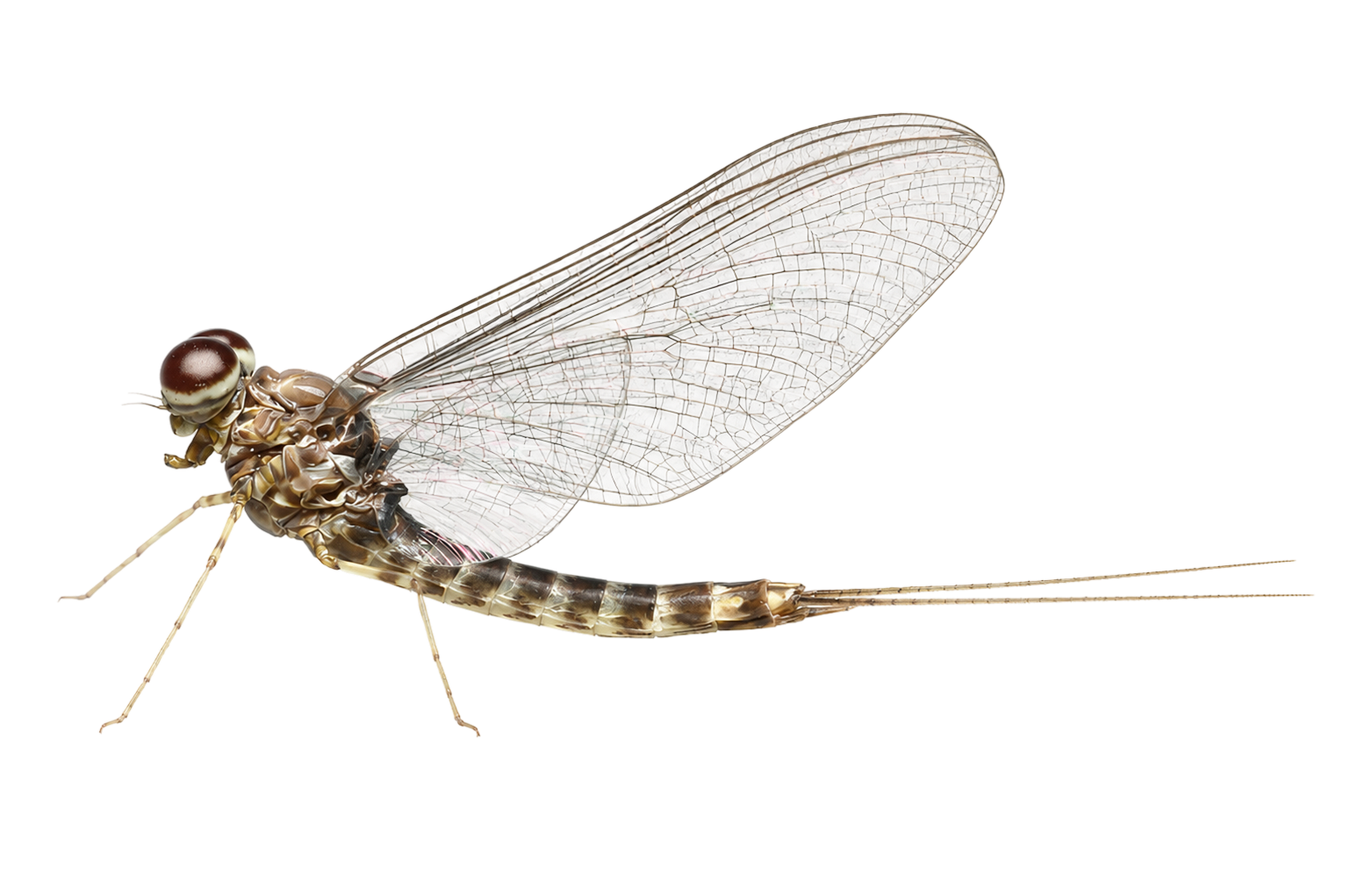
Gray Drake, Adult
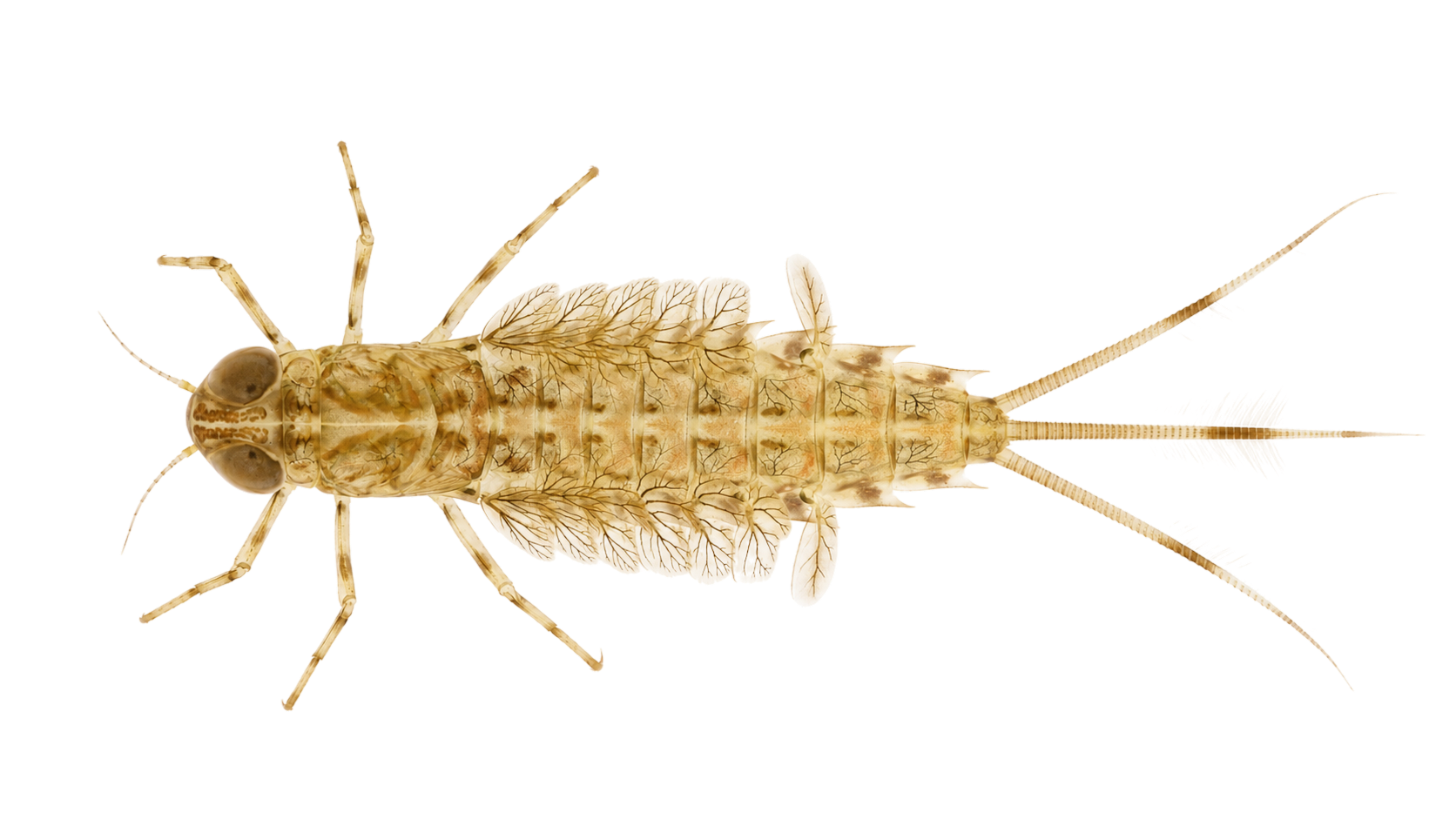
Gray Drake, Nymph
Adult

Hatches › Mayfly

Mayfly

Gray Drake

Siphlonurus · genus

Gray Drakes are big, primitive minnow mayflies that give trout a highly visible mayfly meal.

Overview

Category

Mayfly

Category

Mayfly

Category

The insect or forage category for this profile.

Size

Generally a larger mayfly impression; common fly patterns are often tied around sizes 10-14.

Size

Generally a larger mayfly impression; common fly patterns are often tied around sizes 10-14.

Size

Typical size range anglers imitate on the water.

Key stages

Eggs, Nymph, Emerger, Dun / Adult, Spinner, Egg Laying Spinner, Spent Spinner

Key stages

Eggs, Nymph, Emerger, Dun / Adult, Spinner, Egg Laying Spinner, Spent Spinner

Key stages

Life stages most relevant to fly fishing this hatch or forage.

Water types

rivers, streams, lakes, pond margins, slow backwaters

Water types

rivers, streams, lakes, pond margins, slow backwaters

Water types

Water types where this bug or forage is commonly found.

About Gray Drake

Siphlonurus is a genus of mayflies in the family Siphlonuridae, a group often called primitive minnow mayflies. For anglers, Gray Drakes matter as larger-profile mayflies that can be imitated effectively in nymph, emerger, dun, and spinner stages.

Also known as: Grey Drake

Life Cycle

Mayflies undergo a fascinating life cycle, spending the majority of their time underwater as nymphs before briefly emerging as adults to reproduce and lay eggs. Anglers will find different stages of the mayfly to be important food sources for fish throughout the season.
Eggs

Eggs

Female mayflies deposit hundreds to thousands of eggs either in or near the water. These eggs then sink to the stream bed, where they will hatch.

nymph

nymph

Mayfly nymphs reside on the streambed, where they feed and grow. This aquatic stage involves numerous molts before they mature.

emerger

emerger

As the nymph matures, it rises to the water's surface, where it begins the process of hatching into its adult form.

Dun / Adult

Dun / Adult

The freshly emerged adult, known as a dun, rests temporarily on or just above the water surface before its final molt.

spinner

spinner

After their final molt, fully matured adult mayflies, now called spinners, take to the air to mate and complete their reproductive cycle.

Egg Laying Spinner

Egg Laying Spinner

The female spinner returns to the water's surface specifically to deposit her eggs, initiating the next life cycle.

Spent Spinner

Spent Spinner

Once egg-laying is complete, the adult mayflies die and often drift on the water's surface, making them an easy meal for fish.

Stages
Anglers commonly fish the nymph, emerger, dun, and spinner stages.
Emergence cues
Look for activity in the broader spring-to-summer window, especially during mild conditions when mayflies begin showing on the surface; low light and calmer periods can concentrate emergence or spinner activity.
Behavior
Nymphs are available subsurface until emergence. Emerging insects pause in or just under the film, duns ride the surface before flying off, and spent spinners can fall flat and collect in softer surface lanes.

How to Tie Gray Drake Patterns

nymph

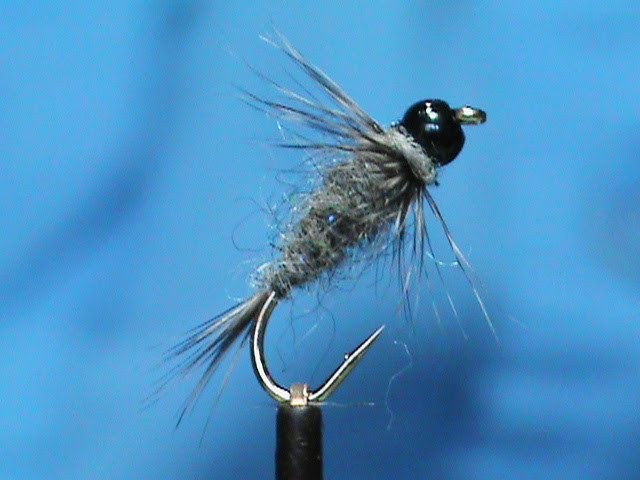
Beginner Fly Tying a Grey Nymph with Jim Misiura

Jim Misiura

Materials

  • HookStd 2xl Nymph #12 - #18
  • BeadMatch Hook Size
  • ThreadBlack
  • TailGrizzly Hackle
  • BodyGrey Dubbing (Natural Preferred)
  • HackleGrizzly

emerger

Fly Tying the Lord Gray (AP Nymph Pattern)

Savage Flies

Materials

  • Hook#12-181x long nymph
  • ThreadGray
  • TailPartridge fibers
  • RibSilver wire
  • BodySquirrel dubbing
  • WingcasePartridge fibers
  • ThoraxSquirreldarker than body
  • HacklePartridge

spinner

Muskegon Gray Drake Spinner (Updated)

George Leonardos

Materials

  • Hook#10 - extra long
  • Uni thread#6SOT black
  • WireExtra fine gold
  • DubbingBlack, for body and thorax
  • Hackle fibersVariegated, stiff, about the length of the hook

Egg Laying Spinner

Foam Body Gray Drake: Dry Fly Tying Tutorial

Caddis Fly Angling Shop

Materials

  • HookSize 12Tiemco 100
  • ThreadSemperfli Nanosilk 50 Denier - black
  • Elk HairNature’s Spirit Elk Hair - tail, black
  • Foam2mmHareline 2mm Fly - Grey, Abdomen
  • Mono.2Veevus Mono - Black, Abdomen
  • Wing MaterialMontana Fly Company Widow’s Web, Smoke
  • UV ResinSolarez Bone Dry
  • DubbingHareline Micro Fine Dubbing, Trico, Thorax

Spent Spinner

Muskegon Gray Drake Spinner (Updated)

George Leonardos

Materials

  • Hook#10 extra long
  • Thread6/0Uni SOT Black
  • WireGold, extra fine
  • DubbingBlack, for body and thorax
  • HackleVariegated hackle fibersstiff, about the length of the hook

Where It Hatches

Gray Drake

One species, multiple rivers.
RiverJANFEBMARAPRMAYJUNJULAUGSEPOCTNOVDEC
  • Henrys Fork of the Snake River
  • South Fork Snake River

Fly Patterns

  • Gray Drake Dry#10-12

Angler Notes

Why it matters
Gray Drakes are worth noticing because they offer trout a larger mayfly target, and fish often key on them confidently when insects are trapped in the film or collecting on calmer water.
Imitation tips
Carry a simple progression: a larger mayfly nymph, a floating emerger, a comparadun or traditional dun with gray tones, and a low-riding spinner. Match the general gray-brown silhouette and size before worrying about fine color details.
Key life stages
nymphemergerdunspinner
Presentation
Dead-drift nymphs near softer edges and transitions, then switch to emergers or duns when surface activity starts. For spinner falls, use a quiet, drag-free drift over slicks, eddies, and gentle seams where spent insects gather.

Identification

Key features
A relatively large, slender mayfly with an elongated body, upright wings as a dun, and long tails; overall profile is more substantial than many small mayflies trout see daily.
Size
Generally a larger mayfly impression; common fly patterns are often tied around sizes 10-14.
Coloration
Usually matched with gray to smoky wings and a gray-brown to olive-brown body, with spinners often appearing a bit clearer and darker in silhouette.
Similar bugs
Green DrakeBrown DrakeMarch BrownMahogany Dun

Habitat

Water types
riversstreamslakespond marginsslow backwaters
Substrate
Weedy areas, soft bottoms, and slower margins or flats where nymphs can develop away from heavy main-current churn.
Conditions
Most relevant where there is moderate to slow water, soft current seams, or stillwater edges that allow emergers, duns, and spinners to linger.

Eaten By

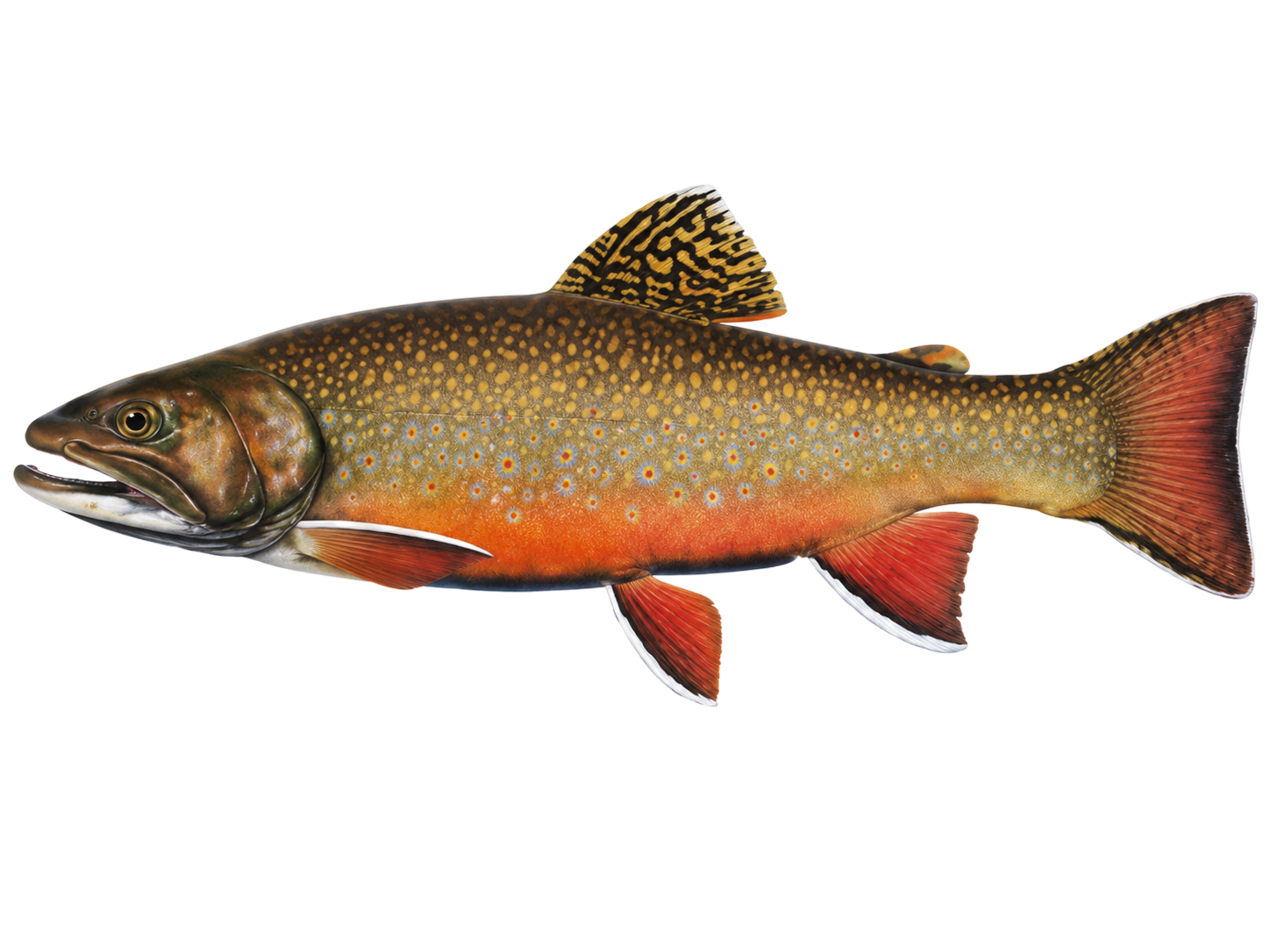
Brook Trout
Brook Trout
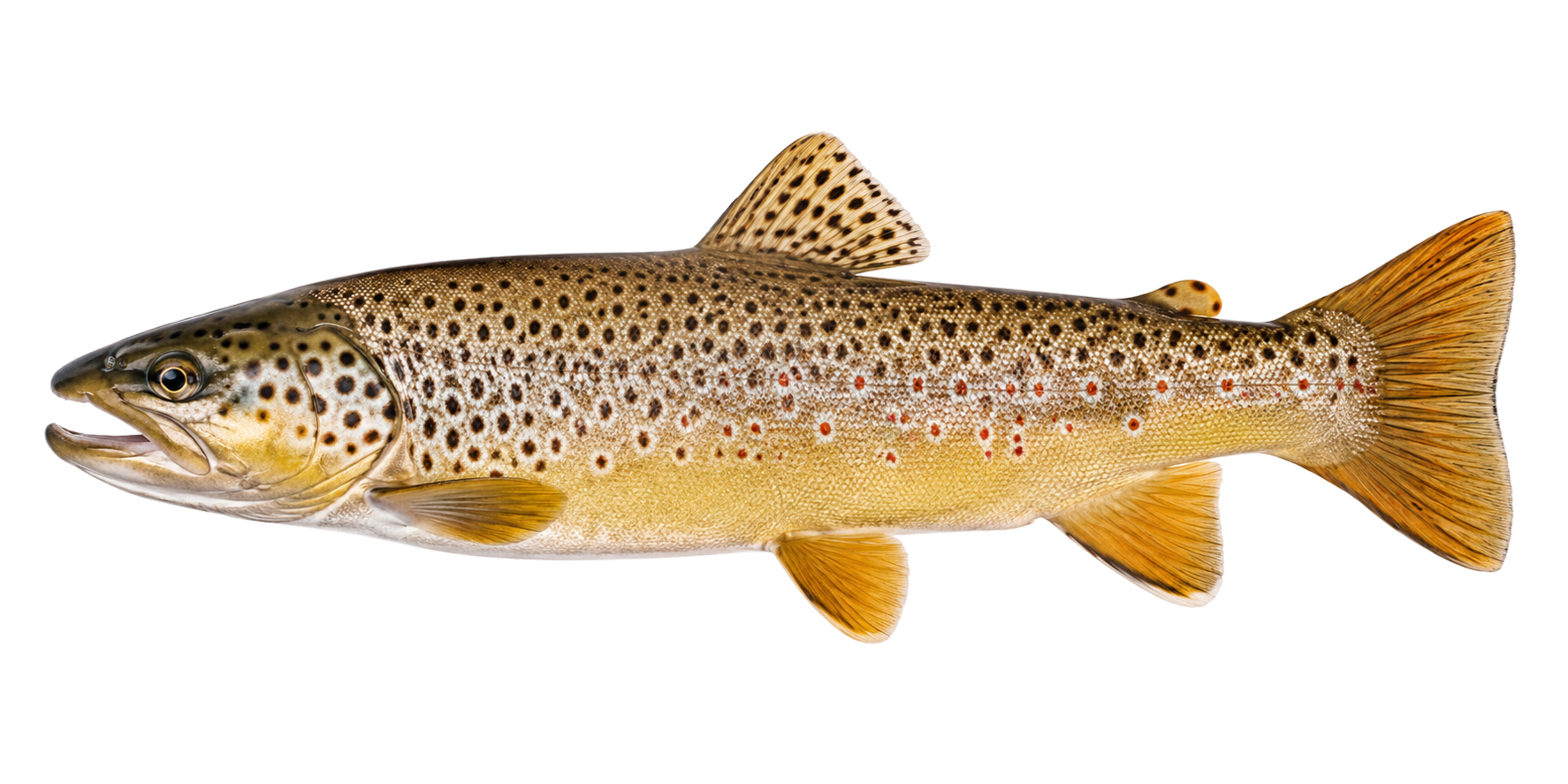
Brown Trout
Brown Trout
Cutbow Trout
Cutbow Trout
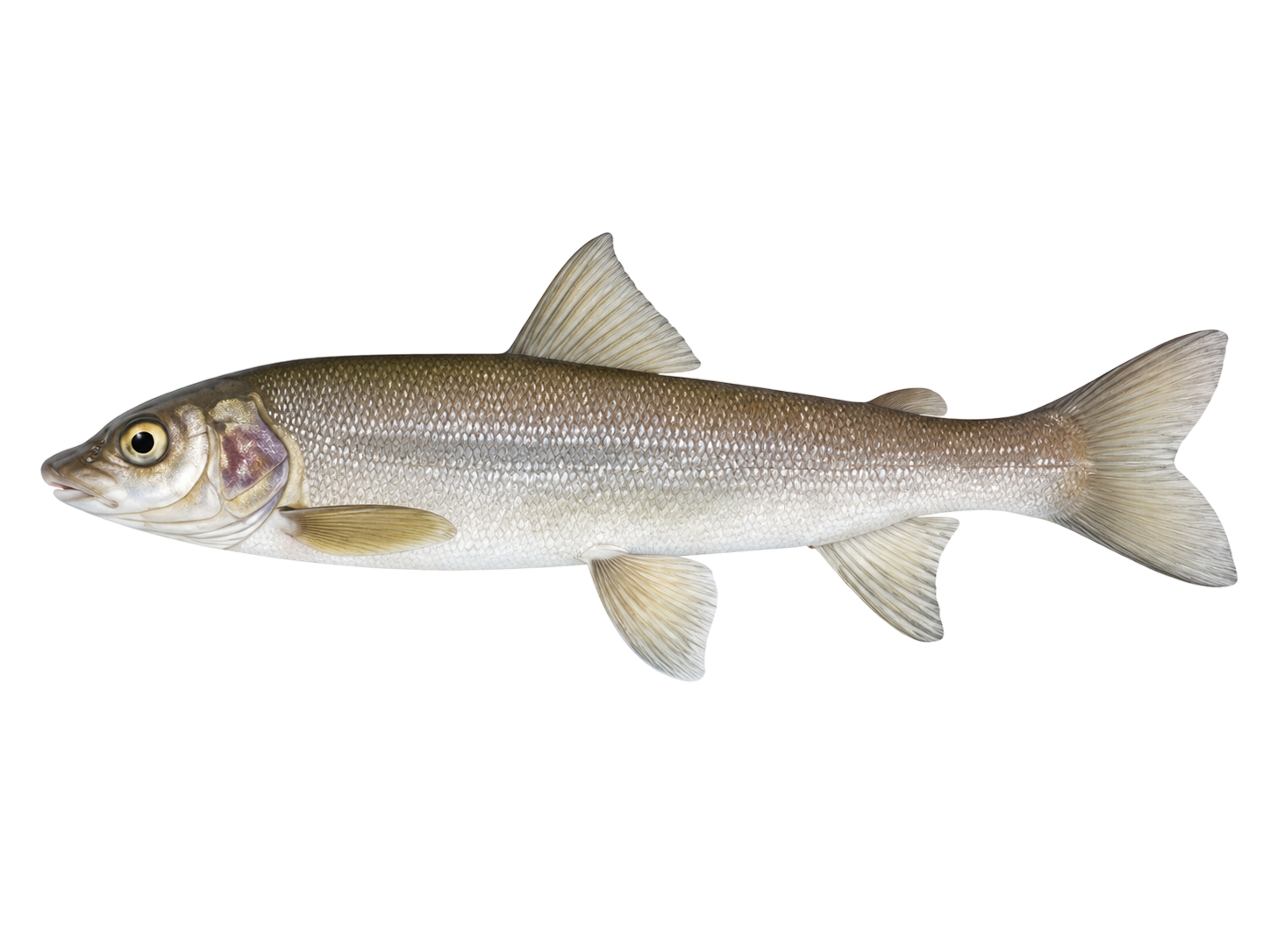
Mountain Whitefish
Mountain Whitefish
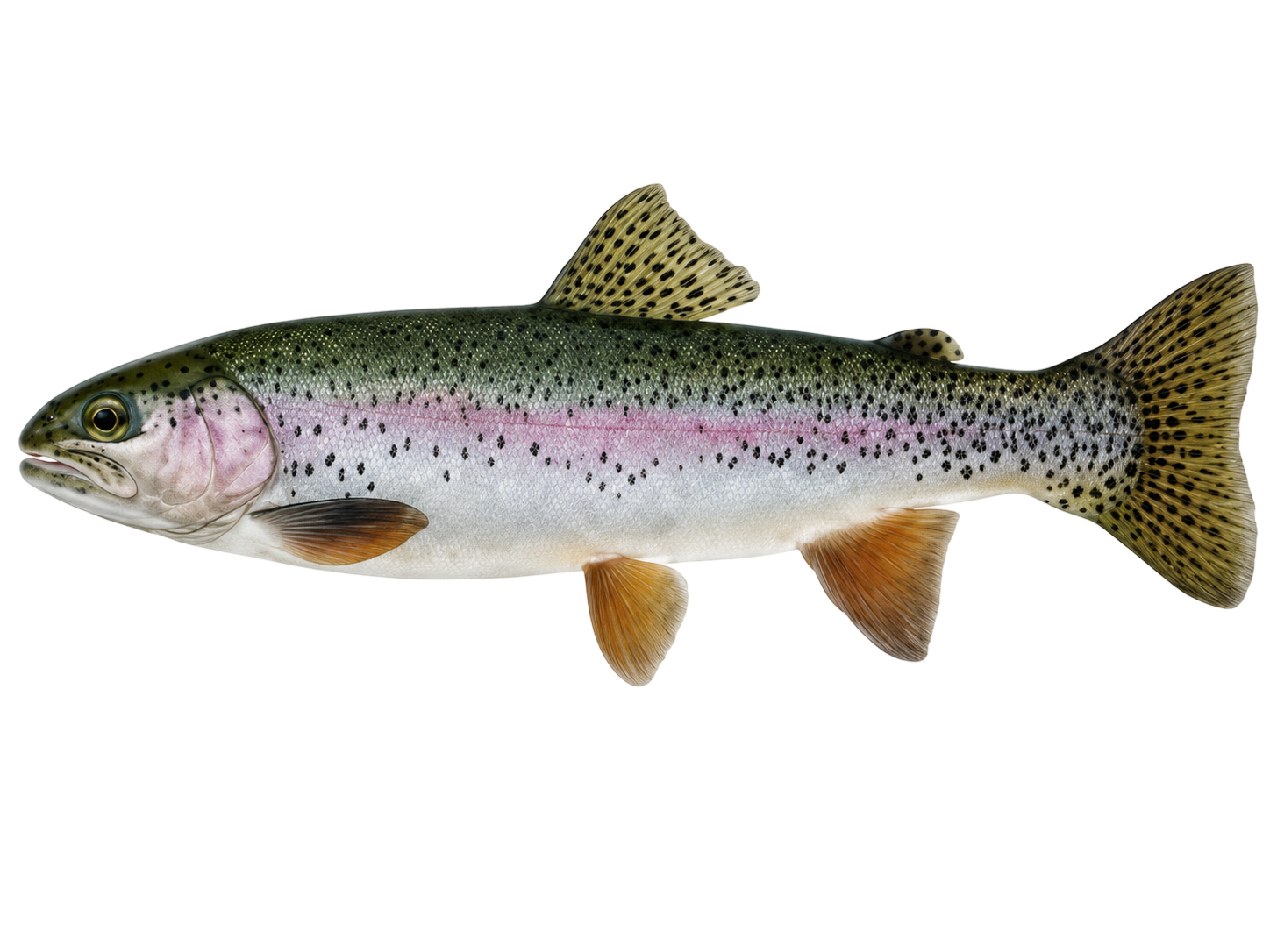
Rainbow Trout
Rainbow Trout
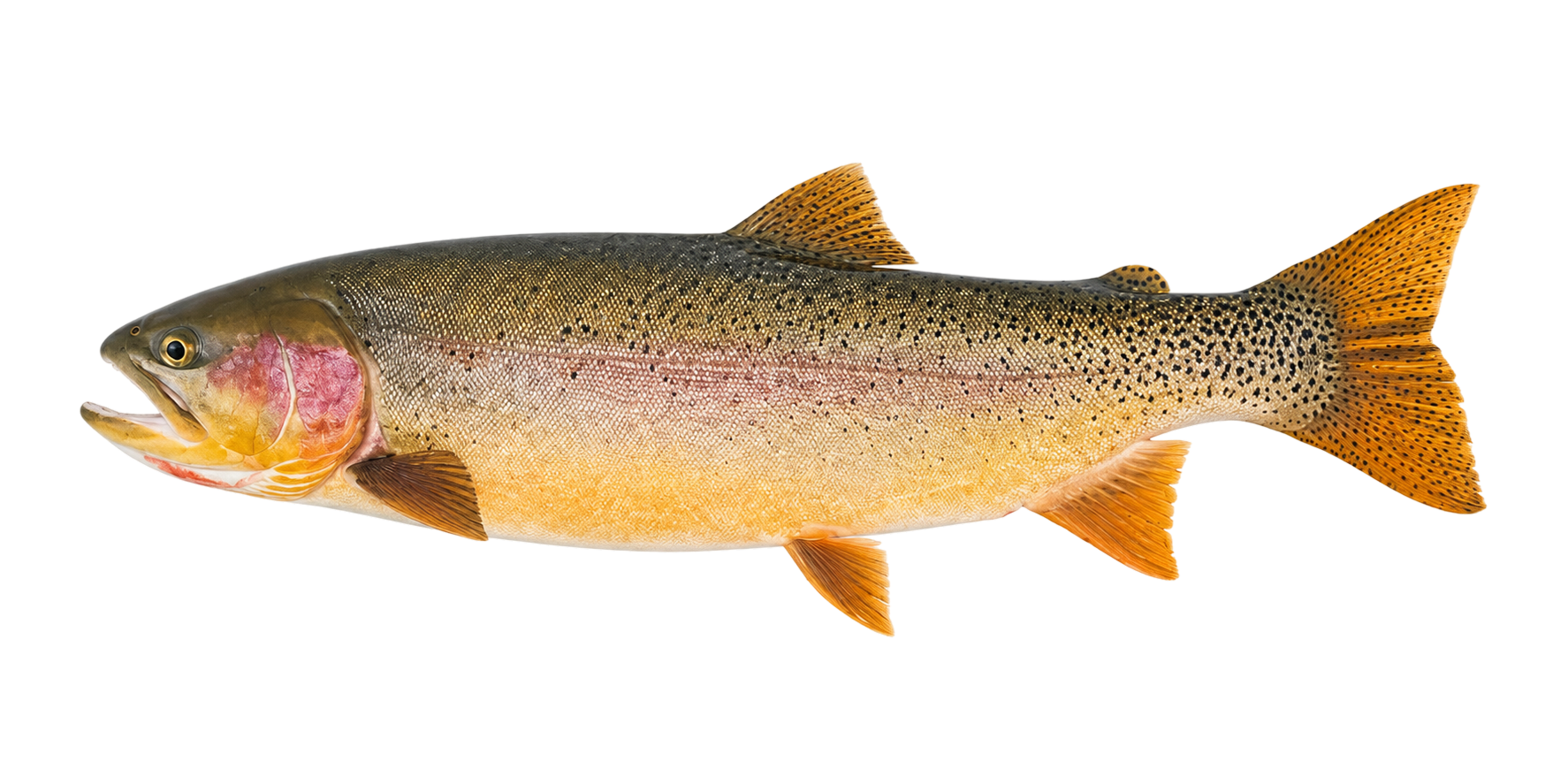
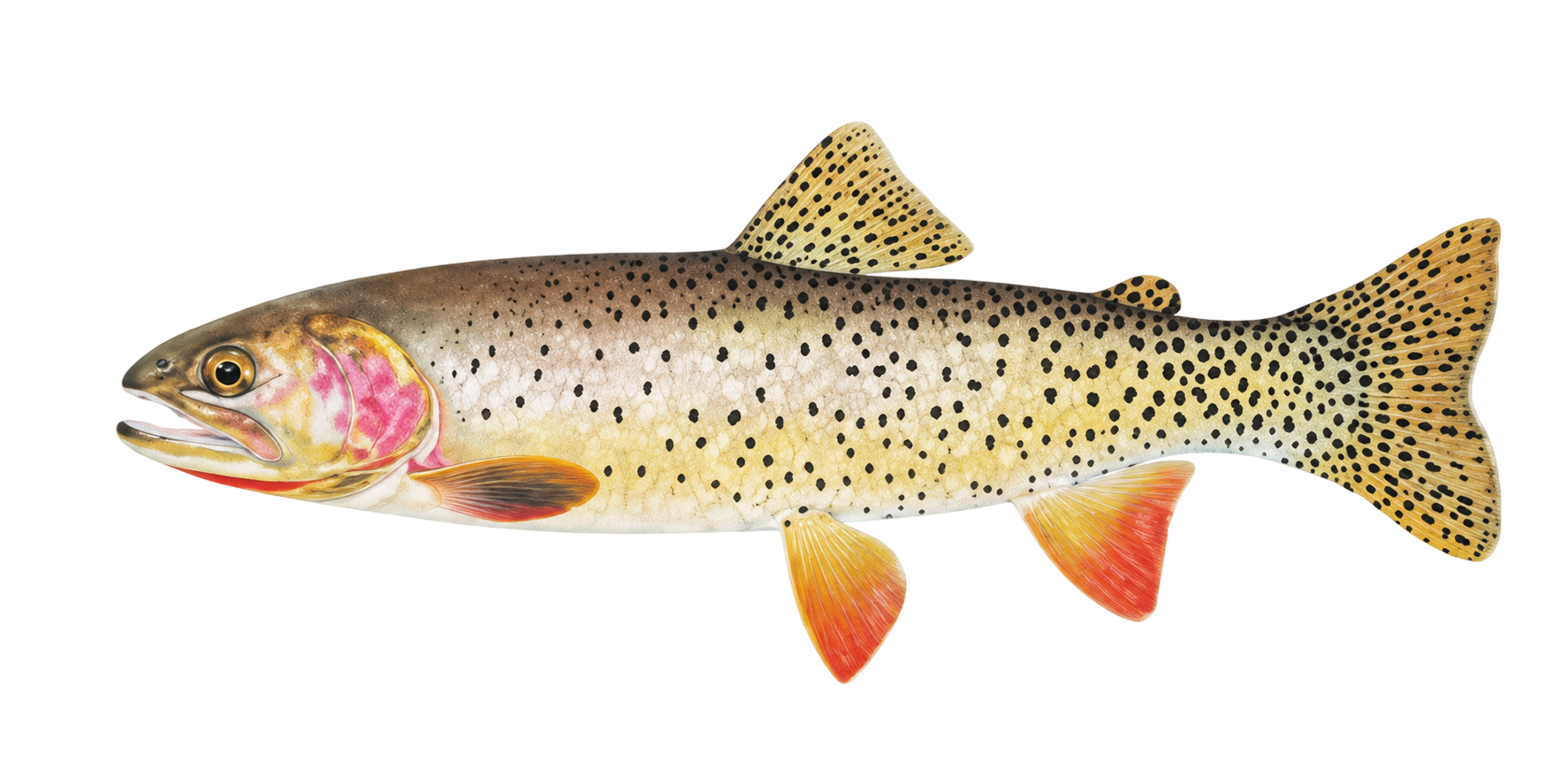
Yellowstone Cutthroat Trout

Gray Drake Photos

Adult
Nymph

On this page

OverviewLife CycleFly TyingWhere It HatchesFly PatternsAngler NotesIdentificationHabitatEaten ByPhotos

Share & plan

IDFG Planner

On this profile

  • 2 waters
  • 1 fly pattern
  • 6 predator species
  • 5 tying videos
  • 7 life stages

Explore

Browse all hatches & forage
Hackle
Whiting Grizzly Cape