Barbless.coBarbless.co
  • Home
  • Map
  • Reports
  • Guides
  • Fish
  • Hatches
  • Podcast
Sign in
Barbless.co

The more you understand, the more there is to see.

  • IdahoLive
  • CaliforniaSoon

Explore

  • Map
  • Reports
  • Browse reports
  • By region

Waters

  • River search
  • Guides & outfitters

Learn

  • Fish species
  • Hatches & forage
  • Podcast

Company

  • About
  • Contact
  • Editorial policy
  • Releases
  • Legal

© 2026 Barbless.co. Flow and gauge data from USGS; weather from Open-Meteo. · v2026.10.18.2

  1. Home
  2. Hatches & Forage
  3. Damselflies & Dragonflies
  4. Damselfly

Updated July 15, 2026

← Back to map
Damselfly

Hatches › Damsel / Dragonfly

Damsel / Dragonfly

Damselfly

Zygoptera · suborder

Slim, active stillwater bugs whose swimming nymphs and fluttering adults can pull hard takes.

Overview

Category

Damsel / Dragonfly

Category

Damsel / Dragonfly

Category

The insect or forage category for this profile.

Size

Nymphs and adults are generally medium to large compared with many trout insects; adults are long and thin rather than bulky.

Size

Nymphs and adults are generally medium to large compared with many trout insects; adults are long and thin rather than bulky.

Size

Typical size range anglers imitate on the water.

Key stages

Egg, Nymph, Emergence, Adult

Key stages

Egg, Nymph, Emergence, Adult

Key stages

Life stages most relevant to fly fishing this hatch or forage.

Water types

Ponds, Lakes, Slow rivers, Backwaters, Wetlands

Water types

Ponds, Lakes, Slow rivers, Backwaters, Wetlands

Water types

Water types where this bug or forage is commonly found.

About Damselfly

Damselflies are predatory insects in the suborder Zygoptera, related to dragonflies but smaller and slimmer. Their nymphs are aquatic in fresh water, and both nymphs and adults actively hunt other insects, making them a dependable food source for trout where they are abundant.

Also known as: Damsel

Life Cycle

Damselfly eggs are laid on aquatic plants, hatching into predatory nymphs (naiads) that live underwater, serving as an important food source for fish. When mature, the nymph emerges from the water, shedding its skin to become a slender, narrow-winged adult damselfly.
Egg

Egg

Female damselflies deposit their eggs on or within aquatic plants, typically in or near water.

nymph

nymph

Eggs hatch into aquatic nymphs, also called naiads. These underwater creatures are fierce predators and an important food source for fish.

Emergence

Emergence

When ready, the naiad climbs out of the water. Its exoskeleton splits open, allowing the adult damselfly to emerge.

adult

adult

Adult damselflies are agile fliers with slender bodies and narrow wings. They complete the reproductive cycle before dying.

Stages
Anglers mainly imitate the aquatic nymph and the winged adult. Nymphs molt repeatedly underwater, then climb out on emergent vegetation or structure for the final molt into the adult.
Emergence cues
Most important during the warmer part of the season, especially when shallow water warms and adults are active around vegetation; emergence often shows best in calm, brighter parts of the day.
Behavior
Both stages are predators. Nymphs move with purposeful swimming and crawling through cover before migrating toward shore to emerge; adults fly, perch, mate, and females lay eggs in or near aquatic plants.

How to Tie Damselfly Patterns

nymph

Tie This AMAZING Nymph For BIG Fish! Damsel Nymph - Fly tying tutorial

Fliesbyaspeen

Materials

  • Ahrex FW530Size 8
  • Troutline Sumo PowerWhite
  • Dumbell Bead2.8mmblack nickle
  • Semperfli Wire0.3mmMarch Brown
  • MarabouSculpin Olive Nature Spirit
  • Senyo's Laser DubOlive (for Base Head)
  • SWISS CDCLight Brown (for Body)
  • Schlappen GrizzlyOlive (for Body)
  • Schlappen GrizzlyOlive (for Collar)
  • SWISS CDCLight Brown (for Head)
  • Schlappen GrizzlyOlive (for Head)

Emergence

Damsel Fly Emerger Fly Tying Tutorial

Joe Penich Custom Flies

Materials

  • Hook147Tiemco 300
  • Thread18/0Semperfl nano silk, white
  • Lead wire.010 Dia.6 to 8 turns at the thorax
  • Peacock herl strands3tips (for tail)
  • Silk flossfor body
  • Oval tinselFine (for rib)
  • Scud back1/8 "for wingcase
  • Hare's Ear dubbingfor thorax dubbing

adult

Tying an Adult Damsel Fly by Davie McPhail

Davie McPhail

Materials

  • Hooksize 10Fulling Mill Short Shank Special
  • Thread8/0 BlackUni
  • BodyLight Blue Closed Cell Foam
  • WingsWhite Cock Hackle Points/Tips
  • LegsDyed Black Pre-Knotted Pheasant Tail Fibres
  • Thorax CoverBlue Closed Cell Foam
  • HackleDyed Blue Badger Cock
  • ThoraxUV Blue Diamond-Brite Dubbing

Where It Hatches

Damselfly

One species, multiple rivers.

RiverJANFEBMARAPRMAYJUNJULAUGSEPOCTNOVDEC
  • Silver Creek

Fly Patterns

  • Damsel Nymph#10-14

Angler Notes

Why it matters
Damselfly nymphs are bigger than many aquatic insects, easy for trout to see, and often move through shallow water in ways that trigger aggressive takes. Adults can matter too when fish patrol weed beds or shorelines for egg-layers and crippled insects.
Imitation tips
Fish slim, mobile patterns in olive, tan, green, or blue-tinged shades. Keep the profile narrow and lively rather than bushy; for adults, use a delicate, elongated silhouette with wings tight to the body.
Key life stages
nymphadult
Presentation
For nymphs, use slow hand-twist or short strips with pauses to suggest steady swimming near weeds, shoals, and edges. For adults, present near shoreline vegetation or over weed beds with a gentle, subtle drift or light twitch.

Identification

Key features
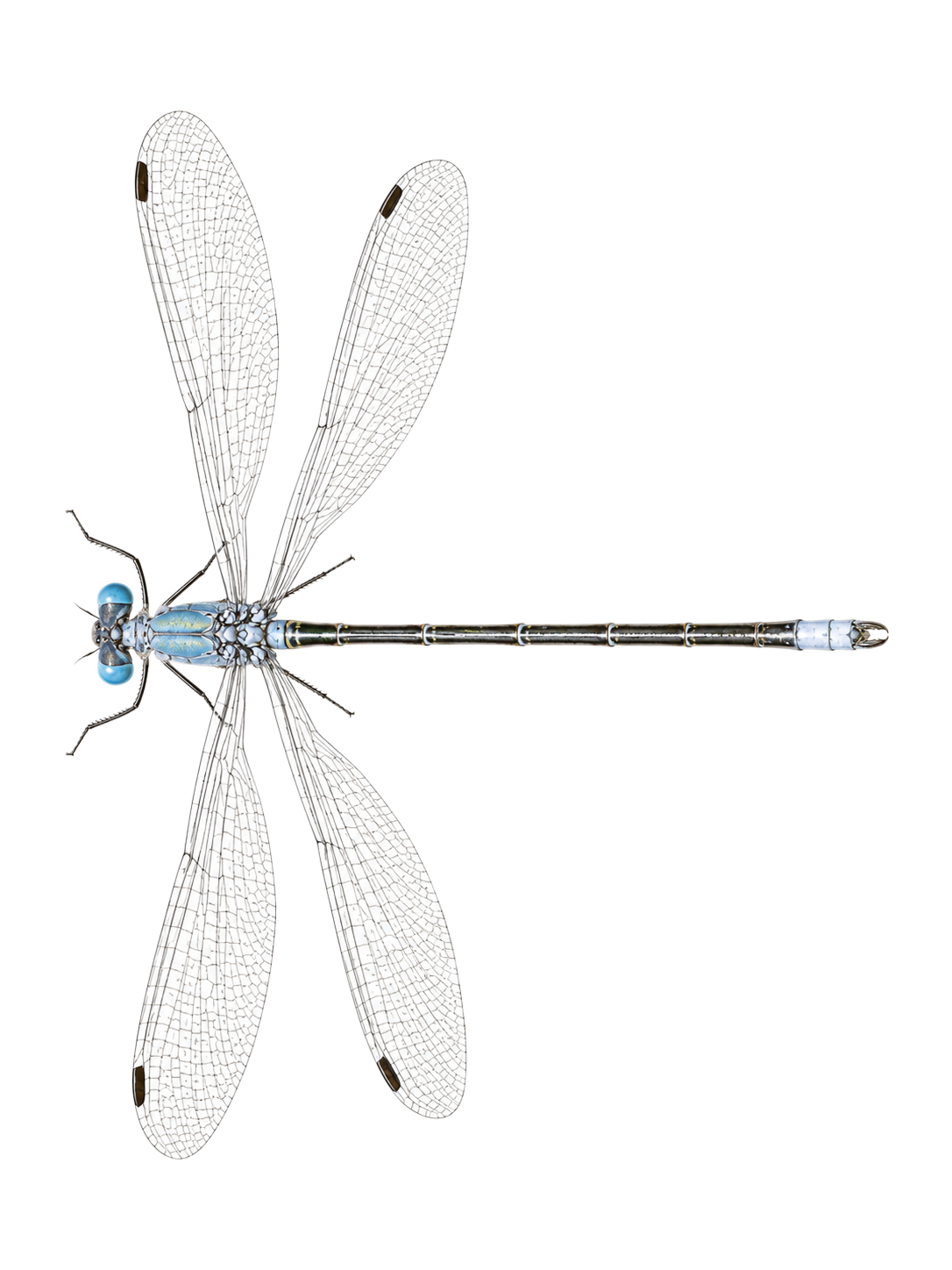
Look for a slender body, large separated eyes, and a more delicate build than a dragonfly. Adults usually hold their wings folded along the body at rest; nymphs are slim, mobile predators that swim and crawl through weeds and shoreline cover.
Size
Nymphs and adults are generally medium to large compared with many trout insects; adults are long and thin rather than bulky.
Coloration
Commonly blue, green, olive, or tan tones; males are often brighter, while females are usually duller green or brown.
Similar bugs
DragonflyBlue-winged oliveCaddis adult

Habitat

Water types
PondsLakesSlow riversBackwatersWetlands
Substrate
Most common around weedy margins, aquatic vegetation, reeds, and other emergent cover where nymphs can hide and climb out to emerge.
Conditions
Freshwater habitats from ponds and lakes to slower river edges; presence generally points to relatively unpolluted water.

Eaten By

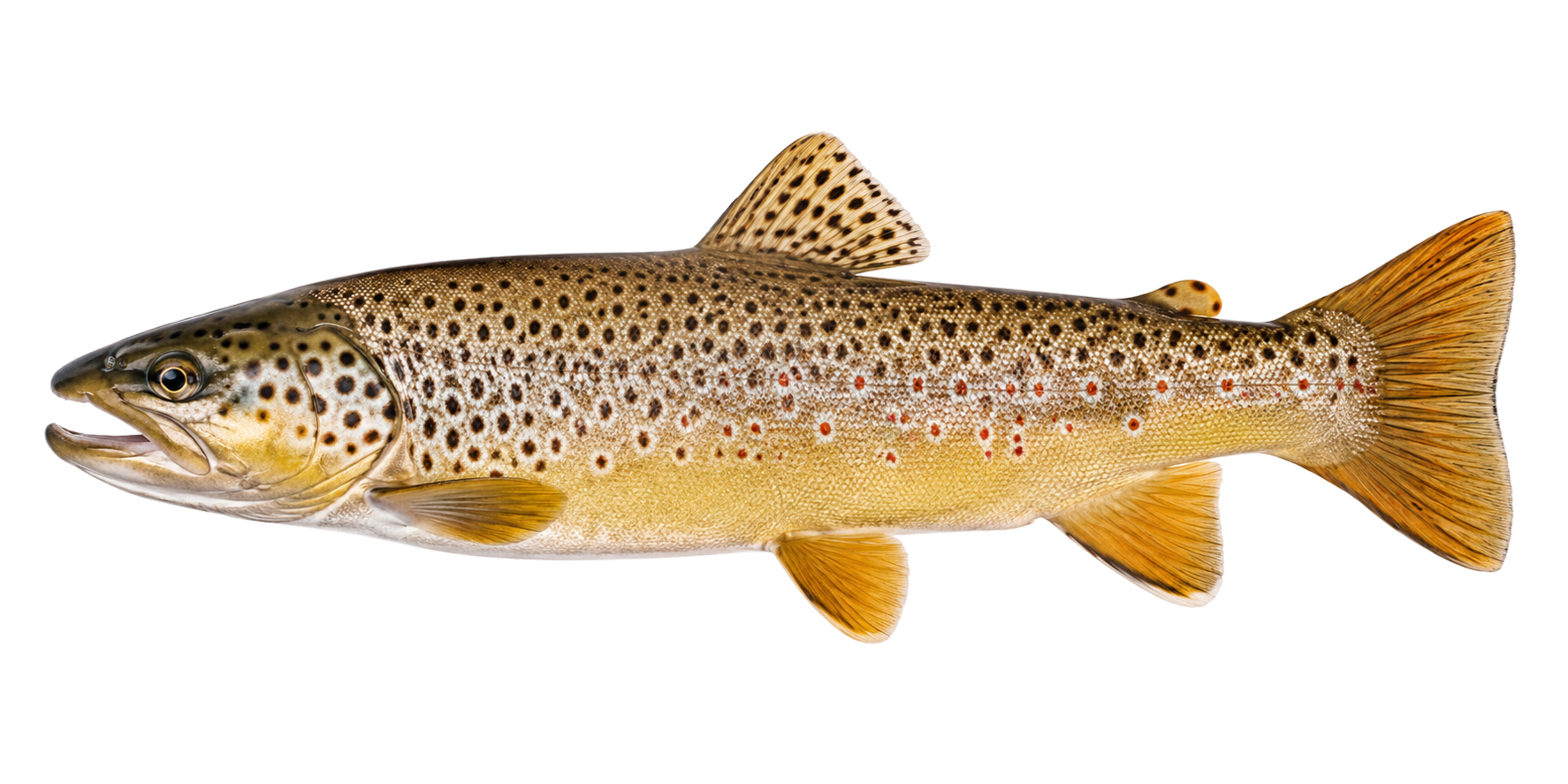
Brown Trout
Brown Trout
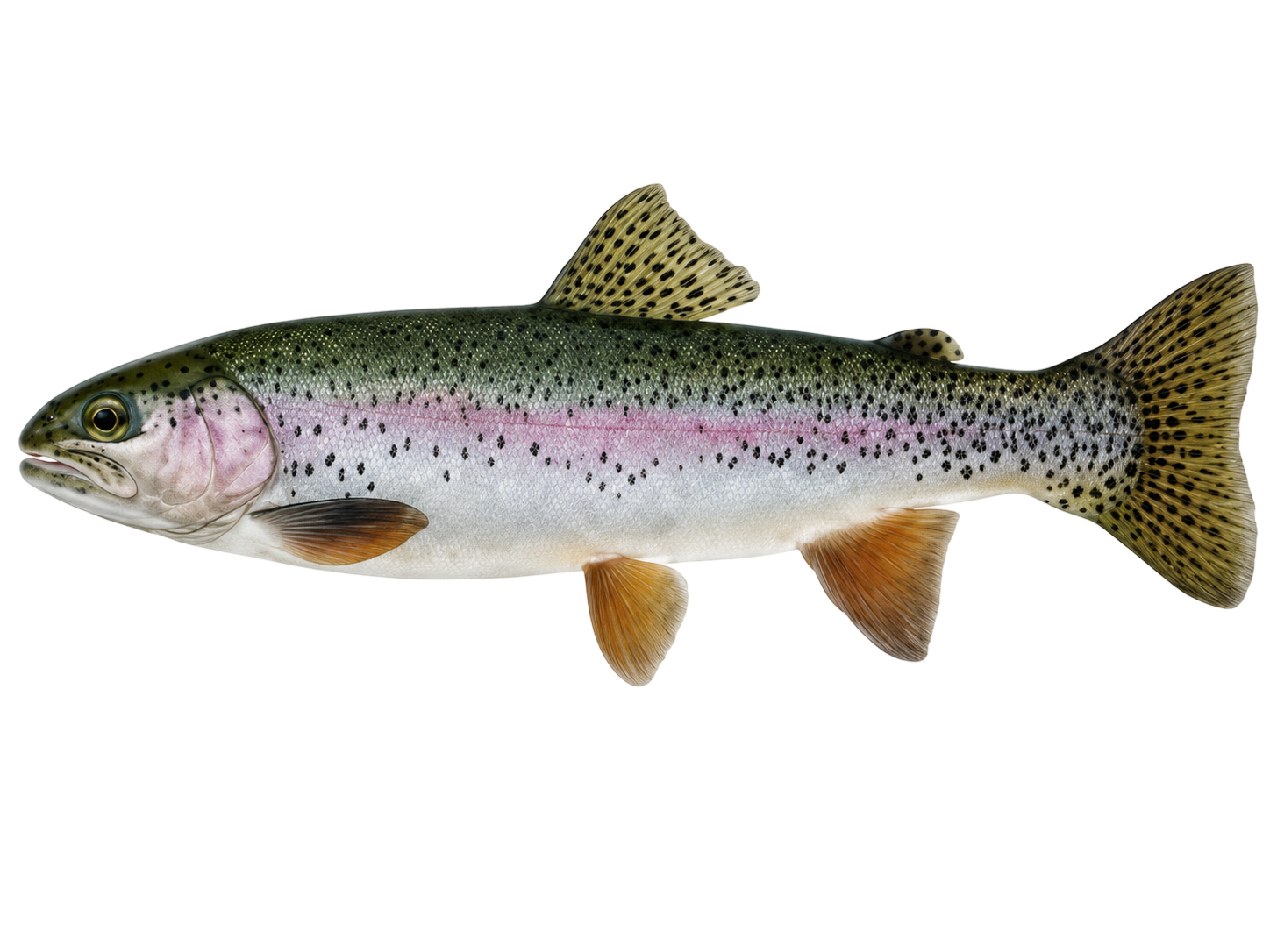
Rainbow Trout
Rainbow Trout

On this page

OverviewLife CycleFly TyingWhere It HatchesFly PatternsAngler NotesIdentificationHabitatEaten By

Share & plan

IDFG Planner

On this profile

  • 1 water
  • 1 fly pattern
  • 2 predator species
  • 3 tying videos
  • 4 life stages

Explore

Browse all hatches & forage
Marabou tips
Grizzly (for wings)
  • CDC tips(for wings)
  • Mono eyesBlack