Barbless.coBarbless.co
  • Home
  • Map
  • Reports
  • Guides
  • Fish
  • Hatches
  • Podcast
Sign in
Barbless.co

The more you understand, the more there is to see.

  • IdahoLive
  • CaliforniaSoon

Explore

  • Map
  • Reports
  • Browse reports
  • By region

Waters

  • River search
  • Guides & outfitters

Learn

  • Fish species
  • Hatches & forage
  • Podcast

Company

  • About
  • Contact
  • Editorial policy
  • Releases
  • Legal

© 2026 Barbless.co. Flow and gauge data from USGS; weather from Open-Meteo. · v2026.10.18.2

  1. Home
  2. Hatches & Forage
  3. Mayflies
  4. Callibaetis

Updated July 15, 2026

← Back to map
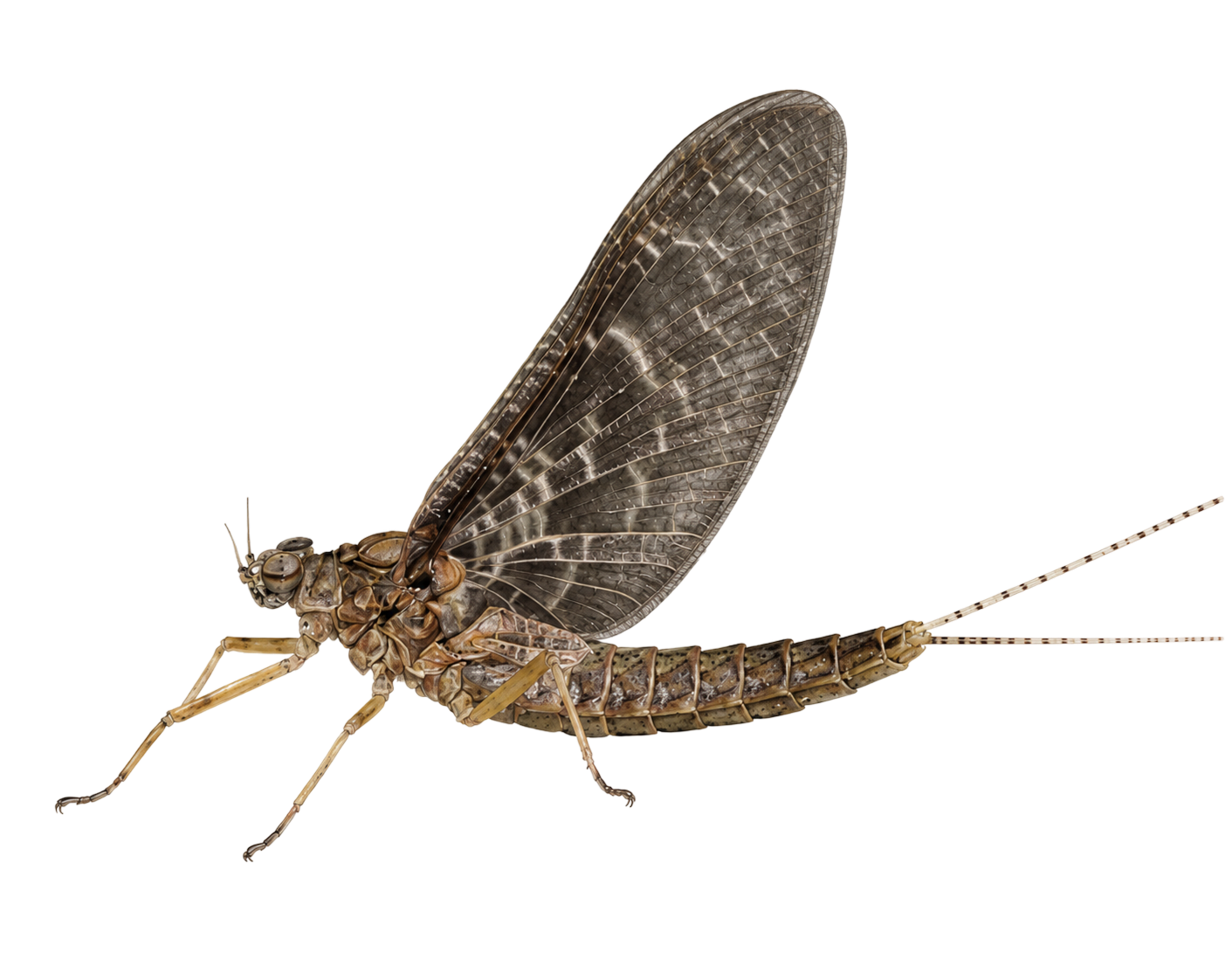
Callibaetis, Adult

Hatches › Mayfly

Mayfly

Callibaetis

Callibaetis · genus

Speckled Duns are small mayflies whose nymphs and soft-water hatches can bring steady surface feeding.

Overview

Category

Mayfly

Category

Mayfly

Category

The insect or forage category for this profile.

Size

Generally small, most often imitated in sizes 14–18.

Size

Generally small, most often imitated in sizes 14–18.

Size

Typical size range anglers imitate on the water.

Key stages

Eggs, Nymph, Emerger, Adult / Dun, Spinner, Egg Laying Spinner, Spent Spinner

Key stages

Eggs, Nymph, Emerger, Adult / Dun, Spinner, Egg Laying Spinner, Spent Spinner

Key stages

Life stages most relevant to fly fishing this hatch or forage.

Water types

lakes, ponds, sloughs, slow backwaters

Water types

lakes, ponds, sloughs, slow backwaters

Water types

Water types where this bug or forage is commonly found.

About Callibaetis

Callibaetis is a genus of mayflies in the family Baetidae, commonly called Speckled Duns. For Idaho anglers, they matter most as a stillwater and slow-water mayfly matched with nymphs, emergers, duns, and spinners.

Also known as: Speckled Dun

Life Cycle

Mayflies undergo a fascinating life cycle that takes them from the stream bottom as nymphs, through a vulnerable emergence, to a brief aerial existence as duns and spinners for reproduction. After laying their eggs, the spent adults return to the water, completing their journey.
Eggs

Eggs

Female mayflies lay hundreds to thousands of eggs in or near the water. These eggs then sink to the stream bottom to develop.

nymph

nymph

Mayfly nymphs live on the stream bottom, feeding and growing through a series of molts. This stage typically represents the longest part of their life cycle.

emerger

emerger

When ready, the nymph rises to the water's surface, where it transforms into an adult. This is a critical stage for fly anglers as fish often key in on these vulnerable insects.

Adult / Dun

Adult / Dun

The freshly emerged adult, known as a dun, rests on or just above the water's surface. It waits for its wings to dry and harden before taking flight.

spinner

spinner

After molting one last time in the air, the dun becomes a sexually mature spinner. Mated adults then gather to reproduce, often in large swarms.

Egg Laying Spinner

Egg Laying Spinner

Following mating, the female spinner returns to the water's surface to deposit her eggs. This ensures the continuation of the mayfly life cycle.

Spent Spinner

Spent Spinner

After successfully laying her eggs, the adult mayfly, now a spent spinner, dies. These spent adults often float on the water's surface, providing an easy meal for hungry fish.

Stages
Anglers commonly fish the nymph, emerger, dun, and spinner stages. As mayflies, Callibaetis develop underwater, emerge at the surface, ride briefly as duns, then return later as spinners.
Emergence cues
Most activity builds in the warmer months, especially on mild days when water has warmed and surface activity increases; hatches are often most noticeable from late morning into afternoon, with spinner activity commonly later in the day.
Behavior
Nymphs are active swimmers and can drift or rise toward the surface before emergence. Trout may key on ascending nymphs, trapped emergers in the film, freshly emerged duns, or spent spinners lying flat.

How to Tie Callibaetis Patterns

nymph

Fly Tying Tutorial: Easy Callibaetis Soft Hackle by Fly Fish Food

Fly Fish Food

Materials

  • Hook14Fulling Mill 35085 Nymph Hook, Barbless
  • Thread8/0UNI-Thread Waxed Midge
  • Bead7/64" (2.8mm)Plummeting Tungsten Beads
  • Partridge SkinNature's Spirit Primo Partridge Skin
  • WireUTC Ultra Wire
  • Dubbing OneNature's Spirit Snowshoe Rabbit Foot Dubbing
  • Dubbing TwoIce Dub

emerger

Tying the RiverKeeper Callibaetis Emerger by John Kreft - RiverKeeper Flies

RiverKeeper Flies

Materials

  • Hook14Daiichi 1180 standard dry-fly hook - can be tied in sizes 12 to 16
  • ThreadUni-Thread in rusty dun
  • TailWood-duck fibers
  • AbdomenSuperfine dubbing in Callibaetis color
  • RibCopper wire
  • Wing2CDC feathers, TroutHunter Callibaetis - tan, light brown, or similar CDC works
  • FloatantFrog’s Fanny

Adult / Dun

Try This Mayfly Emerger-How to Tie a Callibaetis Flymph

Phil Rowley Fly Fishing

Materials

  • Daiichi 1170#12-#16
  • Semperfli Classic Waxed8/0Grey
  • Hen Hackle FibersGrey, Olive or Tan
  • Turkey BiotGrey, Olive or Tan
  • Natural Squirrel DubbingGrey, Olive or Tan
  • Whiting Hen Hackle

Egg Laying Spinner

Tying a Callibaetis Spinner by John Kreft - RiverKeeper Flies

RiverKeeper Flies

Materials

  • Hook16Daiichi 1110
  • ThreadUni-Thread, rusty dun
  • Tails2Fibets
  • AbdomenBiot, taken from a turkey wing
  • Body adhesiveBrushable Zap-A-Gap
  • WingEP Trigger Point fibers, Spinner Wing color
  • ThoraxSuperfine dubbing, Callibaetis color
  • Head finishHead cement

Spent Spinner

Callibaetis Lifecycle Tying a Quigly Style Cripple

Phil Fischer

Materials

  • Hook14Dry-fly hook
  • ThreadBrown/tan
  • Trailing shuckBiot, goose
  • WingWhite-tail deer hair, cleaned and stacked
  • Hackle16Whiting dry-fly saddle, grizzly dun - tied undersized

Where It Hatches

Callibaetis

One species, multiple rivers.

RiverJANFEBMARAPRMAYJUNJULAUGSEPOCTNOVDEC
  • Henrys Fork of the Snake River
  • Owyhee River
  • Silver Creek
  • Snake River, Osgood Diversion Dam to Henrys Fork
  • Teton River

Fly Patterns

  • Callibaetis Nymph#14-18
  • Callibaetis Spinner#14-18

Angler Notes

Why it matters
Callibaetis can produce repeat, fishable surface feeding in lakes and other slow water, and trout may stay locked on one stage for long stretches.
Imitation tips
Carry slim swimming nymphs, soft-hackle or cripple-style emergers, upright-wing duns, and low-riding spent spinners. Mottled wings and lightly speckled bodies are useful triggers; keep patterns modest in profile rather than overly bushy.
Key life stages
nymphemergerdunspinner
Presentation
Start with a gentle hand-twist or short-strip nymph retrieve, then switch to a near-static emerger or dun when fish begin showing. For spinners, use a dead drift or barely moving presentation with long leaders and light tippet in calm water.

Identification

Key features
Small mayfly profile; adults are slim, upright-winged duns/spinners, while nymphs are streamlined swimmers typical of baetid mayflies. Anglers often notice the lightly mottled or speckled look that gives the group its common name.
Size
Generally small, most often imitated in sizes 14–18.
Coloration
Usually olive to brown on nymphs, with dun-gray to mottled wings on adults and a soft tan, olive, or gray overall tone.
Similar bugs
Blue-winged OlivePMDMahogany Dunsmall Baetis mayflies

Habitat

Water types
lakespondssloughsslow backwaters
Substrate
Weedy bottoms, soft sediment, and areas with submerged vegetation.
Conditions
Most associated with calmer water and productive soft-water habitat where aquatic vegetation supports nymphs and surface emergences are easy for trout to target.

Eaten By

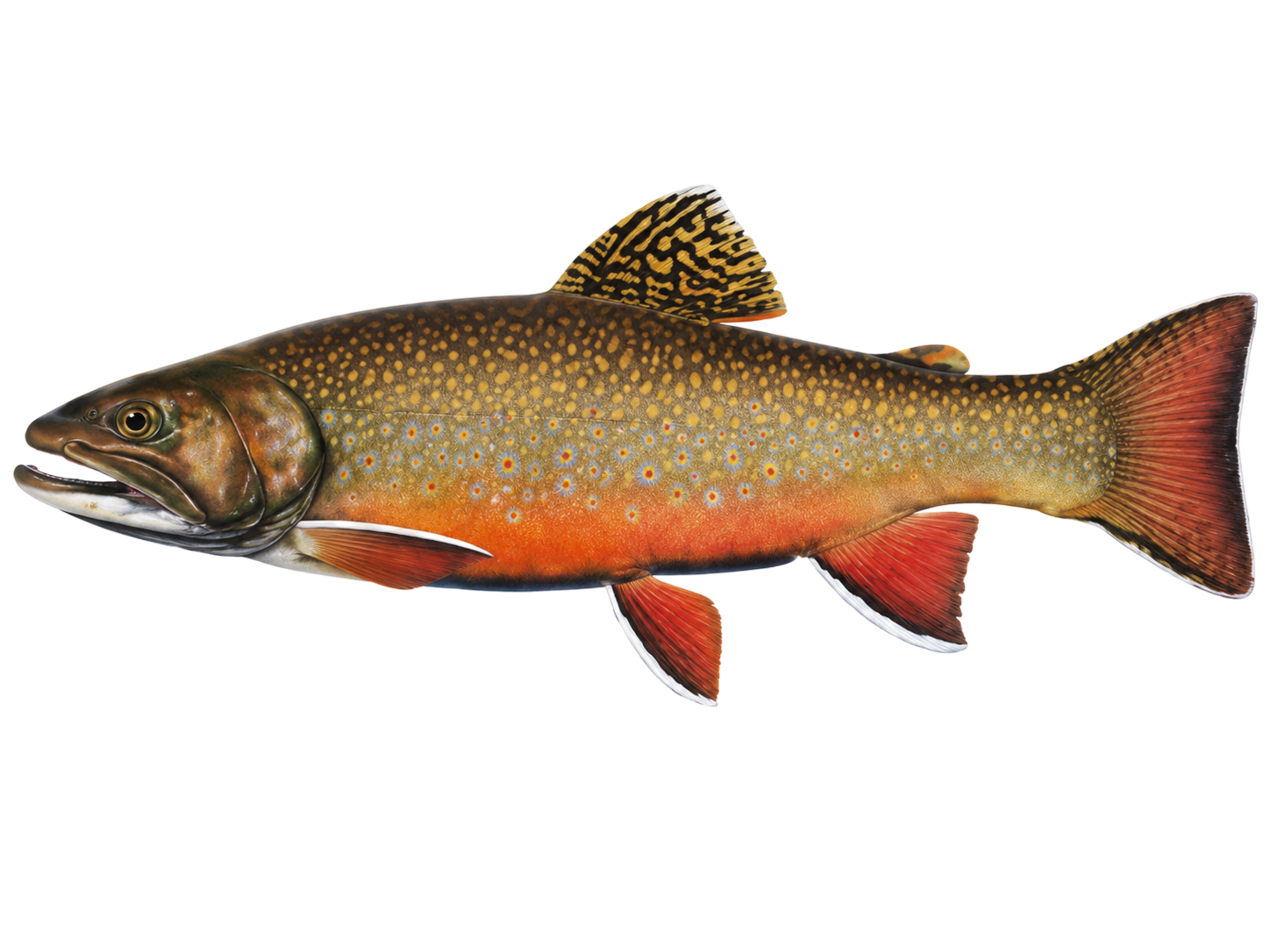
Brook Trout
Brook Trout
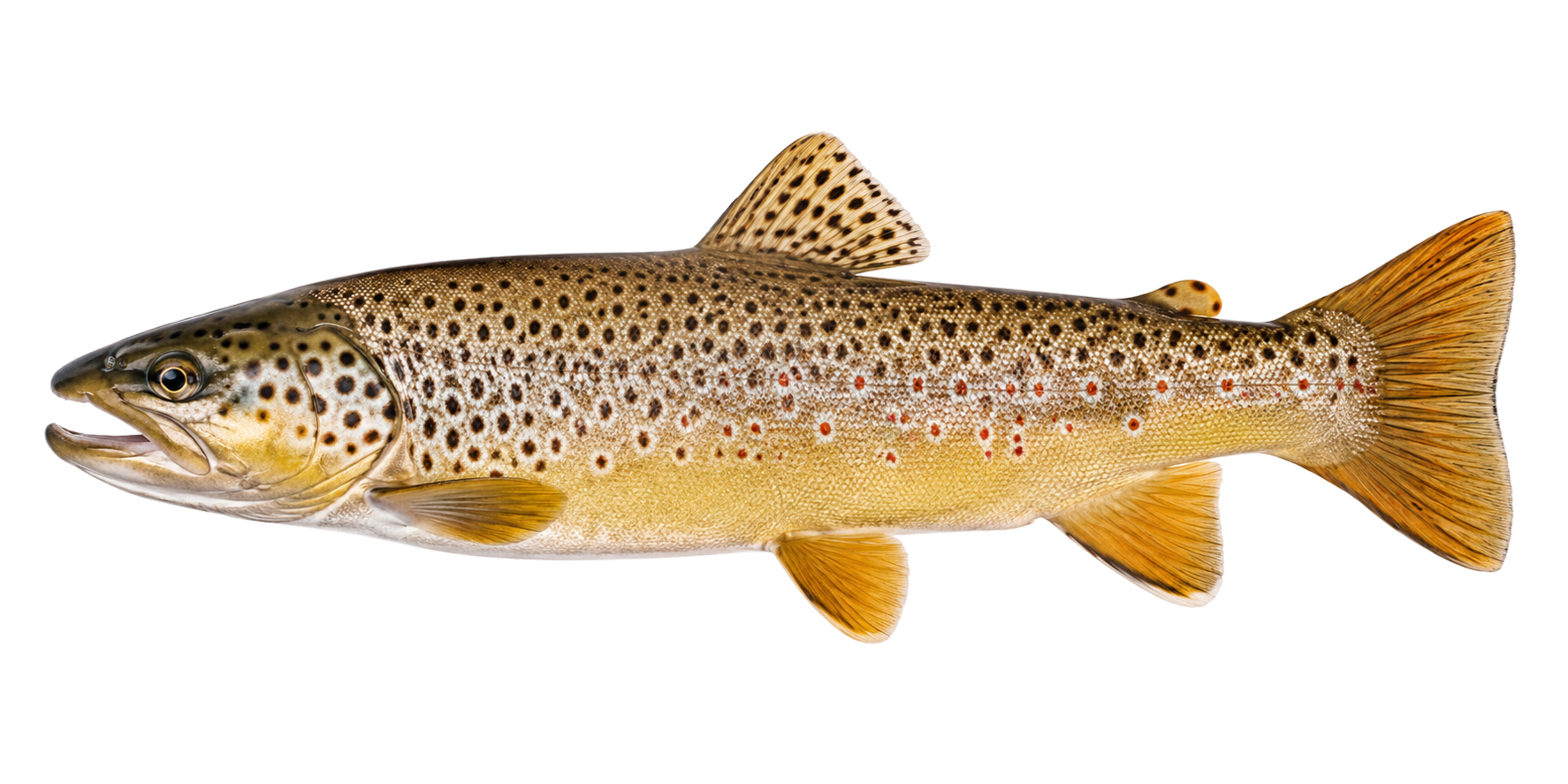
Brown Trout
Brown Trout
Cutbow Trout
Cutbow Trout
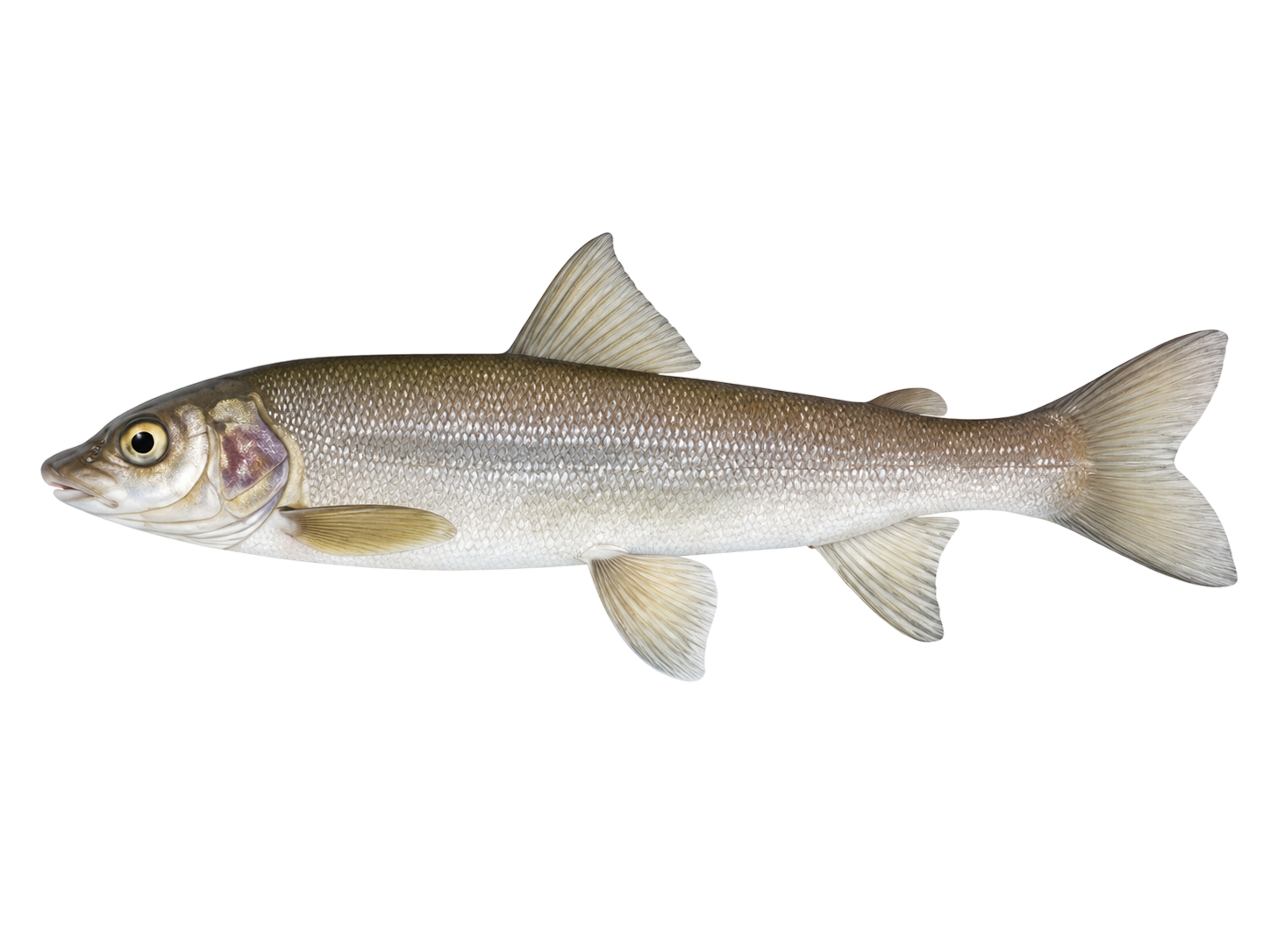
Mountain Whitefish
Mountain Whitefish
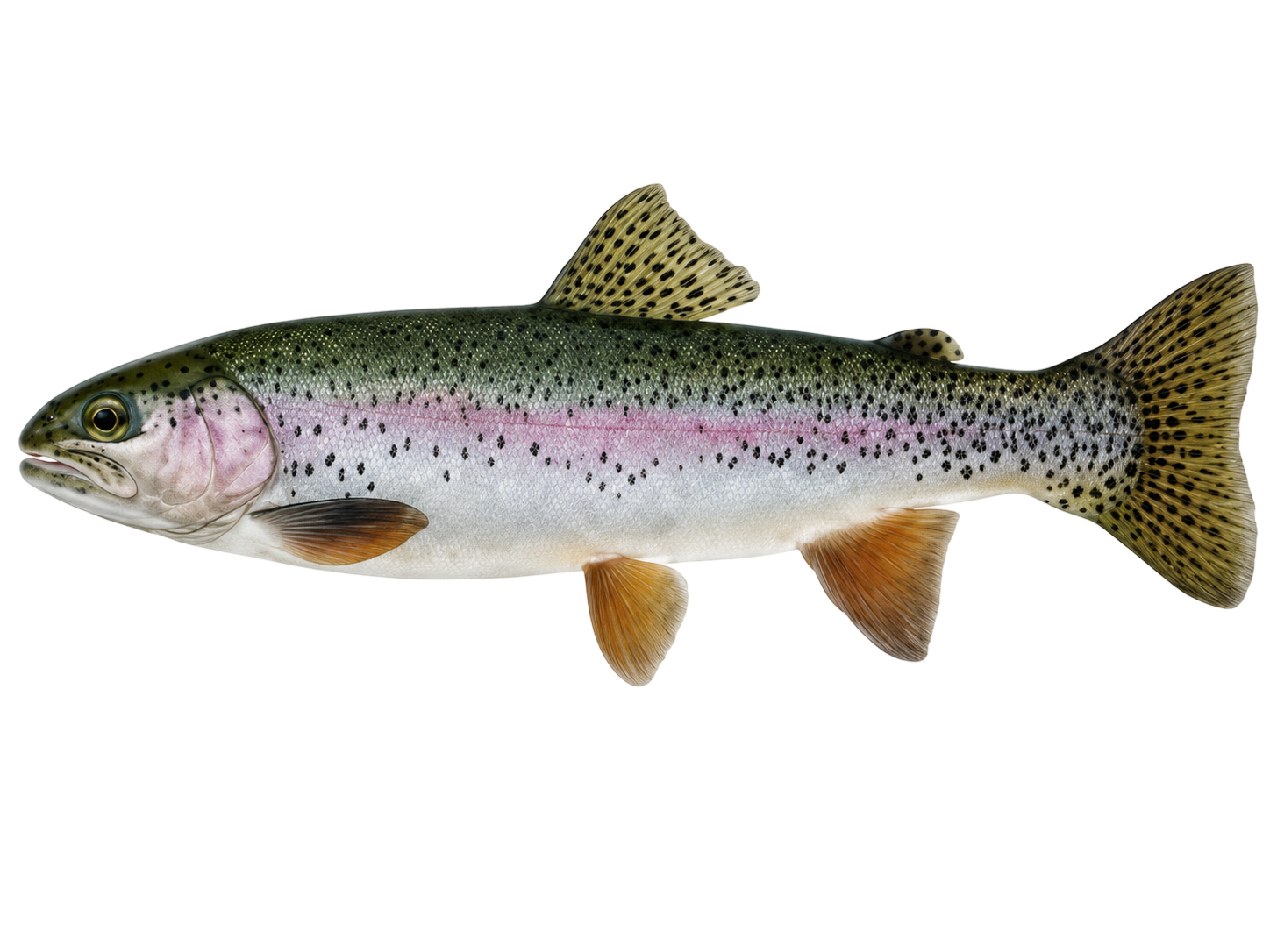
Rainbow Trout
Rainbow Trout
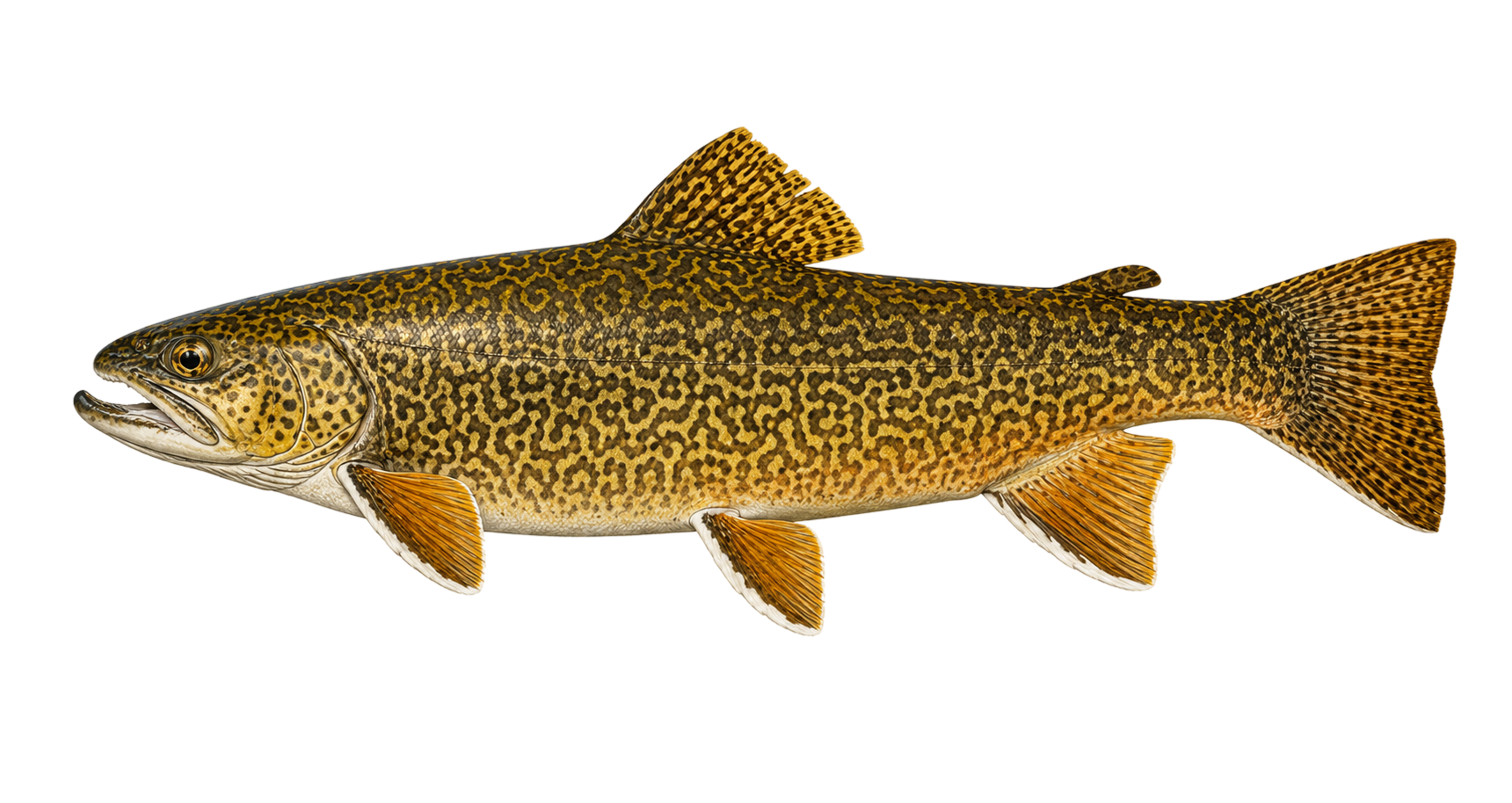
Tiger Trout
Tiger Trout
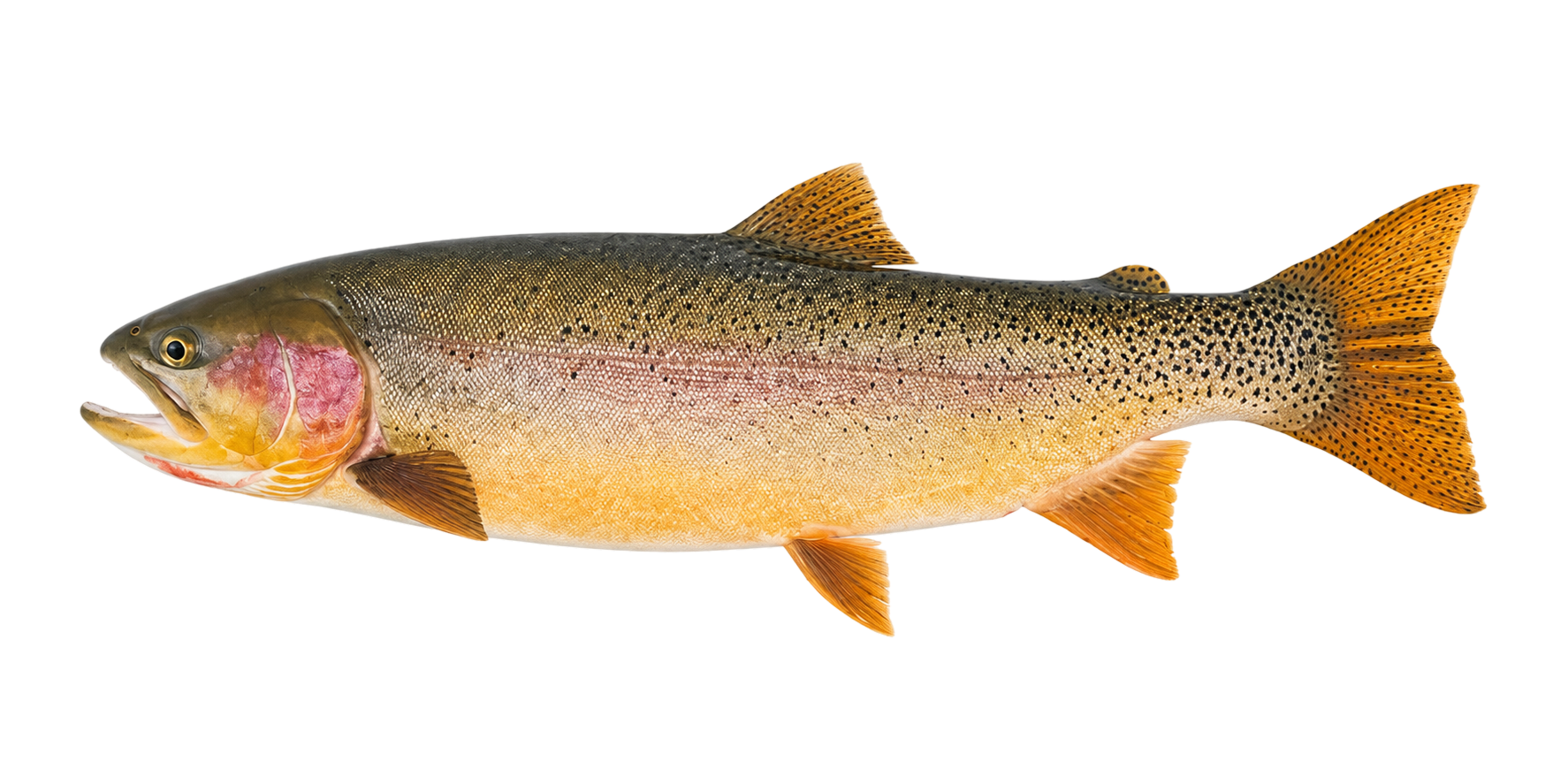
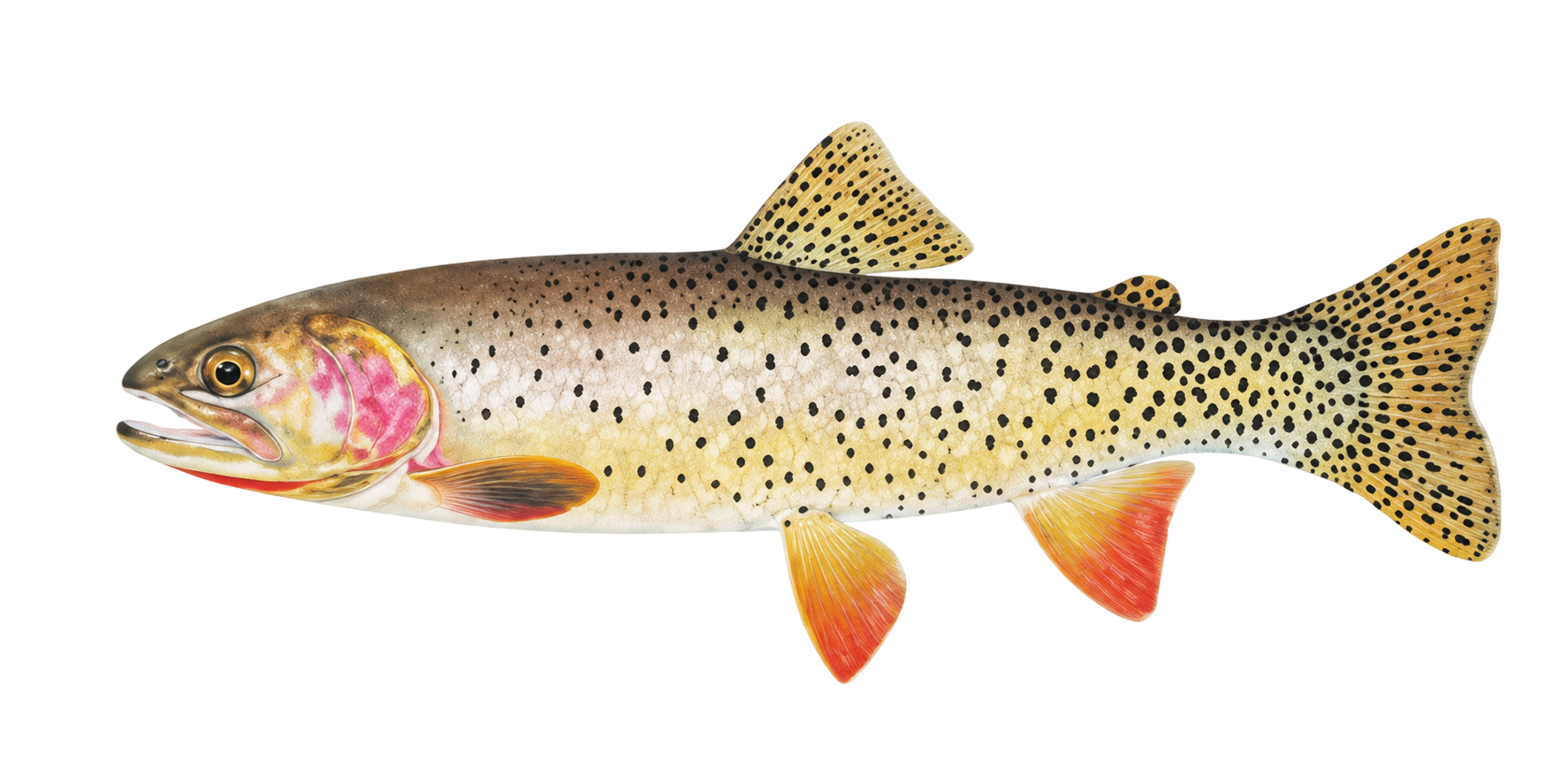
Yellowstone Cutthroat Trout

On this page

OverviewLife CycleFly TyingWhere It HatchesFly PatternsAngler NotesIdentificationHabitatEaten By

Share & plan

IDFG Planner

On this profile

  • 5 waters
  • 2 fly patterns
  • 7 predator species
  • 5 tying videos
  • 7 life stages

Explore

Browse all hatches & forage