Barbless.coBarbless.co
  • Home
  • Map
  • Reports
  • Guides
  • Fish
  • Hatches
  • Podcast
Sign in
Barbless.co

The more you understand, the more there is to see.

  • IdahoLive
  • CaliforniaSoon

Explore

  • Map
  • Reports
  • Browse reports
  • By region

Waters

  • River search
  • Guides & outfitters

Learn

  • Fish species
  • Hatches & forage
  • Podcast

Company

  • About
  • Contact
  • Editorial policy
  • Releases
  • Legal

© 2026 Barbless.co. Flow and gauge data from USGS; weather from Open-Meteo. · v2026.10.18.2

  1. Home
  2. Hatches & Forage
  3. Mayflies
  4. Brown Drake

Updated July 15, 2026

← Back to map
Brown Drake

Hatches › Mayfly

Mayfly

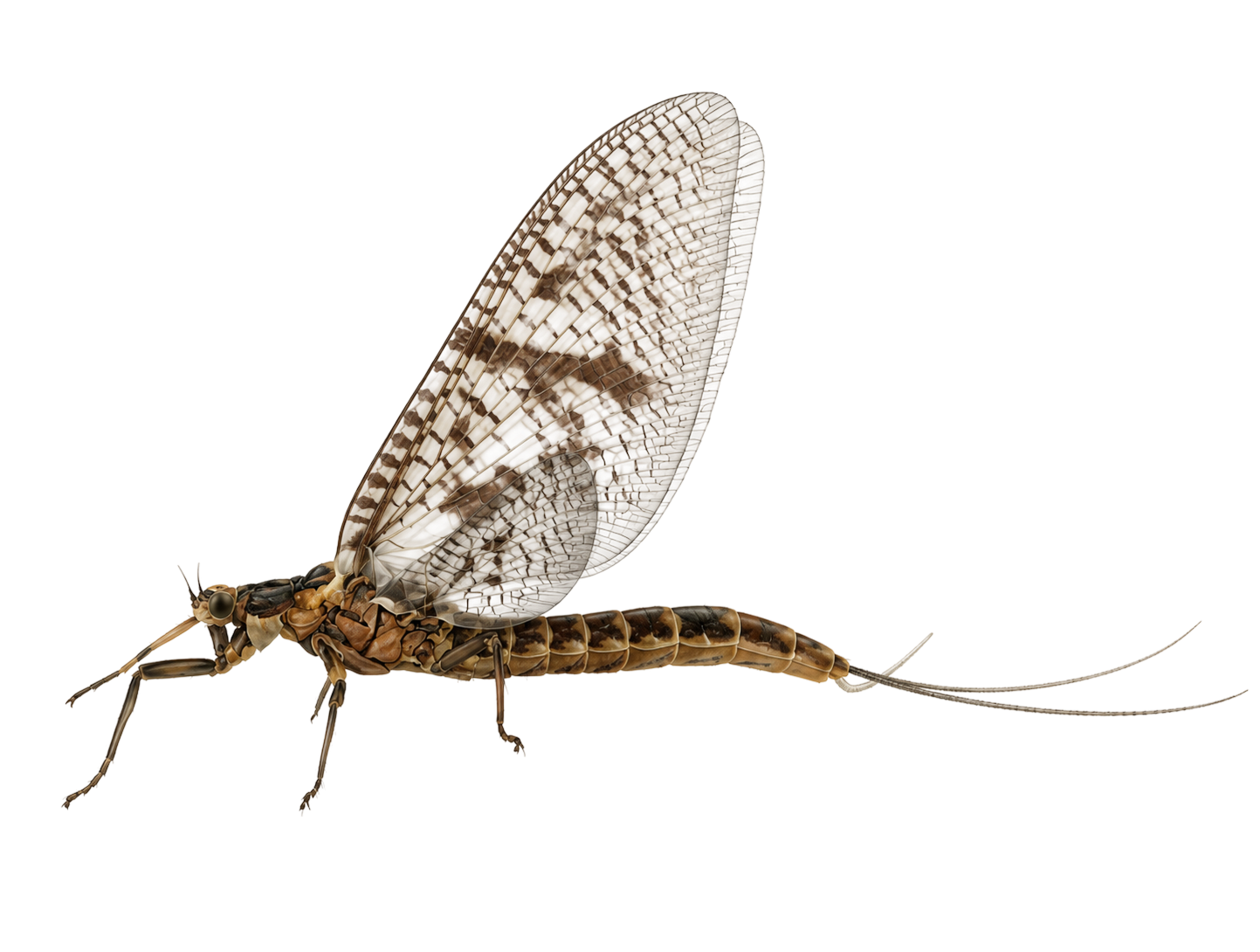
Brown Drake

Ephemera simulans · species

A big burrowing mayfly that gives trout a strong surface target from emergence through the spinner fall.

Overview

Category

Mayfly

Category

Mayfly

Category

The insect or forage category for this profile.

Size

Large; commonly imitated around hook sizes 8-12.

Size

Large; commonly imitated around hook sizes 8-12.

Size

Typical size range anglers imitate on the water.

Key stages

Eggs, Nymph, Emerger, Dun, Spinner, Egg Laying Spinner, Spent Spinner

Key stages

Eggs, Nymph, Emerger, Dun, Spinner, Egg Laying Spinner, Spent Spinner

Key stages

Life stages most relevant to fly fishing this hatch or forage.

Water types

trout streams, rivers, stream margins near slower seams

Water types

trout streams, rivers, stream margins near slower seams

Water types

Water types where this bug or forage is commonly found.

About Brown Drake

Brown Drake, Ephemera simulans, is a large mayfly in the family Ephemeridae and one of the more important drake-style hatches in North America. Its nymphs burrow in soft bottom sediments, and both the emergence and mating activity are notable to anglers because fish key on the vulnerable insects at the surface.

Life Cycle

This infographic illustrates the complete life cycle of a mayfly, from egg to spent spinner. Anglers can observe these stages in various aquatic environments, from the nymphs living on the streambed to the adults mating in the air.
Eggs

Eggs

Female mayflies lay hundreds to thousands of eggs in or near the water. These eggs then sink to the bottom of the stream.

nymph

nymph

Mayfly nymphs reside on the stream bottom, continuously feeding and growing. They undergo multiple molts before reaching maturity.

emerger

emerger

During this stage, the nymph ascends to the water's surface, where it transforms and hatches into an adult insect, ready to emerge from the water.

dun

dun

A freshly emerged adult, known as a dun, rests briefly on or just above the water's surface as it completes its transformation before flying off.

spinner

spinner

Once mature, the mayfly enters the spinner stage. Mated adults rise into the air for reproduction.

Egg Laying Spinner

Egg Laying Spinner

After mating, the female spinner returns to the water's surface to deposit her eggs, initiating the next generation.

Spent Spinner

Spent Spinner

Following egg-laying, adult mayflies die and can often be found floating on the water's surface, a common sight for anglers.

Stages
Aquatic burrowing nymph, emerging nymph/emerger, winged dun, then spinner. Anglers commonly fish the nymph, emerger, dun, and spinner stages.
Emergence cues
Seasonally a summer-type hatch; emergence and mating are associated with low light and nightfall. Watch for activity when mature nymphs leave soft bottom sediments and rise to the surface.
Behavior
Nymphs burrow in sand and silt. During emergence they rise and ride the surface before flying off, making them highly vulnerable. Mating also occurs at night, and spent or struggling adults can draw selective feeding.

How to Tie Brown Drake Patterns

nymph

Fly Tying Tutorial: Deep Dish Callibaetis & Brown Drake by Fly Fish Food

Fly Fish Food

Materials

  • Daiichi 710#14
  • Danville 70 DenierOlive
  • Lead Free Wire.015
  • Mayfly Nymph-Head, Swimmer & BurrowerSmall
  • Lemon Barred Wood Duck
  • Pearl TinselMedium
  • Ostrich HerlScud Tan
  • UNI Double Sided Mylar#14
  • UTC Ultra WireSmallGold
  • Hare'e Ice DubTan
  • Grizzly Micro LegsRootbeer
  • Nymph SkinBronze/Tan - Clear
  • UNI Double Sided Mylar#16

emerger

Boots Allen: Brown Drake Emerger free fly tying pattern tutorial

The Weekly Fly

Materials

  • Dai Riki 135Size 10
  • Thread6/0Tan
  • EP Silky FibersSand-colored
  • Tentacle LegsSmall tan
  • Tying threadcoated with Zap-A-Gap
  • flat wax tying threadBrown, coated with Zap-A-Gap
  • Tentacle LegsTan or clear
  • foam2mmTan
  • HackleBrown

dun

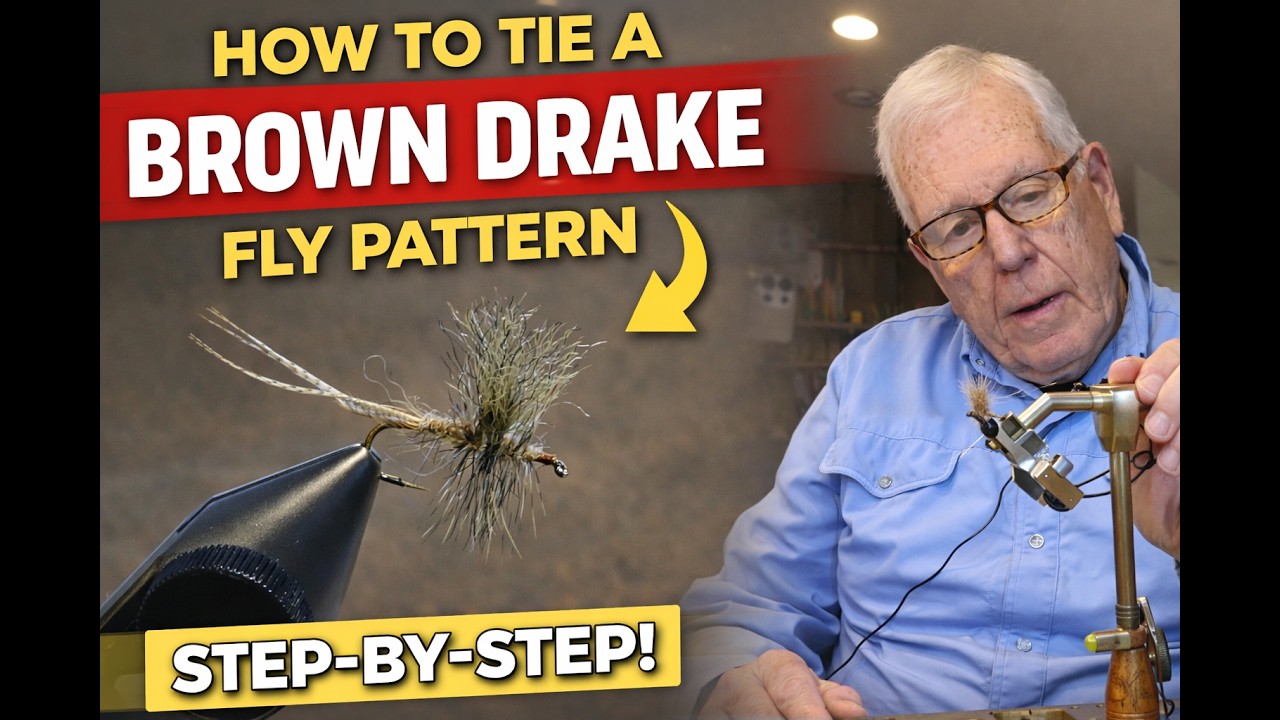
Tying Mikes Brown Drake

henrysforkanglers

Materials

  • HookStandard Dry Fly, TMC 100 or TMC 102Y
  • Thread6/0 Prewaxed
  • Body ExtensionDyed Mallard flank or hen saddle
  • AbdomenAntron / fur blend, Lifecycle Caddis blend
  • HackleDyed grizzly saddle hackle
  • WingEnrico Puglisi EP 3D fibers or Trigger Point fibers
  • ThoraxAntron / fur blend to match abdomen

spinner

Brown Drake Spinner

troutopia

Materials

  • Hook#10-#12Tiemco 5212 or similar long-shank/standard dry fly bend
  • Thread8/0Tan or brown (70 denier)
  • TailMoose hair, Whiting coq de León, or Microfibbets.
  • AbdomenTannish-yellow turkey biot, brownish-red yarn, or tannish-yellow synthetic dubbing
  • ThoraxTannish-brown or olive Antron blend dubbing
  • WingsNatural brown CDC (Cul de Canard), or dun Poly-yarn tied spent
  • HackleWhiting grizzly dyed brown or natural brown saddle hackle, Palmered or tied parachute style

Where It Hatches

Brown Drake

One species, multiple rivers.

RiverJANFEBMARAPRMAYJUNJULAUGSEPOCTNOVDEC
  • Henrys Fork of the Snake River
  • Silver Creek
  • Teton River

Fly Patterns

  • Brown Drake Dry#8-12

Angler Notes

Why it matters
This is a large, high-value food item. Trout often feed confidently on the emergence because the insects are big, visible, and exposed on or in the film.
Imitation tips
Prioritize silhouette, size, and presentation over exact color. Fish burrowing nymph patterns near soft-bottom seams, then switch to emergers, duns, or spinners when fish move up. Large mayfly patterns with a natural brown-tan tone are usually close enough.
Key life stages
nymphemergerdunspinner
Presentation
Dead-drift nymphs low and near the bottom in softer lanes, then present emergers and adults with a drag-free drift in the film. During spinner activity, a flush-floating or spent pattern can be especially effective.

Identification

Key features
Large mayfly profile; stout burrowing nymph; upright-winged dun and spinner stages that stand out on the water. As a hatch, look for big drake-shaped adults and heavy interest from trout during emergence and spinner activity.
Size
Large; commonly imitated around hook sizes 8-12.
Coloration
Generally brown to tan overall; exact shade is less important than the large silhouette and clean drift.
Similar bugs
Green DrakeHex mayflyFlavMarch Brown

Habitat

Water types
trout streamsriversstream margins near slower seams
Substrate
Soft sand and silt bottoms used by burrowing nymphs.
Conditions
Most relevant where streams have softer depositional areas rather than only fast, rocky pocket water.

Eaten By

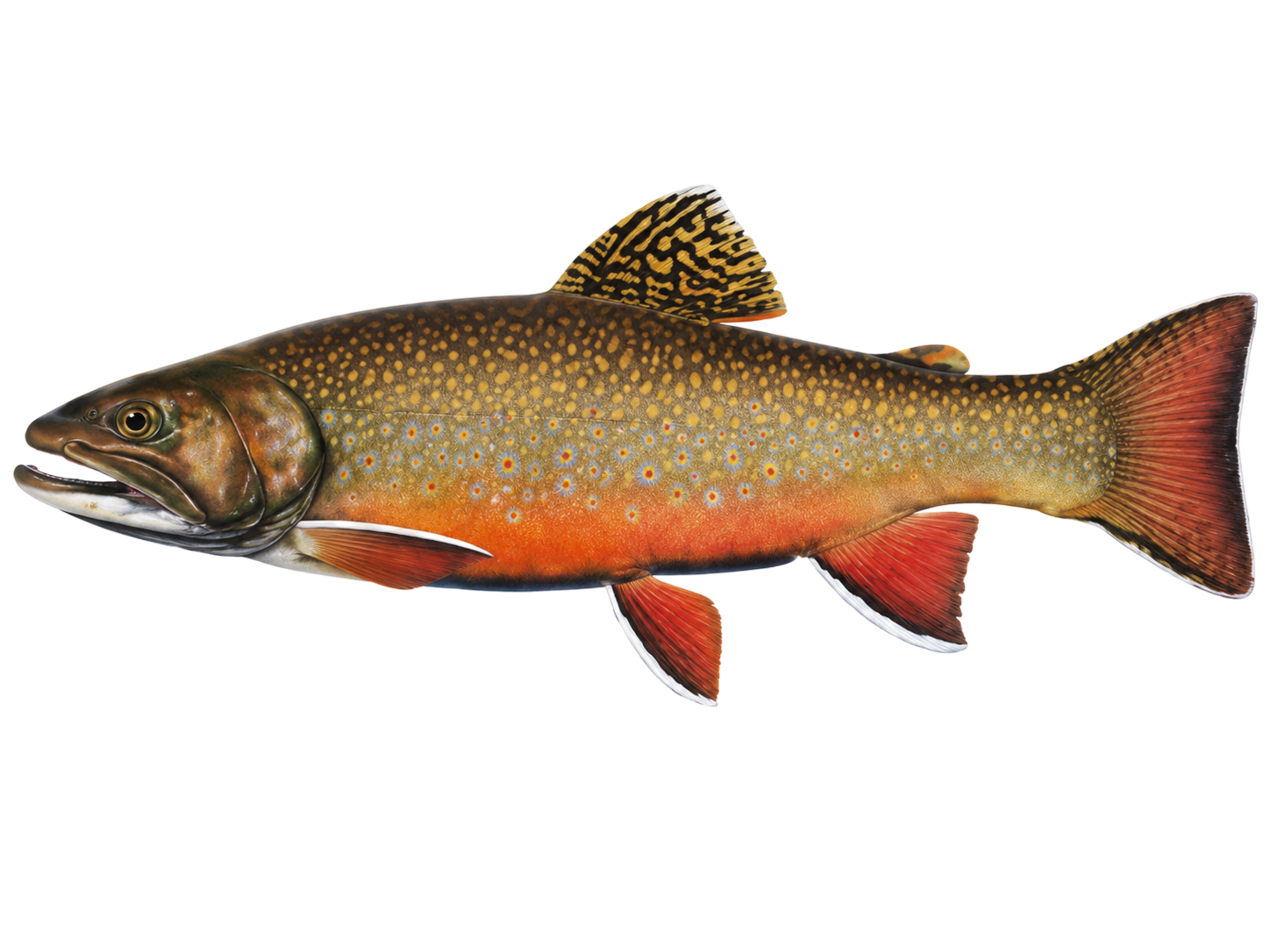
Brook Trout
Brook Trout
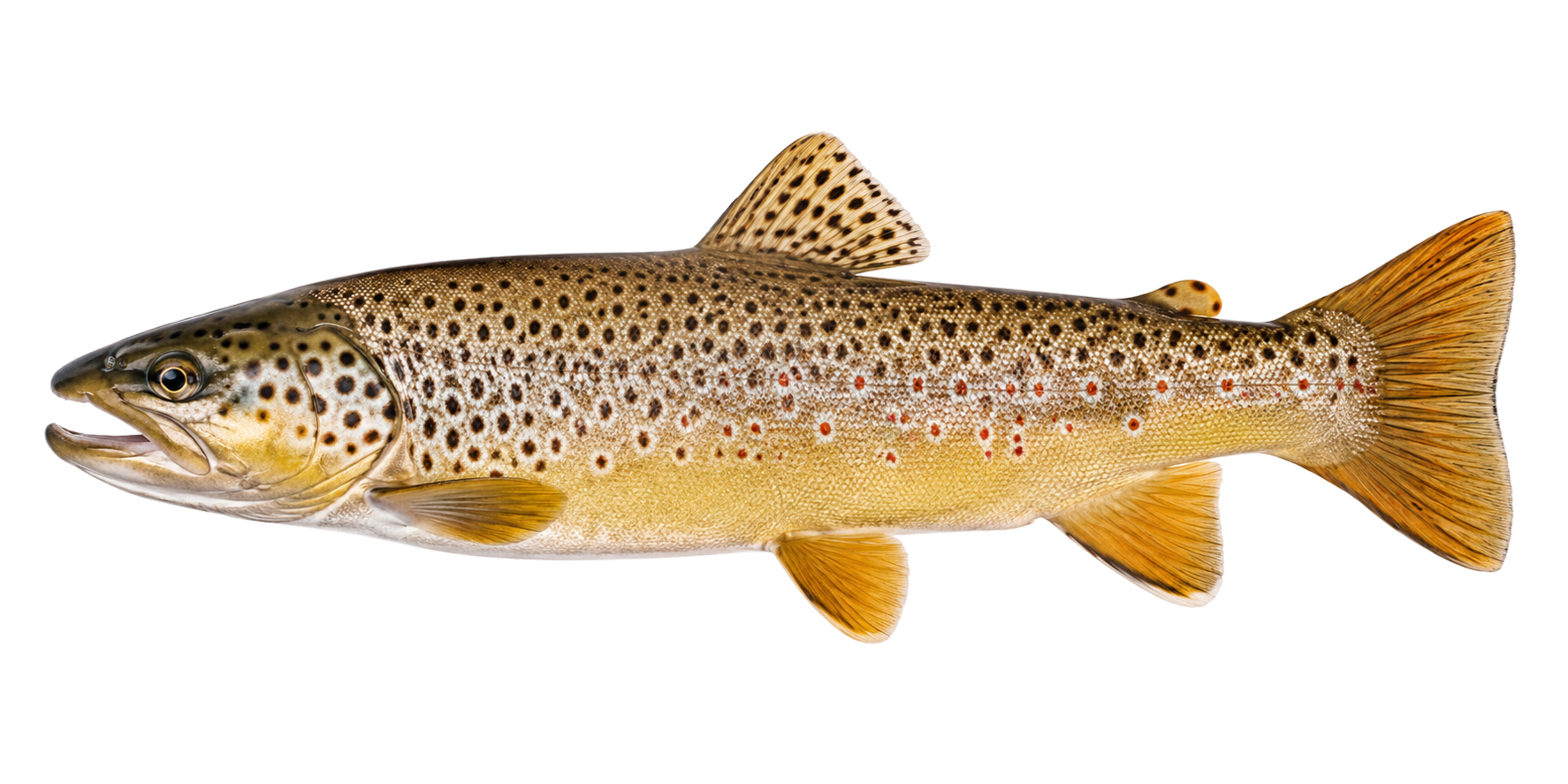
Brown Trout
Brown Trout
Cutbow Trout
Cutbow Trout
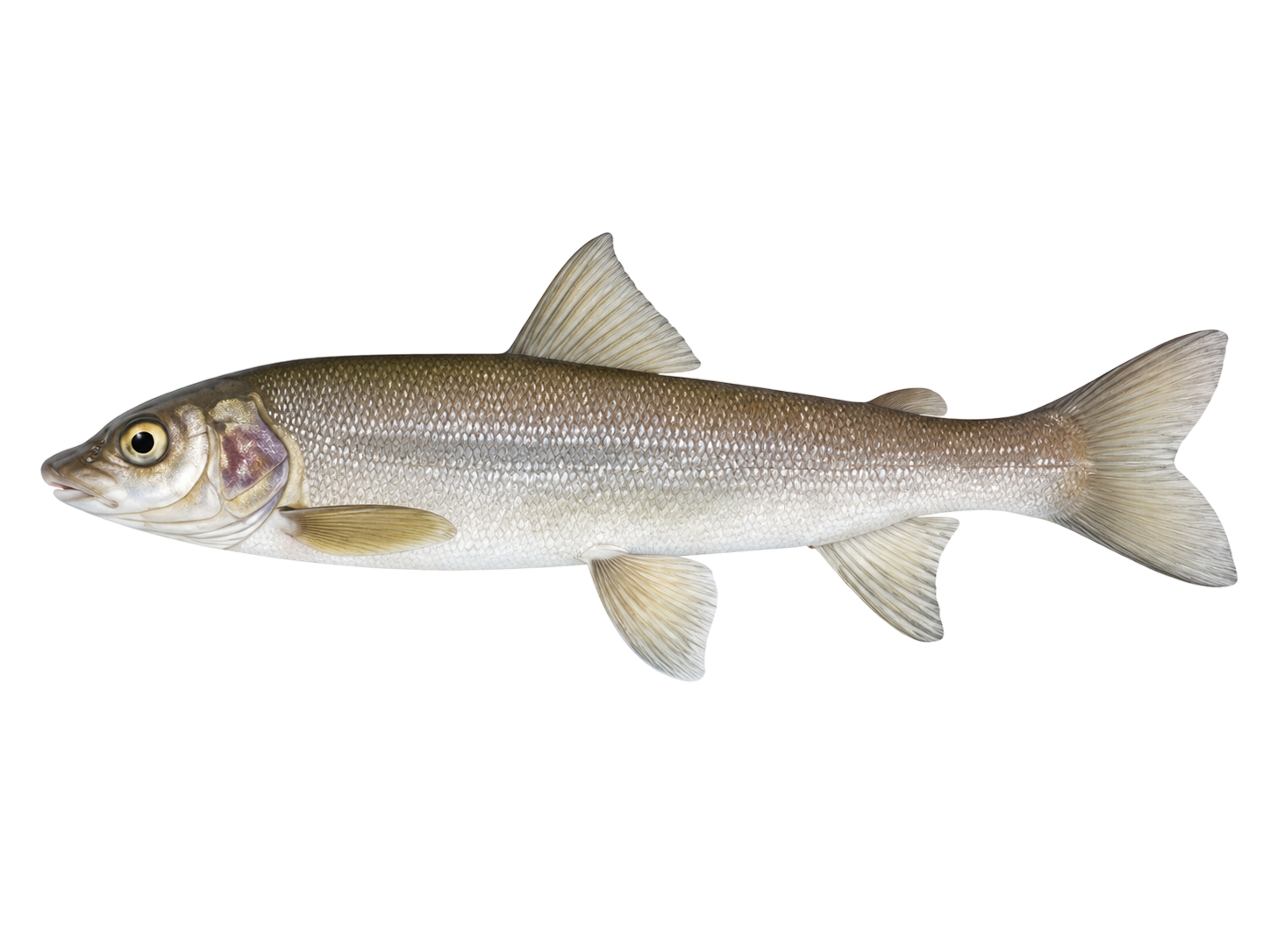
Mountain Whitefish
Mountain Whitefish
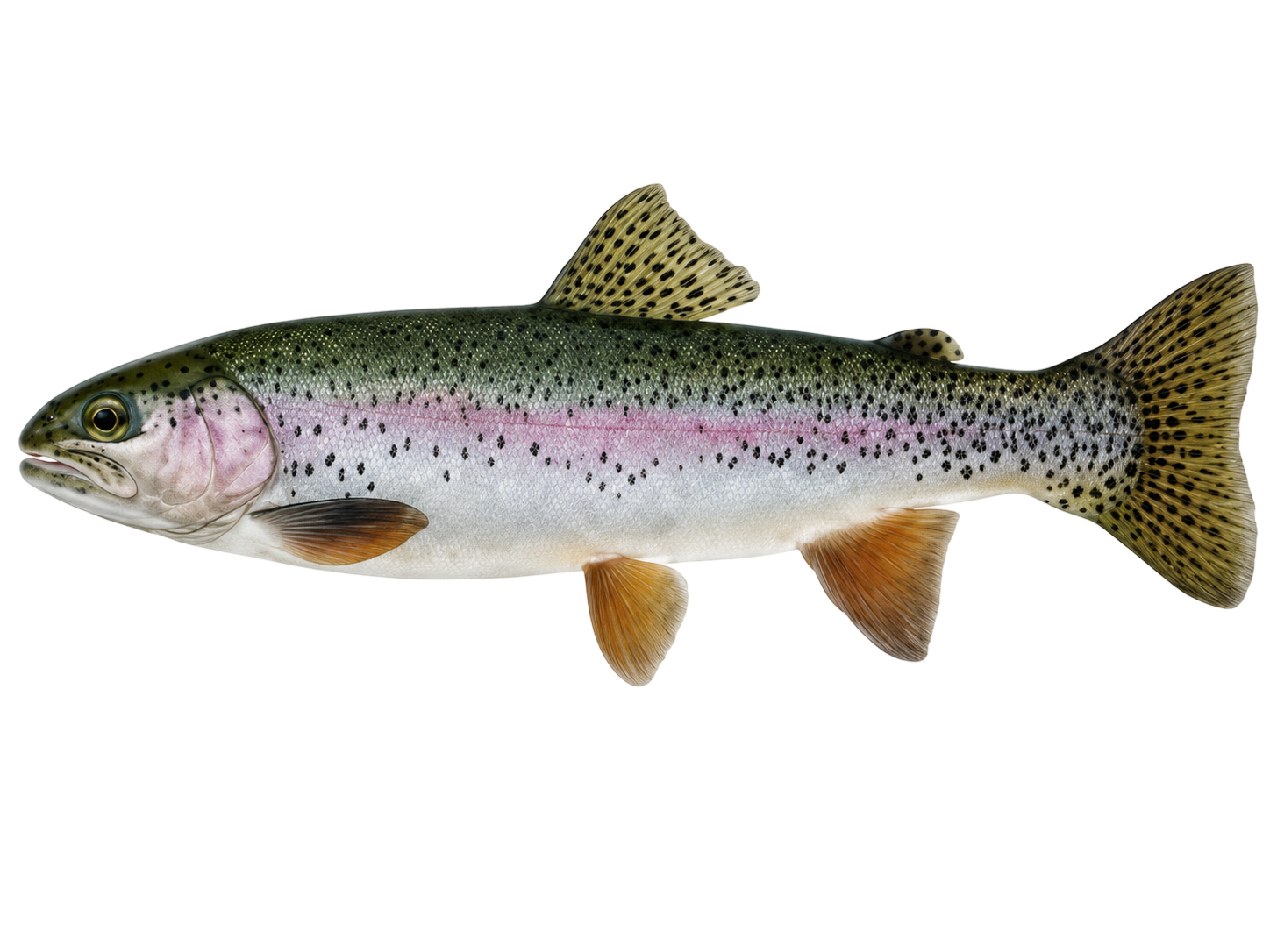
Rainbow Trout
Rainbow Trout
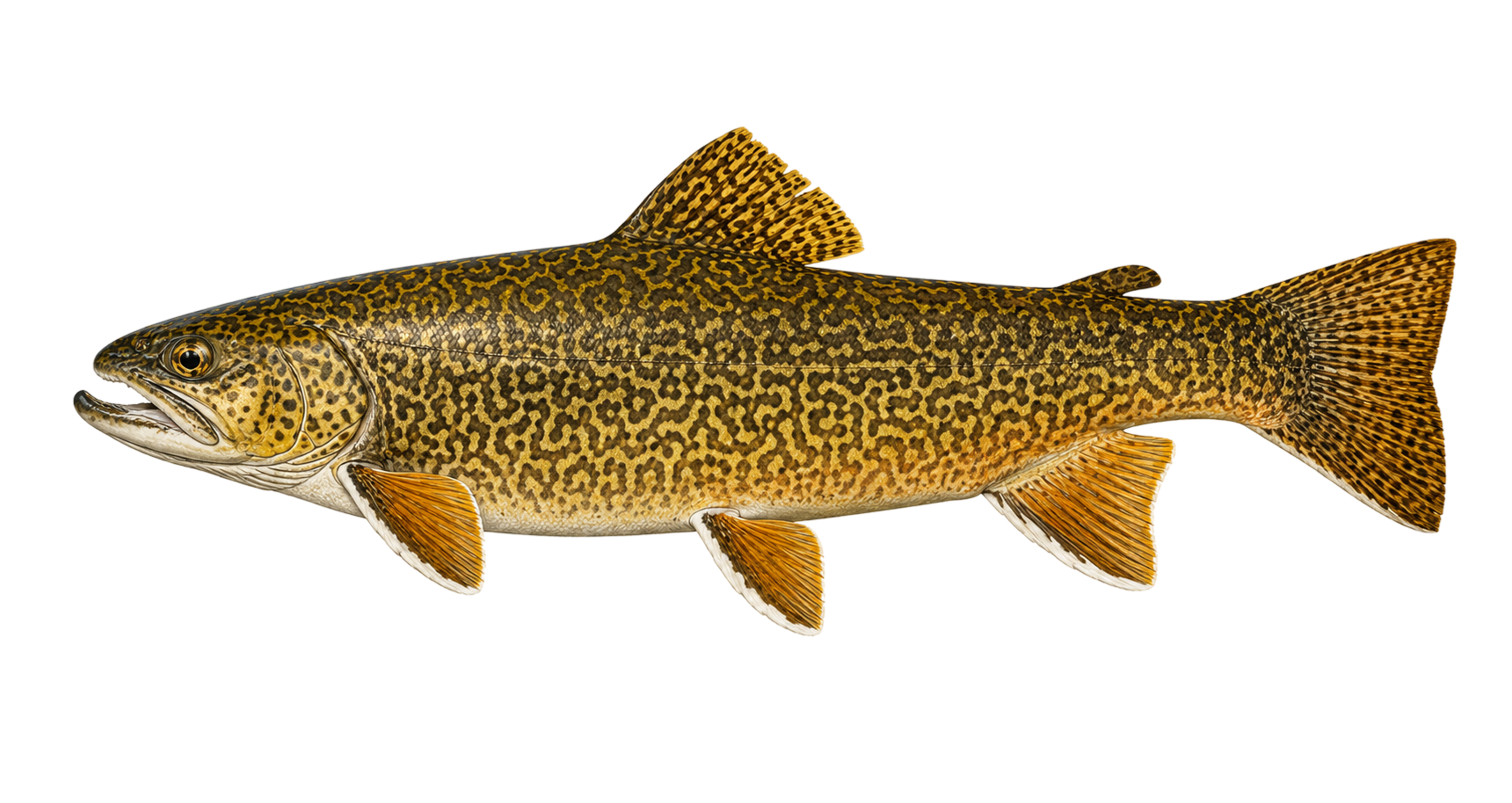
Tiger Trout
Tiger Trout
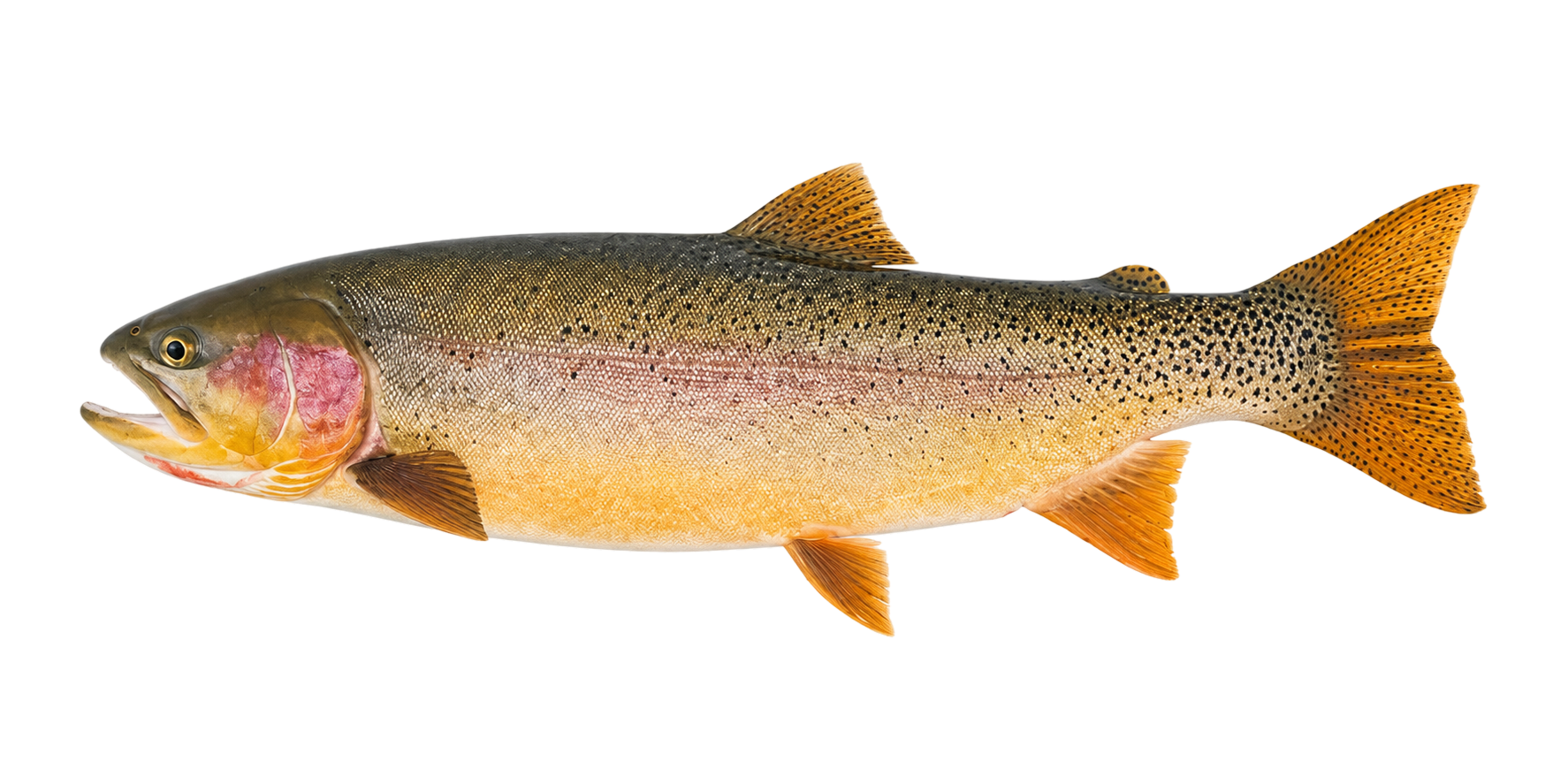
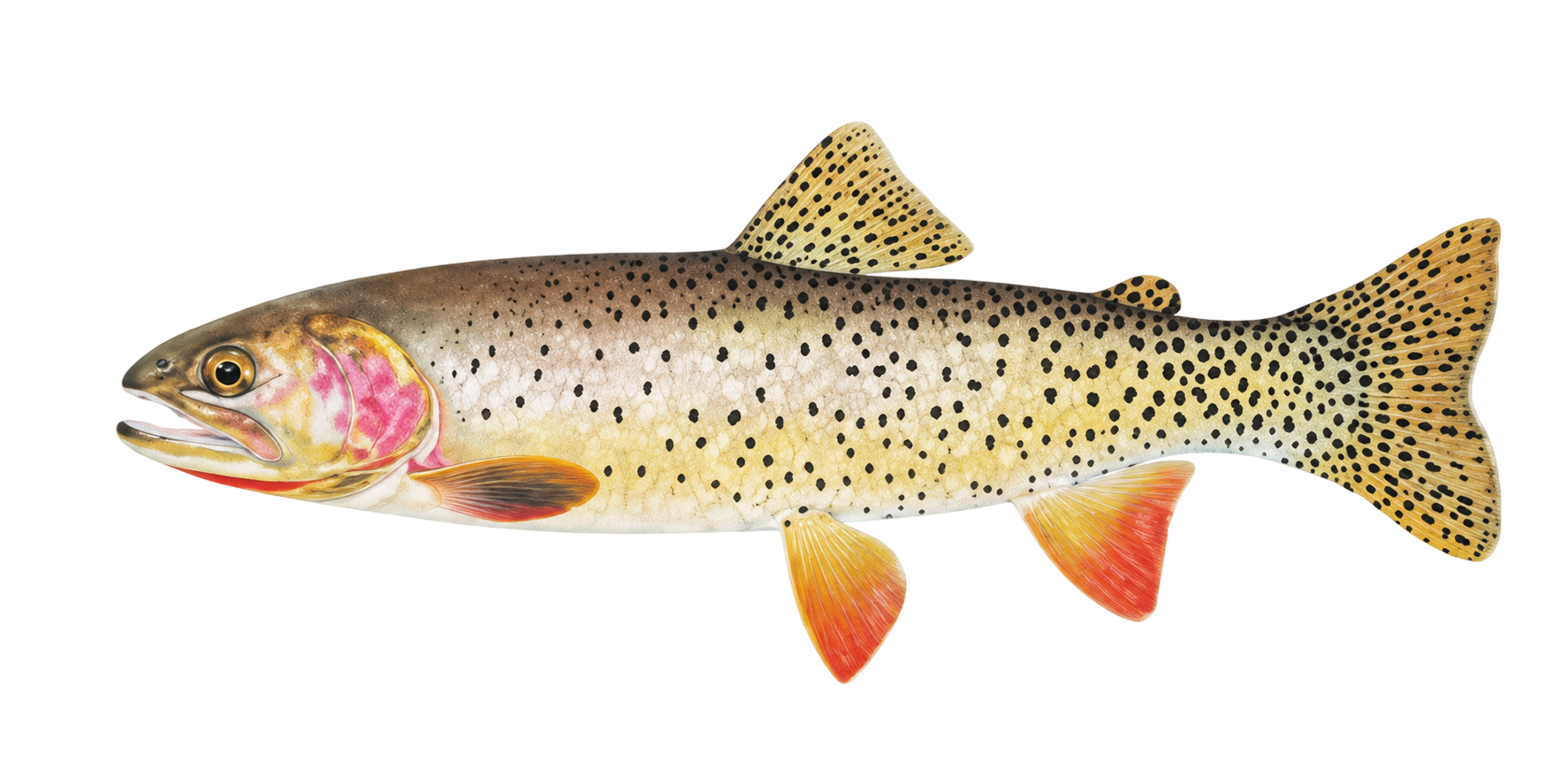
Yellowstone Cutthroat Trout

On this page

OverviewLife CycleFly TyingWhere It HatchesFly PatternsAngler NotesIdentificationHabitatEaten By

Share & plan

IDFG Planner

On this profile

  • 3 waters
  • 1 fly pattern
  • 7 predator species
  • 4 tying videos
  • 7 life stages

Explore

Browse all hatches & forage
  • dubbingCream or tan