Barbless.coBarbless.co
  • Home
  • Map
  • Reports
  • Guides
  • Fish
  • Hatches
  • Podcast
Sign in
Barbless.co

The more you understand, the more there is to see.

  • IdahoLive
  • CaliforniaSoon

Explore

  • Map
  • Reports
  • Browse reports
  • By region

Waters

  • River search
  • Guides & outfitters

Learn

  • Fish species
  • Hatches & forage
  • Podcast

Company

  • About
  • Contact
  • Editorial policy
  • Releases
  • Legal

© 2026 Barbless.co. Flow and gauge data from USGS; weather from Open-Meteo. · v2026.10.18.2

  1. Home
  2. Hatches & Forage
  3. Mayflies
  4. Hecuba

Updated July 20, 2026

← Back to map
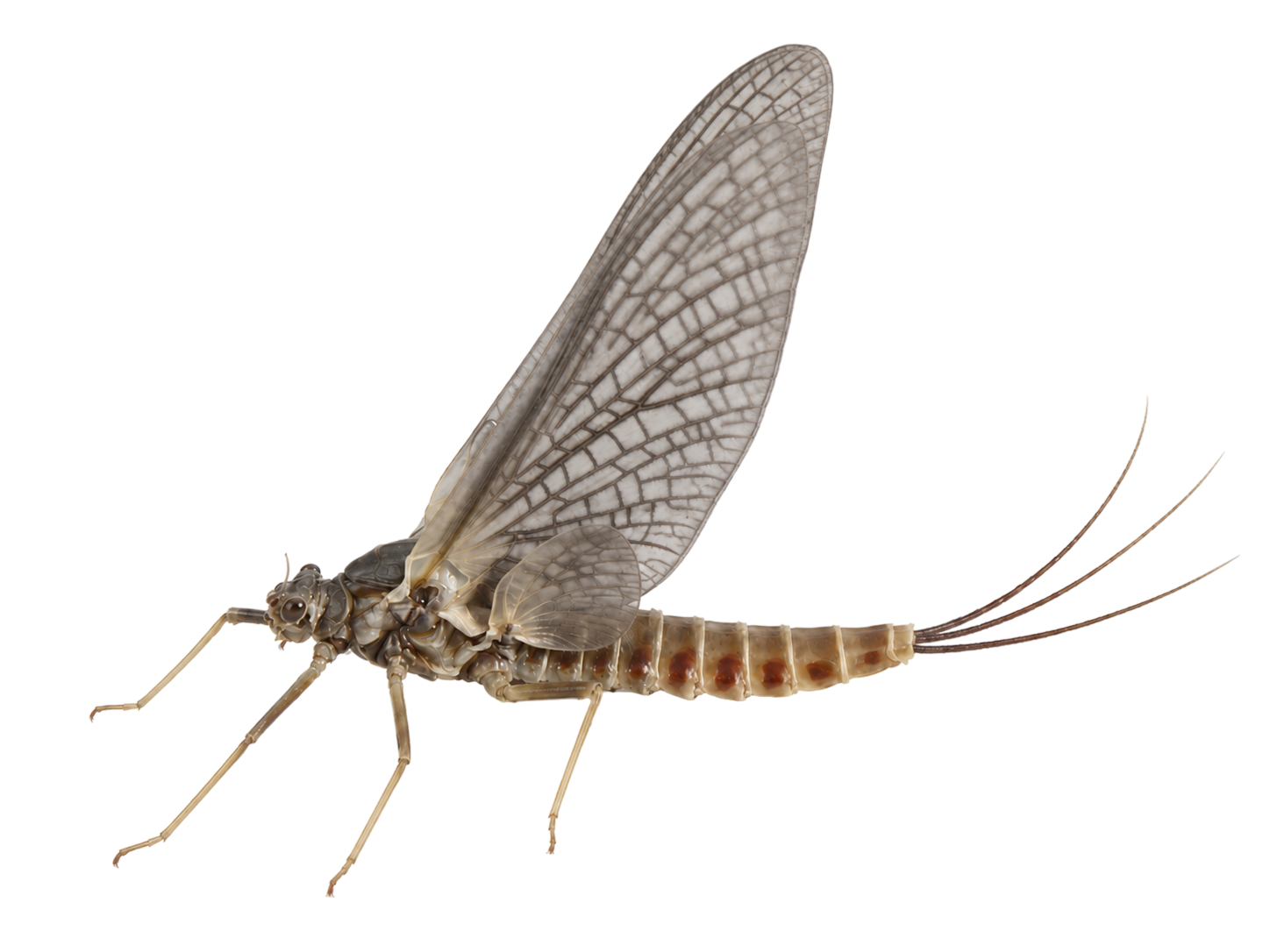
Hecuba, Adult

Hatches › Mayfly

Mayfly

Hecuba

Timpanoga hecuba · species

A large red-brown mayfly that gives anglers a classic Red Quill match from nymph to spinner.

Overview

Category

Mayfly

Category

Mayfly

Category

The insect or forage category for this profile.

Size

Generally a medium-large mayfly by trout-fly standards; commonly imitated around hook sizes 10-14.

Size

Generally a medium-large mayfly by trout-fly standards; commonly imitated around hook sizes 10-14.

Size

Typical size range anglers imitate on the water.

Key stages

Eggs, Nymph, Emerger, Dun / Adult, Spinner, Egg Laying Spinner, Spent Spinner

Key stages

Eggs, Nymph, Emerger, Dun / Adult, Spinner, Egg Laying Spinner, Spent Spinner

Key stages

Life stages most relevant to fly fishing this hatch or forage.

Water types

rivers, streams, riffles, runs

Water types

rivers, streams, riffles, runs

Water types

Water types where this bug or forage is commonly found.

About Hecuba

Timpanoga hecuba is a mayfly in the family Ephemerellidae, commonly known as the Great Red Quill. For anglers, it matters most as a larger red-toned mayfly whose nymphs, emergers, duns, and spent spinners can all draw fish during a hatch.

Also known as: Red Quill

Life Cycle

This diagram illustrates the complete life cycle of a mayfly, from the underwater nymph and egg stages to its brief aerial existence as an adult for reproduction and egg-laying.
Eggs

Eggs

Female mayflies deposit hundreds to thousands of eggs either in or near the water. These eggs then sink to the stream bottom to begin the next generation.

Nymph

Nymph

Mayfly nymphs spend most of their lives on the stream bed, where they feed and grow. They undergo multiple molts as they mature underwater.

Emerger

Emerger

When ready, the nymph rises to the water's surface, where it transforms into a subimago, or emerger, and begins to hatch.

Dun / Adult

Dun / Adult

This freshly emerged adult, known as a dun, rests on or just above the water's surface. It will soon fly off to complete its final molt.

Spinner

Spinner

After mating, adult mayflies, now called spinners, ascend into the air. They are now ready for the final act of reproduction.

Egg Laying Spinner

Egg Laying Spinner

The female spinner returns to the water's surface to deposit her eggs, ensuring the continuation of the species.

Spent Spinner

Spent Spinner

Having completed their reproductive purpose, adults die shortly after laying eggs. They are often found floating lifelessly on the water's surface.

Stages
Aquatic nymphs develop underwater, then emerge through an emerger stage into upright-winged duns before molting again into spinners. Anglers commonly fish all four stages: nymph, emerger, dun, and spinner.
Emergence cues
Look for activity in the broader spring-to-early-summer window when flows and temperatures stabilize, with hatches often building during the warmer part of the day and spinner falls tending toward calmer low-light periods.
Behavior
Nymphs stay associated with the stream bottom until emergence. As they hatch, insects pause in or just under the surface film before floating off as duns; later, spent spinners fall flush in the surface film and can create focused feeding.

How to Tie Hecuba Patterns

Dun / Adult

From Higa’s SOS to Cheech’s SUS - The “Suspiciously” Effective Dry Fly!

Fly Fish Food

Materials

  • Hook#16Fulling Mill 5065 Czech Nymph, Barbless
  • Hook (Alternate)#16Fulling Mill 1130 - Light Weight Grub Hook - Bronze
  • ThreadPro Thread Flat 70 Den - Black
  • Thread (Alternate)UTC Ultrathread 70 Denier - Black
  • India Hen BackIndia Hen Back - Black # 11
  • Ringneck Pheasant Tail (Alternate)Ringneck Pheasant Tail - Black
  • WireUTC Ultra Wire - Small - Silver
  • Wire (Alternate)UNI-Soft Wire - Small - Neon Silver
  • DubbingFulling Mill Ultra Dry Dub - Onyx
  • Dubbing (Alternate)Fulling Mill Tactical Dry Fly Dub - Black
  • HackleMetz - Select Single Pack - Grizzly - 16
  • Flex MaterialFulling Mill Flex-Floss - Red
  • Flex Material (Alternate)Life-Flex Spandex Material - Red

Spent Spinner

Tying a Hecuba Cripple

Brent Jones Fly Tying

Materials

  • Hooksize 10
  • Thread8/0Uni, yellow
  • EP fiberFor shock and rib
  • Dubbing BlendCustom blended, golden yellow
  • Deer HairFor front wing
  • Hackle3-4 turns
  • Glue

Where It Hatches

Hecuba

One species, multiple rivers.

RiverJANFEBMARAPRMAYJUNJULAUGSEPOCTNOVDEC
  • North Fork Big Wood River

Fly Patterns

  • Hecuba Dry#10-12

Angler Notes

Why it matters
This is a high-value match-the-hatch bug because trout may key on it at several points in the hatch, especially when larger mayflies are scarce and more noticeable.
Imitation tips
Carry slim but slightly robust mayfly nymphs in red-brown or mahogany tones, soft-hackle or film-style emergers, upright-wing duns, and rusty spinner patterns. Keep body color warmer and redder than a generic brown mayfly when fish are selective.
Key life stages
nymphemergerdunspinner
Presentation
Start with a dead-drifted nymph before surface activity begins, then switch quickly to emergers or duns once you see rises. When fish sip gently in flat water, a low-riding spinner or cripple-style presentation is often the most precise finish.

Identification

Key features
A robust mayfly with the typical upright-winged dun and flat-winged spinner stages; anglers key on its larger profile and red-quill look compared with smaller mayflies.
Size
Generally a medium-large mayfly by trout-fly standards; commonly imitated around hook sizes 10-14.
Coloration
Usually matched with reddish-brown to mahogany bodies, darker thorax, and gray to smoky wings on duns; spinners are often tied with rusty-red bodies and clearer wings.
Similar bugs
March BrownMahogany DunRed QuillGray Fox

Habitat

Water types
riversstreamsrifflesruns
Substrate
Rocky to cobble stream bottoms with enough current to keep water moving and oxygenated.
Conditions
Best associated with clean, cool, well-oxygenated flowing water.

Eaten By

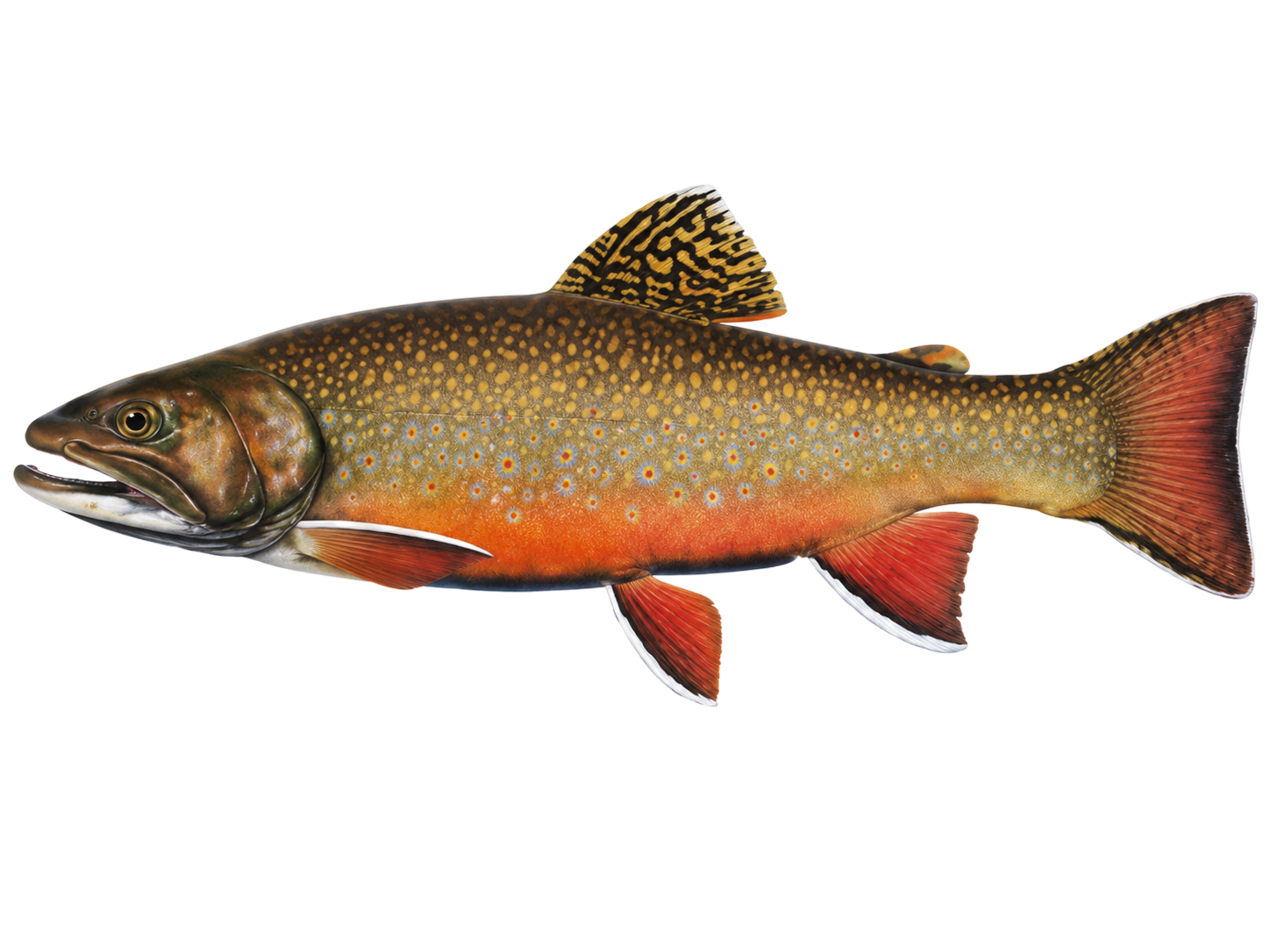
Brook Trout
Brook Trout
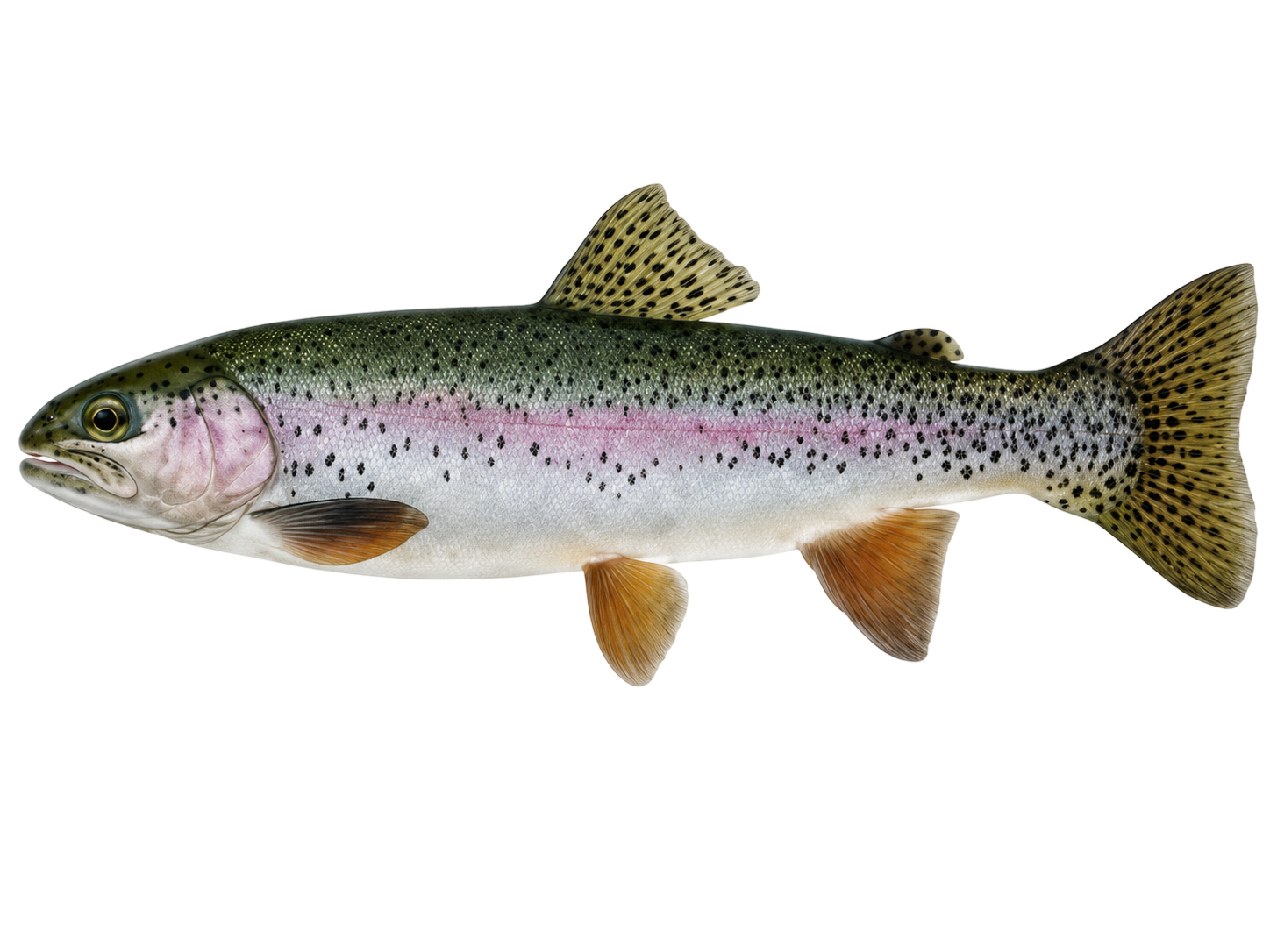
Rainbow Trout
Rainbow Trout

On this page

OverviewLife CycleFly TyingWhere It HatchesFly PatternsAngler NotesIdentificationHabitatEaten By

Share & plan

IDFG Planner

On this profile

  • 1 water
  • 1 fly pattern
  • 2 predator species
  • 2 tying videos
  • 7 life stages

Explore

Browse all hatches & forage