Updated
← Back to mapCalifornia Rivers › North Coast – Del Norte County
A free-flowing, emerald-clear North Coast river where fall Chinook, winter steelhead and native coastal cutthroat trout set the pace.
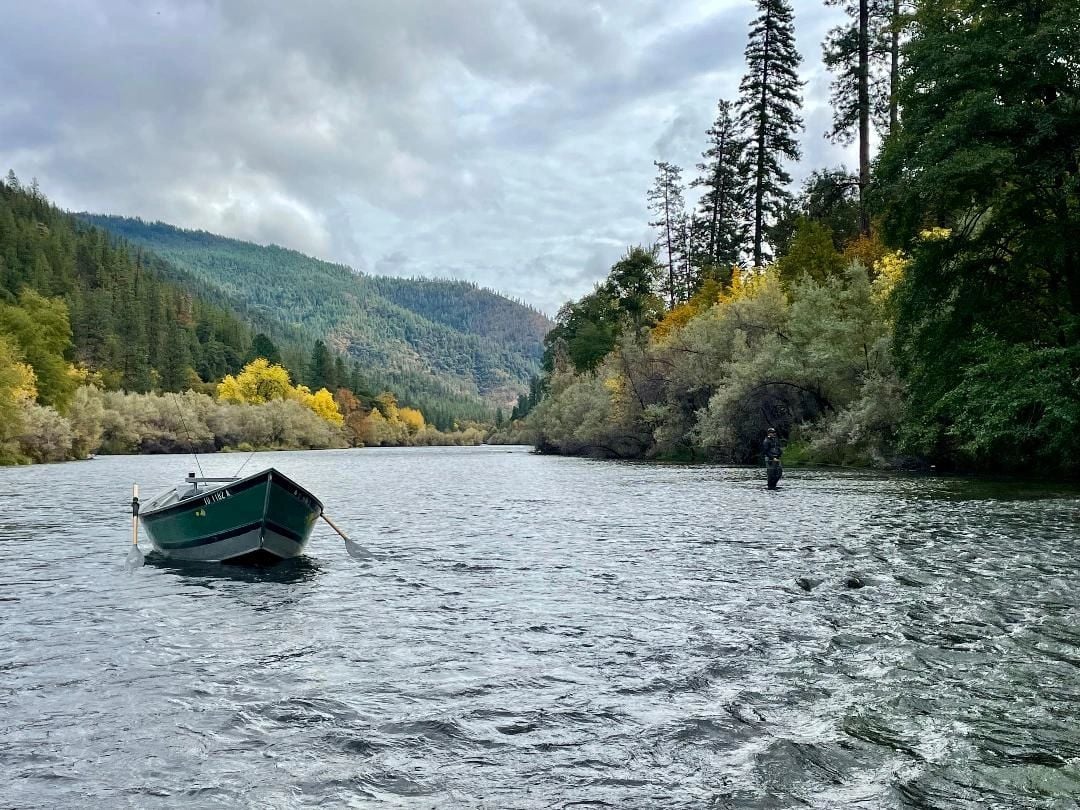
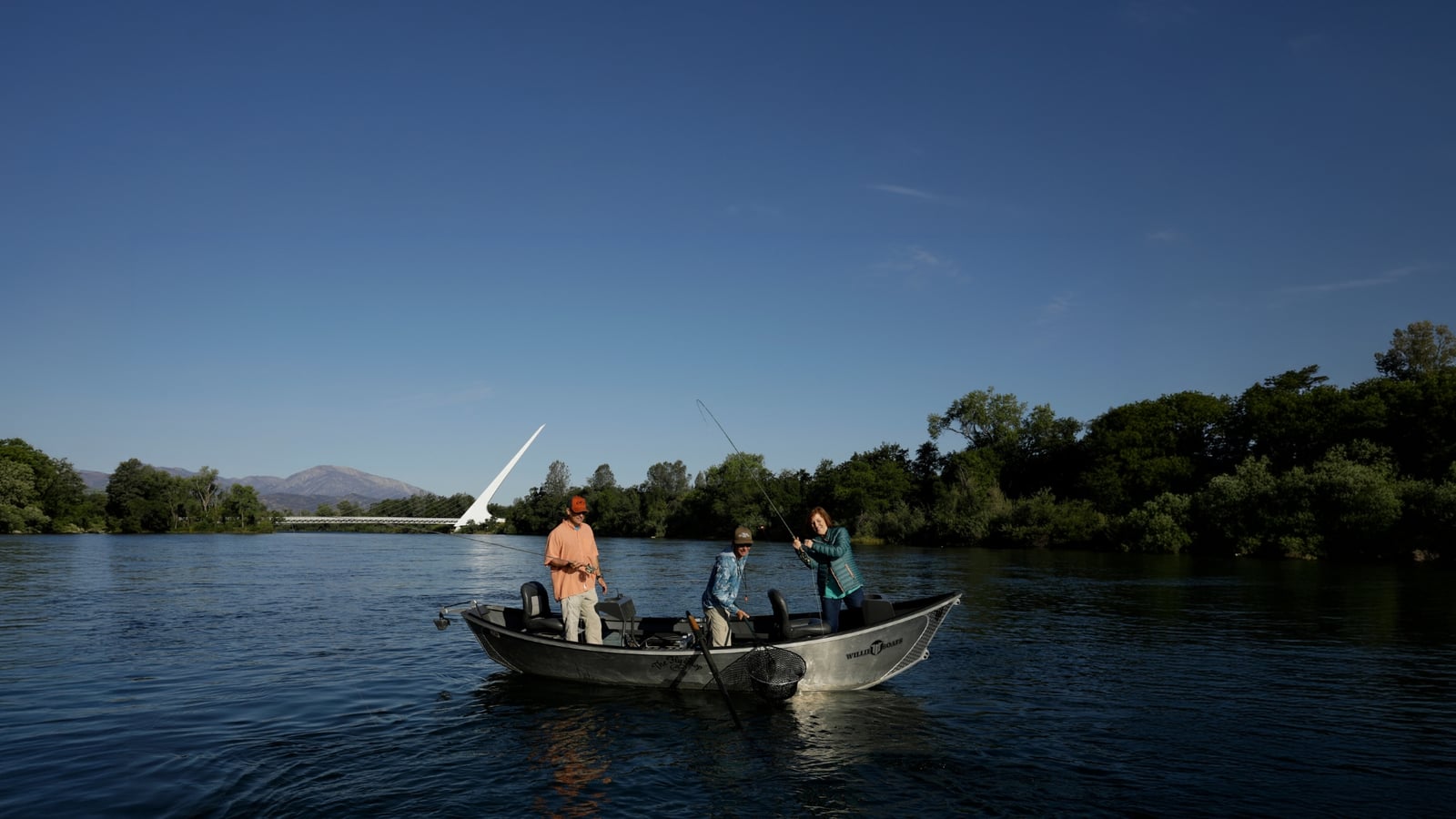
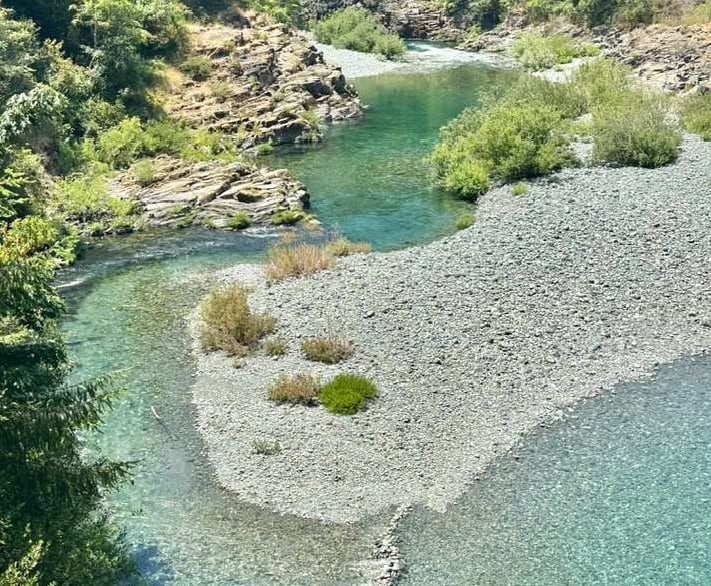
The Smith is the northernmost of California's coastal rivers, a short freestone river in Del Norte County near the Oregon border, with no dam anywhere on it. It drains rocky ground in Six Rivers National Forest and the redwoods, and its emerald water clears fast after storms, often fishing while other rivers are muddy. It marks the northern end of coho spawning range in California; those coho, from the Southern Oregon and Northern California Coast group, are threatened under state and federal law and not a harvest target. The Middle Fork follows Hwy 199 from Patrick Creek Campground past Panther Flat to Gasquet, where the North Fork joins, then past Mary Adams Peacock Bridge to the Niels Christensen Slant Bridge: pocket water up high, deeper pools below. The South Fork, a designated Heritage and Wild Trout water, cuts a steep, narrow canyon beside South Fork Rd from Big Flat Campground past Steven Memorial Bridge and Twin Bridges to the George Tryon South Fork Bridge near Hiouchi, much of it fished from rocks. The main stem runs past Hiouchi Bridge, Jedediah Smith State Park and Ruby Van Deventer State Park, between North Bank Rd and South Bank Rd. Below the Hwy 101 bridge it widens, best fished by boat, through the estuary to the mouth at the town of Smith River, home of Rowdy Creek Fish Hatchery, the state's first privately owned hatchery. Fall Chinook enter the tidal pools below that bridge from September, best through mid-November, some into January; they average 20 to 40 pounds and reach 80. Winter steelhead come in late fall and peak late January into early February, a few around all year. Most weigh 8 to 12 pounds, and the 27 lb 4 oz state record came from the Smith. Half-pounders run in September and October. CDFW counts the Smith as a key river for coastal cutthroat trout, and sea-run cutthroat to 5 pounds come in to spawn April through September, when few anglers are out. Drift boats work the lower river; elsewhere fish the bank or wade gravel bars, roll casting where brush crowds the edge. Fly anglers use brindle bugs and silver hiltons for half-pounders, then big, dark popsicles and intruders from November through March. Gear anglers drift roe or run Kwikfish and spinners upriver, and use herring or anchovies in the estuary. For cutthroat, swim small streamers or lures slowly past logs and undercut banks, or troll them in the estuary. North Coast low-flow closures run September 1 through April 30, and the Smith is open only when USGS gauge 11532500 near Crescent City reads 600 cfs or more. CDFW updates the closure status Mondays, Wednesdays and Fridays, and drought years have brought emergency rules extending these restrictions. The Barbless planner has no hatch data or survey record here, and CDFW documents species only at the watershed level. Regulations change and differ by section, so check the current California Freshwater Sport Fishing Regulations and steelhead report card requirements before you go.
Best Season
Fall Chinook September to mid-November; winter steelhead late fall to early spring, peaking late January to early February, when flows keep it open; sea-run cutthroat April to September
River Type
Free-flowing coastal anadromous river
Skill Level
Intermediate to advanced
Best Techniques
Drift boats on the lower river; bank and wade fishing at gravel bars with flies, roe, spinners or Kwikfish; slow streamers for cutthroat, trolled in the estuary
Access
Mostly public land, from state parks on the main stem to national forest along the forks, reached from roadside turnouts; flow-based closures decide when you can fish.
Review seasonal insect hatches on the Smith River, including timing windows and fly pattern suggestions for your next trip.
Check current seasons, limits, and special rules for Smith River before you go. Regulations change, so always verify with IDFG.
The latest fishing conditions and hatch notes for Smith River. Older reports live in the Smith River report archive.
These YouTube videos have been hand-curated by our team because we feel they best represent the Smith River fishery. Watch for river character, access context, and techniques that translate to your next trip.
No towns within 30 mi
Map data © Mapbox © OpenStreetMap
These YouTube videos have been hand-curated by our team because we feel they best represent the Smith River fishery. Watch for river character, access context, and techniques that translate to your next trip.
The latest fishing conditions and hatch notes for Smith River. Older reports live in the Smith River report archive.
The Smith River remains closed under low-flow restrictions through April 2027, with flows at 50 cfs far below the 600 cfs opening threshold as of late October.
Review seasonal insect hatches on the Smith River, including timing windows and fly pattern suggestions for your next trip.
No data for this season.
Fishing guides, outfitters, shuttles, and shops that operate on the Smith River.