Fishing the Klamath River
The Klamath runs about 255 miles from Klamath Falls, Oregon, to the Pacific at Klamath, on Hwy 101 in Del Norte County. It is a big freestone river, trout water up high and salmon and steelhead below, and it sees few anglers for its size. In 2023-24 the dams were removed at Iron Gate, Copco and J.C. Boyle, so the river runs free where their reservoirs used to be; Keno Dam and Link River Dam remain.
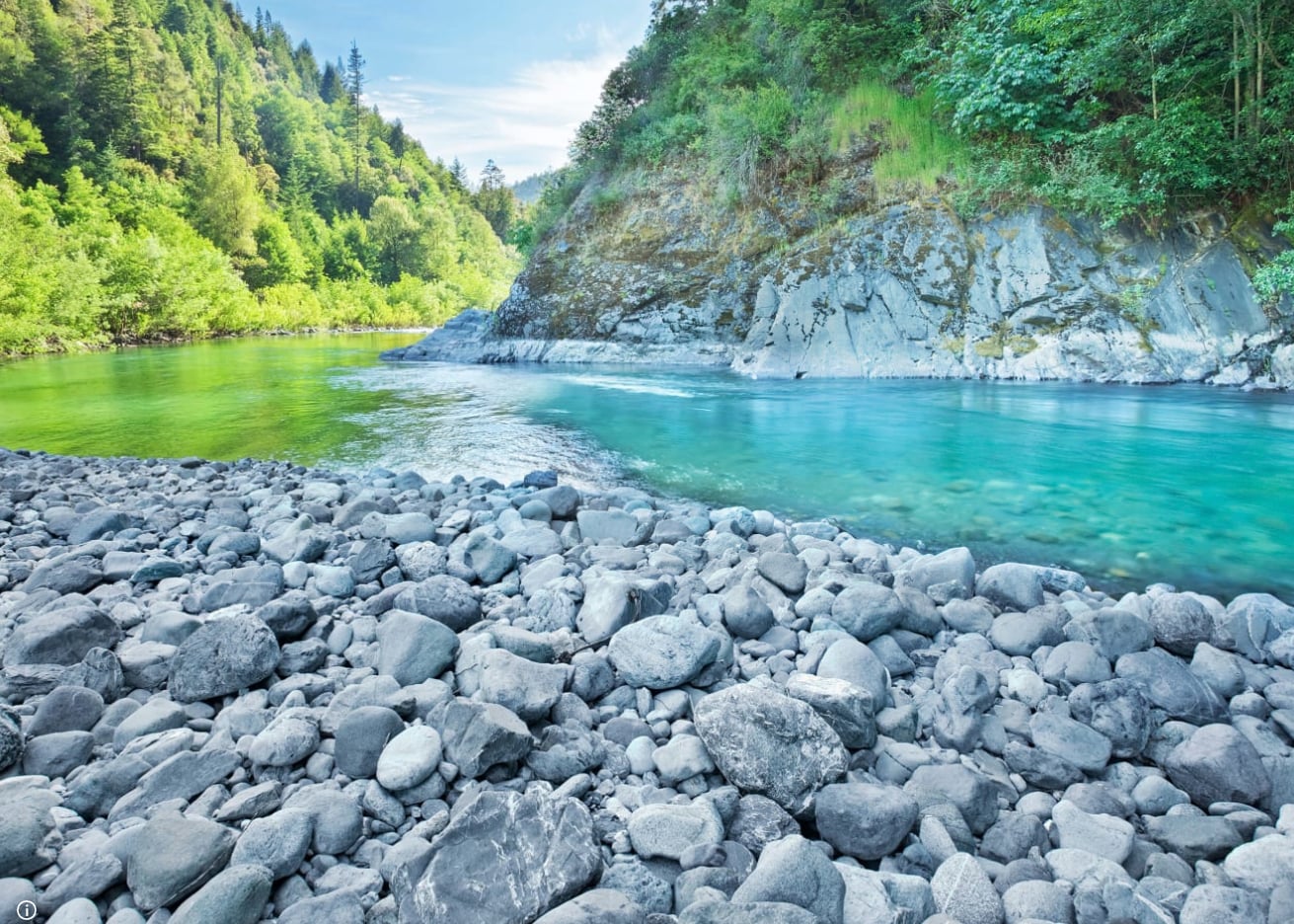
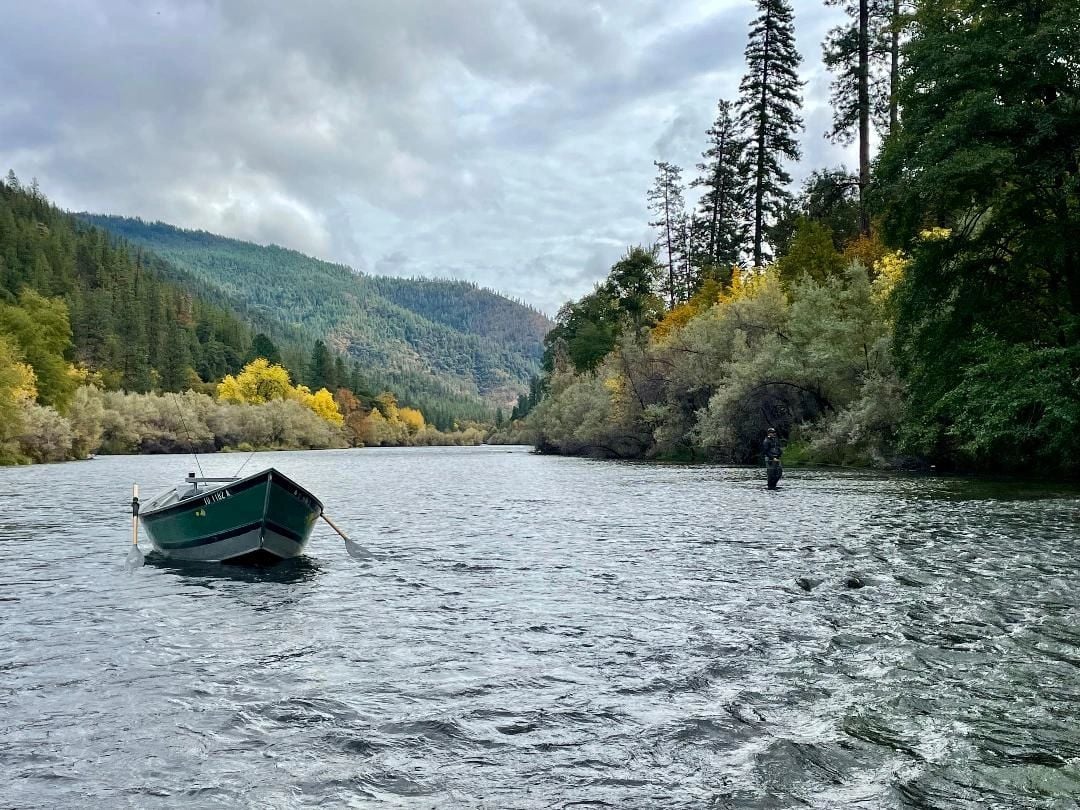
At the top, the Link River runs a mile from Upper Klamath Lake to Lake Ewauna in Klamath Falls, bedrock pools and riffles beside a trail. From Lake Ewauna to Keno Dam it is flat, lake-like water, easier by boat. Below Keno Dam it drops over bedrock and boulders past the Hwy 66 bridge and the former J.C. Boyle Dam site to the rapids, pools and long fly riffles around Topsy, on rough high-clearance roads. In 1995 the reach from Hayden Creek at the state line down past Shovel Creek was a Wild Trout Area of glides, tailouts and riffles that ended at Copco Lake. Below the former Iron Gate Dam site the river passes Bogus Creek and Hornbrook to I-5, then the Shasta River mouth and Ash Creek bridge. Klamath River Road follows it past Gottville and the town of Klamath River to Walker Bridge, and from Horse Creek Hwy 96 stays with it past Hamburg, the Scott River, Seiad Valley, Happy Camp, Somes Bar at the Salmon River mouth and Orleans to Weitchpec, where the Trinity comes in. Above Weitchpec the river is narrower, with plenty of wading and bank water. Below it is big water, wide and deep with huge gravel bars, past Martins Ferry and Johnsons to the mouth at Klamath and Requa, best covered by boat.
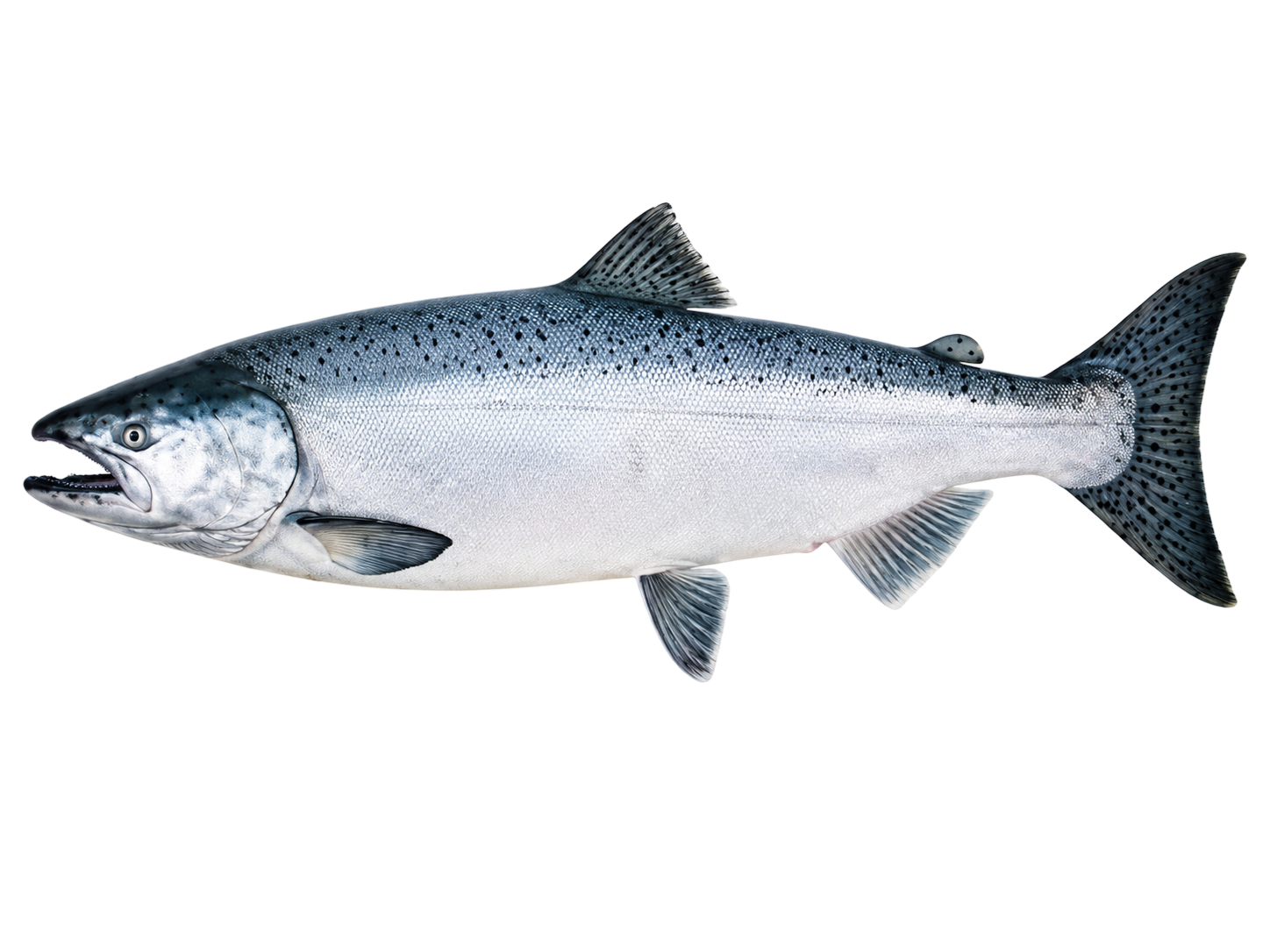
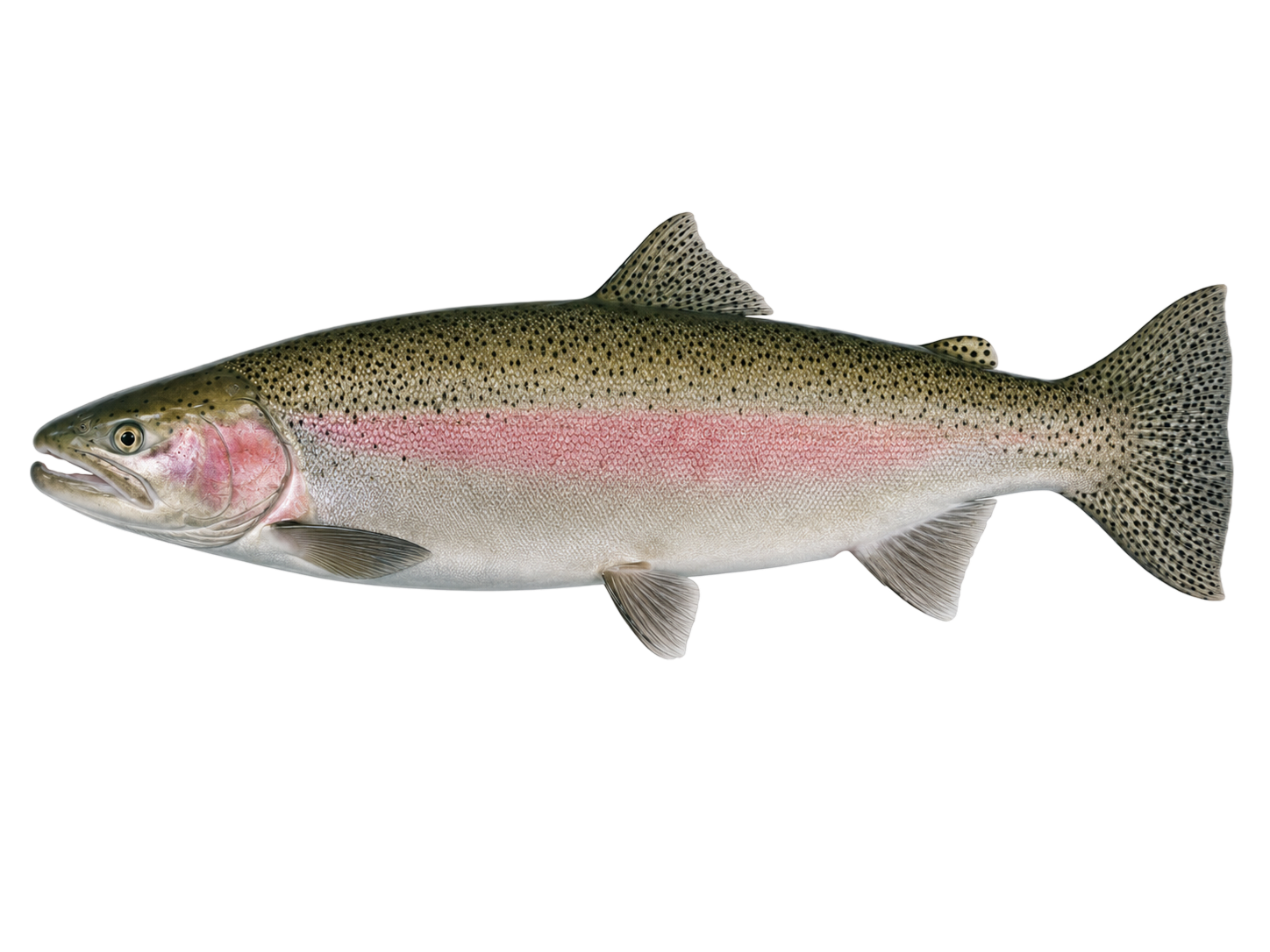
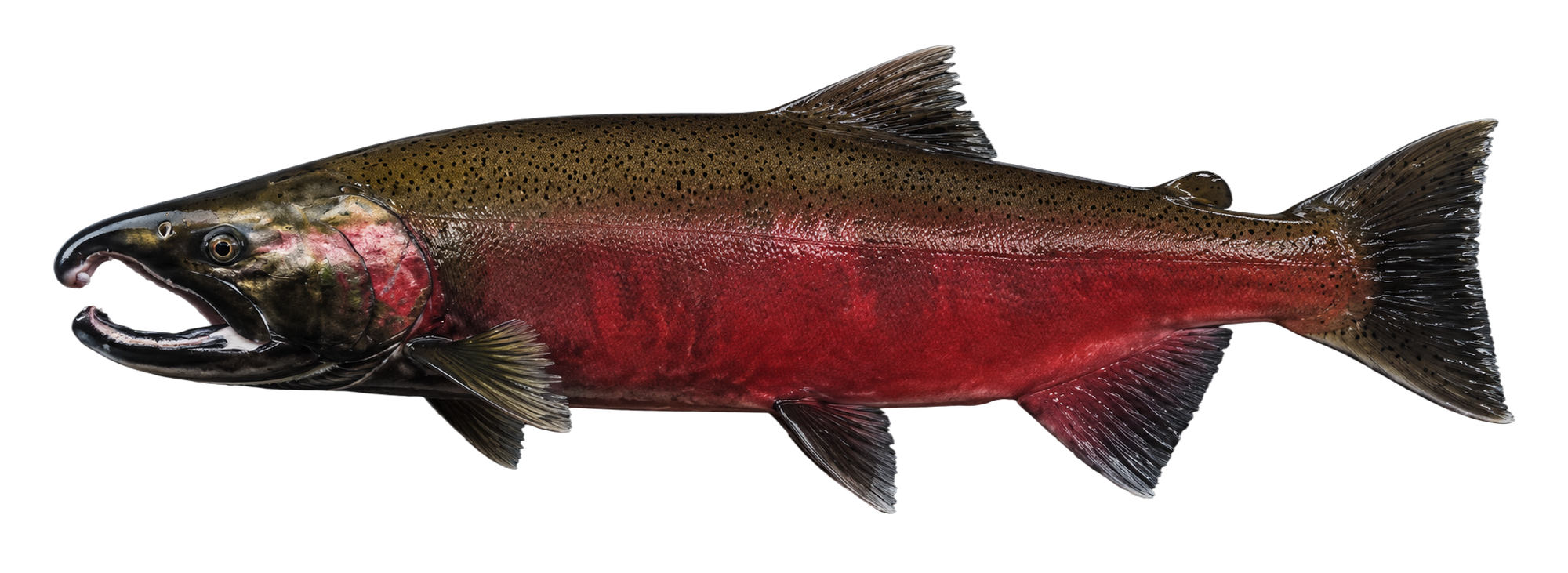
Chinook reach tidewater from the end of July and the hatchery below the former Iron Gate Dam site by September, peaking in mid-October; September and October are the best months. Half-pounder steelhead show up from late July or early August and peak in October, and adult steelhead follow from November through April. American shad run in spring and very early summer, sea-run cutthroat up to 5 pounds reach the lower river in late spring, and sturgeon are possible.
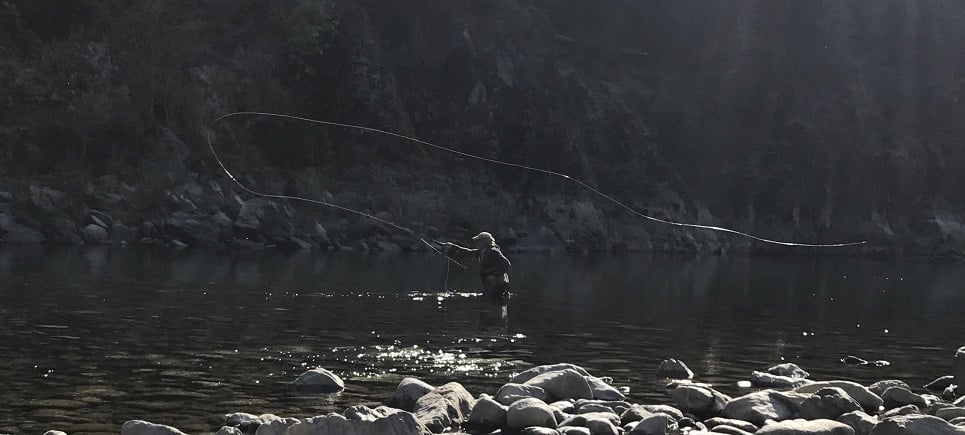
Bait and lures work the pools, eddies and heavy tailouts; flies belong on the riffles and glides. In fall, swing wet flies in sizes 6 to 10, going up to a 4 when the water is under 60 degrees, or skate a size 4 to 8 dry on a riffle hitch. In winter, fish wet flies in 4 to 8. Summer gold dredgers leave holes in the gravel from Weitchpec upstream, so wade slowly with a staff. Many side roads are no place for RVs or trailers, and some gravel bars are soft enough that a tow truck won't come out.
Regulations change and differ by section, and the river crosses two states, so check the current California and Oregon regulations before you go.